The Diaspora World Cup operates in some of the major cities and metro areas in
United States and
Canada. Our network of register players includes 20 cities, 200 countries, 400
teams, and 10,000
players. Join our movement to solve the world's most pressing challenges:
Illiteracy
Who We are text will be here Who We are text will be here Who We are text will
be here Who We
are text will be here Who We are text will be here Who We are text will be here
Who We are text
will be here Who We are text will be here Who We are text will be here
What We Do text will be here What We Do text will be here What We Do text will
be here What We
Do text will be here What We Do text will be here What We Do text will be here
What We Do text
will be here What We Do text will be here What We Do text will be here What We
Do text will be
here What We Do text will be here What We Do text will be here
Get Involved text will be here Get Involved text will be here Get Involved text
will be here Get
Involved text will be here Get Involved text will be here Get Involved text will
be here Get
Involved text will be here Get Involved text will be here Get Involved text will
be here Get
Involved text will be here
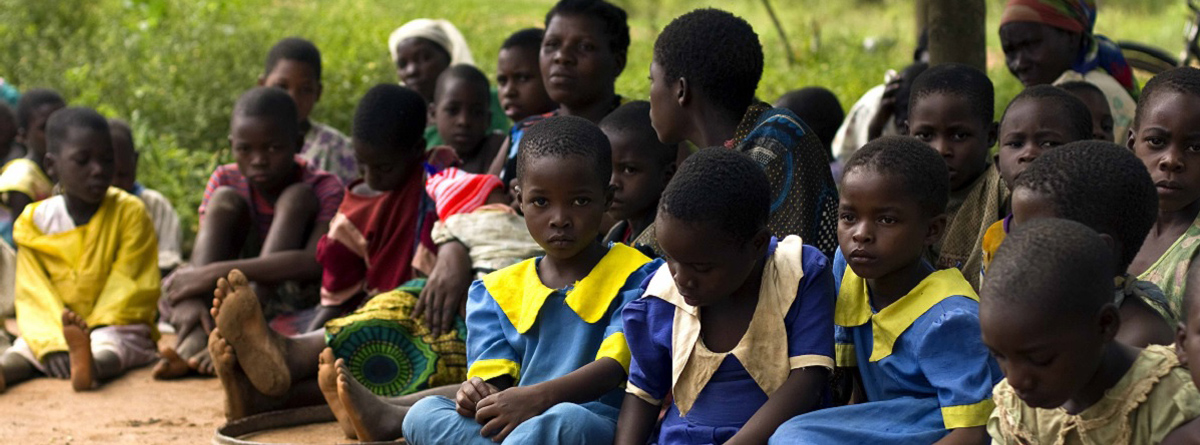
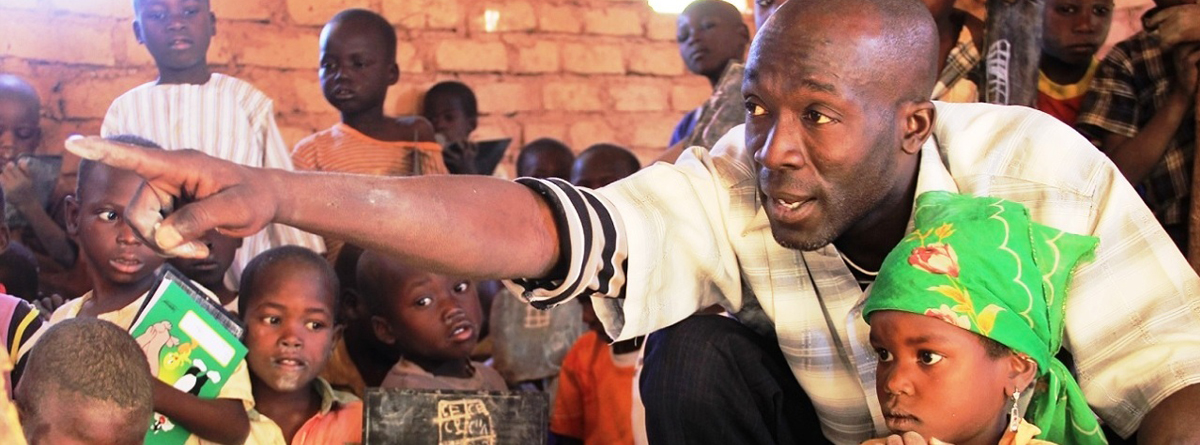
Education is a basic Human Right and the Diaspora World Cup global school
program focuses its
energy in some the poorest countries around the world. We build schools in some
of the poorest
countries around the worldthat historically had no adequate school structure.
Any member of the
World Diaspora has the power to end illiteracy around the world through the
power of soccer.
High-profile sport figures, global leaders, business leaders, political figure,
journalists,
activists, philanthropists, actors, and entrepreneurs united by their commitment
to the Diaspora
World Cup mission to eradicate illiteracy around the world through the power of
soccer. They serve
as role models and spread the Diaspora World Cup vision and commitment of a
world mobilized
through soccer.
Diaspora 2027: complete guide to all players | The Diaspora
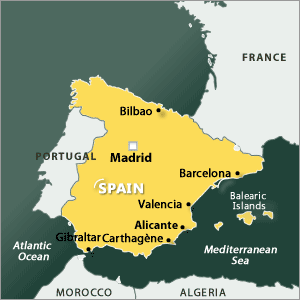
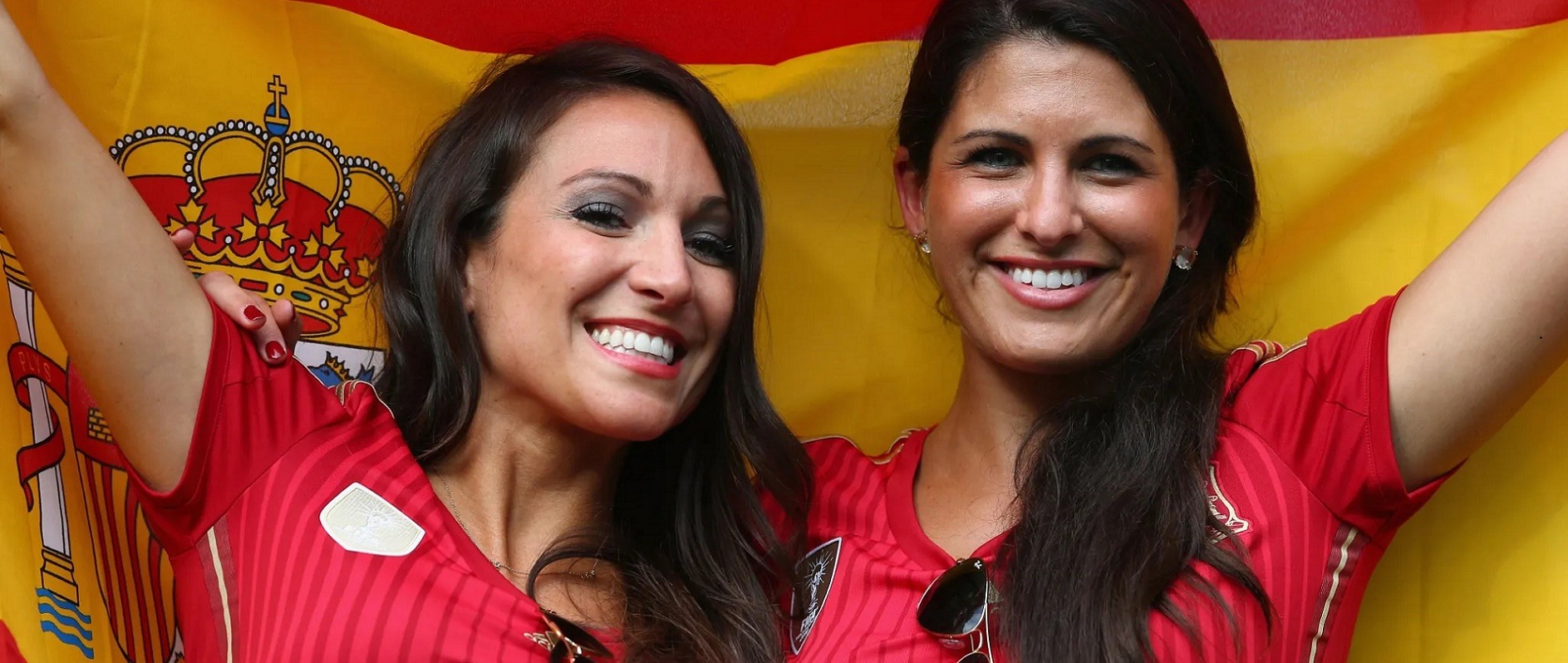
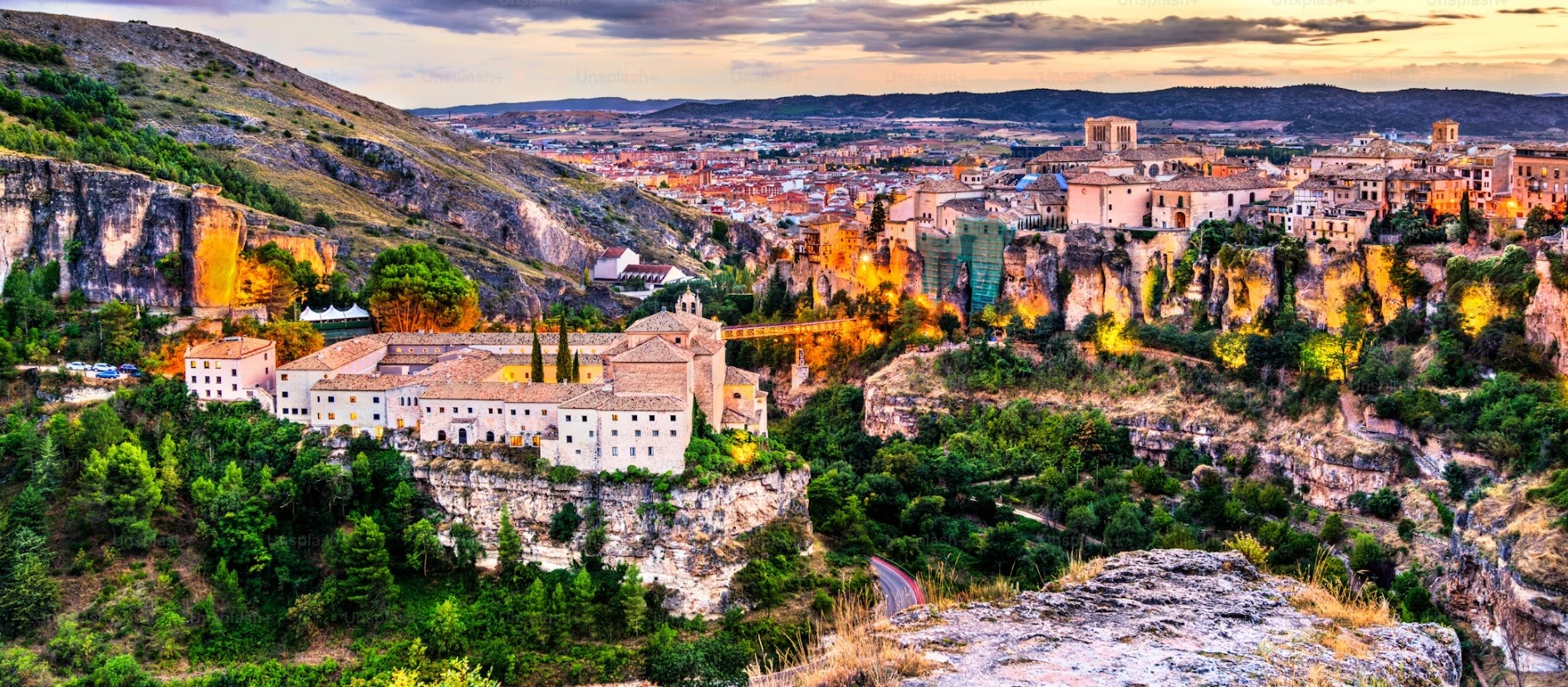
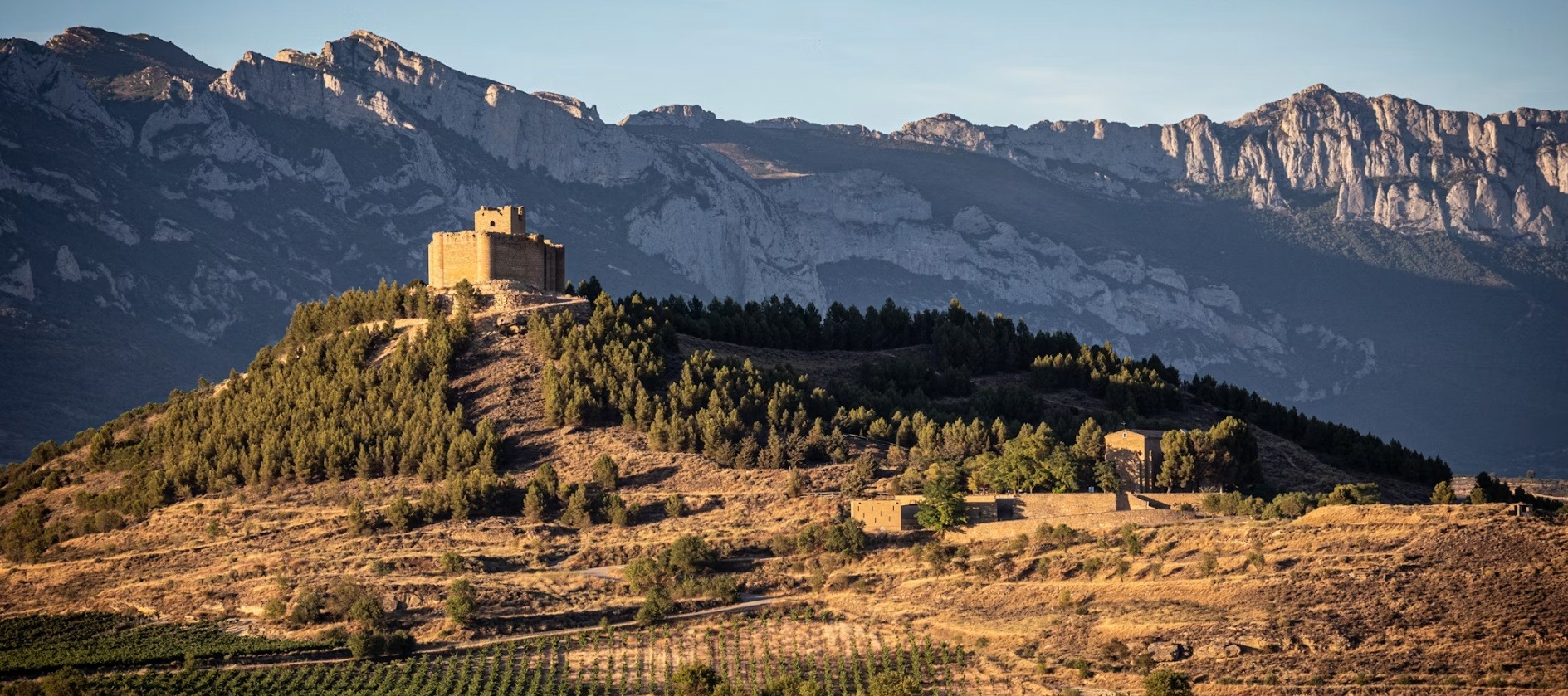
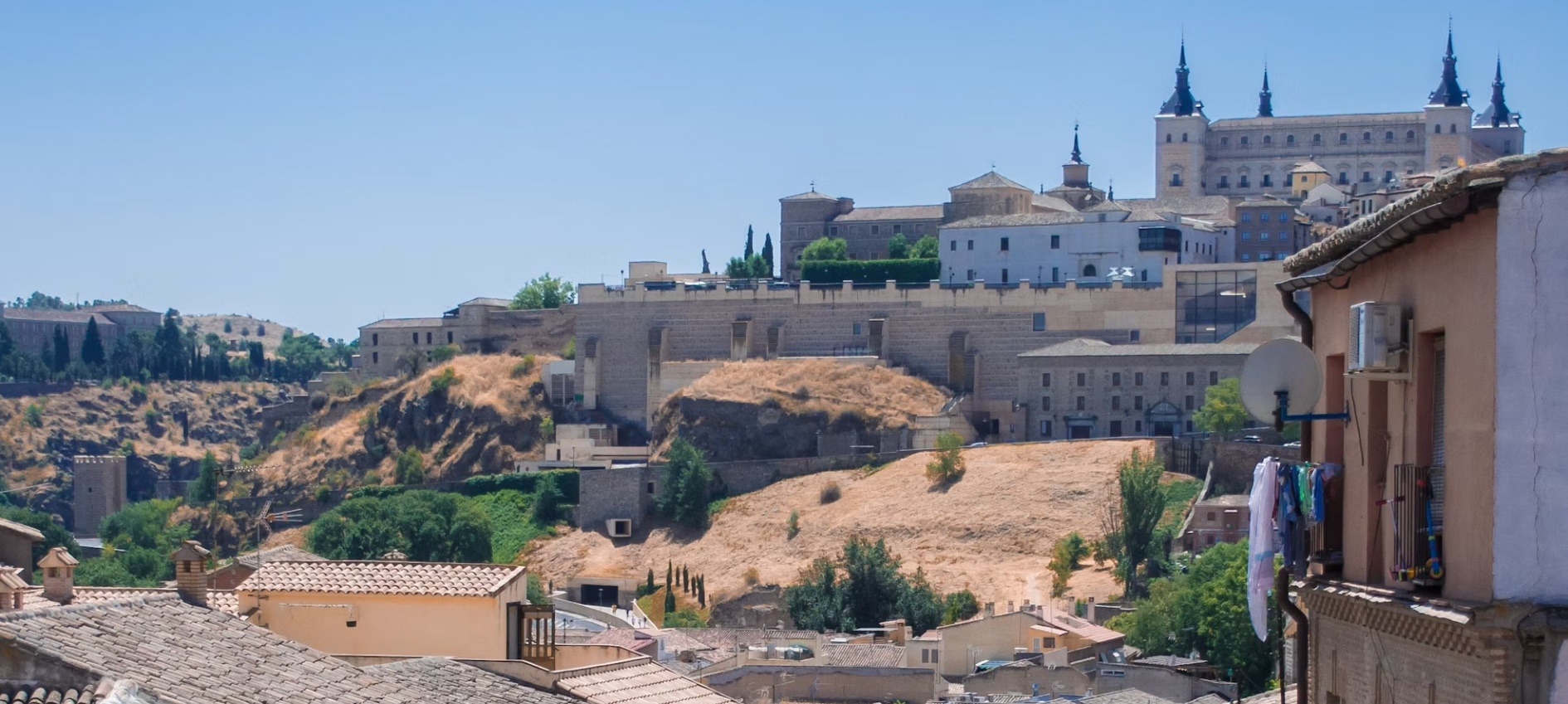
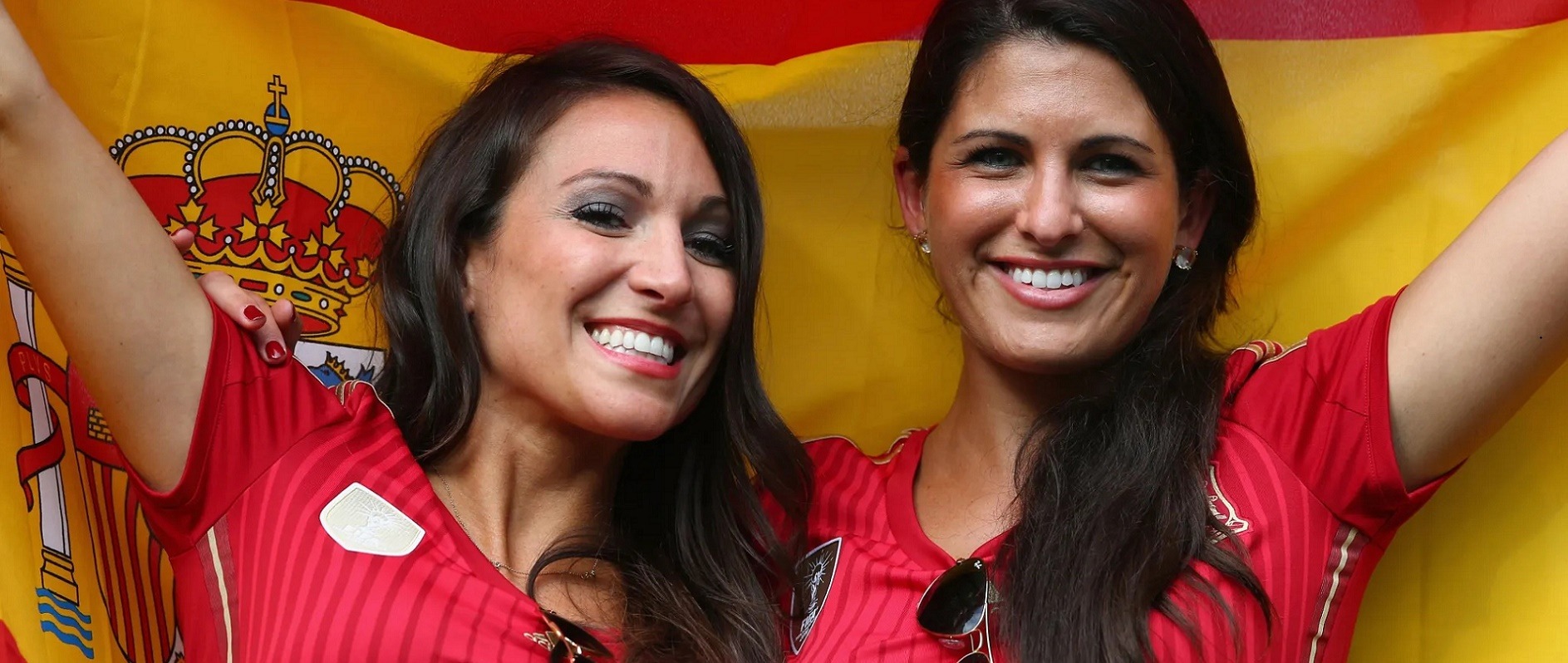
SPAIN
Welcome to the 2028 Diaspora World Cup. Gaithersburg – M. Village
Gaithersburg – M. Village
Welcome to the 2028 Diaspora World Cup. Gaithersburg – M. Village
The Spanish diaspora in the DMV (District of Columbia, Maryland, and Virginia) region is an elite, highly active, and culturally integrated European community. Unlike the massive working-class migrations from Spain into 20th-century American factories, the DMV's population consists heavily of diplomats, multilateral development economists (at the World Bank and I...The Spanish diaspora in the DMV (District of Columbia, Maryland, and Virginia) region is an elite, highly active, and culturally integrated European community. Unlike the massive working-class migrations from Spain into 20th-century American factories, the DMV's population consis...
More Information
Chelsea Official
Download The 5th Stand, Chelsea’s official mobile app, to see exclusive content, match action and all the latest news from Stamford Bridge.
More Information
Street Soccer in Spain
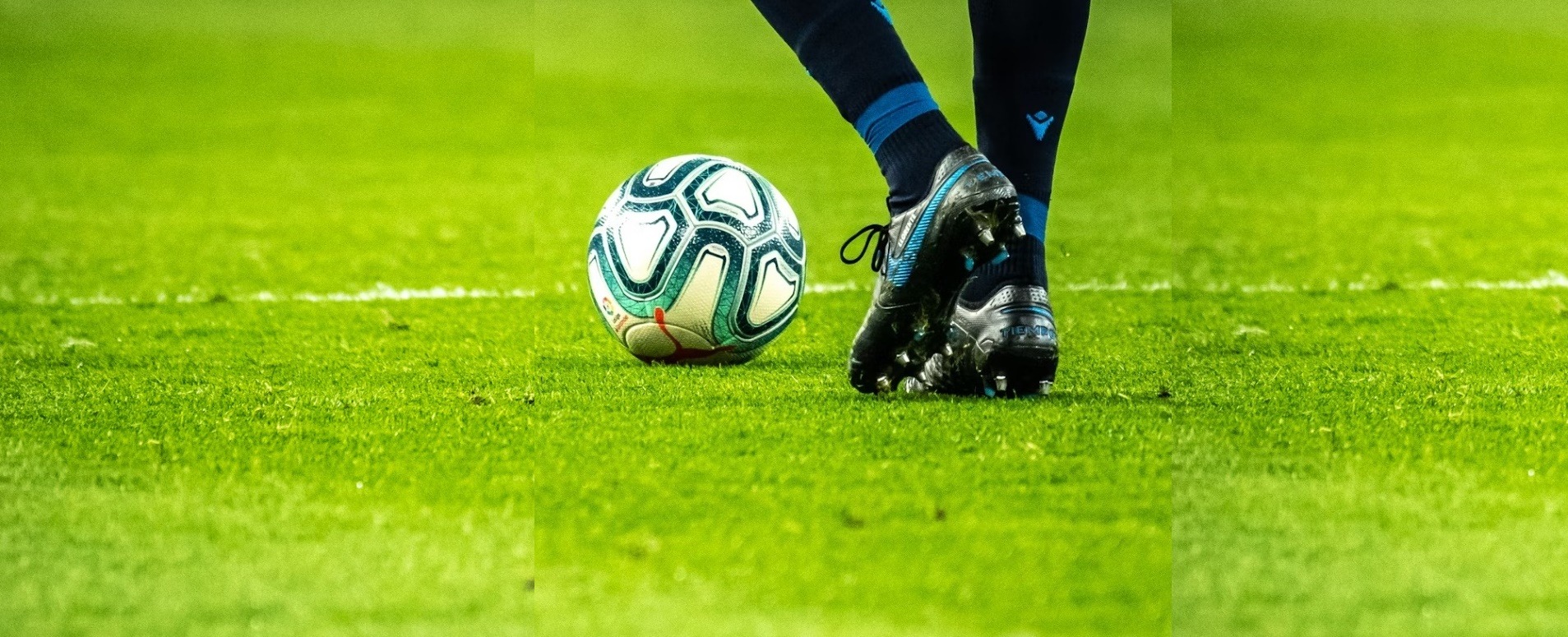
Street soccer is a fundamental part of football culture in Spain, where children and teenagers regularly play informal football matches in neighbourhood plazas, school playgrounds, public parks, community courts, and local streets. These games provide young players with an exciting way to develop their football skills, stay active, and enjoy the sport with friends from an early age.
The technical and possession-based style of Spanish football is reflected in street soccer, where players focus on close ball control, quick passing, creative dribbling, and intelligent movement. Playing in small spaces helps participants improve their first touch, vision, teamwork, and ability to make quick decisions under pressure.
Street soccer offers an accessible and affordable way for communities across Spain to enjoy football without requiring professional facilities. It promotes healthy lifestyles, strengthens neighbourhood connections, and inspires many young players to continue their football journey through schools, academies, local clubs, and organised competitions.
Street Soccer Culture in Spain
Football is deeply woven into everyday life in Spain, and street soccer is often where many children first discover their passion for the game. Informal matches organised by friends, schools, and local communities create a vibrant environment where players of different ages and abilities can develop their skills while enjoying the spirit of football.
Skills Developed Through Street Soccer
Street soccer helps players improve dribbling, first touch, passing accuracy, shooting technique, ball control, agility, balance, vision, and tactical awareness. Regular matches also strengthen creativity, communication, confidence, composure, and quick decision-making in tight spaces.
Street Soccer and Community Development
Street soccer brings communities together through football while encouraging teamwork, positive youth participation, and active lifestyles. It provides aspiring players with valuable experience before progressing to school teams, football academies, local clubs, futsal programmes, or organised youth football competitions.
The SPAIN in the DMV
The Spanish diaspora in the DMV (District of Columbia, Maryland, and Virginia) region is an elite, highly active, and culturally integrated European community. Unlike the massive working-class migrations from Spain into 20th-century American factories, the DMV's population consists heavily of diplomats, multilateral development economists (at the World Bank and IMF), cybersecurity engineers, aerospace consultants, and high-end culinary entrepreneurs.
The community forms a crucial bridge between Spain's artistic heritage and the geopolitical frameworks of Washington, D.C..
🏛️ The Cultural Heartbeat: The Former Ambassador's Residence
Public identity and cultural diplomacy for the Spanish diaspora are primarily anchored by a stunning, historic mansion:
The Spanish Cultural Center (Columbia Heights, D.C.): Housed in the grand, historic former Residence of the Ambassadors of Spain on 16th Street NW, this architectural masterpiece serves as the absolute epicenter of the diaspora. Operated by the Cultural Office of the Embassy of Spain, it hosts vibrant events spanning classical guitar concerts, contemporary art installations, and historical exhibitions detailing Spain's deep support for the American Revolution.
La Terraza Summer Celebration: Every June, the Cultural Center hosts its signature event, La Terraza. This massive public party marks the closing of the cultural season, bringing together hundreds of local Spanish expats to share premium wines, authentic regional foods, and live performances by touring Spanish musicians.
Art x Science Collaborations: Highlighting the highly educated profile of the local diaspora, the center runs initiatives like The Firefly Forest, which pair local Spanish scientists and research professionals based in the DMV with visual artists to explore cutting-edge environmental and biological concepts.
Professional Scaffolding and Expat Alliances
Because Spanish expats are heavily integrated into the capital's knowledge economy, they maintain strong corporate and institutional networks:
The ECUSA Network (Españoles Científicos en USA): The Washington, D.C. chapter of ECUSA acts as a premier professional anchor for the high concentration of Spanish-born scientists, biotech researchers, and medical academics working across the DMV—particularly within the National Institutes of Health (NIH) in Bethesda, MD.
The InterNations Spanish Circle: For corporate relocations, digital spaces like the InterNations D.C. Spaniard Network serve as vital social third spaces. This community coordinates monthly networking happy hours, neighborhood meetups, and language exchanges for expats originating from Madrid, Barcelona, Sevilla, and all corners of Spain.
Significance
Spanish immigration to the United States has generally reflected colonial settlement, trade, agricultural and industrial employment, political conflict, economic hardship, education, professional opportunities, and family reunification.
Spanish migration to the lands that became the United States began centuries before the country was established. Explorers, soldiers, missionaries, settlers, merchants, farmers, and administrators founded communities in Florida, the Southwest, California, and other areas under Spanish control. Later immigration came from regions including Galicia, Asturias, the Basque Country, Catalonia, Andalusia, and the Canary Islands. During the late nineteenth and early twentieth centuries, Spanish workers found employment in mining, agriculture, fishing, shipping, cigar manufacturing, construction, and urban industries. Communities developed in Florida, New York, New Jersey, California, Louisiana, West Virginia, and other states, where immigrants established churches, clubs, newspapers, businesses, and mutual-aid societies.
Spanish Migration Before the Major Immigration Waves
Before large modern immigration waves, Spanish movement to North America was closely connected to exploration, colonisation, missionary activity, military expansion, and trade. Spain established settlements across territories that later became parts of the United States, beginning with Saint Augustine in Florida during the sixteenth century. Settlers also arrived from the Canary Islands and other Spanish regions to strengthen colonial communities in Louisiana, Texas, Florida, New Mexico, and California. After much of Spain’s North American territory passed to other governments, migration continued through commerce, shipping, agriculture, and family networks. During the nineteenth century, Spanish immigrants remained fewer than many other European groups, although sailors, merchants, cigar workers, miners, and agricultural labourers formed important local communities.
Late-Nineteenth- and Twentieth-Century Immigration
Spanish immigration increased from the late nineteenth century through the early twentieth century as poverty, rural hardship, industrial employment, military obligations, and political instability encouraged people to leave Spain. Many initially migrated to Cuba, Mexico, Argentina, and other parts of Latin America, while some later continued to the United States. The Spanish Civil War of 1936–1939 and the dictatorship of Francisco Franco produced another movement of political refugees, intellectuals, artists, academics, and professionals. After World War II, improving economic conditions in Spain and expanding opportunities in Western Europe reduced large-scale emigration to America. More recent Spanish migrants have commonly included students, researchers, businesspeople, technology workers, educators, artists, and professionals arriving through employment, education, marriage, and family sponsorship.
Lorem ipsum dolor sit amet, consectetur adipiscing elit, sed do eiusmod tempor incididunt ut
labore et dolore magna aliqua. Ut enim ad minim veniam, quis nostrud exercitation ullamco
laboris nisi ut aliquip ex ea commodo consequat. Duis aute irure dolor in
reprehenderit in voluptate velit esse cillum dolore eu fugiat nulla pariatur.
 Sign In






 Facebook
 X-Twitter
 Instagram
 Linkedin
 Youtube