Sign In









 Facebook
 X-Twitter
 Instagram
 Linkedin
 Youtube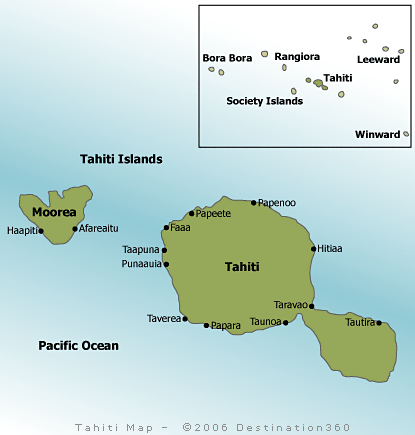
More Information
More Information
Street Soccer in Tahiti
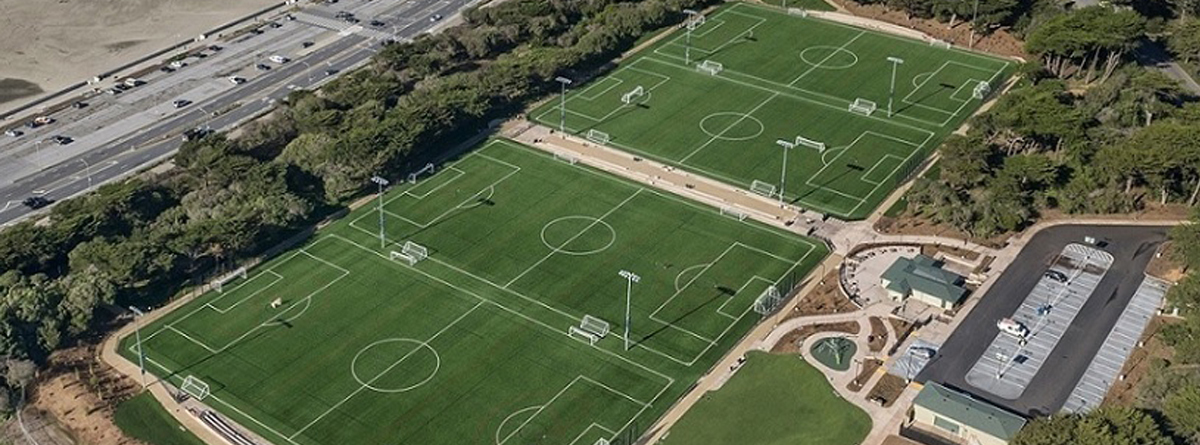
Street soccer is a popular recreational activity in Tahiti, where children and teenagers regularly gather in neighbourhood areas, school playgrounds, community parks, village spaces, beaches, and open fields to play informal football matches. These games provide young players with an enjoyable way to stay active, improve their football skills, and spend time with friends in a relaxed and energetic environment.
The free-flowing style of street soccer encourages close ball control, quick passing, creative dribbling, and constant movement. Playing in smaller spaces and on different outdoor surfaces helps participants improve their technical ability, confidence, teamwork, and decision-making while adapting to various playing conditions.
Street soccer offers an accessible and affordable way for communities across Tahiti to enjoy football without requiring professional facilities. It promotes healthy lifestyles, strengthens local relationships, and inspires many young players to continue developing their passion for the sport.
Street Soccer Culture in Tahiti
Football is widely enjoyed throughout Tahiti, and street soccer is often where many children first develop their interest in the game. Informal matches organised by schools, friends, and neighbourhood communities create a welcoming atmosphere where players of different ages and abilities can participate while sharing their enthusiasm for football.
Skills Developed Through Street Soccer
Street soccer helps players improve dribbling, first touch, passing accuracy, shooting technique, agility, balance, ball control, and spatial awareness. Regular games also strengthen communication, creativity, confidence, adaptability, and the ability to make quick decisions during fast-paced play.
Street Soccer and Community Development
Street soccer brings communities together through football while encouraging teamwork, positive youth participation, and active lifestyles. It also provides aspiring players with valuable experience before progressing to school teams, local football clubs, academies, or organised youth football programmes.
The Tahitian in the DMV Metro

- The Embassy of France: Located on Reservoir Road NW, the Embassy of France handles all consular affairs, visa applications, and passport tracking for French Polynesians living in the Mid-Atlantic.
- The DC Francophonie Festival: The most visible vehicle for Tahitian representation in the capital is the annual DC Francophonie Cultural Festival. This massive collaborative event regularly brings over 40 embassies and cultural groups together, allowing local Tahitian and Pacific-born expats to showcase South Pacific heritage, ancestral art, and indigenous literature to the wider Washington public.
- Climate Advocacy: Due to the severe vulnerability of the Tuamotu and Society Islands to rising sea levels, local Tahitian policy professionals frequently collaborate with Washington-based institutions like the World Bank, the Global Environment Facility (GEF), and regional oceanic non-profits. They work to bridge the gap between South Pacific environmental initiatives and U.S. federal climate funding.
- The East-West Center Intersection: While the premier research centers are located in Hawaii, local Pacific Island professionals in the DMV frequently coordinate with the East-West Center's Washington Office to host strategic roundtables on economic sustainability, maritime security, and heritage preservation across Polynesia.
- The Aloha State and Pacific Alliances: Local Tahitians heavily participate in regional Hawaiian and Pacific Islander organizations based in Maryland and Virginia. They frequently gather at multi-cultural events, luaus, and summer festivals to perform traditional Ori Tahiti (Tahitian dance) and preserve ancestral storytelling.
- The Kava Culture: In recent years, the explosion of upscale, relaxed botanical spaces across the DMV—such as Bula Kava House or local independent herbal lounges—has provided informal social "third spaces" where South Pacific expats, policy workers, and travelers gather to share traditional kava root bowls and connect over island memories.
Significance
Tahitian migration has generally reflected Polynesian navigation, French colonial rule, family relationships, education, military service, employment opportunities, and Tahiti’s political association with France.
Tahitian migration developed from long-established Polynesian traditions of ocean travel, trade, marriage, settlement, and family connections between Pacific islands. Movement connected Tahiti with the other Society Islands, the Tuamotu Islands, the Marquesas, and neighbouring Polynesian societies centuries before European arrival. Contact with European explorers, missionaries, merchants, and naval powers increased during the eighteenth and nineteenth centuries. France established political control over Tahiti during the nineteenth century, and the island later became the administrative and economic centre of French Polynesia. During the twentieth century, residents moved between Tahiti, the outer islands, metropolitan France, and other destinations for education, military service, professional work, healthcare, and family reunification. Migrants continued to preserve close connections through family support, cultural associations, church activities, financial assistance, and the Tahitian language.
Tahitian Migration Before French Rule
Migration across eastern Polynesia existed centuries before European contact, as skilled navigators travelled in large canoes for fishing, trade, exploration, marriage, religious ceremonies, political alliances, and family responsibilities. Tahiti developed connections with Raiatea, Moorea, Huahine, the Tuamotu Islands, and other island groups. European ships began visiting more frequently during the eighteenth century, followed by missionaries, traders, and whalers. These contacts introduced new religions, goods, diseases, and commercial relationships. The Pomare dynasty gradually united much of Tahiti and established the Kingdom of Tahiti. Growing competition between European powers led France to establish control during the nineteenth century. In 1880, King Pomare V transferred sovereignty over Tahiti and its dependencies to France, formally ending the independent kingdom.
Twentieth-Century Migration
Tahitian migration increased during the twentieth century as transportation, French administration, education, military service, and wage employment expanded. Papeete grew as the principal port, capital, and commercial centre of French Polynesia, attracting residents from the outer islands for government work, schooling, healthcare, construction, and service-sector employment. World War II strengthened Tahiti’s strategic and transportation connections with other Pacific territories. From the 1960s, major French military and nuclear-testing activities brought investment, infrastructure, and employment, encouraging further movement towards Tahiti’s urban area. Other Tahitians travelled to metropolitan France and neighbouring Pacific territories for higher education, military careers, specialised employment, and family reunification. Tahitian churches, cultural organisations, and extended-family networks helped migrants preserve their language, dance, music, religious traditions, community responsibilities, and close relationships with relatives living in Tahiti.