Sign In





 Facebook
 X-Twitter
 Instagram
 Linkedin
 Youtube
More Information
More Information
Street Soccer in Belarus
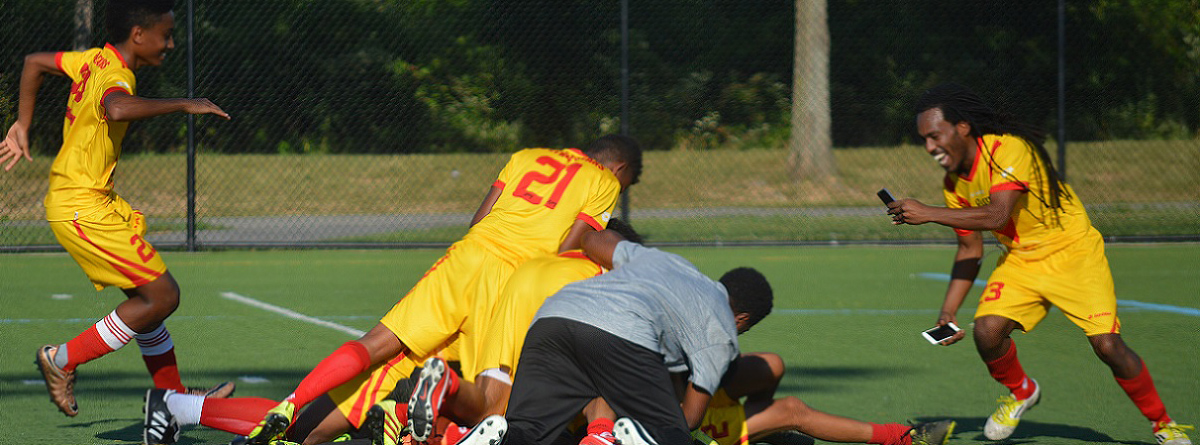
Street soccer is a popular way for children and teenagers in Belarus to enjoy football, with informal matches taking place in residential courtyards, school playgrounds, public parks, and community sports areas. These games are played throughout the year and provide young players with an enjoyable opportunity to stay active and improve their football abilities.
Playing in smaller spaces helps participants develop accurate passing, close ball control, quick footwork, and better awareness during the game. The fast pace of street soccer also encourages teamwork, creativity, and confidence while allowing players to sharpen their technical skills.
Street soccer provides an accessible and affordable way for local communities to enjoy football without requiring professional facilities. It promotes healthy lifestyles, strengthens friendships, and encourages young people to continue their involvement in the sport.
Street Soccer Culture in Belarus
Football is widely enjoyed across Belarus, and street soccer remains an important part of youth football culture. Friendly matches are commonly organised by friends, schools, and neighbourhood groups, creating an inclusive environment where players of different ages and skill levels can participate.
Skills Developed Through Street Soccer
Street soccer helps players improve dribbling, first touch, passing, agility, balance, ball control, and quick decision-making. Regular play also strengthens communication, concentration, and the ability to perform under pressure.
Street Soccer and Community Development
Street soccer brings communities together through a shared passion for football while encouraging active lifestyles among young people. It also provides aspiring players with valuable experience before progressing to school teams, local football clubs, or organised youth football programmes.
The Belarus in the DMV Metro

- Geographic Spread: Many Eastern European and post-Soviet community members, including Belarusians, reside across the suburban DMV corridor. Montgomery County, Maryland (specifically towns like Rockville and Gaithersburg), features a high concentration of families alongside corresponding regional markets and grocery stores.
- Diplomatic Visibility: Because the community is centered around the nation's capital, it frequently interacts with international delegations. Prominent democratic leaders like Sviatlana Tsikhanouskaya routinely hold Town Halls and formal award ceremonies specifically targeted at mobilizing the local Washington diaspora.
- Belarusian-American Association (BAZA) – DC Chapter: The local branch of the oldest and largest Belarusian organization in the US, the BAZA DC Chapter coordinates civil advocacy, letters to international embassies, and community fundraisers.
- Belarusians in Washington DC and Metro Area: A central public network operating primarily through Instagram and the Belarusians DMV Facebook Page. They disseminate updates on cultural events, host local political rallies, and track human rights advocacy developments.
- Association of Belarusians in America (ABA): Collaborates frequently on regional trade, small business coordination, and national policy lobbying initiatives alongside local chapters.
- Film & Literature Events: The diaspora organizes screenings of banned or independent Belarusian films, local book presentations featuring exiled authors, and poetry readings in private community spaces across Maryland.
- Business Forums: Regional organizations frequently partner with entities like the US Department of Commerce to host events such as the Belarusian Business Forum at venues like the National Press Club in downtown Washington, D.C.
- Cross-Baltic & Slavic Solidarity: Belarusians in the DMV maintain strong alliances with neighboring diasporas. Members frequently participate in local Baltic youth network events, public cultural festivals, and regional freedom marches alongside the Ukrainian and Lithuanian-American communities.
Significance
Belarusian immigration to the United States has generally reflected poverty, religious and political persecution, imperial rule, war, the Holocaust, Soviet repression, economic instability, education, professional employment, and family reunification.
Belarusian migration to the United States began in noticeable numbers during the late nineteenth and early twentieth centuries, when the territory of present-day Belarus formed part of the Russian Empire. Early arrivals included farmers, industrial workers, artisans, political activists, and Jewish families escaping poverty, discrimination, and violent persecution. Because immigrants were often officially recorded as Russians, Poles, Lithuanians, or Jews, the exact size of the early Belarusian population is difficult to determine. Later migration followed the Russian Revolution, World War II, Nazi occupation, and Soviet control. Immigration increased again after Belarus became independent in 1991, when economic difficulties, professional opportunities, education, and family sponsorship encouraged additional settlement in the United States.
Belarusian Migration Before Soviet Rule
Belarusian migration to the United States remained relatively limited until the final decades of the nineteenth century. Most early emigrants came from rural communities affected by poverty, limited farmland, military obligations, and restricted economic opportunities under the Russian Empire. Jewish residents faced legal discrimination, residential restrictions, and outbreaks of anti-Jewish violence, encouraging many families to leave Eastern Europe. Immigrants commonly settled in New York, Pennsylvania, New Jersey, Illinois, Massachusetts, and other industrial states, where they worked in factories, mines, construction, garment production, and skilled trades. Since Belarus did not exist as an independent state, American immigration records frequently identified arrivals according to the empire, province, religion, or language associated with them rather than as Belarusians. Churches, synagogues, mutual-aid societies, newspapers, and family networks helped newcomers preserve their traditions and adjust to American life.
Late-Twentieth-Century Immigration
Belarusian immigration continued during the twentieth century as revolution, changing borders, World War II, Nazi occupation, and Soviet rule displaced large numbers of people. Jewish communities in Belarus suffered devastating persecution during the Holocaust, while surviving refugees and displaced persons sought new lives in the United States, Israel, and other countries after the war. Under Soviet control, emigration remained highly restricted, although some political refugees, religious minorities, intellectuals, and families were eventually permitted to leave. Belarus declared independence from the Soviet Union in 1991, leading to a new migration period shaped by economic uncertainty, education, skilled employment, political concerns, and family reunification. Belarusian immigrants established cultural and religious organisations while preserving Belarusian and Russian languages, food, music, literature, and connections with relatives abroad.