Sign In






 Facebook
 X-Twitter
 Instagram
 Linkedin
 Youtube
More Information
More Information
Street Soccer in Poland
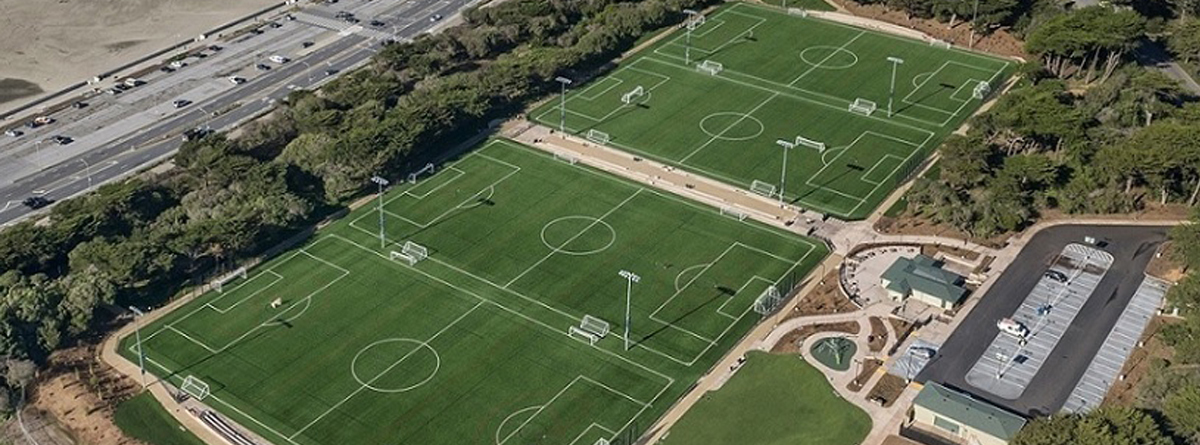
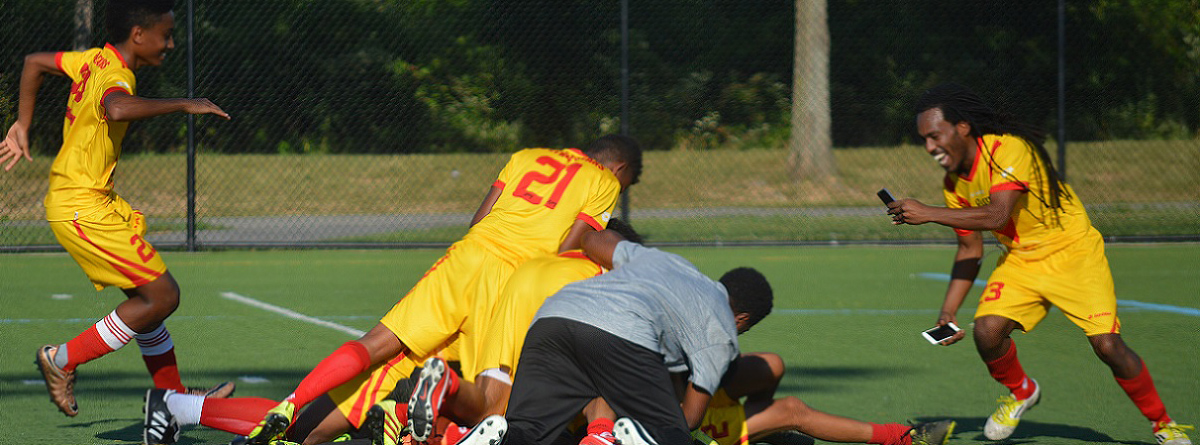
Street soccer is a popular recreational activity in Poland, where children and teenagers regularly play informal football matches in neighbourhood courtyards, school playgrounds, public parks, residential areas, and community sports courts. These games provide young players with a fun way to stay active, socialise with friends, and develop their football skills outside organised competitions.
The fast-paced nature of street soccer encourages close ball control, quick passing, creative dribbling, and intelligent movement. Playing in smaller spaces helps participants improve their technique, confidence, teamwork, and ability to make quick decisions while adapting to different playing conditions.
Street soccer offers an accessible and affordable way for communities across Poland to enjoy football without requiring professional facilities. It promotes healthy lifestyles, strengthens local friendships, and inspires many young players to continue their football journey.
Street Soccer Culture in Poland
Football is one of the most popular sports in Poland, and street soccer is often where many children first experience the excitement of the game. Informal matches organised by schools, neighbours, and community groups create a welcoming environment where players of different ages and abilities can participate.
Skills Developed Through Street Soccer
Street soccer helps players improve dribbling, first touch, passing accuracy, agility, balance, ball control, and tactical awareness. Regular games also develop communication, creativity, confidence, and the ability to make quick decisions during fast-paced situations.
Street Soccer and Community Development
Street soccer brings communities together through football while encouraging teamwork, positive youth participation, and active lifestyles. It also provides aspiring players with valuable experience before progressing to school teams, local football clubs, academies, futsal programmes, or organised youth football competitions.
The POLAND in the DMV Metro

The Polish diaspora in the Washington, D.C., Maryland, and Virginia (DMV) area is a highly educated and professionally active Central European community. Unlike the historic industrial Polish enclaves of Chicago, Detroit, and the Northeast, the DMV community has developed around government, international organizations, medicine, science, academia, and professional services.
Core Community Organizations
-
Kosciuszko Foundation – Washington, D.C.: A major Polish-American cultural and educational organization supporting scholarships, academic exchange, cultural programming, concerts, exhibitions, and professional discussions.
-
Embassy of the Republic of Poland: Located in Washington, D.C., the embassy serves as an important diplomatic and cultural hub, supporting Polish-American relations, community events, historical commemorations, and cultural programming.
-
Polish American Arts Association (PAAA): A long-running cultural organization promoting Polish heritage through lectures, films, arts programs, educational activities, and youth scholarships.
Professional & Social Networks
-
Polish American Medical Society (PAMS DMV): Connects Polish-American physicians, dentists, researchers, nurses, and other healthcare professionals through networking, mentorship, research collaboration, and professional activities.
-
Polish Global Village (PGV): A grassroots social network that organizes informal meetups, happy hours, and community gatherings for Polish residents and Polish-Americans throughout the DMV.
-
Polish Washington-Baltimore Networks: Online and Meetup communities provide practical connections for newcomers, social events, language exchange, housing information, and local Polish activities.
Cultural & Community Events
-
Polish Constitution Day: Celebrated around May 3, the holiday provides an important opportunity for Polish-American families and organizations to gather and celebrate Polish history.
-
Polish-American Cultural Events: The embassy and local organizations regularly support concerts, film screenings, lectures, art exhibitions, and heritage programs.
-
Polish-American Friendship Events: Community programming in Washington provides opportunities for Polish residents and the broader public to experience Polish food, music, arts, and traditions.
Community Characteristics
-
Highly professional: Strong representation in government, international development, medicine, science, academia, and policy.
-
Well integrated: Polish residents are geographically dispersed across Washington, Maryland, and Northern Virginia rather than concentrated in one large enclave.
-
Strong institutional network: The embassy, Kosciuszko Foundation, professional societies, churches, and cultural organizations provide a robust community infrastructure.
-
Professional + cultural identity: The DMV community combines career-oriented networks with strong interest in Polish language, history, arts, religion, and heritage.
-
Northern Virginia presence: Northern Virginia and the broader Washington suburbs provide important residential and social networks for Polish families and professionals.
Significance
Immigration from Poland has generally reflected political change, economic opportunity, educational advancement, professional employment, family reunification, religious freedom, skilled migration, and international business.
Migration from Poland has played an important role in the history of the United States for more than a century. Large waves of Polish immigrants arrived during the late nineteenth and early twentieth centuries seeking employment, agricultural land, religious freedom, and improved living conditions. Political upheavals, war, communist rule, and later economic transformation further influenced migration patterns. In recent decades, migration has increasingly reflected higher education, professional employment, entrepreneurship, scientific research, and family sponsorship. Today, Polish immigrants and Polish Americans maintain strong cultural, linguistic, and family ties with Poland while contributing to healthcare, engineering, education, technology, business, manufacturing, and public service throughout the United States.
Polish Migration Before Independence
Before regaining modern independence, Poland experienced periods of partition under the Russian Empire, Kingdom of Prussia, and Austrian Empire from 1795 until the end of the First World War. Migration during the nineteenth and early twentieth centuries was influenced by agriculture, industrialization, economic hardship, political repression, military service, and religious freedom. Many Poles travelled to the United States as farmers, miners, factory workers, craftsmen, merchants, teachers, students, and skilled laborers, establishing thriving communities across the Midwest and Northeast. Poland regained its independence on November 11, 1918, following the First World War, and the United States promptly recognized the newly restored Polish state while strengthening diplomatic relations.
Late-Twentieth- and Early-Twenty-First-Century Immigration
Migration evolved throughout the twentieth century as the Second World War, post-war displacement, communist rule, and later democratic and economic reforms shaped new migration patterns. Following the fall of communism in 1989, expanding educational opportunities, globalization, and professional careers encouraged many Poles to pursue opportunities abroad. Students, physicians, engineers, scientists, academics, entrepreneurs, information technology specialists, business professionals, and researchers increasingly travelled to the United States for university education, specialized employment, scientific research, investment, or family reunification. In the United States, Polish immigrants often rely on family networks, churches, Polish cultural organizations, alumni associations, and professional groups for support with housing, employment, education, and community integration while preserving the Polish language, traditional cuisine, cultural heritage, religious practices, national celebrations, and close relationships with relatives in Poland.