Sign In









 Facebook
 X-Twitter
 Instagram
 Linkedin
 Youtube
More Information
More Information
Street Soccer in Bolivia
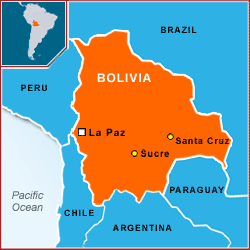
Street soccer is an essential and vibrant part of everyday life in Bolivia, where children and teenagers regularly gather in neighbourhood streets, school playgrounds, local plazas, and community futsal courts (canchas) across cities like La Paz, Santa Cruz, Cochabamba, and El Alto. Informal matches are played throughout the week, providing young players with an accessible, energetic way to stay active while sharing their passion for football with friends.
Playing in compact urban spaces and at varying altitudes encourages remarkable physical endurance, agility, sharp reflexes, and close ball control. Without the constraints of formal coaching, street soccer gives young Bolivian players the freedom to express creativity, improvise with quick footwork, and master rapid one-touch passing on hard court and concrete surfaces.
Street soccer remains deeply cherished across Bolivia as an inclusive, community-driven pastime that requires little more than a ball and shared enthusiasm. It builds strong neighborhood bonds, promotes healthy active lifestyles, and continues to inspire young players to embrace the country's rich sporting traditions.
Street Soccer Culture in Bolivia
Football is deeply woven into Bolivian society, and street soccer—known affectionately as the informal "pichanga"—is where many players first fall in love with the game. Community matches organized by youth, schoolmates, and local neighbourhoods bring people together across diverse backgrounds, creating a passionate and welcoming atmosphere in every barrio.
Skills Developed Through Street Soccer
The fast tempo and tight spaces of Bolivian street soccer help players refine essential technical skills, including close dribbling, tight ball manipulation, spatial awareness, balance, and swift decision-making under intense pressure. Regular participation fosters resilience, quick-thinking problem-solving, and natural teamwork on the pitch.
Street Soccer and Community Development
Street soccer plays an important role in strengthening local communities by fostering friendship, teamwork, and mutual respect among youth. It offers a safe, constructive outlet that encourages healthy habits and character building, while providing talented young players with a vital grassroots foundation before advancing into school tournaments, municipal leagues, or competitive youth football academies.