 Sign In






 Facebook
 X-Twitter
 Instagram
 Linkedin
 Youtube
More Information
More Information
Street Soccer in New Zealand
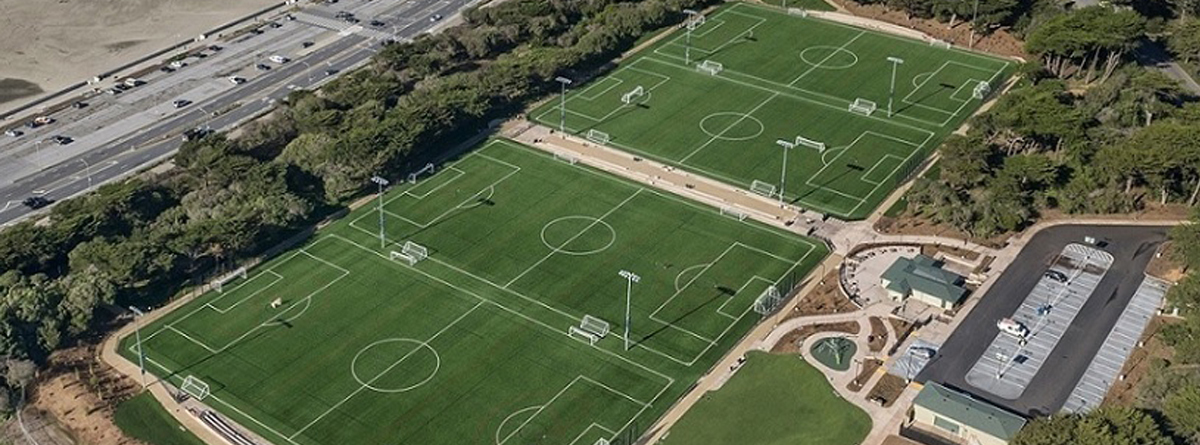
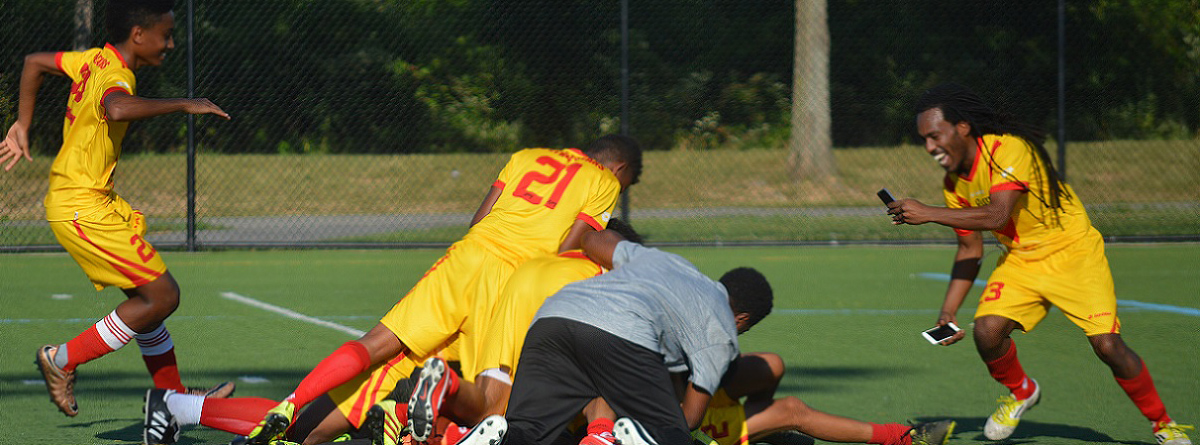
Street soccer is a popular recreational activity in New Zealand, where children and teenagers regularly play informal football matches in neighbourhood parks, school grounds, public courts, beaches, and community sports areas. These games provide a fun and accessible way for young players to stay active, build friendships, and improve their football skills.
The fast and creative nature of street soccer encourages close ball control, quick passing, smart movement, and confident decision-making. Playing in smaller spaces helps participants develop technical ability, teamwork, and adaptability while learning to respond quickly to different game situations.
Street soccer offers an affordable way for communities across New Zealand to enjoy football without requiring professional facilities. It promotes healthy lifestyles, encourages social connections, and inspires many young people to continue developing their passion for the sport.
Street Soccer Culture in New Zealand
Football continues to grow in popularity throughout New Zealand, and street soccer is often where many children first experience the excitement of the game. Informal matches organised by schools, friends, and local communities create an inclusive environment where players of different ages and skill levels can participate.
Skills Developed Through Street Soccer
Street soccer helps players improve dribbling, first touch, passing accuracy, agility, balance, ball control, and spatial awareness. Regular games also strengthen communication, creativity, confidence, and the ability to make quick decisions during fast-paced play.
Street Soccer and Community Development
Street soccer brings communities together through football while encouraging teamwork, active lifestyles, and positive youth participation. It also provides aspiring players with valuable experience before progressing to school teams, local football clubs, academies, futsal programmes, or organised youth football competitions.
The N. ZEALAND in the DMV Metro

The **New Zealand diaspora in the DMV** (District of Columbia, Maryland, and Virginia) is a highly educated, professional, and internationally connected community. Unlike larger multi-generational immigrant populations, the DMV's **Kiwi** population is shaped largely by **diplomats, corporate professionals, lawyers, environmental scientists, trade specialists, defense and security professionals, academics, and international-organization employees**. Rather than forming a concentrated ethnic neighborhood, New Zealanders are dispersed throughout the metropolitan region and remain connected through diplomatic, professional, and cultural networks.
### Cultural Hubs & Community Networks
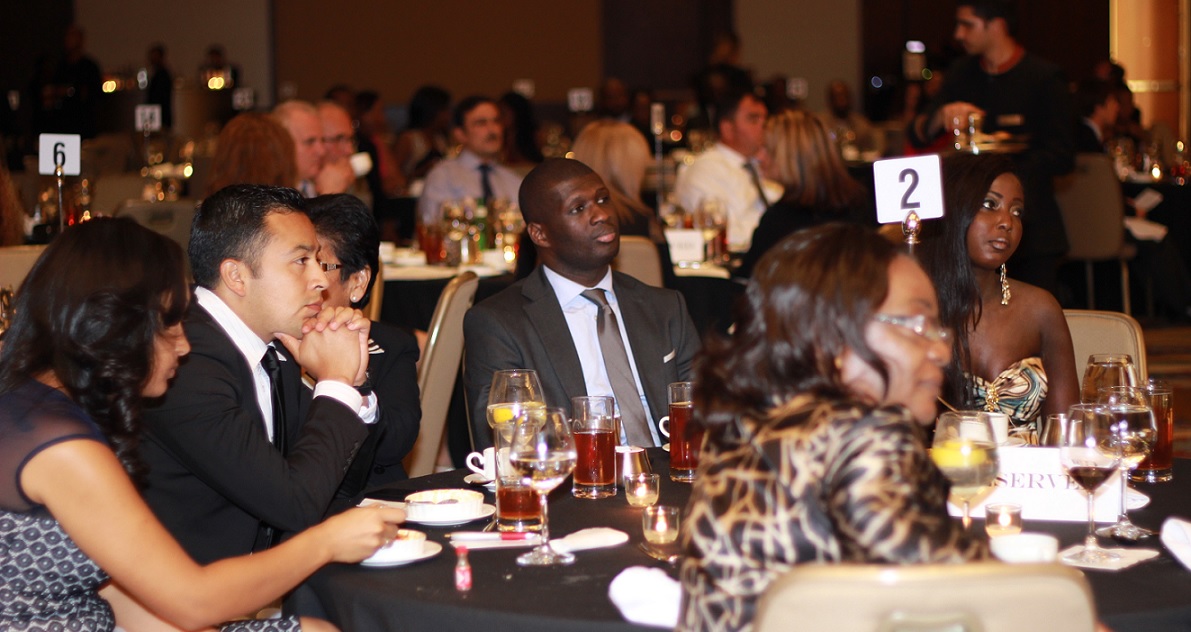
* **Embassy Hub:** The **Embassy of New Zealand in Washington, D.C.** serves as the community's principal diplomatic and institutional anchor. Through its bilateral work in trade, science, technology, security, and international relations, the embassy also provides opportunities for Kiwi expatriates to connect through community briefings, receptions, and cultural programming.
* **Kia Ora DC Kiwis:** **Kia Ora DC Kiwis** serves as an important cultural and social organization for New Zealanders in the region. Its activities focus on maintaining **Māori culture, New Zealand traditions, Pacific heritage, and family connections**, giving Kiwi families a community environment away from home.
* **Kea Network:** The **Kea Network** provides a professional bridge between New Zealanders abroad and New Zealand's wider business community. Its Washington network connects Kiwi entrepreneurs, executives, professionals, and visiting business leaders with opportunities across the DMV.
### Key Cultural Gatherings
* **Waitangi Day:** Celebrated annually on **February 6**, Waitangi Day is one of the most important occasions for New Zealanders abroad. Local celebrations combine social gatherings with New Zealand food, music, Māori cultural traditions, and opportunities for the Kiwi community to reconnect.
* **Whānau & Family Days:** Family-oriented gatherings provide a distinctly Kiwi social atmosphere, with activities such as **sausage sizzles, children's games, sack races, gumboot throwing, and other informal outdoor traditions**. These events emphasize *whānau* and the relaxed hospitality associated with New Zealand community life.
* **ANZAC Day:** On **April 25**, New Zealanders join Australian communities for ANZAC Day commemorations. Dawn services and remembrance ceremonies provide a more solemn opportunity to honor military personnel and preserve the shared history of the two countries.
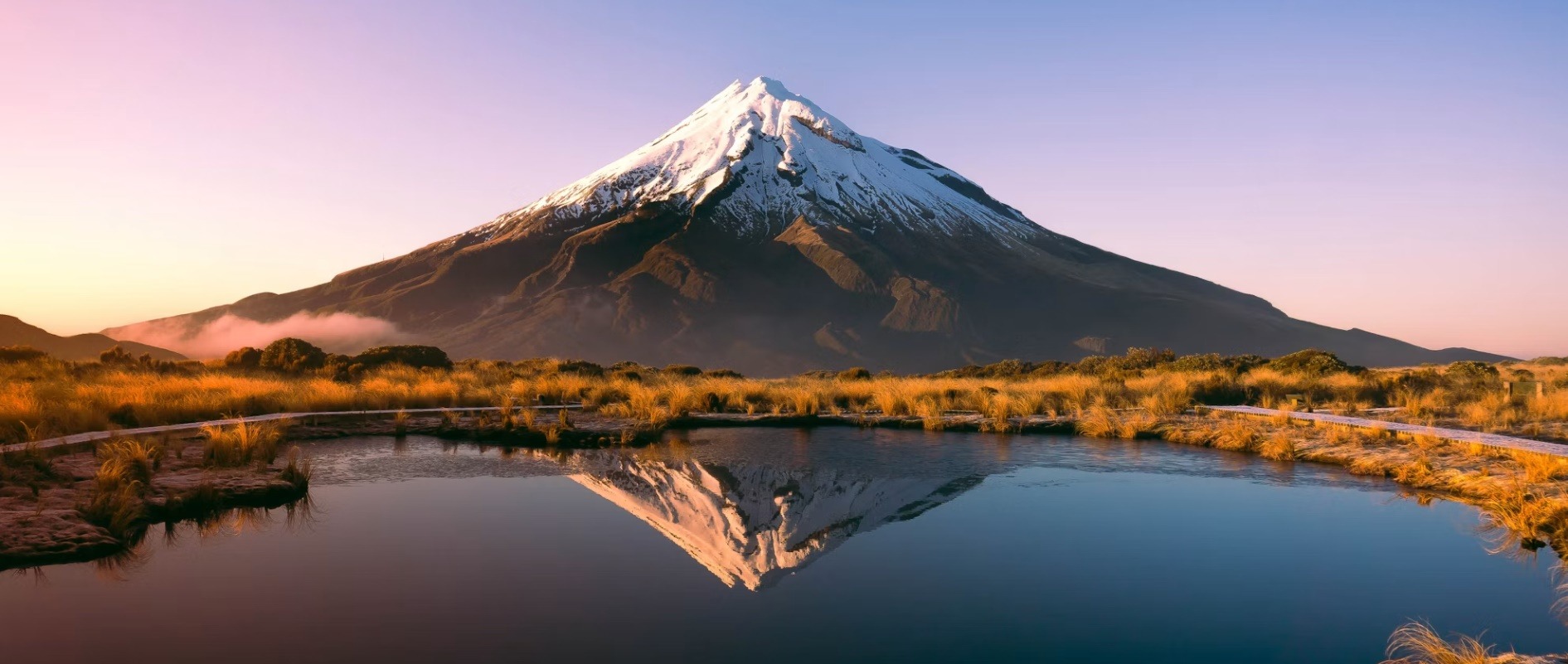
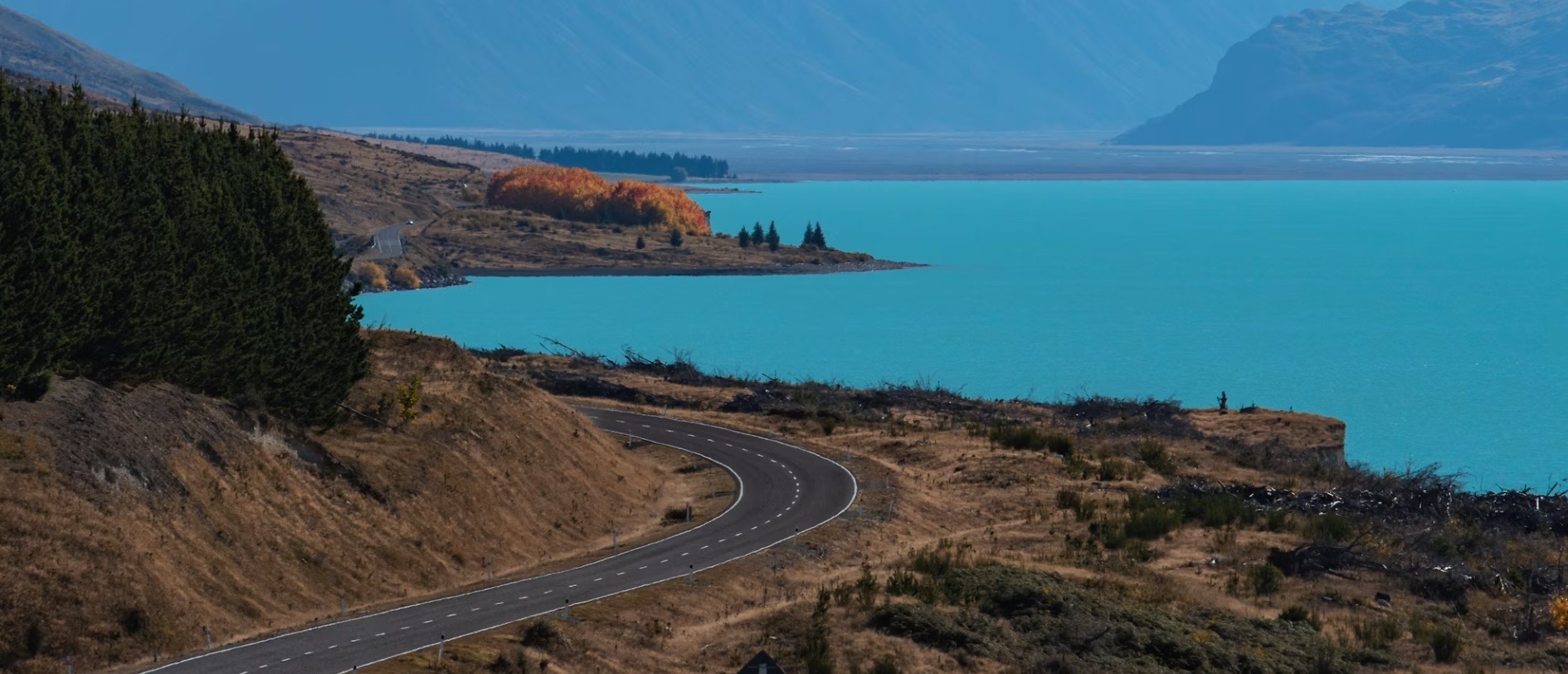
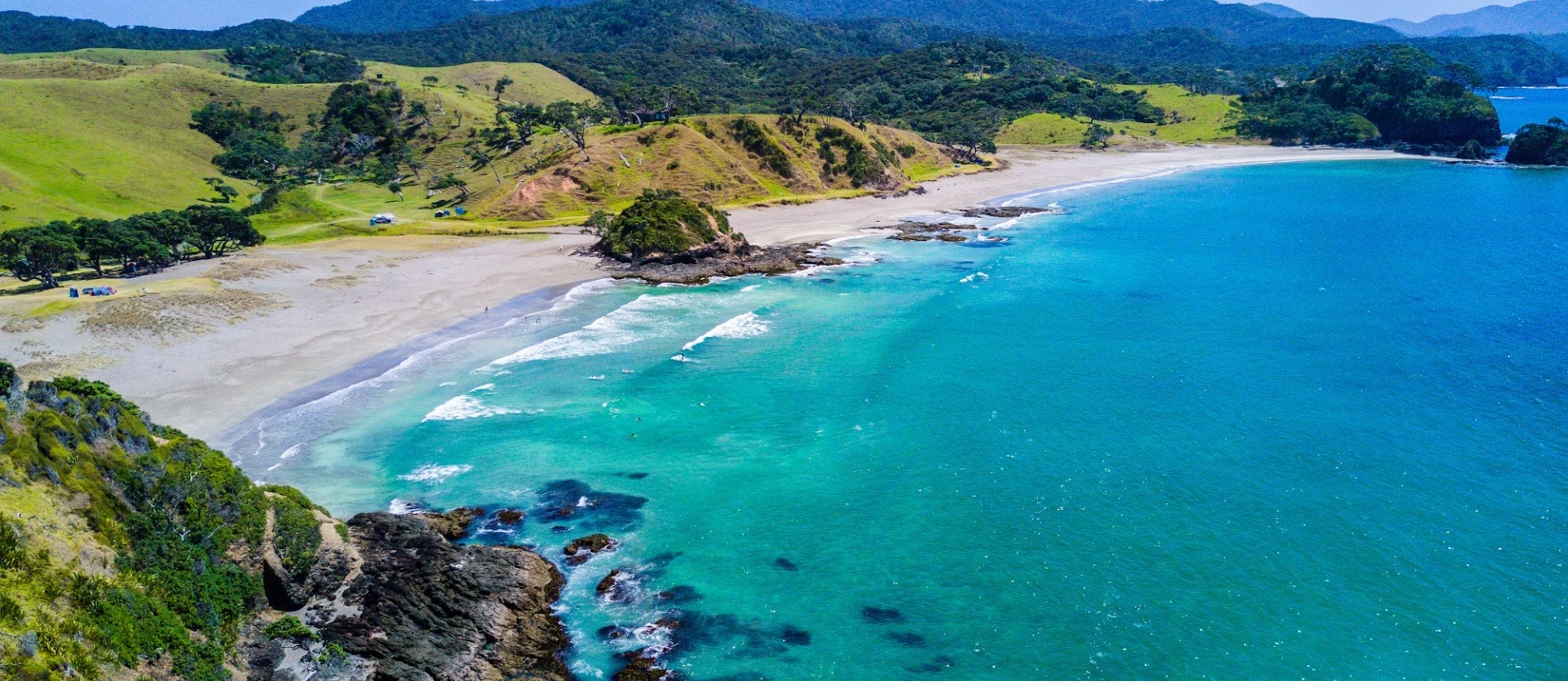
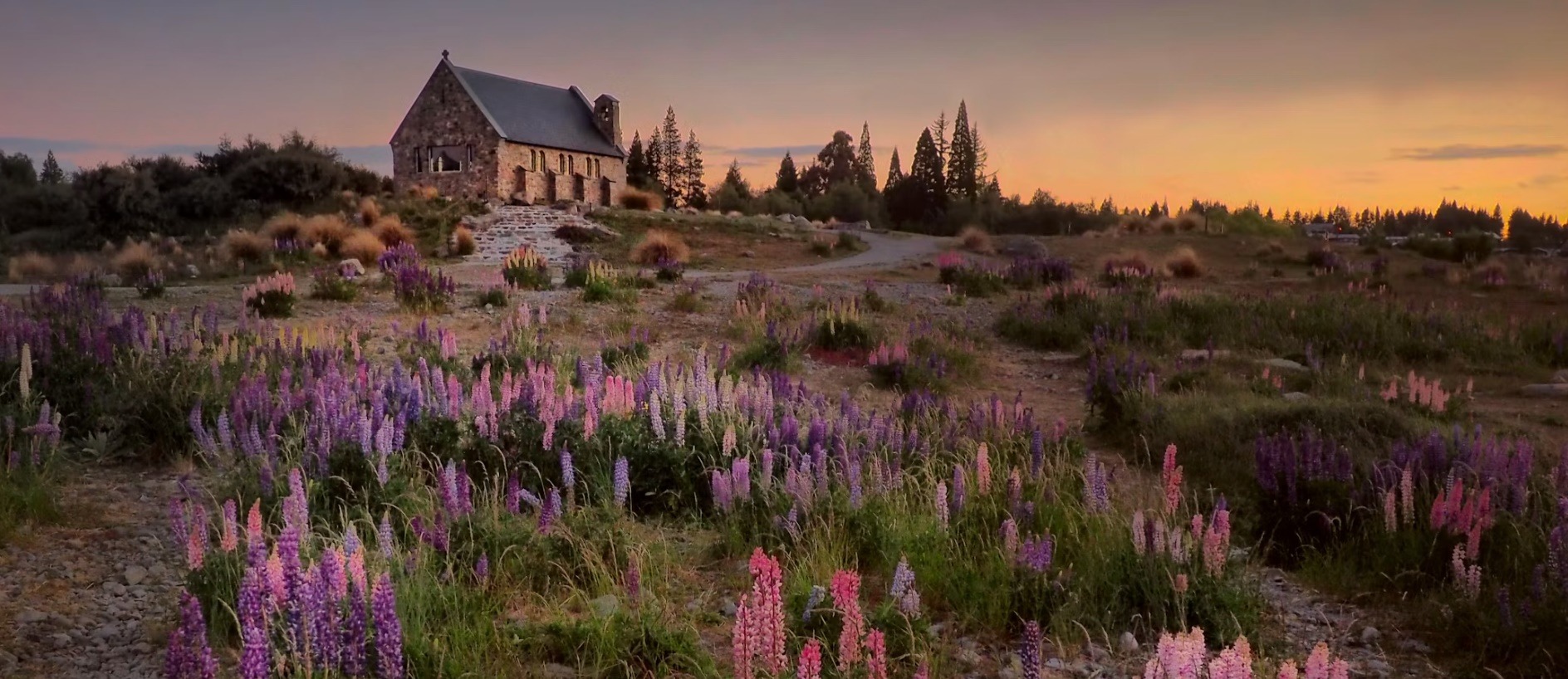
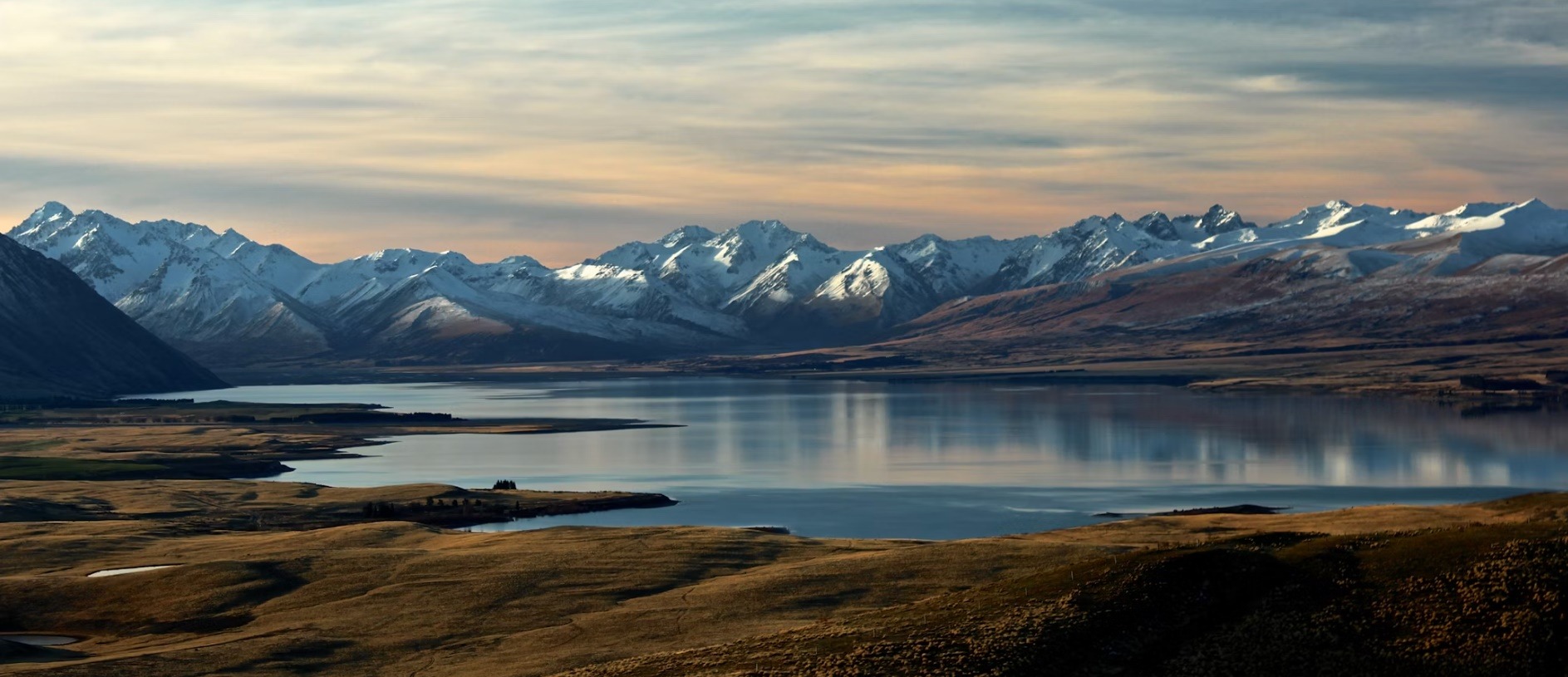
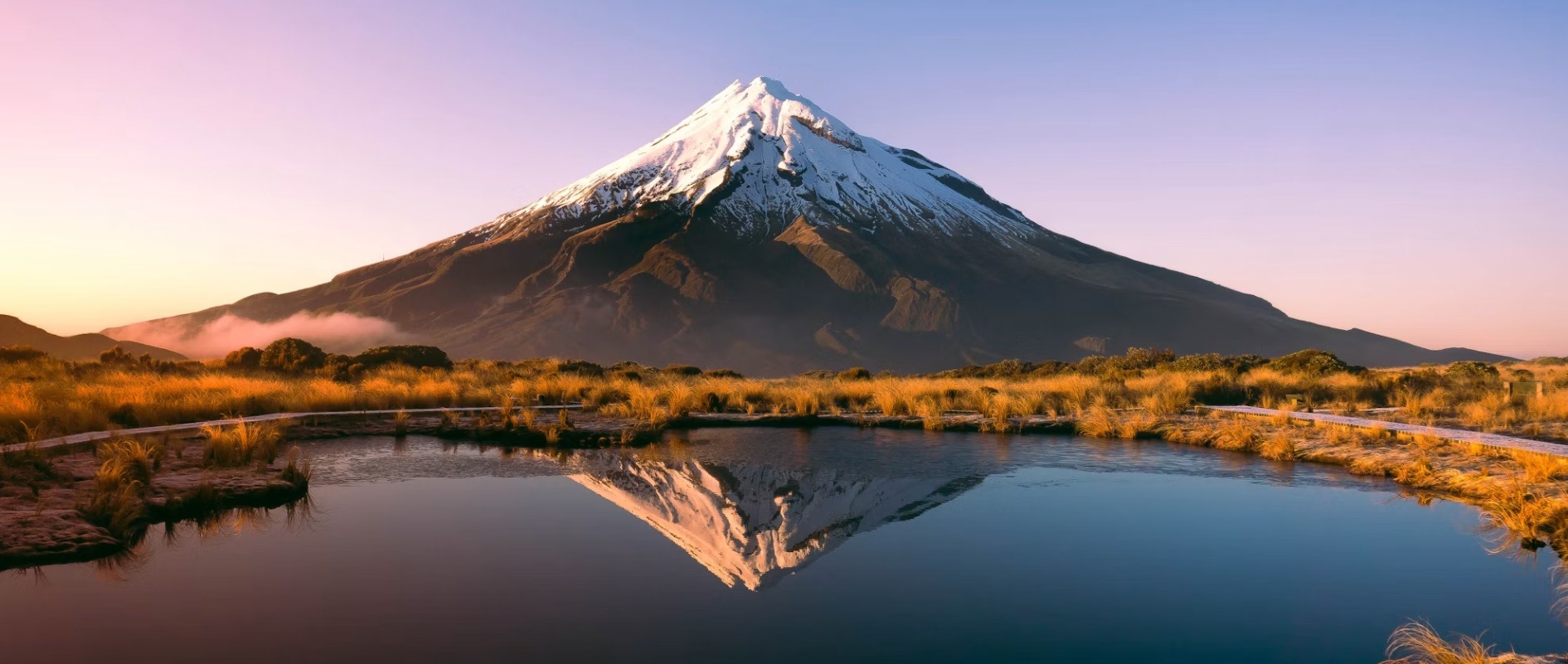
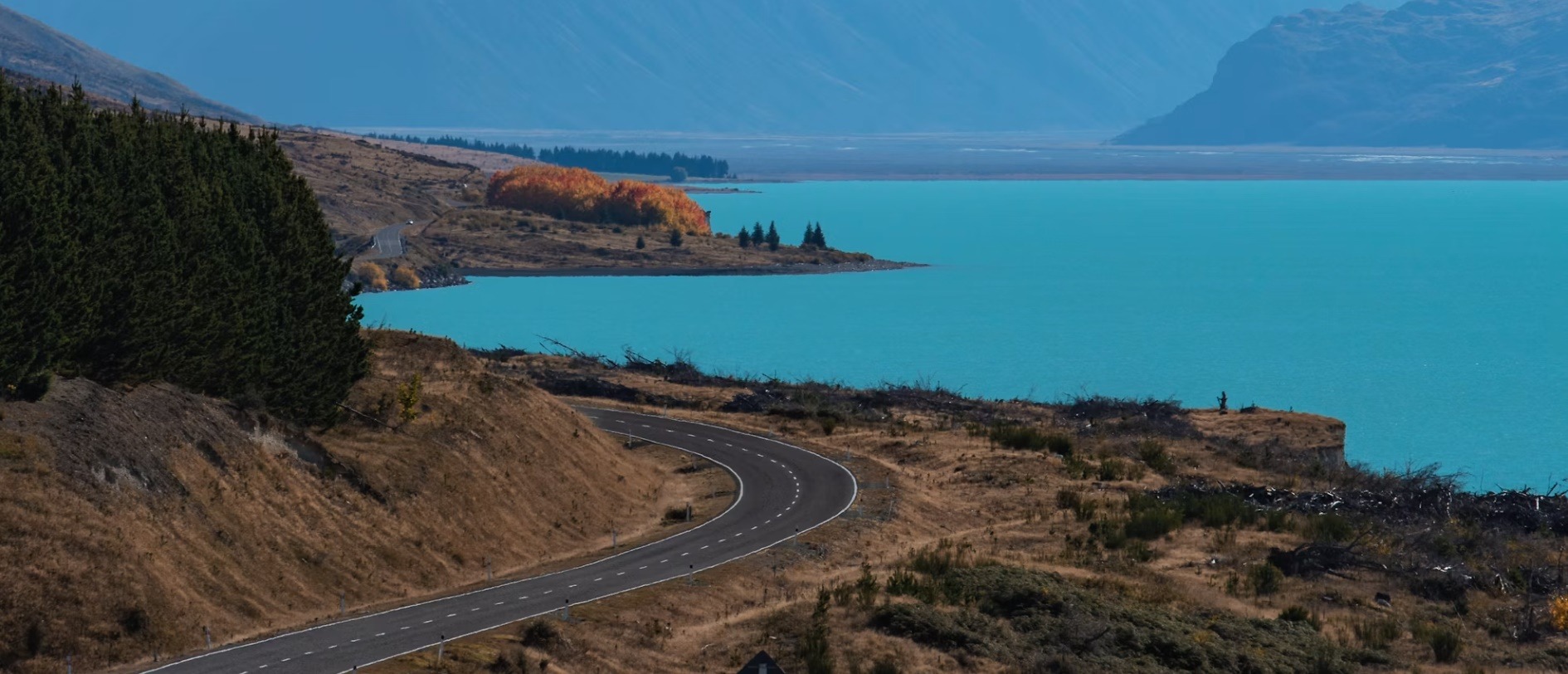
* **Passport DC:** During the annual **Passport DC Embassy Tour**, the New Zealand Embassy provides the wider Washington public with an introduction to New Zealand culture. Programming can highlight **Māori heritage, contemporary New Zealand arts, Pacific traditions, environmental initiatives, and the country's natural landscapes**.
### Culinary & Social Anchors
The DMV does not have a major standalone New Zealand restaurant or commercial district, so Kiwi residents rely heavily on **Australian, British, and broader Commonwealth food networks**.
* **Australian & Kiwi Overlap:** New Zealanders frequently connect with the region's Australian expatriate community and visit cafés and bakeries serving familiar Commonwealth-style foods such as **meat pies, sausage rolls, flat whites, and other café staples**.
* **New Zealand Ingredients:** Families seeking familiar products often turn to international grocers, specialty retailers, and premium supermarkets for **New Zealand lamb, Manuka honey, dairy products, and other imported foods**.
* **Backyard Gatherings:** Informal home gatherings and outdoor barbecues remain important social settings, allowing Kiwis to recreate familiar New Zealand hospitality while bringing together friends, families, and other expatriates.
### Professional & Digital Networks
Because the community is geographically dispersed, **professional organizations, embassy networks, social-media groups, and expatriate forums** provide much of its connective infrastructure.
* **Professional Networking:** The embassy, Kea, and New Zealand-linked business networks connect Kiwi professionals with Washington's extensive **diplomatic, policy, technology, environmental, and international-development sectors**.
* **Digital Community:** Online groups and embassy-linked social channels help newcomers find housing, employment information, imported products, family activities, and local social events.
Overall, the **New Zealand community in the DMV is defined by professional mobility, diplomacy, Māori and Pacific cultural identity, and strong informal family networks rather than geographic concentration**. The New Zealand Embassy provides the institutional center, while Kia Ora DC Kiwis, the Kea Network, Waitangi Day, ANZAC Day, family gatherings, Commonwealth food networks, and expatriate communities provide the cultural and social infrastructure that keeps the Kiwi community connected.
Significance
Immigration from New Zealand has generally reflected British colonization, economic opportunity, educational advancement, professional employment, family reunification, scientific research, international business, and skilled migration.
Migration from New Zealand has historically been shaped by its close ties with the United Kingdom, its strong economy, and expanding global educational and professional opportunities. New Zealanders have commonly migrated to Australia, the United Kingdom, Canada, and the United States for higher education, employment, business, and family reunification. Overseas migration has increasingly reflected professional careers, entrepreneurship, academic exchange, and scientific collaboration. Today, New Zealand immigrants in the United States include students, physicians, engineers, academics, entrepreneurs, researchers, and skilled professionals who maintain strong cultural, economic, and family ties with their homeland.
New Zealand Migration Before Independence
Before independence, New Zealand became a British colony following the Treaty of Waitangi in 1840, which established British sovereignty while recognizing certain rights of the Māori people. Migration during the colonial period was influenced by agriculture, sheep farming, mining, maritime trade, government administration, military service, and commerce. Residents frequently travelled throughout the British Empire as farmers, merchants, teachers, students, sailors, civil servants, and skilled workers. Direct migration to the United States remained relatively limited because political, educational, and commercial connections were centred primarily on the United Kingdom and other Commonwealth countries. New Zealand gradually achieved legislative independence through the Statute of Westminster Adoption Act 1947, and the United States continued to strengthen diplomatic and economic relations with the country.
Late-Twentieth- and Early-Twenty-First-Century Immigration
Migration increased during the late twentieth and early twenty-first centuries as globalization, expanding educational opportunities, and professional careers encouraged many New Zealanders to pursue opportunities abroad. Students, physicians, engineers, scientists, academics, entrepreneurs, information technology specialists, business professionals, and researchers increasingly travelled to the United States for university education, specialized employment, scientific research, investment, or family reunification. Academic exchange programs, multinational corporations, and international business partnerships have continued to support migration in recent decades. In the United States, New Zealand immigrants often rely on family networks, cultural associations, alumni organizations, churches, and professional groups for support with housing, employment, education, and community integration while preserving English, Māori, traditional cuisine, cultural heritage, sporting traditions, and close relationships with relatives in New Zealand
Latest Fixtures & Results
| 04.04.2027 |  |
N. Zealand | - |  |
Benin |
| 04.11.2027 | |
N. Zealand | - |  |
Zambia |
| 04.18.2027 |  |
Angola | - | |
N. Zealand |
| 04.25.2027 | |
N. Zealand | - |  |
Poland |
| 05.02.2027 |  |
Bolivia | - | |
N. Zealand |
| 05.09.2027 | |
N. Zealand | - |  |
Serbia |
| 05.16.2027 |  |
Guatemala | - | |
N. Zealand |
| 05.23.2027 |  |
Tahiti | - | |
N. Zealand |
| 05.30.2027 | |
N. Zealand | - |  |
Panama |
