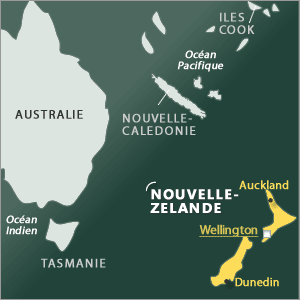
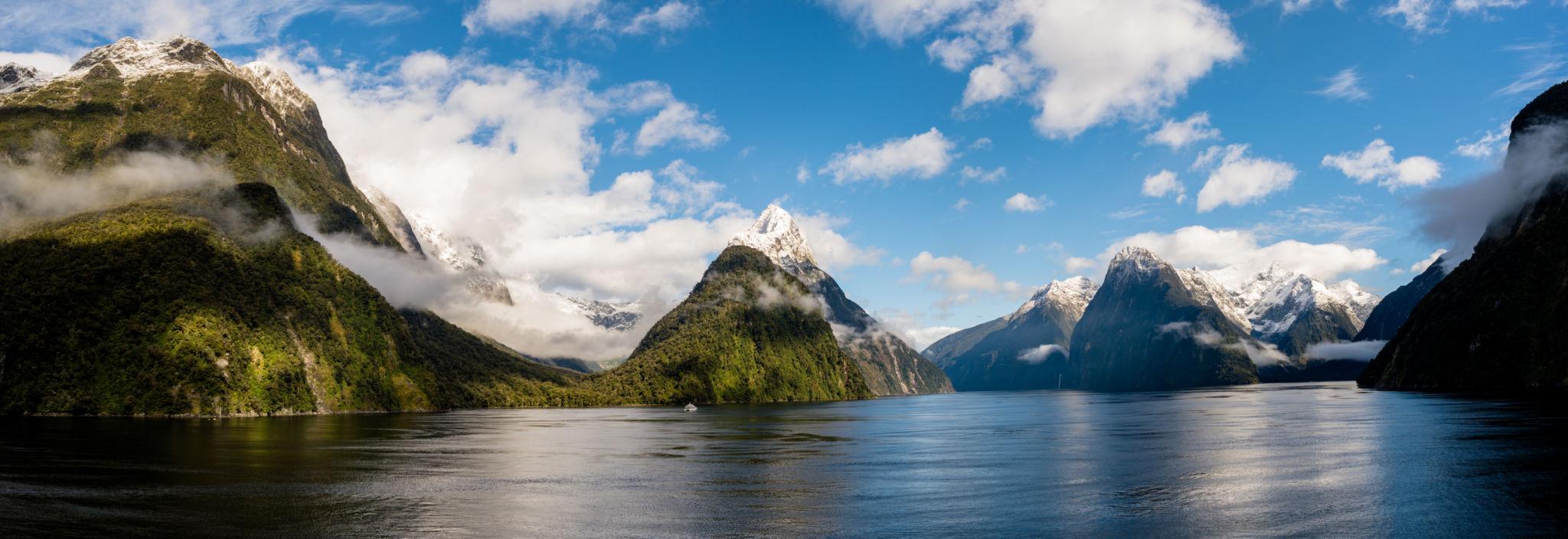
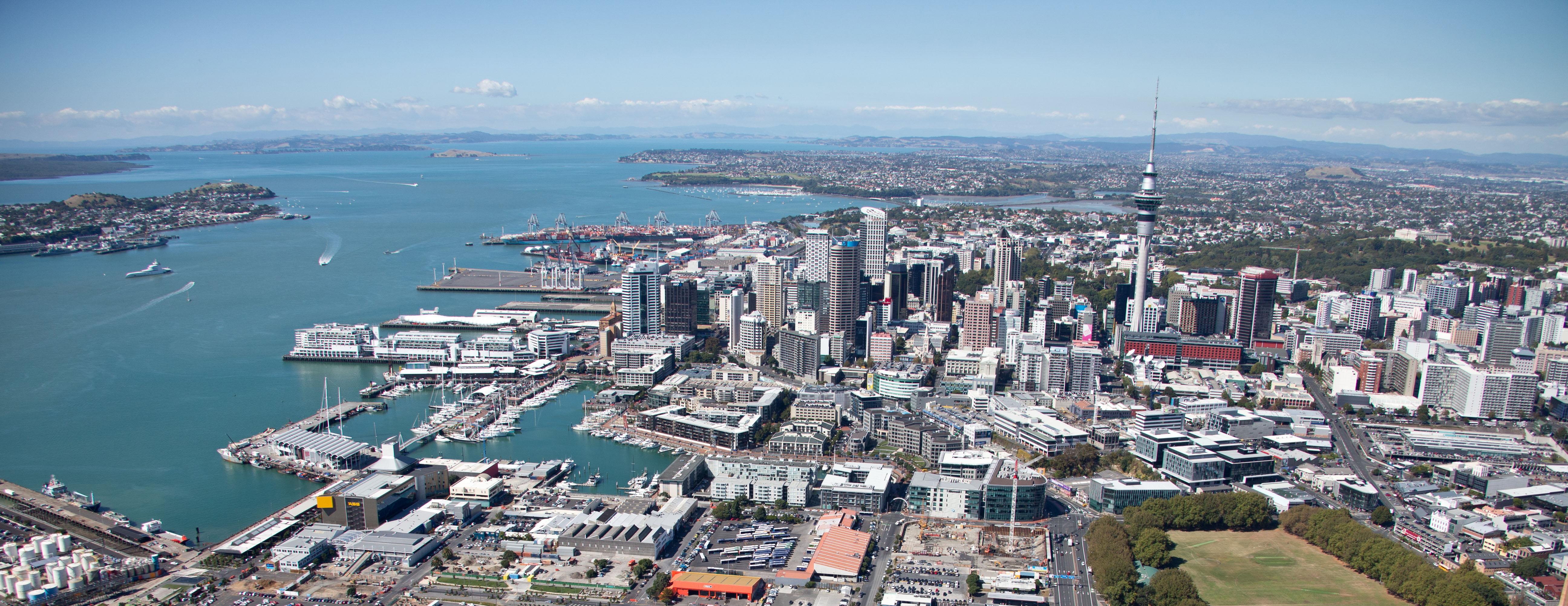
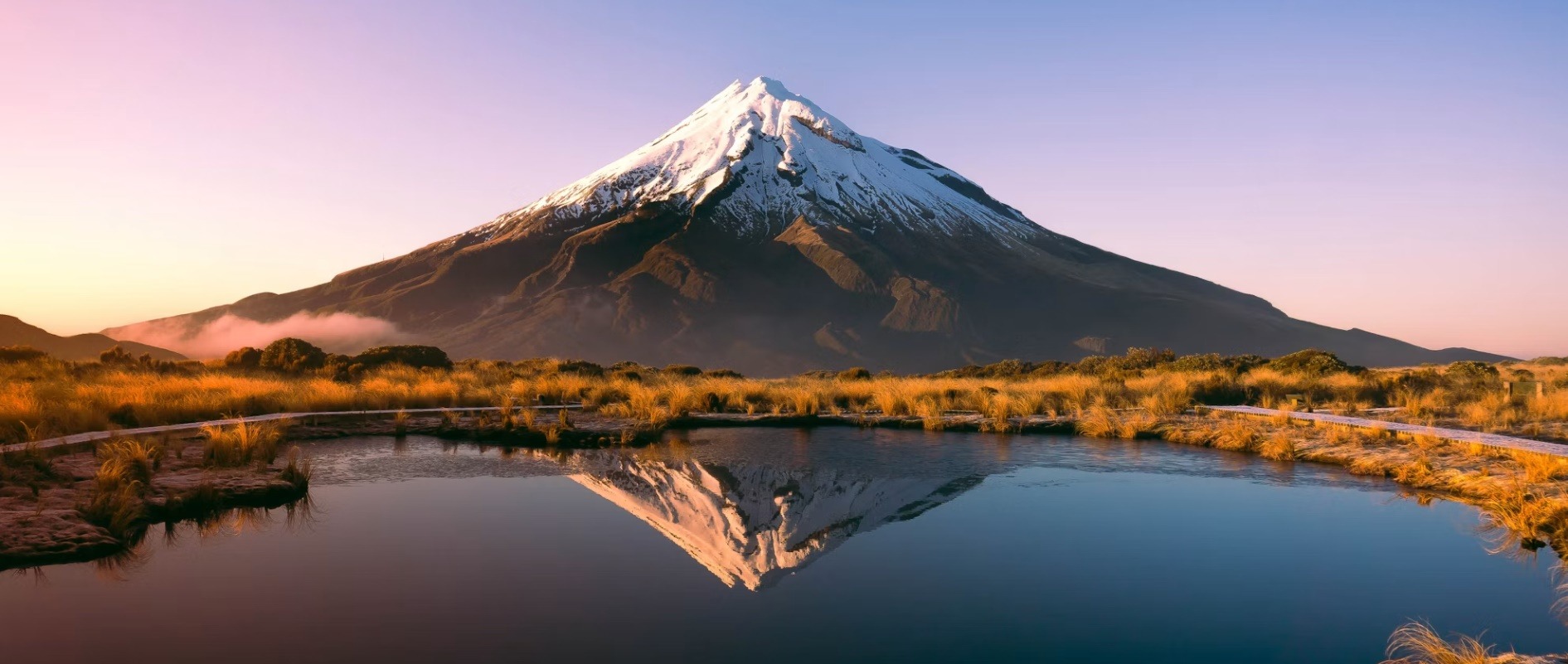
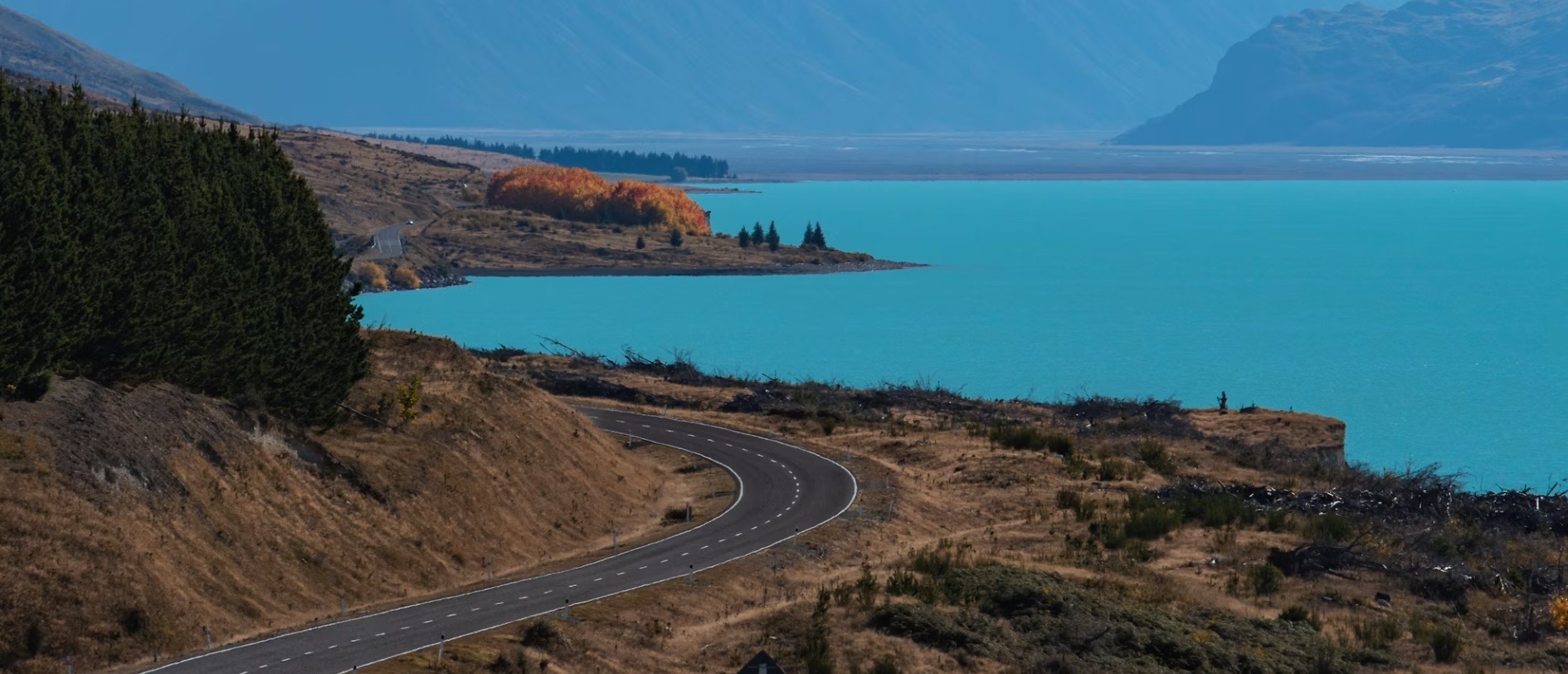
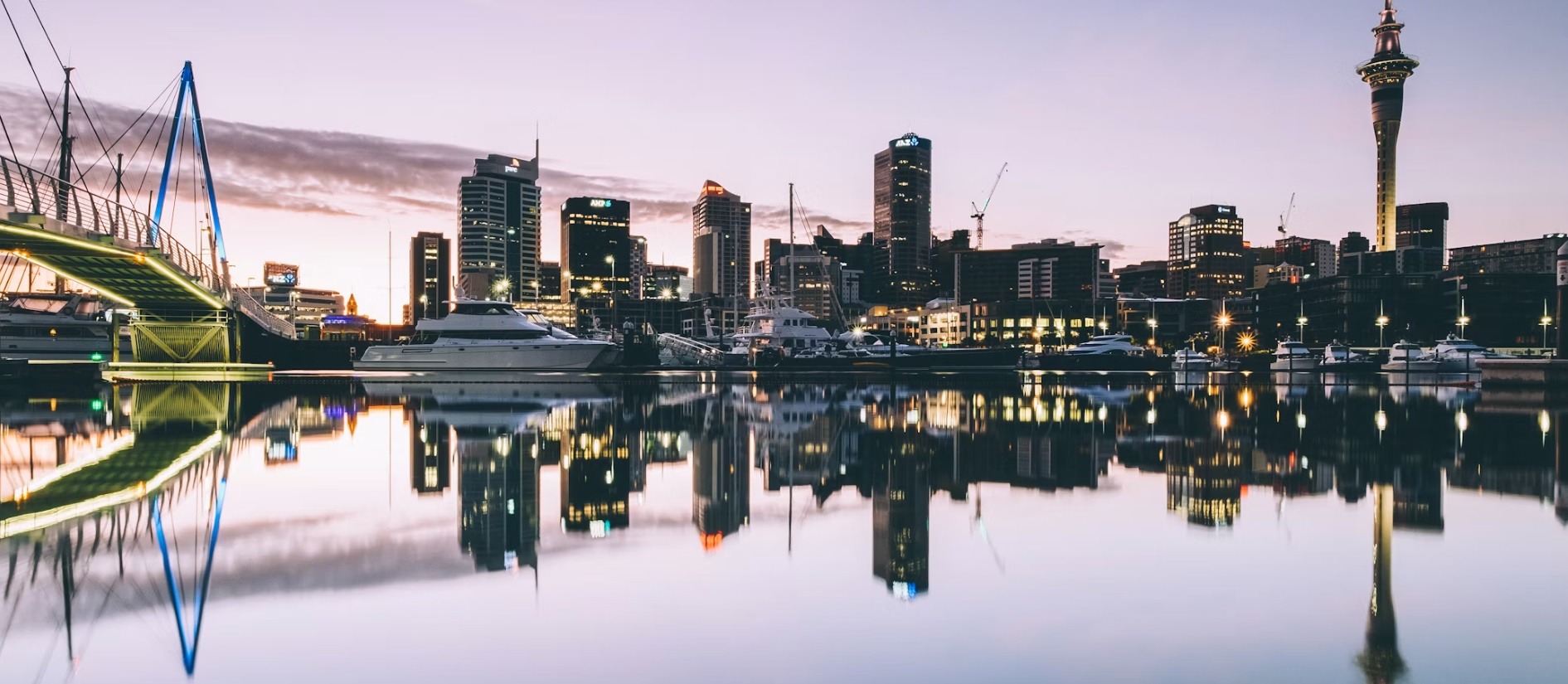
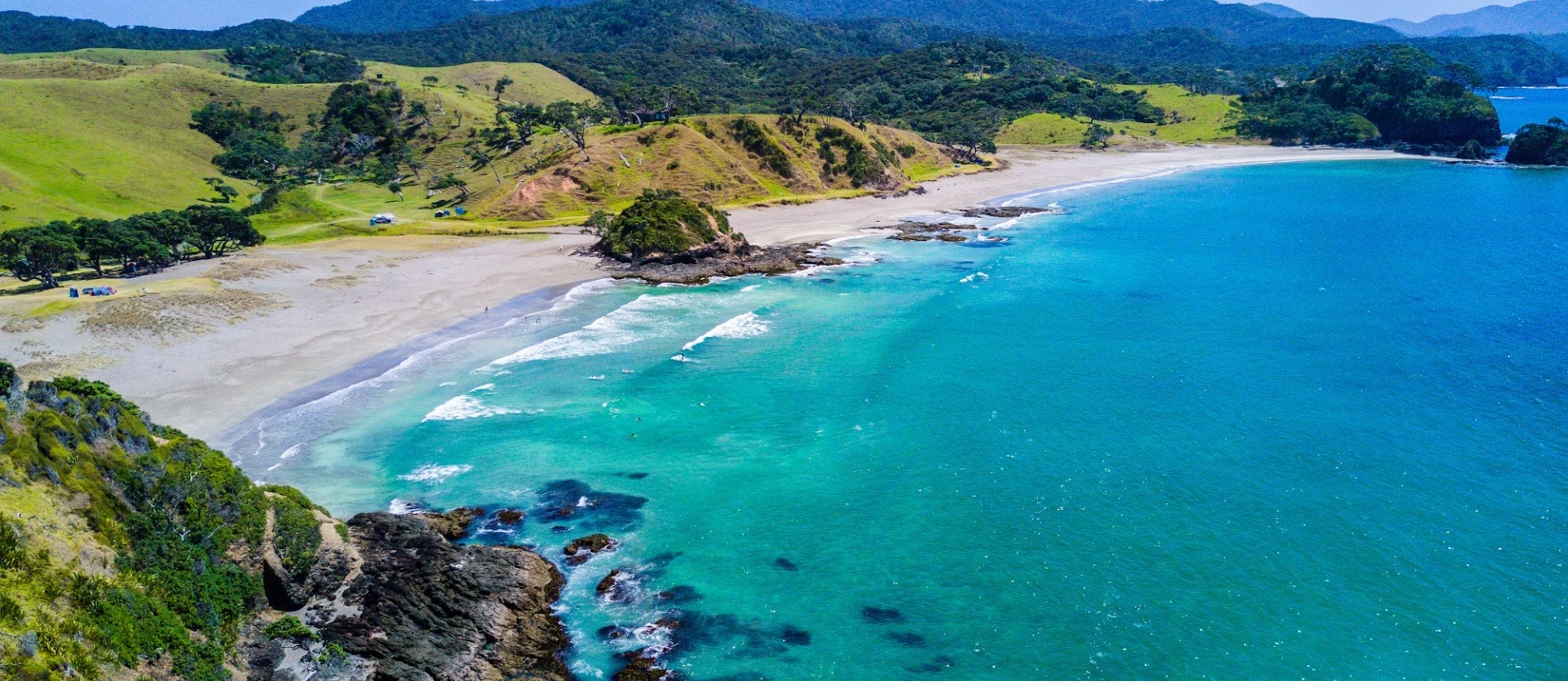
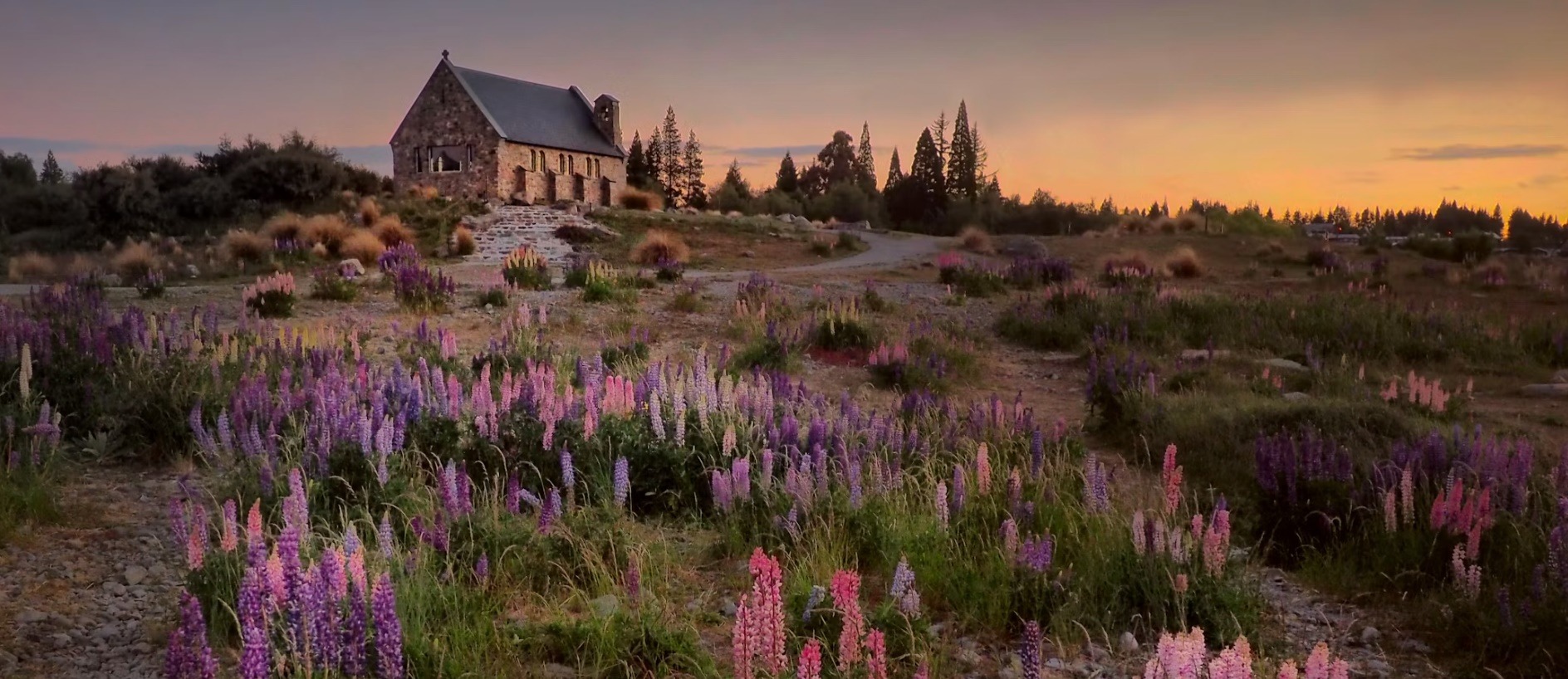
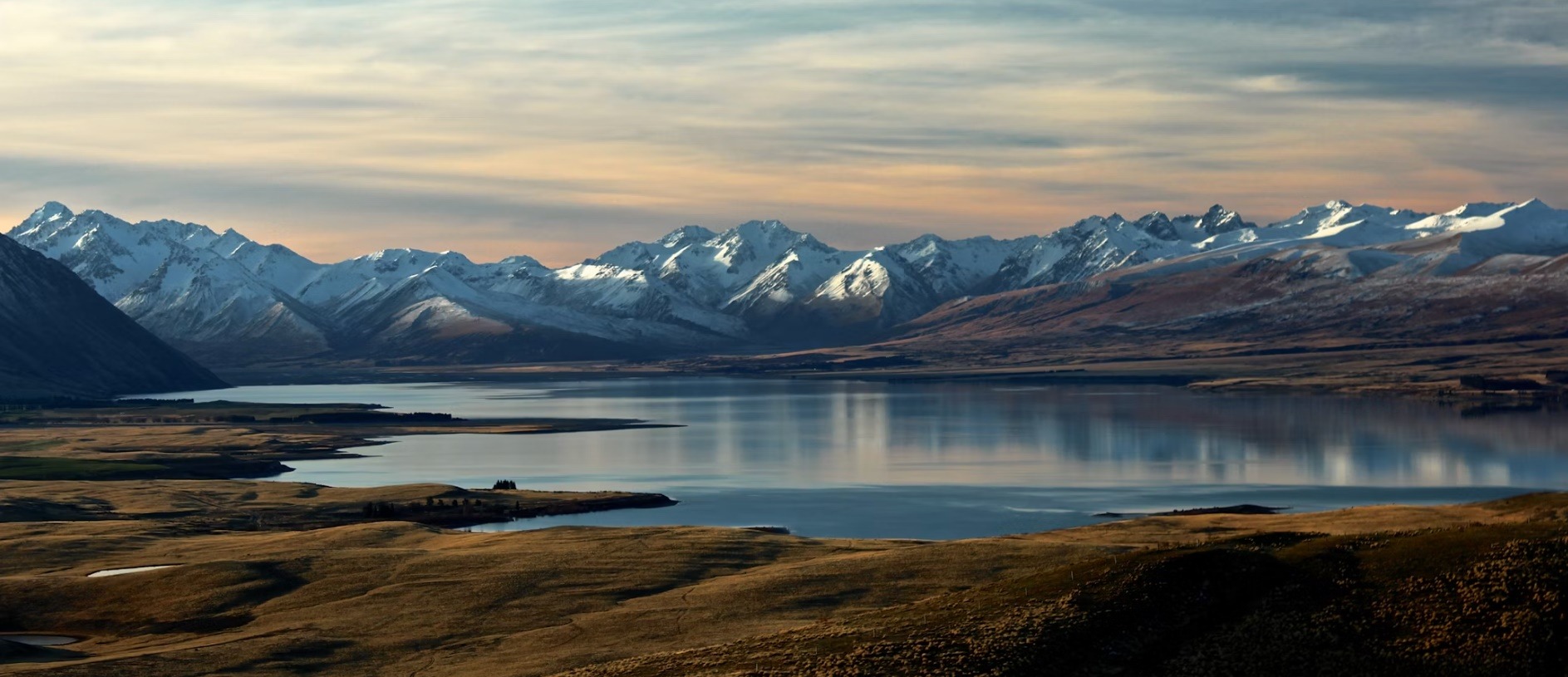
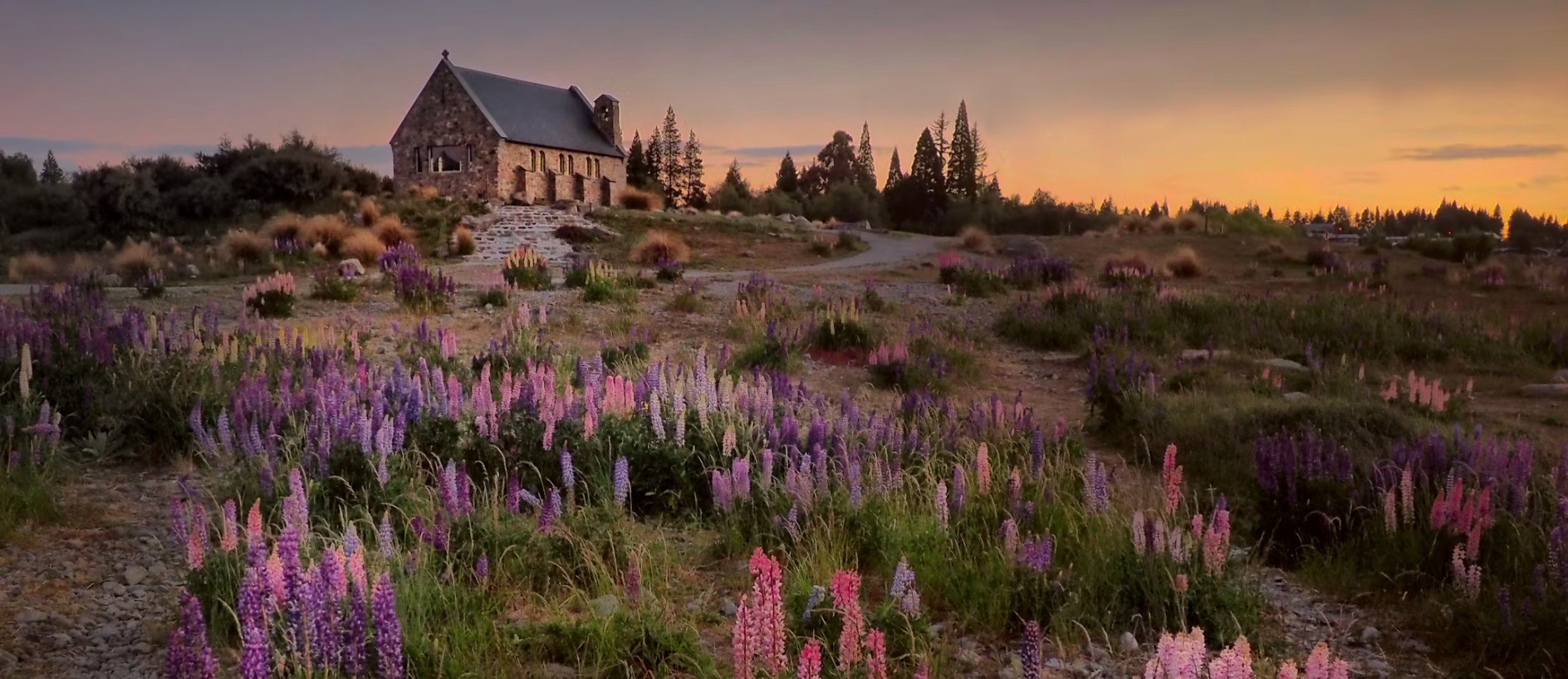
The **New Zealand diaspora in the DMV** (District of Columbia, Maryland, and Virginia) is a highly educated, professional, and internationally connected community. Unlike larger multi-generational immigrant populations, the DMV's **Kiwi** population is shaped largely by **diplomats, corporate professionals, lawyers, environmental scientists, trade specialists, defense and security professionals, academics, and international-organization employees**. Rather than forming a concentrated ethnic neighborhood, New Zealanders are dispersed throughout the metropolitan region and remain connected through diplomatic, professional, and cultural networks.
### Cultural Hubs & Community Networks
* **Embassy Hub:** The **Embassy of New Zealand in Washington, D.C.** serves as the community's principal diplomatic and institutional anchor. Through its bilateral work in trade, science, technology, security, and international relations, the embassy also provides opportunities for Kiwi expatriates to connect through community briefings, receptions, and cultural programming.
* **Kia Ora DC Kiwis:** **Kia Ora DC Kiwis** serves as an important cultural and social organization for New Zealanders in the region. Its activities focus on maintaining **Māori culture, New Zealand traditions, Pacific heritage, and family connections**, giving Kiwi families a community environment away from home.
* **Kea Network:** The **Kea Network** provides a professional bridge between New Zealanders abroad and New Zealand's wider business community. Its Washington network connects Kiwi entrepreneurs, executives, professionals, and visiting business leaders with opportunities across the DMV.
### Key Cultural Gatherings
* **Waitangi Day:** Celebrated annually on **February 6**, Waitangi Day is one of the most important occasions for New Zealanders abroad. Local celebrations combine social gatherings with New Zealand food, music, Māori cultural traditions, and opportunities for the Kiwi community to reconnect.
* **Whānau & Family Days:** Family-oriented gatherings provide a distinctly Kiwi social atmosphere, with activities such as **sausage sizzles, children's games, sack races, gumboot throwing, and other informal outdoor traditions**. These events emphasize *whānau* and the relaxed hospitality associated with New Zealand community life.
* **ANZAC Day:** On **April 25**, New Zealanders join Australian communities for ANZAC Day commemorations. Dawn services and remembrance ceremonies provide a more solemn opportunity to honor military personnel and preserve the shared history of the two countries.
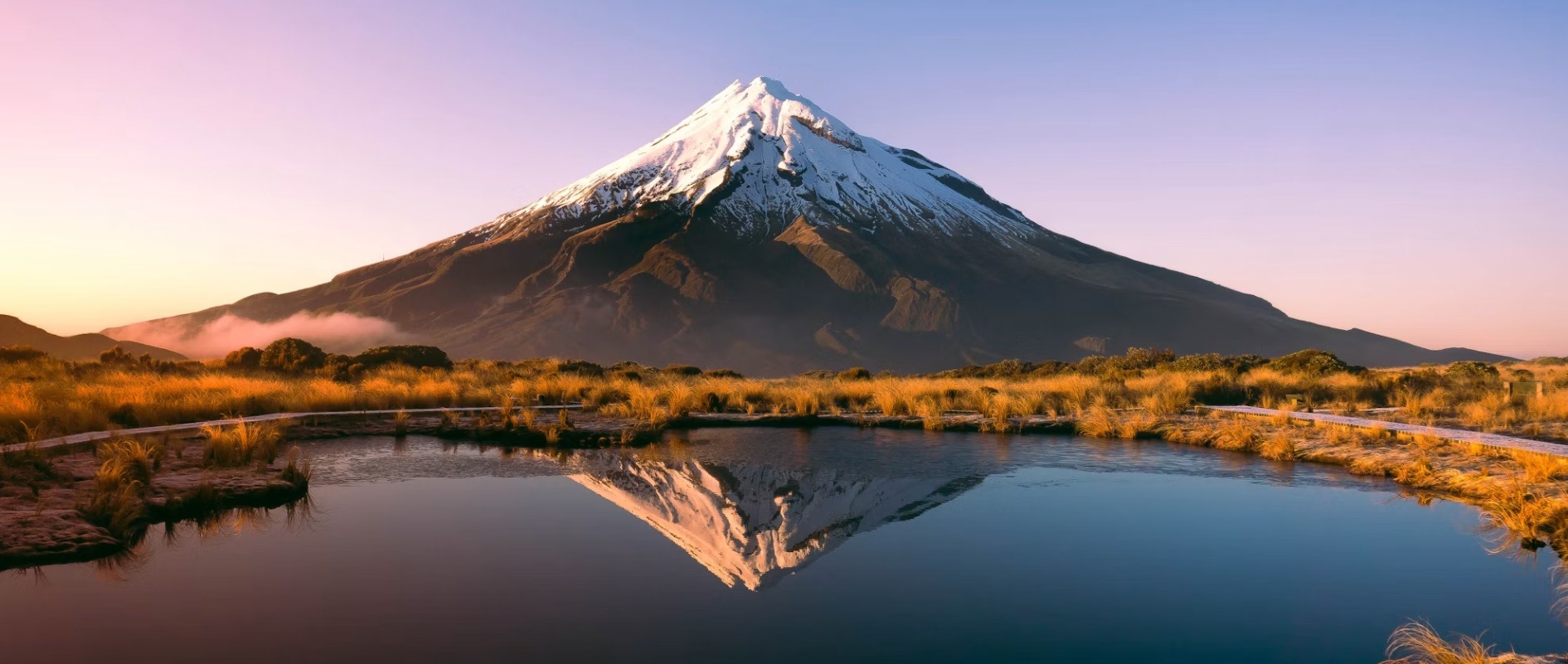
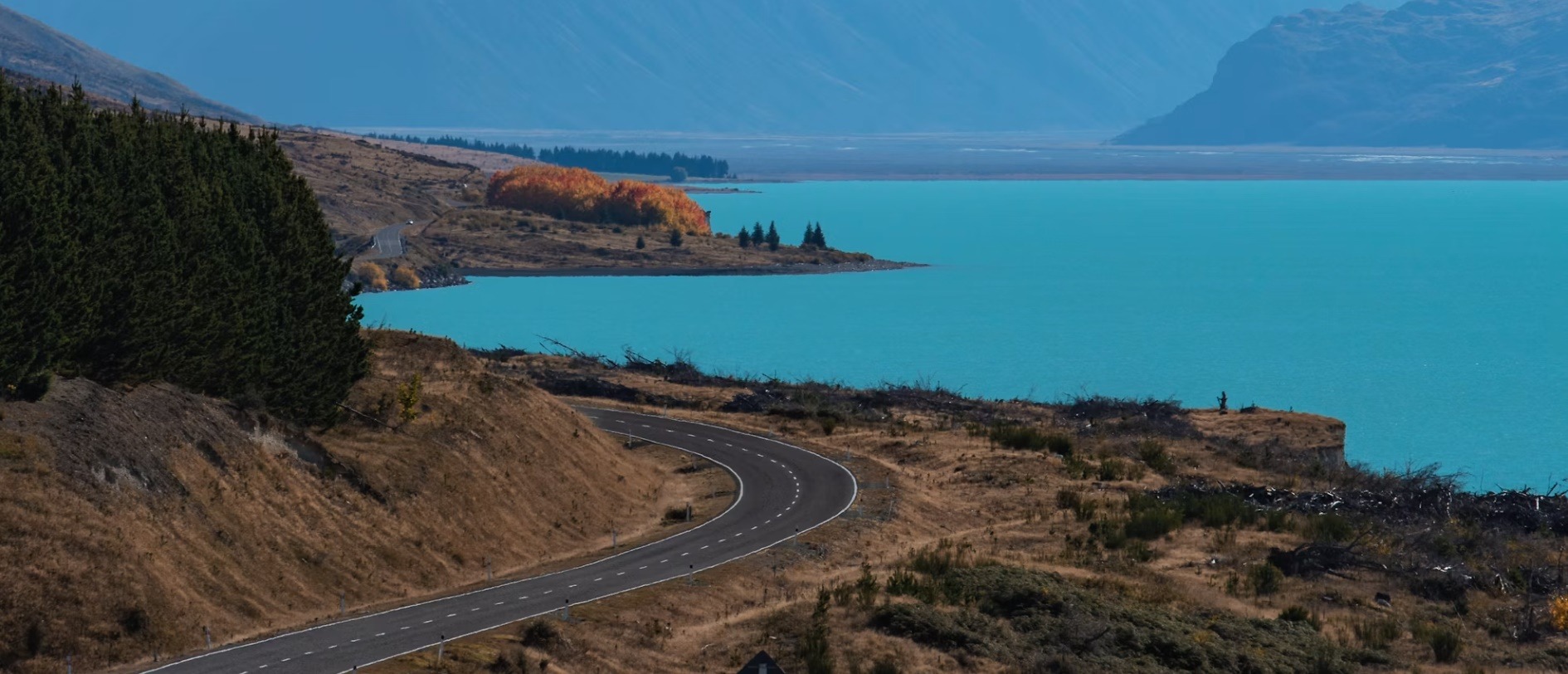
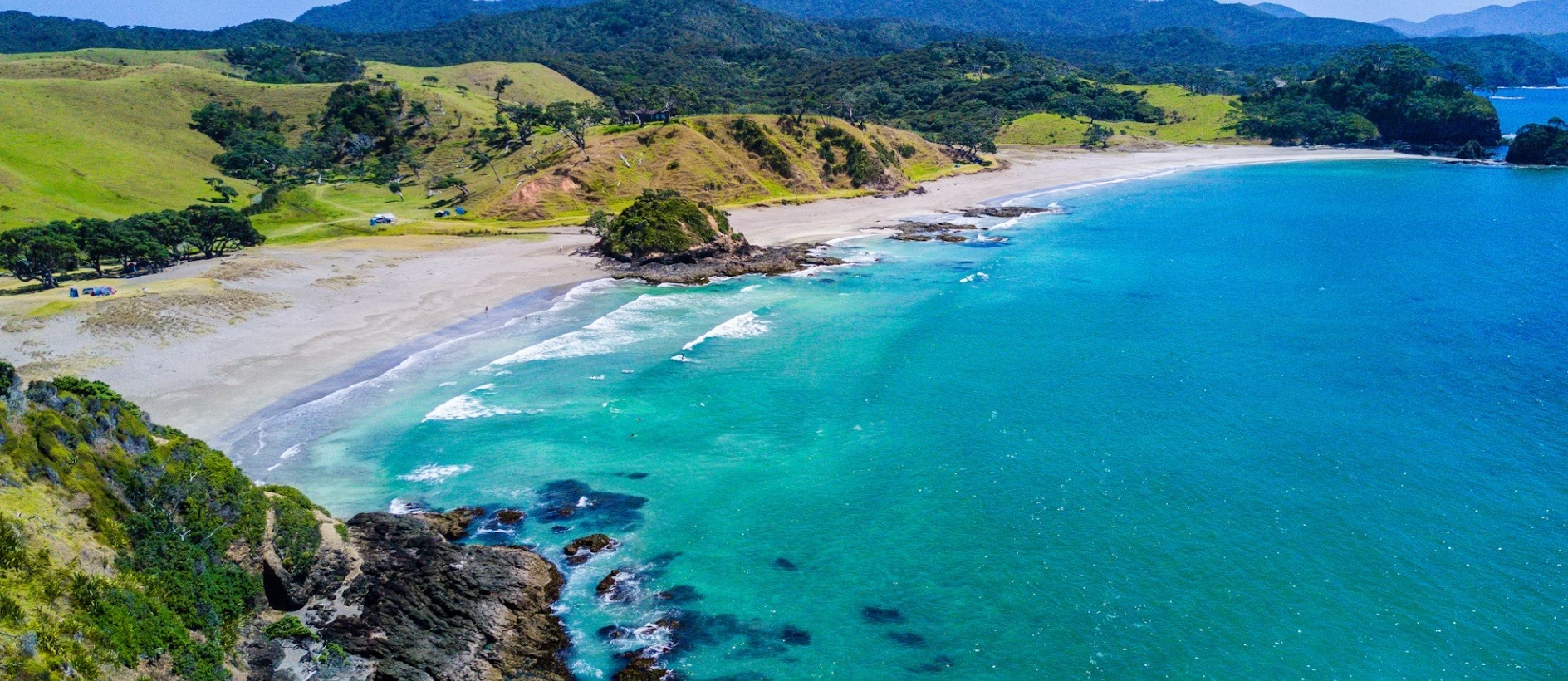
* **Passport DC:** During the annual **Passport DC Embassy Tour**, the New Zealand Embassy provides the wider Washington public with an introduction to New Zealand culture. Programming can highlight **Māori heritage, contemporary New Zealand arts, Pacific traditions, environmental initiatives, and the country's natural landscapes**.
### Culinary & Social Anchors
The DMV does not have a major standalone New Zealand restaurant or commercial district, so Kiwi residents rely heavily on **Australian, British, and broader Commonwealth food networks**.
* **Australian & Kiwi Overlap:** New Zealanders frequently connect with the region's Australian expatriate community and visit cafés and bakeries serving familiar Commonwealth-style foods such as **meat pies, sausage rolls, flat whites, and other café staples**.
* **New Zealand Ingredients:** Families seeking familiar products often turn to international grocers, specialty retailers, and premium supermarkets for **New Zealand lamb, Manuka honey, dairy products, and other imported foods**.
* **Backyard Gatherings:** Informal home gatherings and outdoor barbecues remain important social settings, allowing Kiwis to recreate familiar New Zealand hospitality while bringing together friends, families, and other expatriates.
### Professional & Digital Networks
Because the community is geographically dispersed, **professional organizations, embassy networks, social-media groups, and expatriate forums** provide much of its connective infrastructure.
* **Professional Networking:** The embassy, Kea, and New Zealand-linked business networks connect Kiwi professionals with Washington's extensive **diplomatic, policy, technology, environmental, and international-development sectors**.
* **Digital Community:** Online groups and embassy-linked social channels help newcomers find housing, employment information, imported products, family activities, and local social events.
Overall, the **New Zealand community in the DMV is defined by professional mobility, diplomacy, Māori and Pacific cultural identity, and strong informal family networks rather than geographic concentration**. The New Zealand Embassy provides the institutional center, while Kia Ora DC Kiwis, the Kea Network, Waitangi Day, ANZAC Day, family gatherings, Commonwealth food networks, and expatriate communities provide the cultural and social infrastructure that keeps the Kiwi community connected.
 Sign In






 Facebook
 X-Twitter
 Instagram
 Linkedin
 Youtube