Sign In






 Facebook
 X-Twitter
 Instagram
 Linkedin
 Youtube
More Information
More Information
Street Soccer in Panama
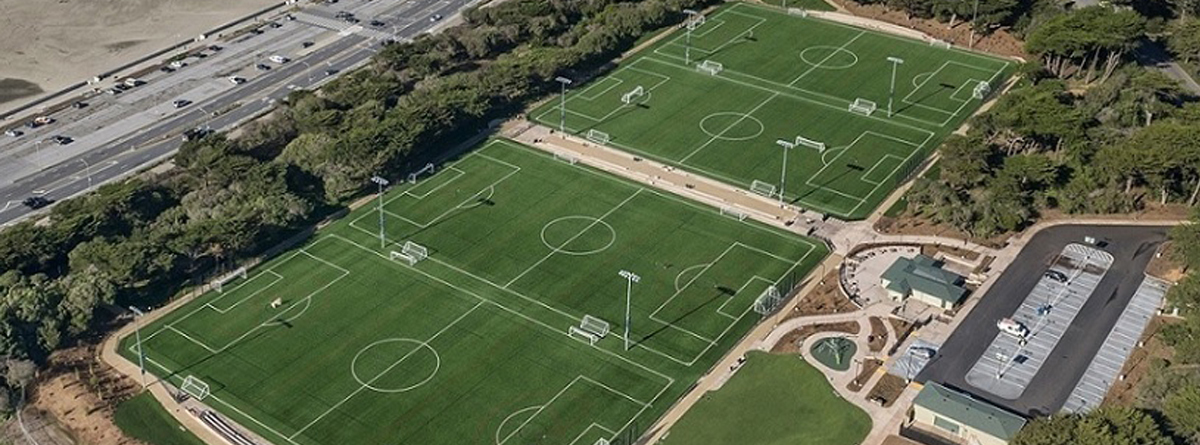
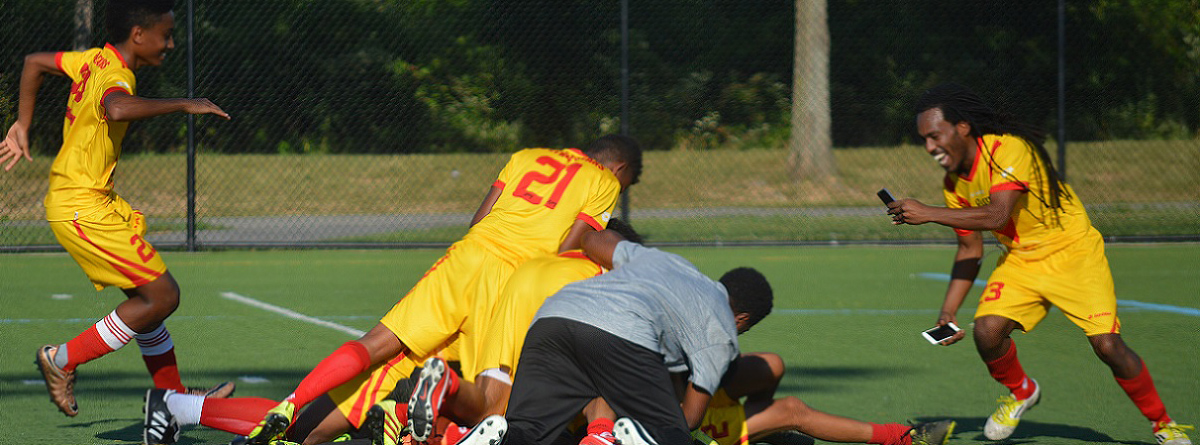
Street soccer is a popular activity in Panama, where children and teenagers regularly play informal football matches in neighbourhood streets, school playgrounds, public parks, community courts, and open spaces. These games provide a fun and accessible way for young players to stay active, enjoy football with friends, and develop their skills outside organised competitions.
The energetic style of street soccer encourages quick passing, close ball control, creative dribbling, and fast movement. Playing in smaller areas helps participants improve their technique, confidence, teamwork, and ability to make quick decisions while adapting to different playing conditions.
Street soccer offers an affordable way for communities across Panama to enjoy football without requiring professional facilities. It promotes healthy lifestyles, strengthens neighbourhood connections, and inspires many young players to continue their football journey.
Street Soccer Culture in Panama
Football is one of the most popular sports in Panama, and street soccer is often where many children first discover their passion for the game. Informal matches organised by schools, friends, and local communities create a lively environment where players of different ages and abilities can participate.
Skills Developed Through Street Soccer
Street soccer helps players improve dribbling, first touch, passing accuracy, agility, balance, ball control, and tactical awareness. Regular games also develop creativity, communication, confidence, and the ability to make quick decisions in tight playing spaces.
Street Soccer and Community Development
Street soccer brings communities together through football while encouraging teamwork, positive youth participation, and active lifestyles. It also provides aspiring players with valuable experience before progressing to school teams, local football clubs, academies, futsal programmes, or organised youth football competitions.
The PANAMA in the DMV Metro

The Panamanian diaspora in the Washington, D.C., Maryland, and Virginia (DMV) area is a well-integrated Central American community with strong diplomatic, professional, cultural, and family networks. While larger Panamanian populations are concentrated in places such as Florida and New York, the DMV community benefits from Washington's role as a center for inter-American diplomacy, international organizations, trade, transportation, and government.
Core Community Organizations
-
Embassy of Panama: Located in Washington, D.C., the embassy serves as the community's primary diplomatic and consular anchor, providing passport and identification services, cultural programming, and connections between Panamanians throughout the DMV and Panama.
-
Consular Section of Panama: The consular office assists regional Panamanian families with passports, document legalization, civil-registration matters, citizenship-related procedures, and other services.
-
Panamanian Professional Networks: Washington's concentration of international organizations, government agencies, trade institutions, and multinational companies creates a strong professional network for Panamanian diplomats, policy professionals, entrepreneurs, and other white-collar workers.
-
Panama Connect DMV: Digital networking initiatives help Panamanians across D.C., Maryland, and Virginia exchange local information, connect businesses and professionals, find housing and services, and organize informal social gatherings.
Major Cultural & Food Events
-
Fiesta DC: Panamanian participation in Washington's major Latino cultural celebrations provides an important public platform for traditional music, dance, folkloric costumes, and national heritage.
-
Passport DC / Around the World Embassy Tour: The annual embassy program provides an especially visible opportunity for the Panamanian community to showcase national culture, tourism, food, music, and traditional arts to the broader Washington public.
-
Panamanian Independence Celebrations: November's national celebrations bring together Panamanians and their families through cultural programs, food, music, dancing, and community gatherings.
-
Panamanian Food Community: Restaurants, caterers, pop-ups, and food businesses provide important cultural gathering points. Dishes such as sancocho, ropa vieja, arroz con pollo, carimañolas, empanadas, and other Panamanian specialties help maintain culinary connections with home.
-
Esencias Panameñas & MPANADAS: Grassroots food ventures provide additional opportunities to access Panamanian flavors and connect with other members of the diaspora.
Community Characteristics
-
Professionally integrated: The DMV community has a notable presence of diplomats, international-policy professionals, trade specialists, entrepreneurs, government workers, and corporate professionals.
-
Diplomatically connected: The presence of Panama's embassy and consular infrastructure gives the community a strong institutional anchor.
-
Suburban and geographically dispersed: Panamanians live throughout D.C., Montgomery County, Prince George's County, Fairfax County, Arlington, Alexandria, and other parts of the metropolitan region rather than forming a single ethnic neighborhood.
-
Strong inter-American identity: Panama's geographic and economic position between North and South America contributes to connections with broader Central American, Caribbean, and Latin American communities.
-
Digitally connected: Social-media groups and professional networking initiatives play an important role in connecting residents who are otherwise geographically dispersed.
-
Family-oriented: Family gatherings, national celebrations, food, churches, and cultural events remain important mechanisms for maintaining identity across generations.
-
Strong folkloric identity: Pollera, montuno, traditional music, folkloric dance, and regional Panamanian traditions are particularly visible during public cultural celebrations.
-
Culinary identity: Panamanian food businesses and informal culinary networks serve as important cultural connectors in the absence of a large dedicated Panamanian commercial district.
-
International outlook: The combination of Panamanian national identity with Washington's diplomatic and international environment makes the DMV community particularly connected to trade, maritime affairs, international development, and inter-American relations.
Significance
Immigration from Panama has generally reflected the construction and operation of the Panama Canal, economic opportunity, educational advancement, professional employment, international business, family reunification, and regional migration.
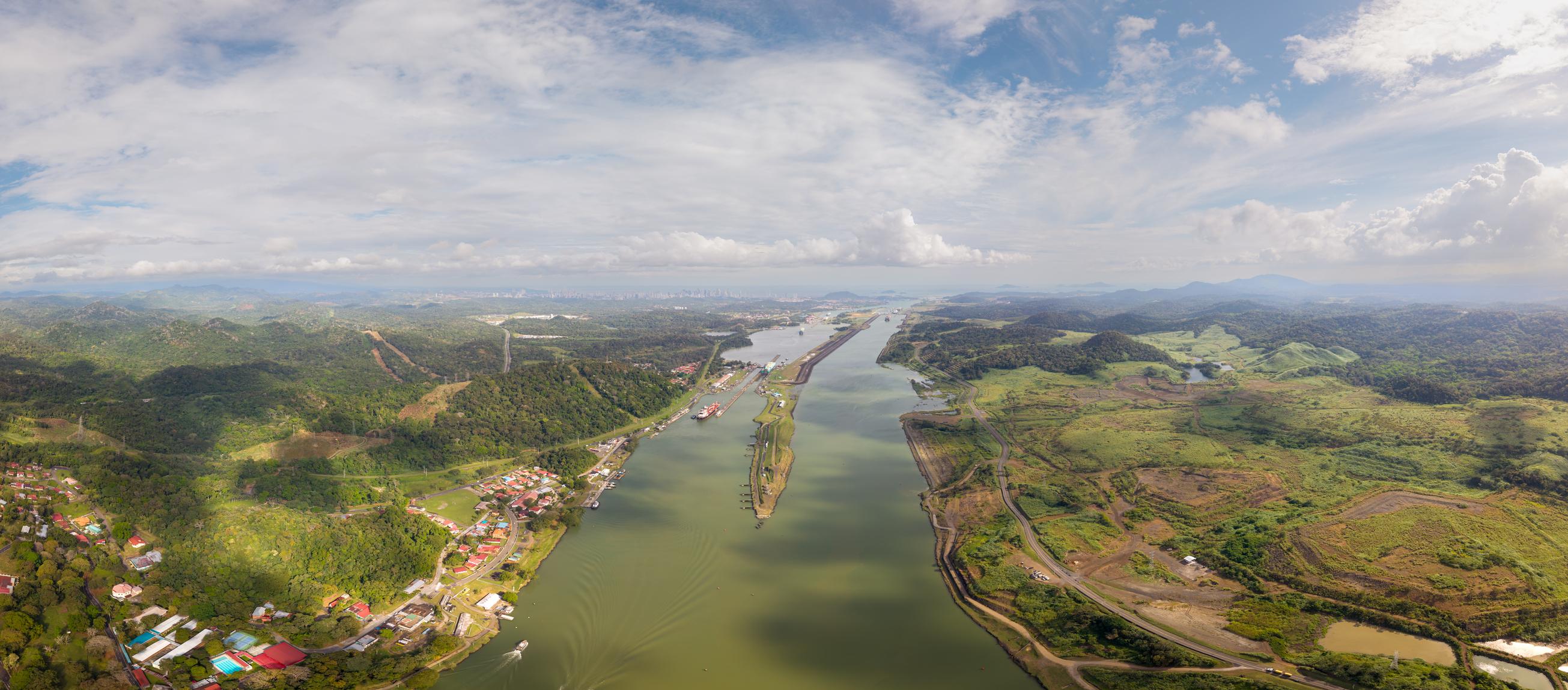
Migration from Panama has historically been shaped by its strategic location connecting North and South America and by the global importance of the Panama Canal. Panamanians have commonly migrated to the United States for higher education, professional employment, military service, business, and family reunification. The long-standing relationship between Panama and the United States, particularly through the administration and operation of the Panama Canal during much of the twentieth century, contributed to educational, economic, and cultural exchange. Today, Panamanian immigrants have established vibrant communities across the United States while maintaining strong cultural, linguistic, and family ties with their homeland.
Panamanian Migration Before Independence
Before independence, Panama formed part of the Spanish Empire and later became a department of Gran Colombia following independence from Spain in 1821. Migration during the colonial and early republican periods was influenced by maritime trade, agriculture, commerce, transportation, and regional commerce across the Isthmus of Panama. Residents travelled throughout Central and South America as merchants, farmers, sailors, students, civil servants, and members of extended families. Following support from the United States during Panama's separation from Colombia, Panama declared independence on November 3, 1903, and the United States promptly recognized the new republic while establishing close diplomatic relations. The construction of the Panama Canal (1904–1914) further strengthened economic and migration ties between the two countries.
Late-Twentieth- and Early-Twenty-First-Century Immigration
Migration increased throughout the twentieth century as educational opportunities, professional careers, international commerce, and family sponsorship encouraged many Panamanians to seek opportunities abroad. Students, physicians, engineers, scientists, academics, entrepreneurs, information technology specialists, logistics professionals, business executives, and researchers increasingly travelled to the United States for university education, specialized employment, scientific research, investment, or family reunification. The transfer of the Panama Canal to Panamanian control in 1999, expanding international trade, multinational corporations, and academic exchange programs have continued to strengthen migration in recent decades. In the United States, Panamanian immigrants often rely on family networks, churches, cultural associations, community organizations, alumni groups, and professional societies for support with housing, employment, education, and community integration while preserving Spanish, English, traditional cuisine, music, cultural heritage, religious practices, and close relationships with relatives in Panama.