Sign In











 Facebook
 X-Twitter
 Instagram
 Linkedin
 Youtube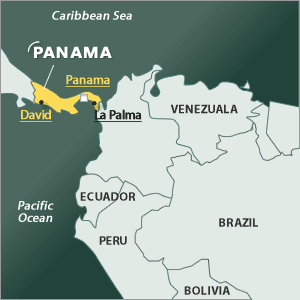

Significance
Immigration from Panama has generally reflected the construction and operation of the Panama Canal, economic opportunity, educational advancement, professional employment, international business, family reunification, and regional migration.
Migration from Panama has historically been shaped by its strategic location connecting North and South America and by the global importance of the Panama Canal. Panamanians have commonly migrated to the United States for higher education, professional employment, military service, business, and family reunification. The long-standing relationship between Panama and the United States, particularly through the administration and operation of the Panama Canal during much of the twentieth century, contributed to educational, economic, and cultural exchange. Today, Panamanian immigrants have established vibrant communities across the United States while maintaining strong cultural, linguistic, and family ties with their homeland.
Panamanian Migration Before Independence
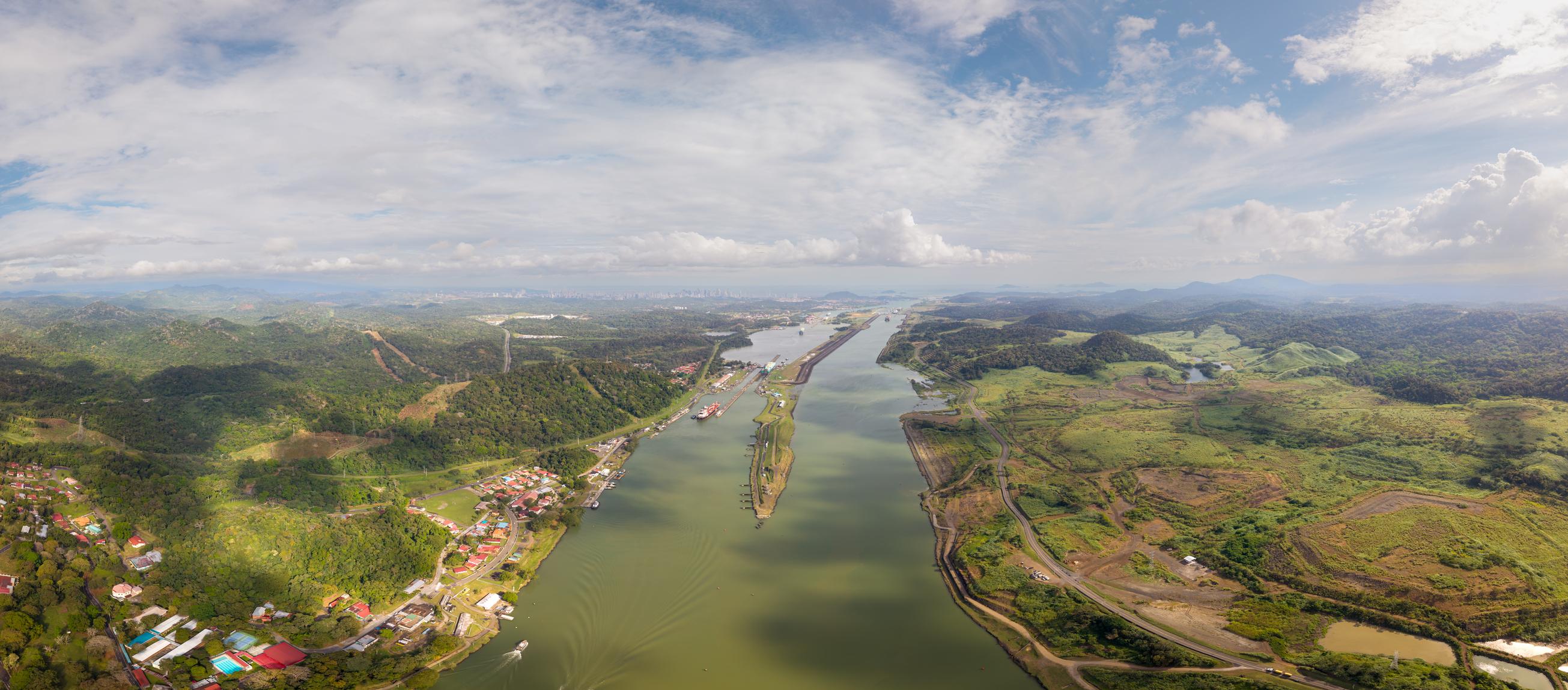
Before independence, Panama formed part of the Spanish Empire and later became a department of Gran Colombia following independence from Spain in 1821. Migration during the colonial and early republican periods was influenced by maritime trade, agriculture, commerce, transportation, and regional commerce across the Isthmus of Panama. Residents travelled throughout Central and South America as merchants, farmers, sailors, students, civil servants, and members of extended families. Following support from the United States during Panama's separation from Colombia, Panama declared independence on November 3, 1903, and the United States promptly recognized the new republic while establishing close diplomatic relations. The construction of the Panama Canal (1904–1914) further strengthened economic and migration ties between the two countries.
Late-Twentieth- and Early-Twenty-First-Century Immigration
Migration increased throughout the twentieth century as educational opportunities, professional careers, international commerce, and family sponsorship encouraged many Panamanians to seek opportunities abroad. Students, physicians, engineers, scientists, academics, entrepreneurs, information technology specialists, logistics professionals, business executives, and researchers increasingly travelled to the United States for university education, specialized employment, scientific research, investment, or family reunification. The transfer of the Panama Canal to Panamanian control in 1999, expanding international trade, multinational corporations, and academic exchange programs have continued to strengthen migration in recent decades. In the United States, Panamanian immigrants often rely on family networks, churches, cultural associations, community organizations, alumni groups, and professional societies for support with housing, employment, education, and community integration while preserving Spanish, English, traditional cuisine, music, cultural heritage, religious practices, and close relationships with relatives in Panama.