Sign In






 Facebook
 X-Twitter
 Instagram
 Linkedin
 Youtube
More Information
More Information
Street Soccer in Guatemala
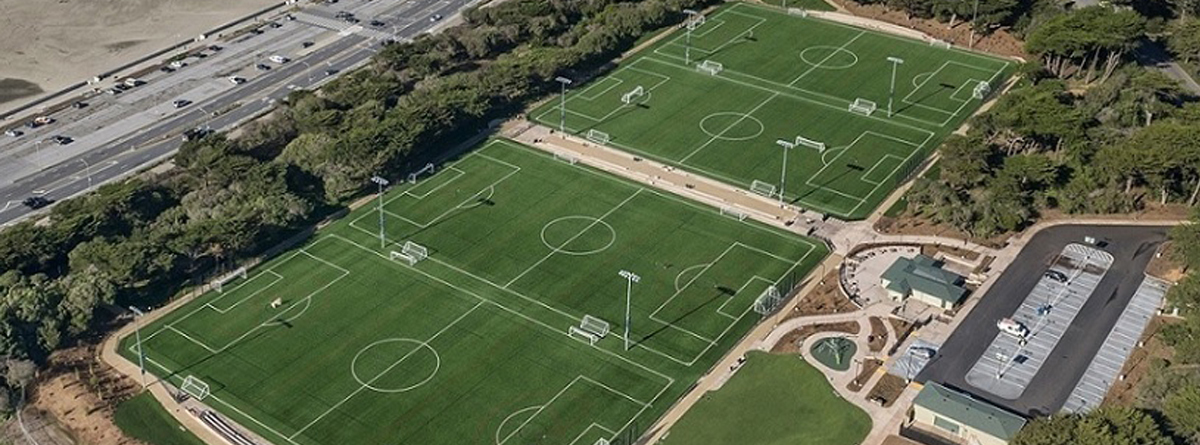
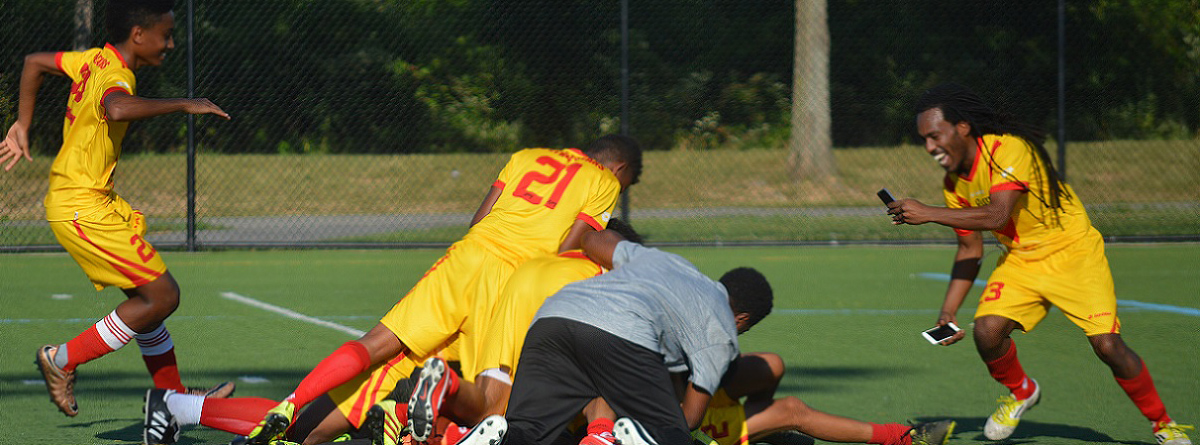
Street soccer is a popular activity in Guatemala, where children and teenagers regularly gather in neighbourhood streets, school courtyards, parks, and village open spaces to play informal football matches. These games are part of everyday life, giving young players an enjoyable way to stay active while strengthening their football skills with friends.
Playing on compact playing areas encourages quick dribbling, accurate passing, close ball control, and rapid decision-making. The competitive yet friendly atmosphere helps players improve their creativity, confidence, and teamwork through constant involvement in the game.
Street soccer provides an affordable and accessible way for communities across Guatemala to enjoy football without requiring professional facilities. It promotes healthy lifestyles, builds strong social connections, and inspires many young people to continue developing their passion for the sport.
Street Soccer Culture in Guatemala
Football is one of the most popular sports in Guatemala, and street soccer is often where many children first develop their love for the game. Friendly matches organised by schools, neighbours, and local communities create an inclusive environment where everyone has the opportunity to participate.
Skills Developed Through Street Soccer
Street soccer helps players improve dribbling, first touch, passing accuracy, agility, balance, ball control, and awareness. Regular matches also strengthen communication, creativity, confidence, and the ability to make quick decisions under pressure.
Street Soccer and Community Development
Street soccer brings communities together through football while encouraging positive youth participation and active lifestyles. It also provides aspiring players with a strong foundation before progressing to school teams, local football clubs, academies, or organised youth football programmes.
The Guatemala in the DMV Metro

The Guatemalan diaspora in the DMV (Washington, D.C., Maryland, and Virginia) represents one of the largest, fastest-growing, and most culturally distinct Central American populations in the region.
- Virginia: Heavily concentrated in Fairfax County—particularly Centreville and Herndon—as well as parts of Arlington and Alexandria.
- Maryland: Strong presence in Montgomery County (such as Silver Spring and Gaitherson) and Prince George's County (like Hyattsville and Langley Park).
- Washington, D.C.: Historically settled in neighborhoods like Adams Morgan and Mount Pleasant, working closely with regional community support networks.
- Indigenous Roots: A significant percentage of the local diaspora belongs to indigenous Maya ethnic groups (including the Maya Ixil and Kaqchikel communities).
- Language Diversity: Many community members speak indigenous languages like Ixil, Kʼicheʼ, or Kaqchikel as their primary language, making specialized language interpretation a vital necessity for local services.
- Diplomatic & Civil Presence: The community is supported by the Embassy of Guatemala in Dupont Circle alongside dedicated consular networks in Maryland.
- Cultural Advocacy: Organizations like the International Mayan League operate heavily out of areas like Centreville to provide cultural accompaniment, food distribution, and language-specific resources.
- Economic Footprint: The diaspora maintains deeply interconnected roots with Guatemala, driven by high labor-force participation and community-led commerce.
Significance
Immigration from Guatemala has generally reflected Spanish colonial rule, economic hardship, political instability, armed conflict, family reunification, educational opportunities, professional employment, and humanitarian migration.
Migration from Guatemala has historically been shaped by regional mobility within Central America and longstanding ties with the United States. Many Guatemalans initially migrated to neighboring Mexico and other Central American countries for seasonal agricultural work, trade, education, family connections, and safety. During the late twentieth century, civil conflict, economic inequality, natural disasters, and limited employment opportunities contributed to increased migration to the United States through employment, family sponsorship, asylum, and refugee pathways. Today, Guatemalan immigrants represent one of the largest Central American communities in the United States, maintaining strong cultural, linguistic, and family connections with their homeland while contributing to diverse sectors of the American economy.
Guatemalan Migration Before Independence
Before independence, Guatemala formed part of the Captaincy General of Guatemala under Spanish colonial rule. Migration during the colonial period was influenced by agriculture, regional commerce, missionary activities, government administration, and military service. Residents frequently travelled throughout Central America as farmers, merchants, craftsmen, students, civil servants, and members of extended families. Direct migration to the United States remained uncommon because political, educational, and commercial connections were centered primarily on Spain and neighboring Spanish colonies. Guatemala declared independence from Spain on September 15, 1821, later becoming part of the Federal Republic of Central America before emerging as an independent republic. The United States recognized Guatemala soon afterward and established diplomatic relations.
Late-Twentieth- and Early-Twenty-First-Century Immigration
Migration increased significantly after the Guatemalan Civil War (1960–1996), widespread political violence, economic challenges, and natural disasters disrupted communities across the country. Students, healthcare professionals, teachers, engineers, entrepreneurs, agricultural workers, and skilled laborers increasingly travelled to the United States for higher education, employment, business opportunities, or family reunification. Many others sought asylum or humanitarian protection because of armed conflict, persecution, and insecurity. Family sponsorship and employment opportunities have continued to support migration in recent decades. In the United States, Guatemalan immigrants often rely on family networks, churches, community organizations, and cultural associations for assistance with housing, employment, education, language services, and social integration while preserving Spanish, Indigenous Mayan languages, traditional cuisine, music, religious practices, and close relationships with relatives in Guatemala.