Sign In









 Facebook
 X-Twitter
 Instagram
 Linkedin
 Youtube
More Information
More Information
Street Soccer in Benin
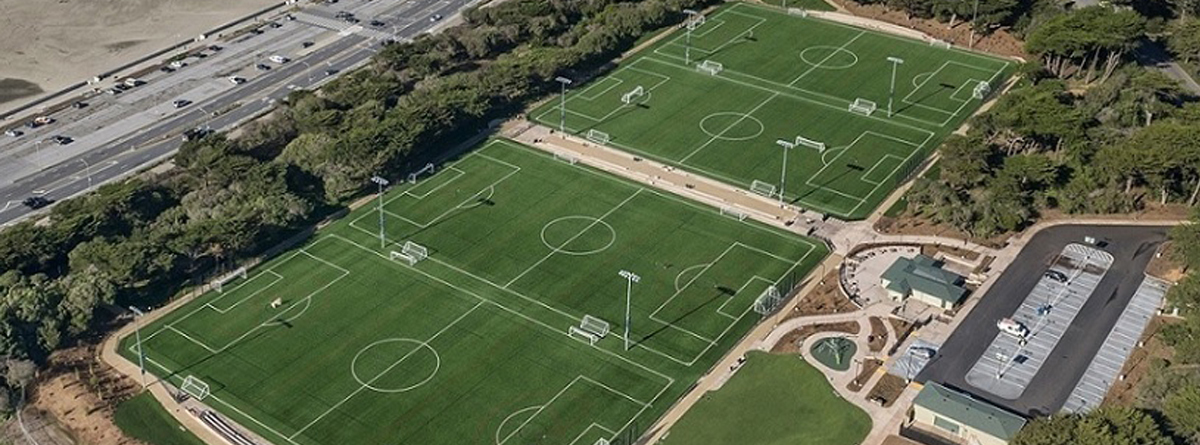
Street soccer is a popular part of everyday life in Benin, where children and teenagers regularly gather in neighbourhoods, school grounds, village squares, and open community spaces to play informal football matches. These friendly games provide an enjoyable way for young people to stay active while developing their football skills alongside friends.
Playing on small and often improvised pitches helps players improve close ball control, dribbling, passing, and quick decision-making. The fast-moving nature of the game encourages creativity, teamwork, and confidence, allowing participants to develop their abilities in a fun and competitive setting.
Street soccer offers an accessible way for communities across Benin to enjoy football without requiring professional facilities or expensive equipment. It promotes physical fitness, strengthens friendships, and inspires many young players to pursue the sport further.
Street Soccer Culture in Benin
Football is one of the most popular sports in Benin, and street soccer plays an important role in introducing young people to the game. Informal matches are commonly organised by friends, neighbours, schools, and local communities, creating an inclusive environment where everyone can participate.
Skills Developed Through Street Soccer
Street soccer helps players develop dribbling, first touch, passing accuracy, agility, balance, and awareness. Regular play also improves communication, confidence, and the ability to make quick decisions in challenging situations.
Street Soccer and Community Development
Street soccer brings communities together through a shared passion for football while encouraging healthy and active lifestyles. It also helps talented players build the experience needed before progressing to school teams, local football clubs, or organised youth football programmes.
The Benin in the DMV Metro

- Consular Access: The embassy oversees vital operations for the local community, including physical registration for the National Registry of Physical Persons. This process secures necessary credentials like secure birth certificates, Personal Identification Certificates (CIP), and biometric ID cards.
- Digital Transformation: In an effort to keep the far-reaching diaspora connected to public administration, the embassy utilizes the idiaspora.service-public.bj Portal to manage proxy voting (such as for the April 2026 presidential elections) and standard parental authorizations remotely.
- Benin Diaspora USA: Entities like Mission Benin Diaspora USA, Inc. function to unite the community across the U.S.. They emphasize economic cooperation, cultural preservation, and youth advancement.
- Institutional Ties: Due to Benin's prominent history regarding the trans-Atlantic slave trade - where ports like Ouidah served as significant departure points - local academic hubs like Howard University track historical and sociological developments within the modern African diaspora.
- Pathways to Citizenship: Through Law No. 2024-31 and the "My Afro Origins" programme, the Government of Benin offers citizenship to African-descendants who can trace their ancestry back to the region via DNA testing or recognized genealogical records.
- Local Engagement: Prominent cultural figures serve as thematic ambassadors to foster these links, heavily targeting DMV-based Afro-descendants to explore investment, private-sector development, and formal cultural return.
Significance
Beninese migration has generally reflected French colonial rule, regional labour movement, limited employment opportunities, political change, education, professional work, family reunification, and the search for improved economic conditions.
Migration from Benin developed mainly through movement to neighbouring West African countries rather than directly to the United States. Workers, traders, students, craftspeople, and families travelled to Nigeria, Togo, Ghana, Côte d’Ivoire, Gabon, and other regional destinations for employment, commerce, education, and family connections. Smaller numbers later moved to France, the United States, Canada, and other countries. Migration increased after Benin—then known as Dahomey—gained independence in 1960, while political change and economic difficulties encouraged some educated and skilled residents to seek opportunities abroad. Beninese communities in the United States gradually formed through university study, professional employment, family sponsorship, business, and cultural organisations.
Beninese Migration Before Independence
Before independence, migration was shaped by French colonial rule, regional trade routes, agriculture, military service, and movement between neighbouring West African territories. The region became the French colony of Dahomey, and residents frequently travelled to Nigeria, Togo, Ghana, and other colonies for plantation work, port employment, domestic service, commerce, and education. Some also moved to France through colonial military, administrative, or educational connections, while direct migration to the United States remained uncommon. Earlier forced migration from ports such as Ouidah had transported many Africans across the Atlantic during the slave-trade era, creating historical links between the region and African-descended populations in the Americas. Dahomey achieved independence from France on August 1, 1960, and was renamed the Republic of Benin in 1975.
Late-Twentieth-Century Immigration
Beninese migration expanded during the late twentieth century as political transitions, limited domestic employment, education, and professional opportunities encouraged movement within Africa and overseas. Regional destinations remained the most common, but students, doctors, engineers, academics, businesspeople, and families also relocated to France, the United States, Canada, and other countries. Some entered the United States through university programmes, skilled employment, family sponsorship, or the Diversity Visa programme. Beninese immigrants established social, cultural, economic, and professional organisations that helped families adapt, educate their children, preserve languages and traditions, and contribute to development projects in Benin. The country also received immigrants from neighbouring states, making Benin both a source and destination of international migration.