Sign In






 Facebook
 X-Twitter
 Instagram
 Linkedin
 Youtube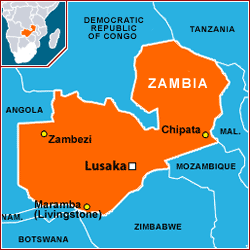
More Information
More Information
Street Soccer in Zambia
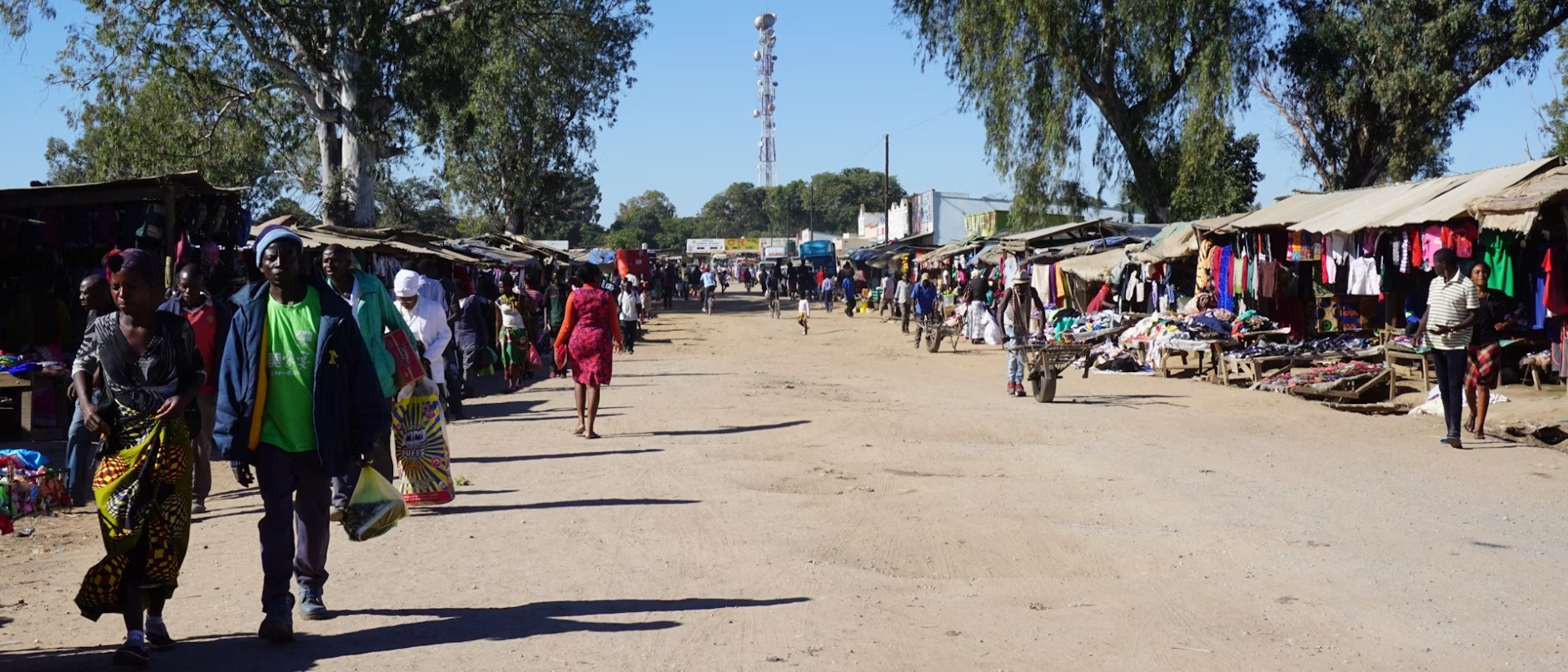
Street soccer is a popular part of everyday life in Zambia, where children and teenagers regularly gather in neighbourhood streets, school playgrounds, village fields, community grounds, public parks, and open spaces to play informal football matches. These games provide young players with an enjoyable and affordable way to stay active, improve their football skills, and build lasting friendships through the sport.
The energetic and fast-paced nature of street soccer encourages close ball control, quick passing, creative dribbling, and intelligent movement. Playing in compact spaces helps participants improve their technical ability, strengthen teamwork, build confidence, and develop quick decision-making while adapting to different playing conditions.
Street soccer offers an accessible way for communities across Zambia to enjoy football without requiring professional facilities or expensive equipment. It promotes healthy lifestyles, strengthens community relationships, and inspires many young people to continue their football journey through schools, local clubs, academies, and organised competitions.
Street Soccer Culture in Zambia
Football is one of the most popular sports in Zambia, and street soccer is often where many children first develop their passion for the game. Informal matches organised by schools, friends, and neighbourhood communities create a lively and welcoming atmosphere where players of different ages and abilities can participate while sharing their enthusiasm for football.
Skills Developed Through Street Soccer
Street soccer helps players improve dribbling, first touch, passing accuracy, shooting technique, agility, balance, ball control, tactical awareness, and spatial awareness. Regular games also strengthen communication, creativity, confidence, resilience, and the ability to make quick decisions during fast-paced matches.
Street Soccer and Community Development
Street soccer brings communities together through football while encouraging teamwork, positive youth participation, and active lifestyles. It also provides aspiring players with valuable experience before progressing to school teams, local football clubs, academies, or organised youth football programmes.
The ZAMBIA in the DMV Metro

- Professional Character: The diaspora is highly concentrated in white-collar sectors. A notable percentage of residents work as volunteer professionals, healthcare consultants, academics, entrepreneurs, and international development experts.
- Model Community: According to official tracking shared with the Embassy, the U.S. State Department consistently highlights the Zambian community as one of the best-behaved diaspora groups in the United States, maintaining exceptionally low visa-regulation violation metrics compared to other nationalities.
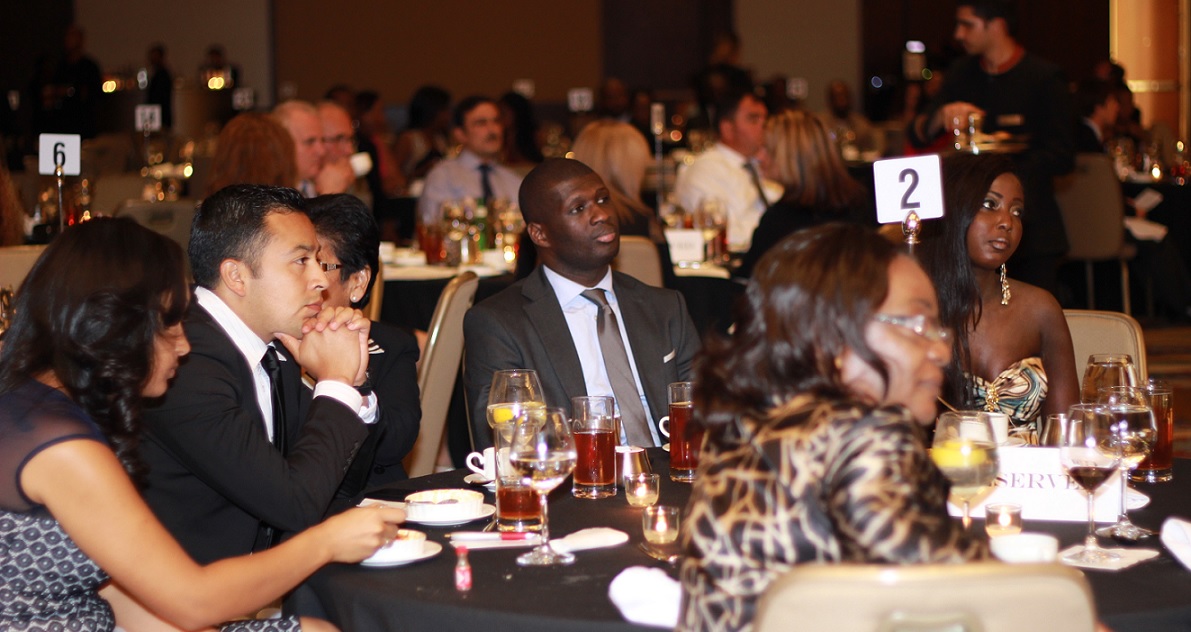
- Association of Zambians in DC, Maryland, and Virginia (AZDMV): Formally incorporated as a non-profit in Maryland, AZDMVis the premier civic body organizing the local diaspora. Led by local professionals, the association hosts empowerment programs, corporate networking events, and community support networks.
- Embassy of the Republic of Zambia: Situated on Massachusetts Avenue NW, the Embassy is deeply accessible to the community. It acts as a primary liaison for implementing Zambia's official Diaspora Policy, coordinating dual citizenship tracking, investment initiatives, and direct dialogue with visiting Zambian government ministers.
- Zambians in the DMV Network: A broad civic digital community of nearly a thousand active participants utilizing platforms like Facebook Groups to coordinate everything from health initiatives to home country real estate listings.
- Independence Celebrations & Galas: AZDMV hosts massive flagship cultural events annually, including the Annual Gala Dinner and widespread Diamond Jubilee Independence events spanning Maryland, Virginia, and D.C.. These celebrations often attract global visiting Zambian artists and high-level U.S. and foreign diplomats.
- Taste of Zambia & Tourism Outreach: The community regularly hosts culinary and cultural showcase events like the Taste of Zambia in the DMV. Additionally, the Embassy consistently takes part in the regional
- Passport DC Around the World Embassy Tour, transforming the mission grounds into a lively exhibition of traditional Zambian art, attire, live music, and authentic food like nshima (cornmeal), chikanda, and kapenta.
- Transnational Support: The DMV diaspora spearheads significant philanthropic and economic relief back home, including financing medical infrastructure supplies, navigating healthcare consulting pipelines, and driving direct investments.
Significance
Zambian immigration has generally reflected British colonial rule, regional labour migration, copper-mining employment, education, economic difficulties, professional opportunities, family reunification, and the search for improved living conditions.
Zambian migration has historically occurred mainly within southern Africa rather than through large-scale movement directly to the United States. Workers, traders, students, and families travelled to Zimbabwe, South Africa, Botswana, Malawi, Tanzania, and the Democratic Republic of the Congo for employment, commerce, education, and family connections. Smaller numbers later moved to Britain, the United States, Canada, and Australia. Zambians reaching the United States commonly arrived through university study, diplomatic service, professional employment, family sponsorship, or the Diversity Visa programme. Overseas communities included healthcare workers, engineers, academics, businesspeople, religious workers, and other skilled professionals who maintained connections with Zambia through remittances, return visits, cultural organisations, and development initiatives.
Zambian Migration Before Independence
Before independence, Zambia was known as Northern Rhodesia and was governed under British colonial authority. Migration was shaped by the development of copper mines, railways, commercial agriculture, taxation, and regional demand for labour. Zambian men frequently travelled to mining and industrial centres in Southern Rhodesia, South Africa, and the Belgian Congo, while workers from neighbouring territories also entered Northern Rhodesia’s Copperbelt. Other residents moved as farmers, traders, domestic workers, soldiers, students, and government employees. Direct migration to the United States remained uncommon because most educational, political, and commercial connections operated through Britain and southern Africa. Northern Rhodesia became the independent Republic of Zambia on October 24, 1964, and the United States recognised the new country and established diplomatic relations on the same day.
Late-Twentieth- and Early-Twenty-First-Century Immigration
After independence, Zambia’s copper-based economy initially created domestic employment and attracted workers from neighbouring countries. Emigration later increased as falling copper prices, unemployment, economic restructuring, limited professional opportunities, and declining public services encouraged educated and skilled Zambians to seek work abroad. South Africa and the United Kingdom became important destinations, while smaller communities developed in the United States, Canada, Australia, and other countries. Migrants included doctors, nurses, teachers, engineers, academics, technology specialists, businesspeople, students, and relatives joining established families. Zambia also became a destination and place of refuge for people displaced by conflicts in Angola, the Democratic Republic of the Congo, Rwanda, Burundi, and other African countries. Zambian organisations abroad helped preserve English and Indigenous languages, food, music, religious practices, and family relationships while supporting national development through knowledge, investment, and remittances.