




Squad List
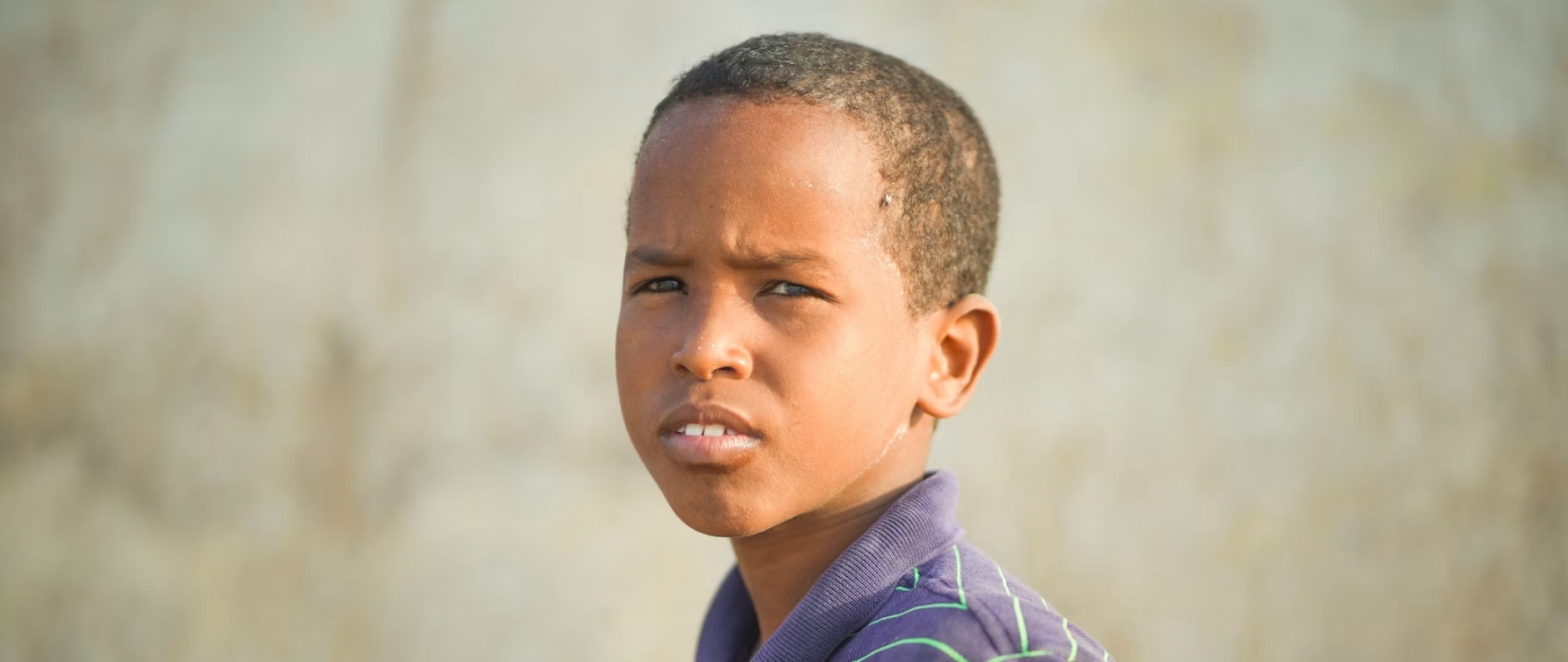
Somali immigration has generally reflected colonial rule, political instability, civil war, famine, persecution, refugee displacement, education, professional opportunities, humanitarian protection, and family reunification.
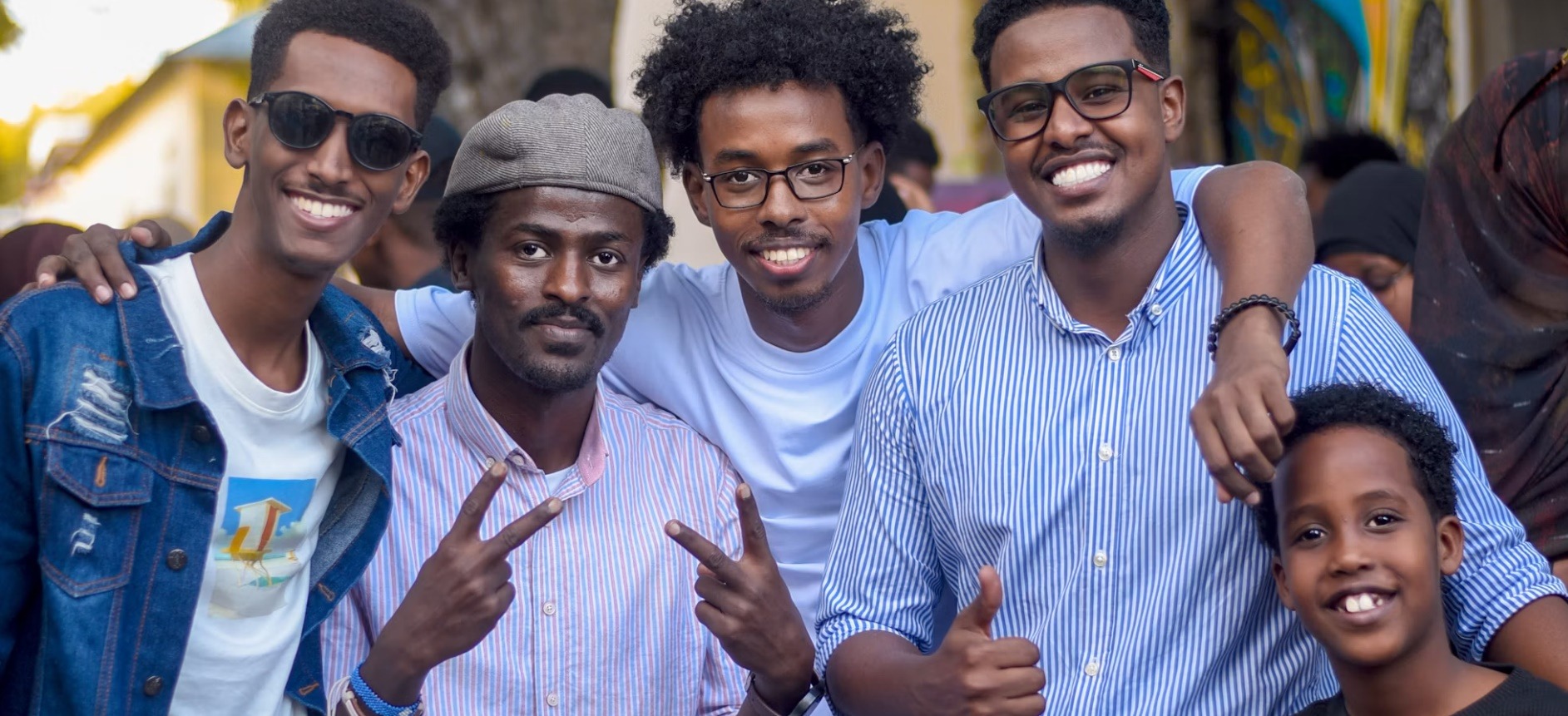
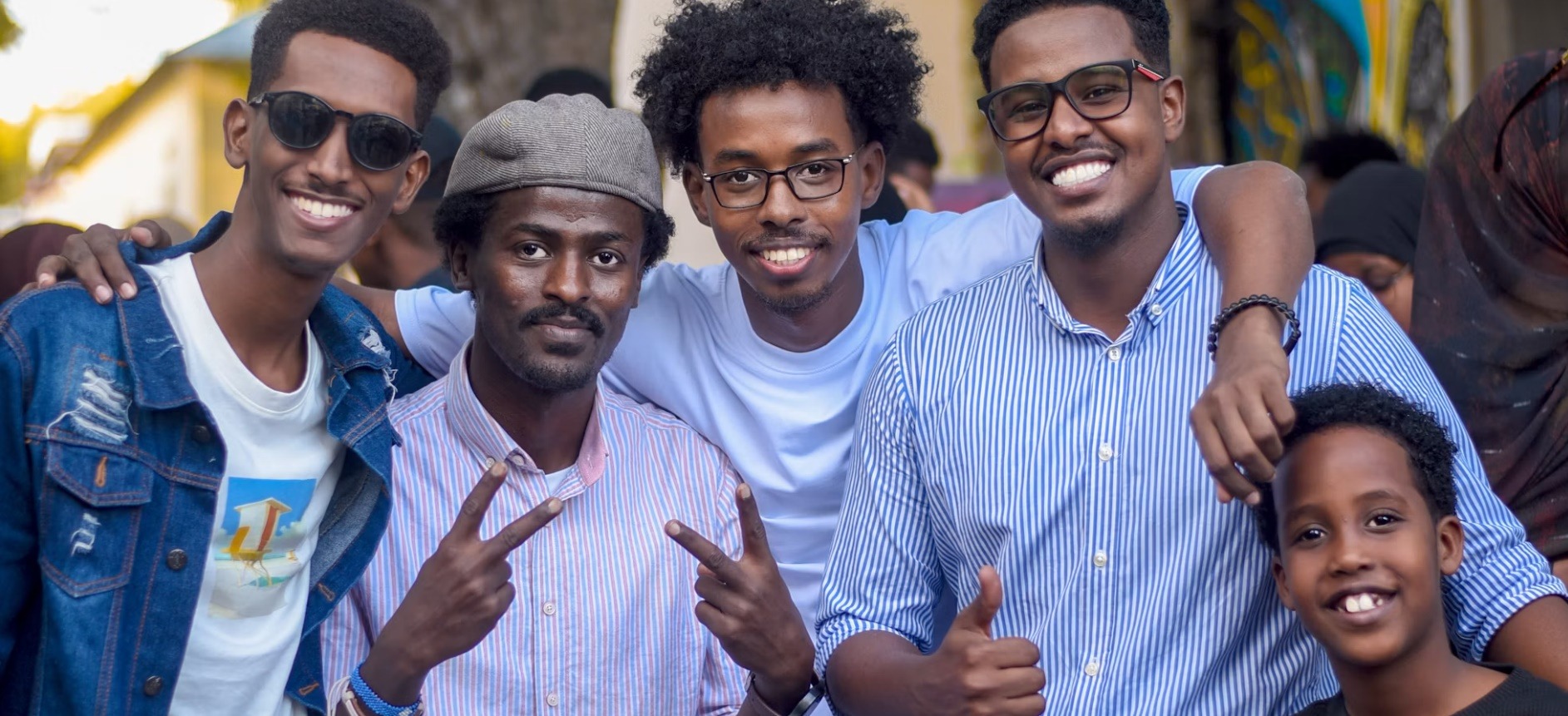
Somali migration to the United States remained limited until the late twentieth century. Early voluntary arrivals mainly included students, diplomats, academics, merchants, sailors, and professionals seeking education or specialised employment. Immigration increased substantially after Somalia’s central government collapsed in 1991 and prolonged conflict forced many families to seek safety abroad. Later arrivals included refugees, asylum seekers, healthcare workers, businesspeople, educators, religious leaders, and relatives joining established families. Somali communities developed across several American metropolitan areas, supported by mosques, cultural associations, restaurants, shops, transportation businesses, and family networks. They preserve Somali language, Islamic traditions, food, poetry, music, and close relationships with relatives in Somalia and neighbouring refugee-hosting countries.
Before independence, Somali movement was shaped by pastoral traditions, regional trade, seasonal access to water and grazing land, maritime commerce, colonial borders, and employment in ports and administrative centres. Somali merchants, sailors, herders, labourers, students, and religious scholars travelled throughout the Horn of Africa, the Arabian Peninsula, and the Indian Ocean region. During the colonial period, Somali territories were divided mainly between British, Italian, French, and Ethiopian control, separating communities whose social and economic networks crossed the new boundaries. Direct migration to the United States remained uncommon because most international connections centred on Britain, Italy, East Africa, and the Middle East. British Somaliland became independent on June 26, 1960, and united with the former Italian-administered territory on July 1 to form the Somali Republic.
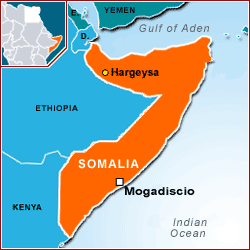
The United States recognised Somalia and established diplomatic relations on July 1, 1960. Political repression, the 1977–1978 war with Ethiopia, economic decline, drought, and armed conflict later produced substantial displacement. After the central government collapsed in 1991, refugees fled mainly to Kenya, Ethiopia, Yemen, and other neighbouring countries, while some were eventually resettled in the United States. Somali immigration expanded through refugee programmes, asylum, family sponsorship, education, and employment. Somali Bantu and other historically marginalised groups were also admitted through organised refugee resettlement. Although many migrants rebuilt their lives abroad, continued conflict, insecurity, drought, and economic hardship have sustained internal displacement and international migration into the twenty-first century.
| 04.03.2027 | Somalia | 0-0 | Peru | ||
| 04.10.2027 | Estonia | 0-0 | Somalia | ||
| 04.17.2027 | Somalia | 0-0 | Romania | ||
| 04.24.2027 | Greece | 0-0 | Somalia | ||
| 05.01.2027 | Somalia | 0-0 | Australia | ||
| 05.08.2027 | Somalia | 0-0 | Botswana | ||
| 05.15.2027 | Argentina | 0-0 | Somalia | ||
| 05.22.2027 | Somalia | 0-0 | Honduras | ||
| 05.29.2027 | Belarus | 0-0 | Somalia |

Sign In