Sign In










 Facebook
 X-Twitter
 Instagram
 Linkedin
 Youtube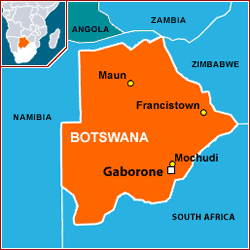
More Information
More Information
Street Soccer in Botswana
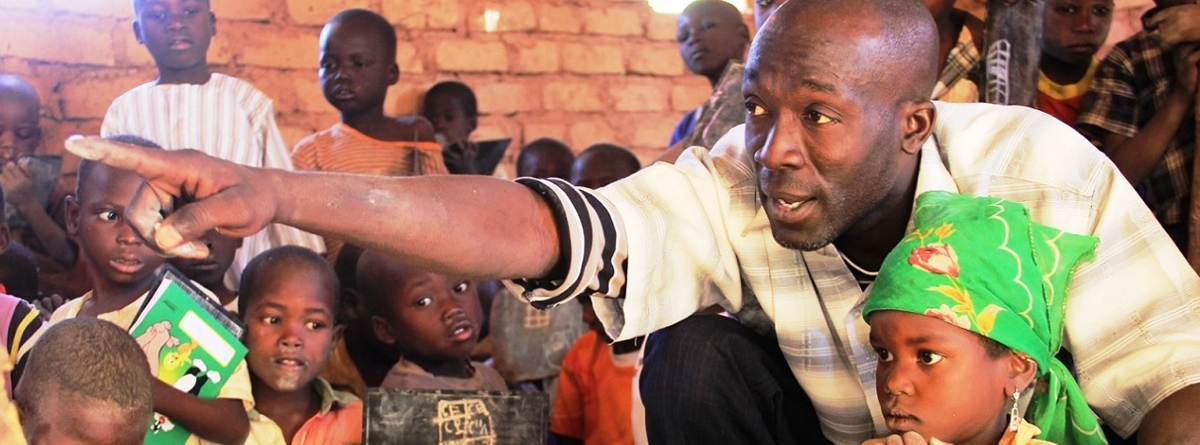
Street soccer is a popular pastime in Botswana, where children and teenagers regularly play football in neighbourhoods, school grounds, village open spaces, and community fields. Friendly matches are often organised after school and during weekends, giving young players an enjoyable way to stay active while spending time with friends.
These informal games encourage players to improve close ball control, accurate passing, quick movement, and teamwork. Playing on small or improvised pitches helps participants think faster, adapt to different playing conditions, and develop strong technical skills through regular practice.
Street soccer offers an affordable and accessible way for communities across Botswana to enjoy football without requiring professional facilities. It promotes healthy lifestyles, strengthens friendships, and inspires many young people to pursue their interest in the sport.
Street Soccer Culture in Botswana
Football is one of the most popular sports in Botswana, and street soccer is an important part of introducing young players to the game. Informal matches organised by neighbours, schools, and local communities create a friendly environment where everyone has the opportunity to participate.
Skills Developed Through Street Soccer
Street soccer helps players improve dribbling, passing, first touch, agility, balance, ball control, and awareness. The quick pace of the game also develops confidence, communication, and decision-making under pressure.
Street Soccer and Community Development
Street soccer brings communities together through a shared love of football while encouraging active participation among young people. It also provides a strong foundation for aspiring players before they progress to school teams, local football clubs, or organised youth football programmes.
The Botswana in the DMV Metro

- The Embassy of Botswana: Acts as the primary organizer for the local diaspora, hosting virtual and in-person town halls, youth professional networking events, and collaborative sports matches.
- Active Global Citizens Campaign: A national initiative run through the embassy that actively challenges Batswana residing in the DMV to pitch collaboration ideas and help market Botswana's tourism and economic interests abroad.
- African Communities Together (ACT): A broader regional advocacy and civil resource framework providing legal assistance and community support for African immigrants across the D.C. area.
- Passport DC Open Houses: The embassy opens its doors annually to the public and local diaspora in May, serving traditional cuisine and showcasing native Tswana wedding mock-ceremonies, music, and traditional dances.
- Independence Day Celebrations: Every autumn, the diaspora gathers to mark Botswana’s independence through local soccer tournaments, cultural meet-and-greets, and celebratory briefings.
- Voting and Consular Services: Because Botswana emphasizes external civic participation, the local community remains highly organized around the embassy polling station for national general election cycles
Significance
Botswana migration has generally reflected British colonial rule, regional labour demand, drought, limited employment, mining, education, professional opportunities, family connections, and changing economic conditions.
Botswana’s migration history has been shaped more strongly by movement within southern Africa than by large-scale overseas immigration. Before independence, thousands of Batswana men travelled to South Africa as contract workers in gold and diamond mines, sending part of their earnings home to support rural families. Direct migration to the United States remained comparatively limited and generally involved students, diplomats, researchers, professionals, and families seeking specialised education or employment. After Botswana became independent in 1966, diamond production, political stability, and economic growth created opportunities at home and encouraged many expatriates to return. Botswana consequently changed from a mainly migrant-sending territory into a regional destination for skilled workers, refugees, and job seekers from neighbouring African countries.
Botswana Migration Before Independence
Before independence, Botswana was known as the Bechuanaland Protectorate, established under British protection in 1885. Its population depended mainly on cattle raising and subsistence agriculture, while recurring drought, poverty, limited industrial development, and few paid jobs encouraged labour migration. Beginning in the late nineteenth century, thousands of Batswana men travelled under contracts to work in South African mines alongside workers from other parts of southern Africa. Their wages and remittances became important sources of support for households and rural communities. Other residents moved temporarily across regional borders for farming, trade, domestic work, education, or family reasons. Overseas migration remained uncommon because of distance, cost, and limited transportation, although small numbers travelled to Britain, the United States, and other countries for study, government service, or professional training.
Late-Twentieth-Century Immigration
Botswana became independent on September 30, 1966, and the United States recognised the new country that same day. The discovery and development of major diamond resources transformed the economy, reduced dependence on migrant mine labour, and created employment in government, education, healthcare, engineering, mining, and business. During the 1970s through the 1990s, many Batswana working in South Africa returned home, while the government recruited foreign professionals to address domestic skills shortages. Emigration remained relatively low, although students and skilled workers continued travelling to South Africa, Britain, the United States, and other destinations for education, specialised employment, and family reunification. Botswana also received refugees and migrants from countries including South Africa, Namibia, Angola, Zimbabwe, and other parts of the region, becoming both a destination and transit country.