Sign In







 Facebook
 X-Twitter
 Instagram
 Linkedin
 Youtube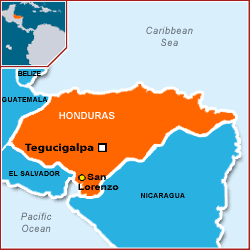
More Information
More Information
Street Soccer in Honduras
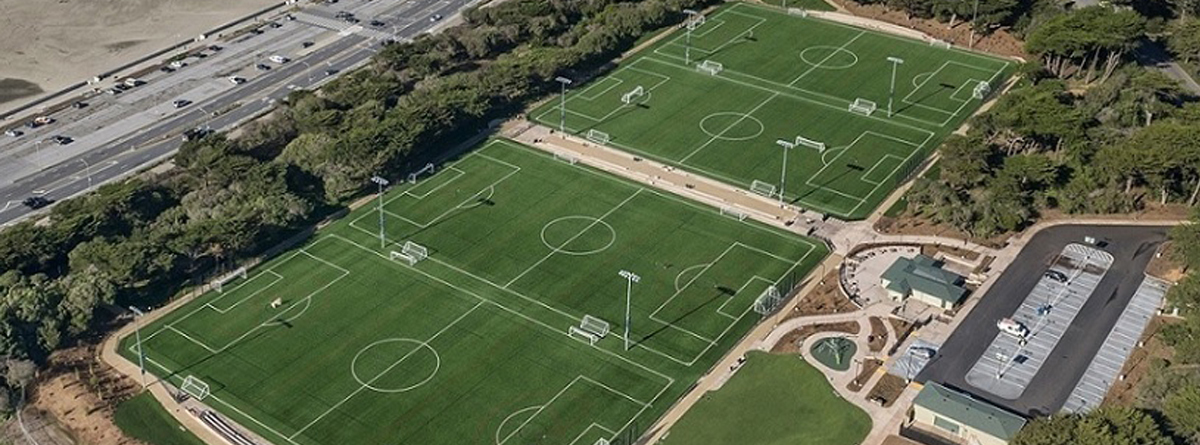
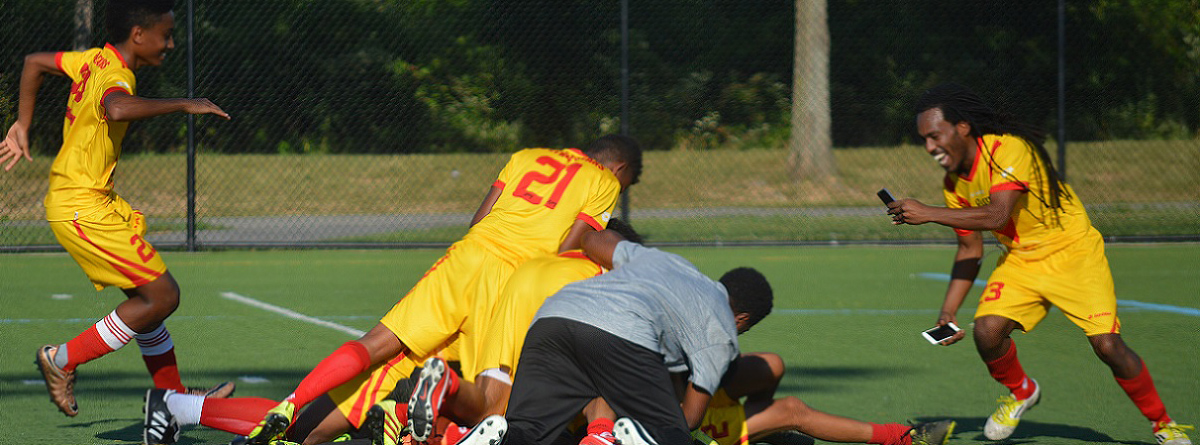
Street soccer is a popular pastime in Honduras, where children and teenagers regularly play informal football matches in neighbourhood streets, school grounds, parks, and community spaces. These games are part of everyday life, giving young players an enjoyable way to stay active while improving their football skills with friends.
The fast pace of street soccer encourages players to develop close ball control, quick passing, creative dribbling, and smart movement. Playing on smaller pitches challenges participants to think quickly, adapt to tight spaces, and work together as a team during every match.
Street soccer offers an affordable and accessible way for communities across Honduras to enjoy football without requiring professional facilities or expensive equipment. It promotes healthy lifestyles, strengthens friendships, and inspires many young people to continue their passion for the sport.
Street Soccer Culture in Honduras
Football is one of the most popular sports in Honduras, and street soccer is often where many children first develop their love for the game. Informal matches organised by schools, neighbours, and local communities create a welcoming environment where players of all skill levels can participate.
Skills Developed Through Street Soccer
Street soccer helps players improve dribbling, first touch, passing accuracy, agility, balance, ball control, and spatial awareness. Regular games also build confidence, communication, creativity, and the ability to make quick decisions under pressure.
Street Soccer and Community Development
Street soccer strengthens communities by bringing people together through football and encouraging positive activities among young people. It also provides aspiring players with valuable experience before progressing to school teams, local football clubs, football academies, or organised youth programmes.
The HONDURAS in the DMV Metro

The Honduran diaspora in the DMV (Washington, D.C., Maryland, and Virginia) is a large, growing, and economically active Central American community. The population includes established families, newer immigrants, construction and hospitality workers, entrepreneurs, students, and professionals. Community life is particularly visible throughout Northern Virginia and suburban Maryland, where churches, restaurants, small businesses, immigrant organizations, and consular services create an extensive support network.
Community Hubs and Institutional Presence
-
Consulate General of Honduras: Located in Washington, D.C., the Honduran Consulate serves as the principal administrative and consular anchor for Honduran nationals throughout the DMV and Mid-Atlantic. It provides passports, civil documentation, registrations, and other consular assistance.
-
CASA de Maryland: Although serving multiple immigrant communities, CASA has an important presence in heavily Latino areas such as Langley Park and Silver Spring. Its services include English-language instruction, workforce development, immigration assistance, legal support, and community organizing.
-
Honduran Community Networks: Grassroots organizations and informal associations connect families across Maryland and Virginia through mutual aid, newcomer assistance, sports, charitable fundraising, and disaster-relief efforts benefiting communities in Honduras.
-
Church & Community Organizations: Catholic parishes and other faith-based institutions provide social services, youth activities, religious programming, and spaces for community gatherings.
Cultural and Social Dynamics
-
Northern Virginia & Suburban Maryland: Honduran families are particularly visible in communities such as Alexandria, Fairfax, Woodbridge, Silver Spring, Hyattsville, and Langley Park, where businesses, churches, restaurants, and community organizations form interconnected social corridors.
-
Honduran Cuisine: Food is one of the strongest expressions of local Honduran identity. Restaurants and family businesses specialize in baleadas, pollo con tajadas, sopa de caracol, tamales, pastelitos, and other Honduran dishes, often serving as informal community gathering spaces.
-
Tiendas & Small Businesses: Honduran-owned tiendas, bodegas, bakeries, restaurants, and service businesses provide both economic opportunities and informal social-information networks for residents.
-
Independence Day & Fiestas Patrias: September 15 is the principal national celebration, with festivals, soccer tournaments, music, dancing, traditional foods, and family gatherings across the DMV.
-
Virgen de Suyapa: Religious celebrations honoring Honduras's patron saint provide another important cultural and spiritual gathering point, often featuring Spanish-language Masses, processions, food, and family activities.
-
Garifuna Heritage: The Afro-Honduran Garifuna community maintains distinct cultural traditions through music, dance, language preservation, food, and heritage events, adding an important layer of diversity within the broader Honduran diaspora.
-
Soccer & Recreation: Soccer is a major social connector, with community leagues and tournaments bringing together families and young adults from across Maryland and Virginia.
-
Transnational Engagement: Honduran households maintain strong ties to Honduras through remittances, family networks, charitable fundraising, travel, and disaster-relief initiatives.
-
Community Structure: The Honduran DMV community is best understood as a large, grassroots, and economically integrated Central American diaspora, with the Consulate and immigrant-service organizations providing formal support while churches, restaurants, small businesses, sports, and cultural celebrations form the everyday social infrastructure.
Significance
Immigration from Honduras has generally reflected Spanish colonial rule, economic hardship, political instability, natural disasters, family reunification, educational opportunities, professional employment, and humanitarian migration.
Migration from Honduras has historically been shaped by regional mobility within Central America and longstanding ties with the United States. Hondurans commonly migrated to neighboring countries, particularly Guatemala, El Salvador, and Nicaragua, as well as Mexico for agricultural work, trade, education, family connections, and seasonal employment. Overseas migration increased during the late twentieth and early twenty-first centuries as economic challenges, political instability, natural disasters, and limited employment opportunities encouraged many Hondurans to seek opportunities abroad. The United States became the principal destination through employment, family sponsorship, higher education, asylum, and humanitarian pathways. Today, Honduran immigrants form one of the largest Central American communities in the United States while maintaining strong cultural, linguistic, and family ties with their homeland.
Honduran Migration Before Independence
Before independence, Honduras formed part of the Captaincy General of Guatemala under Spanish colonial rule. Migration during the colonial period was influenced by mining, agriculture, regional commerce, missionary activities, government administration, and military service. Residents frequently travelled throughout Central America as farmers, merchants, craftsmen, labourers, students, civil servants, and members of extended families. Direct migration to the United States remained uncommon because political, educational, and commercial connections were centred primarily on Spain and neighboring Spanish colonies. Honduras declared independence from Spain on September 15, 1821, later joining the Federal Republic of Central America before becoming a fully independent republic. The United States recognized Honduras soon afterward and established diplomatic relations.
Late-Twentieth- and Early-Twenty-First-Century Immigration
Migration increased significantly after the late twentieth century as economic inequality, unemployment, political unrest, crime, and recurring natural disasters disrupted communities across Honduras. Hurricanes, including Hurricane Mitch in 1998, caused widespread destruction and displaced large numbers of people, contributing to increased migration abroad. Students, healthcare professionals, teachers, engineers, entrepreneurs, agricultural workers, and skilled labourers increasingly travelled to the United States for higher education, employment, business opportunities, or family reunification. Many others sought asylum or humanitarian protection because of violence and insecurity. In the United States, Honduran immigrants often rely on family networks, churches, community organizations, and cultural associations for assistance with housing, employment, education, language services, and social integration while preserving Spanish, Indigenous cultural traditions, traditional cuisine, music, religious practices, and close relationships with relatives in Honduras.