


Responsive Header
  • Where We Work
  • Cameroon
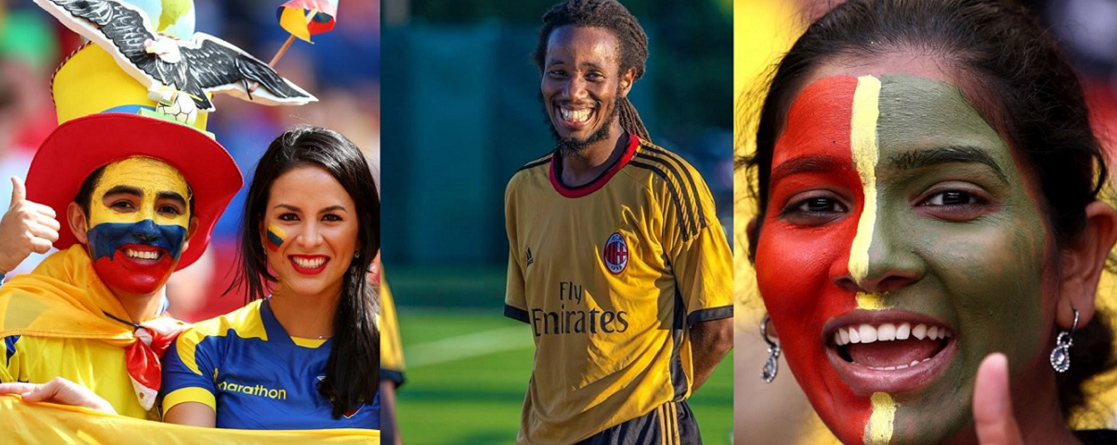
  • The Diaspora World Cup operates in some of the major cities and metro areas in United States and Canada. Our network of register players includes 20 cities, 200 countries, 400 teams, and 10,000 players. Join our movement to solve the world's most pressing challenges: Illiteracy
  • Who We are text will be here Who We are text will be here Who We are text will be here Who We are text will be here Who We are text will be here Who We are text will be here Who We are text will be here Who We are text will be here Who We are text will be here
  • What We Do text will be here What We Do text will be here What We Do text will be here What We Do text will be here What We Do text will be here What We Do text will be here What We Do text will be here What We Do text will be here What We Do text will be here What We Do text will be here What We Do text will be here What We Do text will be here
  • Get Involved text will be here Get Involved text will be here Get Involved text will be here Get Involved text will be here Get Involved text will be here Get Involved text will be here Get Involved text will be here Get Involved text will be here Get Involved text will be here Get Involved text will be here
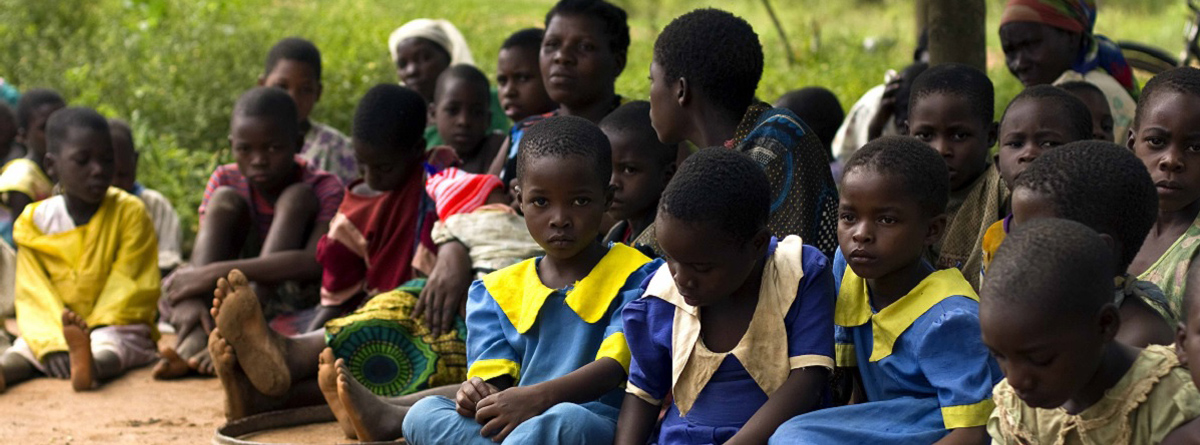
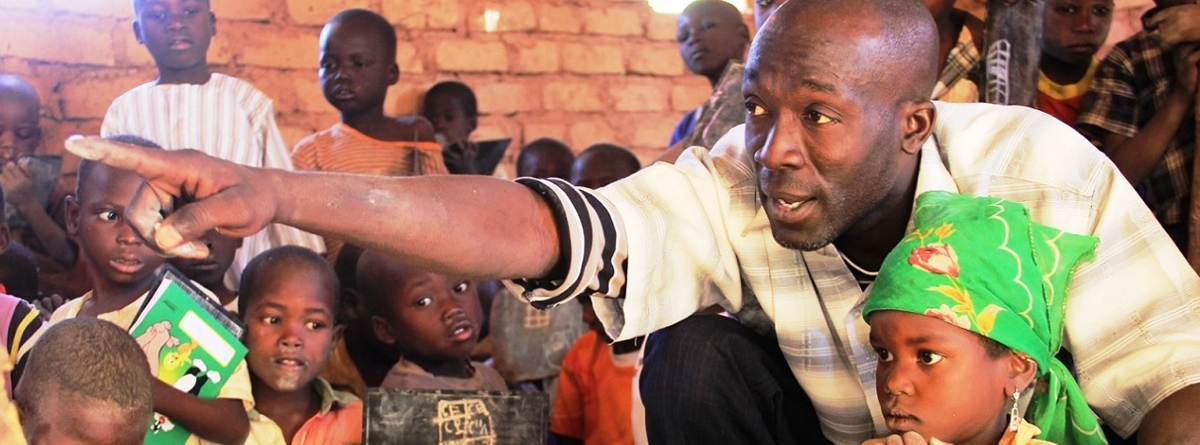
  • Education is a basic Human Right and the Diaspora World Cup global school program focuses its energy in some the poorest countries around the world. We build schools in some of the poorest countries around the worldthat historically had no adequate school structure. Any member of the World Diaspora has the power to end illiteracy around the world through the power of soccer.
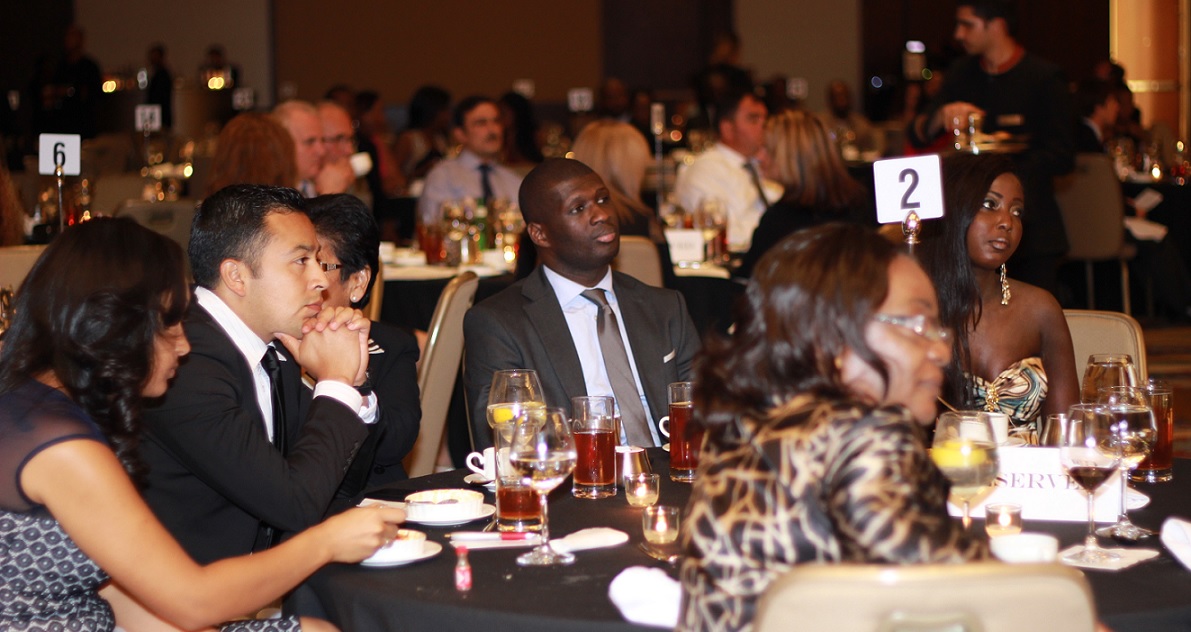
  • High-profile sport figures, global leaders, business leaders, political figure, journalists, activists, philanthropists, actors, and entrepreneurs united by their commitment to the Diaspora World Cup mission to eradicate illiteracy around the world through the power of soccer. They serve as role models and spread the Diaspora World Cup vision and commitment of a world mobilized through soccer.
  •  
  •  
Diaspora 2027: complete guide to all players | The Diaspora
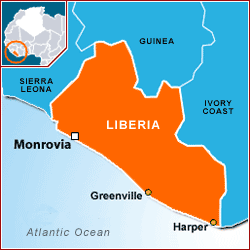
LIBERIA
Burtonsville – Laurel
Welcome to the 2027 Diaspora World Cup.
Burtonsville – Laurel

Significance

Immigration from Liberia has generally reflected the country's unique historical ties with the United States, civil conflict, political instability, educational opportunities, professional employment, refugee resettlement, family reunification, and humanitarian migration.

Migration from Liberia has historically been influenced by its close relationship with the United States and developments within West Africa. During the nineteenth century, Liberia was established by formerly enslaved and free African Americans who resettled on the West African coast through the American Colonization Society, creating enduring historical and cultural connections between the two countries. In the late twentieth century, migration increased dramatically as civil wars, political instability, and economic hardship displaced large numbers of Liberians. Many sought refuge in neighboring countries before immigrating to the United States through refugee resettlement, asylum, family sponsorship, education, and employment. Today, Liberian immigrants have established vibrant communities across the United States while maintaining strong cultural, linguistic, and family ties with their homeland.

Liberian Migration Before Independence

Unlike most African nations, Liberia was not governed as a European colony but was founded in the early nineteenth century as a settlement for formerly enslaved and free African Americans. Migration during this period was shaped by resettlement, agriculture, trade, government administration, missionary activities, and maritime commerce. The settlement gradually developed into an independent republic, and Liberia declared independence on July 26, 1847, becoming Africa's first modern republic. The United States recognized Liberia shortly afterward, strengthening diplomatic and historical ties. During the nineteenth and early twentieth centuries, direct migration from Liberia to the United States remained relatively limited and was primarily associated with education, diplomacy, commerce, missionary work, and government service.

Late-Twentieth- and Early-Twenty-First-Century Immigration

Migration increased significantly during the First Liberian Civil War (1989–1997) and the Second Liberian Civil War (1999–2003), which displaced hundreds of thousands of people and created one of West Africa's largest refugee crises. Many Liberians arrived in the United States through refugee resettlement and asylum programs, while others migrated for higher education, specialized employment, business opportunities, or family reunification. Students, physicians, nurses, engineers, academics, entrepreneurs, information technology specialists, and business professionals have continued to strengthen migration in recent decades through educational and professional pathways. In the United States, Liberian immigrants often rely on family networks, churches, mosques, cultural associations, refugee assistance organizations, and community groups for support with housing, employment, education, language services, and social integration while preserving English and Indigenous Liberian languages, traditional cuisine, music, religious practices, cultural heritage, and close relationships with relatives in Liberia.


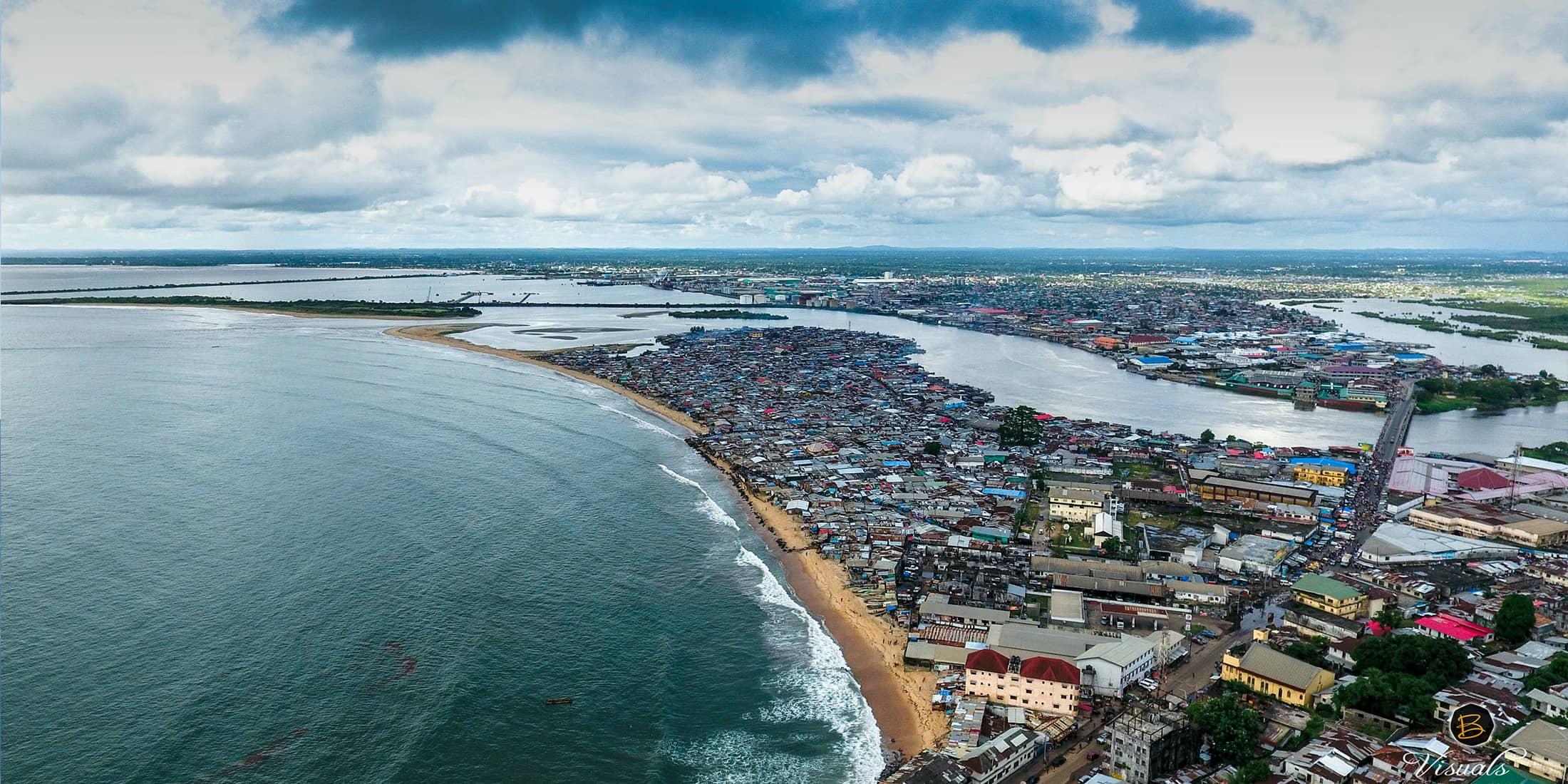
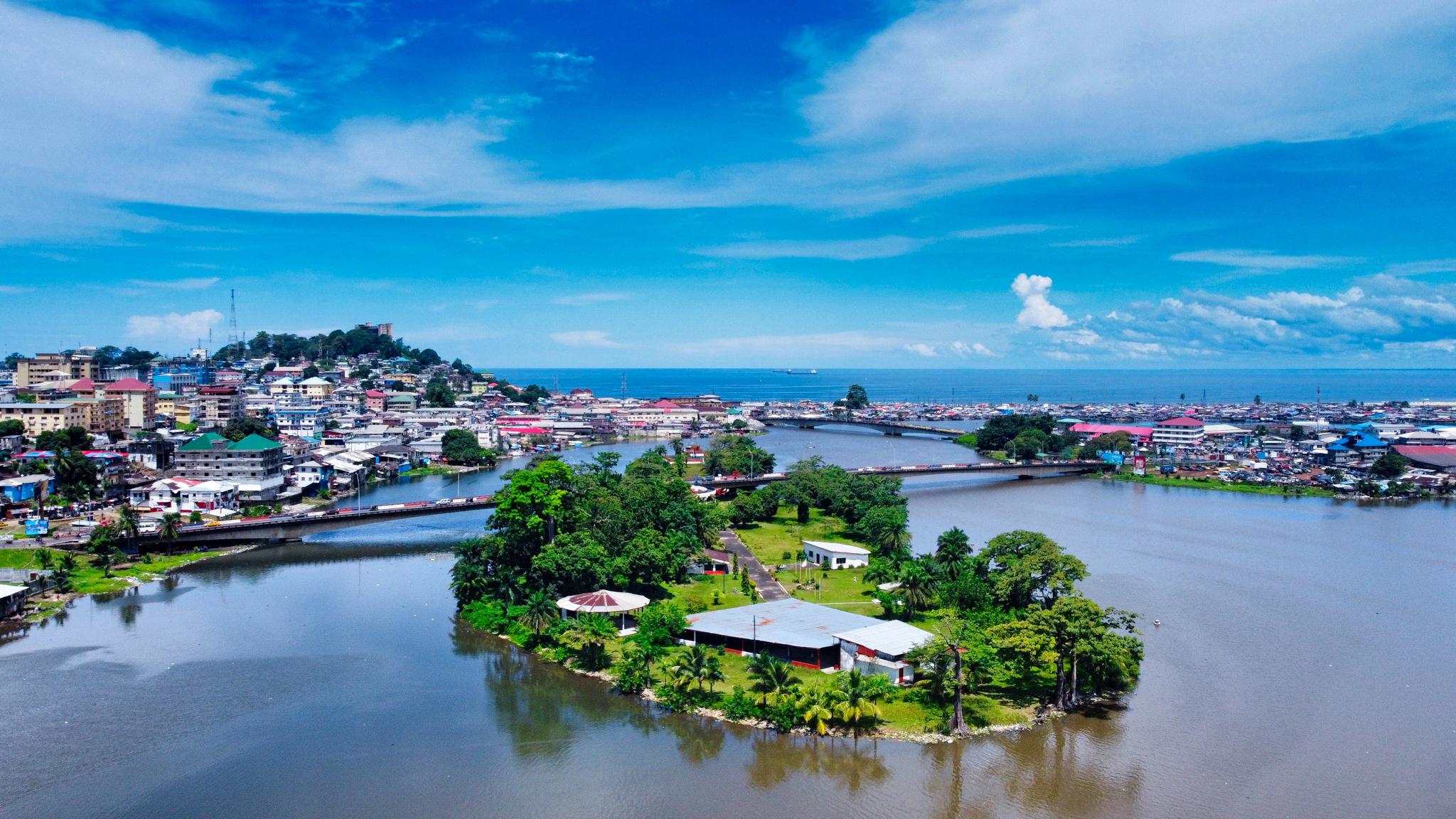
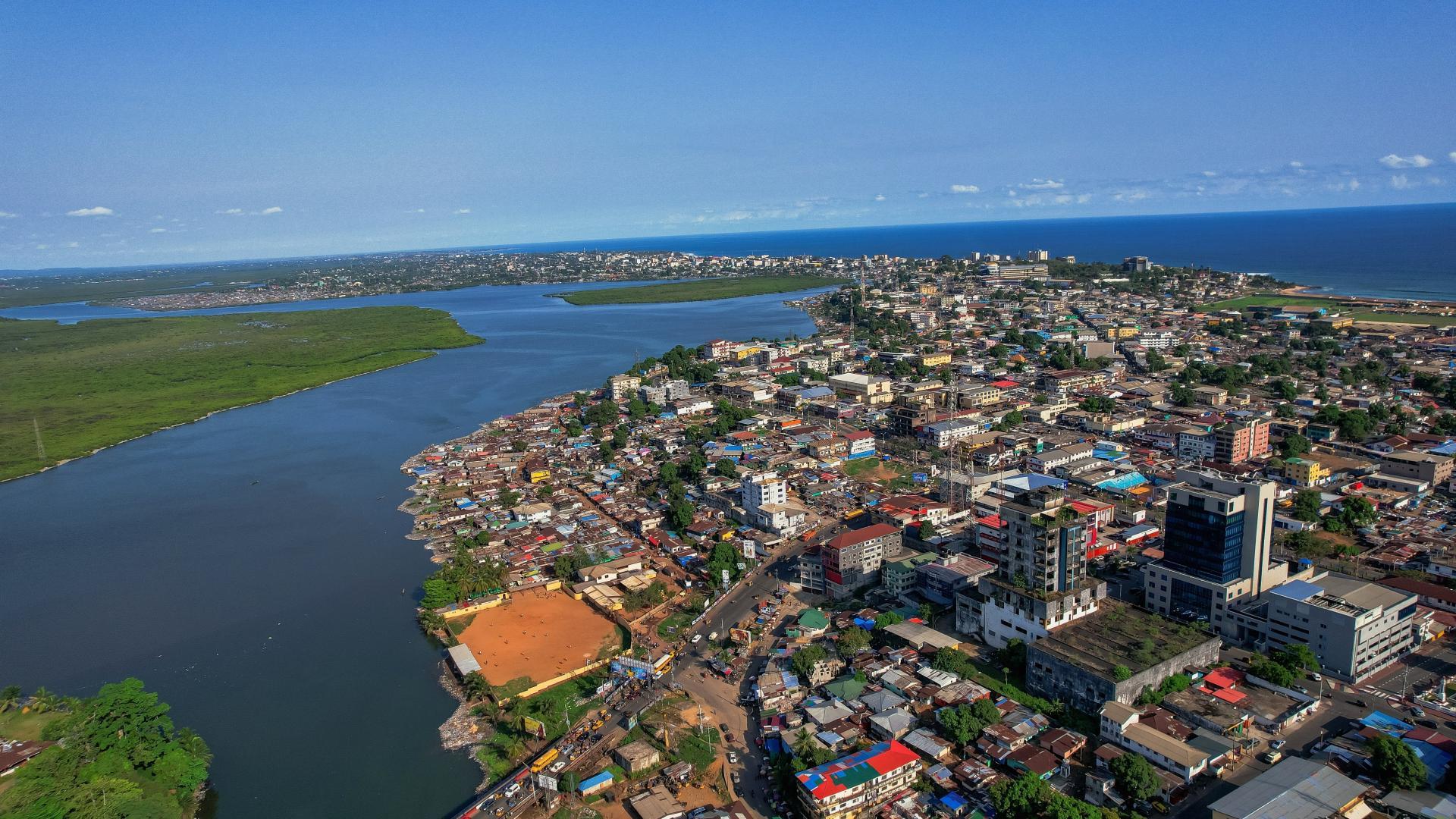
Liberia country image
Liberia overview image

Team Standings

Teams Mp W D L GF GA Pt
Guinea-B. Guinea-B. 0 0 0 0 0 0 0
India India 0 0 0 0 0 0 0
Liberia Liberia 9 5 3 1 27 8 18
Mozambique Mozambique 0 0 0 0 0 0 0
Netherlands Netherlands 0 0 0 0 0 0 0
Nigeria Nigeria 0 0 0 0 0 0 0
Senegal Senegal 0 0 0 0 0 0 0
South A. South A. 0 0 0 0 0 0 0
Swaziland Swaziland 0 0 0 0 0 0 0
United S. United S. 0 0 0 0 0 0 0

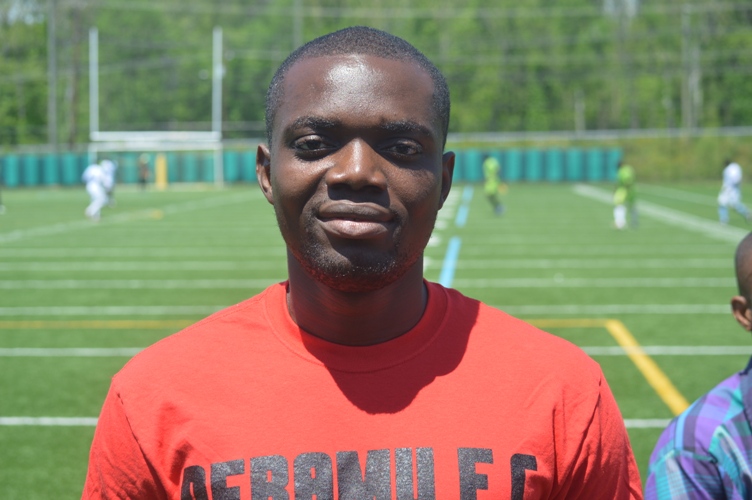
Squad List

Darlon Wilson
Forward
Emma Cooper
Defender
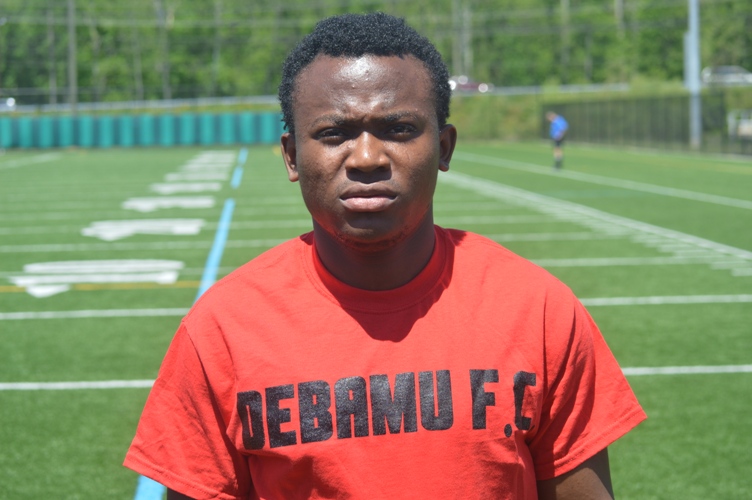
Favour Adbul
Defender
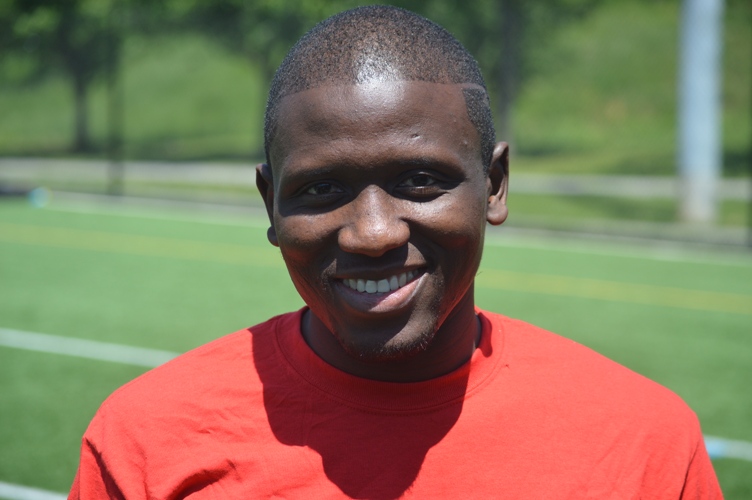
Foday Kamara
Forward
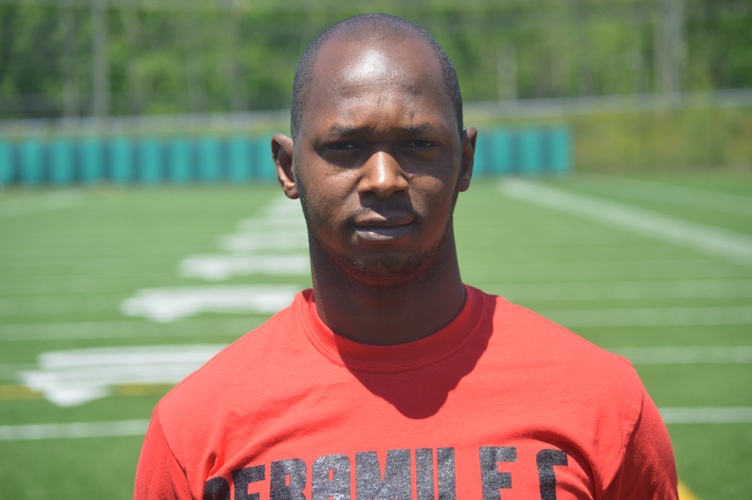
Francis Santos
Midfielder
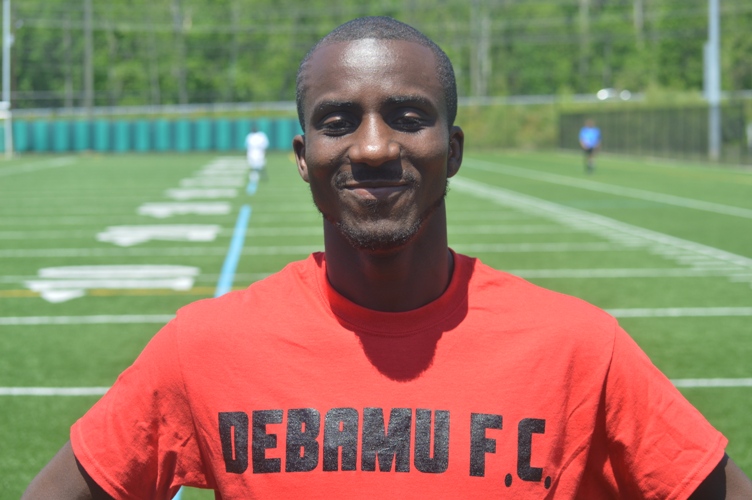
Gabriel Jasper
Midfielder
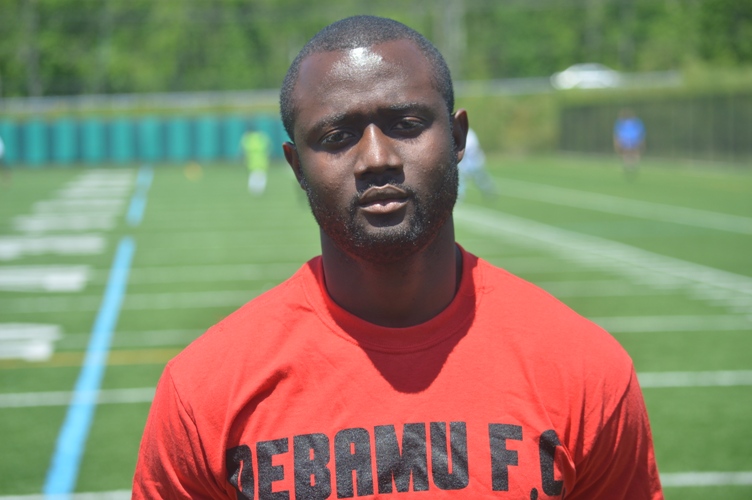
Janjay Jones
Midfielder
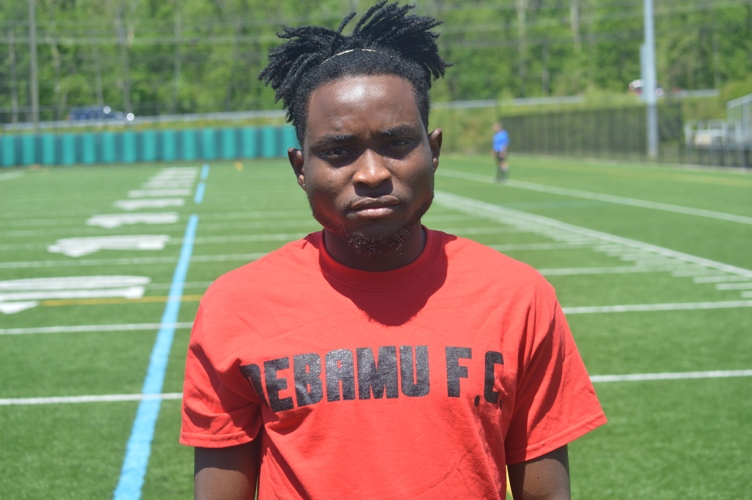
Jay Dinxon
Defender
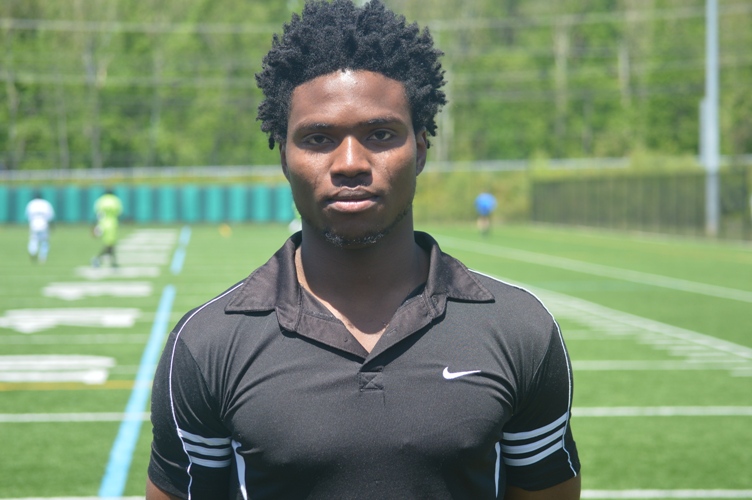
Joel Isyap
Goalkeeper
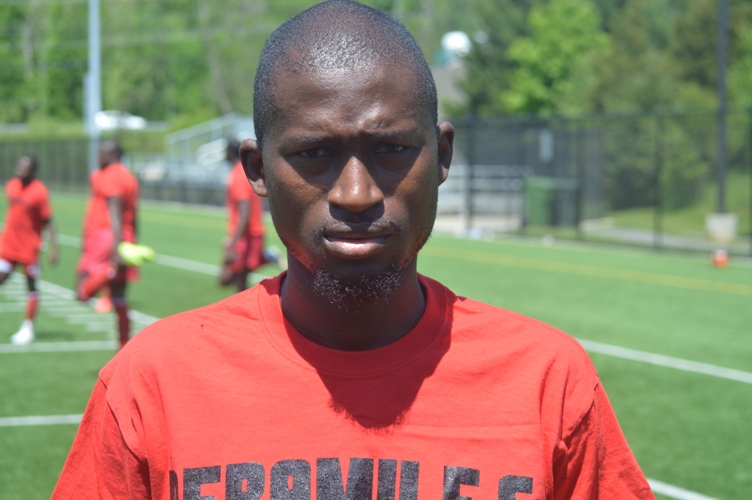
John Dorbor
Midfielder
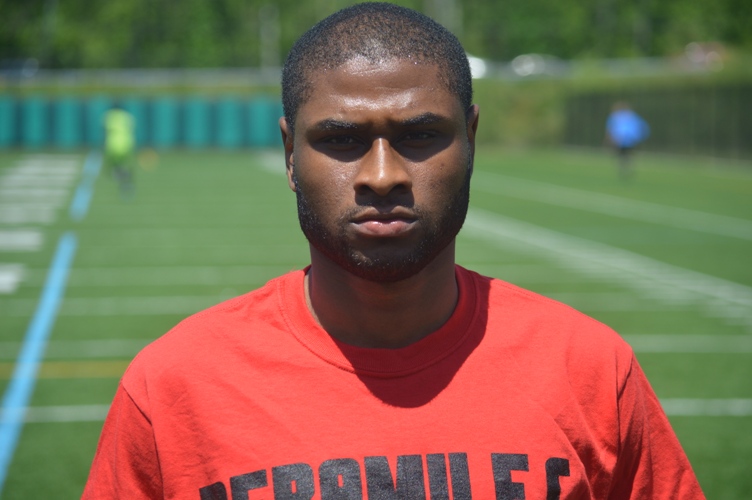
Mike Rouhana
Defender
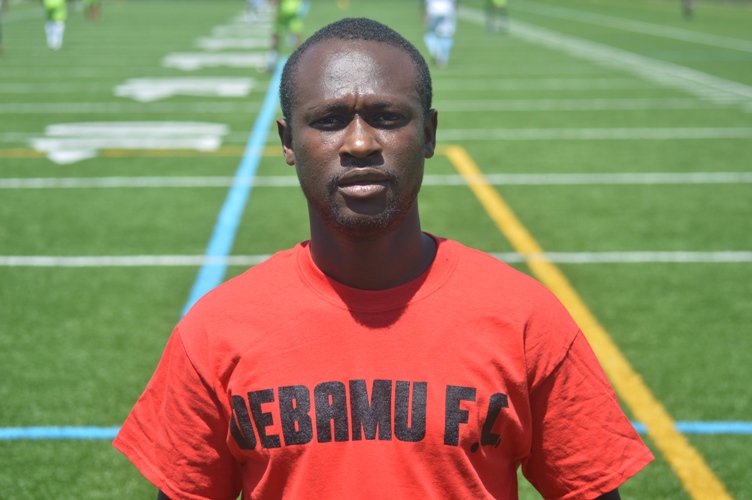
Musa Turay
Midfielder
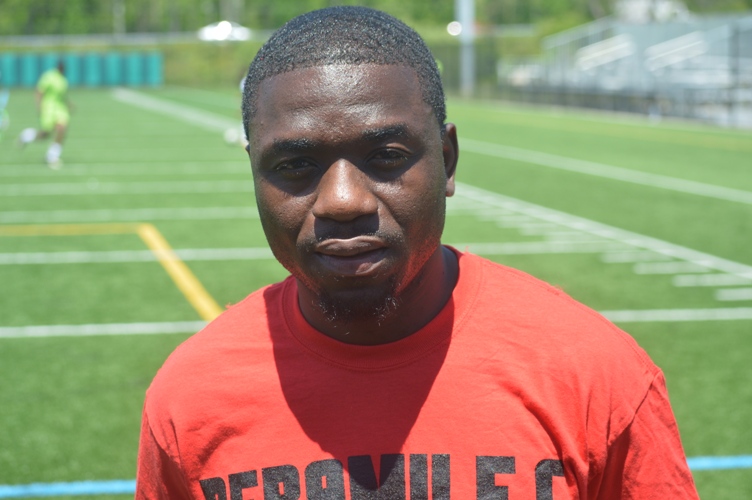
Nimely Alpha
Defender
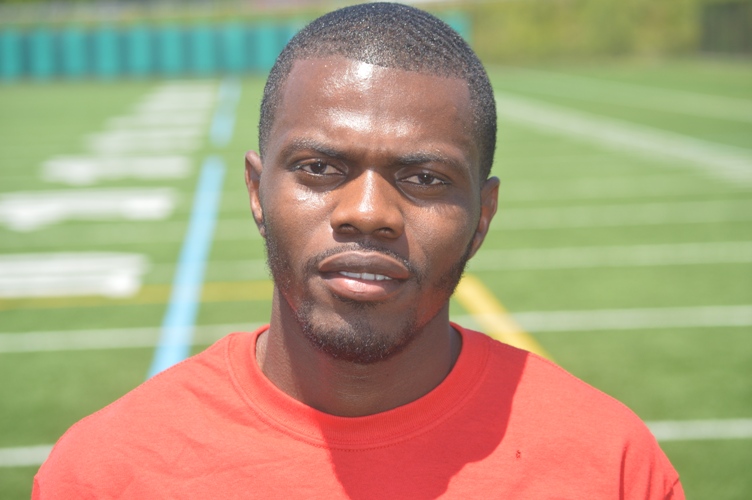
Oliver Alonso
Midfielder
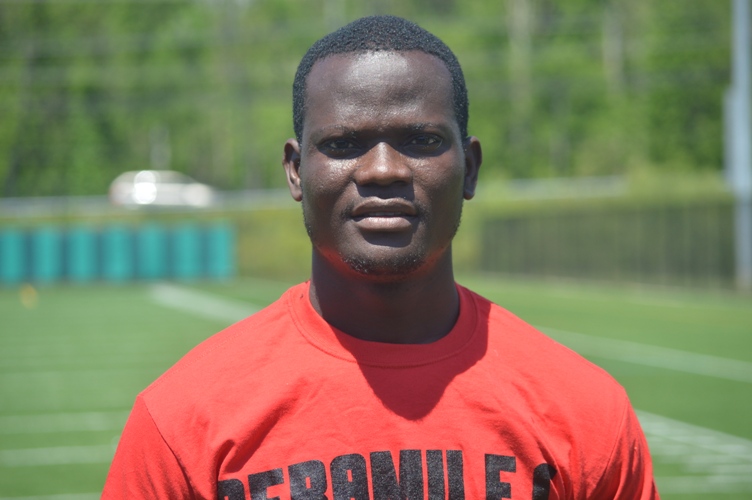
Richard Suku
Forward
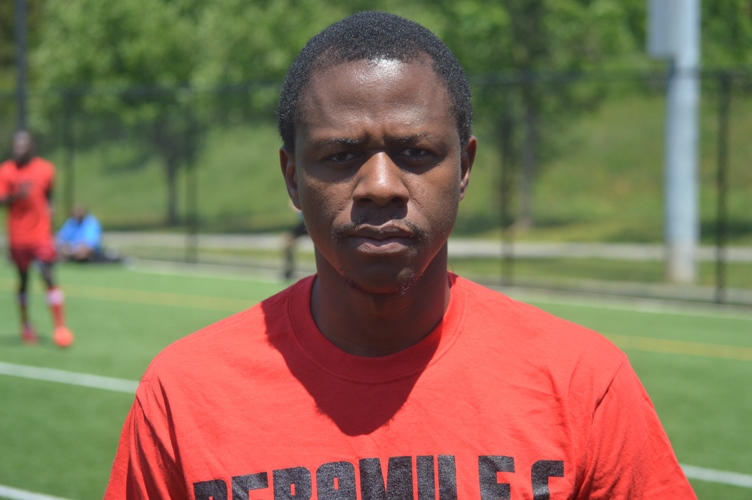
Sam Geeplah
Defender
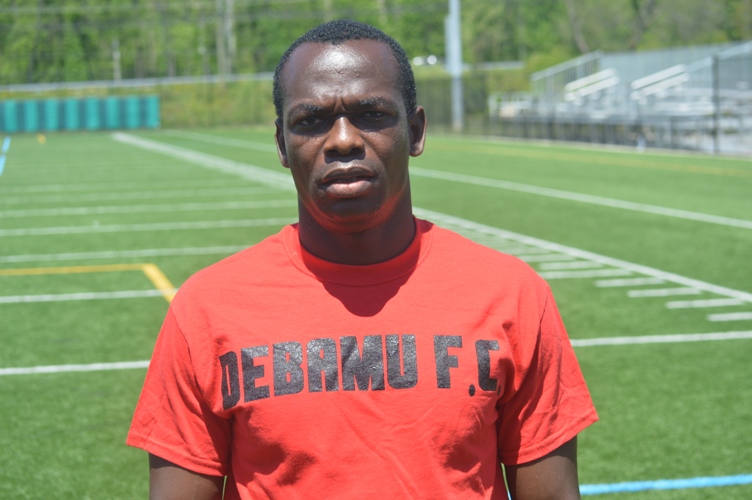
Thomas Scott
Defender

Coaching Staff
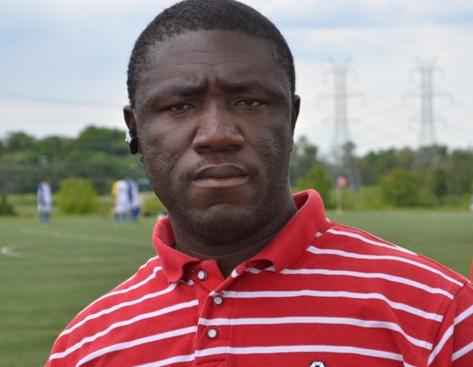
Lewis Z
C
Lewis Z
Head Coach