


Responsive Header
  • Where We Work
  • Cameroon
  • The Diaspora World Cup operates in some of the major cities and metro areas in United States and Canada. Our network of register players includes 20 cities, 200 countries, 400 teams, and 10,000 players. Join our movement to solve the world's most pressing challenges: Illiteracy
  • Who We are text will be here Who We are text will be here Who We are text will be here Who We are text will be here Who We are text will be here Who We are text will be here Who We are text will be here Who We are text will be here Who We are text will be here
  • What We Do text will be here What We Do text will be here What We Do text will be here What We Do text will be here What We Do text will be here What We Do text will be here What We Do text will be here What We Do text will be here What We Do text will be here What We Do text will be here What We Do text will be here What We Do text will be here
  • Get Involved text will be here Get Involved text will be here Get Involved text will be here Get Involved text will be here Get Involved text will be here Get Involved text will be here Get Involved text will be here Get Involved text will be here Get Involved text will be here Get Involved text will be here
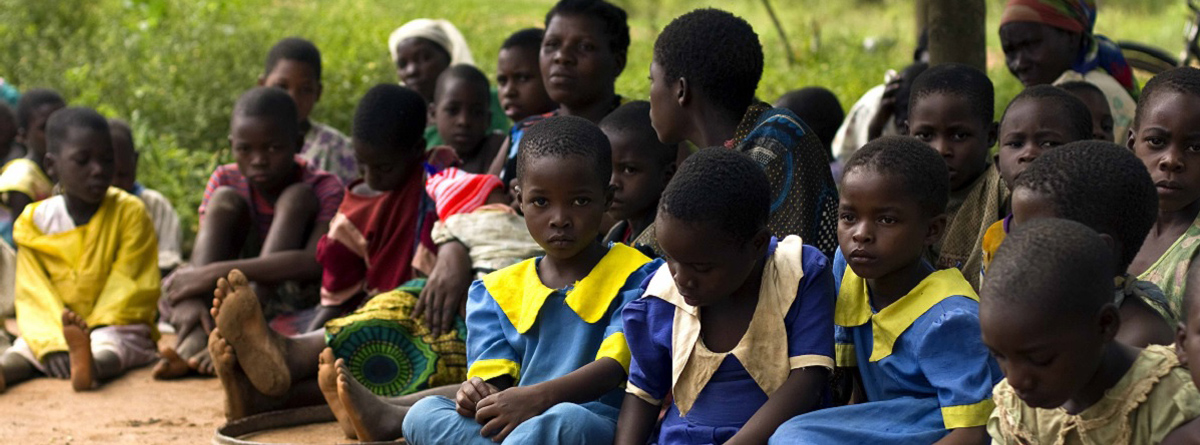
  • Education is a basic Human Right and the Diaspora World Cup global school program focuses its energy in some the poorest countries around the world. We build schools in some of the poorest countries around the worldthat historically had no adequate school structure. Any member of the World Diaspora has the power to end illiteracy around the world through the power of soccer.
  • High-profile sport figures, global leaders, business leaders, political figure, journalists, activists, philanthropists, actors, and entrepreneurs united by their commitment to the Diaspora World Cup mission to eradicate illiteracy around the world through the power of soccer. They serve as role models and spread the Diaspora World Cup vision and commitment of a world mobilized through soccer.
  •  
  •  
Diaspora 2027: complete guide to all players | The Diaspora
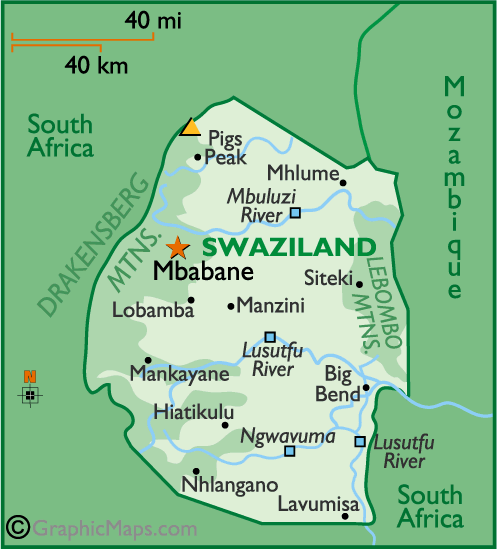
SWAZILAND
Burtonsville – Laurel
Welcome to the 2027 Diaspora World Cup.
Burtonsville – Laurel

Significance

Swazi migration has generally reflected British colonial rule, regional labour demand, limited domestic employment, mining, agriculture, education, professional opportunities, family connections, and the search for improved living conditions.

Migration from Swaziland—officially renamed Eswatini in 2018—has historically occurred mainly within southern Africa rather than through large-scale movement to the United States. Swazi workers commonly travelled to South Africa for employment in gold and coal mines, farms, factories, domestic service, and construction. Students, traders, teachers, healthcare workers, government officials, and families also moved between Eswatini, South Africa, Mozambique, and other neighbouring countries. Direct migration to the United States remained comparatively limited and mainly involved university students, diplomats, religious workers, academics, skilled professionals, businesspeople, and relatives joining established family members. Migrants maintained connections through remittances, return visits, cultural organisations, and support for relatives at home.

Swazi Migration Before Independence

Before independence, migration was shaped by regional population movement, British administration, agriculture, mining, taxation, land loss, and employment opportunities in South Africa. Swazi men frequently travelled across the border as contract workers in mines, farms, and industrial centres, and their wages became important sources of support for rural households. Other residents moved for trade, education, military service, religious training, and family responsibilities. During the colonial period, some workers living inside and outside Swaziland contributed part of their earnings to funds intended to recover land lost through earlier concession agreements. Direct migration to the United States was uncommon because most political, educational, and economic connections operated through Britain and southern Africa. Swaziland gained independence on September 6, 1968.

Late-Twentieth- and Early-Twenty-First-Century Migration

After independence, labour migration to South Africa continued, although expanding sugar production, forestry, manufacturing, government services, and urban employment created additional opportunities within Swaziland. Economic difficulties, unemployment, education, and specialised careers still encouraged some citizens to move to South Africa, Britain, the United States, Canada, and other countries. Students, nurses, doctors, teachers, engineers, academics, businesspeople, and family-sponsored migrants formed small overseas communities. Eswatini also received workers and refugees from neighbouring African countries, making it both a country of emigration and immigration. Swazi communities abroad preserved siSwati, traditional food, music, dance, Christianity, Indigenous customs, and national ceremonies while maintaining close family and economic relationships with Eswatini.


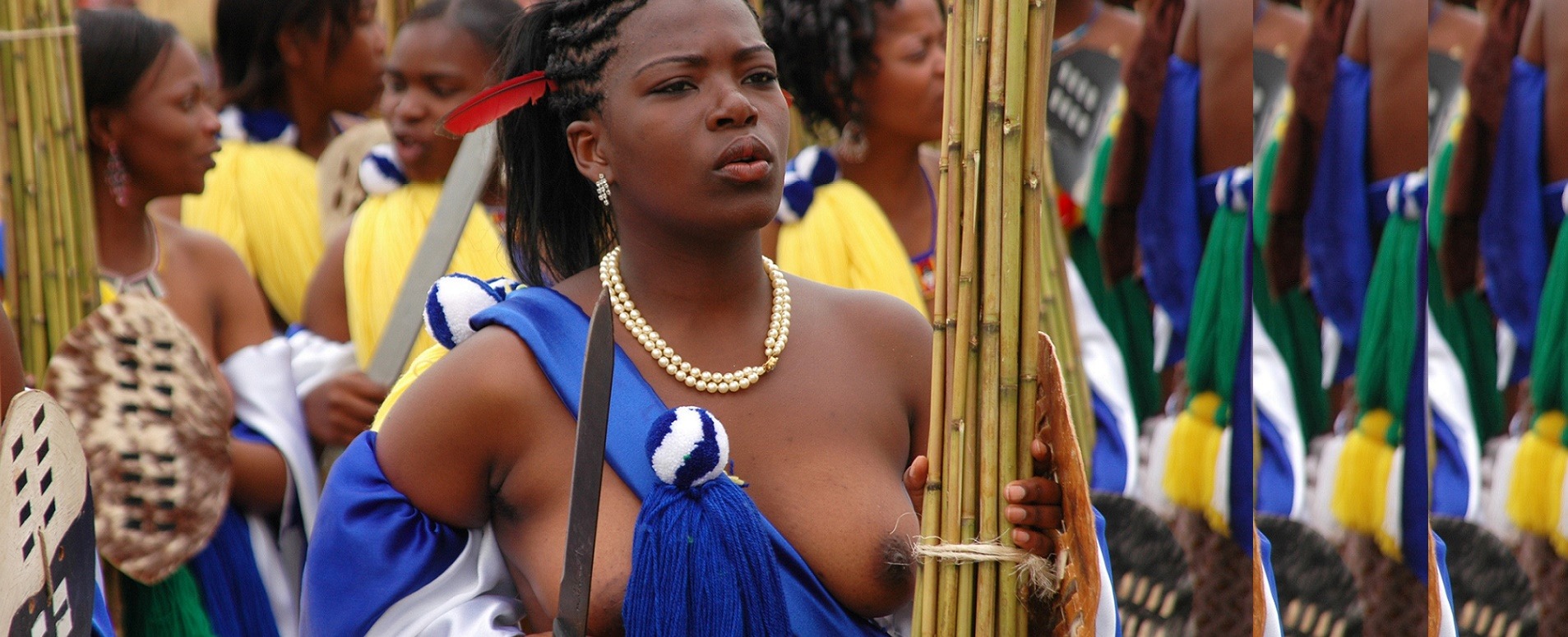
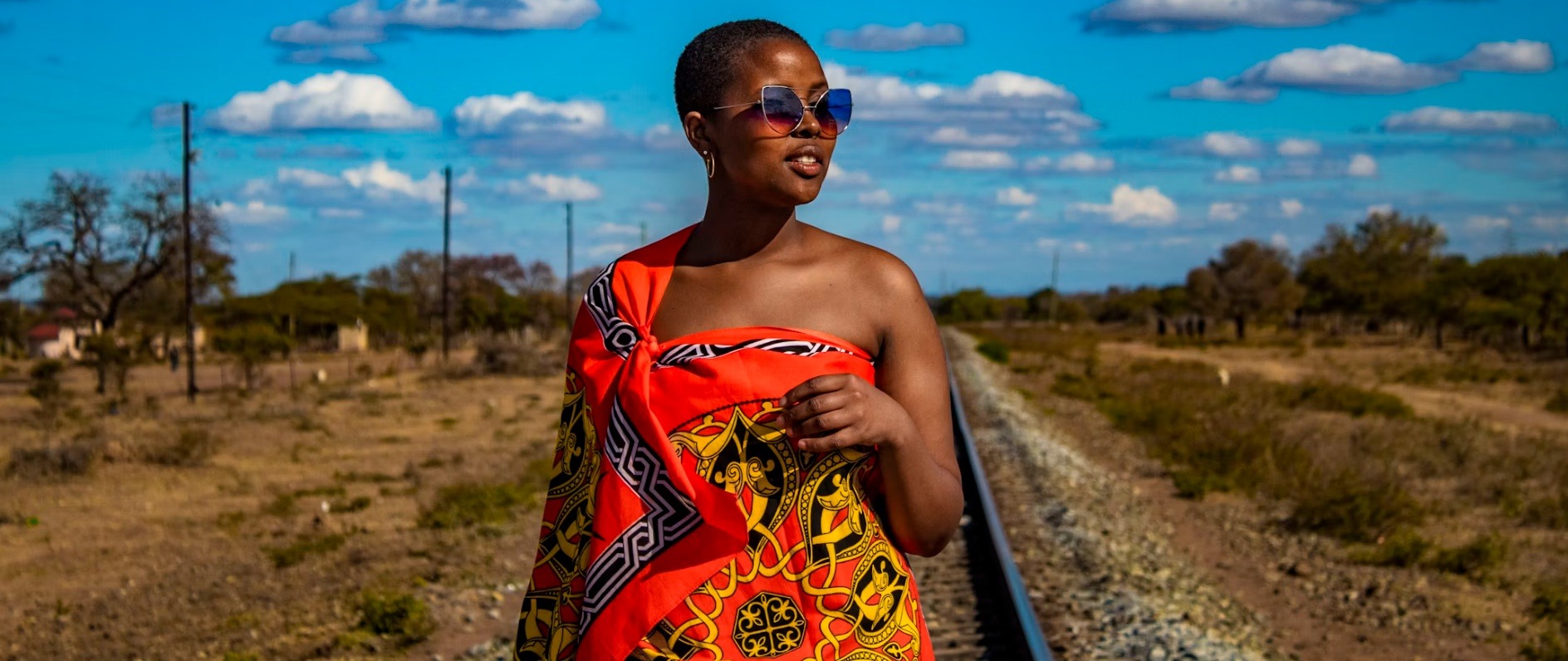
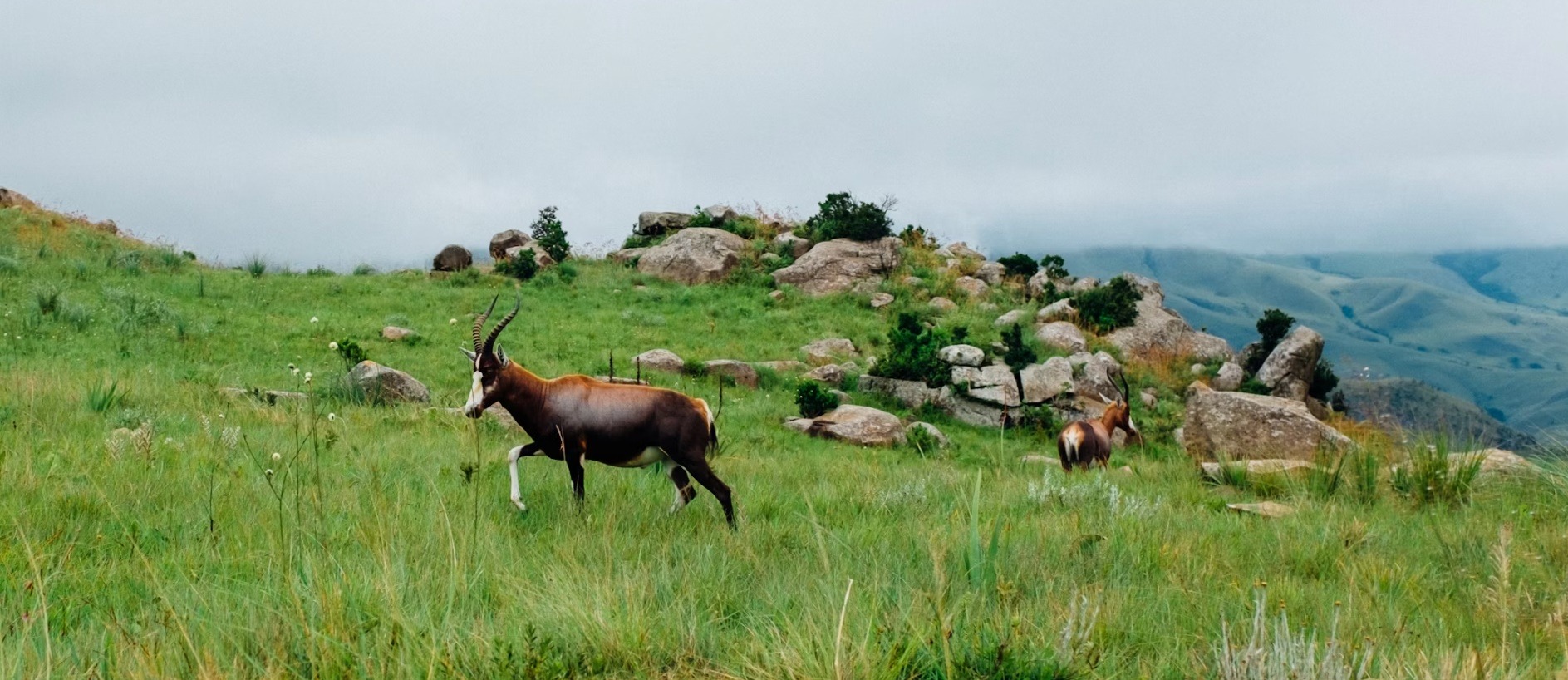
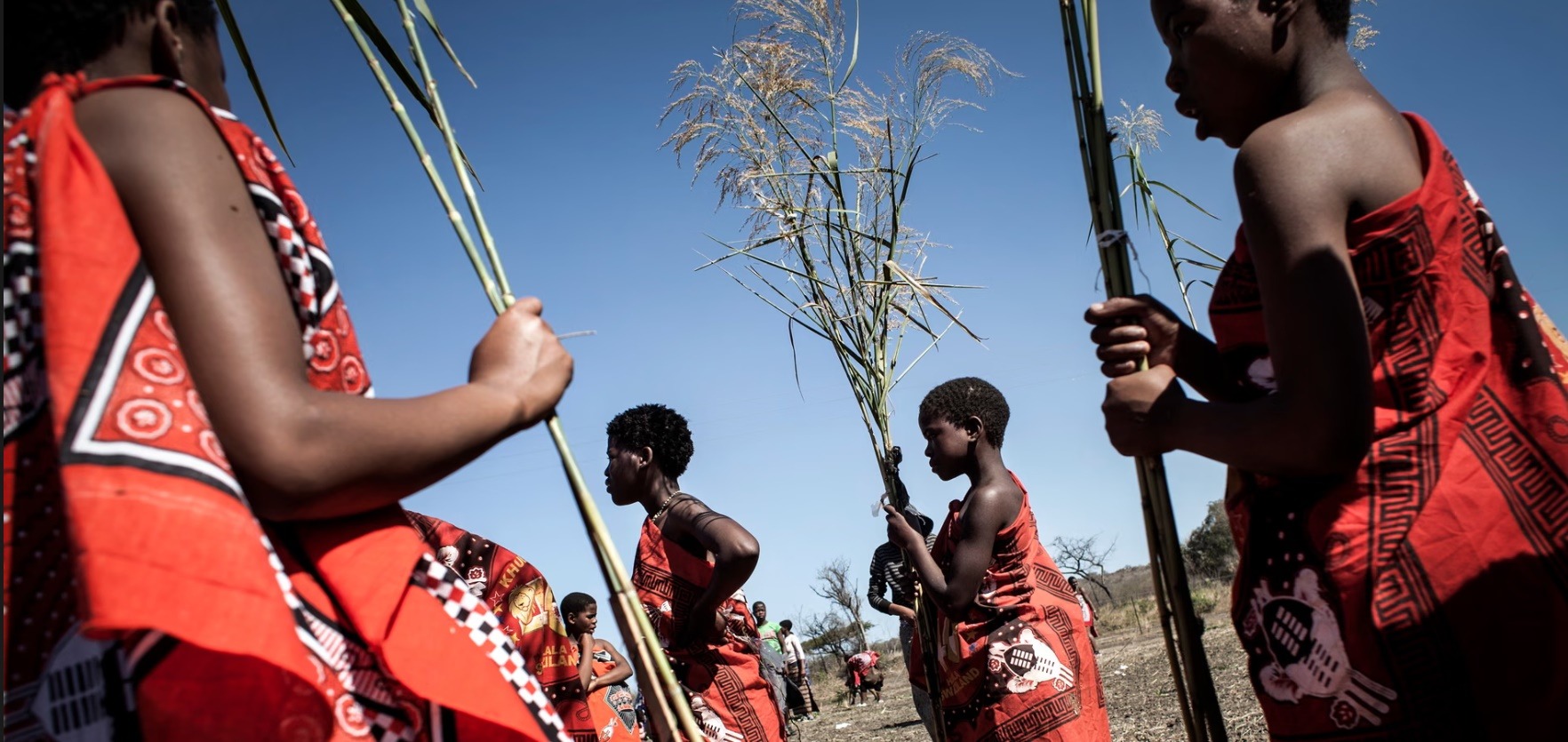
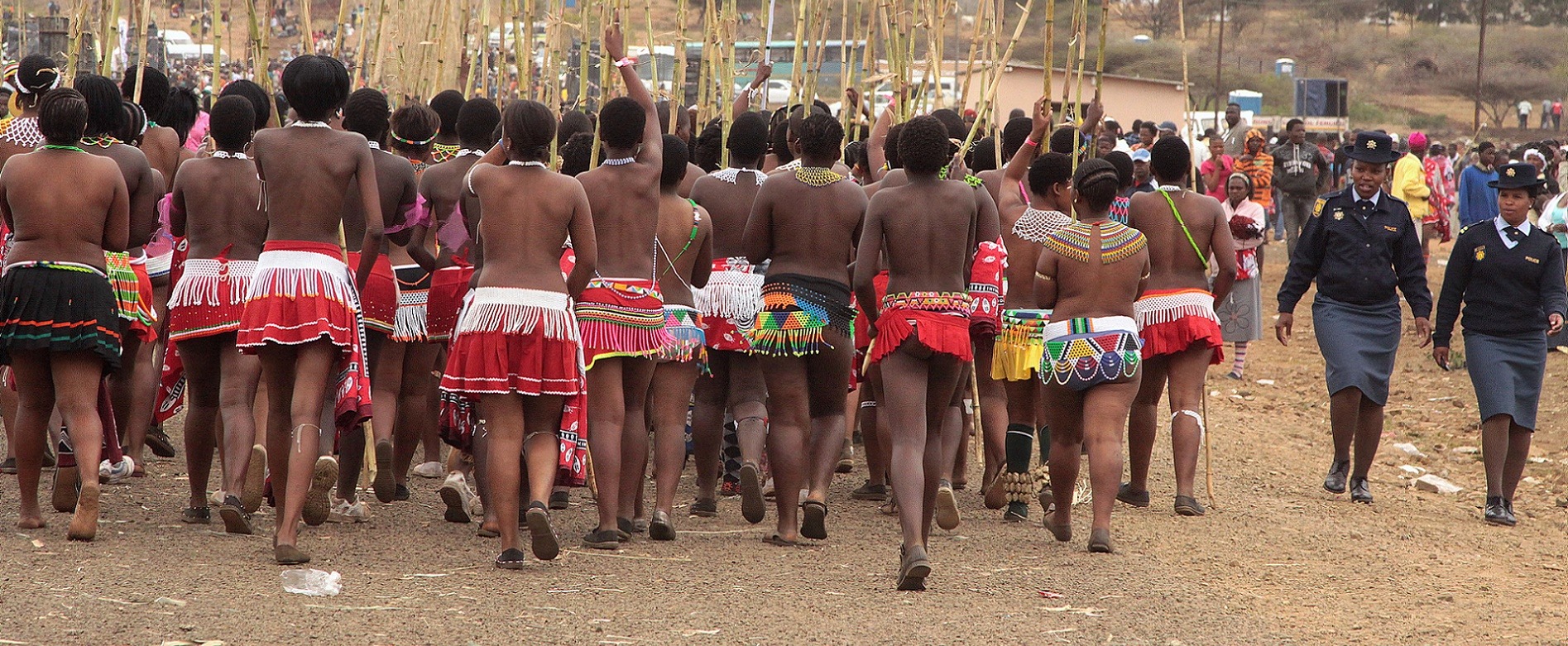
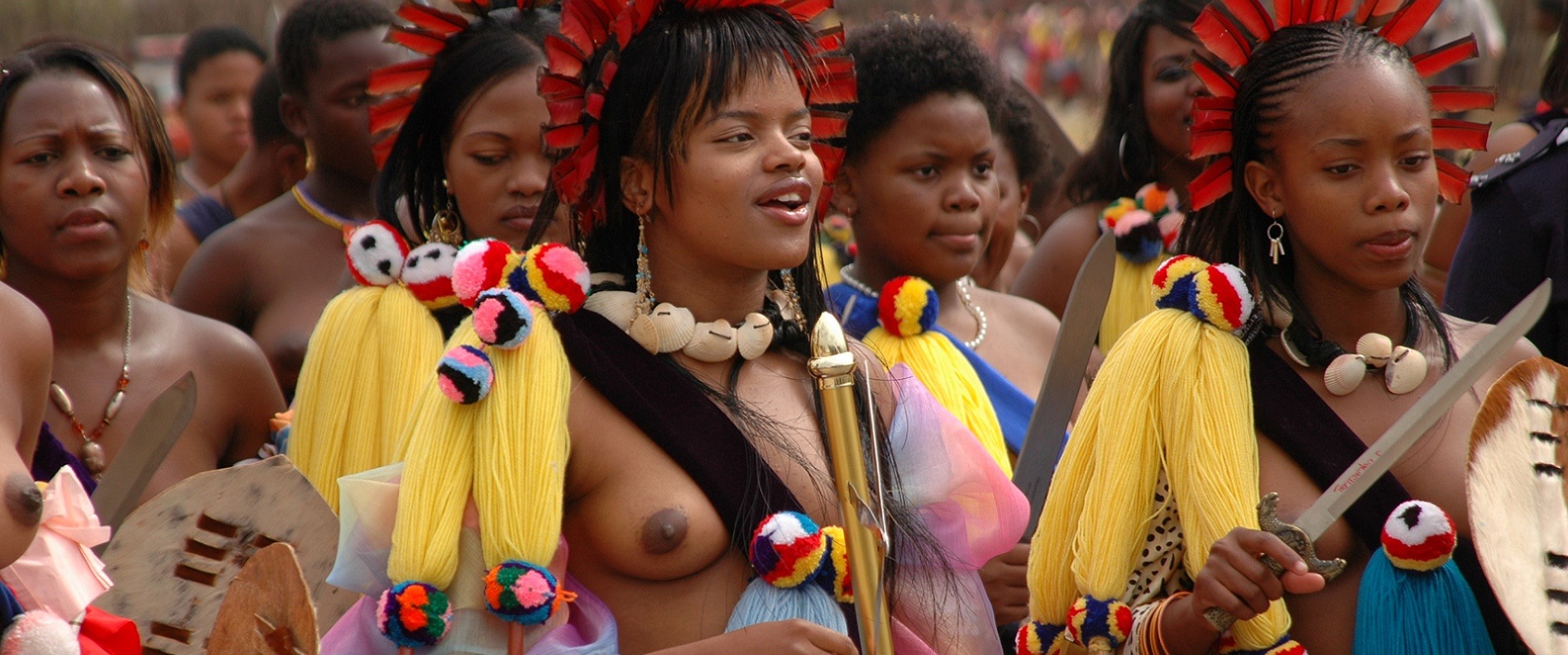
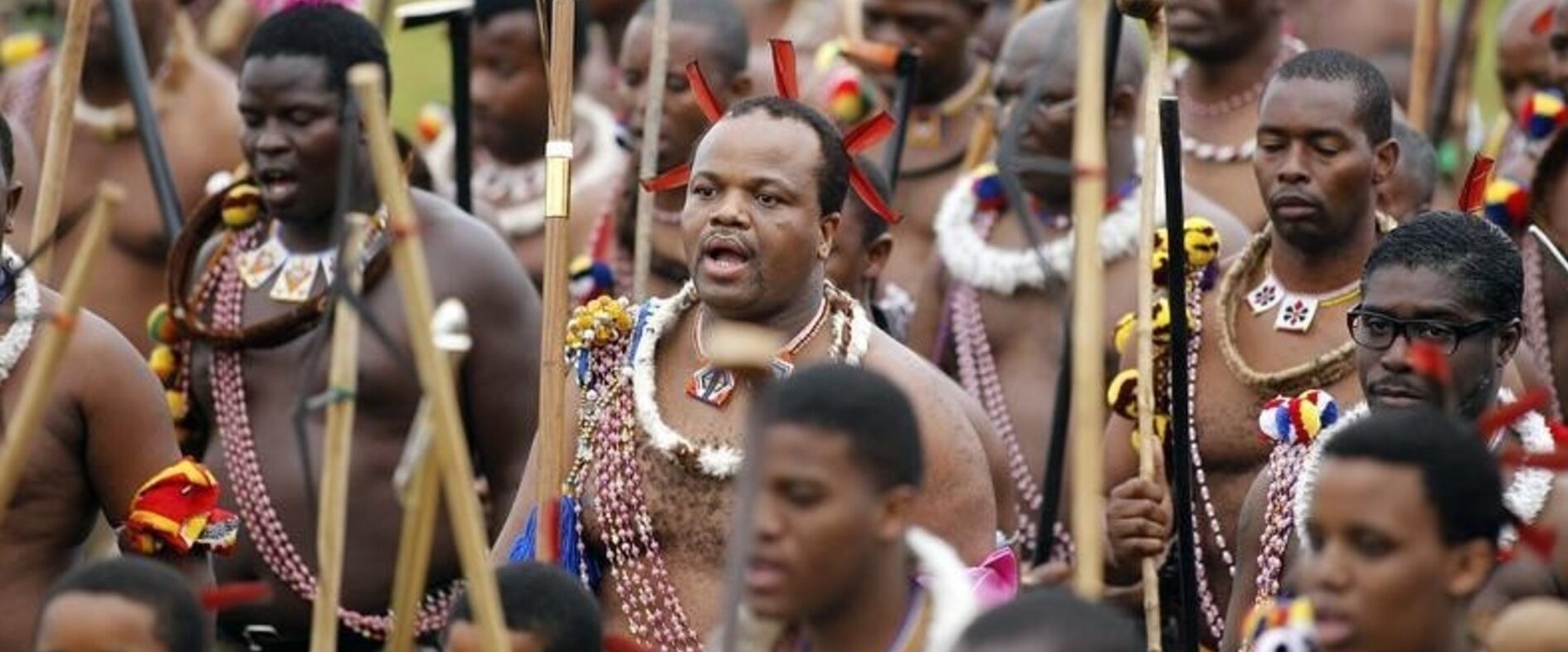
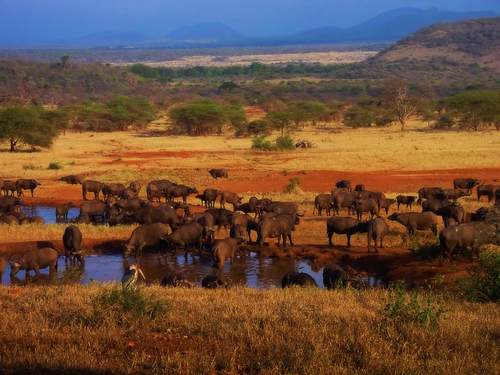
Swaziland country image
Swaziland overview image

Team Standings

Teams Mp W D L GF GA Pt
Guinea-B. Guinea-B. 0 0 0 0 0 0 0
India India 0 0 0 0 0 0 0
Liberia Liberia 9 5 3 1 27 8 18
Mozambique Mozambique 0 0 0 0 0 0 0
Netherlands Netherlands 0 0 0 0 0 0 0
Nigeria Nigeria 0 0 0 0 0 0 0
Senegal Senegal 0 0 0 0 0 0 0
South A. South A. 0 0 0 0 0 0 0
Swaziland Swaziland 0 0 0 0 0 0 0
United S. United S. 0 0 0 0 0 0 0

Squad List

Berthiny Ball
Defender
Billy Zanga
Midfielder
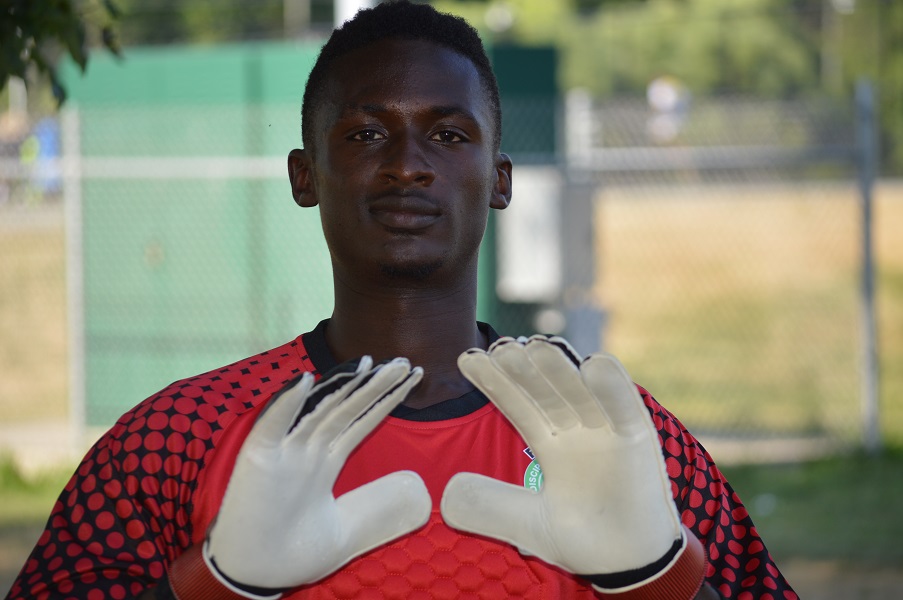
Brice Diagong
Goalkeeper
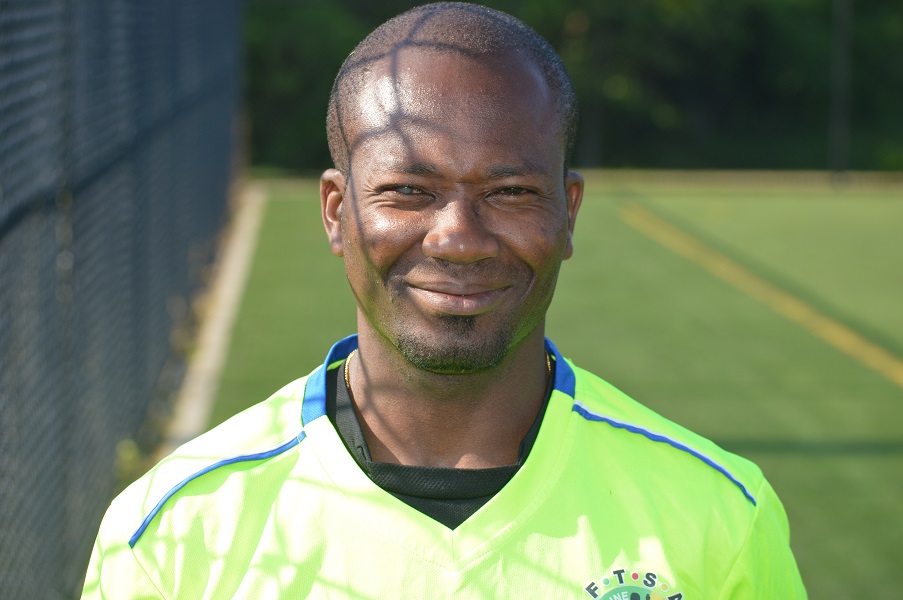
Carlos Zolano
Forward
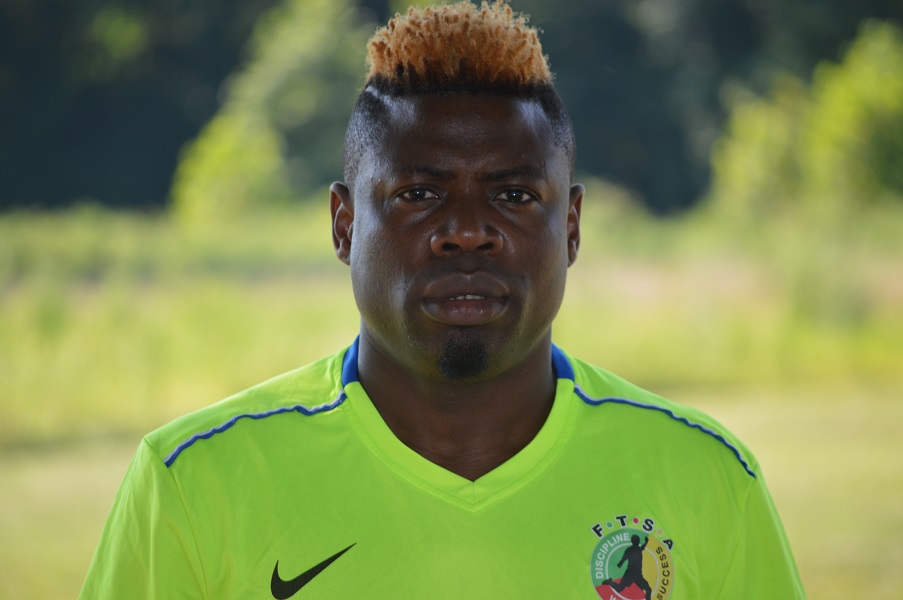
Celestin Eboue
Defender
Christino Monte
Midfielder
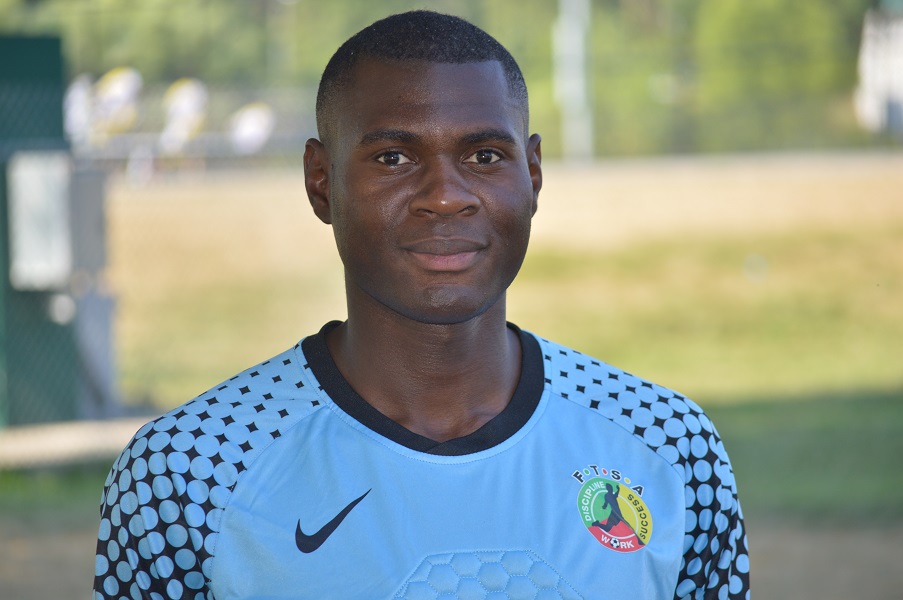
Didier Blaise
Midfielder
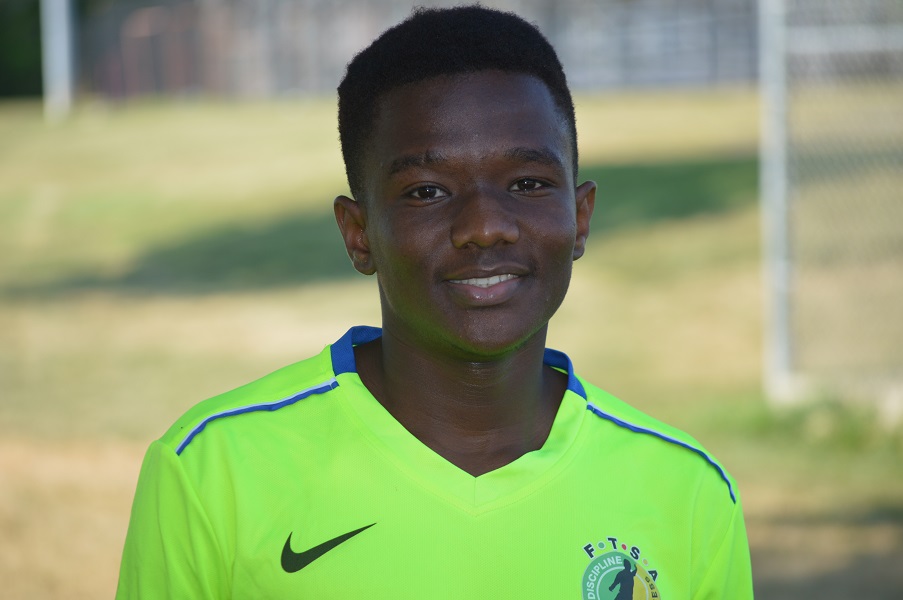
Faustin Abedi
Goalkeeper
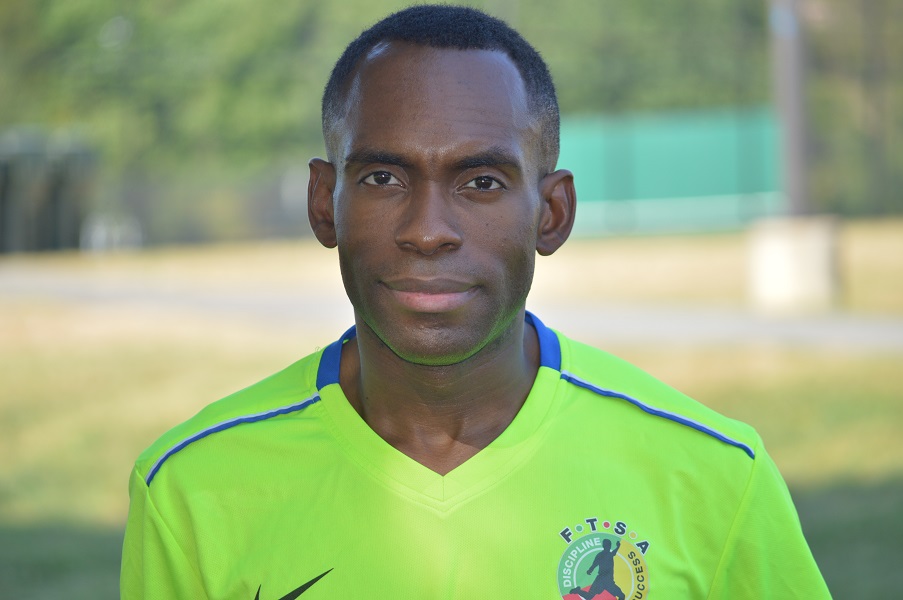
Fortune Fon
Forward
Gauthier Manyo
Defender
Javier Lopez
Forward
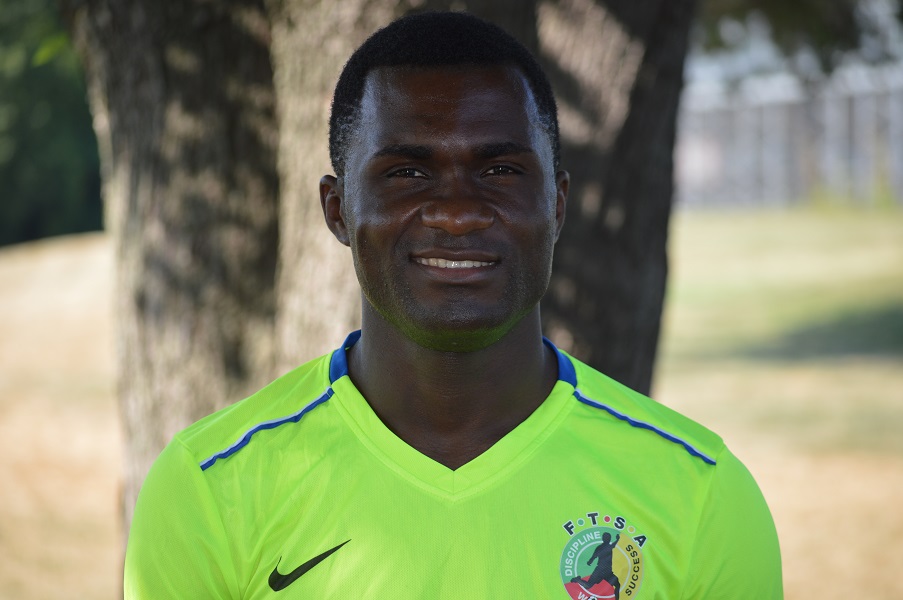
Jean Ondoa
Defender
Joe Arouna
Goalkeeper
Mario Lopez
Midfielder
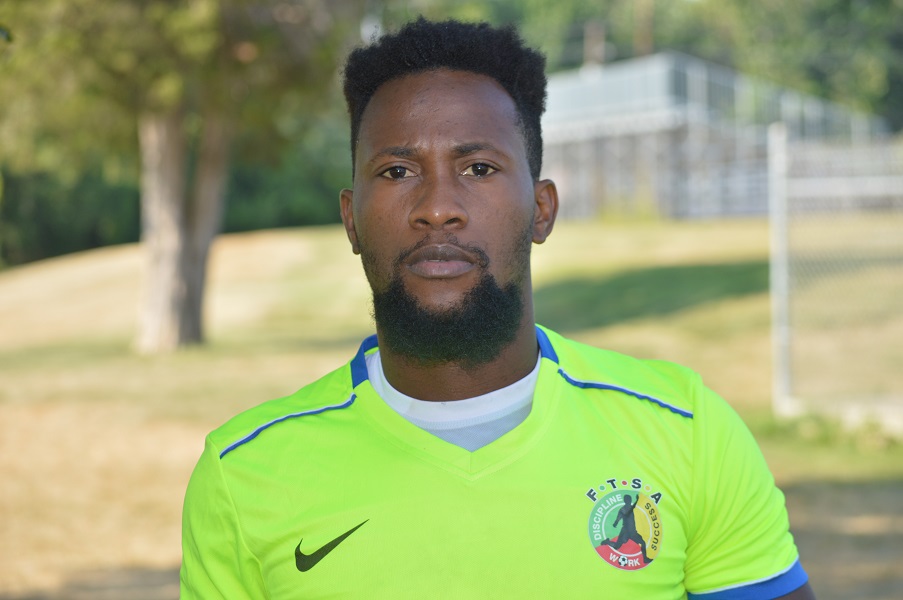
Merlin Eboute
Defender

Niko Modric
Midfielder
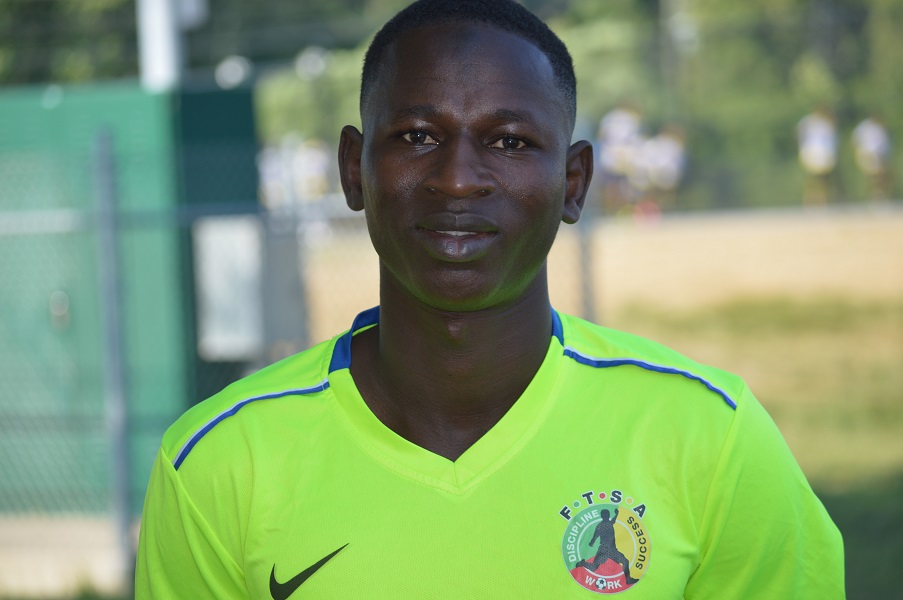
Omar Diallo
Defender

Oscar Biyick
Midfielder
Polio Alvarez
Midfielder

Randy Capullo
Forward
Tino Elanga
Midfielder
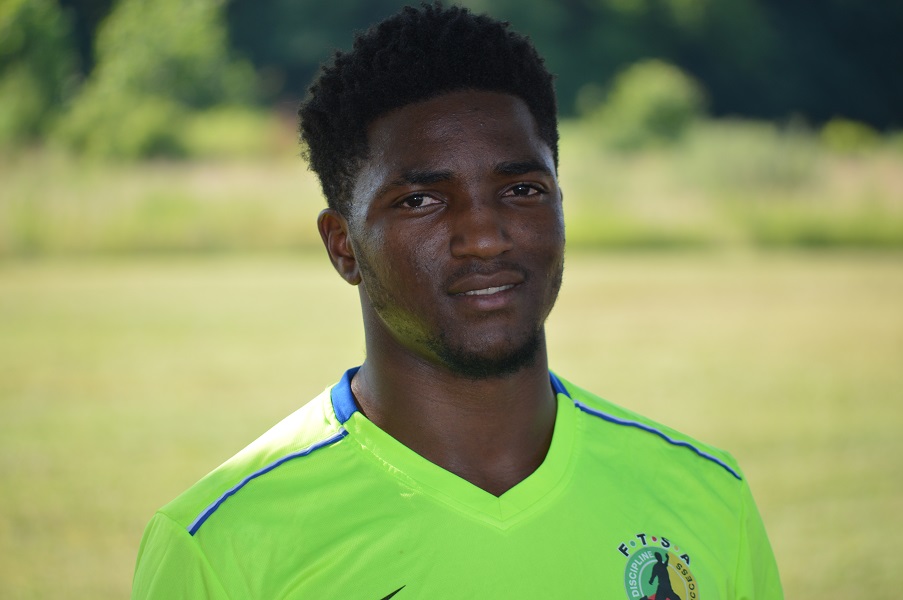
Yannick Nnanga
Forward

Coaching Staff
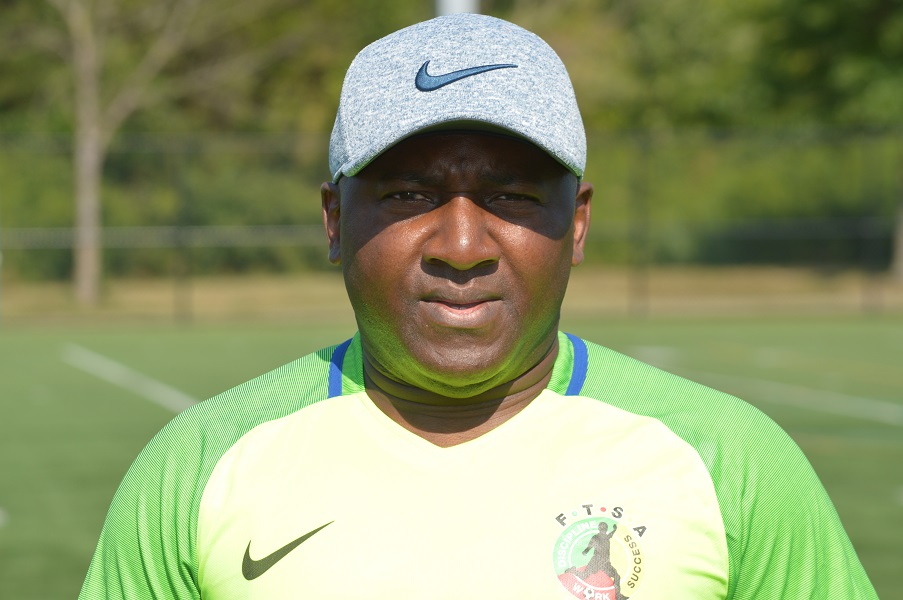
Nasco K.
C
Nasco K.
Head Coach