

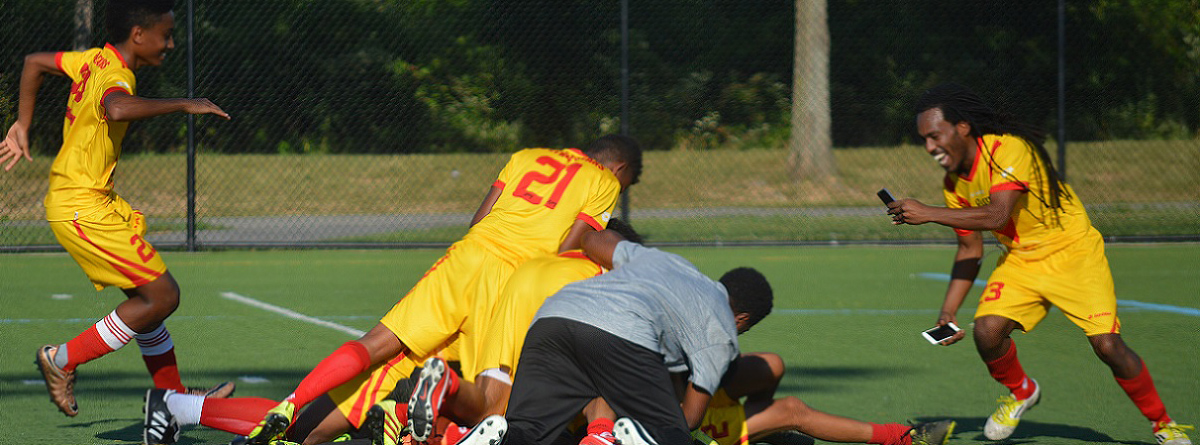
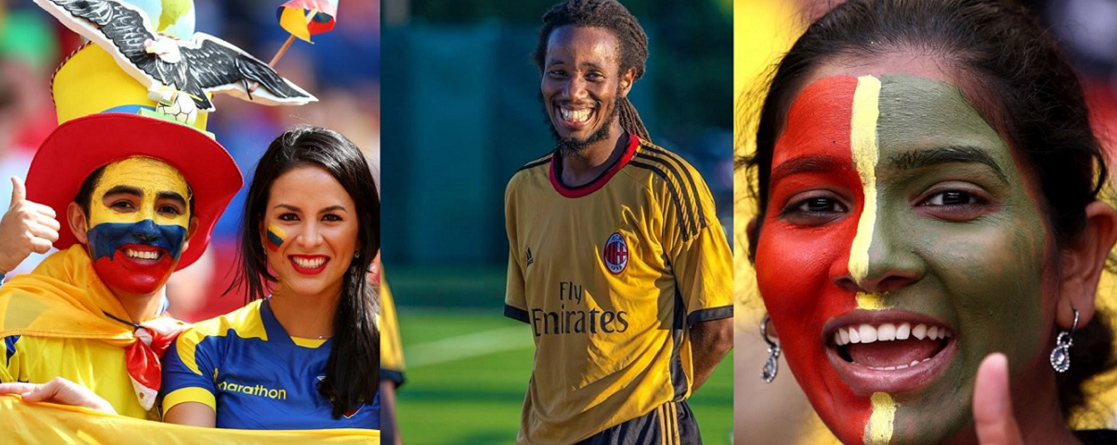
The Diaspora World Cup operates in some of the major cities and metro areas in
United States and
Canada. Our network of register players includes 20 cities, 200 countries, 400
teams, and 10,000
players. Join our movement to solve the world's most pressing challenges:
Illiteracy
Who We are text will be here Who We are text will be here Who We are text will
be here Who We
are text will be here Who We are text will be here Who We are text will be here
Who We are text
will be here Who We are text will be here Who We are text will be here
What We Do text will be here What We Do text will be here What We Do text will
be here What We
Do text will be here What We Do text will be here What We Do text will be here
What We Do text
will be here What We Do text will be here What We Do text will be here What We
Do text will be
here What We Do text will be here What We Do text will be here
Get Involved text will be here Get Involved text will be here Get Involved text
will be here Get
Involved text will be here Get Involved text will be here Get Involved text will
be here Get
Involved text will be here Get Involved text will be here Get Involved text will
be here Get
Involved text will be here
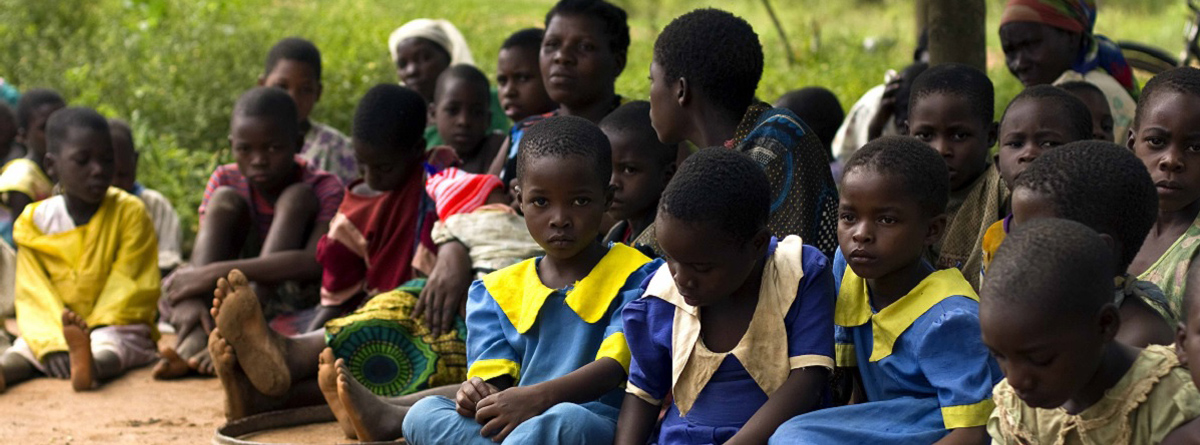
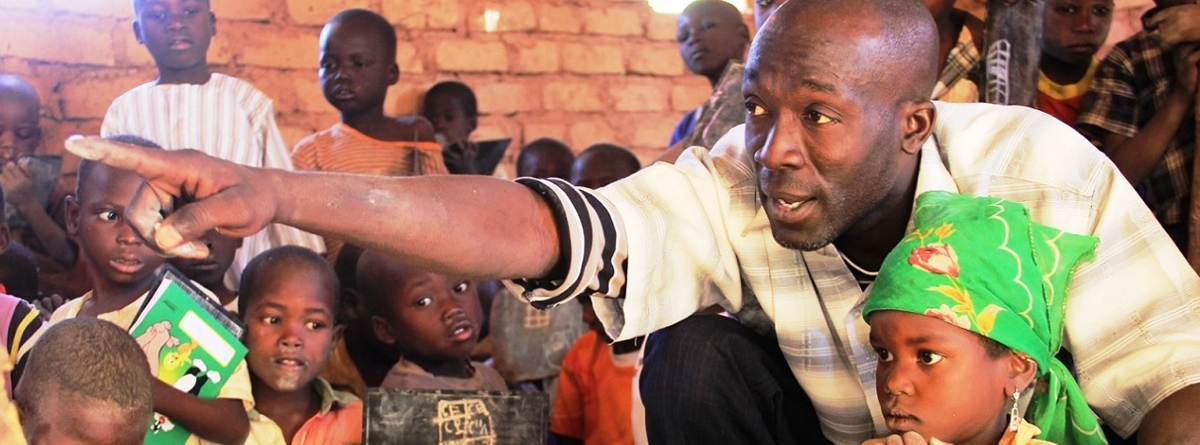
Education is a basic Human Right and the Diaspora World Cup global school
program focuses its
energy in some the poorest countries around the world. We build schools in some
of the poorest
countries around the worldthat historically had no adequate school structure.
Any member of the
World Diaspora has the power to end illiteracy around the world through the
power of soccer.
High-profile sport figures, global leaders, business leaders, political figure,
journalists,
activists, philanthropists, actors, and entrepreneurs united by their commitment
to the Diaspora
World Cup mission to eradicate illiteracy around the world through the power of
soccer. They serve
as role models and spread the Diaspora World Cup vision and commitment of a
world mobilized
through soccer.
Diaspora 2027: complete guide to all players | The Diaspora
INDIA
Welcome to the 2028 Diaspora World Cup. Burtonsville – Laurel
Burtonsville – Laurel
Welcome to the 2028 Diaspora World Cup. Burtonsville – Laurel
The Indian diaspora in the DMV (Washington, D.C., Maryland, and Virginia) is an exceptionally large, economically influential, and highly organized South Asian community. It combines long-established Indian-American families with newer immigrants, entrepreneurs, students, physicians, researchers, technology professionals, federal contractors, diplomats, and inter...The Indian diaspora in the DMV (Washington, D.C., Maryland, and Virginia) is an exceptionally large, economically influential, and highly organized South Asian community. It combines long-established Indian-American families with newer immigrants, entrepreneurs, students, physici...
More Information
Chelsea Official
Download The 5th Stand, Chelsea’s official mobile app, to see exclusive content, match action and all the latest news from Stamford Bridge.
More Information
Street Soccer in India
Street soccer is a vibrant part of everyday life in India, where children and teenagers regularly play informal football matches in neighbourhood lanes, school grounds, public parks, village fields, and community open spaces. These games are especially popular after school and during holidays, giving young players an enjoyable way to stay active while sharing their passion for football.
The fast and unpredictable nature of street soccer helps players develop quick footwork, close ball control, accurate passing, and creative dribbling. Playing on different surfaces and in limited spaces encourages adaptability, teamwork, and confident decision-making while improving technical skills through regular play.
Street soccer provides an affordable and accessible way for communities across India to enjoy football without requiring professional facilities. It promotes healthy lifestyles, strengthens neighbourhood friendships, and inspires many young players to pursue football through school teams, local clubs, and community tournaments.
Street Soccer Culture in India
Football continues to grow across India, and street soccer remains one of the most common ways for children to experience the game. Informal matches organised by friends, schools, and local communities create an energetic atmosphere where players from different backgrounds come together through a shared love of football.
Skills Developed Through Street Soccer
Street soccer helps players improve dribbling, first touch, passing accuracy, agility, balance, ball control, and spatial awareness. Regular matches also strengthen communication, creativity, confidence, and the ability to make quick decisions under pressure.
Street Soccer and Community Development
Street soccer plays an important role in bringing communities together by encouraging teamwork, positive youth engagement, and outdoor recreation. It also provides aspiring players with valuable experience before progressing to school teams, football academies, local clubs, or organised youth football programmes.
The INDIA in the DMV Metro
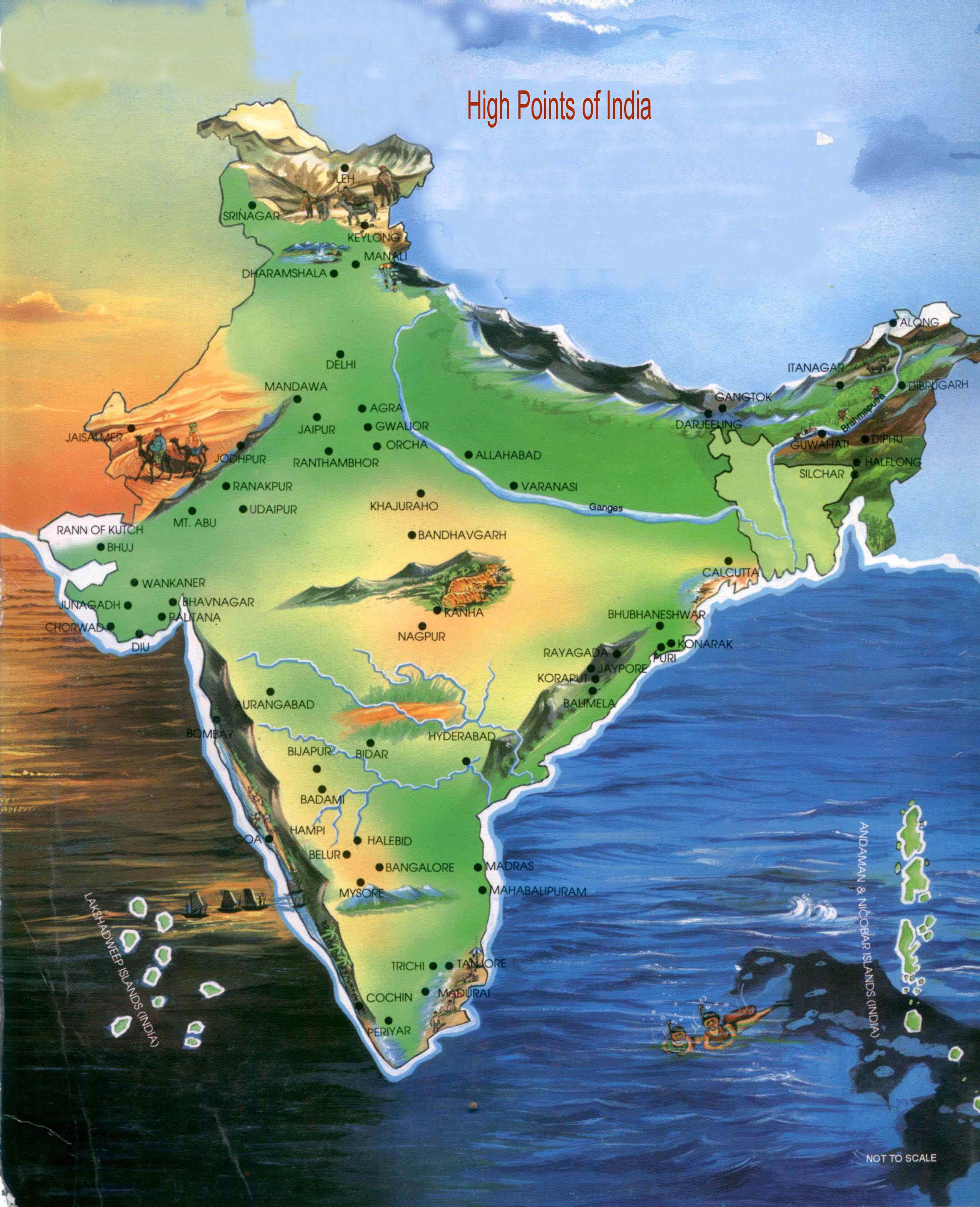
The Indian diaspora in the DMV (Washington, D.C., Maryland, and Virginia) is an exceptionally large, economically influential, and highly organized South Asian community. It combines long-established Indian-American families with newer immigrants, entrepreneurs, students, physicians, researchers, technology professionals, federal contractors, diplomats, and international-development specialists. Northern Virginia and suburban Maryland provide major residential and commercial centers, while Washington, D.C. serves as a national hub for Indian-American political, business, and diplomatic engagement.
Community Hubs and Institutional Presence
The Embassy of India: Located on Massachusetts Avenue NW in Washington, D.C., the Embassy serves as the principal diplomatic and administrative anchor for the Indian community. It provides consular services while supporting bilateral relations, economic forums, cultural programming, and diaspora outreach.
Indiaspora: A major national network connecting Indian-American leaders in business, government, academia, technology, and philanthropy. Its Washington-area presence provides a high-level platform for civic engagement and global Indian-American initiatives.
U.S.-India Business Council (USIBC): Based in Washington, the Council links Indian and American corporations and policymakers, providing an important institutional bridge for trade, investment, technology, and economic cooperation.
TiE DC: The Washington-area chapter of The Indus Entrepreneurs provides entrepreneurship and professional networking for Indian-American founders, investors, executives, technology specialists, and consultants.
Professional & Academic Networks: Indian Americans are particularly prominent in information technology, biotechnology, healthcare, engineering, finance, consulting, federal contracting, academia, and international development, reflecting the DMV's concentration of government and multilateral institutions.
Cultural and Social Dynamics
Northern Virginia & Suburban Maryland: Major Indian-American community networks extend through Loudoun and Fairfax Counties in Virginia and Montgomery County and surrounding Maryland suburbs. Commercial centers in Chantilly, Herndon, Ashburn, Rockville, and Gaithersburg function as important residential, retail, and social hubs.
Hindu Temples & Cultural Centers: Institutions such as Sri Siva Vishnu Temple in Lanham and the Durga Temple of Virginia provide religious, educational, and cultural infrastructure, including festivals, language programs, classical music, dance, youth activities, and community services.
Sikh Gurudwaras: Sikh institutions in Maryland and Northern Virginia serve as major community anchors, providing religious services, Punjabi-language programming, youth activities, and langar communal meals and charitable support.
Indian Cuisine & Grocery Networks: Restaurants, sweet shops, bakeries, regional-food businesses, and large Indian grocery markets provide important everyday gathering spaces. Commercial corridors around Chantilly, Herndon, Ashburn, Rockville, and Gaithersburg feature extensive South Asian retail and food infrastructure.
Diwali: The Festival of Lights is the community's largest cultural celebration, with temple programs, public festivals, family gatherings, cultural performances, and high-profile civic and political events throughout the DMV.
Regional Cultural Diversity: Indian community life reflects the country's linguistic, regional, religious, and cultural diversity, with Punjabi, Gujarati, Telugu, Tamil, Bengali, Marathi, Malayalam, Kannada, and other regional networks represented through temples, associations, language schools, and student organizations.
Youth & Student Culture: Universities such as George Washington University, Georgetown University, and the University of Maryland provide active student networks, including Bhangra, Garba, Bollywood, and other dance competitions, cultural associations, and professional clubs.
Film, Arts & Cultural Programming: Indian and South Asian film festivals, classical music performances, dance showcases, literary events, and contemporary arts programs provide additional avenues for cultural expression.
Community Structure: The Indian DMV community is best understood as a large, multi-institutional and professionally integrated diaspora, with diplomatic and business organizations providing national-level visibility while temples, gurudwaras, schools, businesses, restaurants, and regional associations sustain everyday cultural and social life.
Significance
Immigration from India has generally reflected British colonial rule, educational advancement, professional employment, economic opportunity, family reunification, entrepreneurship, skilled migration, and international business.
Migration from India has played a significant role in the history of the United States for more than a century. Early Indian immigrants, many of them farmers and laborers from Punjab, arrived in the western United States during the late nineteenth and early twentieth centuries. Immigration expanded substantially after the Immigration and Nationality Act of 1965, which removed national-origin quotas and encouraged the arrival of highly skilled professionals, students, scientists, physicians, engineers, entrepreneurs, and researchers. Today, Indian immigrants represent one of the largest and fastest-growing foreign-born populations in the United States, contributing significantly to technology, healthcare, education, finance, research, business, and public service while maintaining strong cultural, economic, and family ties with India.
Indian Migration Before Independence
Before independence, India was administered under British colonial rule, first through the East India Company and later as the British Raj. Migration during the colonial period was influenced by trade, agriculture, military service, higher education, commerce, and the system of indentured labor that sent millions of Indians to colonies across Africa, the Caribbean, Southeast Asia, and the Pacific. Smaller numbers travelled to the United States as students, merchants, farmers, laborers, and religious leaders, although restrictive immigration laws limited permanent settlement. India achieved independence from the United Kingdom on August 15, 1947, and the United States recognized the newly independent nation while establishing full diplomatic relations.
Late-Twentieth- and Early-Twenty-First-Century Immigration
Immigration increased rapidly after 1965 as changes to U.S. immigration law opened new pathways for highly skilled professionals, students, researchers, entrepreneurs, and families. Physicians, nurses, engineers, scientists, academics, information technology specialists, corporate executives, business owners, and university students increasingly migrated to the United States for higher education, specialized employment, research, investment, or family reunification. Continued growth in the technology, healthcare, finance, and engineering sectors has strengthened migration in recent decades, while family sponsorship has supported the expansion of Indian American communities nationwide. In the United States, Indian immigrants often rely on family networks, temples, gurdwaras, mosques, churches, cultural associations, alumni organizations, and professional groups for support with housing, employment, education, and community integration while preserving Hindi, Punjabi, Gujarati, Tamil, Telugu, Bengali, Malayalam, Marathi, and many other Indian languages, traditional cuisine, music, festivals, religious practices, and close relationships with relatives in India.
Lorem ipsum dolor sit amet, consectetur adipiscing elit, sed do eiusmod tempor incididunt ut
labore et dolore magna aliqua. Ut enim ad minim veniam, quis nostrud exercitation ullamco
laboris nisi ut aliquip ex ea commodo consequat. Duis aute irure dolor in
reprehenderit in voluptate velit esse cillum dolore eu fugiat nulla pariatur.