


Responsive Header
  • Where We Work
  • Cameroon
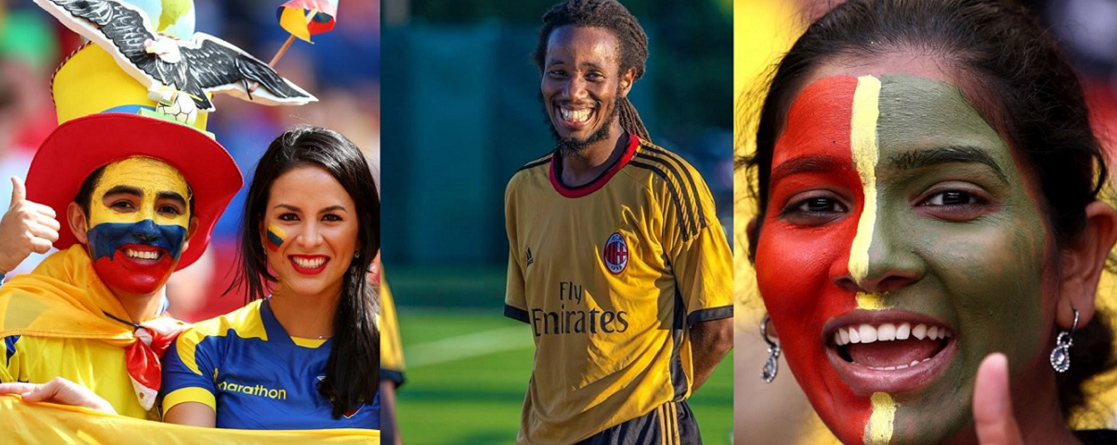
  • The Diaspora World Cup operates in some of the major cities and metro areas in United States and Canada. Our network of register players includes 20 cities, 200 countries, 400 teams, and 10,000 players. Join our movement to solve the world's most pressing challenges: Illiteracy
  • Who We are text will be here Who We are text will be here Who We are text will be here Who We are text will be here Who We are text will be here Who We are text will be here Who We are text will be here Who We are text will be here Who We are text will be here
  • What We Do text will be here What We Do text will be here What We Do text will be here What We Do text will be here What We Do text will be here What We Do text will be here What We Do text will be here What We Do text will be here What We Do text will be here What We Do text will be here What We Do text will be here What We Do text will be here
  • Get Involved text will be here Get Involved text will be here Get Involved text will be here Get Involved text will be here Get Involved text will be here Get Involved text will be here Get Involved text will be here Get Involved text will be here Get Involved text will be here Get Involved text will be here
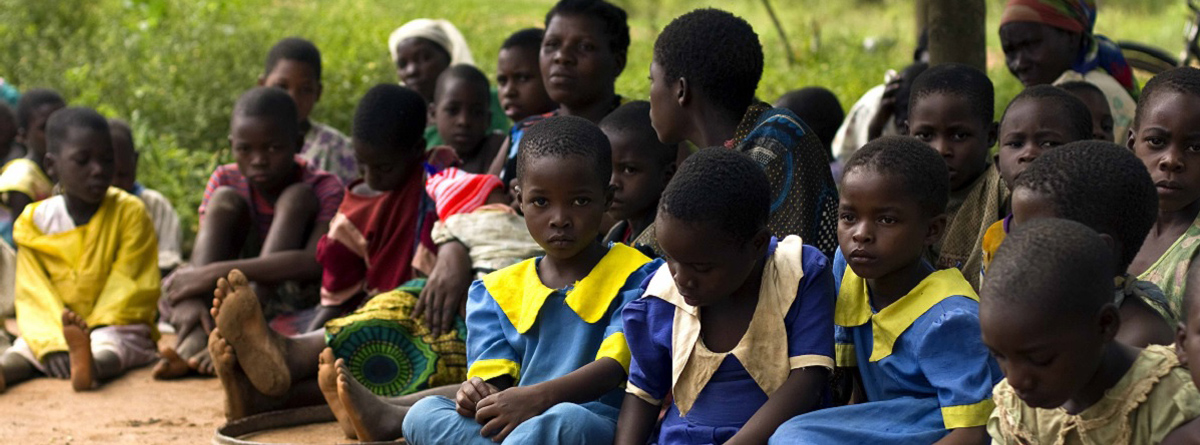
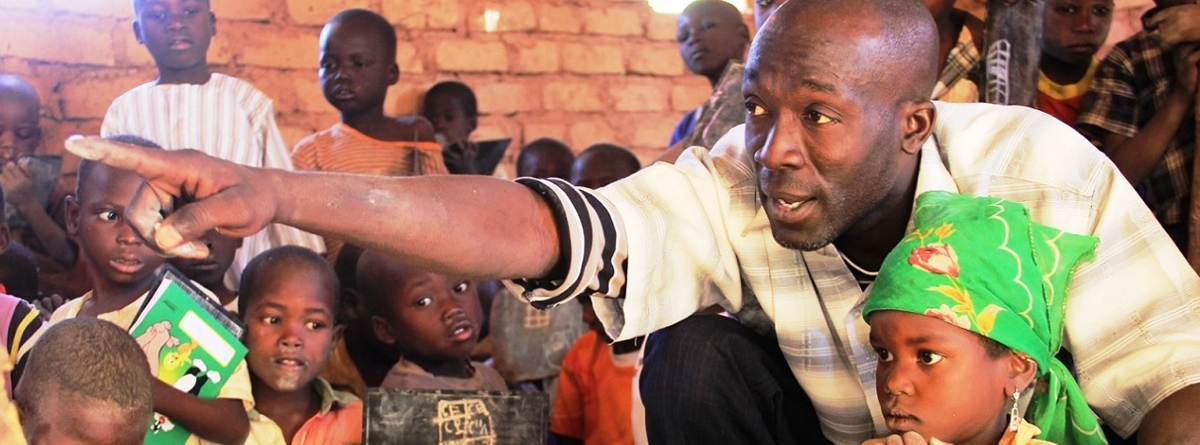
  • Education is a basic Human Right and the Diaspora World Cup global school program focuses its energy in some the poorest countries around the world. We build schools in some of the poorest countries around the worldthat historically had no adequate school structure. Any member of the World Diaspora has the power to end illiteracy around the world through the power of soccer.
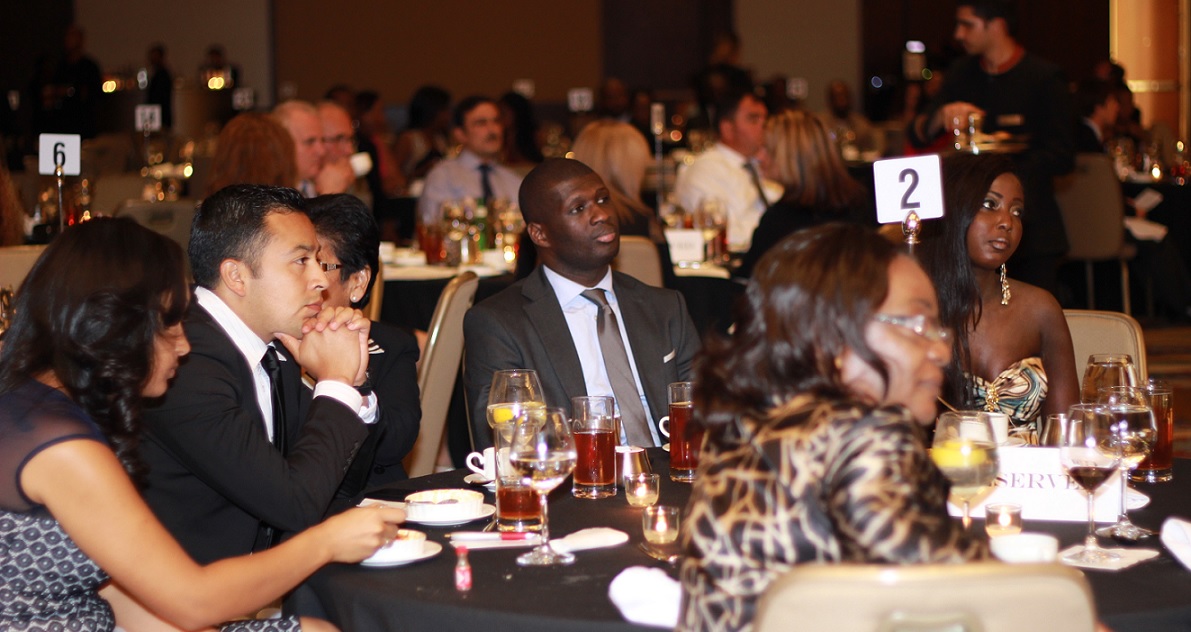
  • High-profile sport figures, global leaders, business leaders, political figure, journalists, activists, philanthropists, actors, and entrepreneurs united by their commitment to the Diaspora World Cup mission to eradicate illiteracy around the world through the power of soccer. They serve as role models and spread the Diaspora World Cup vision and commitment of a world mobilized through soccer.
  •  
  •  
Diaspora 2027: complete guide to all players | The Diaspora
ENGLAND
Burtonsville – Laurel
Welcome to the 2027 Diaspora World Cup.
Burtonsville – Laurel

Significance

English immigration profoundly influenced the development of the United States through colonial settlement, language, law, government, religion, agriculture, trade, industrial skills, education, and continuing family connections.

English migration to North America began during the early seventeenth century and became one of the foundations of colonial American society. Settlers included farmers, merchants, artisans, religious dissenters, labourers, servants, soldiers, and administrators seeking land, employment, religious freedom, or commercial opportunity. English communities established colonies along the Atlantic coast and introduced institutions, customs, legal traditions, and forms of government that strongly influenced the future United States. After American independence, migration from England continued through industrial employment, agriculture, trade, professional work, and family reunification. Because English language and customs already predominated in much of American society, later English immigrants often assimilated rapidly and were less likely to form separate ethnic neighbourhoods.

English Migration Before American Independence

Permanent English colonisation began at Jamestown, Virginia, in 1607, followed by Plymouth in 1620 and additional settlements throughout New England, the Chesapeake, and the southern colonies. Migrants included Puritans, Quakers, Anglicans, merchants, landowners, craftspeople, indentured servants, and families seeking religious or economic opportunities. Colonial companies received authority from the English Crown to establish settlements and create governing institutions. English settlement expanded onto lands already inhabited by Indigenous peoples, producing trade and alliances but also warfare, displacement, and territorial loss. The English colonies also became deeply connected with Atlantic slavery and the forced labour of Africans. By the American Revolution, people of English origin and their descendants formed a major part of the colonial population, and English language, laws, and customs were widely established.

Nineteenth- and Twentieth-Century Immigration

English immigration continued after Britain recognised American independence through the Treaty of Paris in 1783. During the nineteenth century, farmers, miners, textile workers, engineers, mechanics, domestic workers, merchants, and skilled artisans moved to the United States for land, employment, and higher wages. England remained one of the principal sources of American immigration before the Civil War and during the 1870s and 1880s. Migrants settled in New York, Pennsylvania, New England, the Midwest, mining regions, and expanding western states. Immigration slowed as economic conditions improved in Britain and American restrictions increased during the twentieth century. Later arrivals included war brides, academics, scientists, business executives, entertainers, healthcare workers, and other professionals. English immigrants generally integrated quickly while continuing cultural connections through churches, clubs, sports, literature, theatre, and family networks.

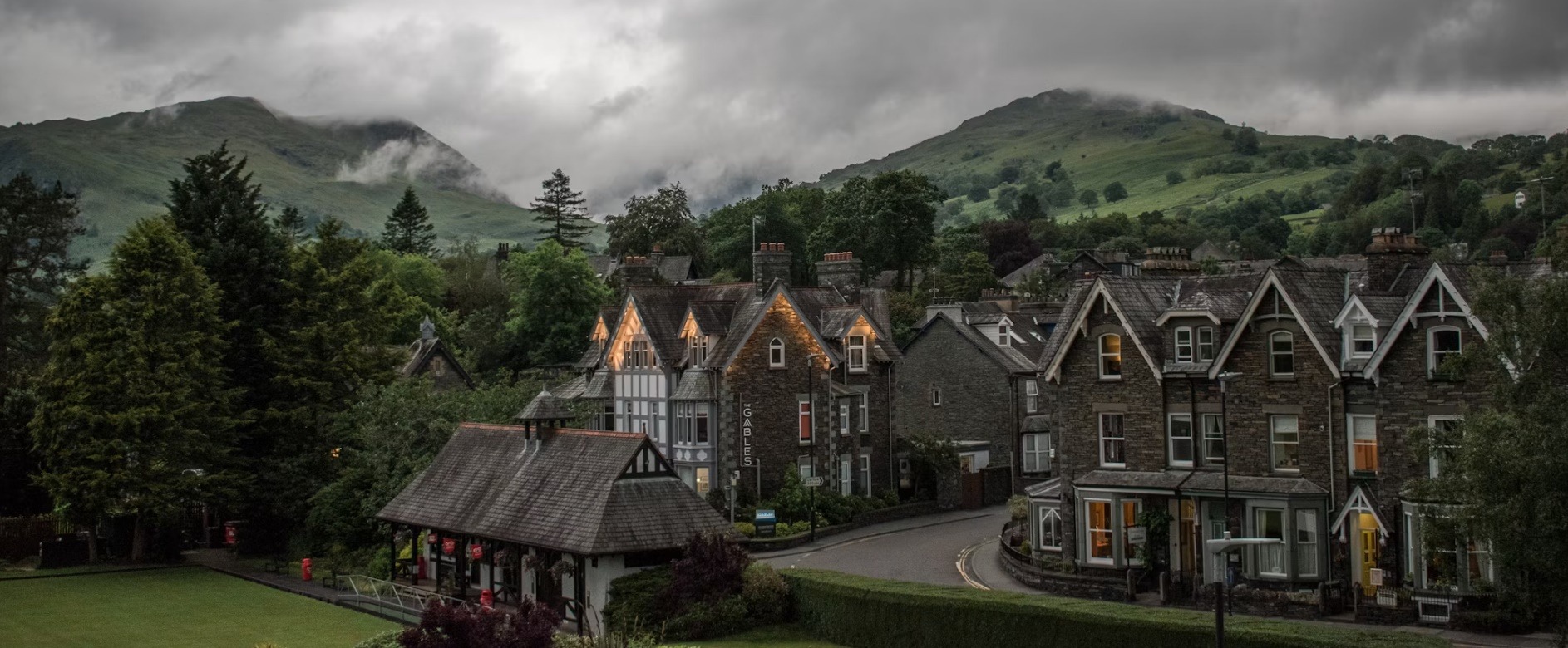
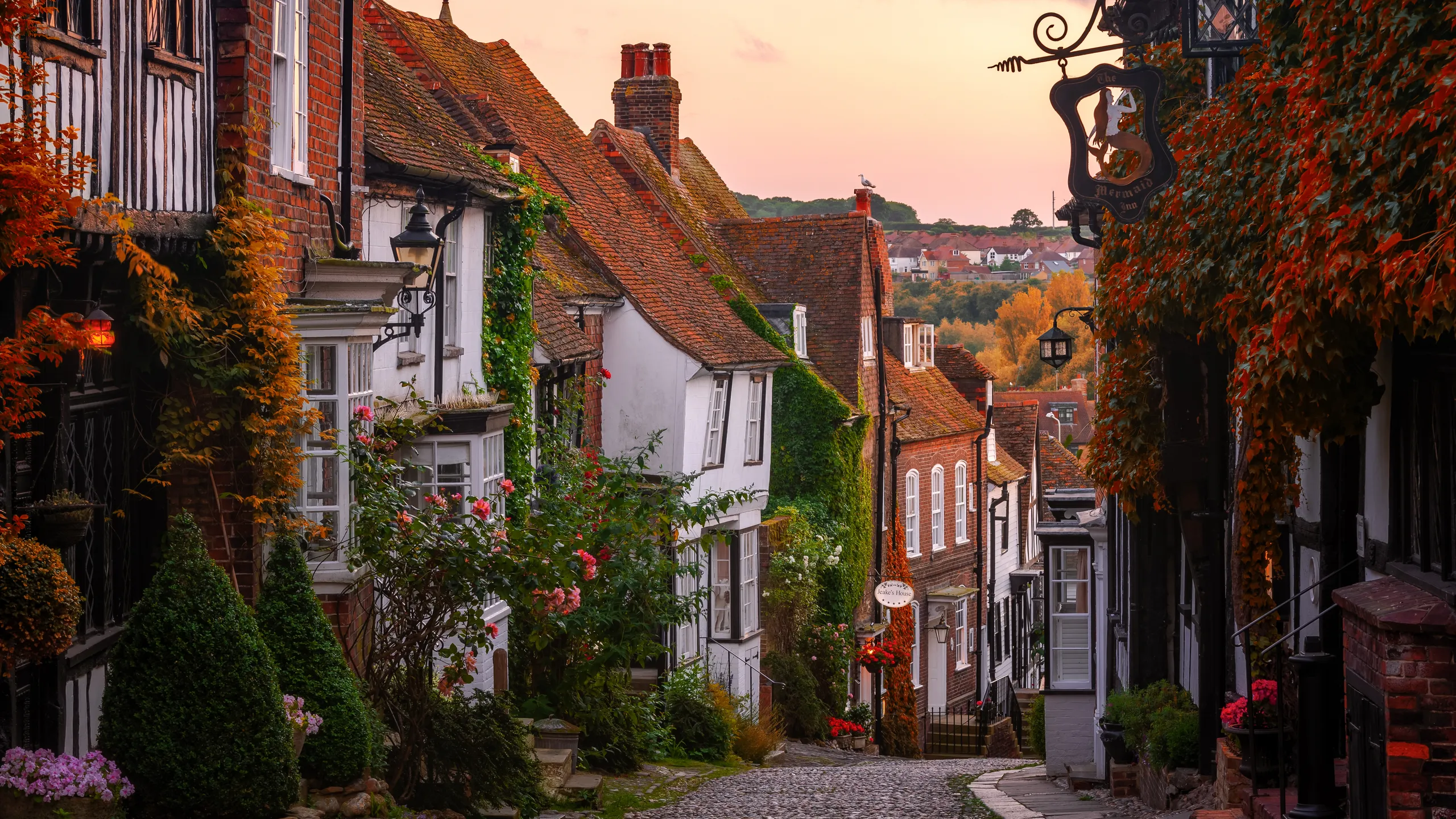
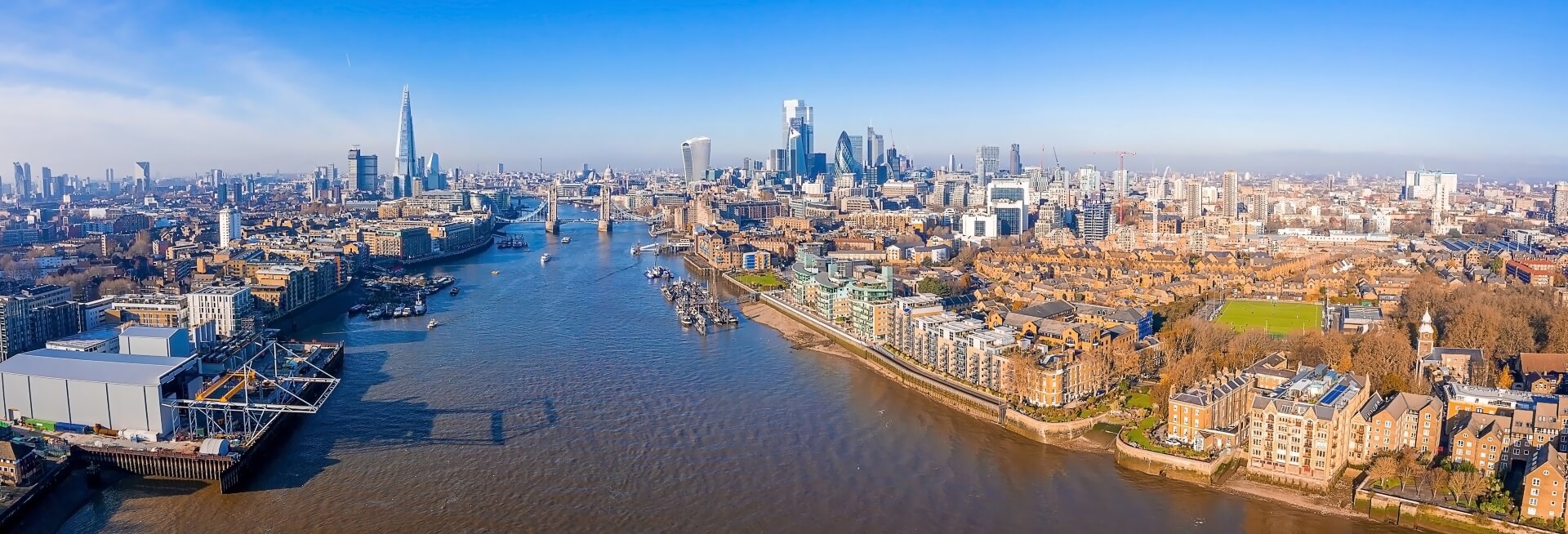
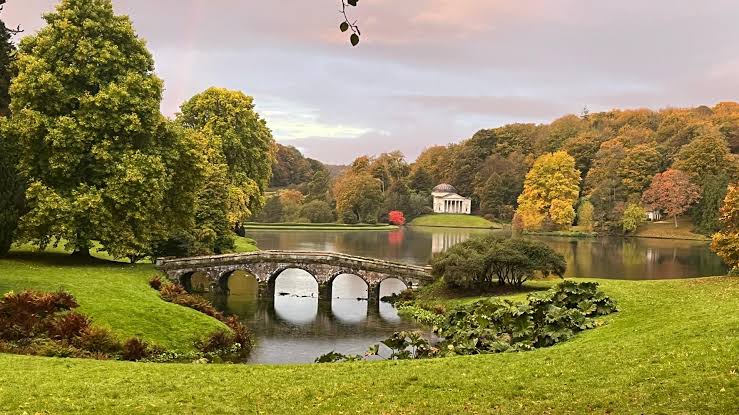
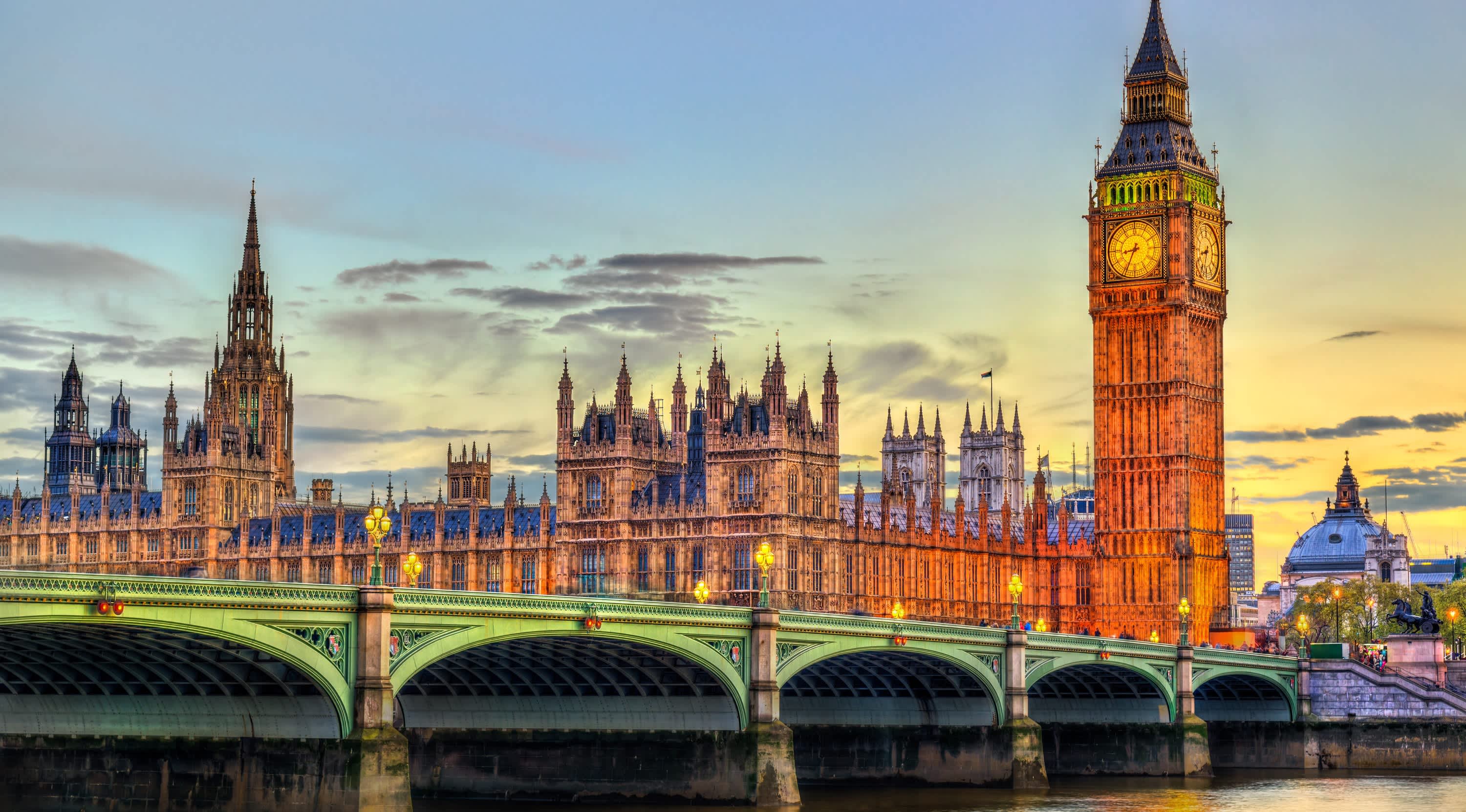
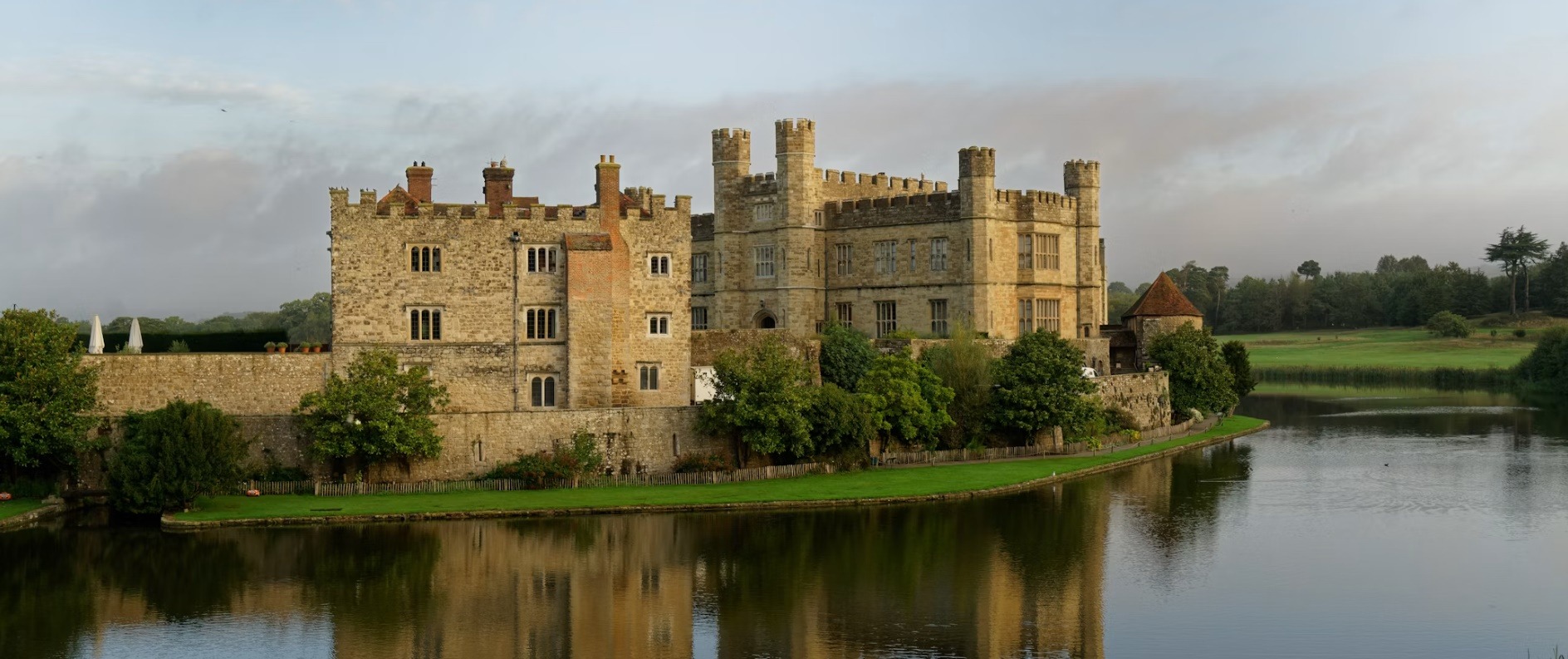
England country image
England overview image

Team Standings

Teams Mp W D L GF GA Pt
African U. African U. 0 0 0 0 0 0 0
Cameroon Cameroon 0 0 0 0 0 0 0
Colombia Colombia 0 0 0 0 0 0 0
England England 0 0 0 0 0 0 0
Ethiopia Ethiopia 0 0 0 0 0 0 0
Ghana Ghana 0 0 0 0 0 0 0
Haiti Haiti 0 0 0 0 0 0 0
Jamaica Jamaica 0 0 0 0 0 0 0
Sierra L. Sierra L. 0 0 0 0 0 0 0
Tanzania Tanzania 0 0 0 0 0 0 0

Squad List

Alex Mitchell
Defender

Ariel Rosso
Midfielder

Billy Metzler
Midfielder

Bobby Seifert
Defender
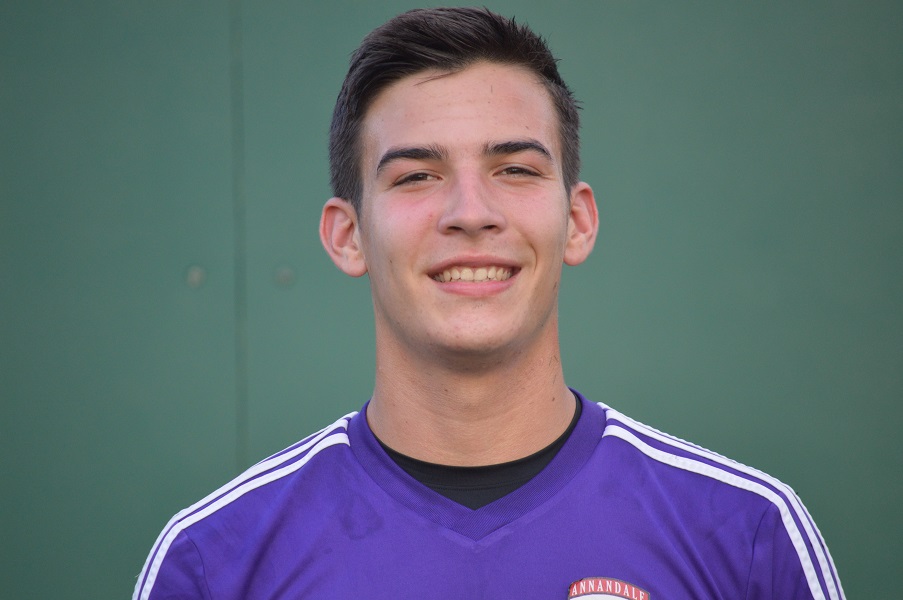
Chris Palacious
Goalkeeper

Connor Coward
Forward

Conor MacMurdy
Defender

Dale Robin
Midfielder

Daniel Hulett
Defender

Danny O'Keefe
Defender

Derin Kokuuslu
Midfielder

Eric Vanhorn
Midfielder
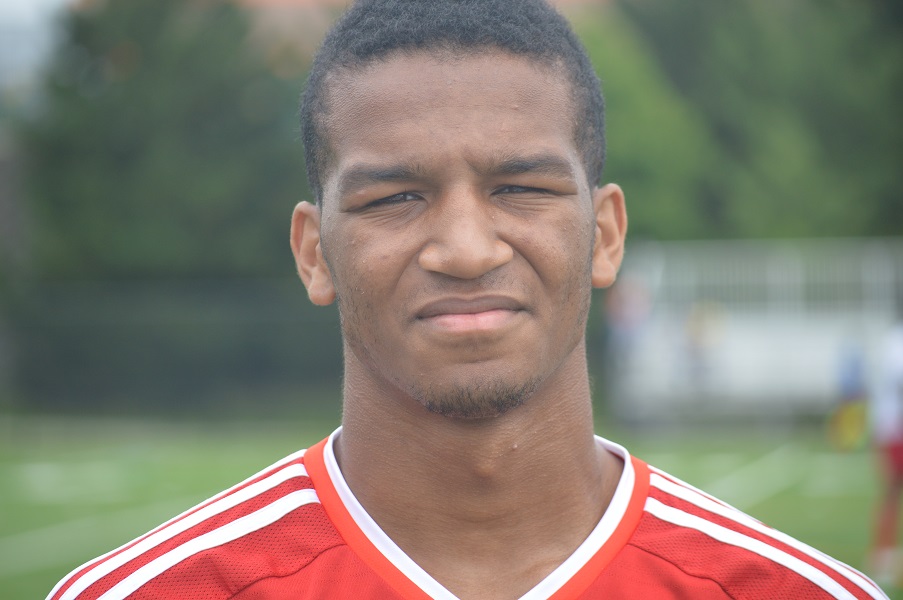
Geoffrey Young
Forward
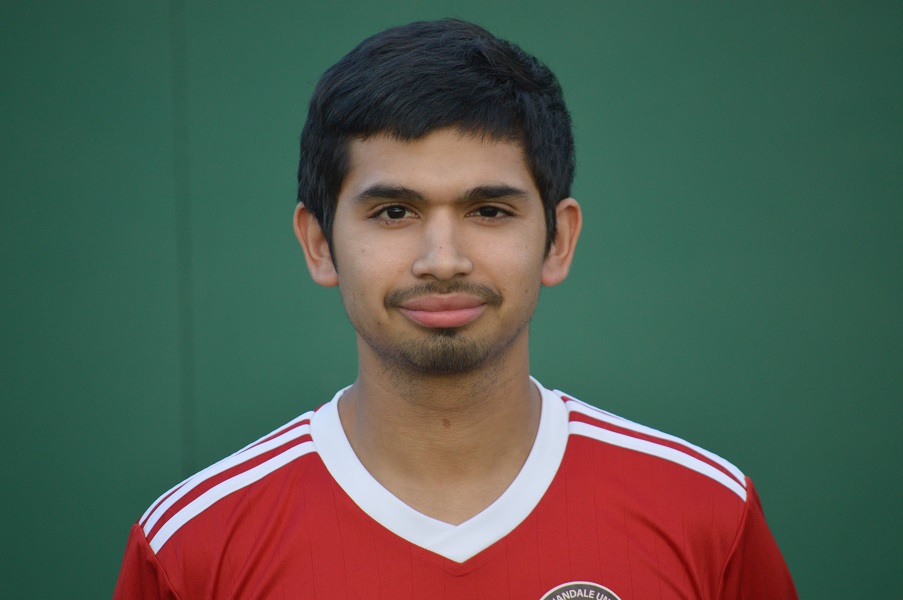
Ivan Hernandez
Midfielder

James Chick
Defender

Jimmy Grace
Midfielder

Joe Hatcher
Forward

Josh Prosser
Midfielder

Justin Galiani
Midfielder
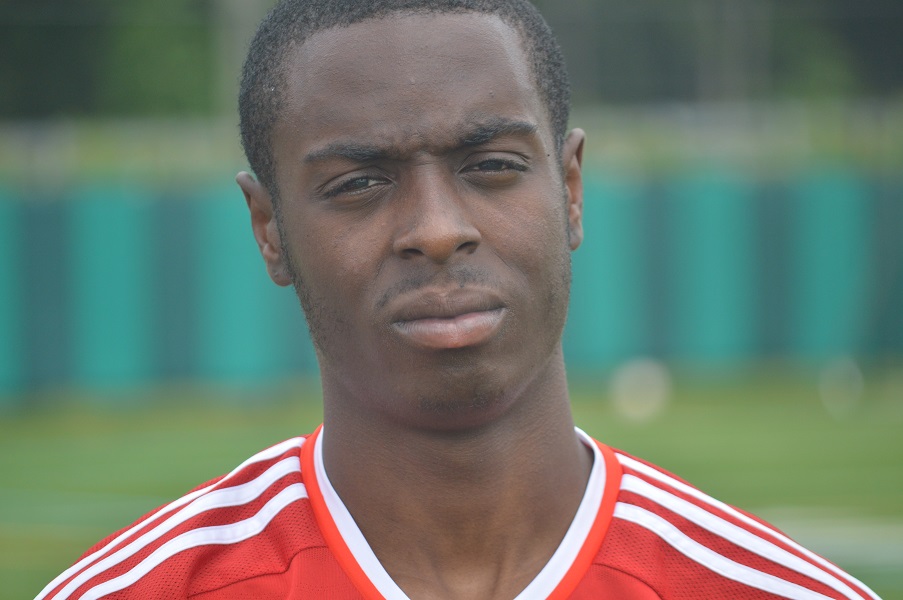
Keith Picks
Midfielder

Logan Tackett
Goalkeeper

Michael Margulis
Forward

Mike Whitaker
Forward

Nick Tait
Forward

Robert Dewald
Goalkeeper

Sam Legg
Goalkeeper

Sean Garin
Defender
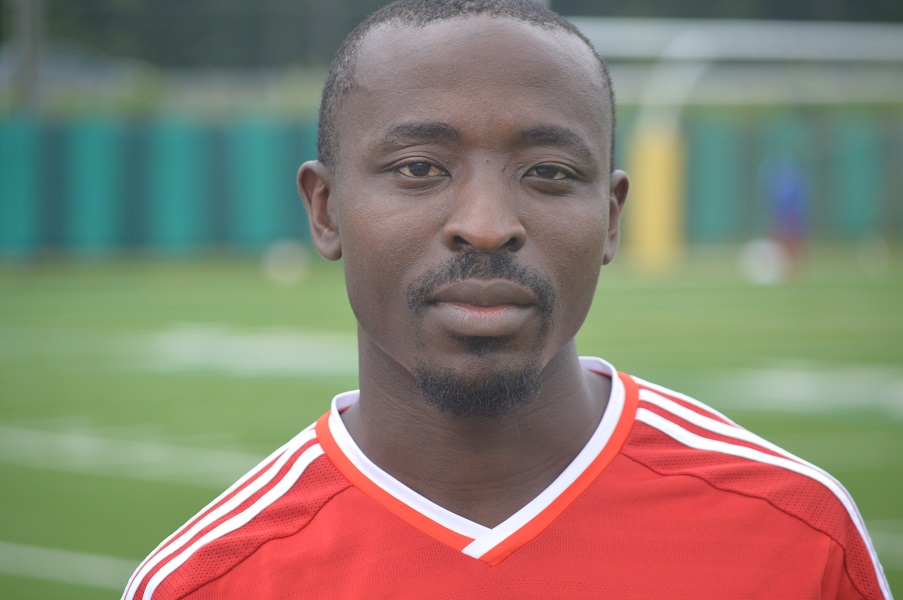
Stan Kato
Defender

Stephen Durbin
Forward

Tyler Durbin
Defender

Coaching Staff

Dave Atkinson
C
Dave Atkinson
Head Coach