



Responsive Header
  • Where We Work
  • Cameroon
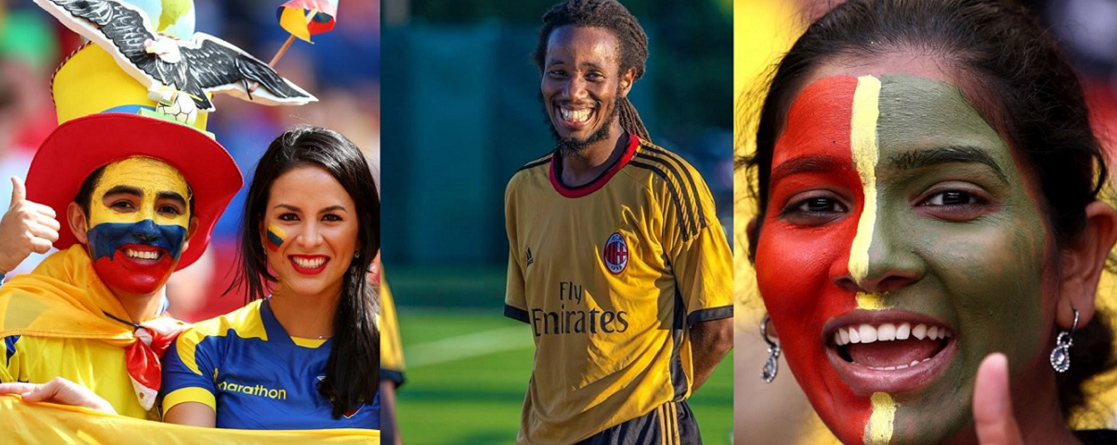
  • The Diaspora World Cup operates in some of the major cities and metro areas in United States and Canada. Our network of register players includes 20 cities, 200 countries, 400 teams, and 10,000 players. Join our movement to solve the world's most pressing challenges: Illiteracy
  • Who We are text will be here Who We are text will be here Who We are text will be here Who We are text will be here Who We are text will be here Who We are text will be here Who We are text will be here Who We are text will be here Who We are text will be here
  • What We Do text will be here What We Do text will be here What We Do text will be here What We Do text will be here What We Do text will be here What We Do text will be here What We Do text will be here What We Do text will be here What We Do text will be here What We Do text will be here What We Do text will be here What We Do text will be here
  • Get Involved text will be here Get Involved text will be here Get Involved text will be here Get Involved text will be here Get Involved text will be here Get Involved text will be here Get Involved text will be here Get Involved text will be here Get Involved text will be here Get Involved text will be here
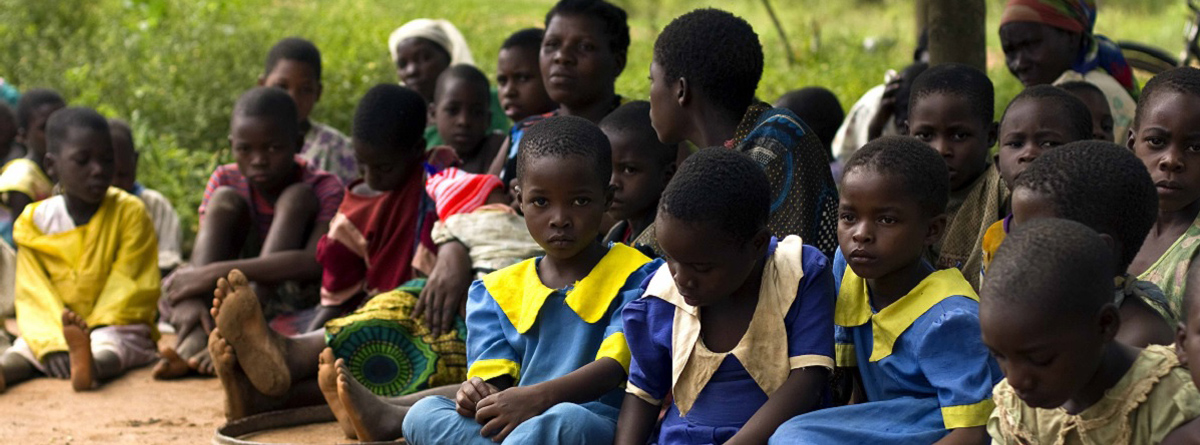
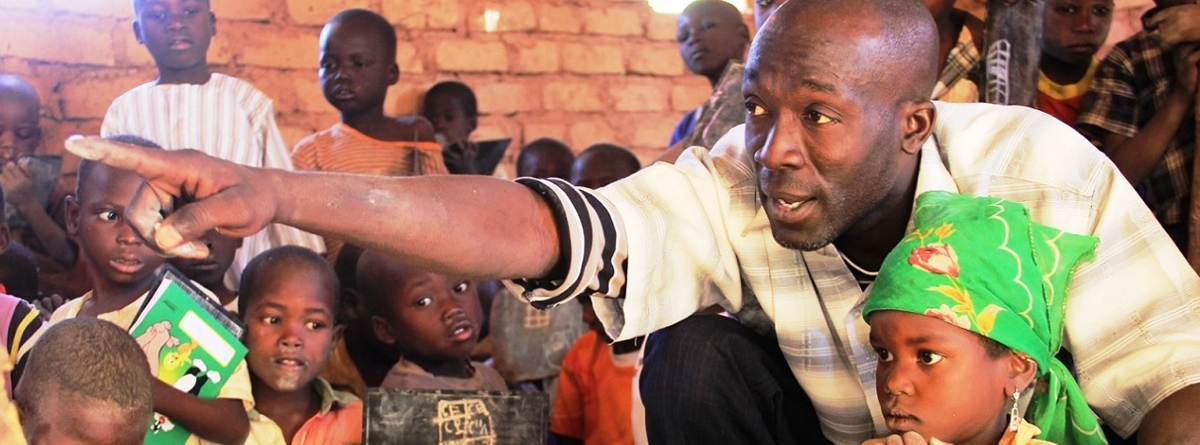
  • Education is a basic Human Right and the Diaspora World Cup global school program focuses its energy in some the poorest countries around the world. We build schools in some of the poorest countries around the worldthat historically had no adequate school structure. Any member of the World Diaspora has the power to end illiteracy around the world through the power of soccer.
  • High-profile sport figures, global leaders, business leaders, political figure, journalists, activists, philanthropists, actors, and entrepreneurs united by their commitment to the Diaspora World Cup mission to eradicate illiteracy around the world through the power of soccer. They serve as role models and spread the Diaspora World Cup vision and commitment of a world mobilized through soccer.
  •  
  •  
Diaspora 2027: complete guide to all players | The Diaspora
AFRICAN U.
Burtonsville – Laurel
Welcome to the 2027 Diaspora World Cup.
Burtonsville – Laurel

Significance

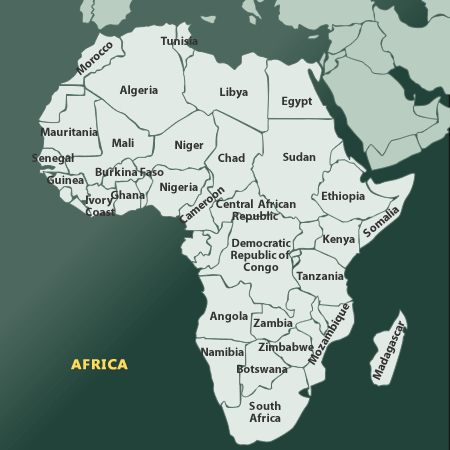
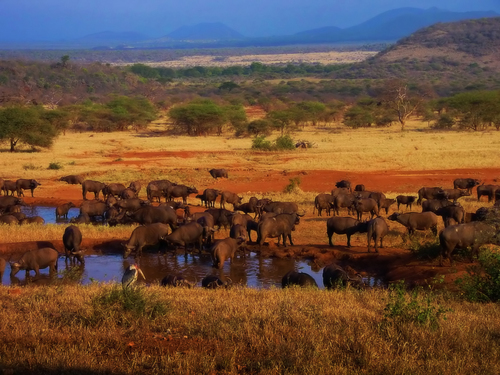
 Migration within and beyond Africa has generally reflected employment opportunities, regional trade, political conflict, economic inequality, environmental pressures, and the search for safety.

African migration developed through centuries of trade, farming, pastoral movement, family connections, and labour migration across different regions of the continent. During the colonial period, newly created borders divided communities and encouraged workers to travel to mines, plantations, ports, railways, and growing cities. Migration increased after African countries gained independence because of employment, education, civil wars, political instability, drought, and economic hardship. Although some Africans migrated to Europe, North America, and the Middle East, most remained within Africa and settled in neighbouring countries. The African Union now promotes cooperation among member states to improve migration management, protect displaced people, reduce human trafficking, and support safer movement across the continent.

African Migration Before the African Union

Before the African Union was created, movement across Africa was influenced by traditional trade routes, seasonal agriculture, livestock farming, marriage, religious travel, and family relationships. European colonial governments later established national borders that separated ethnic groups and disrupted long-established patterns of movement. At the same time, colonial industries recruited large numbers of African workers for mines, farms, plantations, construction projects, ports, and railway systems. After independence, migration continued as people moved toward cities and economically stronger countries in search of employment and education. Political repression, military coups, civil wars, and regional conflicts also forced many families to seek protection in neighbouring states, creating large refugee and displaced populations throughout Africa.

Twenty-First-Century Migration

The African Union was officially established in 2002 and made migration, regional integration, refugee protection, and economic development important parts of its continental policies. During the twenty-first century, Africans have continued to migrate for employment, education, trade, family reunification, and safety from political violence or environmental disasters. Regional organisations have encouraged easier movement between participating countries, while the African Union has promoted safer, orderly, and legal migration. Most African migrants continue to live in other African countries, although significant communities have also developed in Europe, North America, and the Middle East. Migrants contribute through business, healthcare, agriculture, construction, transportation, education, and technology but may still experience discrimination, exploitation, unemployment, unsafe journeys, and uncertain legal status.

African U. country image
African U. overview image

Team Standings

Teams Mp W D L GF GA Pt
African U. African U. 0 0 0 0 0 0 0
Cameroon Cameroon 0 0 0 0 0 0 0
Colombia Colombia 0 0 0 0 0 0 0
England England 0 0 0 0 0 0 0
Ethiopia Ethiopia 0 0 0 0 0 0 0
Ghana Ghana 0 0 0 0 0 0 0
Haiti Haiti 0 0 0 0 0 0 0
Jamaica Jamaica 0 0 0 0 0 0 0
Sierra L. Sierra L. 0 0 0 0 0 0 0
Tanzania Tanzania 0 0 0 0 0 0 0

Squad List

Boubacar Senera
Goalkeeper

Christian Reyes
Midfielder
Clinton Matango
Forward
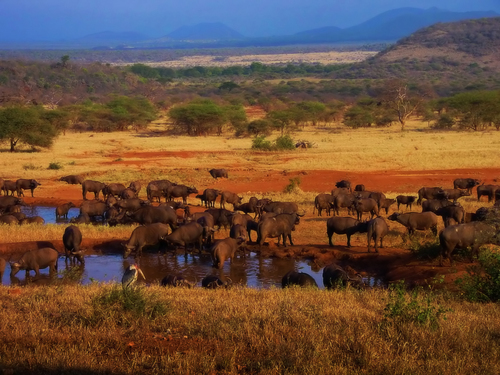
Doulaye Yoda
Goalkeeper

Duc Momo
Midfielder

Emma Oqbankwa
Defender

Eze Reuben
Defender

Gabriel Ndiaye
Midfielder
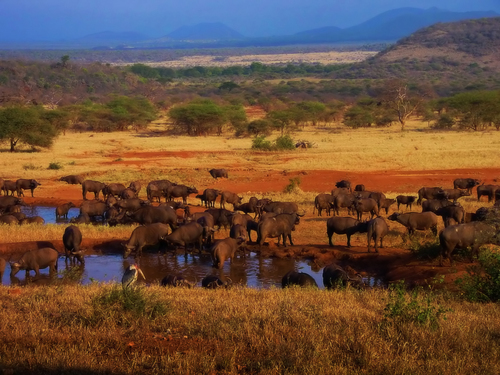
Gilberto Abdul
Forward
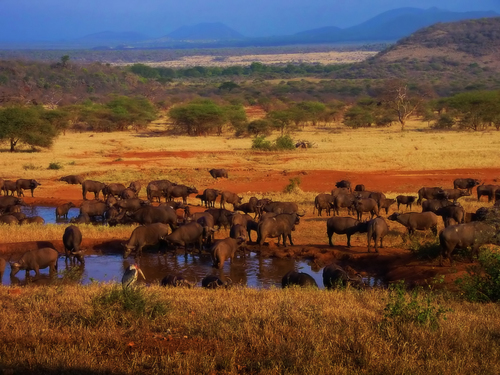
Isma Tanogo
Midfielder
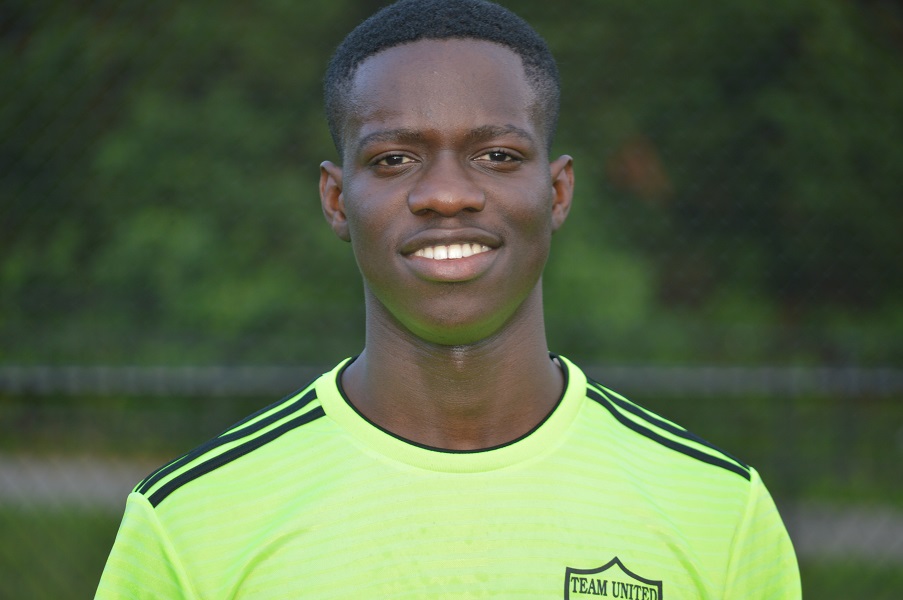
Joshua Oduyoye
Forward

Kalu Ume
Defender
Kinito Kunta
Midfielder
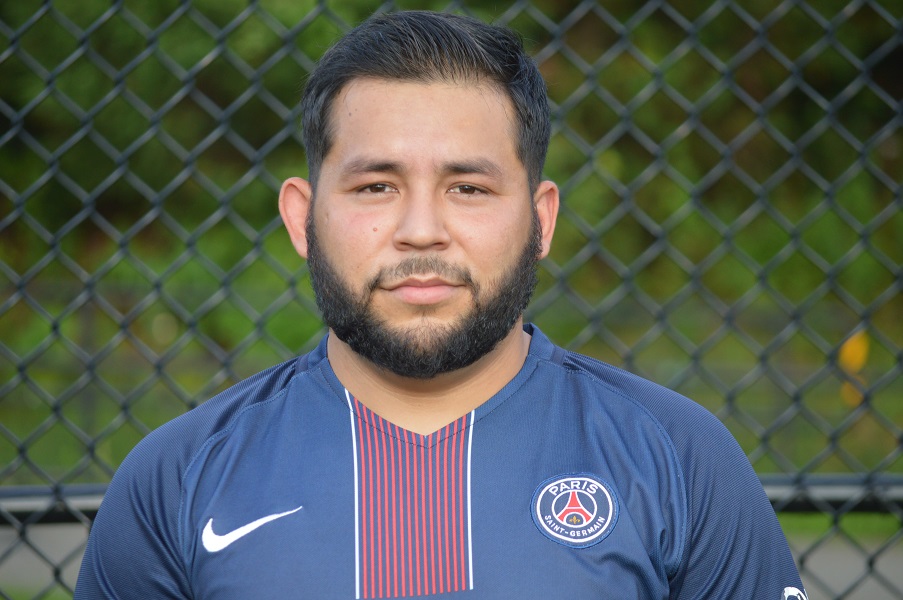
Lavar Lywood
Goalkeeper

McKinley Smith
Forward
Moussa Zongo
Defender
Ousmane Seni
Defender
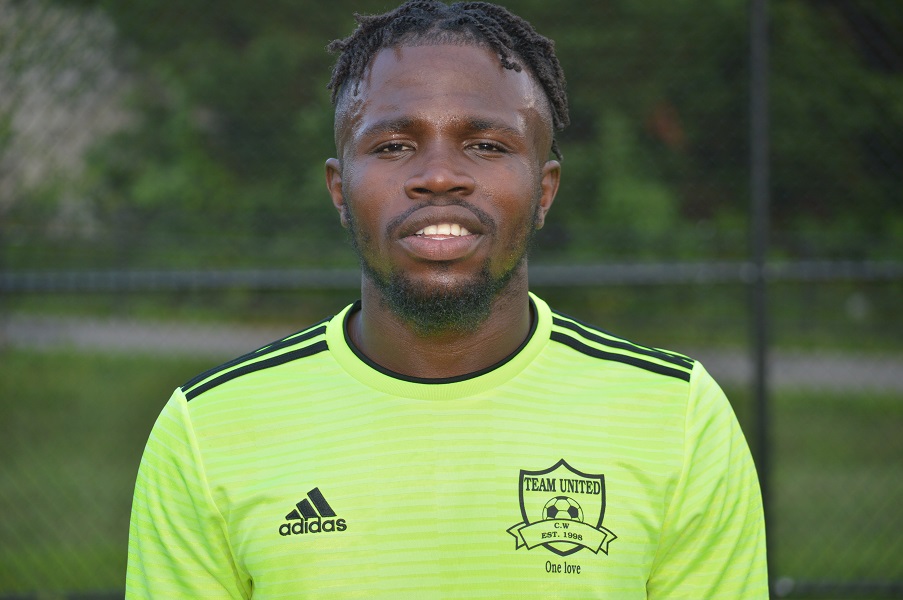
Patrick Okombi
Midfielder
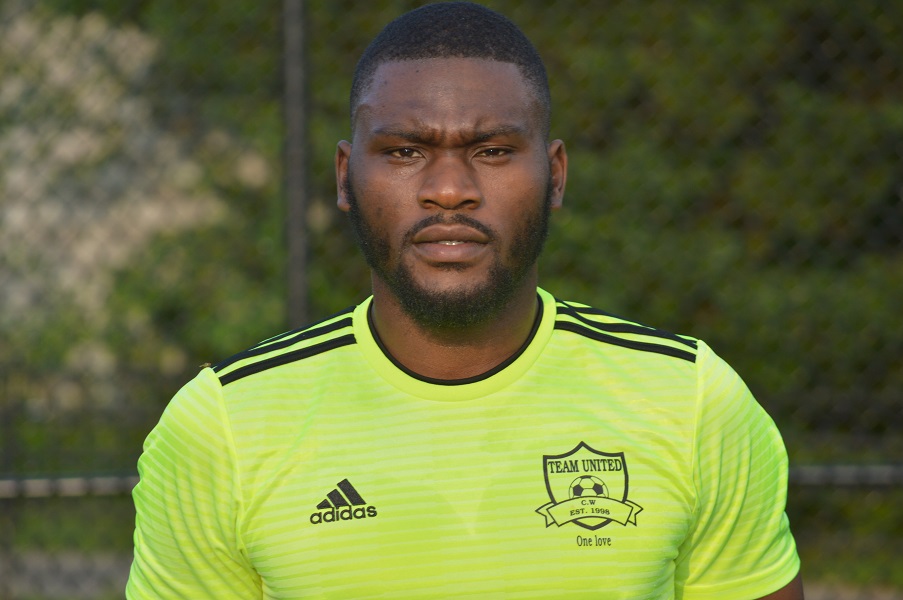
Prince Agyei
Defender
Randy Nepala
Midfielder

Rolf Nilson
Forward

Sainclair Tueno
Defender

Shane Trinble
Midfielder

Tobi Sowande
Forward
Yves Thiam
Forward

Coaching Staff
Phil Odongo
C
Phil Odongo
Head Coach