



Responsive Header
  • Where We Work
  • Cameroon
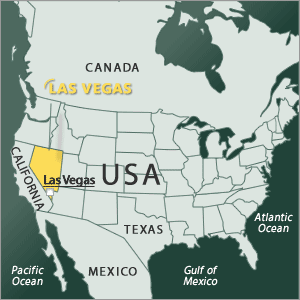
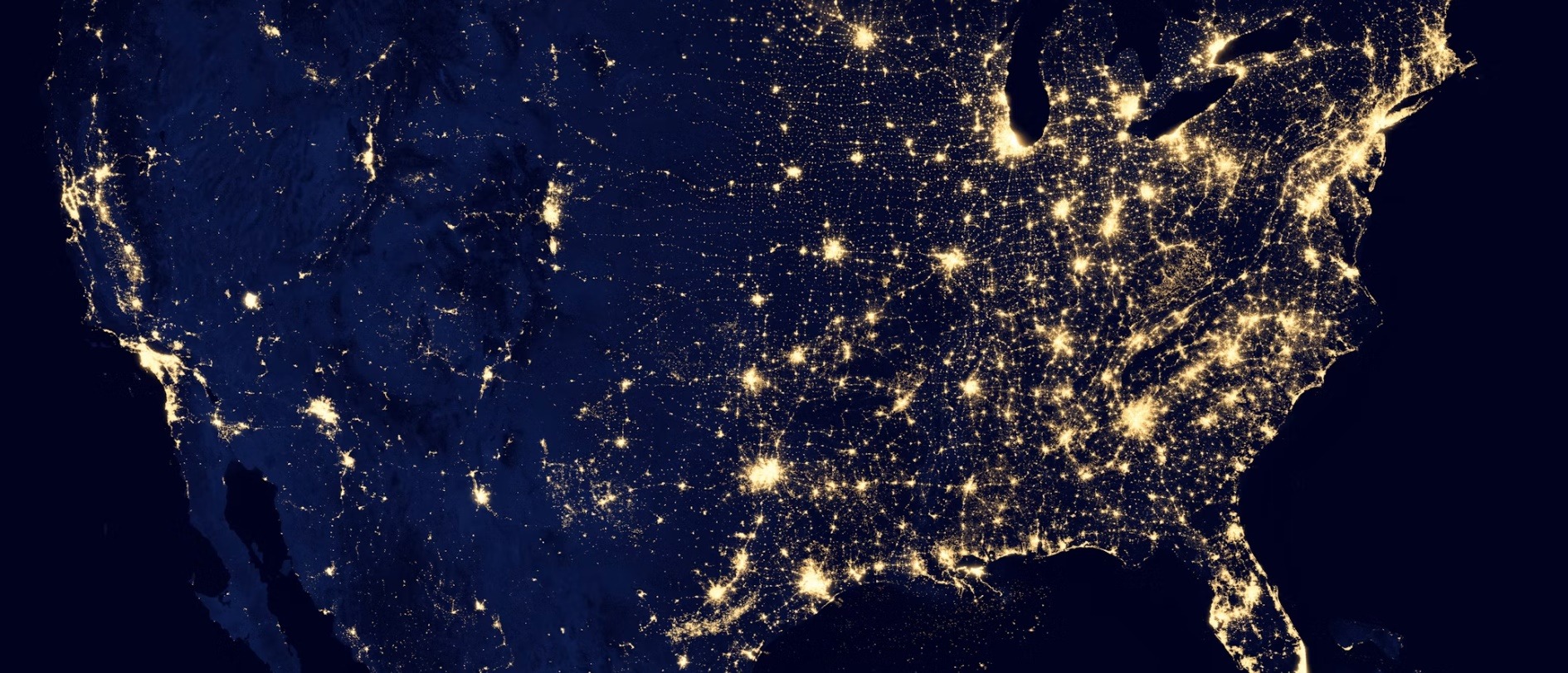
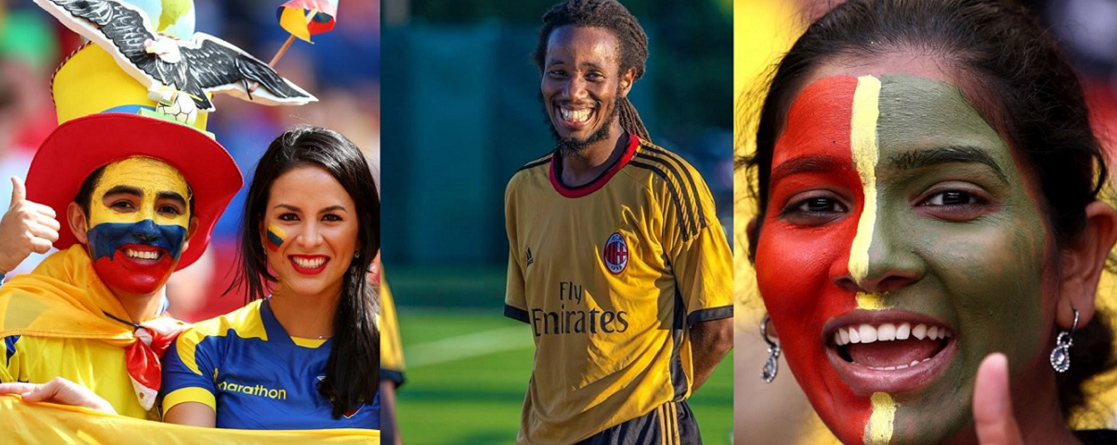
  • The Diaspora World Cup operates in some of the major cities and metro areas in United States and Canada. Our network of register players includes 20 cities, 200 countries, 400 teams, and 10,000 players. Join our movement to solve the world's most pressing challenges: Illiteracy
  • Who We are text will be here Who We are text will be here Who We are text will be here Who We are text will be here Who We are text will be here Who We are text will be here Who We are text will be here Who We are text will be here Who We are text will be here
  • What We Do text will be here What We Do text will be here What We Do text will be here What We Do text will be here What We Do text will be here What We Do text will be here What We Do text will be here What We Do text will be here What We Do text will be here What We Do text will be here What We Do text will be here What We Do text will be here
  • Get Involved text will be here Get Involved text will be here Get Involved text will be here Get Involved text will be here Get Involved text will be here Get Involved text will be here Get Involved text will be here Get Involved text will be here Get Involved text will be here Get Involved text will be here
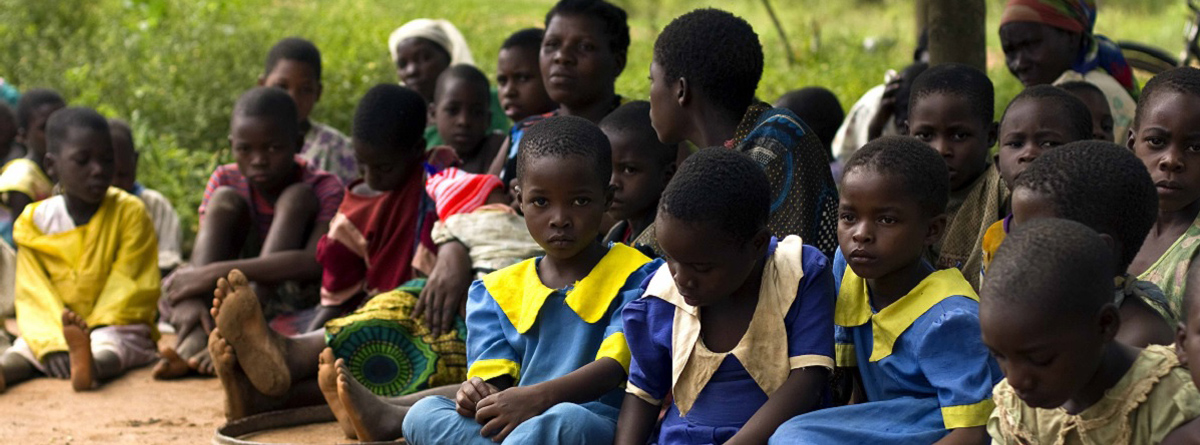
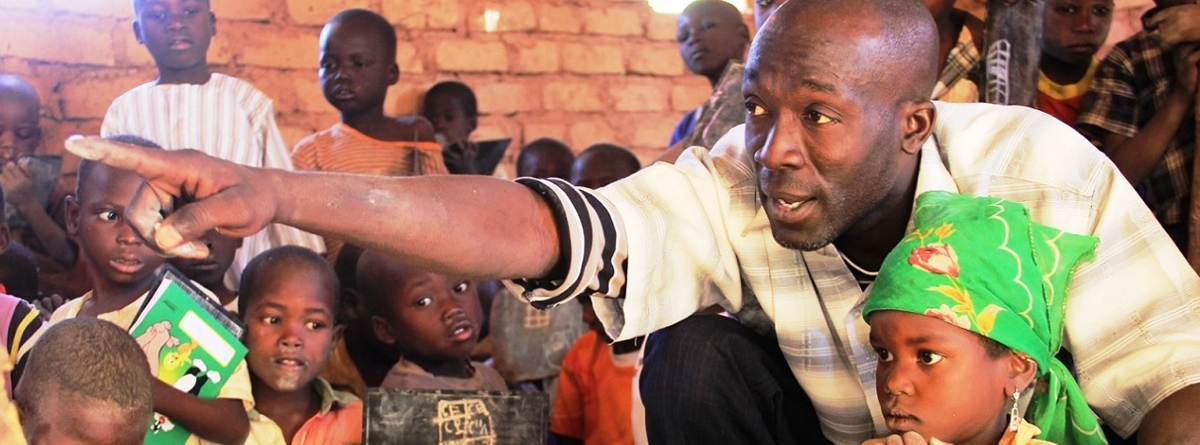
  • Education is a basic Human Right and the Diaspora World Cup global school program focuses its energy in some the poorest countries around the world. We build schools in some of the poorest countries around the worldthat historically had no adequate school structure. Any member of the World Diaspora has the power to end illiteracy around the world through the power of soccer.
  • High-profile sport figures, global leaders, business leaders, political figure, journalists, activists, philanthropists, actors, and entrepreneurs united by their commitment to the Diaspora World Cup mission to eradicate illiteracy around the world through the power of soccer. They serve as role models and spread the Diaspora World Cup vision and commitment of a world mobilized through soccer.
  •  
  •  
Diaspora 2027: complete guide to all players | The Diaspora
UNITED S.
Burtonsville – Laurel
Welcome to the 2027 Diaspora World Cup.
Burtonsville – Laurel

Significance

Immigration has profoundly shaped the United States by influencing its population, economy, languages, religions, food, arts, scientific development, political life, and cultural identity.

Immigration to the United States began during the colonial era and continued through successive movements from Europe, Africa, Asia, Latin America, the Caribbean, the Middle East, and other regions. People arrived seeking land, employment, religious freedom, education, political safety, and family reunification. The country’s early development also depended heavily on the forced transportation and enslavement of Africans, whose labour and cultural contributions became fundamental to American history. Later immigrants worked in agriculture, mining, railways, factories, construction, commerce, healthcare, science, and technology. They established neighbourhoods, businesses, churches, mosques, synagogues, temples, newspapers, schools, mutual-aid societies, and cultural organisations that transformed communities across the nation.

Immigration Before American Independence

Before independence, migration was shaped by European colonisation, religious conflict, commercial expansion, indentured labour, and the Atlantic slave trade. English, Dutch, French, Spanish, Swedish, German, Irish, Scottish, and other settlers established colonies on lands already inhabited by Indigenous peoples. Some Europeans came voluntarily as farmers, merchants, religious dissenters, artisans, soldiers, and administrators, while others arrived under contracts as indentured servants. Africans were forcibly transported to the colonies and enslaved on plantations, farms, docks, and in urban trades. Colonial settlement produced economic growth and new institutions, but it also caused Indigenous displacement, warfare, disease, and extensive loss of land. By the American Revolution, the colonies contained populations of diverse European, African, Indigenous, and mixed backgrounds.

Nineteenth- and Twentieth-Century Immigration

Immigration increased dramatically during the nineteenth century as Irish, German, Scandinavian, Chinese, Italian, Jewish, Polish, Russian, and other migrants arrived because of famine, poverty, persecution, political conflict, and industrial employment. From 1892 to 1924, more than 12 million immigrants were processed at Ellis Island. Discriminatory laws later restricted Chinese immigration and introduced national-origin quotas that favoured certain European countries. After World War II, refugees, displaced persons, professionals, students, and families entered through new programmes. The Immigration and Nationality Act amendments of 1965 abolished the national-origins quota system and expanded immigration through family and employment categories, contributing to greater migration from Asia, Latin America, Africa, and the Caribbean.

United S. country image
United S. overview image

Team Standings

Teams Mp W D L GF GA Pt
Guinea-B. Guinea-B. 0 0 0 0 0 0 0
India India 0 0 0 0 0 0 0
Liberia Liberia 9 5 3 1 27 8 18
Mozambique Mozambique 0 0 0 0 0 0 0
Netherlands Netherlands 0 0 0 0 0 0 0
Nigeria Nigeria 0 0 0 0 0 0 0
Senegal Senegal 0 0 0 0 0 0 0
South A. South A. 0 0 0 0 0 0 0
Swaziland Swaziland 0 0 0 0 0 0 0
United S. United S. 0 0 0 0 0 0 0

Squad List

Aguk Fortune
Defender

Bah Abdul
Defender

Bismark Marfo
Midfielder

Clinton Boufeh
Defender

Clinton Takang
Forward

Daniel Dentu
Midfielder

Fabrice Mbah
Midfielder

Ismael Guere
Defender

Issa Mouafo
Defender

Jules Djoma
Forward
Julio Alvarez
Goalkeeper
Karim Souley
Goalkeeper

Niha Tamia
Midfielder

Nnamaka Nwaka
Midfielder

Nyakeh Karimu
Midfielder

Philip Adu
Forward
Pierre Etoga
Goalkeeper

Richard Oboh
Midfielder

Sanley Pierre
Midfielder

Thomas Dube
Defender

Coaching Staff

Valentine Nanje
C
Valentine Nanje
Head Coach