


Responsive Header
  • Where We Work
  • Cameroon
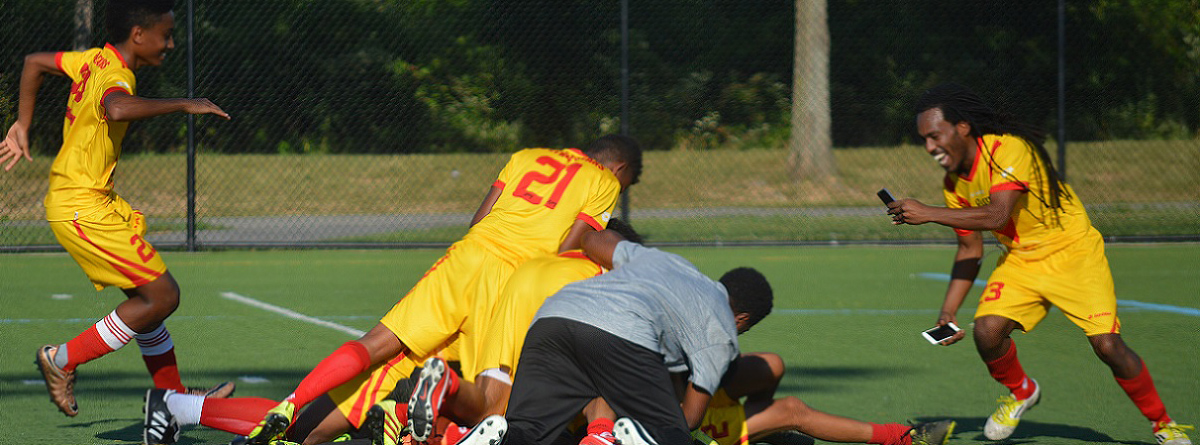
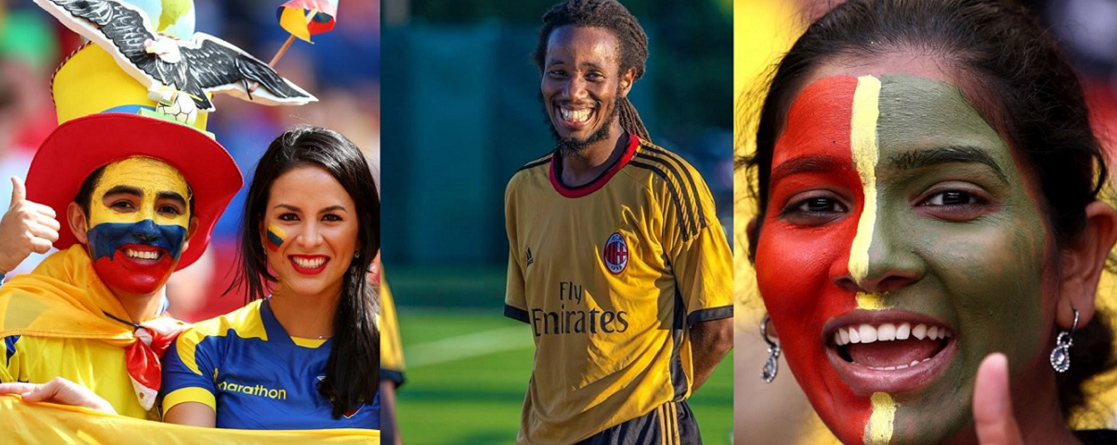
  • The Diaspora World Cup operates in some of the major cities and metro areas in United States and Canada. Our network of register players includes 20 cities, 200 countries, 400 teams, and 10,000 players. Join our movement to solve the world's most pressing challenges: Illiteracy
  • Who We are text will be here Who We are text will be here Who We are text will be here Who We are text will be here Who We are text will be here Who We are text will be here Who We are text will be here Who We are text will be here Who We are text will be here
  • What We Do text will be here What We Do text will be here What We Do text will be here What We Do text will be here What We Do text will be here What We Do text will be here What We Do text will be here What We Do text will be here What We Do text will be here What We Do text will be here What We Do text will be here What We Do text will be here
  • Get Involved text will be here Get Involved text will be here Get Involved text will be here Get Involved text will be here Get Involved text will be here Get Involved text will be here Get Involved text will be here Get Involved text will be here Get Involved text will be here Get Involved text will be here
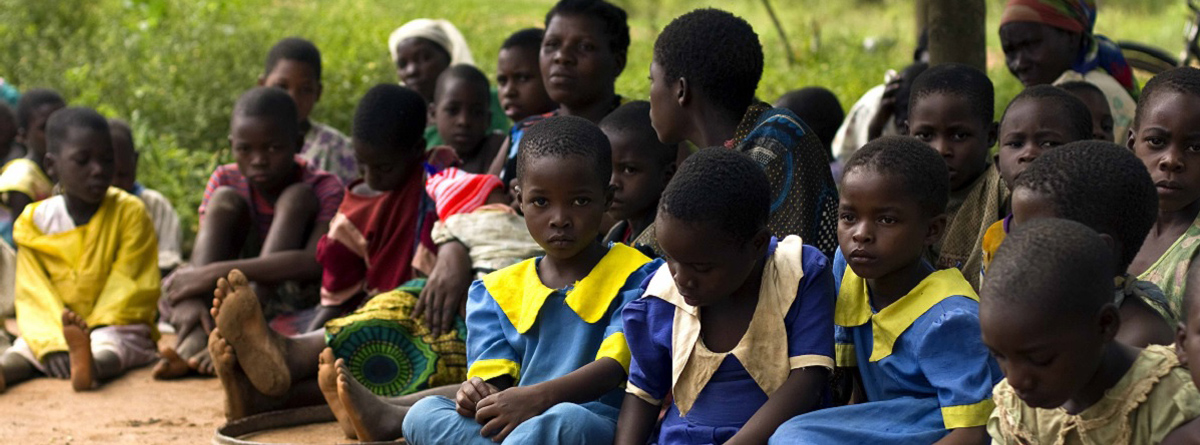
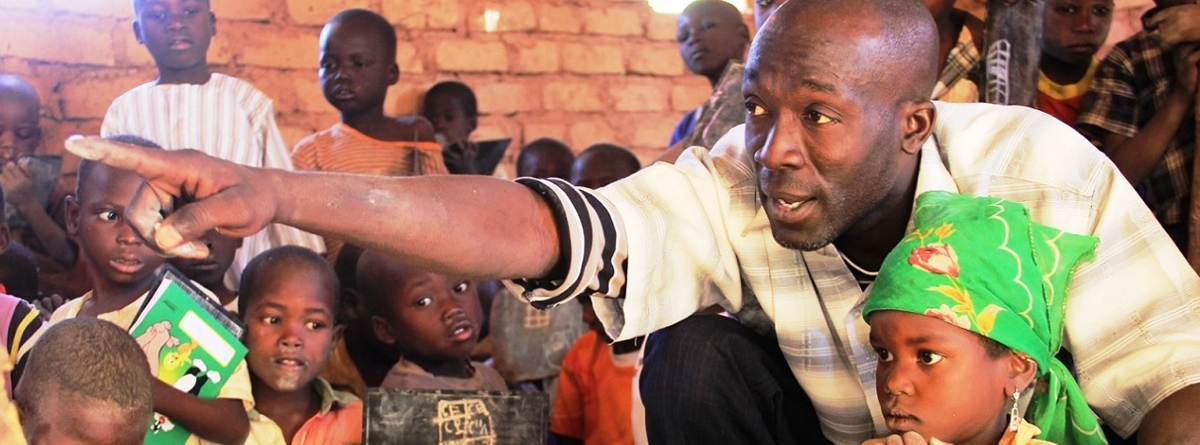
  • Education is a basic Human Right and the Diaspora World Cup global school program focuses its energy in some the poorest countries around the world. We build schools in some of the poorest countries around the worldthat historically had no adequate school structure. Any member of the World Diaspora has the power to end illiteracy around the world through the power of soccer.
  • High-profile sport figures, global leaders, business leaders, political figure, journalists, activists, philanthropists, actors, and entrepreneurs united by their commitment to the Diaspora World Cup mission to eradicate illiteracy around the world through the power of soccer. They serve as role models and spread the Diaspora World Cup vision and commitment of a world mobilized through soccer.
  •  
  •  
Diaspora 2027: complete guide to all players | The Diaspora
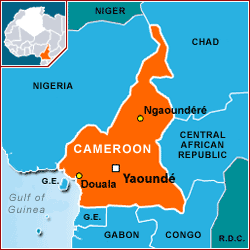
CAMEROON
Burtonsville – Laurel
Welcome to the 2027 Diaspora World Cup.
Burtonsville – Laurel

Significance

Cameroonian immigration to the United States has generally reflected colonial connections, limited employment, education, professional opportunities, political repression, regional conflict, asylum, family reunification, and the Diversity Visa programme.

Cameroonian migration to the United States remained relatively limited until the late twentieth century. Early arrivals mainly included students, diplomats, religious workers, academics, businesspeople, and professionals seeking education or specialised employment. Immigration increased after changes to American immigration law expanded opportunities for African migrants through family sponsorship, skilled employment, refugee protection, and university study. The Immigration Act of 1990 also created the Diversity Visa programme, which became an important pathway for people from underrepresented countries such as Cameroon. Economic difficulties, political restrictions, established family networks, and English- and French-language connections encouraged further migration. Cameroonian immigrants established businesses, churches, cultural associations, professional networks, and community organisations while maintaining close relationships with relatives at home.

Cameroonian Migration Before Independence

Before independence, migration was shaped by regional trade, colonial labour systems, agriculture, military service, education, and movement across Central and West Africa. Cameroon became a German protectorate in 1884, but after Germany’s defeat in World War I, the territory was divided into French- and British-administered areas. Residents travelled to Nigeria, Gabon, Equatorial Guinea, French territories, and other nearby regions as traders, plantation workers, soldiers, domestic workers, students, and government employees. Direct migration to the United States remained uncommon because most educational, political, and commercial connections operated through France, Britain, and neighbouring African territories. French-administered Cameroon became independent on January 1, 1960, and the United States recognised the new republic and established diplomatic relations on the same day.

Late-Twentieth- and Early-Twenty-First-Century Immigration

Cameroonian immigration increased during the late twentieth and early twenty-first centuries as students, doctors, engineers, nurses, academics, technology workers, businesspeople, and families travelled to the United States. The Immigration and Nationality Act of 1965 expanded family-based opportunities, while the 1990 Diversity Visa programme and skilled-employment categories opened additional pathways. Political tensions, unemployment, economic uncertainty, and concerns about civil rights also influenced migration. From 2016 onward, conflict in Cameroon’s English-speaking North-West and South-West regions forced many residents from their homes and led thousands to seek protection in neighbouring Nigeria; some Cameroonians also pursued asylum farther abroad. Community organisations in the United States helped newcomers obtain housing, education, employment, legal assistance, and social support while preserving French, English, Indigenous languages, food, music, religious traditions, and cultural festivals.

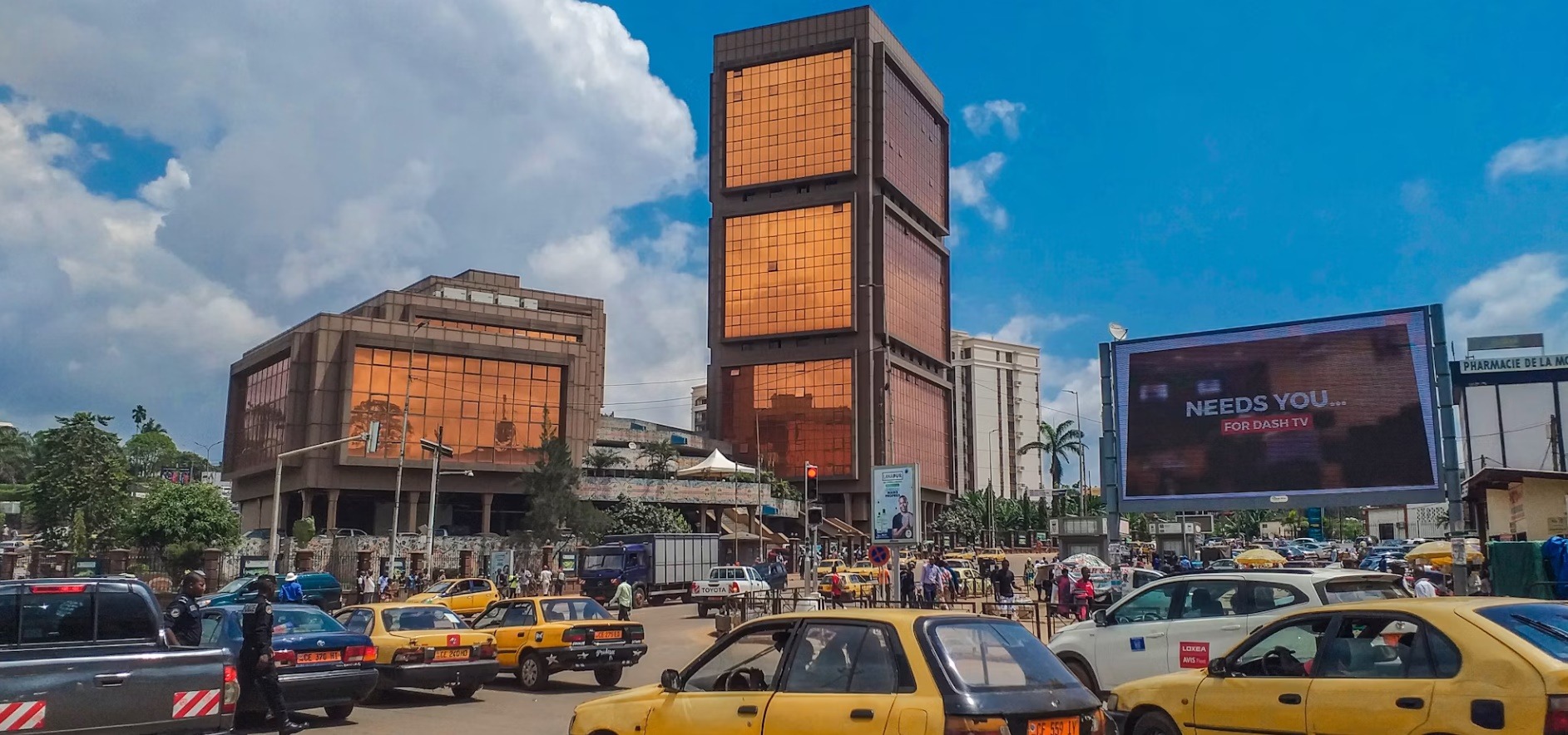
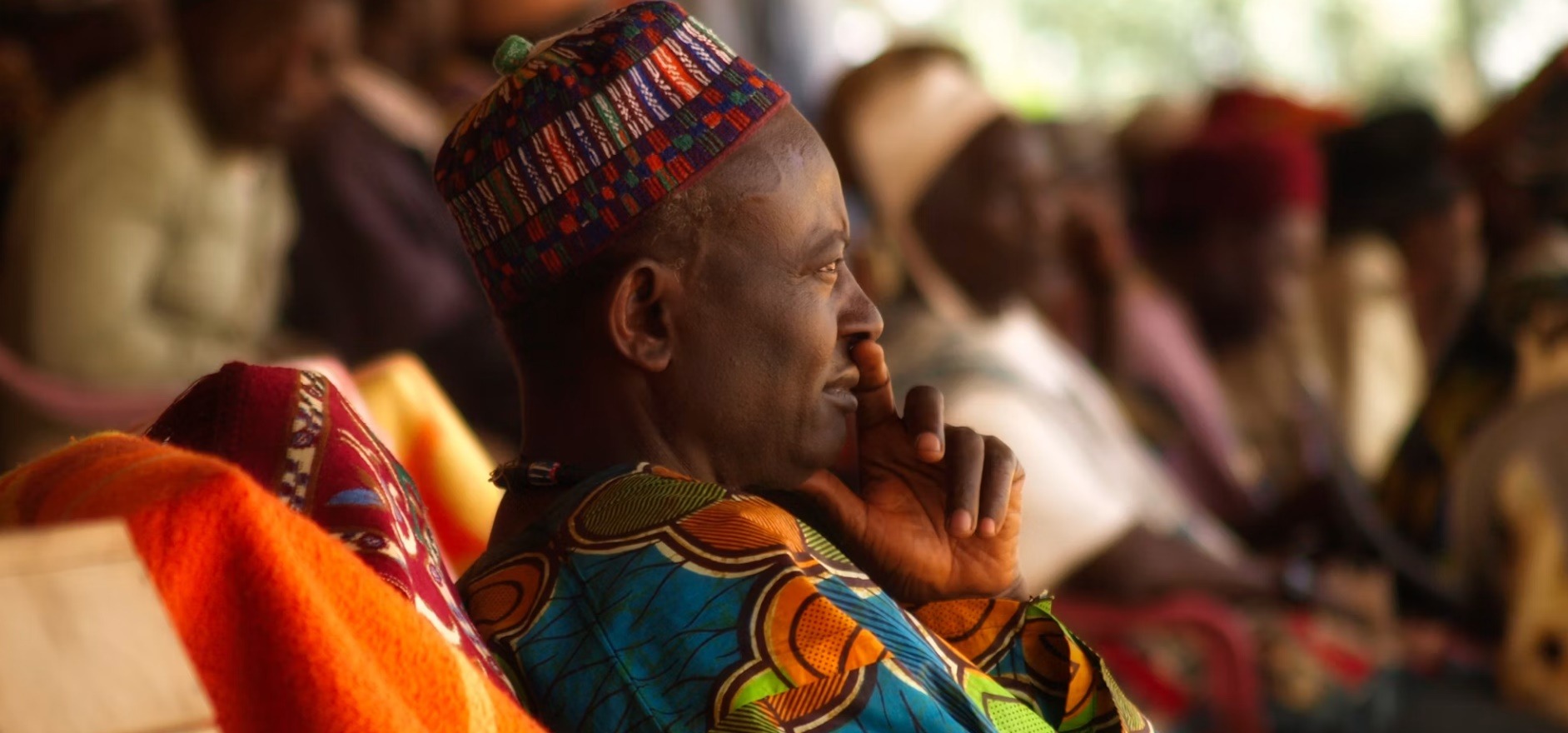
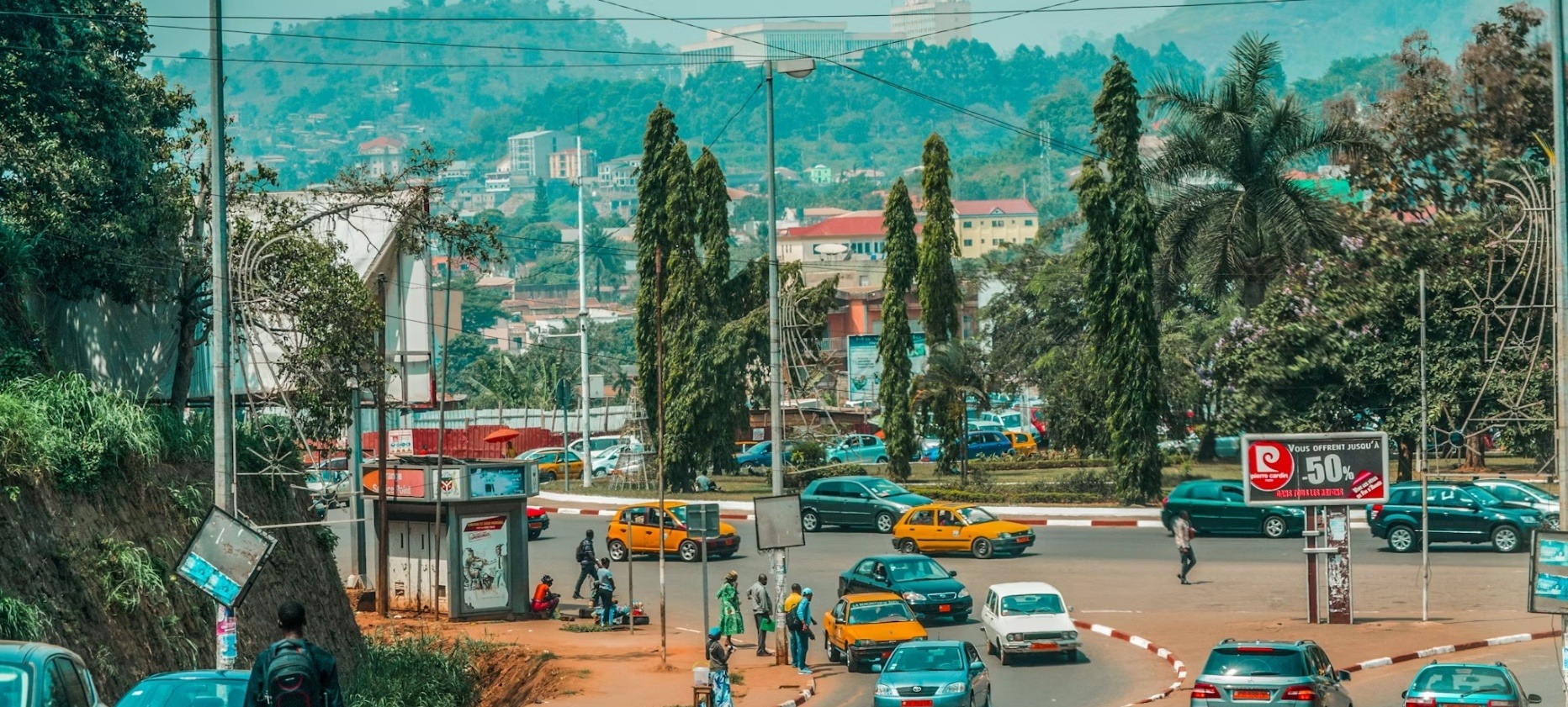
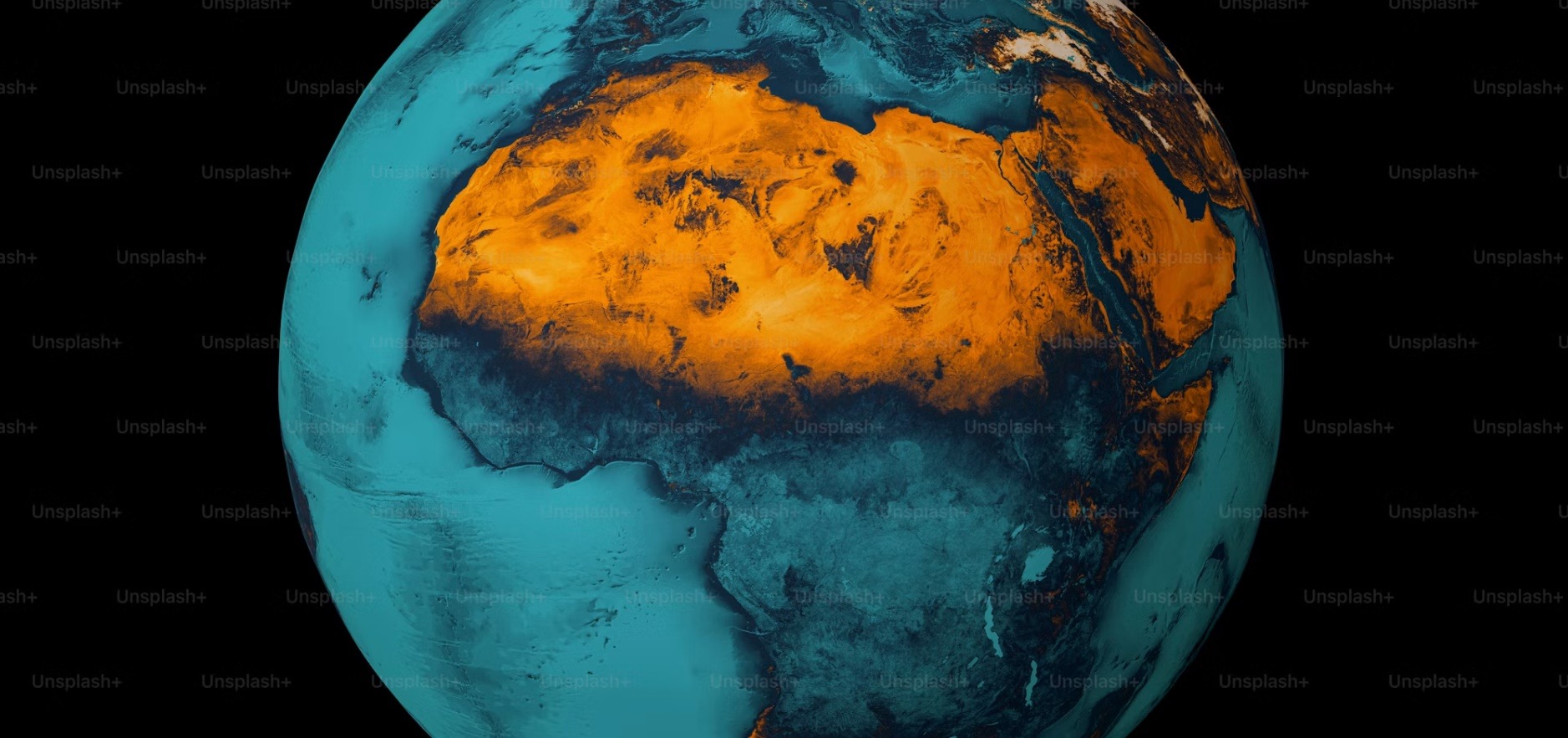
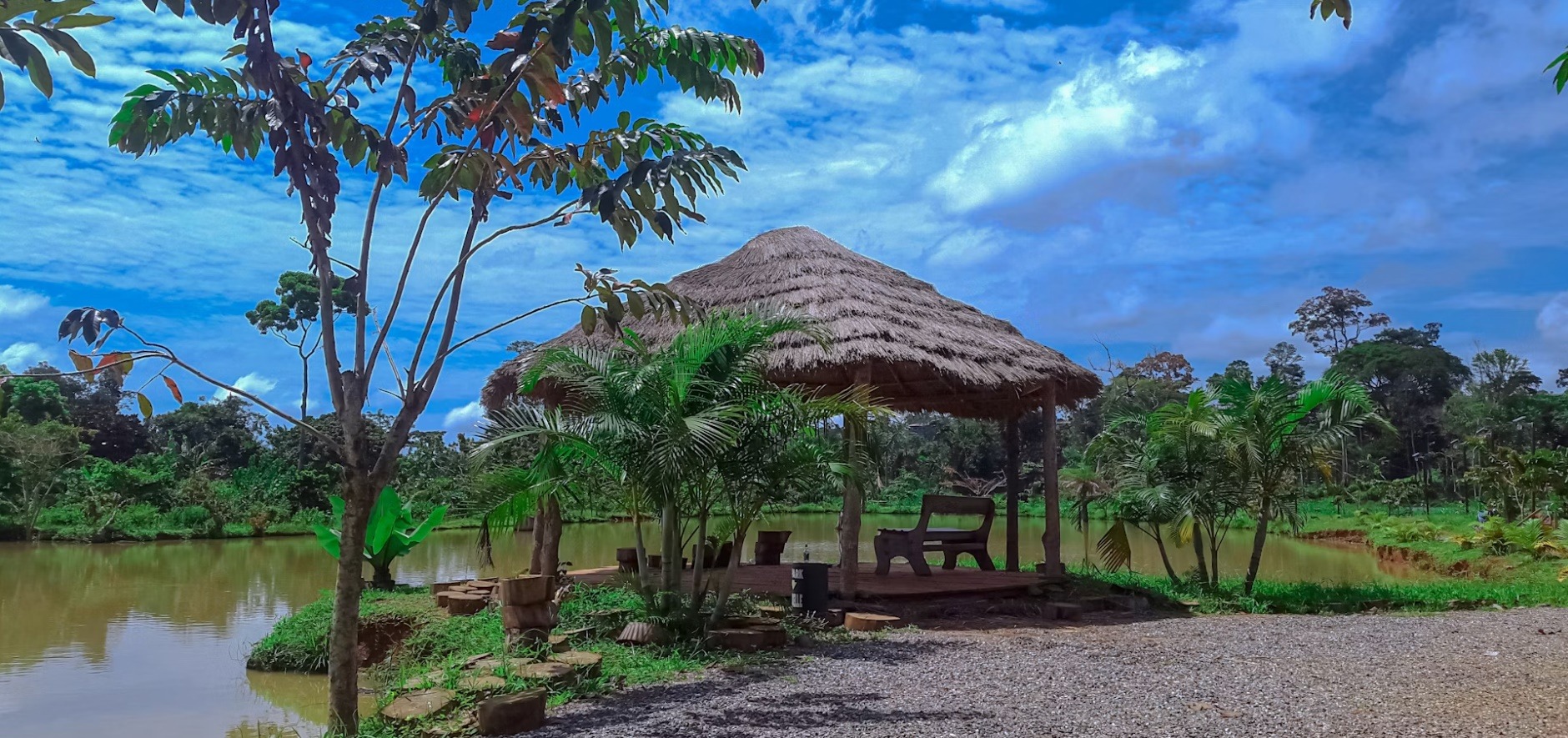
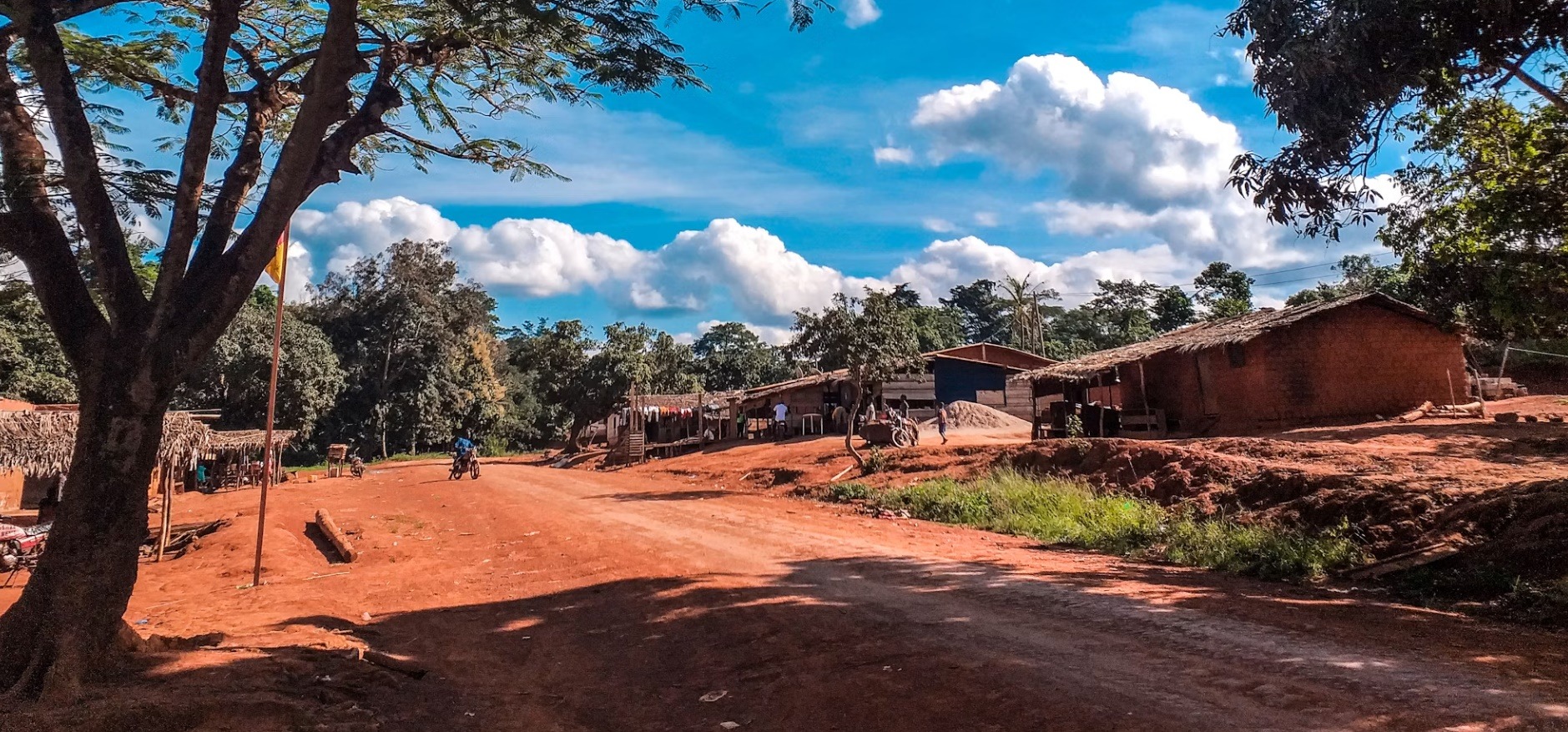
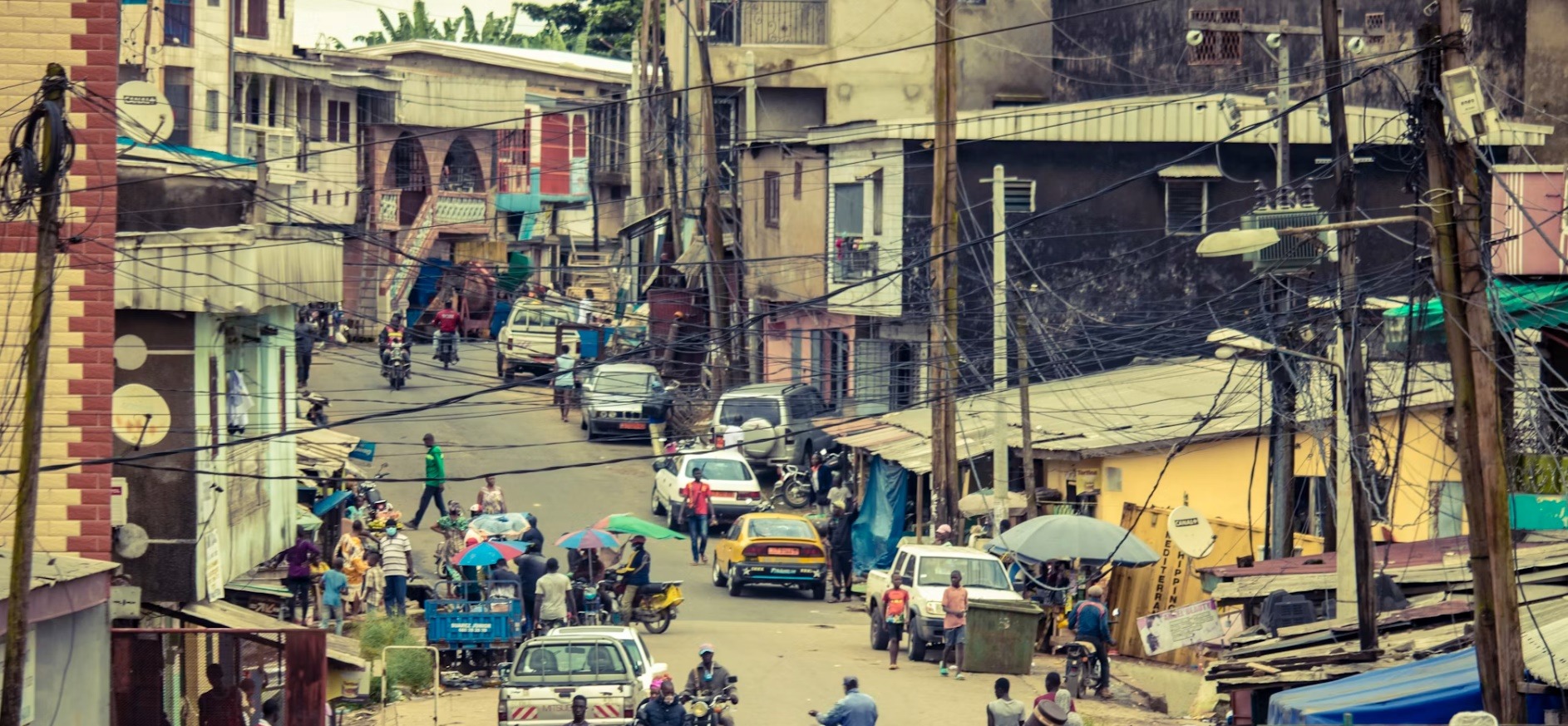
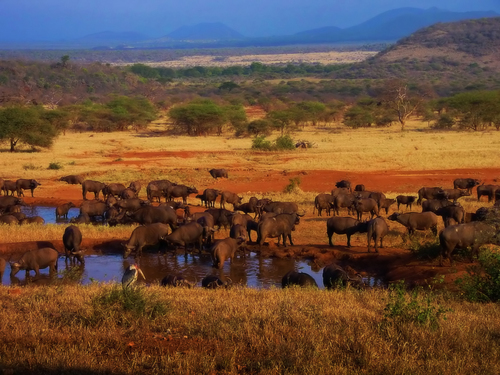
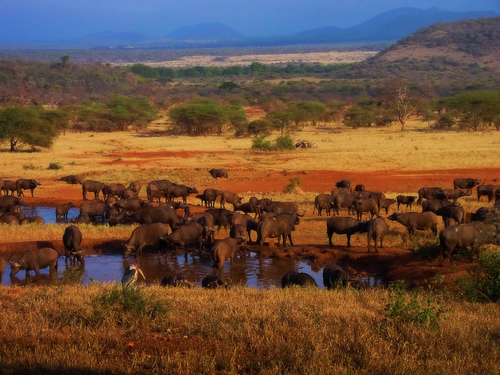
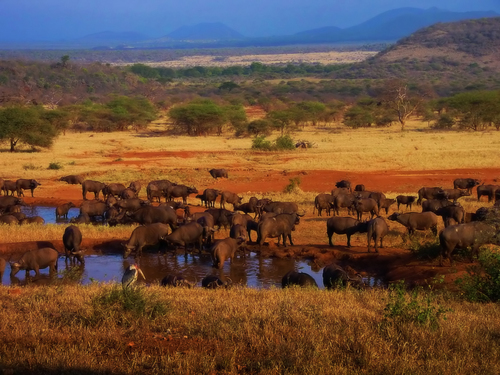
Cameroon country image
Cameroon overview image

Team Standings

Teams Mp W D L GF GA Pt
African U. African U. 0 0 0 0 0 0 0
Cameroon Cameroon 0 0 0 0 0 0 0
Colombia Colombia 0 0 0 0 0 0 0
England England 0 0 0 0 0 0 0
Ethiopia Ethiopia 0 0 0 0 0 0 0
Ghana Ghana 0 0 0 0 0 0 0
Haiti Haiti 0 0 0 0 0 0 0
Jamaica Jamaica 0 0 0 0 0 0 0
Sierra L. Sierra L. 0 0 0 0 0 0 0
Tanzania Tanzania 0 0 0 0 0 0 0

Squad List

Adekunle Yemi
Midfielder
Boni Eka
Forward
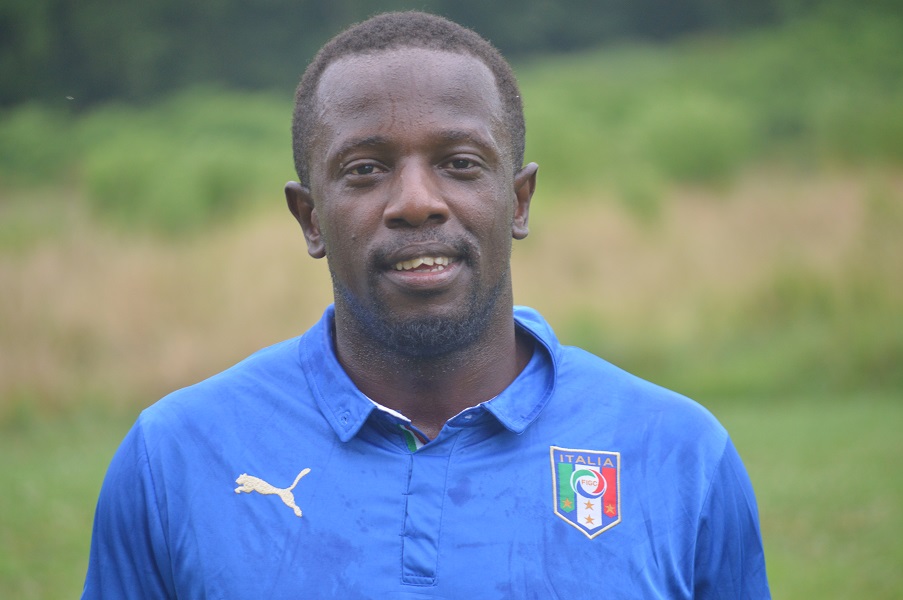
Didier Fon
Forward
Emma Ebong
Forward
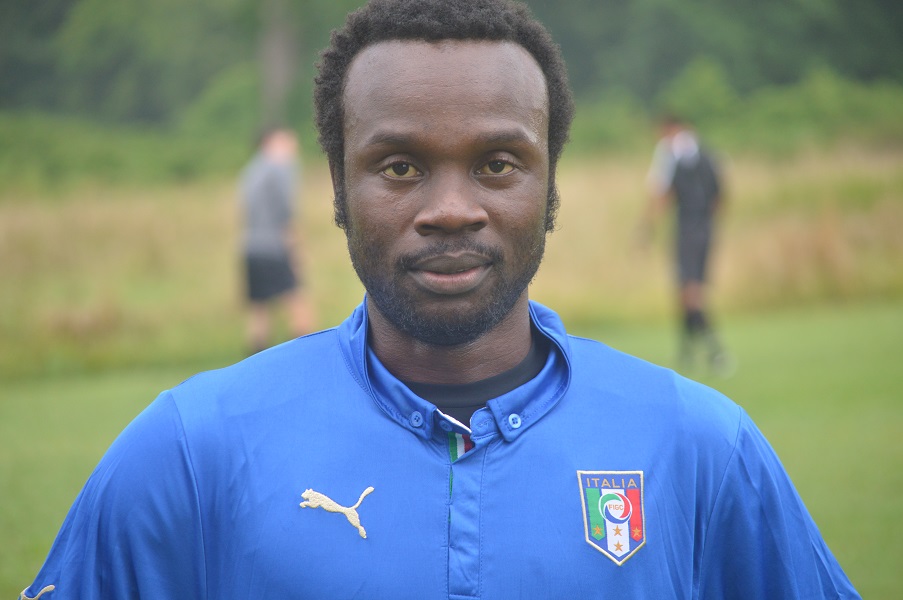
Eric Kouekam
Midfielder
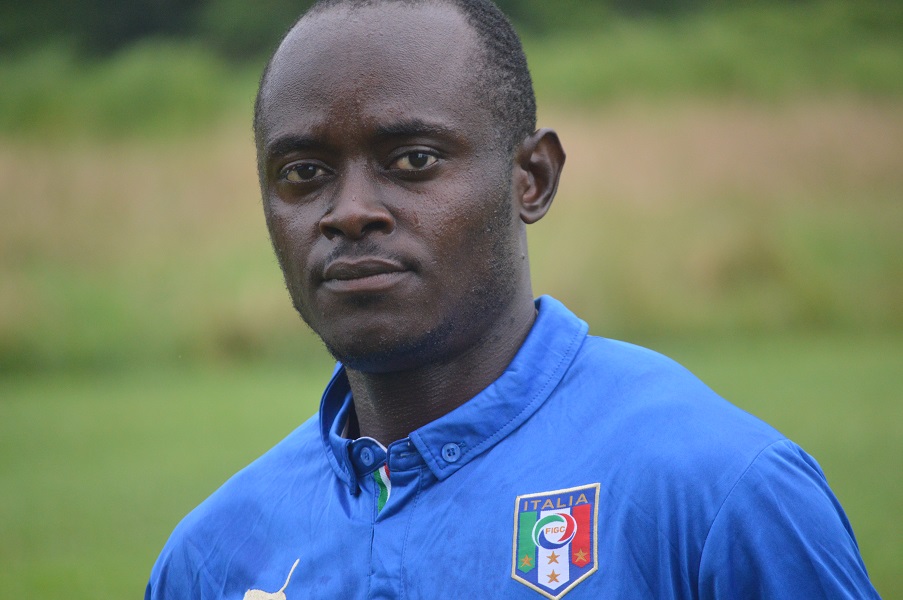
Ernest Ngipe
Defender
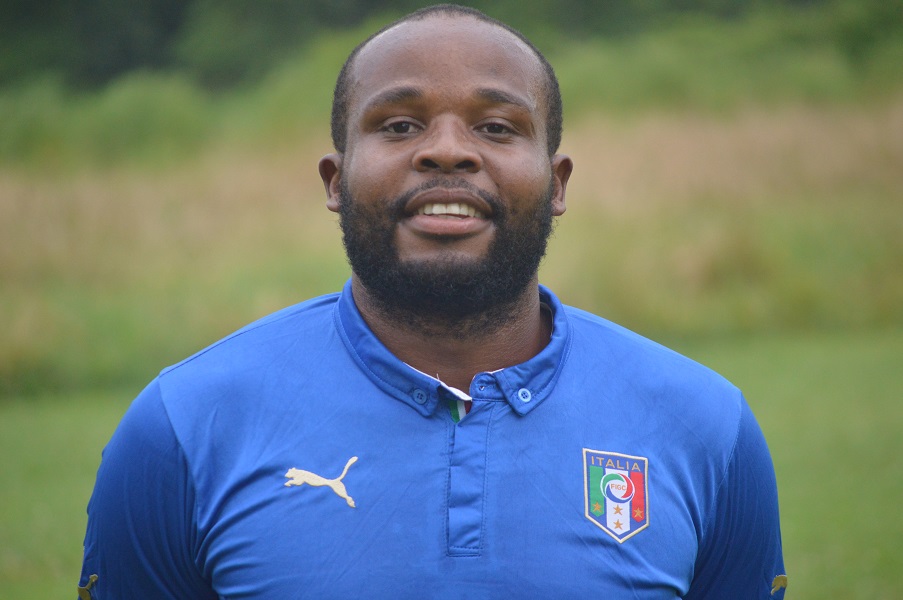
Galidece Ngapeth
Forward
Hasan Konate
Forward
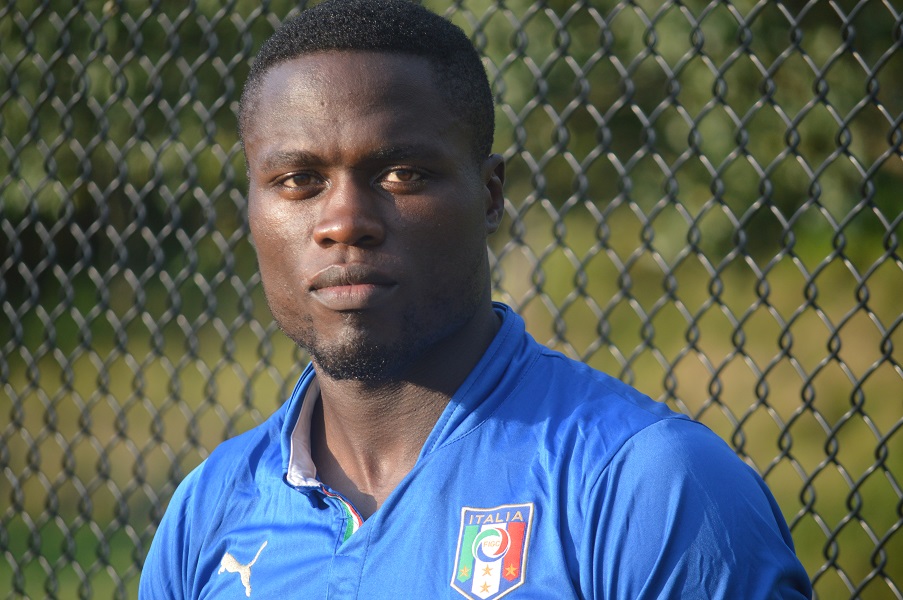
Henry Ndikum
Defender
Jean Moutapan
Midfielder
John Ndikoum
Midfielder
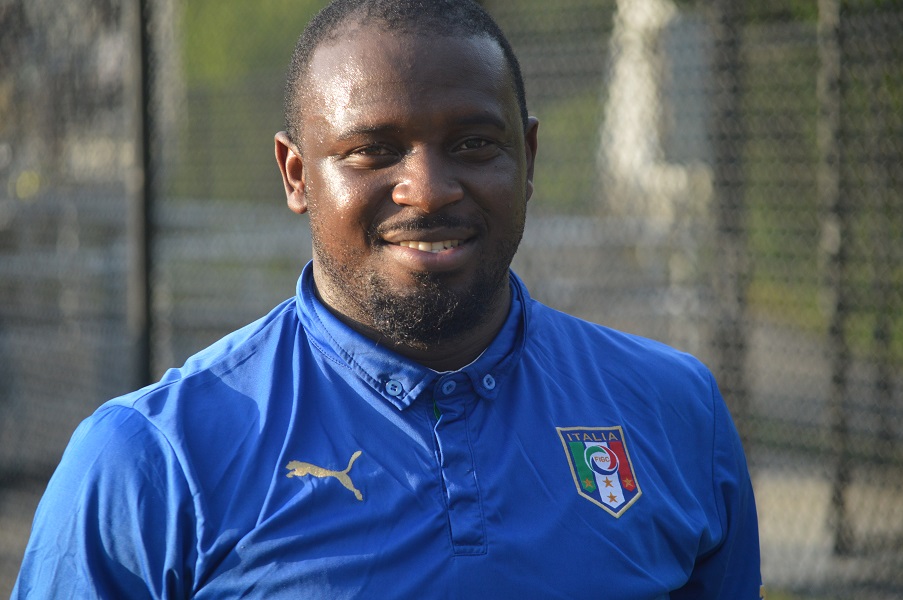
Jude Menuh
Defender
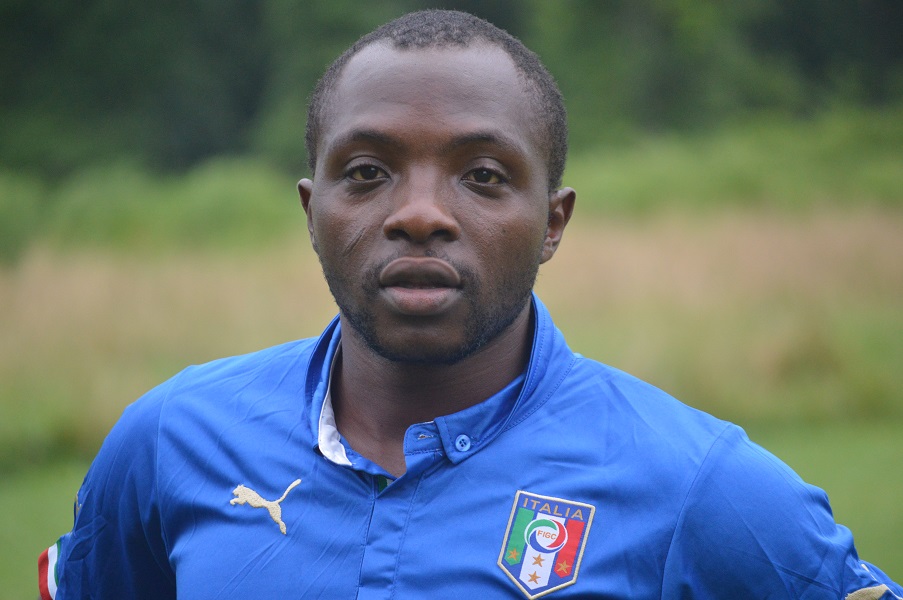
Kamara Adey
Midfielder
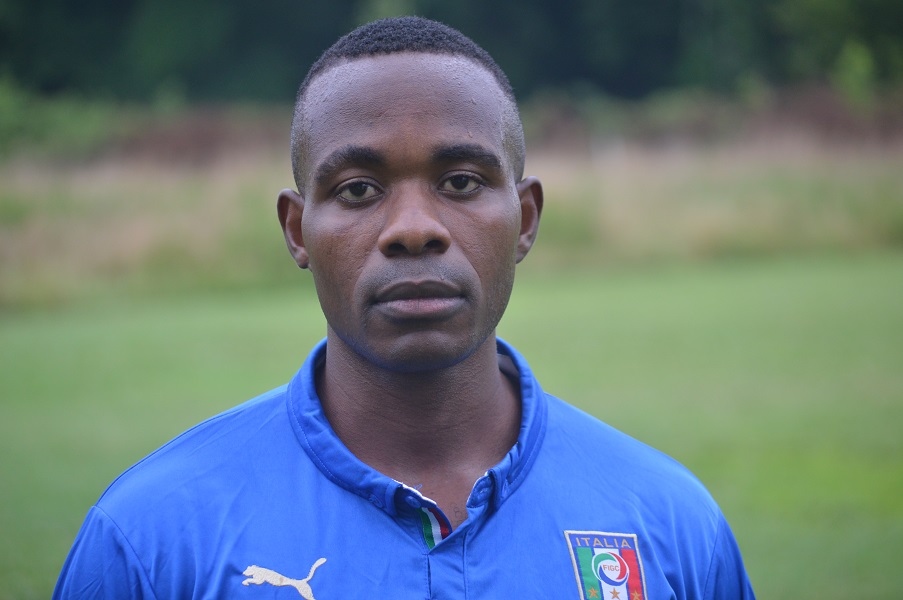
Louis Ngoh
Midfielder
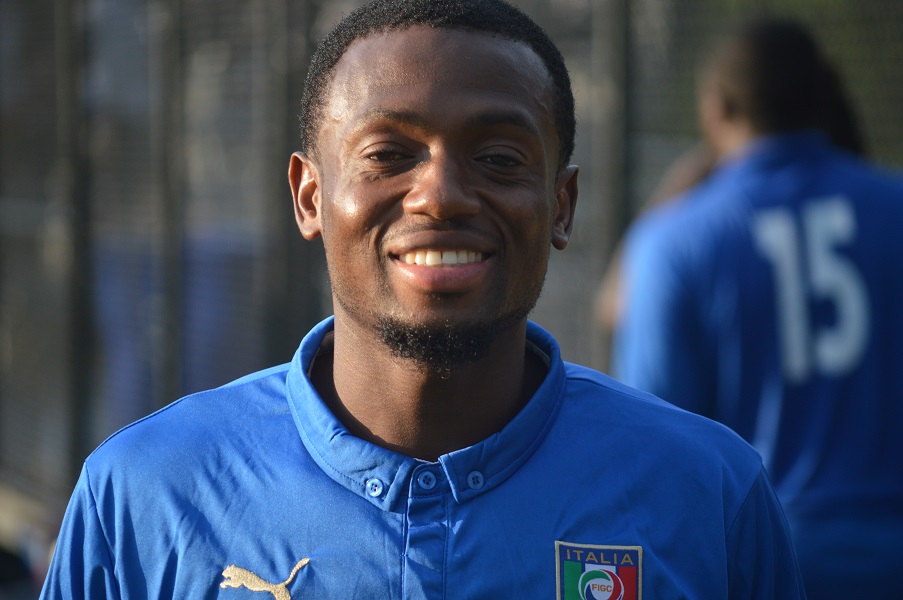
Loveri Nkeck
Defender
Mannie Yamson
Midfielder
Martin Negou
Defender
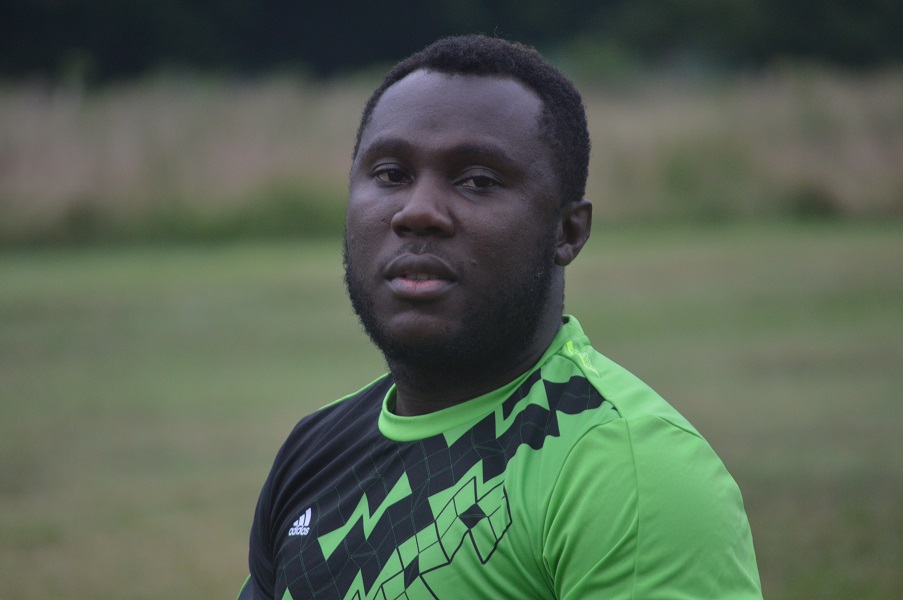
Ndip Njock
Goalkeeper
Ndonga Alain
Goalkeeper
Pierre Neboue
Goalkeeper
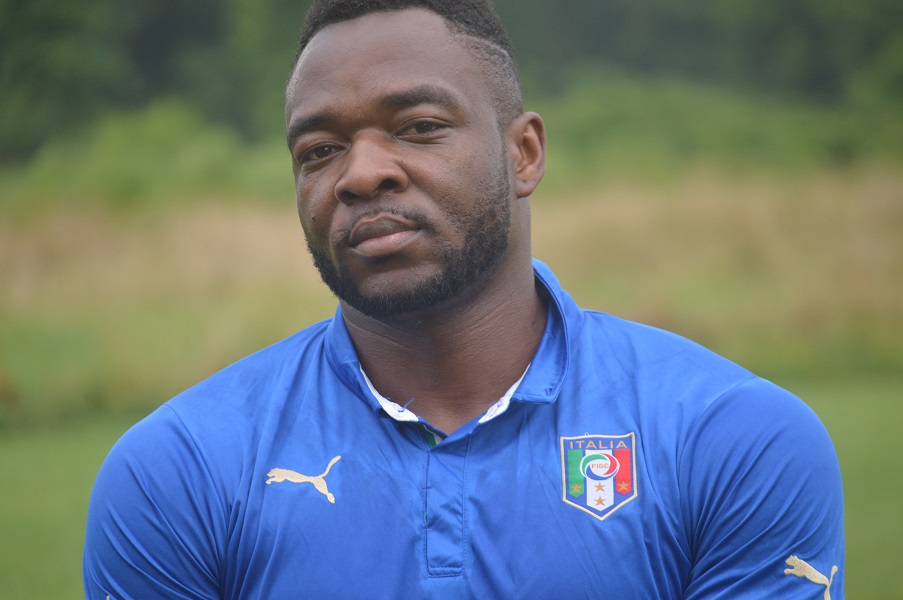
Sam Defeugang
Forward
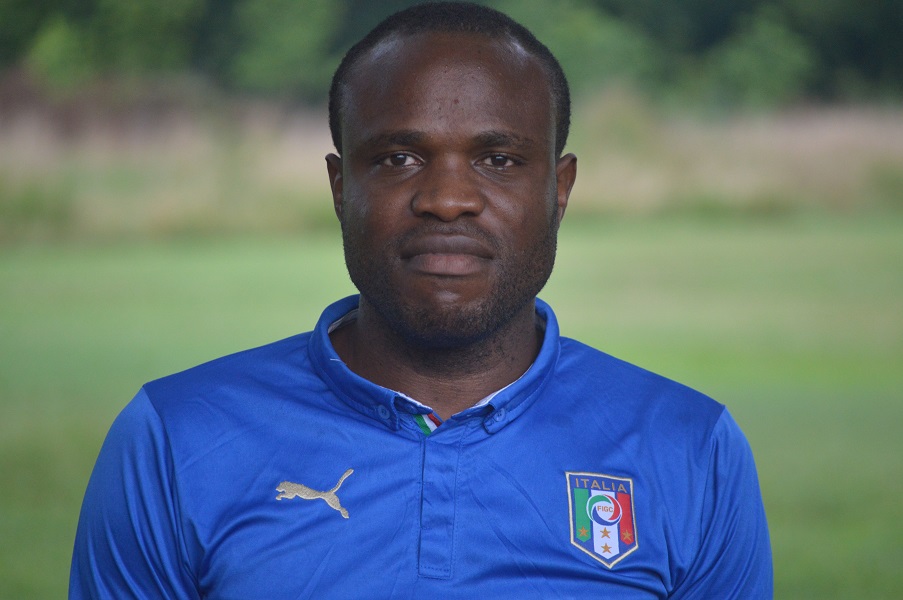
Samuel Mbah
Defender
Sorel Eboue
Defender
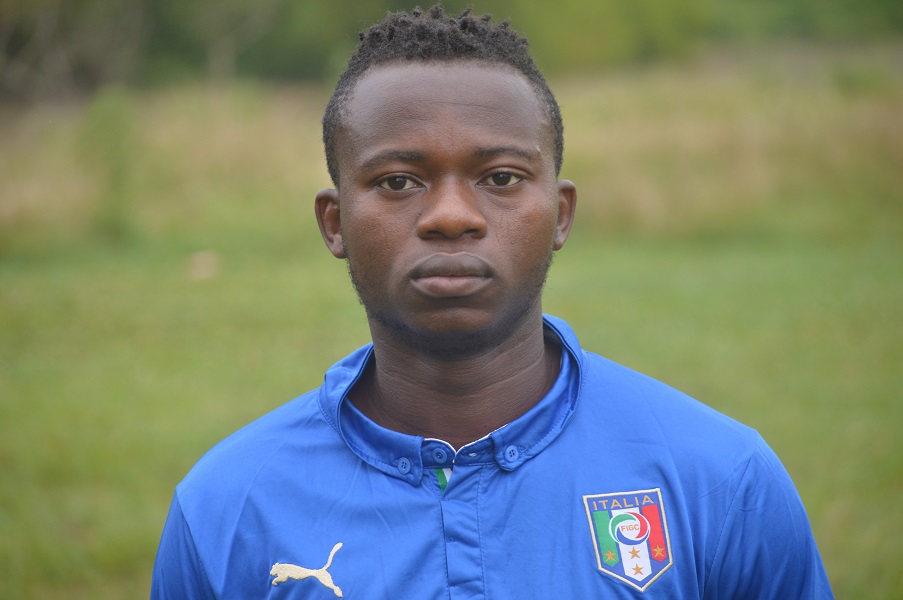
Tosin Ibikunle
Midfielder
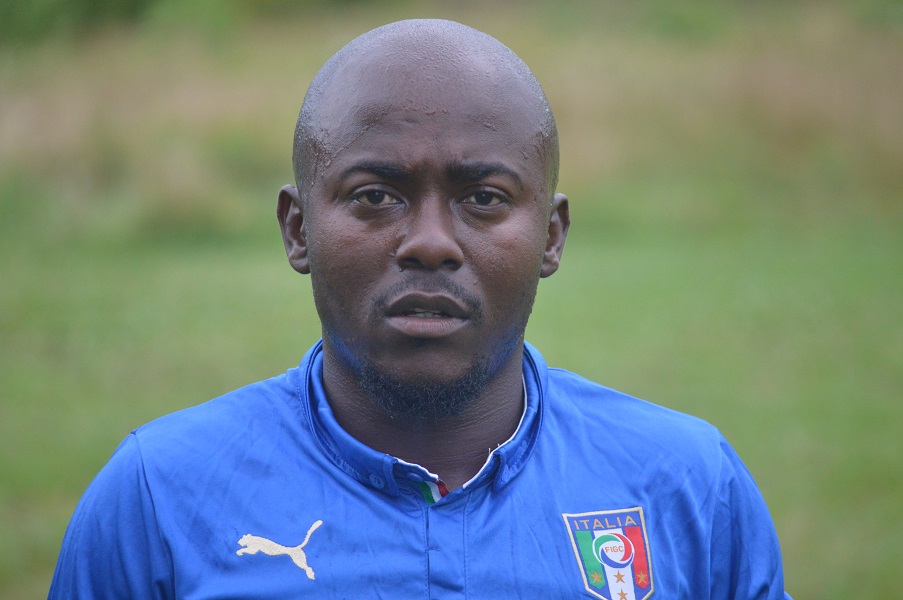
Trevoue Forchu
Midfielder

Coaching Staff
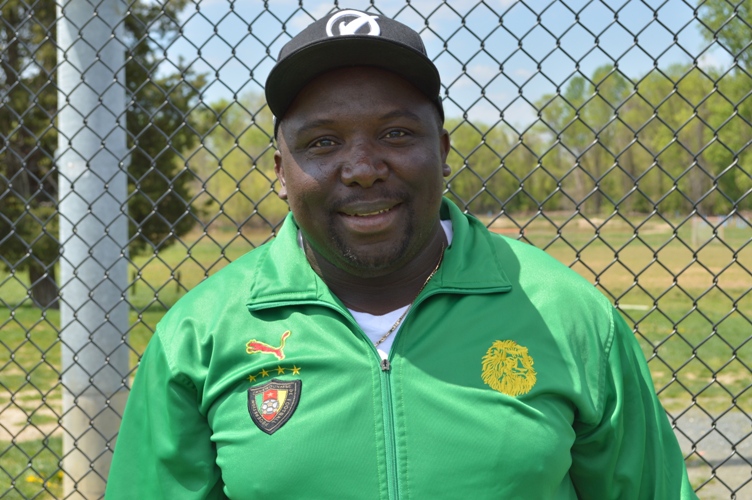
Brandon C.
C
Brandon C.
Head Coach