








Significance
Tanzanian migration has generally reflected regional trade, family relationships, education, employment opportunities, rural economic pressures, political conflicts in neighbouring countries, and the search for greater economic security in Africa, Europe, and North America.
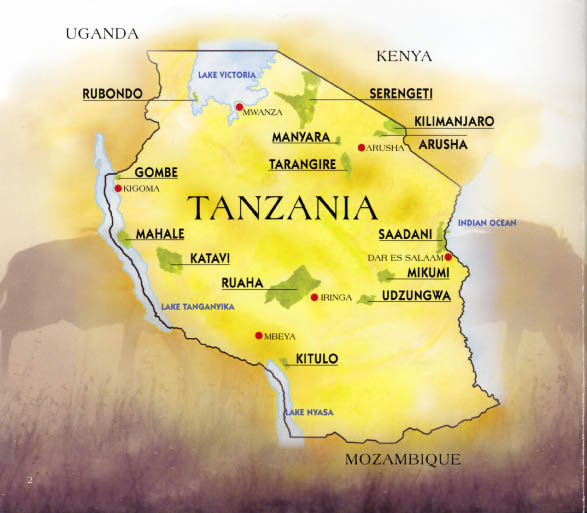
Tanzanian migration developed from long-established East African traditions of travel, trade, marriage, farming, pastoralism, and family connections between neighbouring communities. Movement occurred across the territories of present-day Tanzania, Kenya, Uganda, Rwanda, Burundi, Zambia, Malawi, Mozambique, and the Democratic Republic of the Congo centuries before modern borders were established. During the colonial period, plantations, mines, railways, ports, and growing towns created new patterns of labour migration. After independence, many Tanzanians moved internally from rural communities to Dar es Salaam and other cities, while others travelled abroad for education, professional employment, business, and family reunification. Tanzanian communities overseas continued to maintain close relationships with their homeland through financial assistance, family visits, cultural organisations, religious activities, and the preservation of Swahili and traditional customs.
Tanzanian Migration Before European Colonial Rule
Migration across East Africa existed centuries before European colonial rule, as farmers, pastoralists, fishermen, merchants, and craftspeople moved in search of fertile land, water, security, trade opportunities, marriage, and new settlements. Inland communities participated in trade networks connecting the Great Lakes region with the Indian Ocean coast. Coastal towns and the islands of Zanzibar attracted African, Arab, Persian, and Indian merchants involved in the trade of ivory, spices, cloth, and other goods. Germany established control over much of mainland Tanzania during the late nineteenth century, creating German East Africa. After Germany’s defeat in World War I, Tanganyika came under British administration. Colonial borders and labour systems changed older migration routes, although communities continued to maintain family and commercial connections across neighbouring territories.
Twentieth-Century Migration
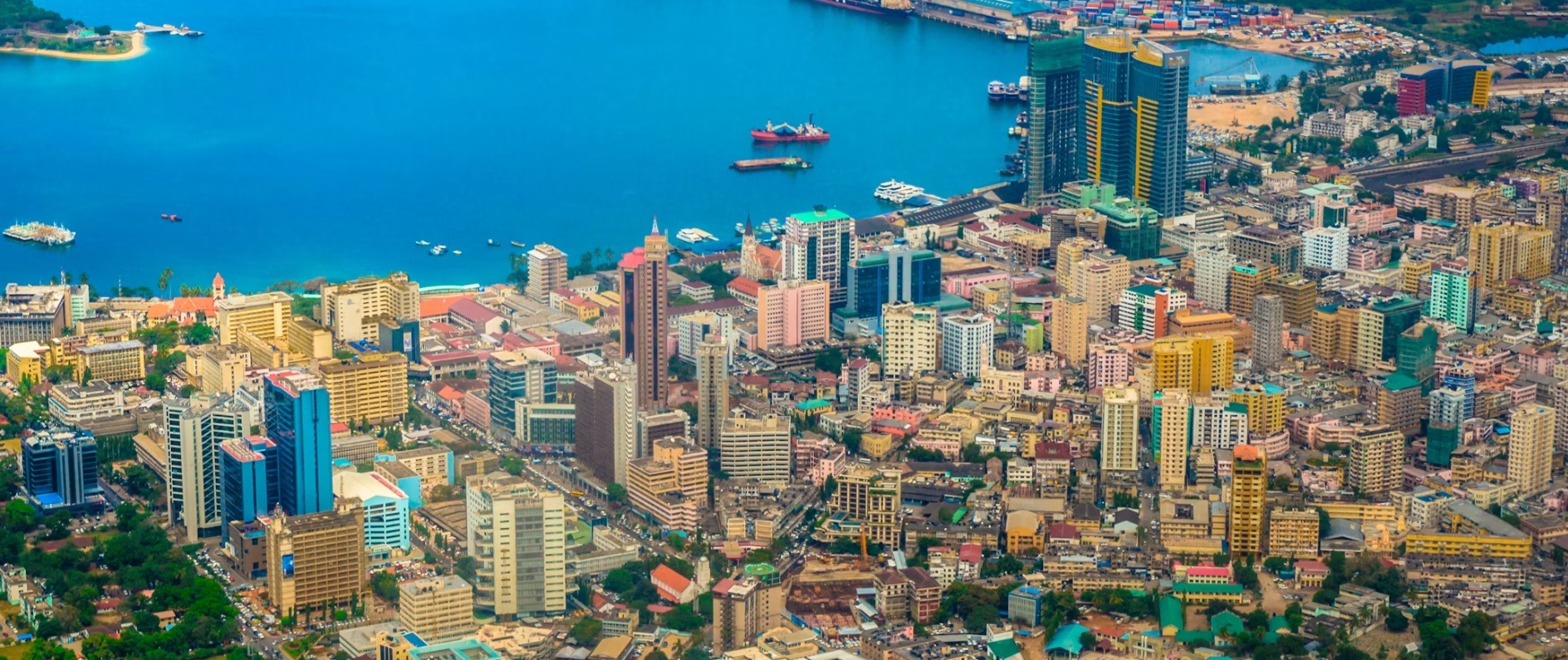
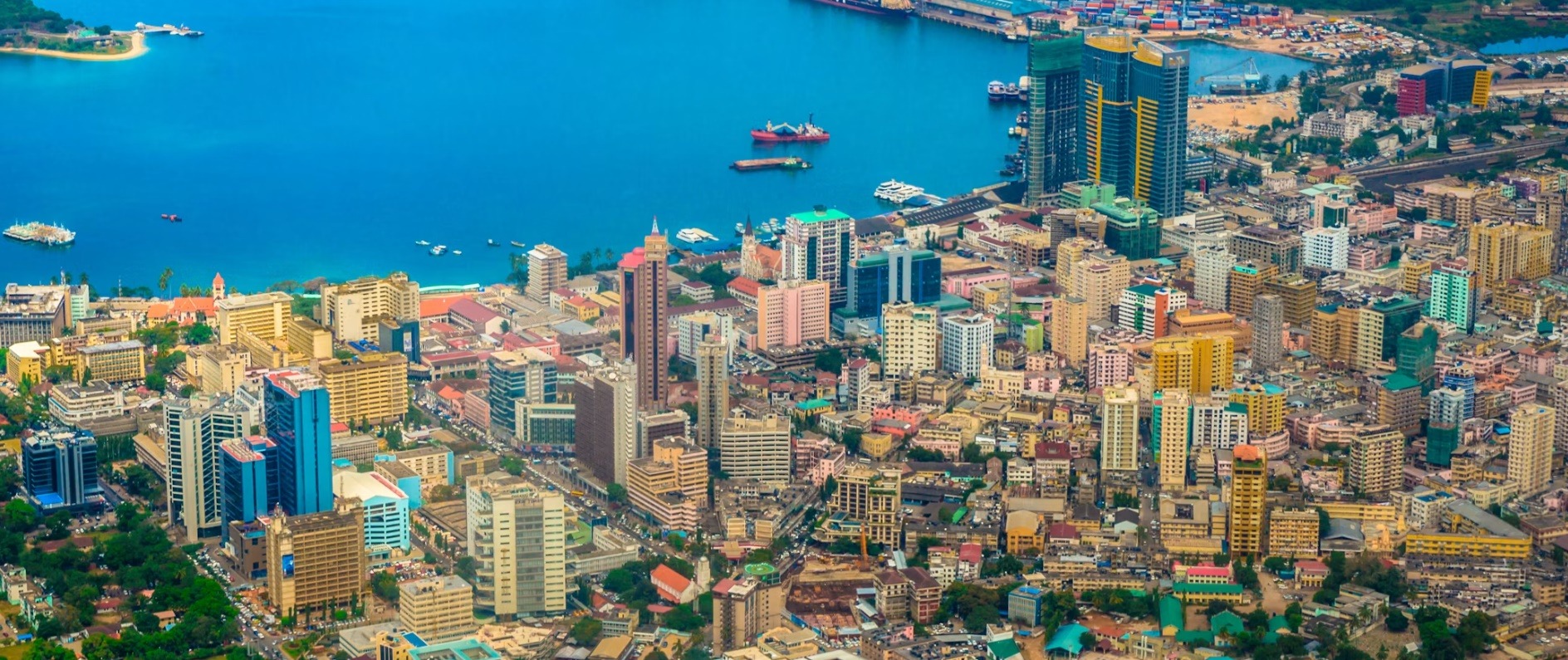
Tanzanian migration increased during the twentieth century as transportation, education, urban development, and wage employment expanded. Many rural residents moved to Dar es Salaam, Arusha, Mwanza, and other towns for factory, construction, government, commercial, and service-sector work. Tanganyika achieved independence from Britain in 1961, while Zanzibar became independent in 1963. The two territories united in 1964 to form the United Republic of Tanzania. Regional conflicts later brought refugees from Burundi, Rwanda, Mozambique, and the Democratic Republic of the Congo into Tanzania. At the same time, Tanzanians travelled to neighbouring African countries, the United Kingdom, the United States, Canada, and other destinations for education, employment, business, and family reunification. Tanzanian associations, religious organisations, and extended-family networks helped migrants preserve their languages, cultural identity, community responsibilities, and close relationships with relatives living in Tanzania.