



Responsive Header
  • Where We Work
  • Cameroon
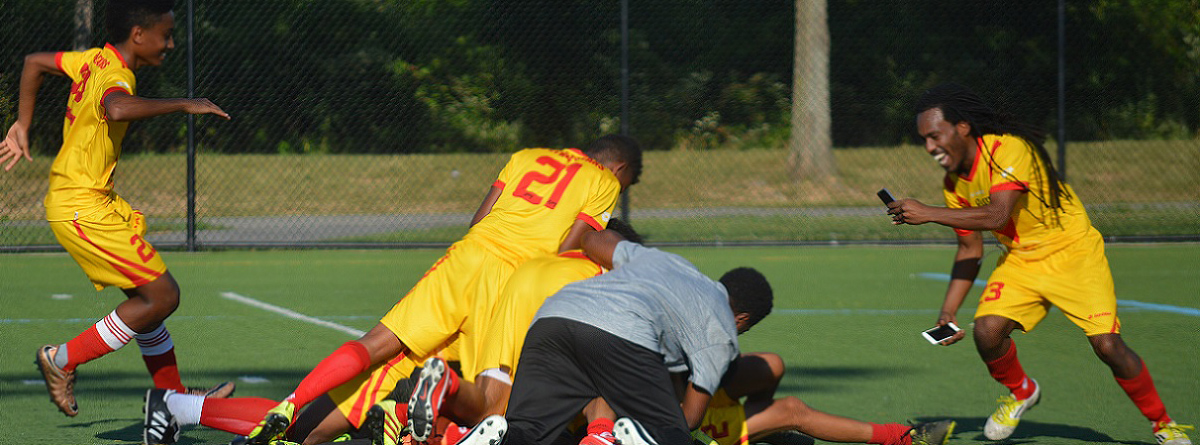
  • The Diaspora World Cup operates in some of the major cities and metro areas in United States and Canada. Our network of register players includes 20 cities, 200 countries, 400 teams, and 10,000 players. Join our movement to solve the world's most pressing challenges: Illiteracy
  • Who We are text will be here Who We are text will be here Who We are text will be here Who We are text will be here Who We are text will be here Who We are text will be here Who We are text will be here Who We are text will be here Who We are text will be here
  • What We Do text will be here What We Do text will be here What We Do text will be here What We Do text will be here What We Do text will be here What We Do text will be here What We Do text will be here What We Do text will be here What We Do text will be here What We Do text will be here What We Do text will be here What We Do text will be here
  • Get Involved text will be here Get Involved text will be here Get Involved text will be here Get Involved text will be here Get Involved text will be here Get Involved text will be here Get Involved text will be here Get Involved text will be here Get Involved text will be here Get Involved text will be here
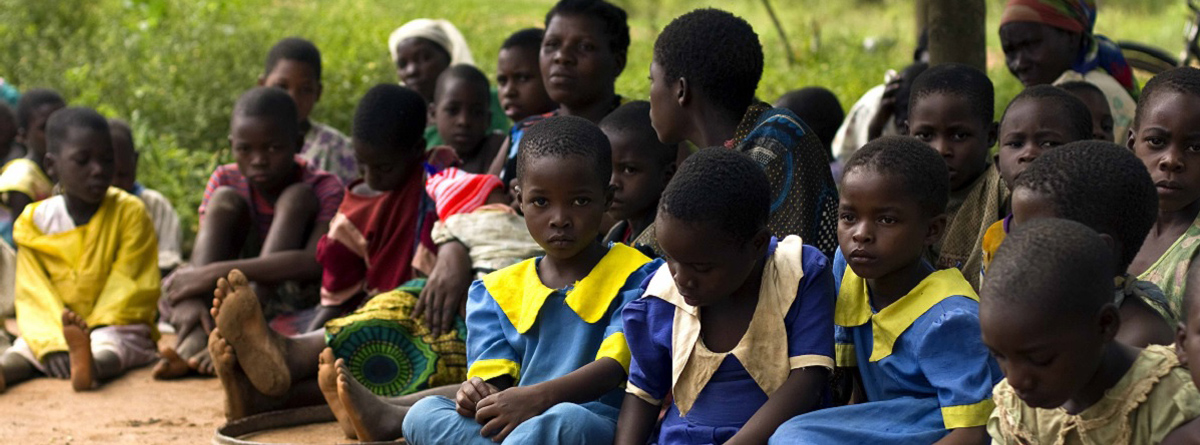
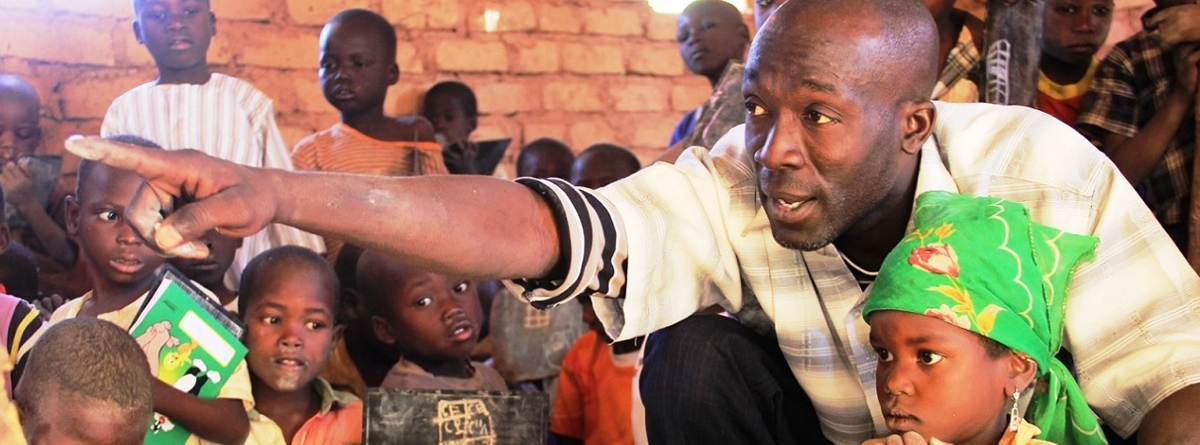
  • Education is a basic Human Right and the Diaspora World Cup global school program focuses its energy in some the poorest countries around the world. We build schools in some of the poorest countries around the worldthat historically had no adequate school structure. Any member of the World Diaspora has the power to end illiteracy around the world through the power of soccer.
  • High-profile sport figures, global leaders, business leaders, political figure, journalists, activists, philanthropists, actors, and entrepreneurs united by their commitment to the Diaspora World Cup mission to eradicate illiteracy around the world through the power of soccer. They serve as role models and spread the Diaspora World Cup vision and commitment of a world mobilized through soccer.
  •  
  •  
Diaspora 2027: complete guide to all players | The Diaspora
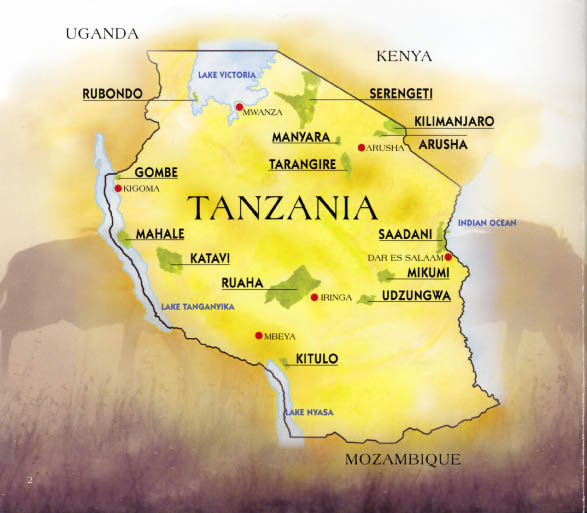
TANZANIA
Burtonsville – Laurel
Welcome to the 2027 Diaspora World Cup.
Burtonsville – Laurel

Significance

Tanzanian migration has generally reflected regional trade, family relationships, education, employment opportunities, rural economic pressures, political conflicts in neighbouring countries, and the search for greater economic security in Africa, Europe, and North America.

Tanzanian migration developed from long-established East African traditions of travel, trade, marriage, farming, pastoralism, and family connections between neighbouring communities. Movement occurred across the territories of present-day Tanzania, Kenya, Uganda, Rwanda, Burundi, Zambia, Malawi, Mozambique, and the Democratic Republic of the Congo centuries before modern borders were established. During the colonial period, plantations, mines, railways, ports, and growing towns created new patterns of labour migration. After independence, many Tanzanians moved internally from rural communities to Dar es Salaam and other cities, while others travelled abroad for education, professional employment, business, and family reunification. Tanzanian communities overseas continued to maintain close relationships with their homeland through financial assistance, family visits, cultural organisations, religious activities, and the preservation of Swahili and traditional customs.

Tanzanian Migration Before European Colonial Rule

Migration across East Africa existed centuries before European colonial rule, as farmers, pastoralists, fishermen, merchants, and craftspeople moved in search of fertile land, water, security, trade opportunities, marriage, and new settlements. Inland communities participated in trade networks connecting the Great Lakes region with the Indian Ocean coast. Coastal towns and the islands of Zanzibar attracted African, Arab, Persian, and Indian merchants involved in the trade of ivory, spices, cloth, and other goods. Germany established control over much of mainland Tanzania during the late nineteenth century, creating German East Africa. After Germany’s defeat in World War I, Tanganyika came under British administration. Colonial borders and labour systems changed older migration routes, although communities continued to maintain family and commercial connections across neighbouring territories.

Twentieth-Century Migration

Tanzanian migration increased during the twentieth century as transportation, education, urban development, and wage employment expanded. Many rural residents moved to Dar es Salaam, Arusha, Mwanza, and other towns for factory, construction, government, commercial, and service-sector work. Tanganyika achieved independence from Britain in 1961, while Zanzibar became independent in 1963. The two territories united in 1964 to form the United Republic of Tanzania. Regional conflicts later brought refugees from Burundi, Rwanda, Mozambique, and the Democratic Republic of the Congo into Tanzania. At the same time, Tanzanians travelled to neighbouring African countries, the United Kingdom, the United States, Canada, and other destinations for education, employment, business, and family reunification. Tanzanian associations, religious organisations, and extended-family networks helped migrants preserve their languages, cultural identity, community responsibilities, and close relationships with relatives living in Tanzania.

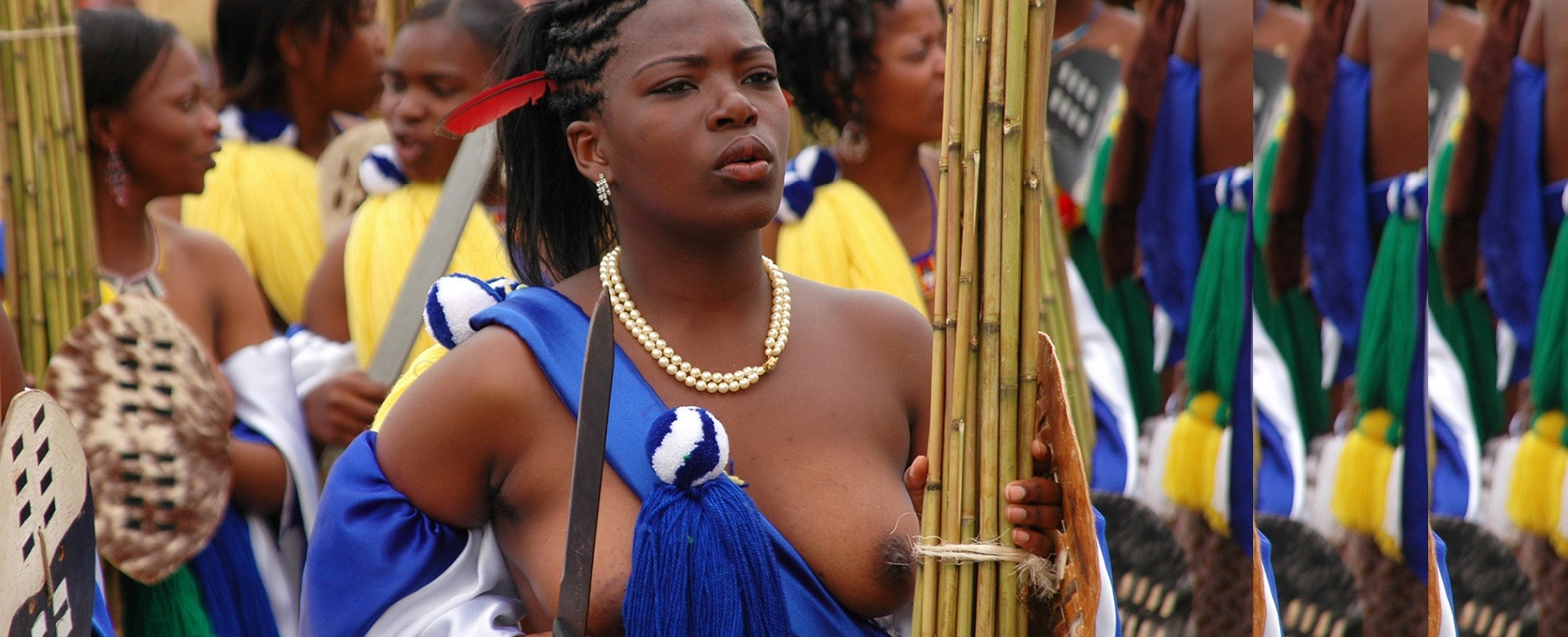
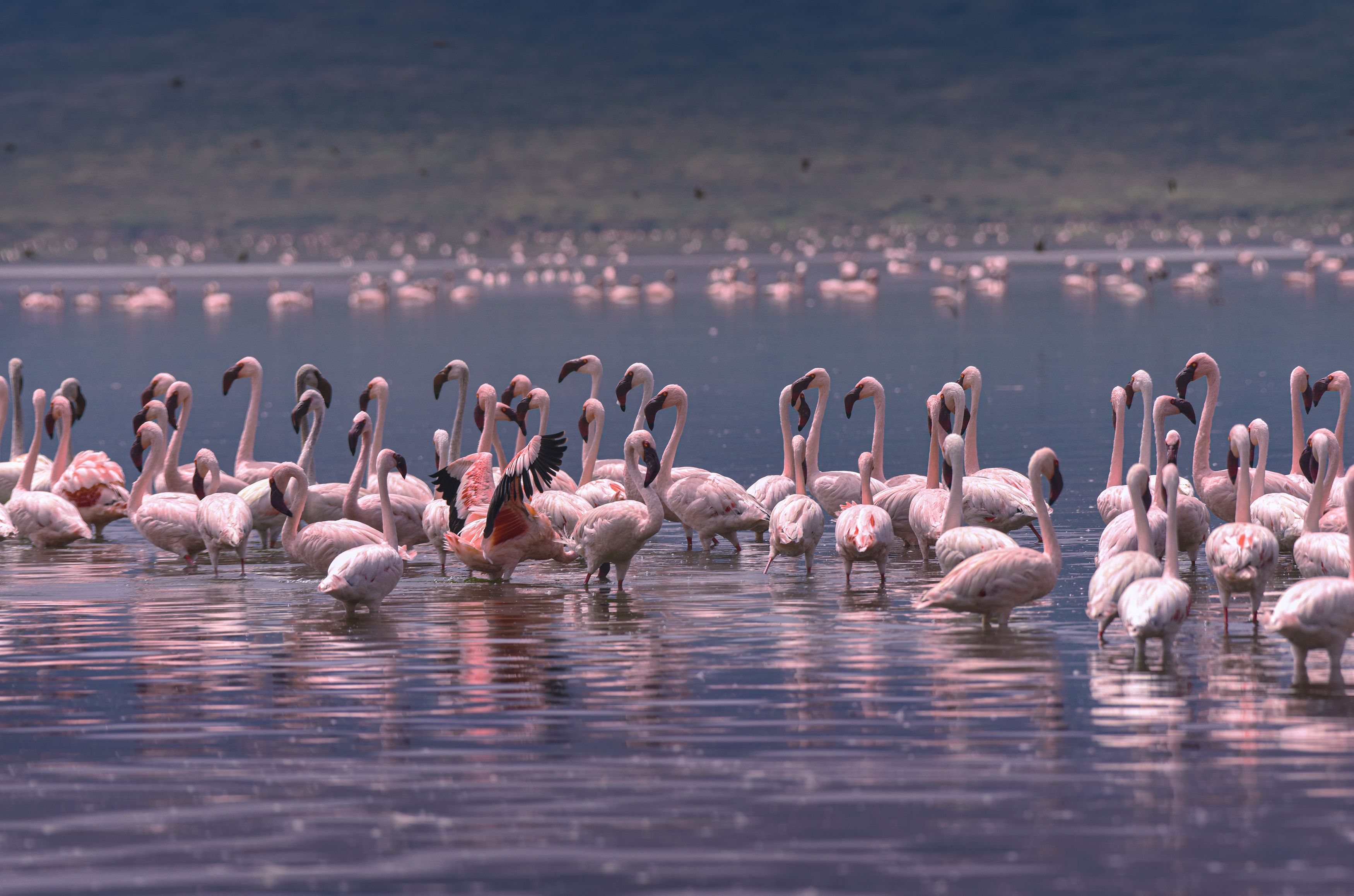
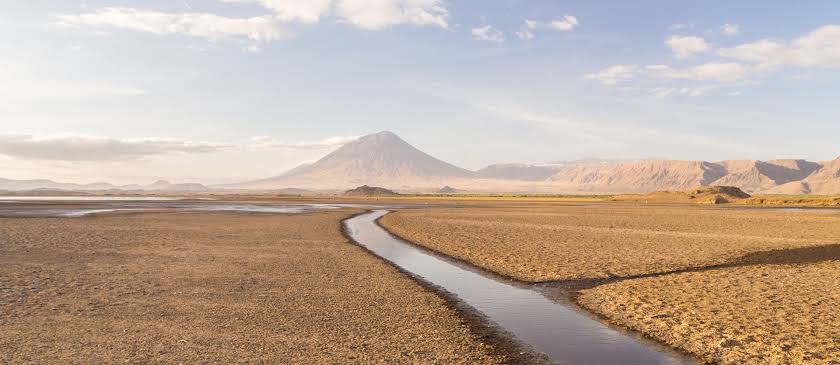
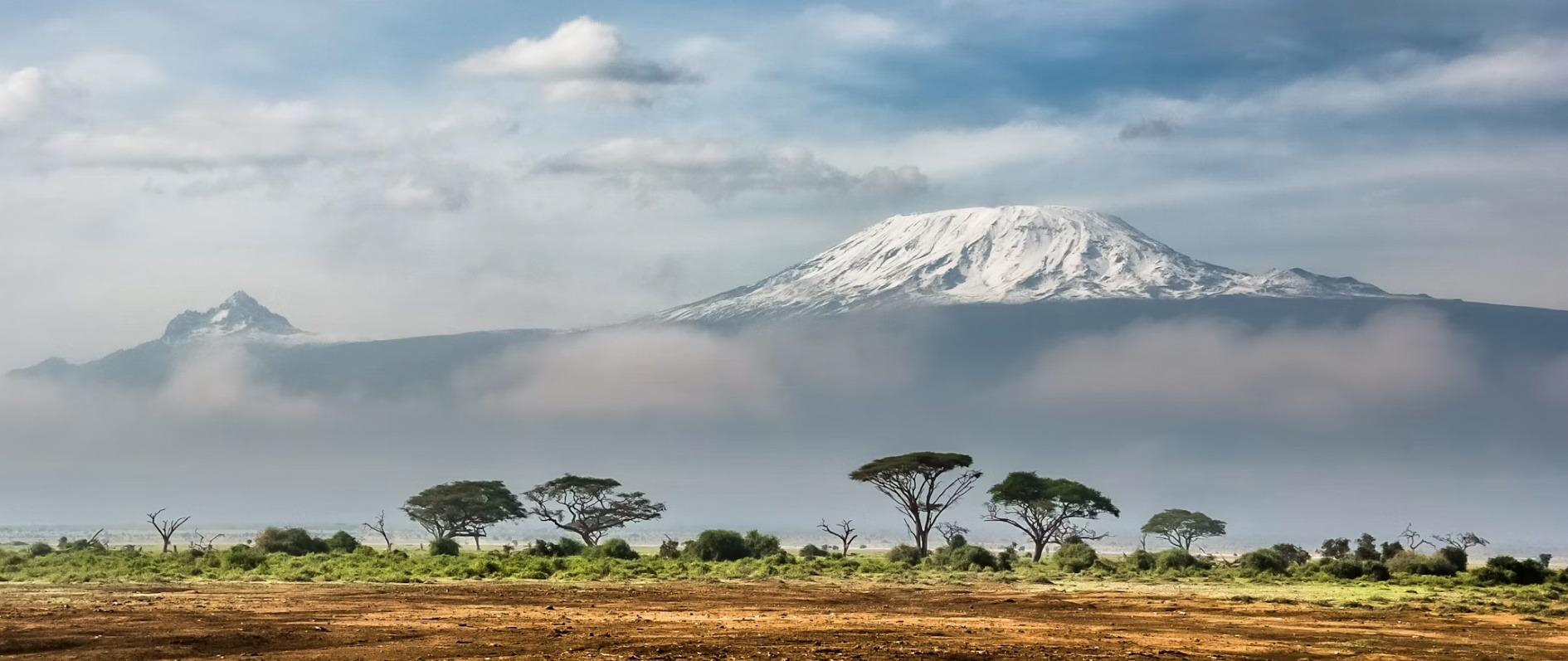
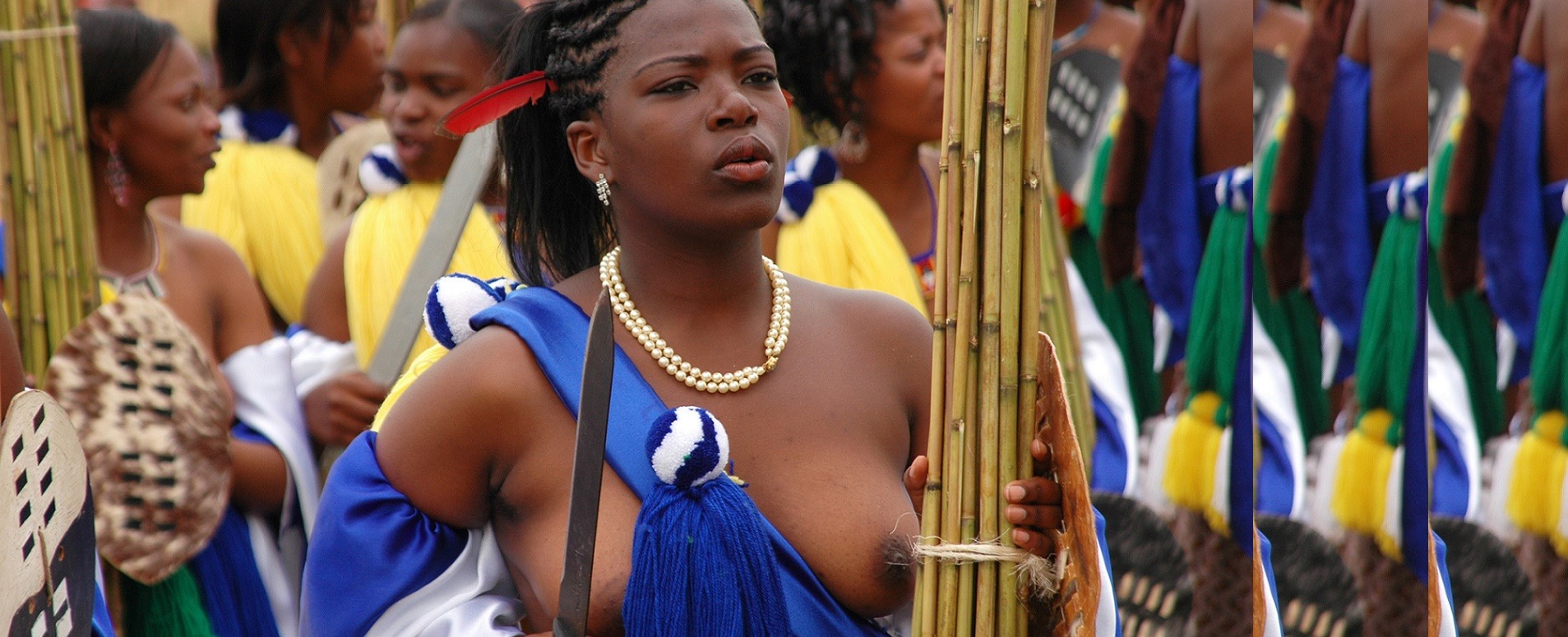
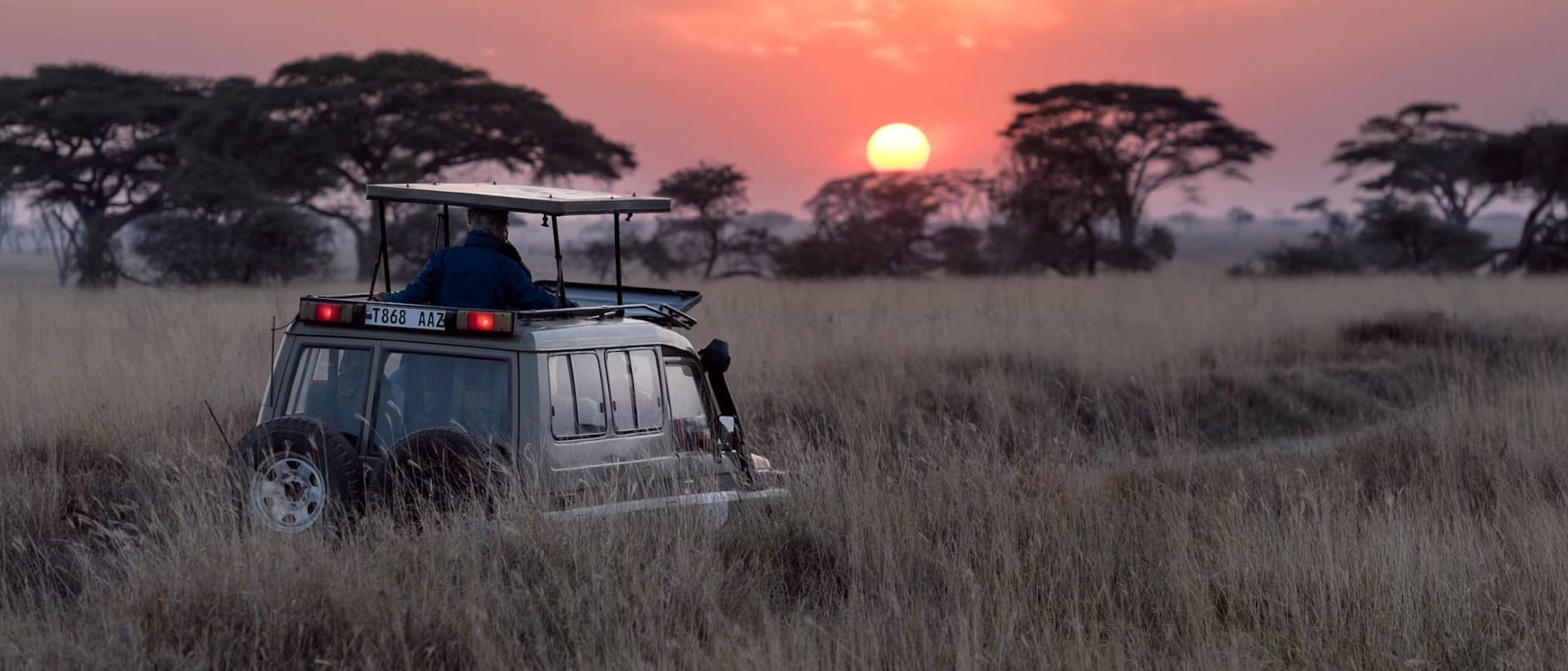
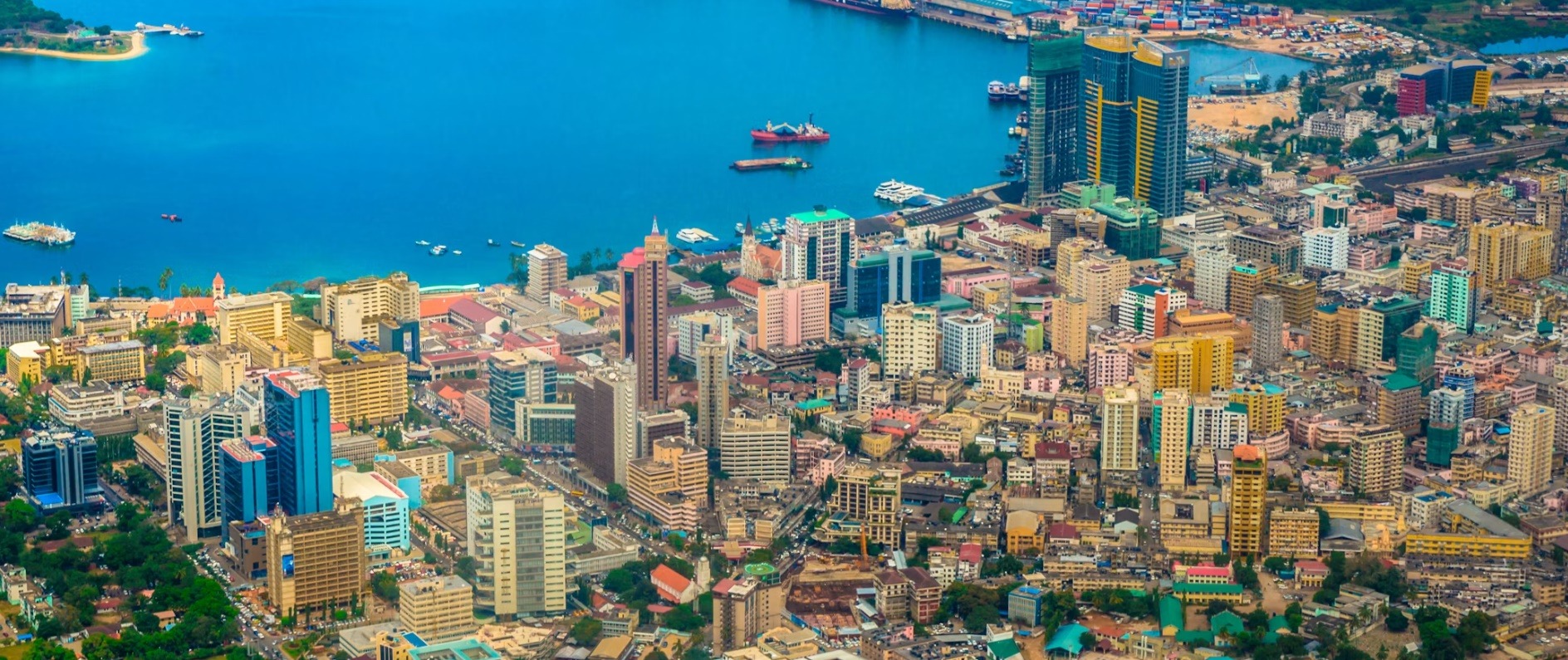
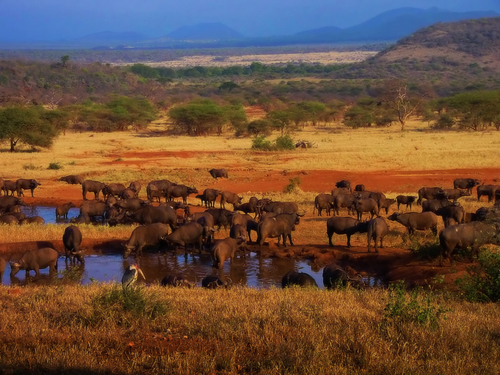
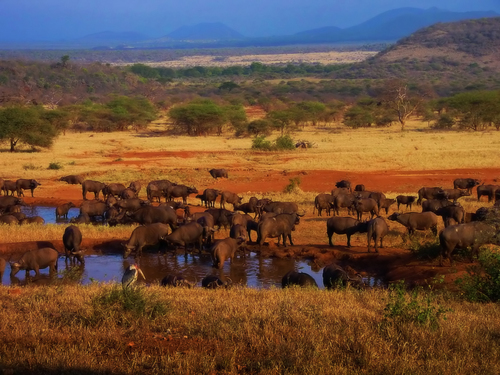
Tanzania country image
Tanzania overview image

Team Standings

Teams Mp W D L GF GA Pt
African U. African U. 0 0 0 0 0 0 0
Cameroon Cameroon 0 0 0 0 0 0 0
Colombia Colombia 0 0 0 0 0 0 0
England England 0 0 0 0 0 0 0
Ethiopia Ethiopia 0 0 0 0 0 0 0
Ghana Ghana 0 0 0 0 0 0 0
Haiti Haiti 0 0 0 0 0 0 0
Jamaica Jamaica 0 0 0 0 0 0 0
Sierra L. Sierra L. 0 0 0 0 0 0 0
Tanzania Tanzania 0 0 0 0 0 0 0

Squad List

Andres Vila
Goalkeeper

Ani Bendji
Forward

Boniface Tambwe
Defender

Christian Negas
Goalkeeper

Conrad Akimbi
Midfielder
Dedi Rubba
Forward

Dester Njike
Defender

Dullah Riyani
Defender

Emma Ogbankwa
Forward
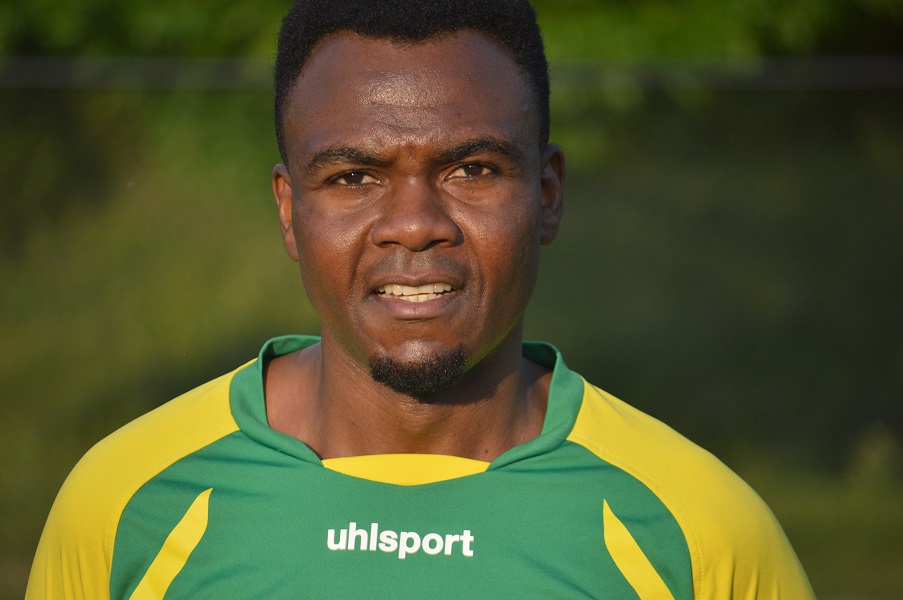
Evans Williams
Defender
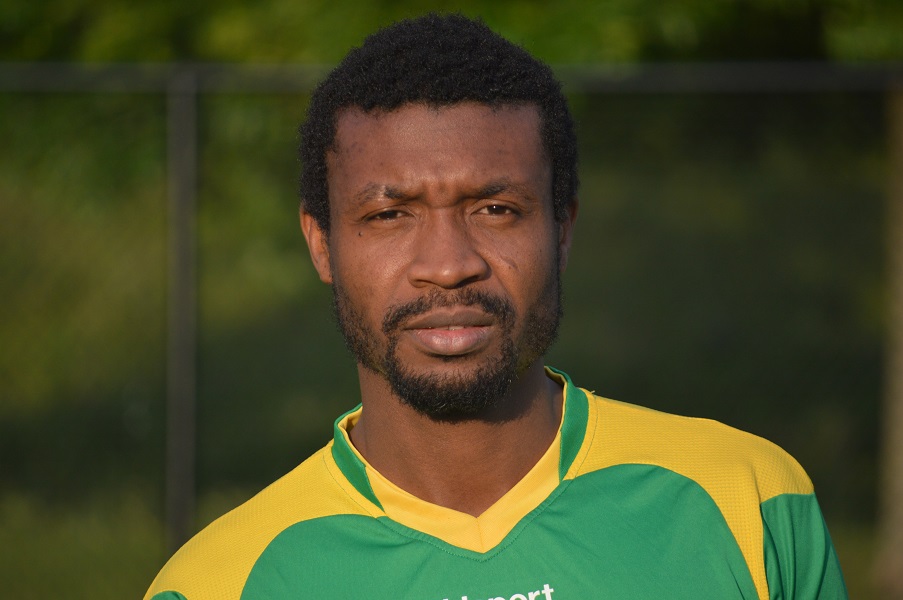
Jules Dassie
Midfielder
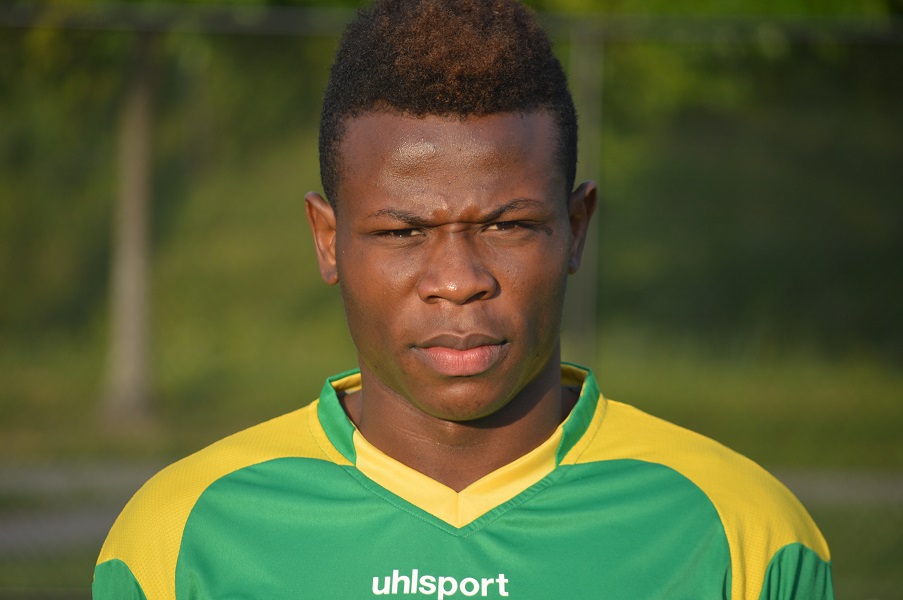
Kingsley Nwosu
Midfielder
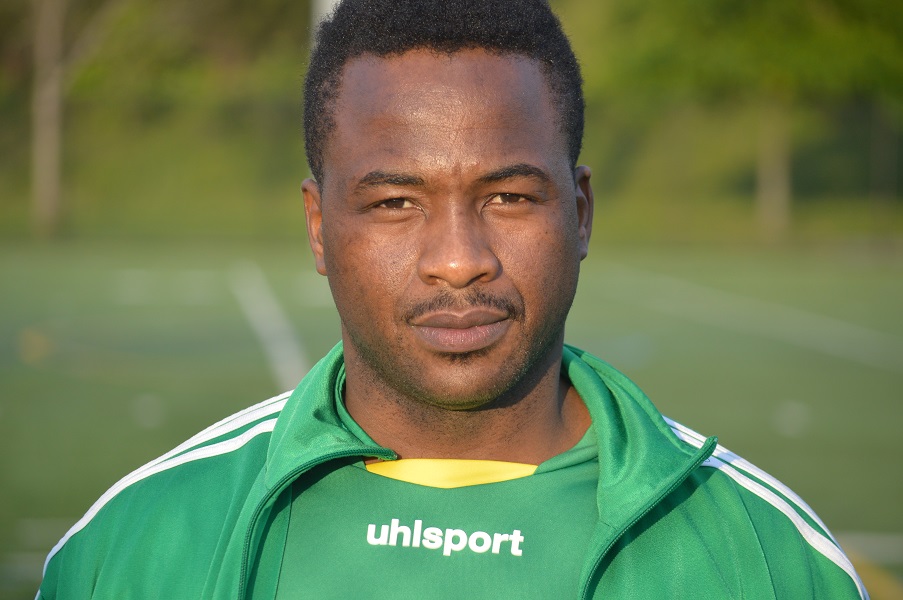
Lebe Bagasa (c)
Midfielder

Michael Ilodigne
Defender

Oswald Nkimbi
Midfielder

Richie Mignon
Midfielder
Seffu Adiri
Forward
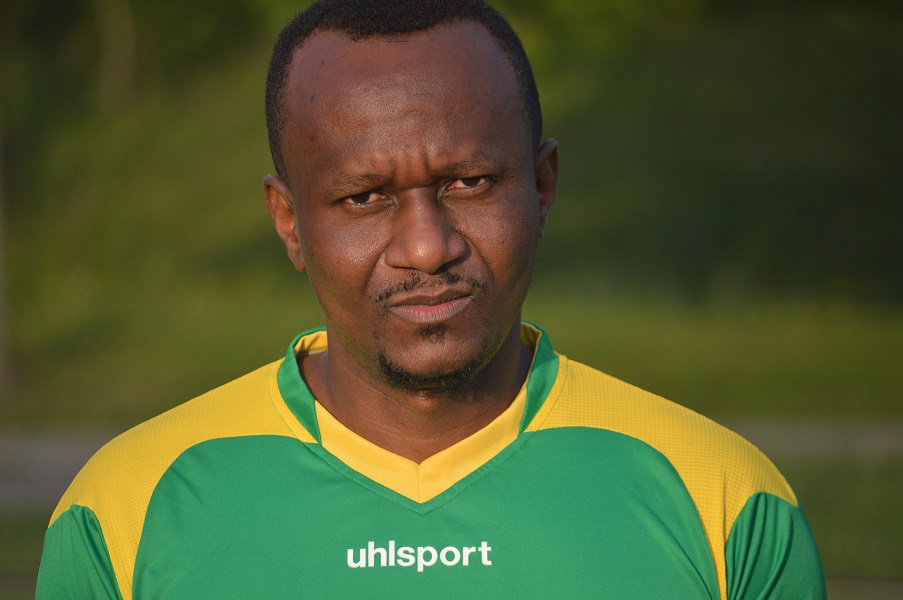
Seif Kadria
Defender
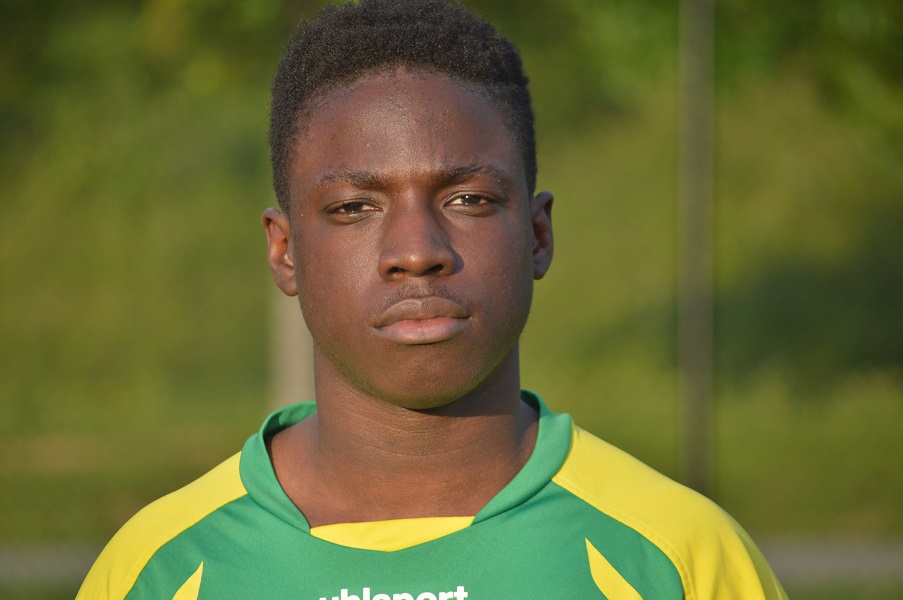
Tejan Hamid
Forward

Coaching Staff

Jongo Jabiri
C
Jongo Jabiri
Head Coach