


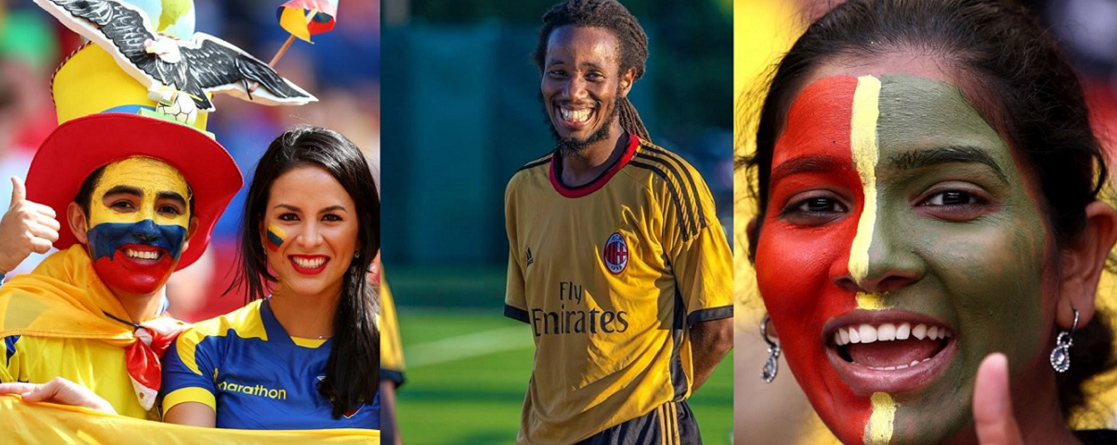


The Diaspora World Cup operates in some of the major cities and metro areas in
United States and
Canada. Our network of register players includes 20 cities, 200 countries, 400
teams, and 10,000
players. Join our movement to solve the world's most pressing challenges:
Illiteracy
Who We are text will be here Who We are text will be here Who We are text will
be here Who We
are text will be here Who We are text will be here Who We are text will be here
Who We are text
will be here Who We are text will be here Who We are text will be here
What We Do text will be here What We Do text will be here What We Do text will
be here What We
Do text will be here What We Do text will be here What We Do text will be here
What We Do text
will be here What We Do text will be here What We Do text will be here What We
Do text will be
here What We Do text will be here What We Do text will be here
Get Involved text will be here Get Involved text will be here Get Involved text
will be here Get
Involved text will be here Get Involved text will be here Get Involved text will
be here Get
Involved text will be here Get Involved text will be here Get Involved text will
be here Get
Involved text will be here
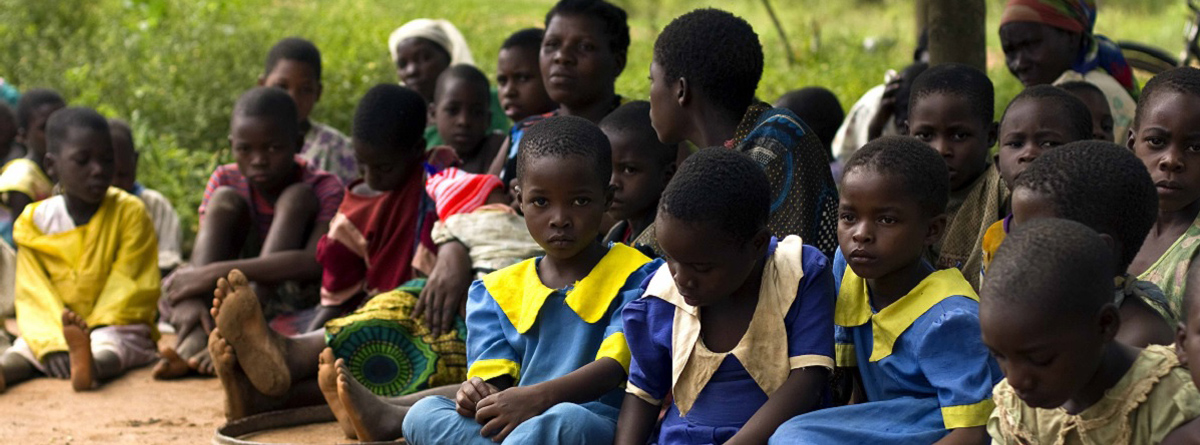
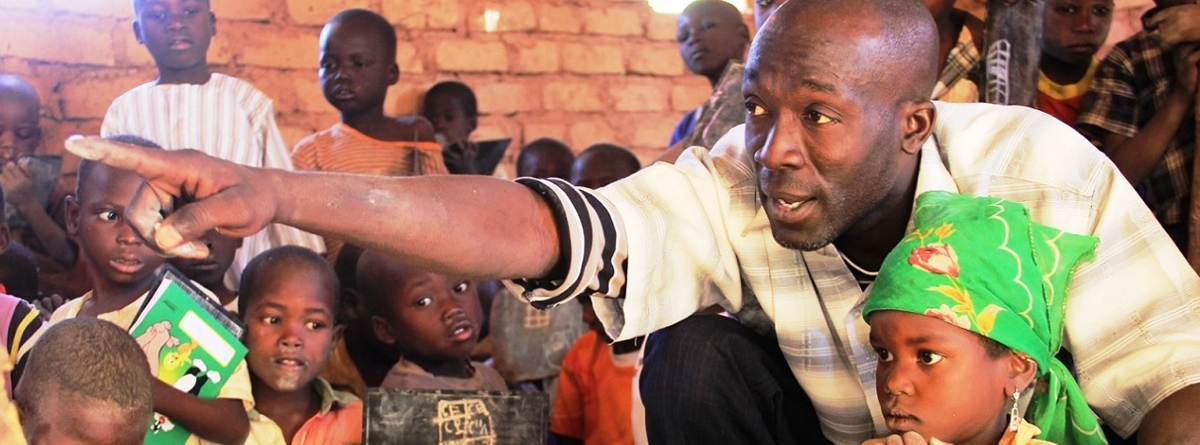
Education is a basic Human Right and the Diaspora World Cup global school
program focuses its
energy in some the poorest countries around the world. We build schools in some
of the poorest
countries around the worldthat historically had no adequate school structure.
Any member of the
World Diaspora has the power to end illiteracy around the world through the
power of soccer.
High-profile sport figures, global leaders, business leaders, political figure,
journalists,
activists, philanthropists, actors, and entrepreneurs united by their commitment
to the Diaspora
World Cup mission to eradicate illiteracy around the world through the power of
soccer. They serve
as role models and spread the Diaspora World Cup vision and commitment of a
world mobilized
through soccer.
Diaspora 2027: complete guide to all players | The Diaspora
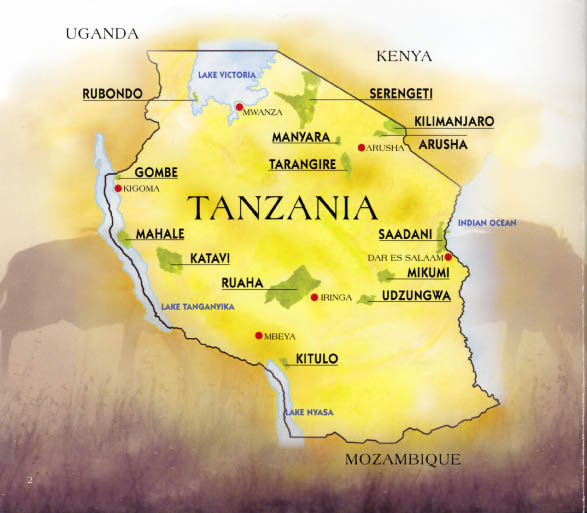
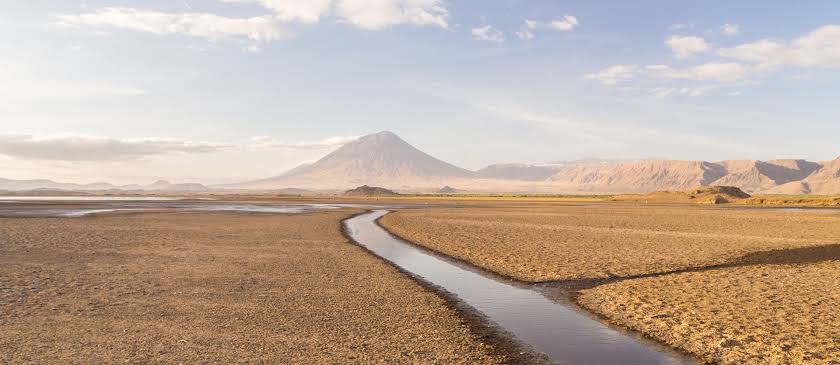
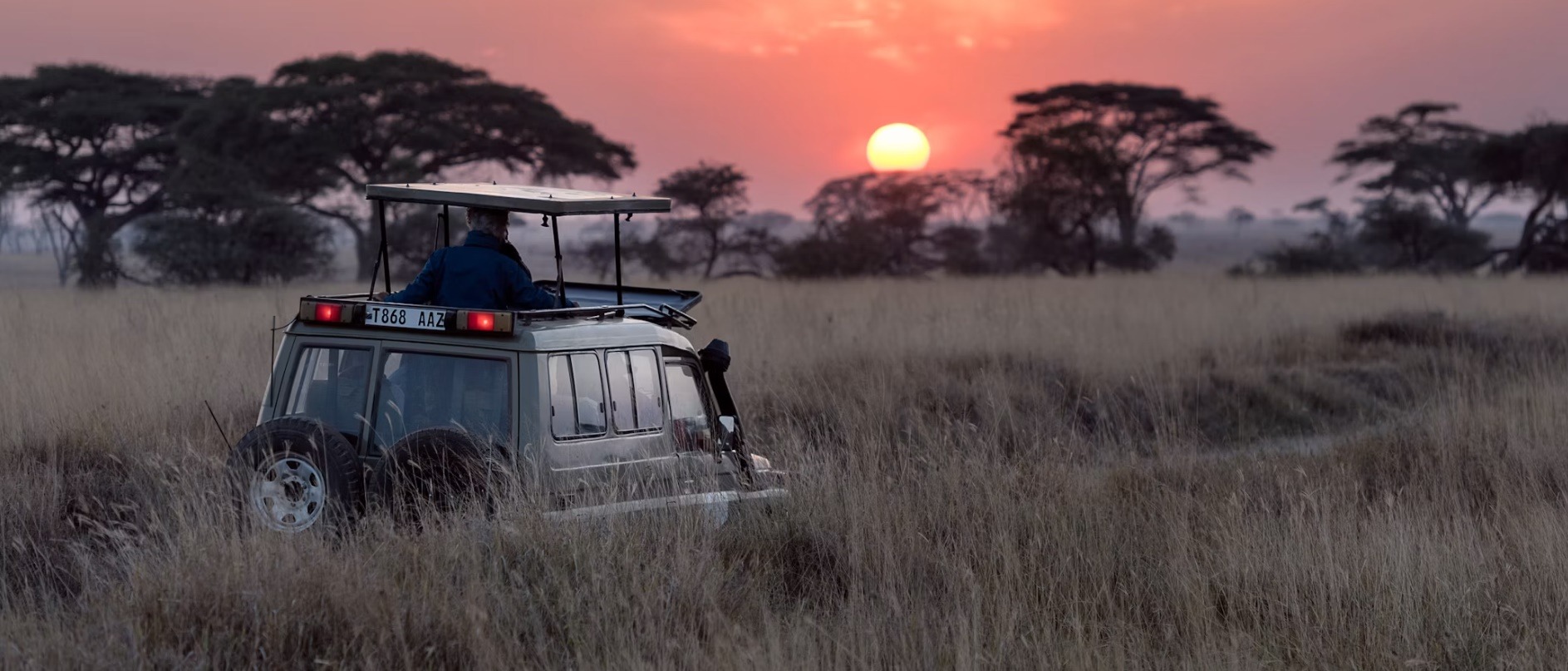
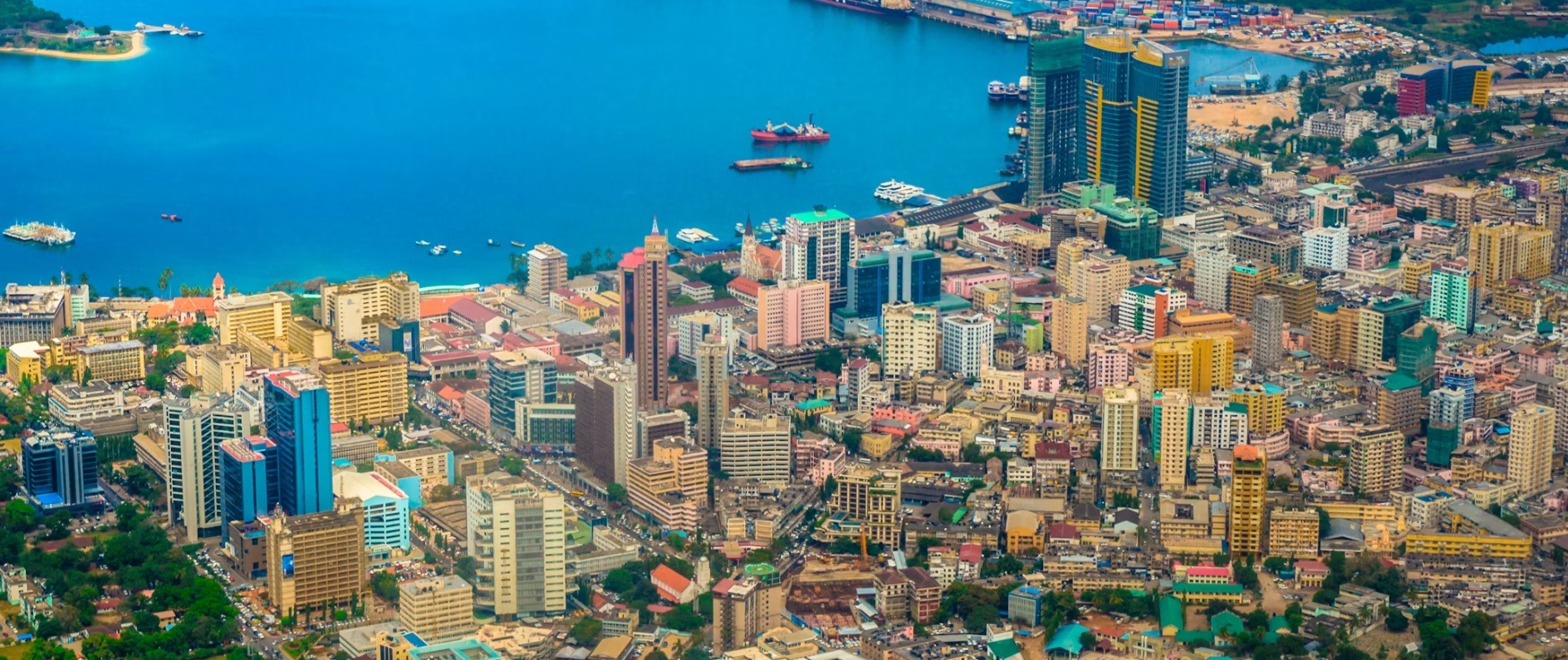
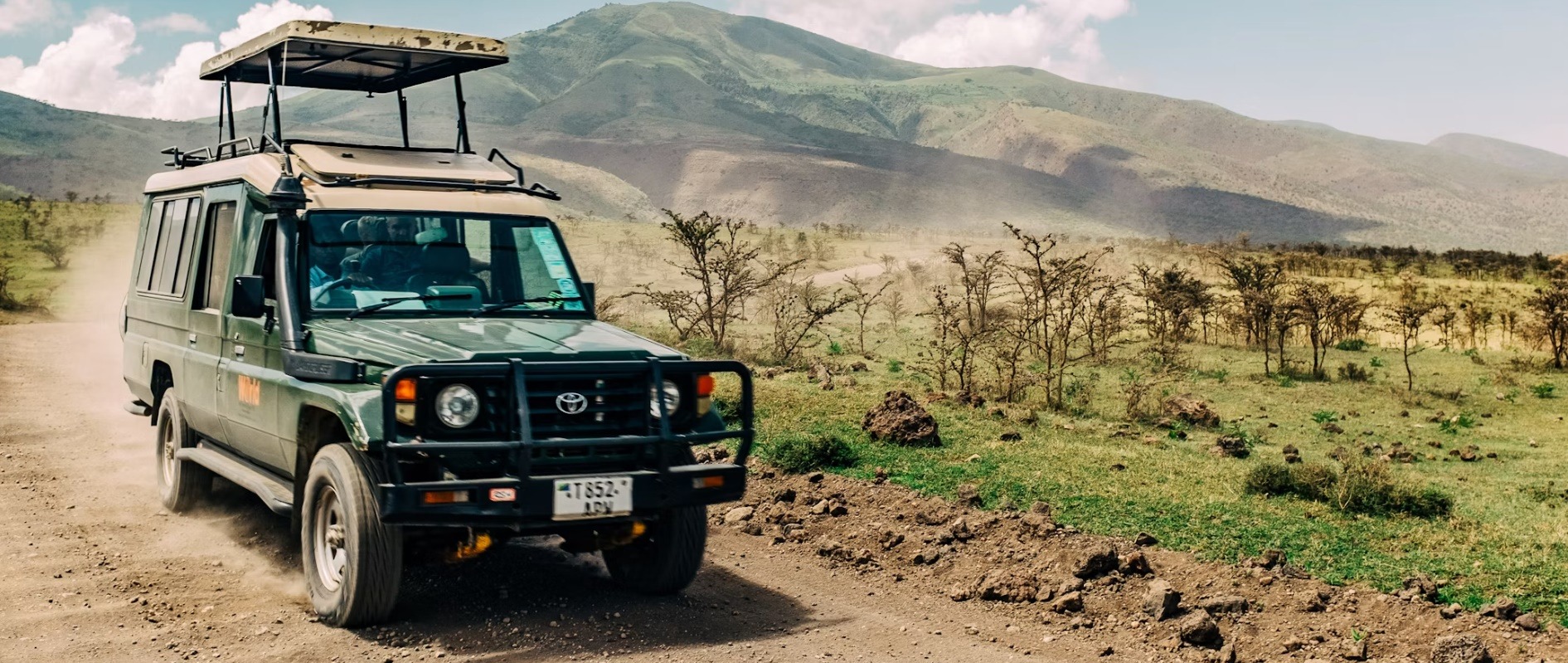
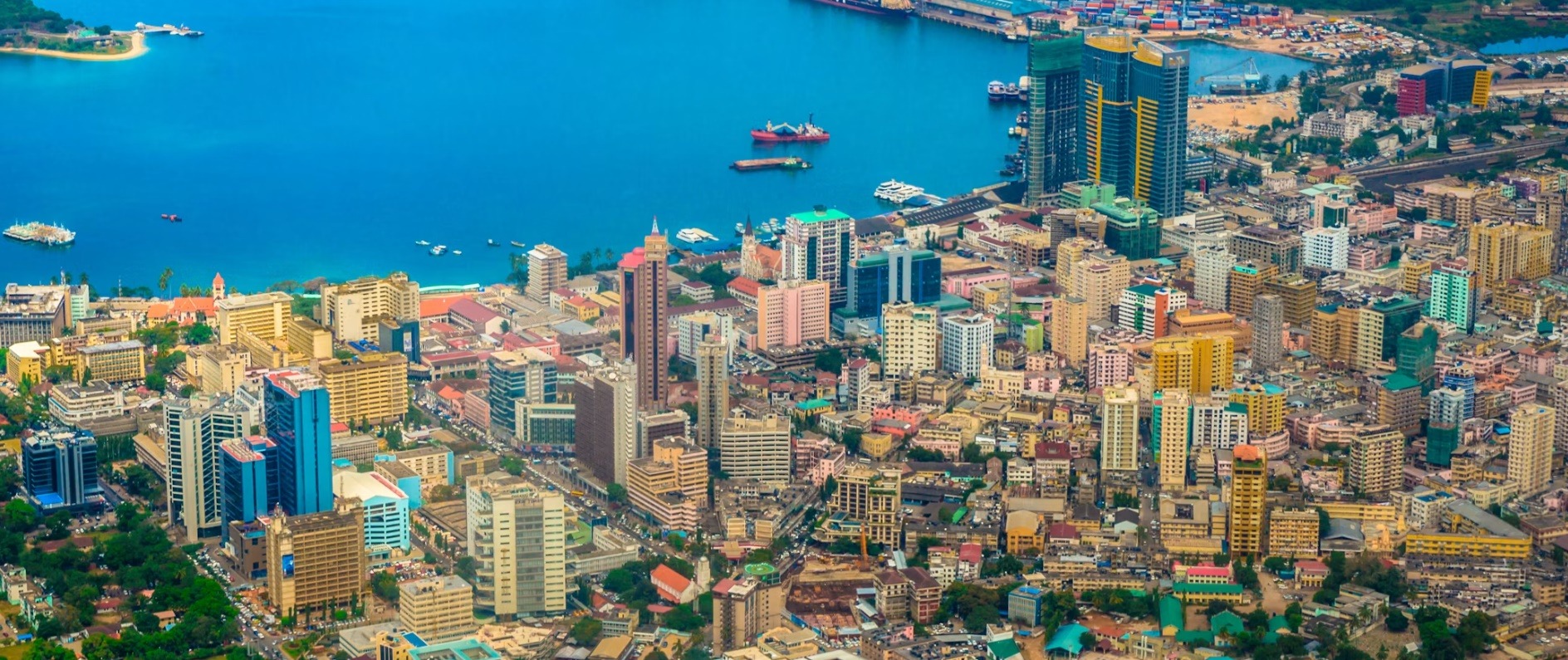
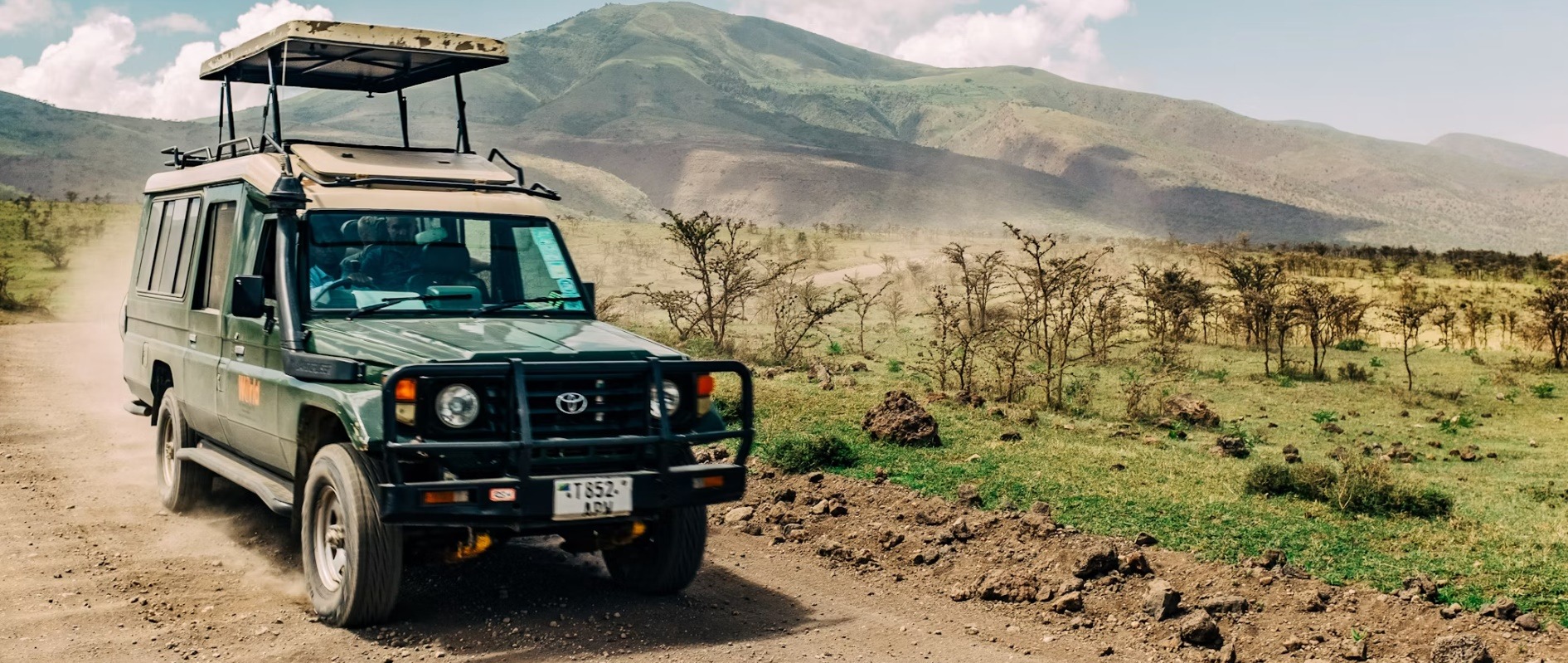
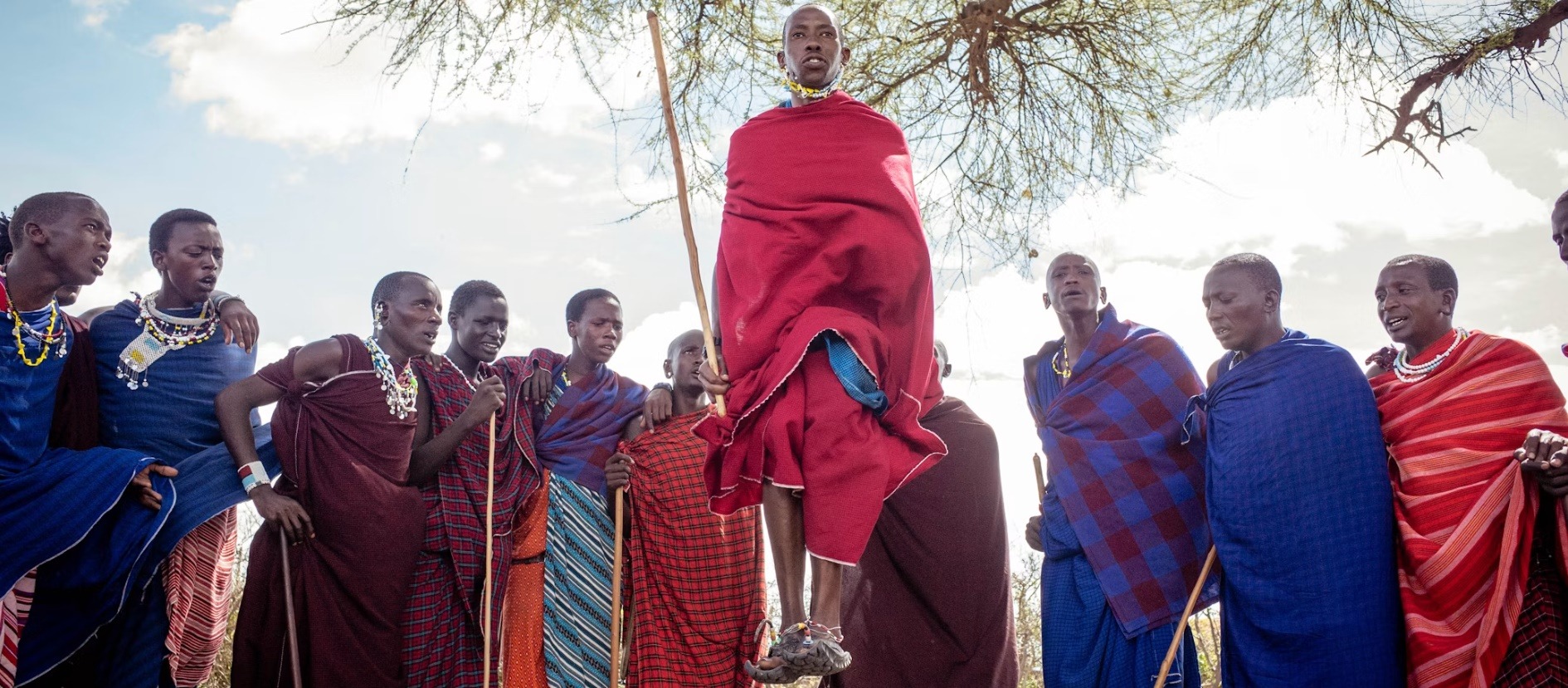
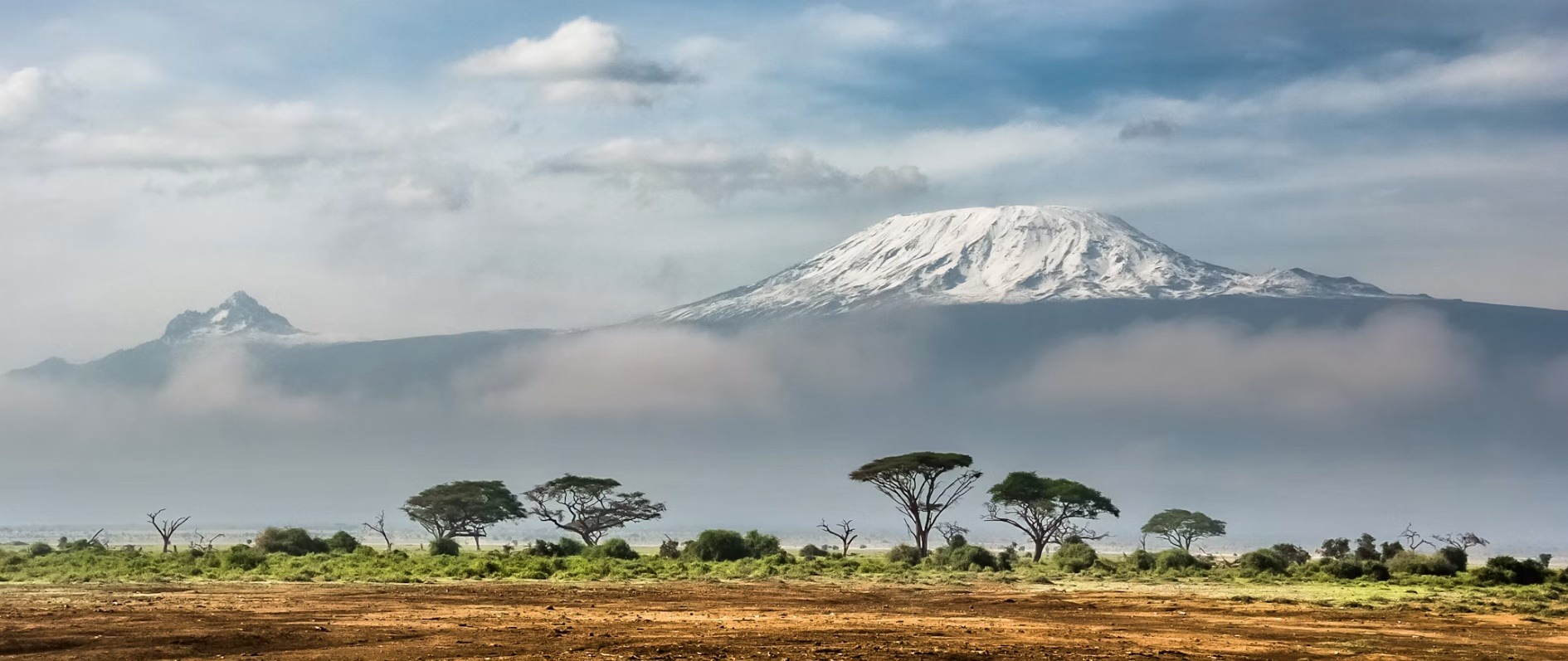
TANZANIA
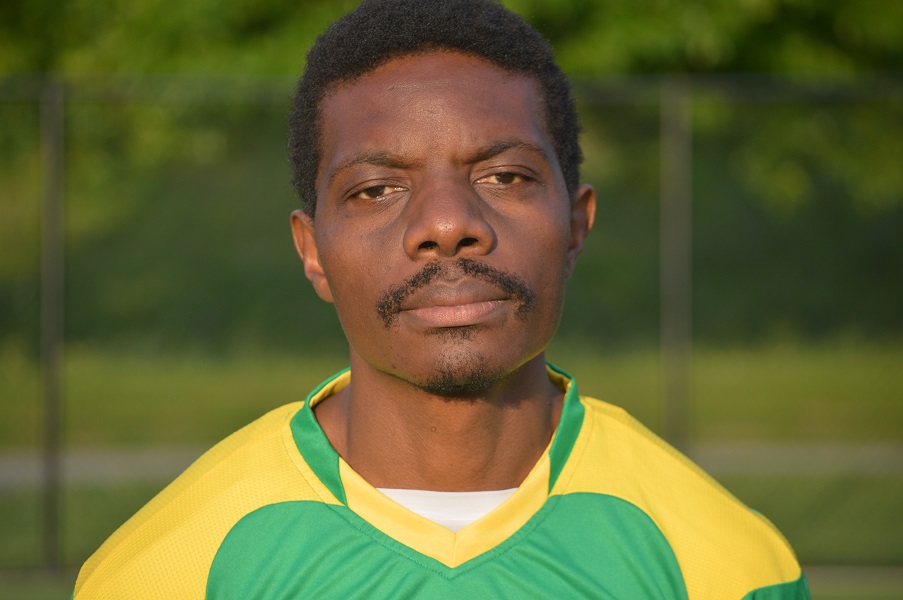
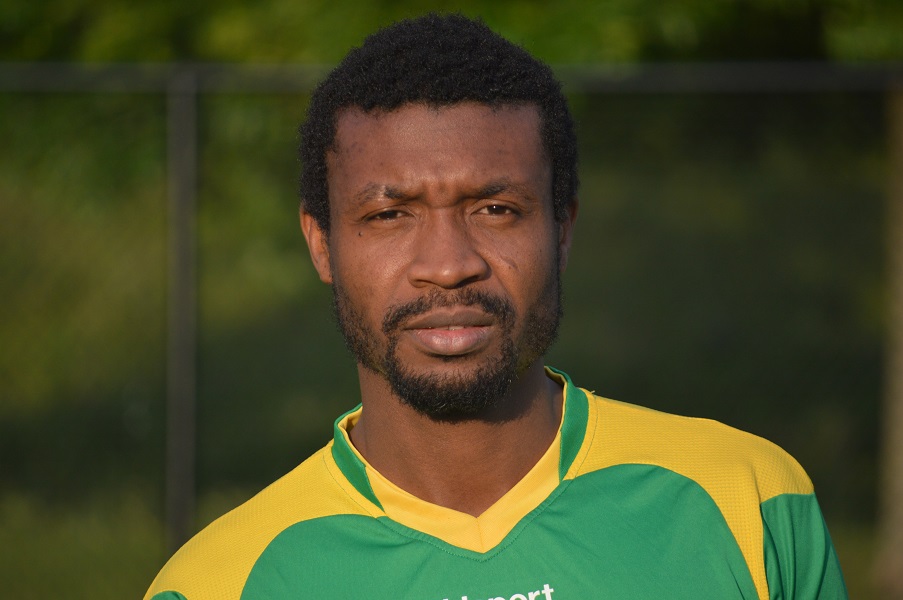
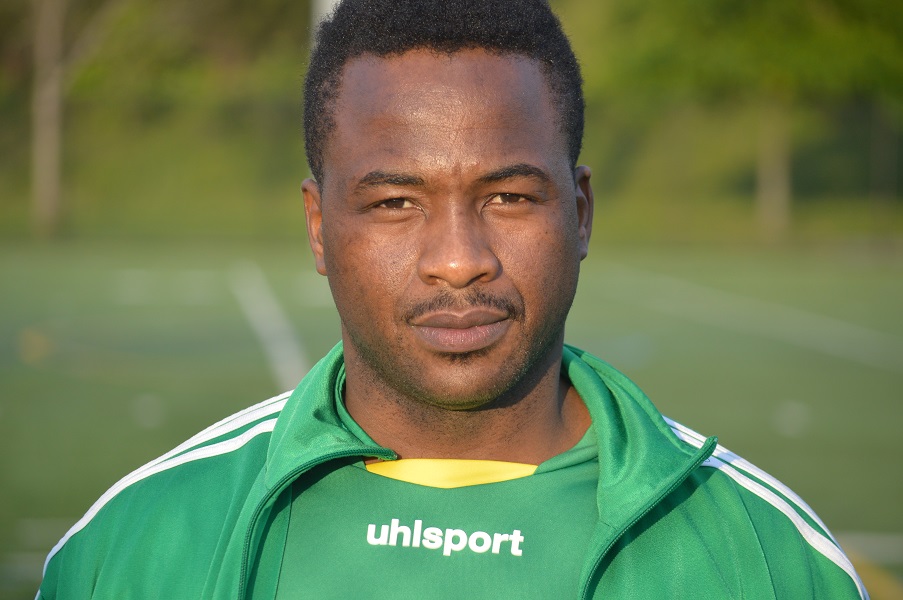
Welcome to the 2028 Diaspora World Cup. Burtonsville – Laurel
Burtonsville – Laurel
Welcome to the 2028 Diaspora World Cup. Burtonsville – Laurel
Tanzania diaspora in the DMV: The Tanzanian community is a small but organized and established diaspora, with community institutions specifically serving Washington, DC, Maryland, and Virginia. There is no reliable single current population figure for the entire DMV, so the population should be treated as NR — not reliably reported rather than estimated without...Tanzania diaspora in the DMV: The Tanzanian community is a small but organized and established diaspora, with community institutions specifically serving Washington, DC, Maryland, and Virginia. There is no reliable single current population figure for the entire DMV, so the popul...
More Information
Chelsea Official
Download The 5th Stand, Chelsea’s official mobile app, to see exclusive content, match action and all the latest news from Stamford Bridge.
More Information
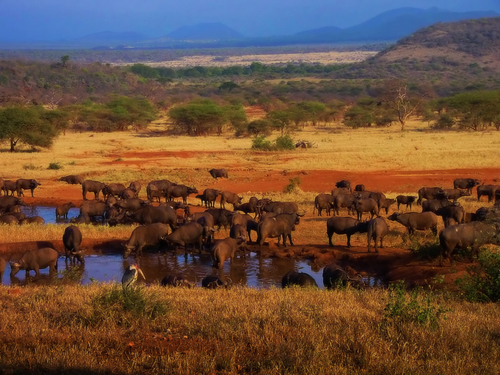
Street Soccer in Tanzania
Street soccer is a popular part of everyday life in Tanzania, where children and teenagers regularly gather in neighbourhood streets, village fields, school playgrounds, community grounds, and open spaces to play informal football matches. These games provide young players with an enjoyable and affordable way to stay active, improve their football skills, and build lasting friendships.
The energetic style of street soccer encourages close ball control, quick passing, creative dribbling, and continuous movement. Playing on different surfaces and in smaller spaces helps participants improve their technique, confidence, teamwork, and ability to make quick decisions during competitive matches.
Street soccer offers an accessible way for communities across Tanzania to enjoy football without requiring professional facilities or expensive equipment. It promotes healthy lifestyles, strengthens local communities, and inspires many young people to continue their football journey through schools, clubs, academies, and community competitions.
Street Soccer Culture in Tanzania
Football is one of the most popular sports in Tanzania, and street soccer is often where many children first develop their passion for the game. Informal matches organised by schools, friends, and neighbourhood communities create a lively atmosphere where players of different ages and abilities can participate while sharing their love for football.
Skills Developed Through Street Soccer
Street soccer helps players improve dribbling, first touch, passing accuracy, shooting technique, agility, balance, ball control, and tactical awareness. Regular games also strengthen communication, creativity, confidence, resilience, and the ability to make quick decisions in fast-paced situations.
Street Soccer and Community Development
Street soccer brings communities together through football while encouraging teamwork, positive youth participation, and active lifestyles. It also provides aspiring players with valuable experience before progressing to school teams, local football clubs, academies, or organised youth football programmes.
The TANZANIA in the DMV Metro
Tanzania diaspora in the DMV: The Tanzanian community is a small but organized and established diaspora, with community institutions specifically serving Washington, DC, Maryland, and Virginia. There is no reliable single current population figure for the entire DMV, so the population should be treated as NR — not reliably reported rather than estimated without a defensible Census calculation. The U.S. Census ACS does separately track people born in Tanzania, which can be used for a more precise county-level calculation.
The strongest community evidence is in the DC–Maryland corridor. The Association of Tanzanian Community in the DMV has historically represented Tanzanians across DC, Maryland, and Virginia, while the Tanzanian Muslim Community in Washington specifically defines its membership area as Maryland, Virginia, and DC.
Maryland appears to be an important residential center, particularly Montgomery County, including the Silver Spring area. The Tanzanian Muslim Community regularly holds community activities in Silver Spring, demonstrating an established Tanzanian social and religious network there.
Washington, DC is the institutional center. The Embassy of Tanzania is located at 1232 22nd Street NW, Washington, DC, and the Embassy maintains a dedicated Tanzanian diaspora program and database intended to connect Tanzanian diaspora members and associations.
Virginia also has an established Tanzanian presence, although it is more dispersed. Tanzanian community networks operate across the broader Northern Virginia/DC metropolitan area. Friends of Tanzania has board and community connections in Virginia, Maryland, and Washington, DC, illustrating the wider Tanzania-related network in the region.
Important organizations include the Association of Tanzanian Community in DC/Maryland/Virginia, the Tanzanian Muslim Community in Washington, DC (TAMCO), Tanzania Diaspora Youth Association, Zanzibar Diaspora Association, the Embassy of Tanzania, and Friends of Tanzania. The Tanzania Diaspora Youth Association has a Washington, DC office and focuses on connecting Tanzanian diaspora youth and supporting cultural, educational, economic, and social development.
Overall, the Tanzanian DMV diaspora can be characterized as small, dispersed, organized, and strongly connected to DC and Montgomery County, with additional Tanzanian households and networks throughout Northern Virginia. Unlike some larger African diasporas in the DMV, Tanzania does not appear to have a single large ethnic enclave; its community infrastructure is instead built around associations, religious organizations, professional networks, the Tanzanian Embassy, and Tanzania-related development organizations.
Significance
Tanzanian migration has generally reflected regional trade, family relationships, education, employment opportunities, rural economic pressures, political conflicts in neighbouring countries, and the search for greater economic security in Africa, Europe, and North America.
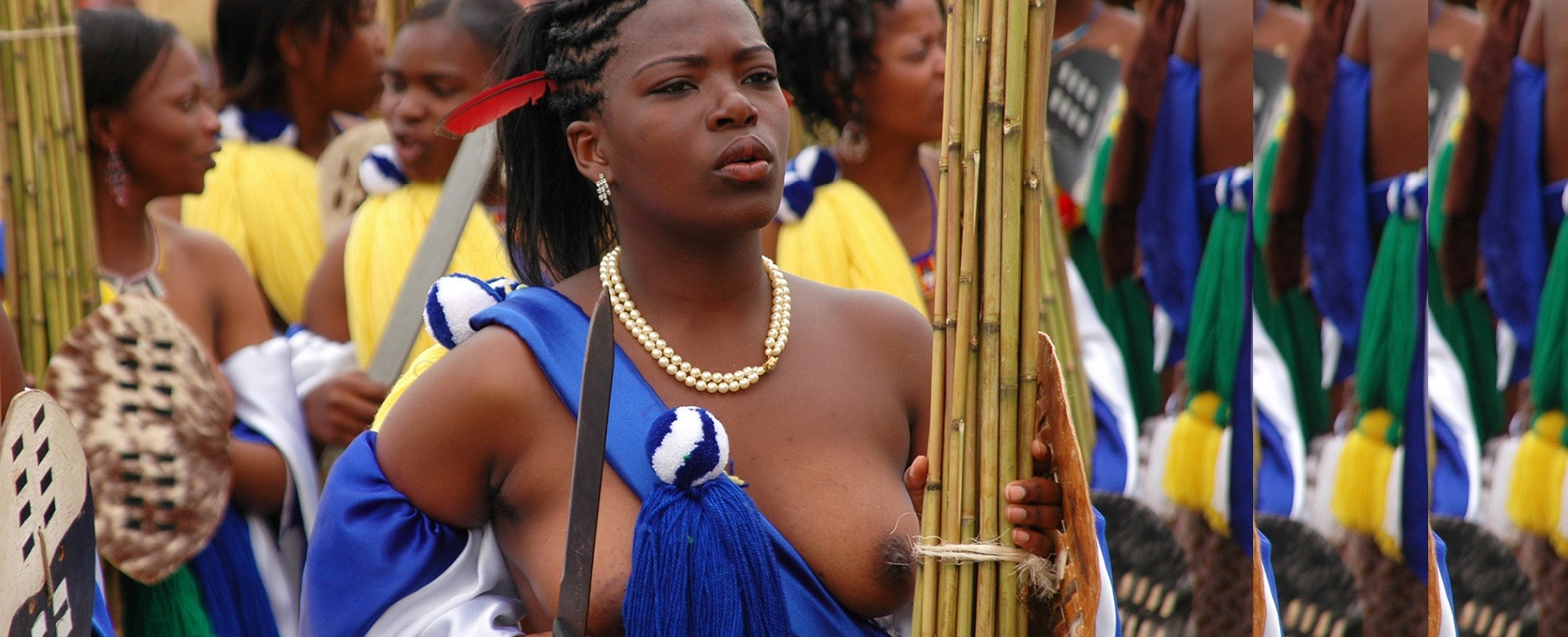
Tanzanian migration developed from long-established East African traditions of travel, trade, marriage, farming, pastoralism, and family connections between neighbouring communities. Movement occurred across the territories of present-day Tanzania, Kenya, Uganda, Rwanda, Burundi, Zambia, Malawi, Mozambique, and the Democratic Republic of the Congo centuries before modern borders were established. During the colonial period, plantations, mines, railways, ports, and growing towns created new patterns of labour migration. After independence, many Tanzanians moved internally from rural communities to Dar es Salaam and other cities, while others travelled abroad for education, professional employment, business, and family reunification. Tanzanian communities overseas continued to maintain close relationships with their homeland through financial assistance, family visits, cultural organisations, religious activities, and the preservation of Swahili and traditional customs.
Tanzanian Migration Before European Colonial Rule
Migration across East Africa existed centuries before European colonial rule, as farmers, pastoralists, fishermen, merchants, and craftspeople moved in search of fertile land, water, security, trade opportunities, marriage, and new settlements. Inland communities participated in trade networks connecting the Great Lakes region with the Indian Ocean coast. Coastal towns and the islands of Zanzibar attracted African, Arab, Persian, and Indian merchants involved in the trade of ivory, spices, cloth, and other goods. Germany established control over much of mainland Tanzania during the late nineteenth century, creating German East Africa. After Germany’s defeat in World War I, Tanganyika came under British administration. Colonial borders and labour systems changed older migration routes, although communities continued to maintain family and commercial connections across neighbouring territories.
Twentieth-Century Migration
Tanzanian migration increased during the twentieth century as transportation, education, urban development, and wage employment expanded. Many rural residents moved to Dar es Salaam, Arusha, Mwanza, and other towns for factory, construction, government, commercial, and service-sector work. Tanganyika achieved independence from Britain in 1961, while Zanzibar became independent in 1963. The two territories united in 1964 to form the United Republic of Tanzania. Regional conflicts later brought refugees from Burundi, Rwanda, Mozambique, and the Democratic Republic of the Congo into Tanzania. At the same time, Tanzanians travelled to neighbouring African countries, the United Kingdom, the United States, Canada, and other destinations for education, employment, business, and family reunification. Tanzanian associations, religious organisations, and extended-family networks helped migrants preserve their languages, cultural identity, community responsibilities, and close relationships with relatives living in Tanzania.
Lorem ipsum dolor sit amet, consectetur adipiscing elit, sed do eiusmod tempor incididunt ut
labore et dolore magna aliqua. Ut enim ad minim veniam, quis nostrud exercitation ullamco
laboris nisi ut aliquip ex ea commodo consequat. Duis aute irure dolor in
reprehenderit in voluptate velit esse cillum dolore eu fugiat nulla pariatur.