


Responsive Header
  • Where We Work
  • Cameroon
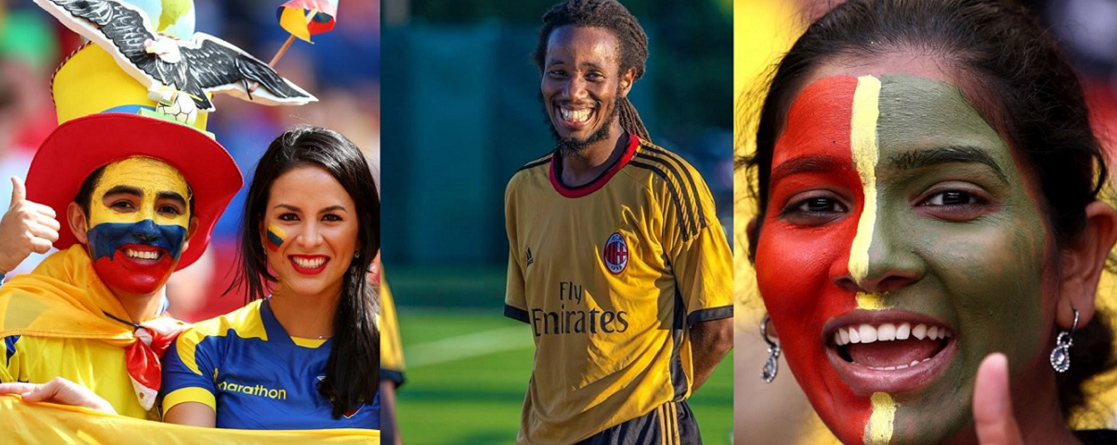
  • The Diaspora World Cup operates in some of the major cities and metro areas in United States and Canada. Our network of register players includes 20 cities, 200 countries, 400 teams, and 10,000 players. Join our movement to solve the world's most pressing challenges: Illiteracy
  • Who We are text will be here Who We are text will be here Who We are text will be here Who We are text will be here Who We are text will be here Who We are text will be here Who We are text will be here Who We are text will be here Who We are text will be here
  • What We Do text will be here What We Do text will be here What We Do text will be here What We Do text will be here What We Do text will be here What We Do text will be here What We Do text will be here What We Do text will be here What We Do text will be here What We Do text will be here What We Do text will be here What We Do text will be here
  • Get Involved text will be here Get Involved text will be here Get Involved text will be here Get Involved text will be here Get Involved text will be here Get Involved text will be here Get Involved text will be here Get Involved text will be here Get Involved text will be here Get Involved text will be here
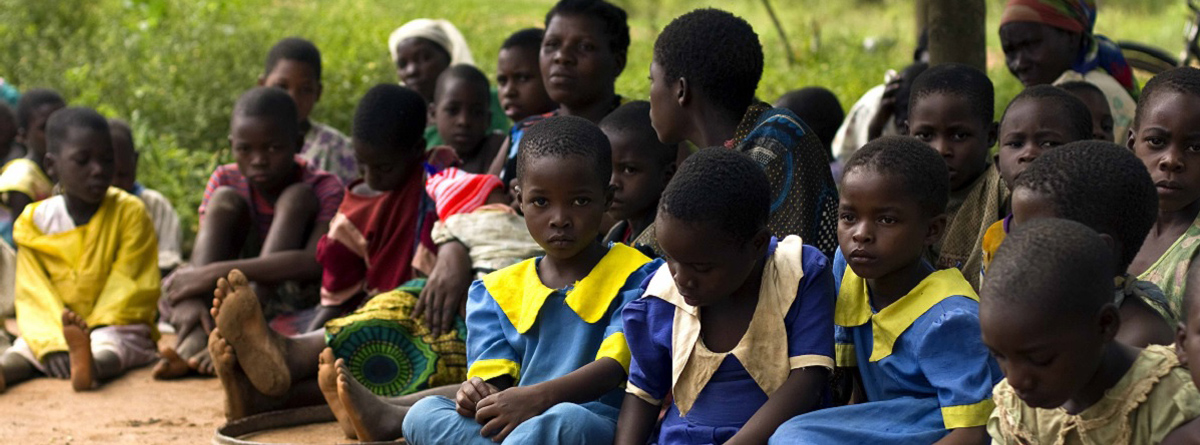
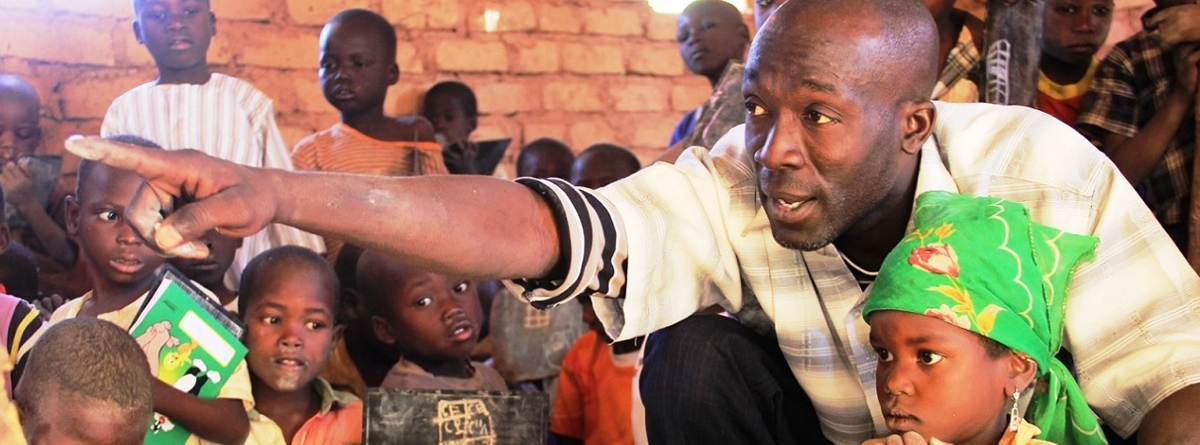
  • Education is a basic Human Right and the Diaspora World Cup global school program focuses its energy in some the poorest countries around the world. We build schools in some of the poorest countries around the worldthat historically had no adequate school structure. Any member of the World Diaspora has the power to end illiteracy around the world through the power of soccer.
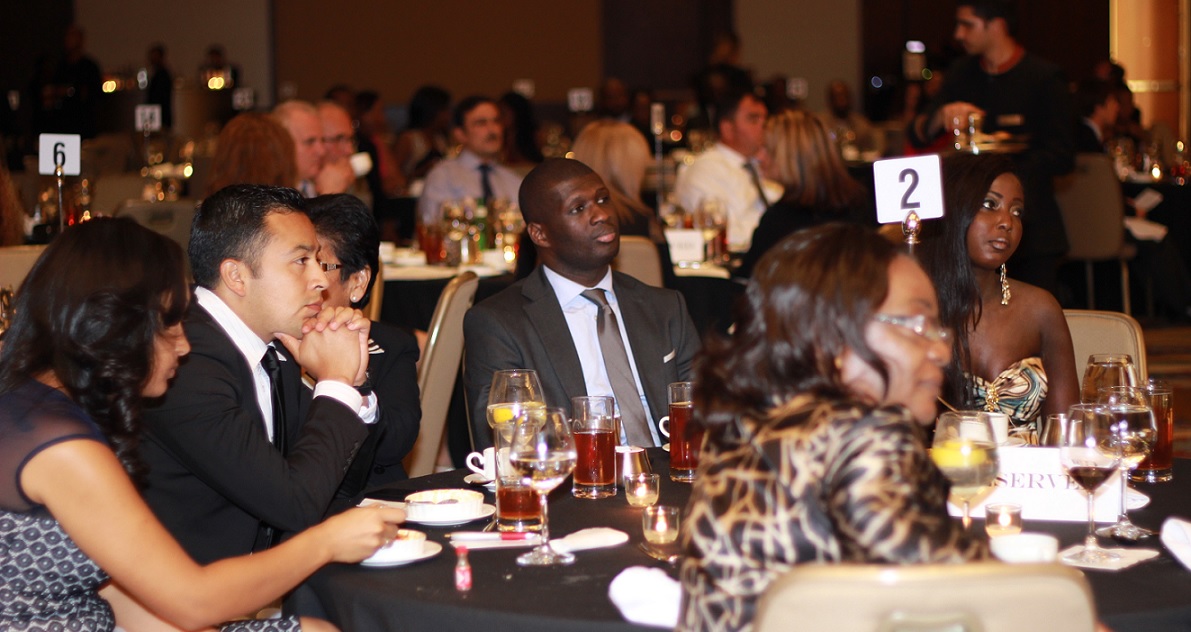
  • High-profile sport figures, global leaders, business leaders, political figure, journalists, activists, philanthropists, actors, and entrepreneurs united by their commitment to the Diaspora World Cup mission to eradicate illiteracy around the world through the power of soccer. They serve as role models and spread the Diaspora World Cup vision and commitment of a world mobilized through soccer.
  •  
  •  
Diaspora 2027: complete guide to all players | The Diaspora
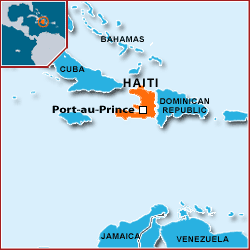
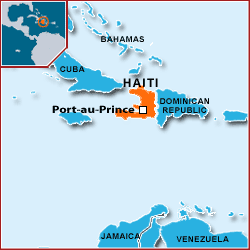
HAITI
Burtonsville – Laurel
Welcome to the 2027 Diaspora World Cup.
Burtonsville – Laurel

Significance

Immigration from Haiti has generally reflected French colonial rule, political instability, economic hardship, natural disasters, armed violence, educational opportunities, family reunification, asylum, and humanitarian migration.

Migration from Haiti has historically been shaped by political upheaval, economic challenges, and close ties with the Caribbean and the United States. Haitians commonly migrated to the Dominican Republic, the Bahamas, Canada, France, and other Caribbean countries for employment, trade, education, and family connections. Overseas migration increased significantly during the late twentieth and early twenty-first centuries as political instability, economic hardship, natural disasters, and insecurity encouraged many Haitians to seek opportunities abroad. The United States became a major destination through family sponsorship, employment, humanitarian programs, asylum, and refugee-related pathways. Today, Haitian immigrants have established one of the largest Caribbean-born communities in the United States while maintaining strong cultural, linguistic, and family ties with their homeland.

Haitian Migration Before Independence

Before independence, Haiti was the French colony of Saint-Domingue, one of the wealthiest plantation colonies in the Caribbean. Migration during the colonial period was shaped by plantation agriculture, the transatlantic slave trade, colonial administration, maritime commerce, and military conflict. The Haitian Revolution (1791–1804) transformed the colony into the first independent Black republic and the second independent nation in the Americas. Haiti declared independence on January 1, 1804, becoming a symbol of freedom and anti-colonial movements throughout the world. During the nineteenth century, direct migration to the United States remained relatively limited, although commercial and diplomatic relations gradually expanded.

Late-Twentieth- and Early-Twenty-First-Century Immigration

Migration increased significantly after the mid-twentieth century as political repression, economic difficulties, natural disasters, and periods of instability encouraged many Haitians to seek opportunities abroad. Students, healthcare professionals, teachers, engineers, entrepreneurs, skilled workers, and business professionals travelled to the United States for higher education, specialized employment, or family reunification, while many others sought asylum or humanitarian protection. The 2010 earthquake, subsequent humanitarian crises, and continuing political instability further contributed to migration in the twenty-first century. In the United States, Haitian immigrants often rely on family networks, churches, community organizations, cultural associations, and humanitarian groups for support with housing, employment, education, language services, and social integration while preserving Haitian Creole, French, traditional cuisine, music, religious practices, and close relationships with relatives in Haiti.

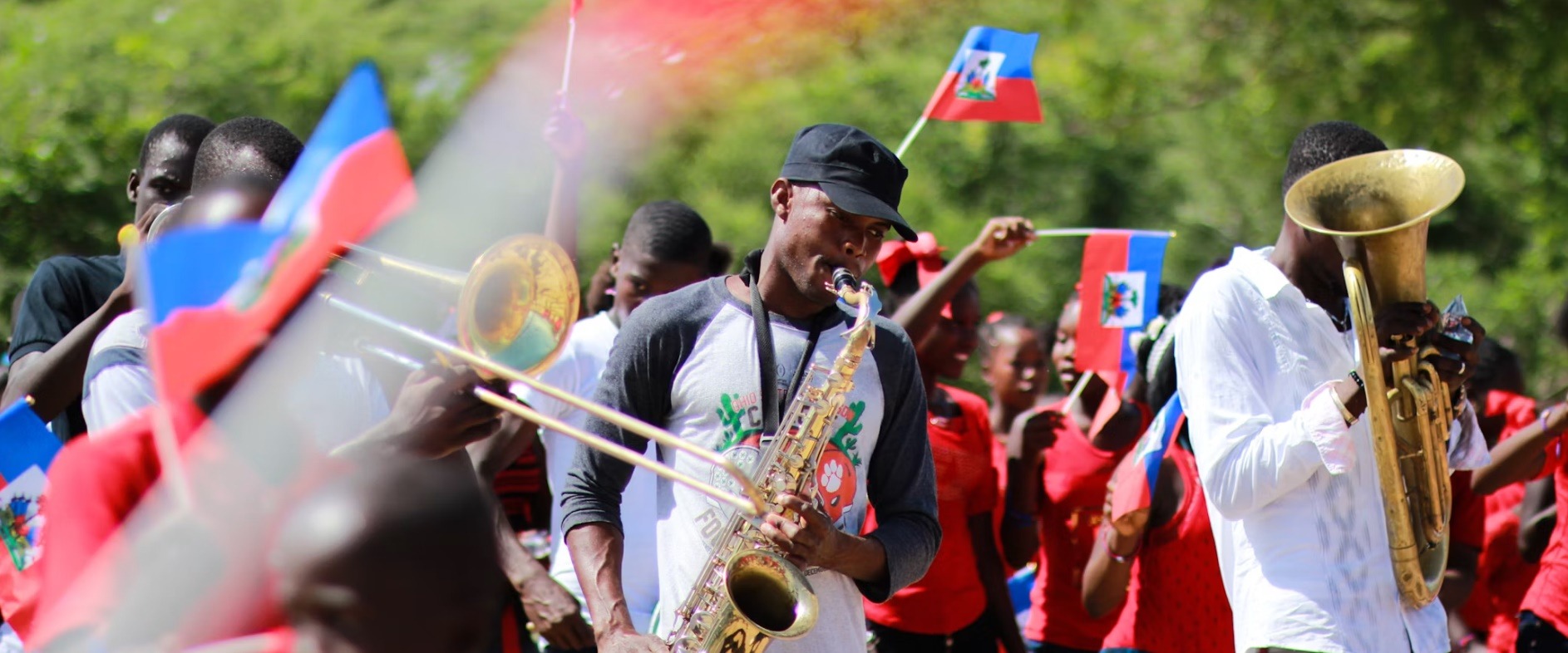
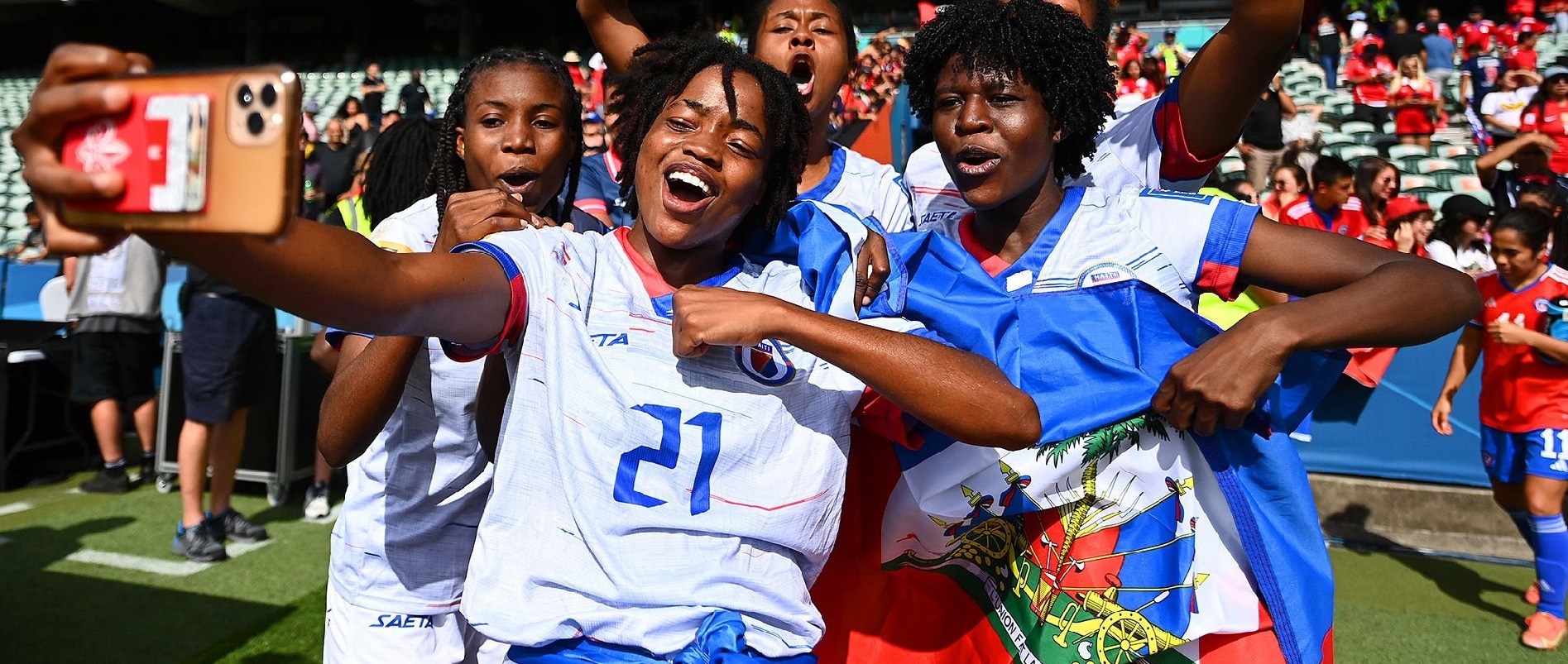
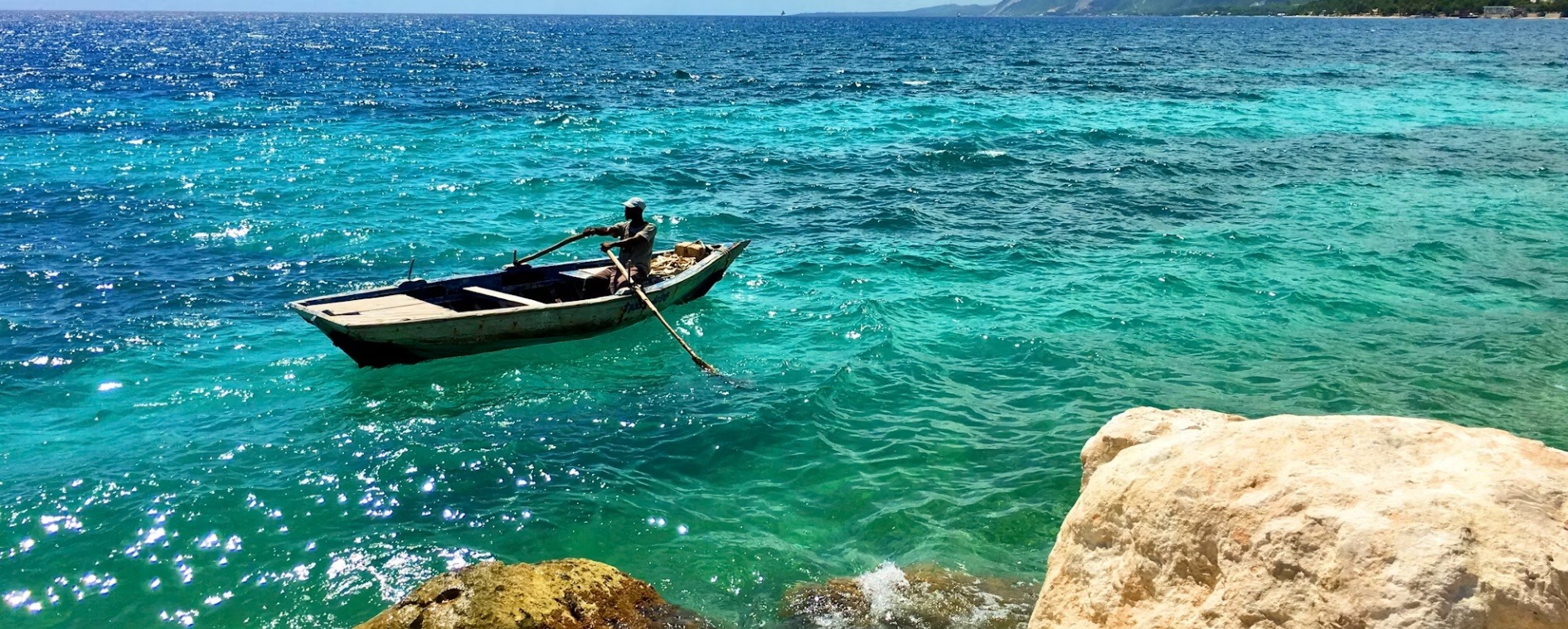
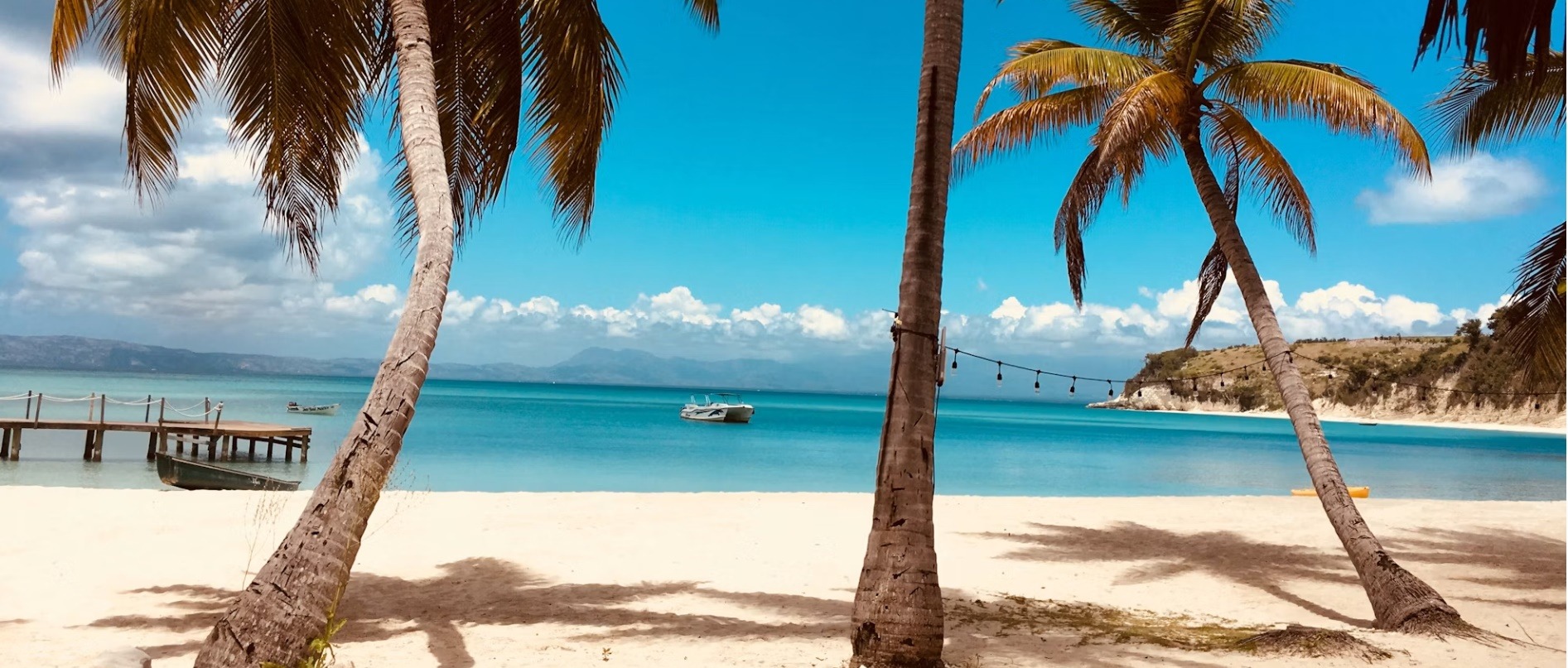
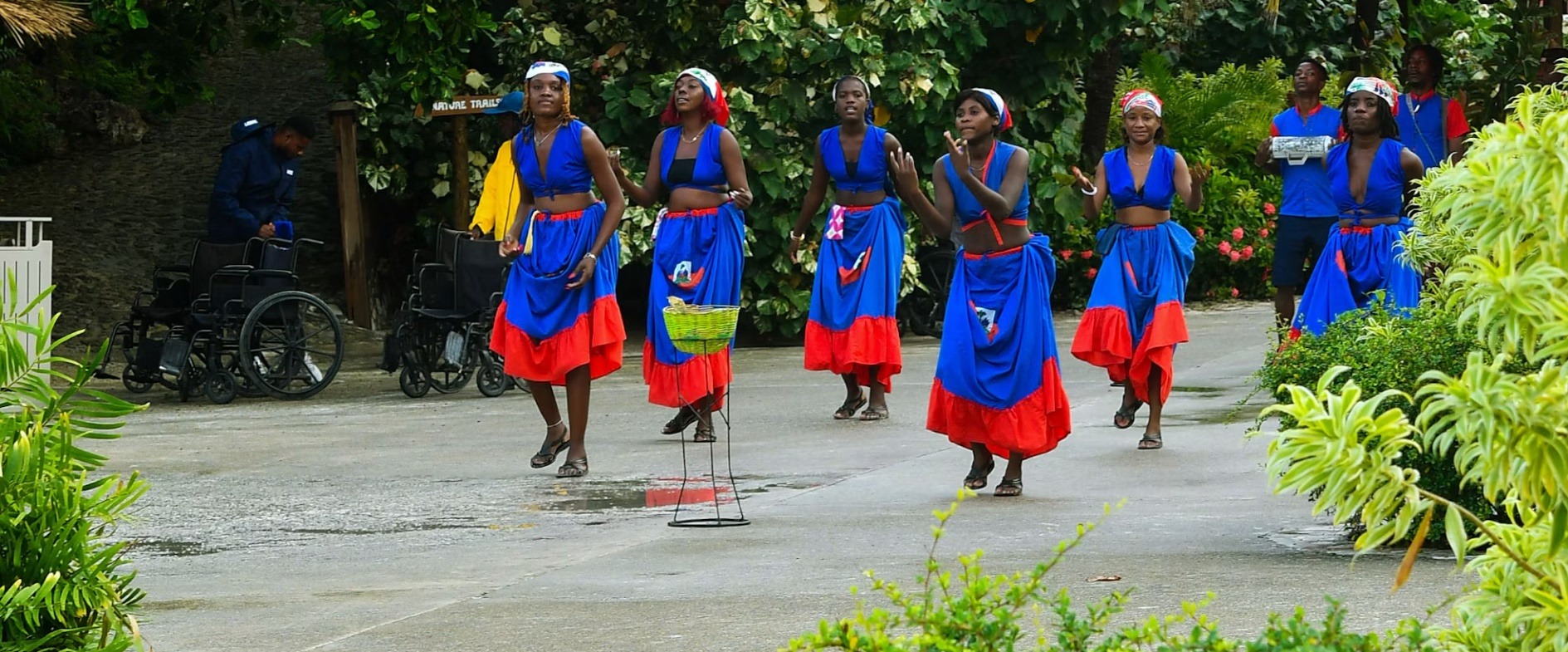
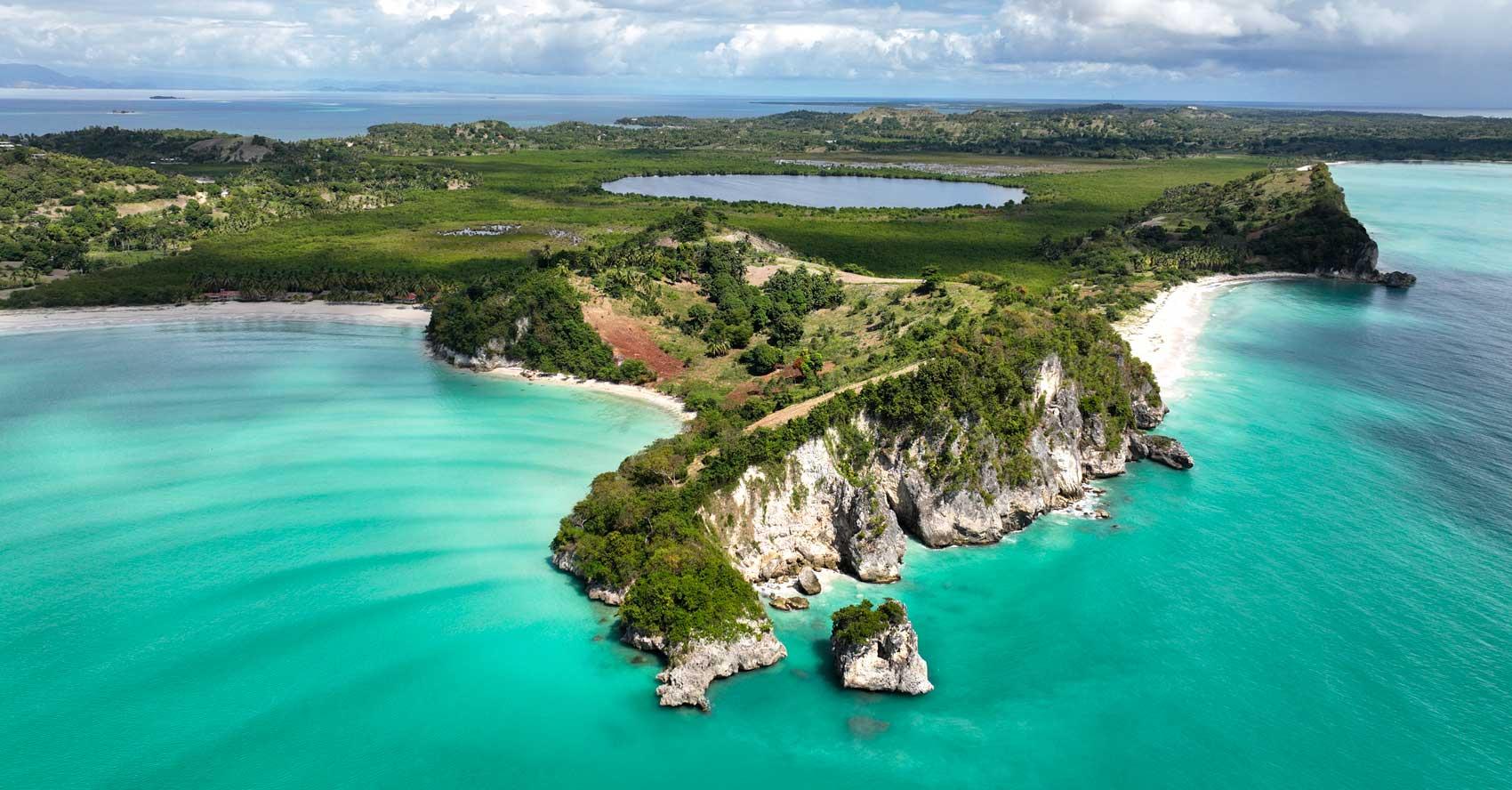
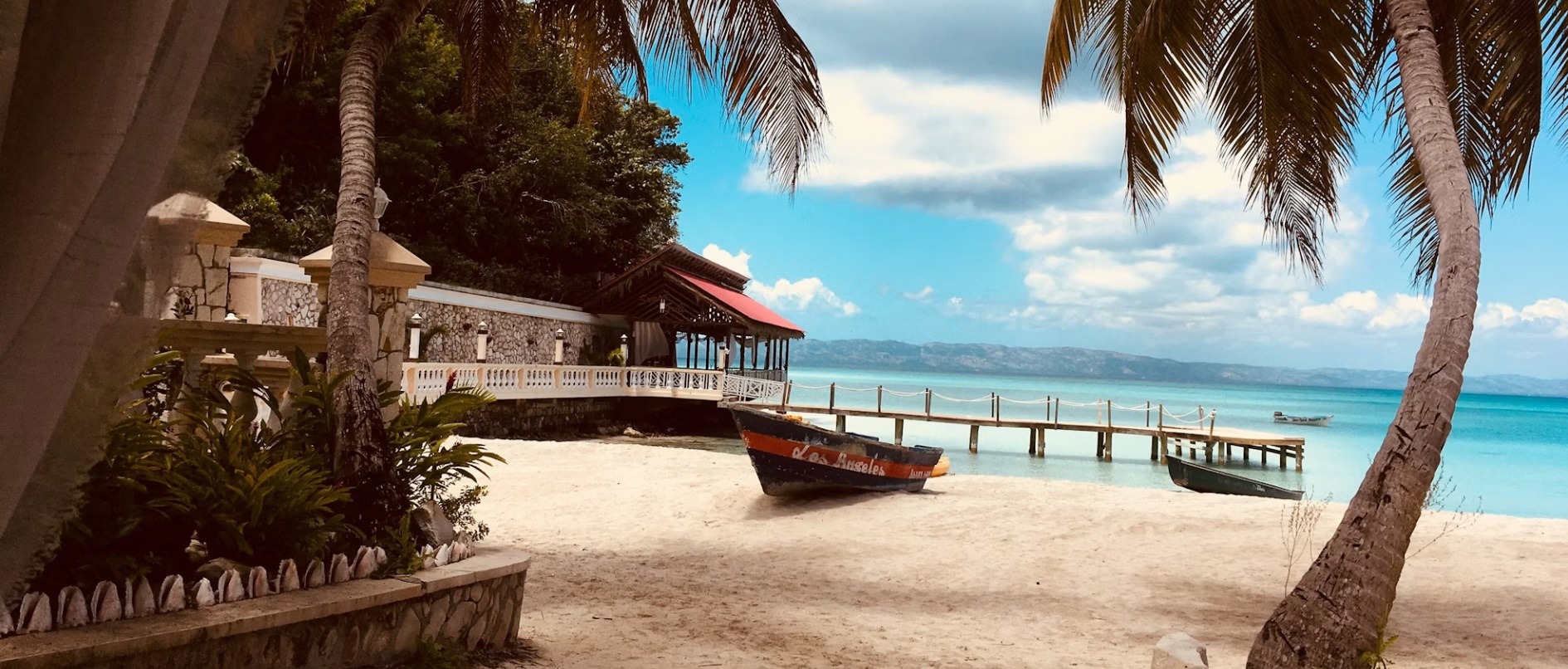
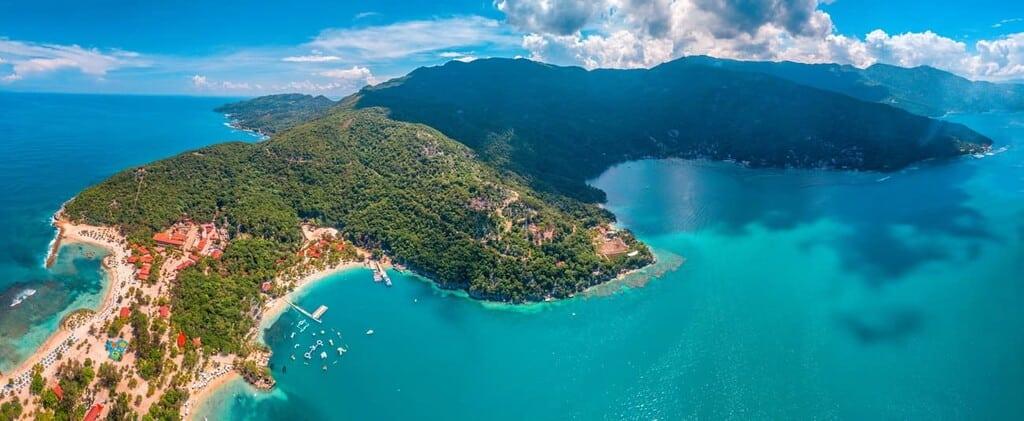
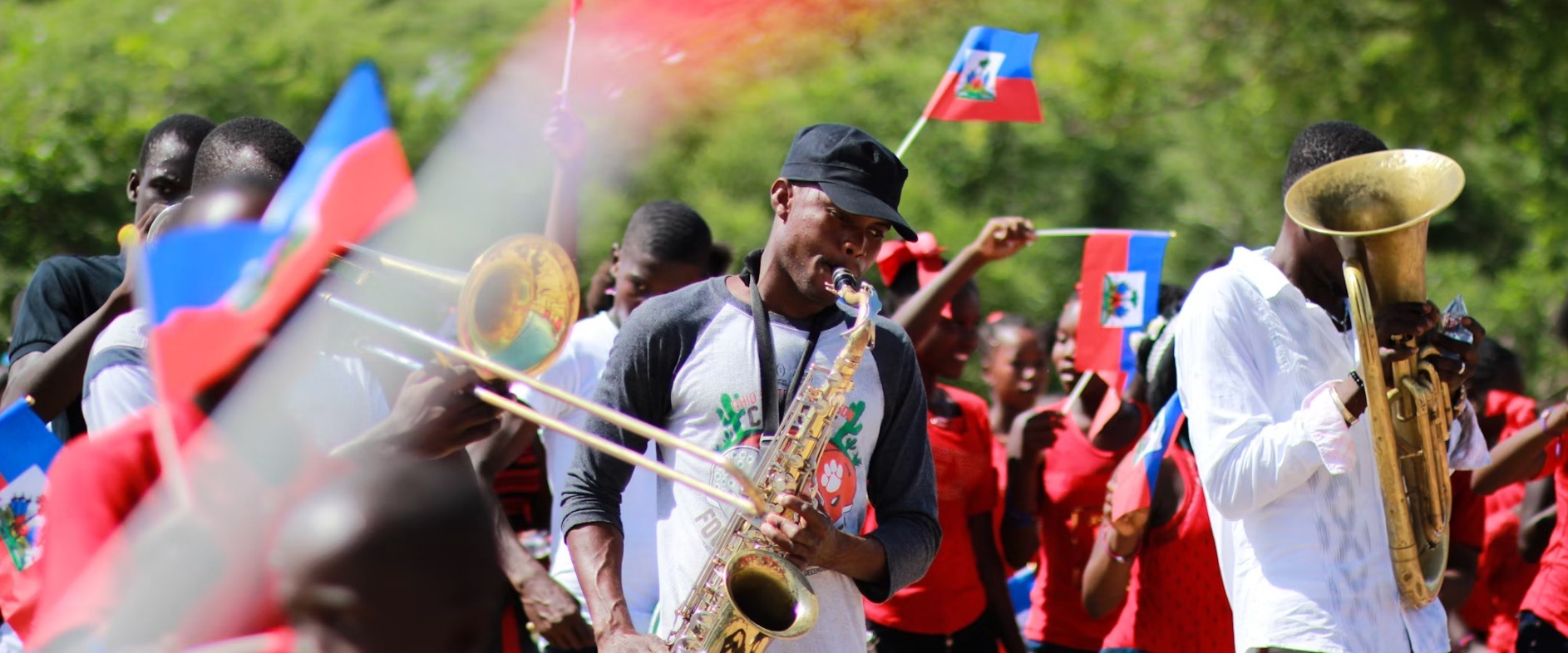
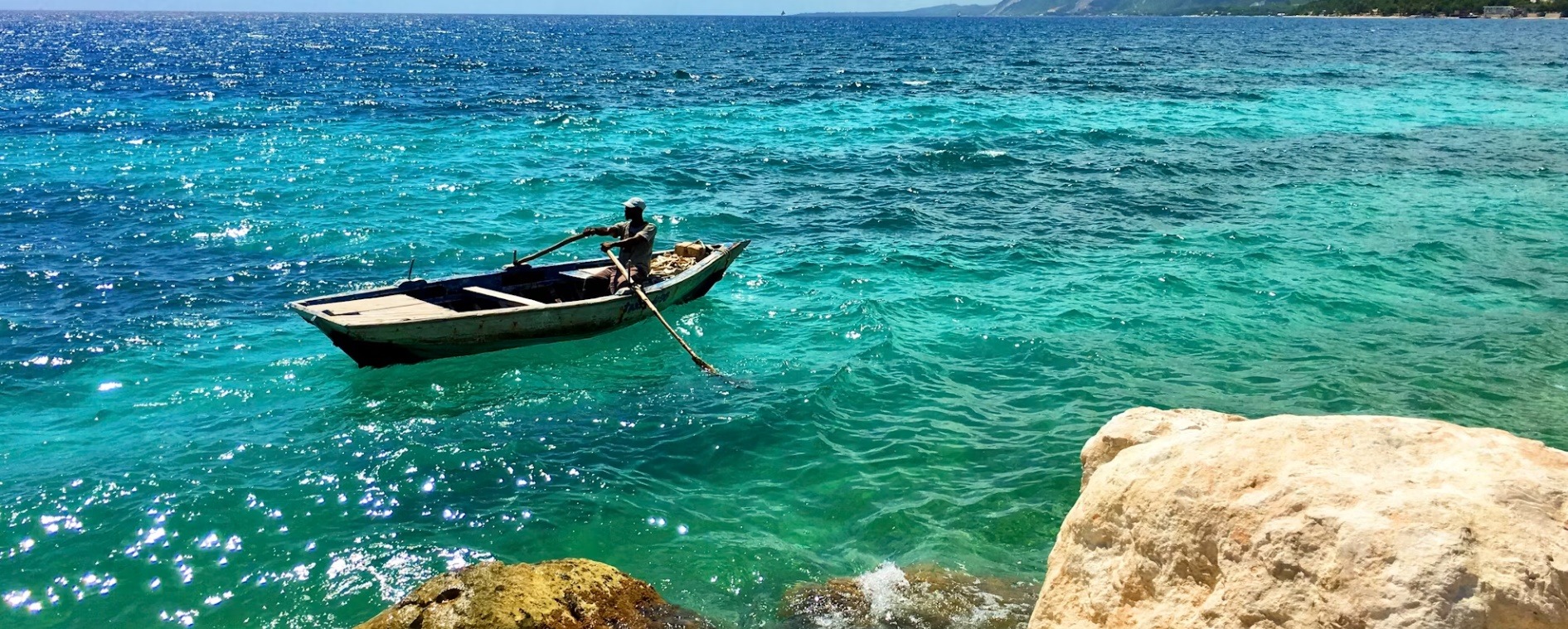
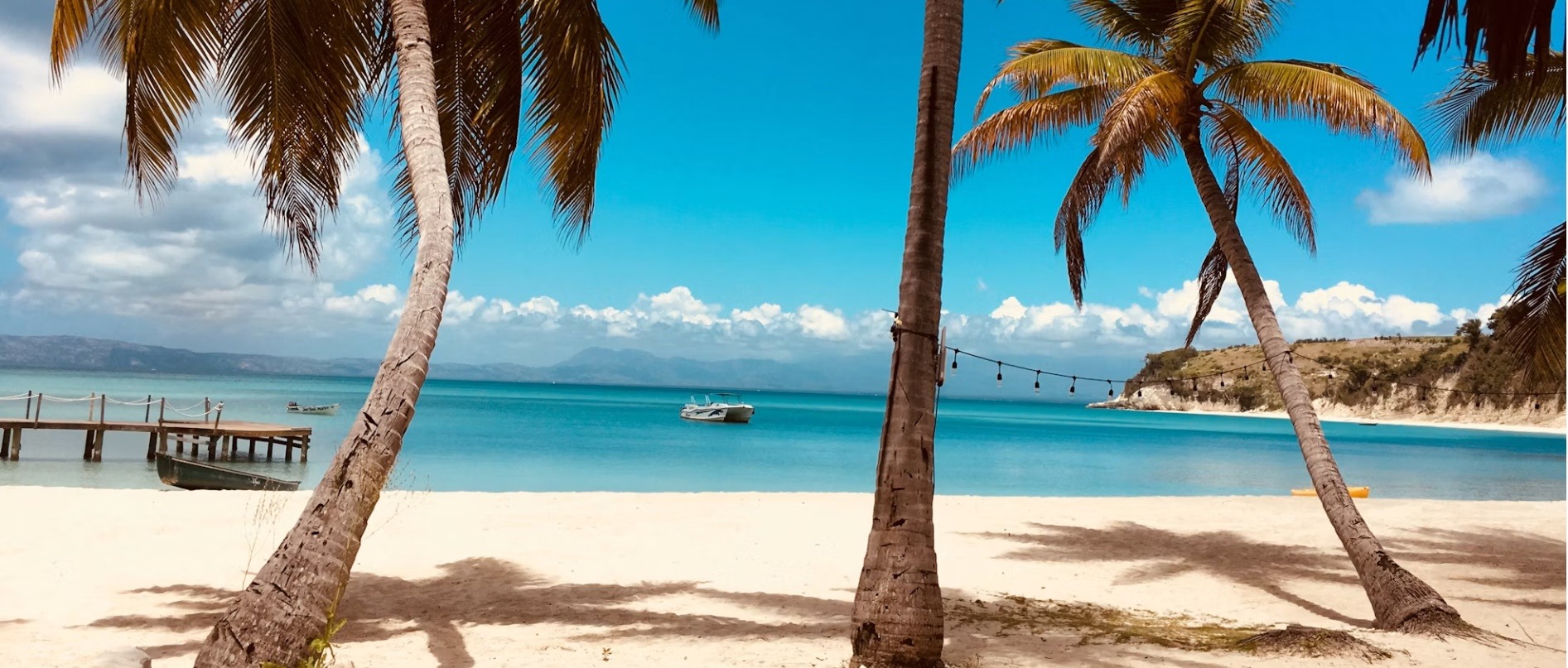
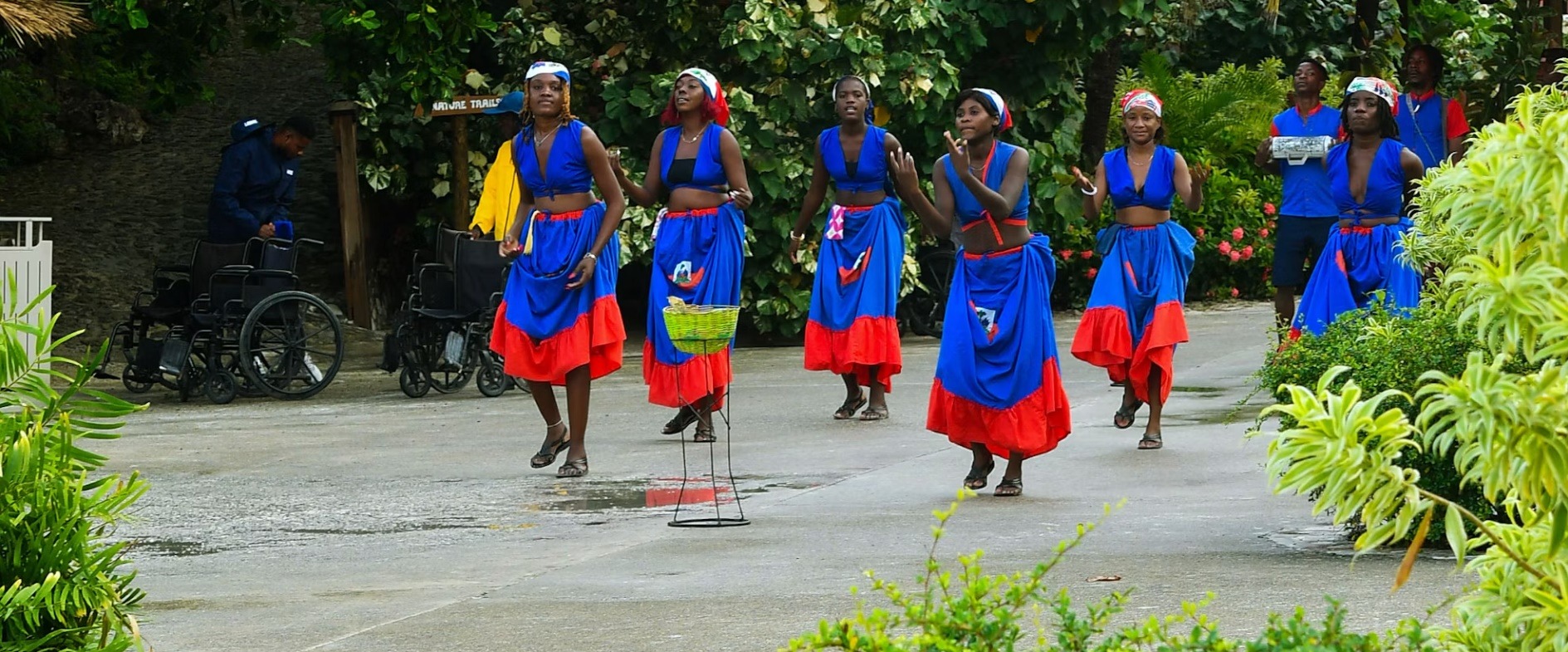
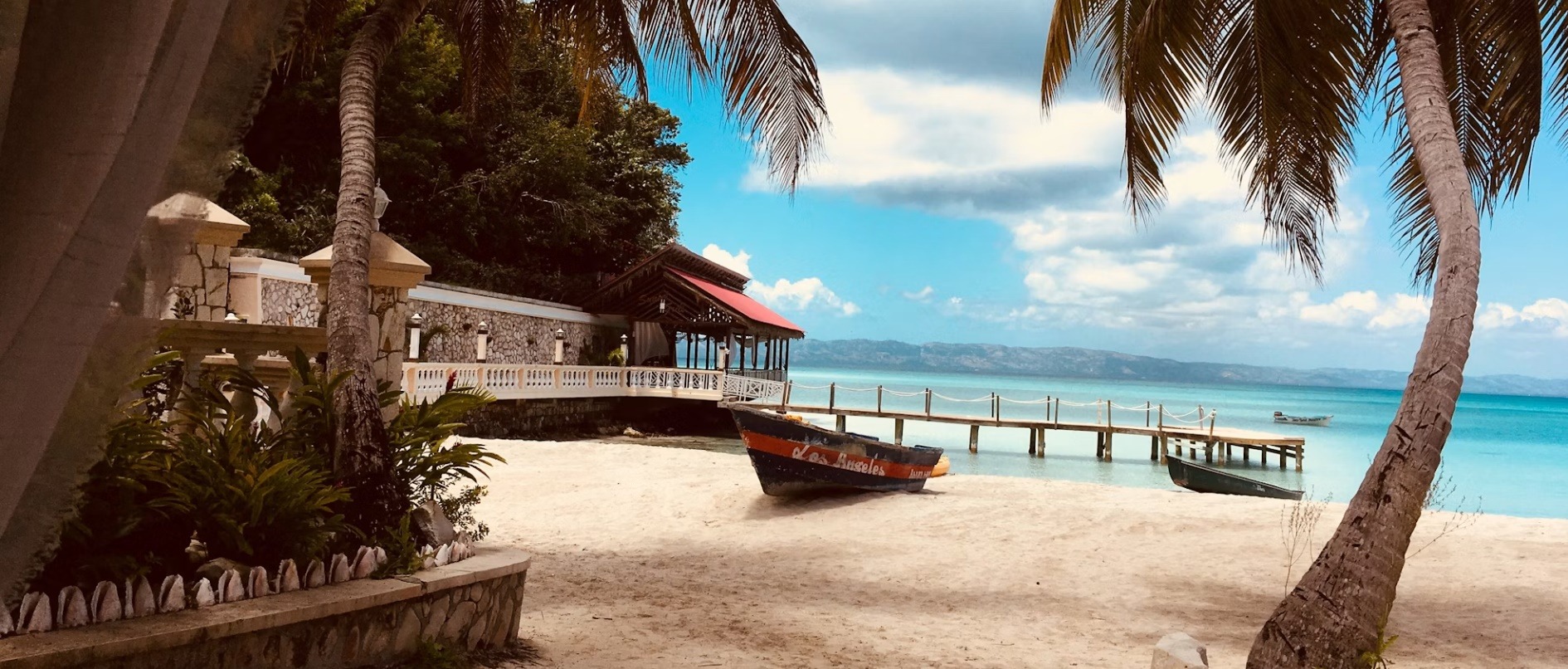
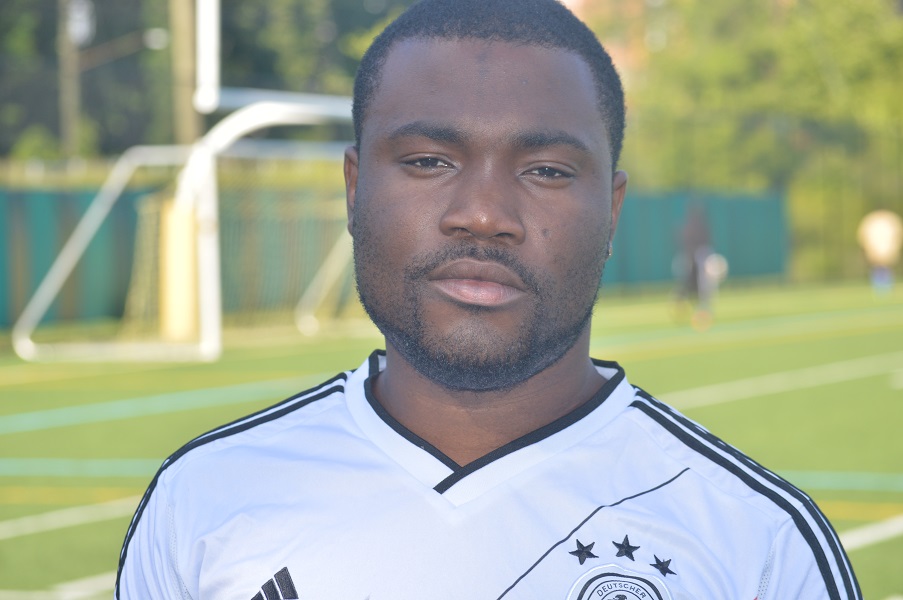
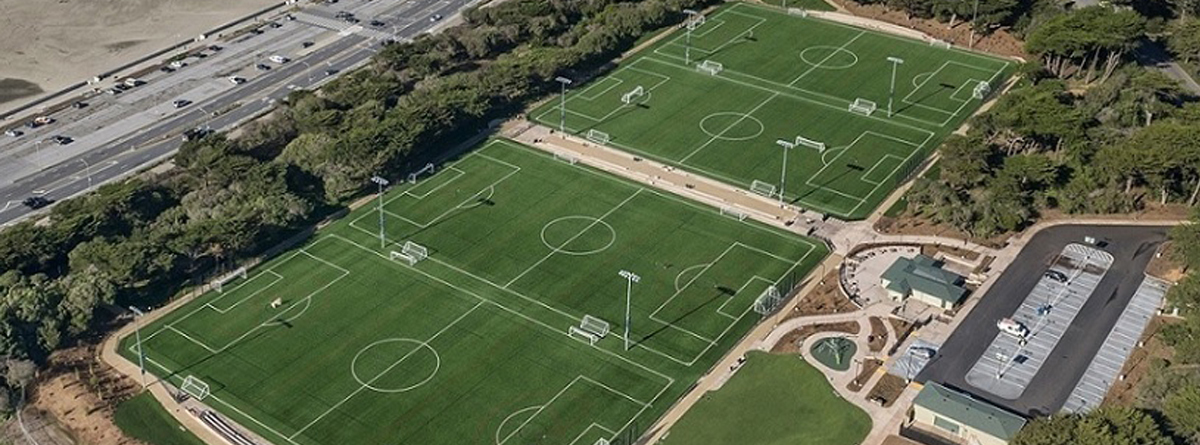
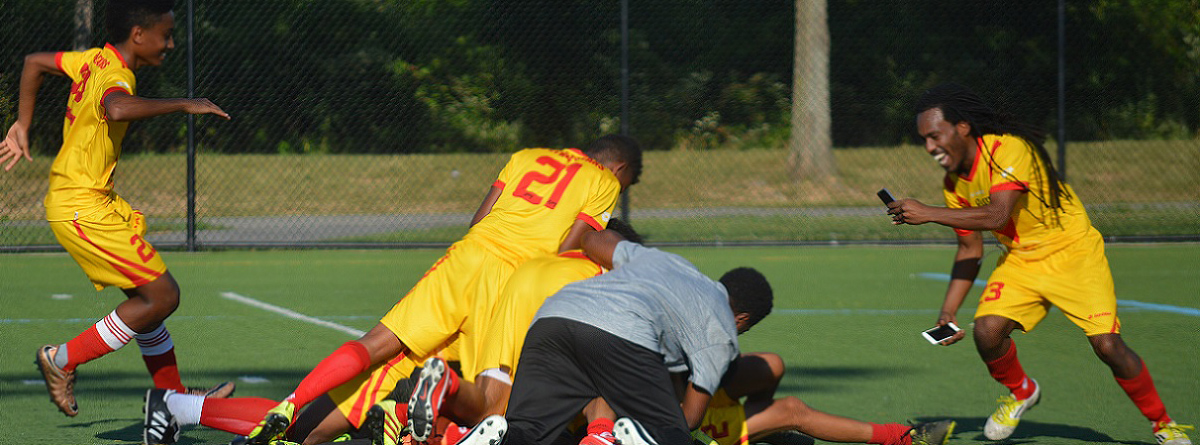
Haiti country image
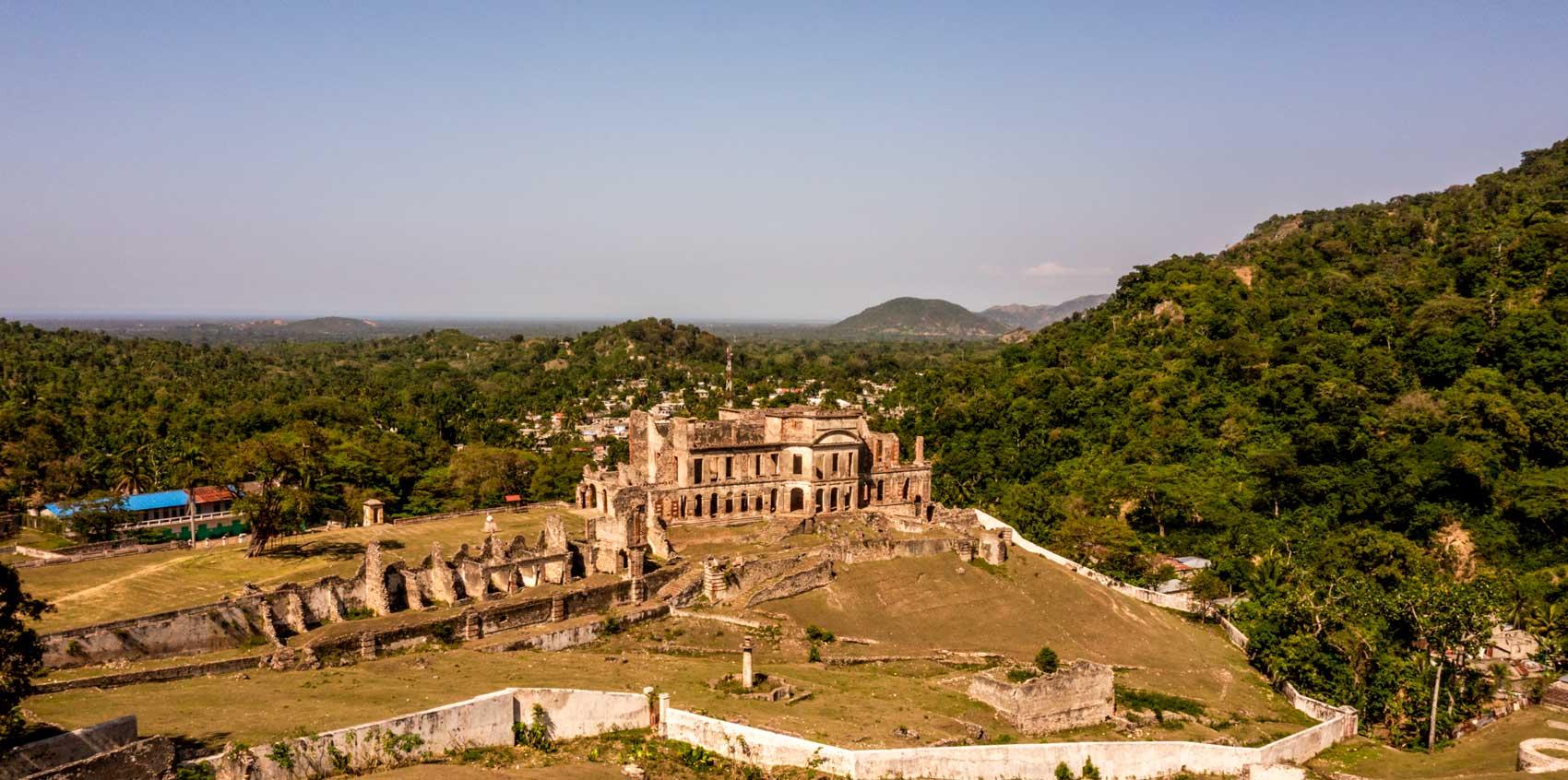
Haiti country image
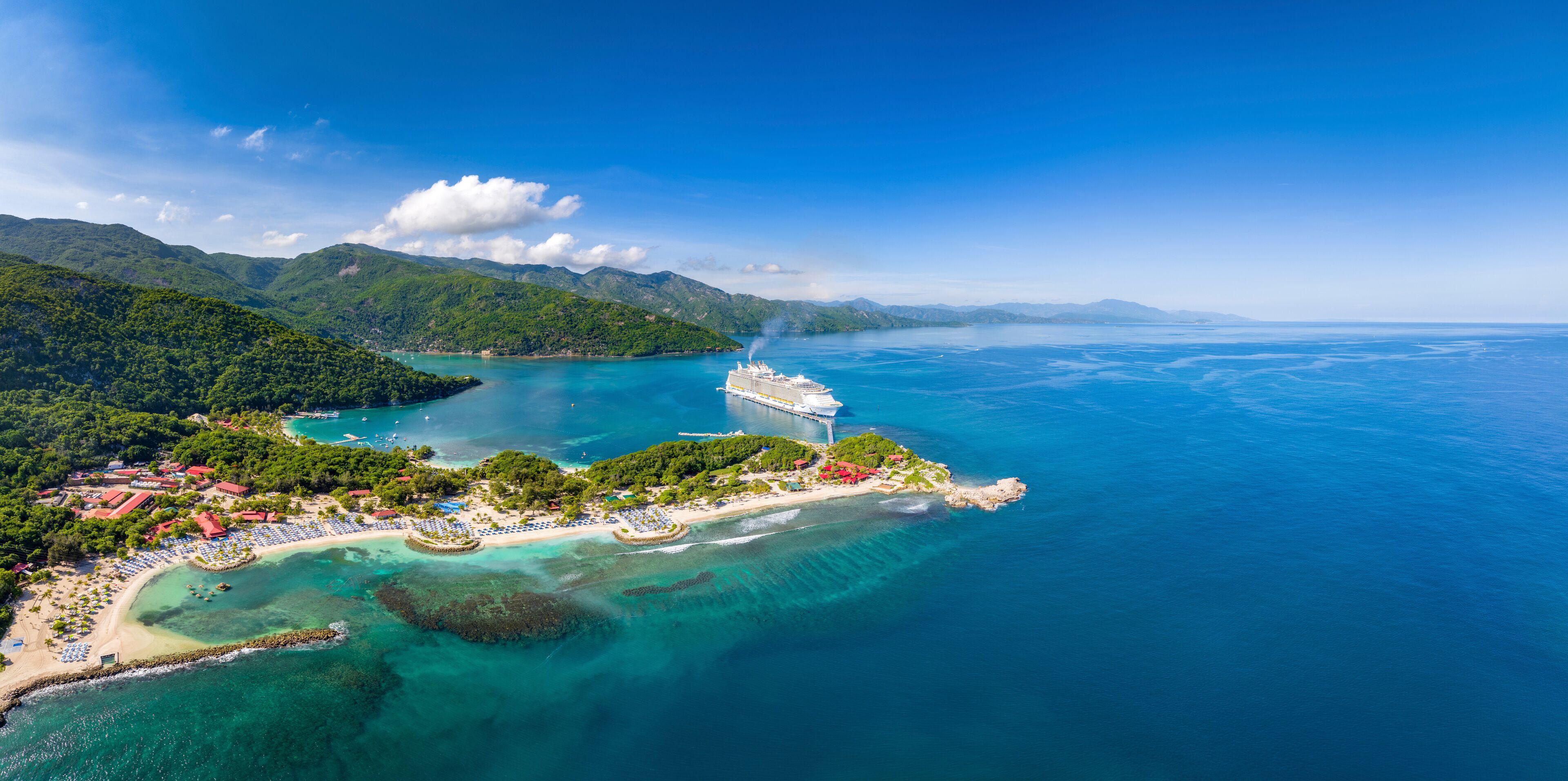
Haiti country image
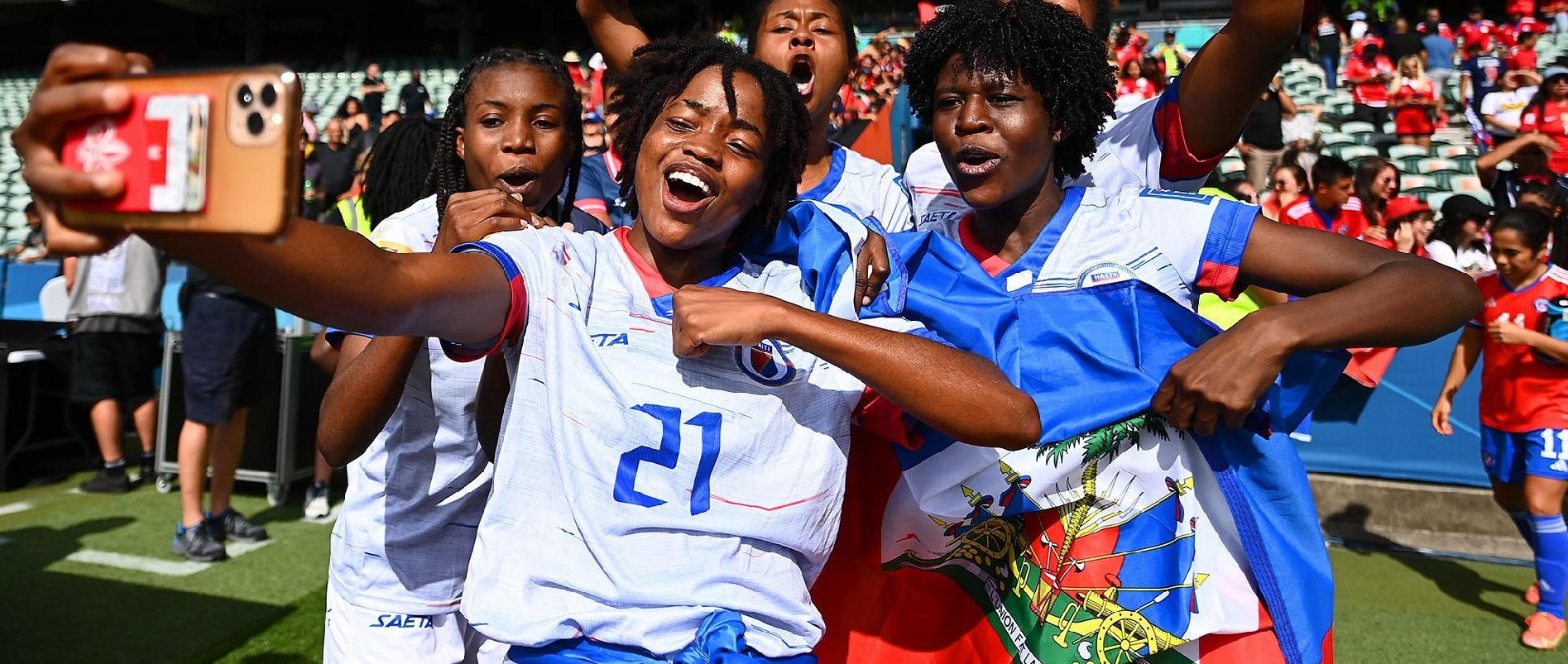
Haiti country image
Haiti overview image

Team Standings

Teams Mp W D L GF GA Pt
African U. African U. 0 0 0 0 0 0 0
Cameroon Cameroon 0 0 0 0 0 0 0
Colombia Colombia 0 0 0 0 0 0 0
England England 0 0 0 0 0 0 0
Ethiopia Ethiopia 0 0 0 0 0 0 0
Ghana Ghana 0 0 0 0 0 0 0
Haiti Haiti 0 0 0 0 0 0 0
Jamaica Jamaica 0 0 0 0 0 0 0
Sierra L. Sierra L. 0 0 0 0 0 0 0
Tanzania Tanzania 0 0 0 0 0 0 0

Squad List

Abate Laza
Defender
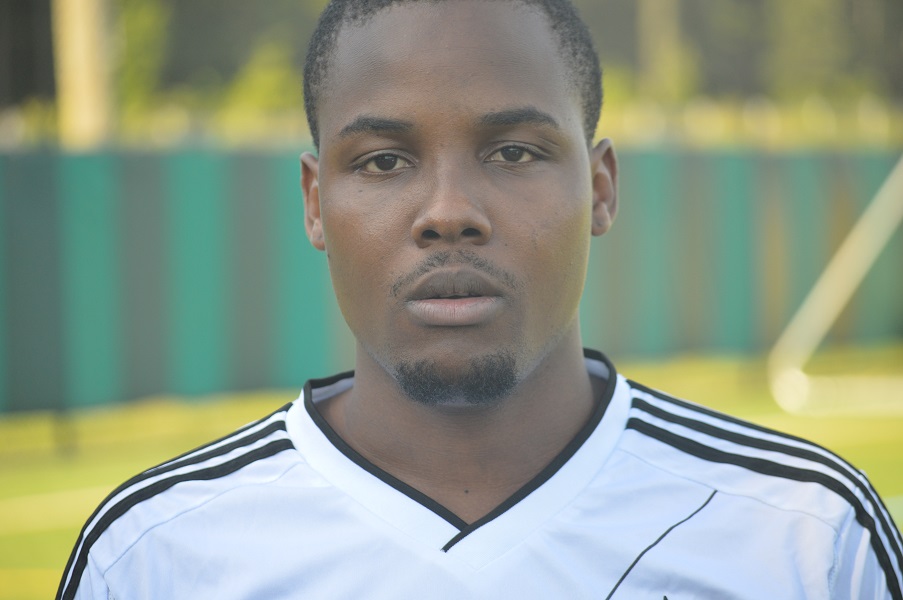
Akem Cletus
Midfielder
Benedict Atabong
Forward
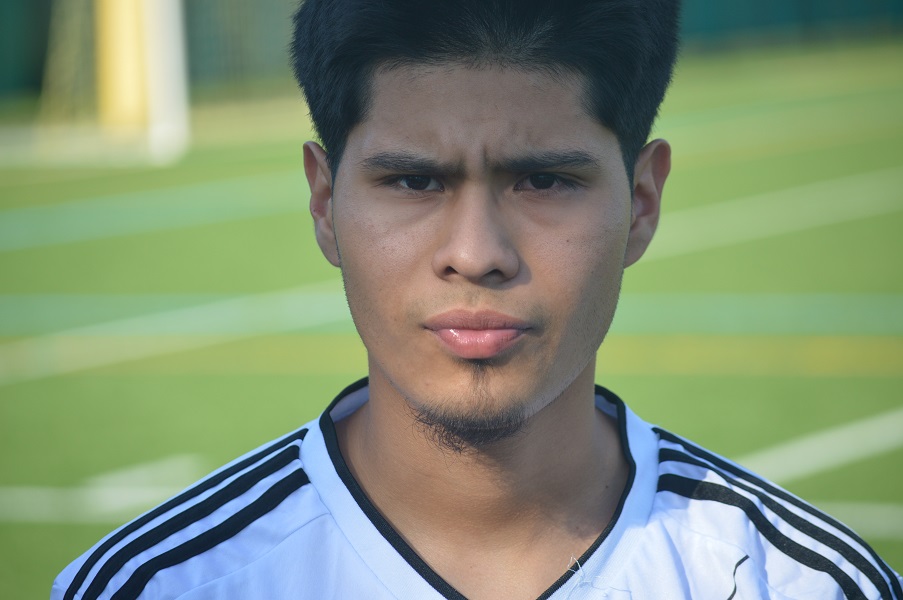
Bryan Navarro
Midfielder
Chris Tangalem
Defender
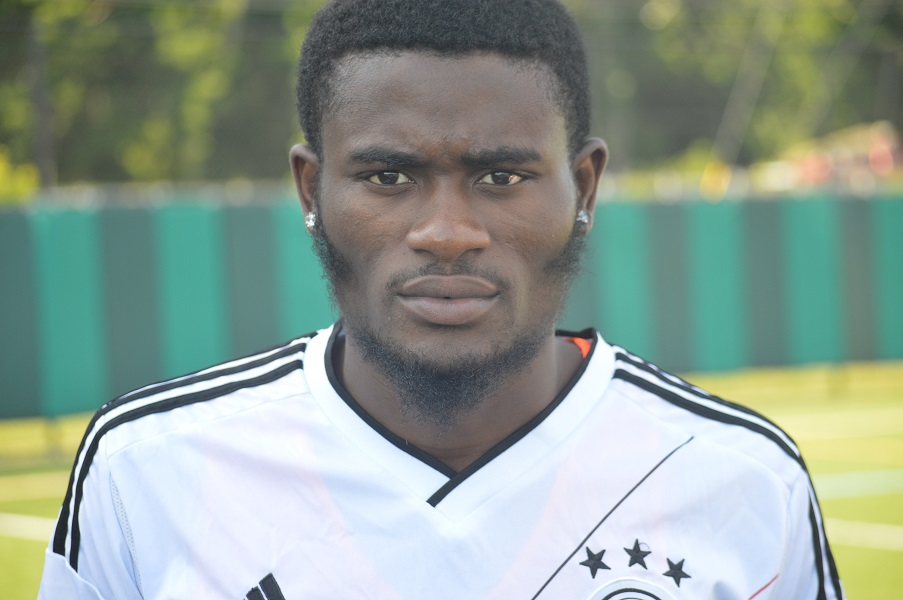
Conrad Arrey
Midfielder
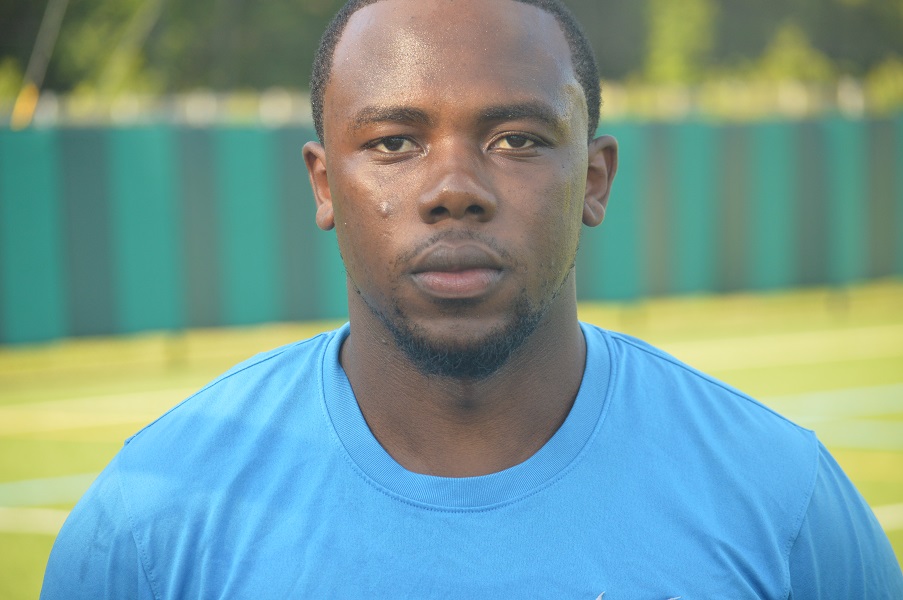
Daniel Anagho
Goalkeeper
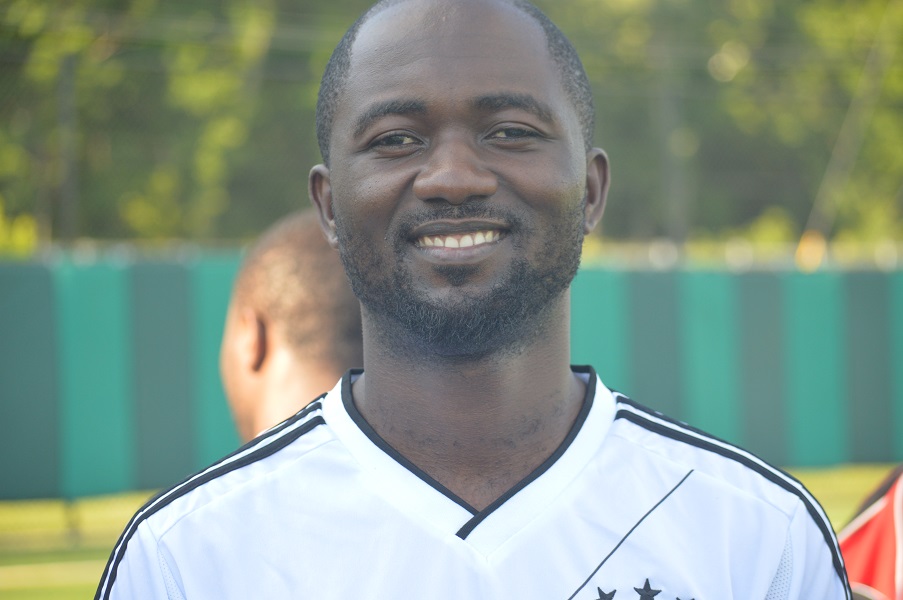
Deco Teko
Midfielder
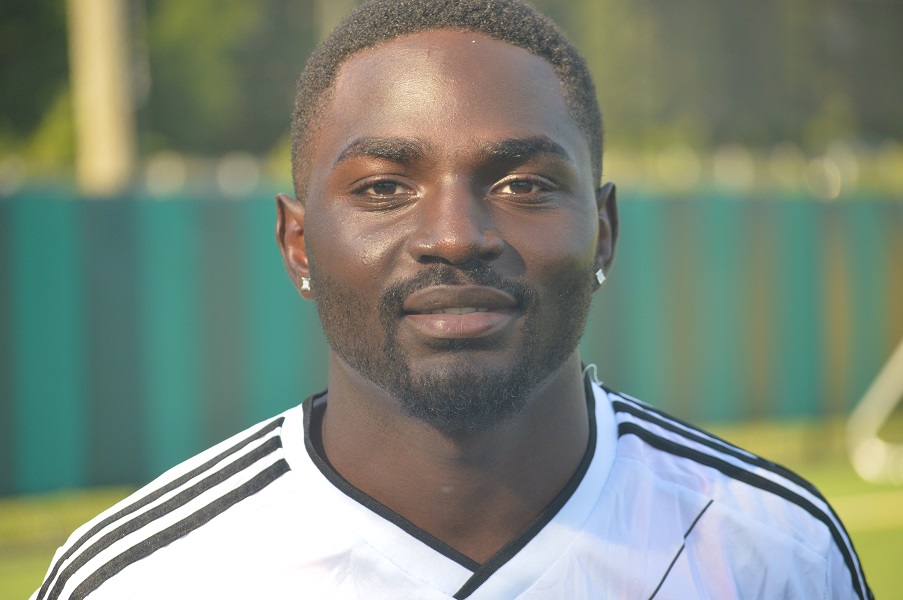
Dominic Atabong
Forward
Emmanuel Chi
Midfielder
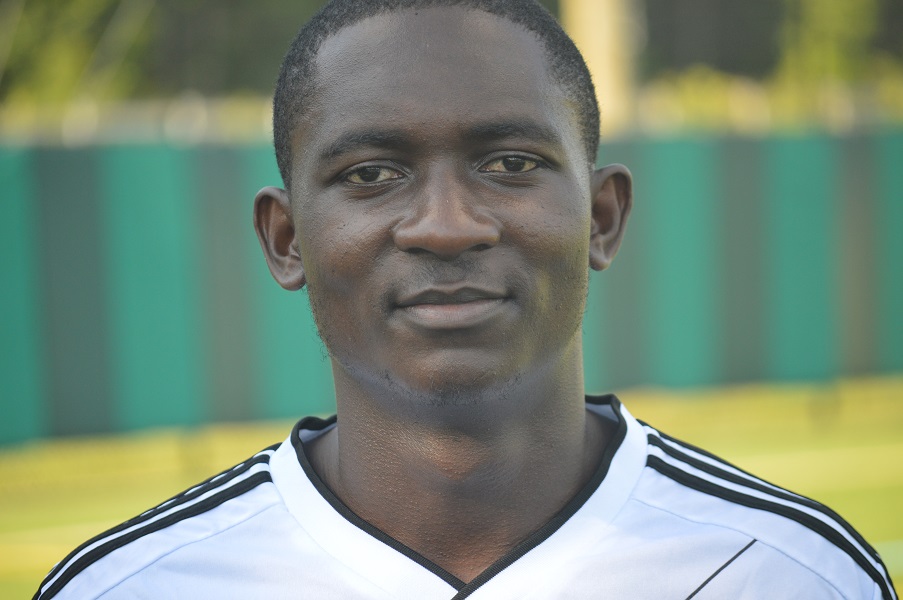
Emmanuel Teko
Midfielder
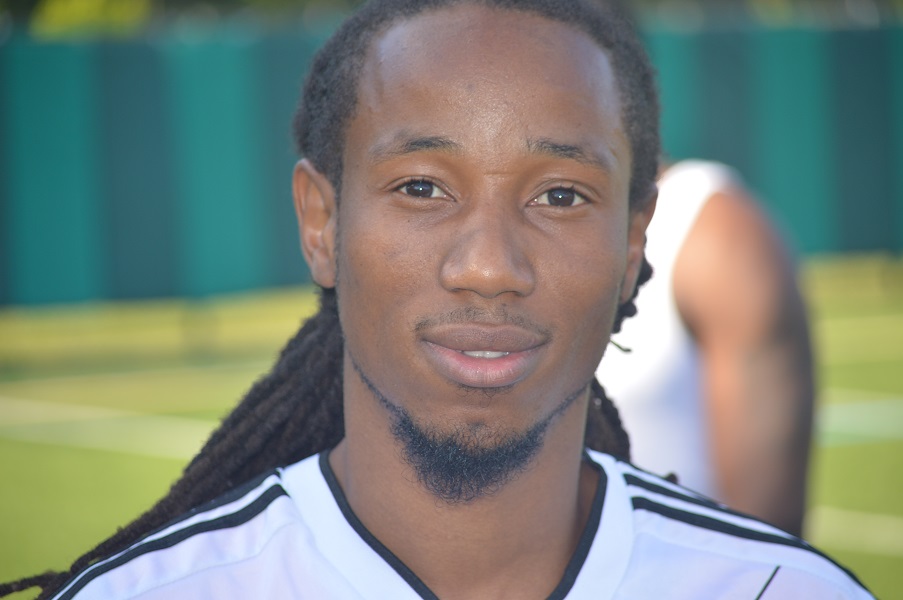
Evenson Fevry
Midfielder
Goriola Ayonio
Defender
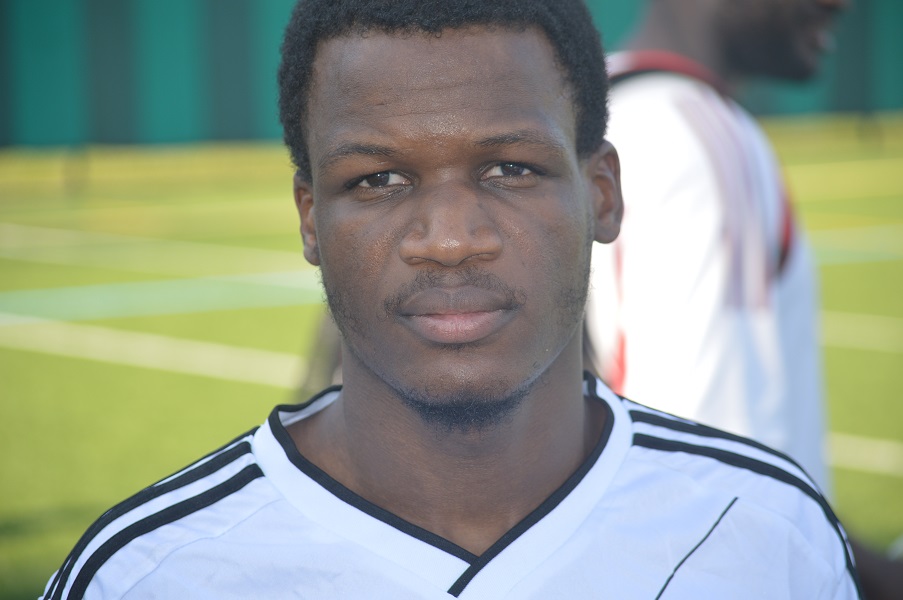
Hans Beaubrun
Defender
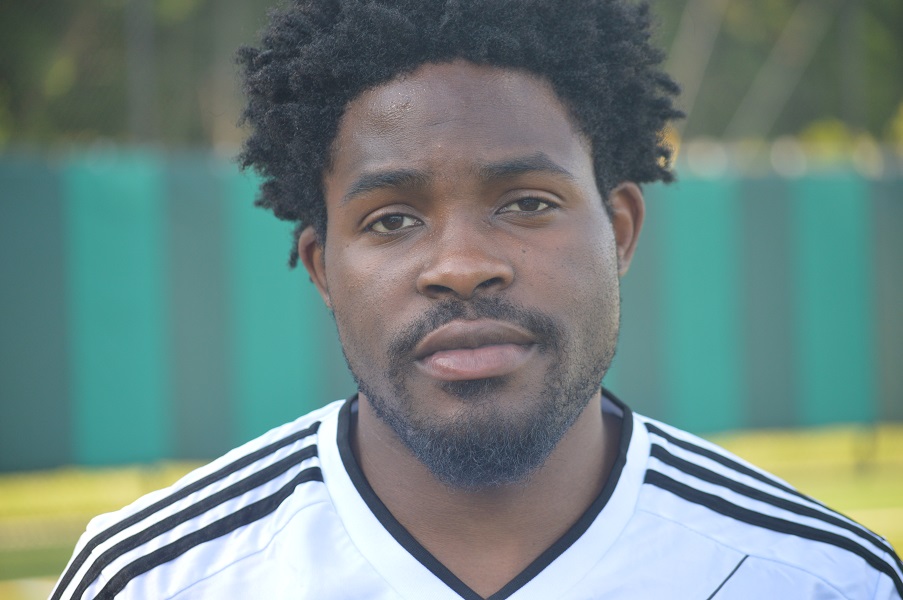
Ivan Djamen
Defender
Jameson Castor
Forward

Joel Musa
Midfielder
Josue Lorenzana
Forward
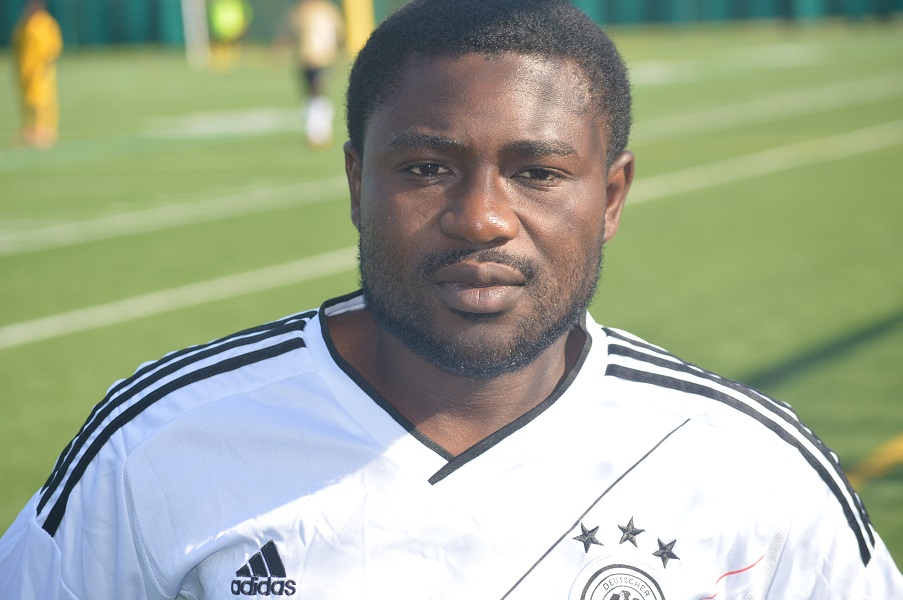
Kunu Tete
Midfielder

Linus Seino
Forward
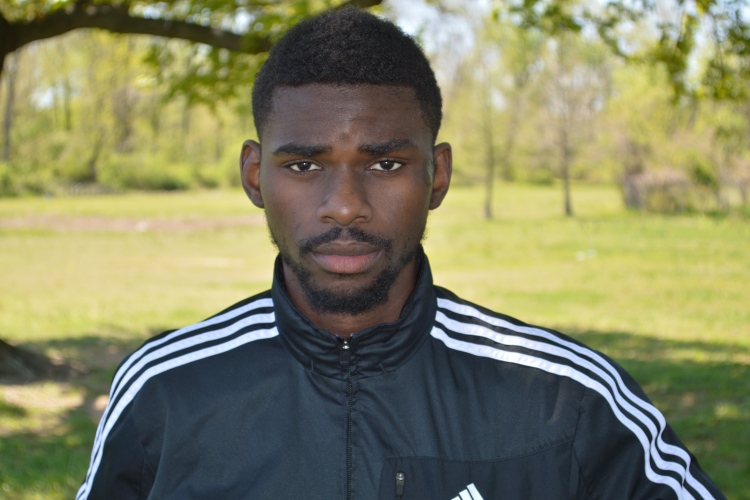
Luanga Njoya
Midfielder
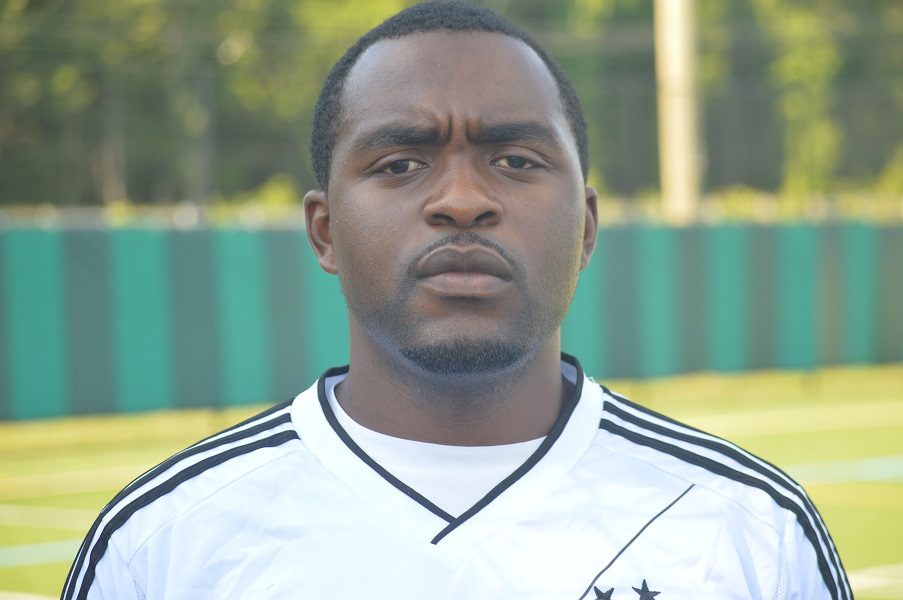
Maxime Bebe
Defender
Mirabeau Kem
Defender
Nana Ndoping
Goalkeeper
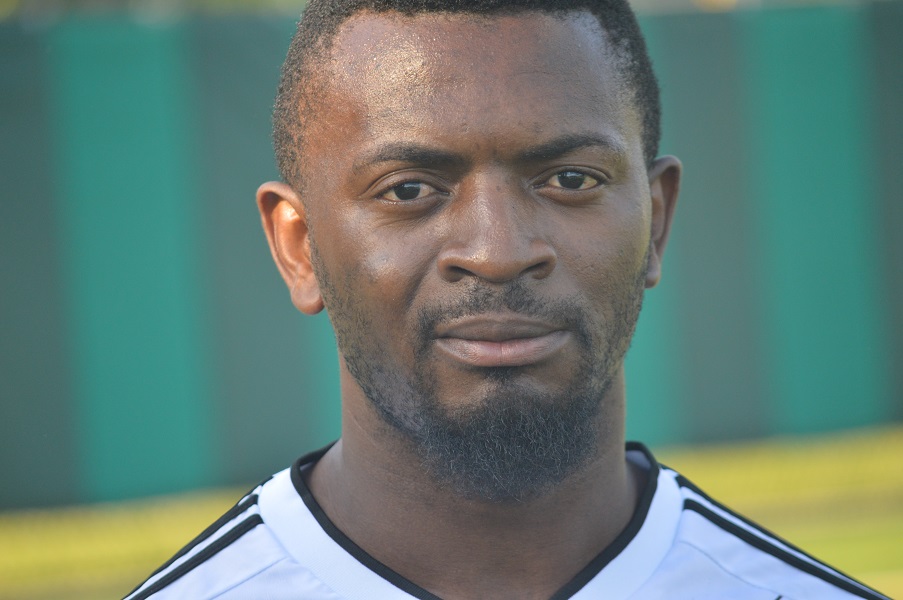
Nelson Bisong
Defender
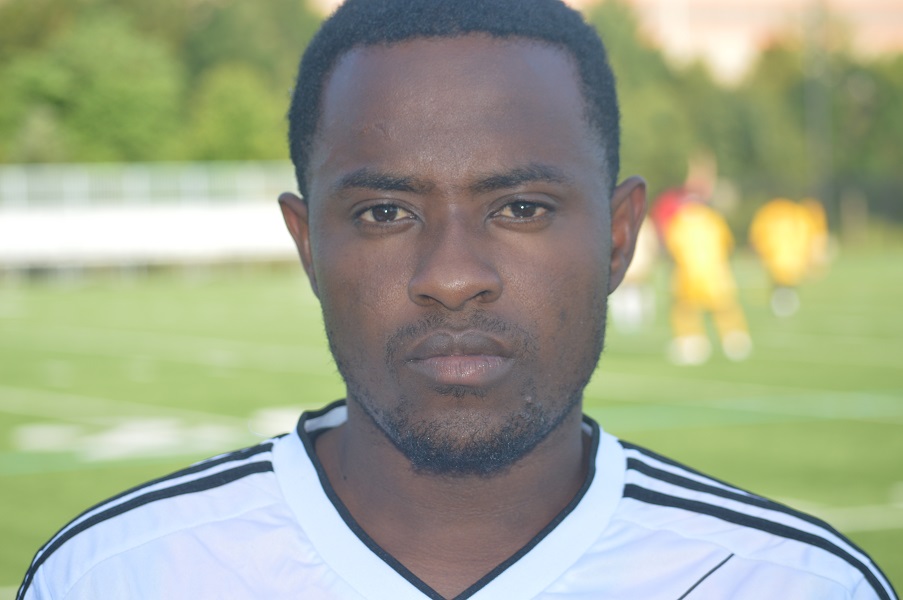
Patrick Paco
Midfielder
Rodrick Ndukong
Goalkeeper
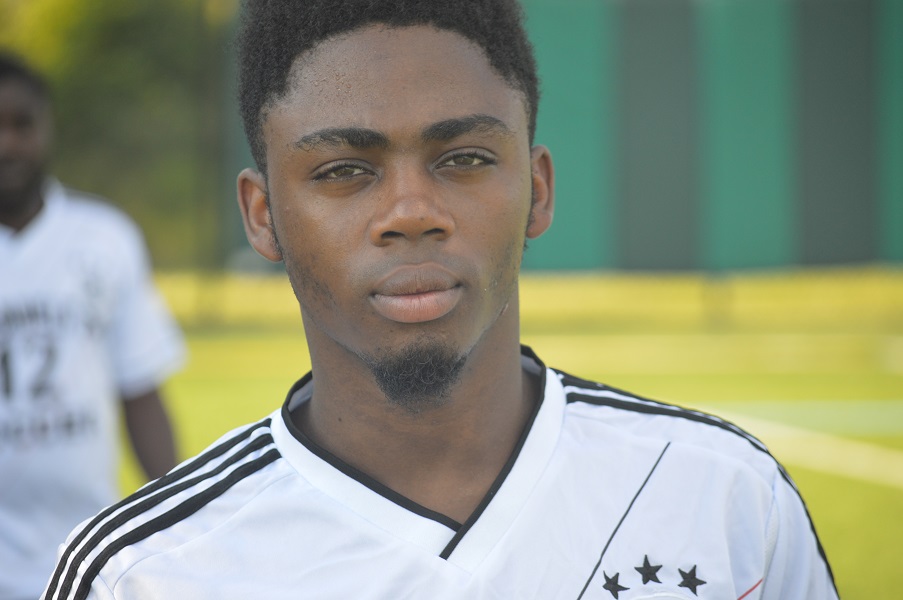
Schmidt Nchotu
Defender

Coaching Staff
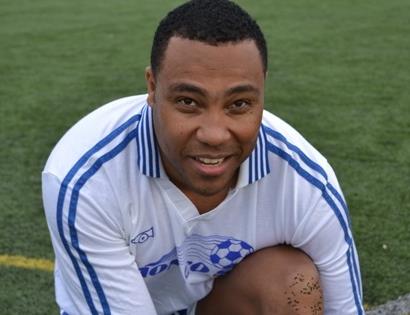
Reggie Septus
C
Reggie Septus
Head Coach