


Responsive Header
  • Where We Work
  • Cameroon
  • The Diaspora World Cup operates in some of the major cities and metro areas in United States and Canada. Our network of register players includes 20 cities, 200 countries, 400 teams, and 10,000 players. Join our movement to solve the world's most pressing challenges: Illiteracy
  • Who We are text will be here Who We are text will be here Who We are text will be here Who We are text will be here Who We are text will be here Who We are text will be here Who We are text will be here Who We are text will be here Who We are text will be here
  • What We Do text will be here What We Do text will be here What We Do text will be here What We Do text will be here What We Do text will be here What We Do text will be here What We Do text will be here What We Do text will be here What We Do text will be here What We Do text will be here What We Do text will be here What We Do text will be here
  • Get Involved text will be here Get Involved text will be here Get Involved text will be here Get Involved text will be here Get Involved text will be here Get Involved text will be here Get Involved text will be here Get Involved text will be here Get Involved text will be here Get Involved text will be here
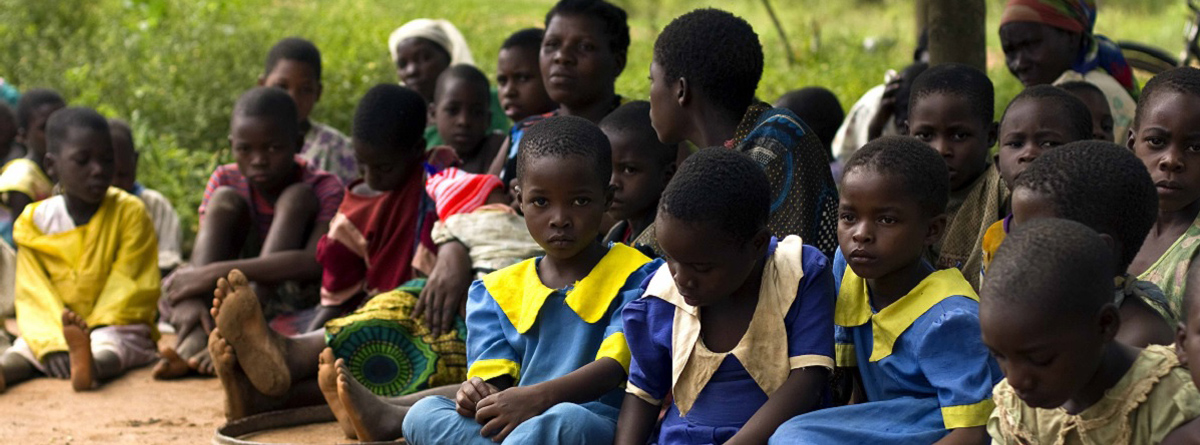
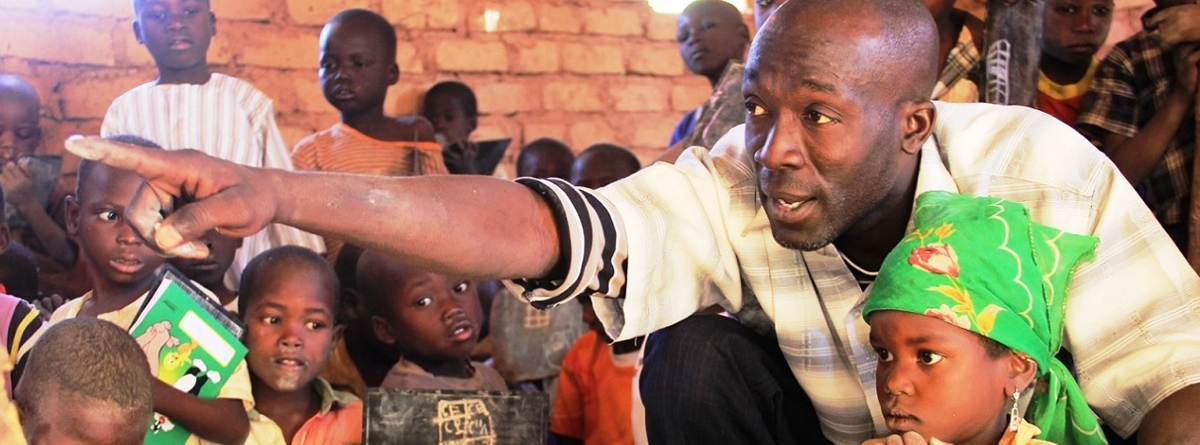
  • Education is a basic Human Right and the Diaspora World Cup global school program focuses its energy in some the poorest countries around the world. We build schools in some of the poorest countries around the worldthat historically had no adequate school structure. Any member of the World Diaspora has the power to end illiteracy around the world through the power of soccer.
  • High-profile sport figures, global leaders, business leaders, political figure, journalists, activists, philanthropists, actors, and entrepreneurs united by their commitment to the Diaspora World Cup mission to eradicate illiteracy around the world through the power of soccer. They serve as role models and spread the Diaspora World Cup vision and commitment of a world mobilized through soccer.
  •  
  •  
Diaspora 2027: complete guide to all players | The Diaspora
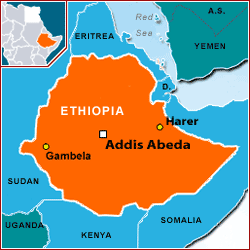
ETHIOPIA
Burtonsville – Laurel
Welcome to the 2027 Diaspora World Cup.
Burtonsville – Laurel

Significance

Ethiopian immigration to the United States has generally reflected political revolution, civil conflict, government repression, famine, refugee displacement, education, professional employment, family reunification, and the Diversity Visa programme.

Ethiopian migration to the United States remained limited until the second half of the twentieth century. Early arrivals mainly included diplomats, students, religious workers, academics, businesspeople, and professionals travelling for education, government service, or specialised employment. Immigration expanded after the 1974 Ethiopian Revolution, when the Derg military government removed Emperor Haile Selassie and introduced authoritarian rule. Political persecution, the Red Terror, civil war, famine, and economic hardship forced many Ethiopians to leave for Sudan, Kenya, Europe, and North America. Ethiopian communities later developed especially in the Washington, D.C., metropolitan area, California, Minnesota, Washington State, Texas, and Georgia, supported by churches, mosques, businesses, restaurants, cultural associations, and family networks.

Ethiopian Migration Before the Major Immigration Waves

Before the 1970s, direct Ethiopian immigration to the United States was comparatively uncommon. Unlike most African countries, Ethiopia retained its independence during the colonial era, except for Italian occupation from 1936 to 1941. Early movement abroad mainly involved merchants, diplomats, students, religious leaders, military personnel, intellectuals, and members of internationally connected families. The United States recognised Ethiopia in 1903, when a treaty regulated relations between the two countries, and permanent diplomatic representation was later established. Educational and political connections increased during the reign of Emperor Haile Selassie, allowing more Ethiopian students and officials to travel to America. However, high travel costs, limited immigration pathways, and stronger regional connections prevented the early formation of a large Ethiopian American population.

Late-Twentieth- and Early-Twenty-First-Century Immigration

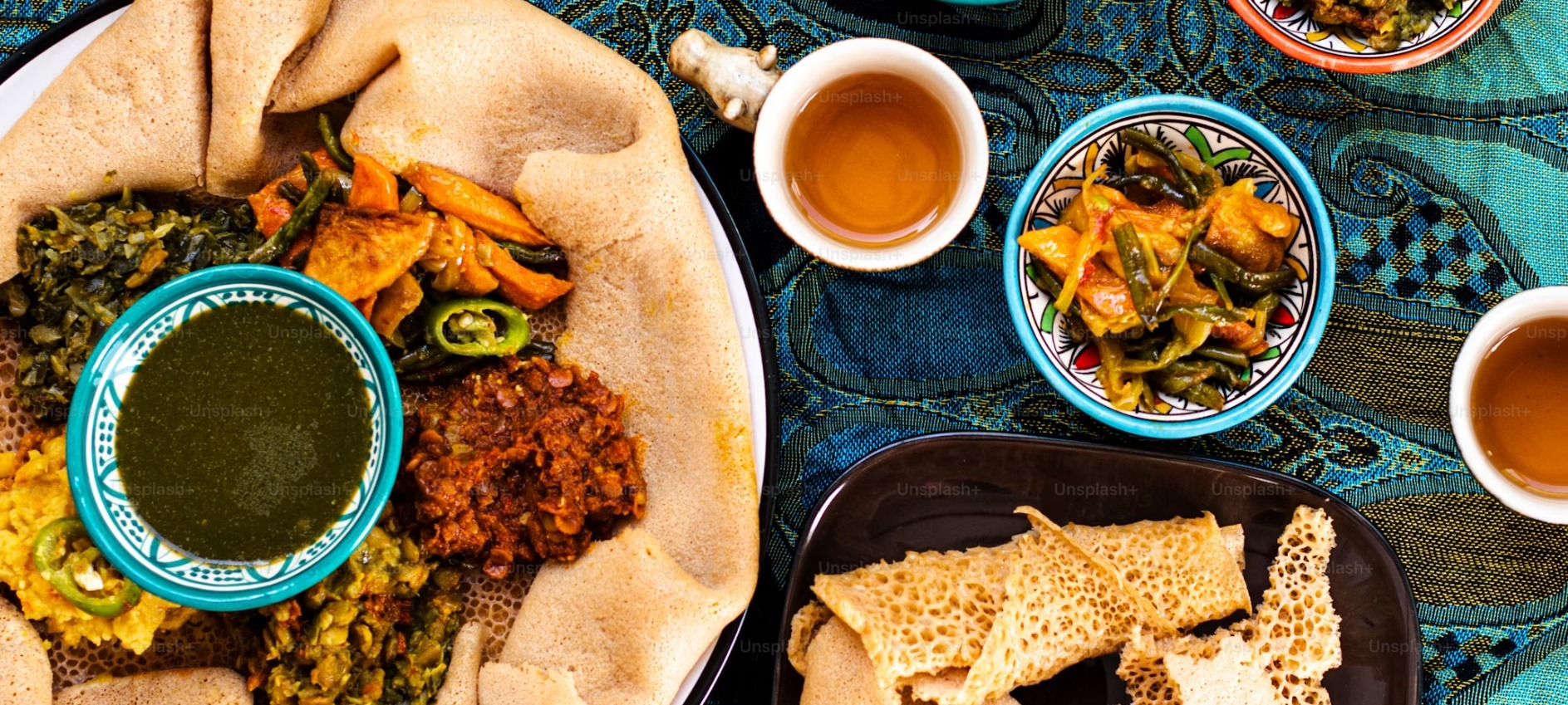
Ethiopian immigration increased dramatically after the Derg seized power in 1974. Political opponents, former officials, academics, students, professionals, and families fled imprisonment, execution, military conscription, civil war, and economic disruption. Severe famine during the 1980s and continuing conflicts further increased displacement. The Immigration and Nationality Act of 1965 had expanded family- and employment-based opportunities, while the Refugee Act of 1980 supported the admission of people escaping conflict and persecution. Later arrivals entered through refugee resettlement, asylum, university education, skilled employment, family sponsorship, and the Diversity Visa programme. Ethiopian immigrants established restaurants, markets, media outlets, religious institutions, professional organisations, and cultural festivals while preserving Amharic, Oromo, Tigrinya, traditional food, music, coffee ceremonies, religious customs, and close connections with Ethiopia.

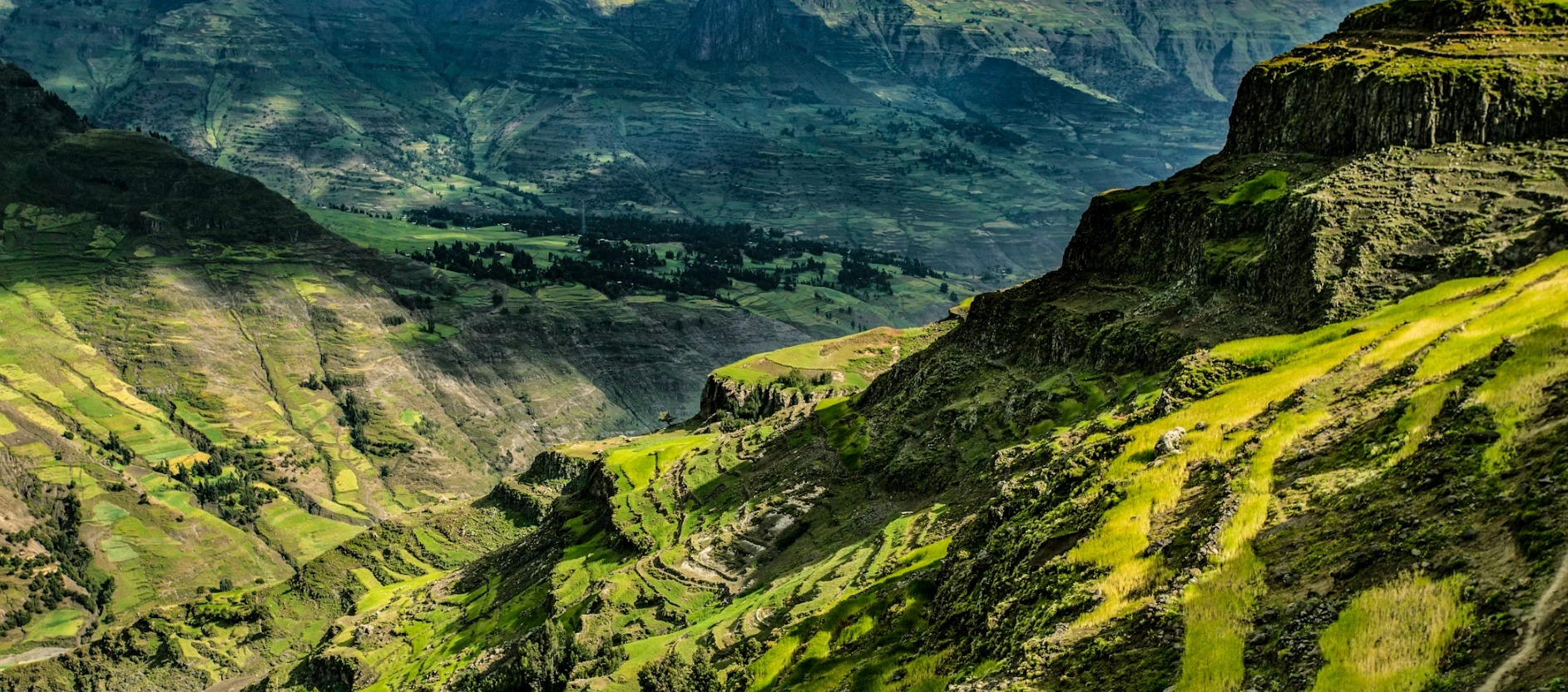
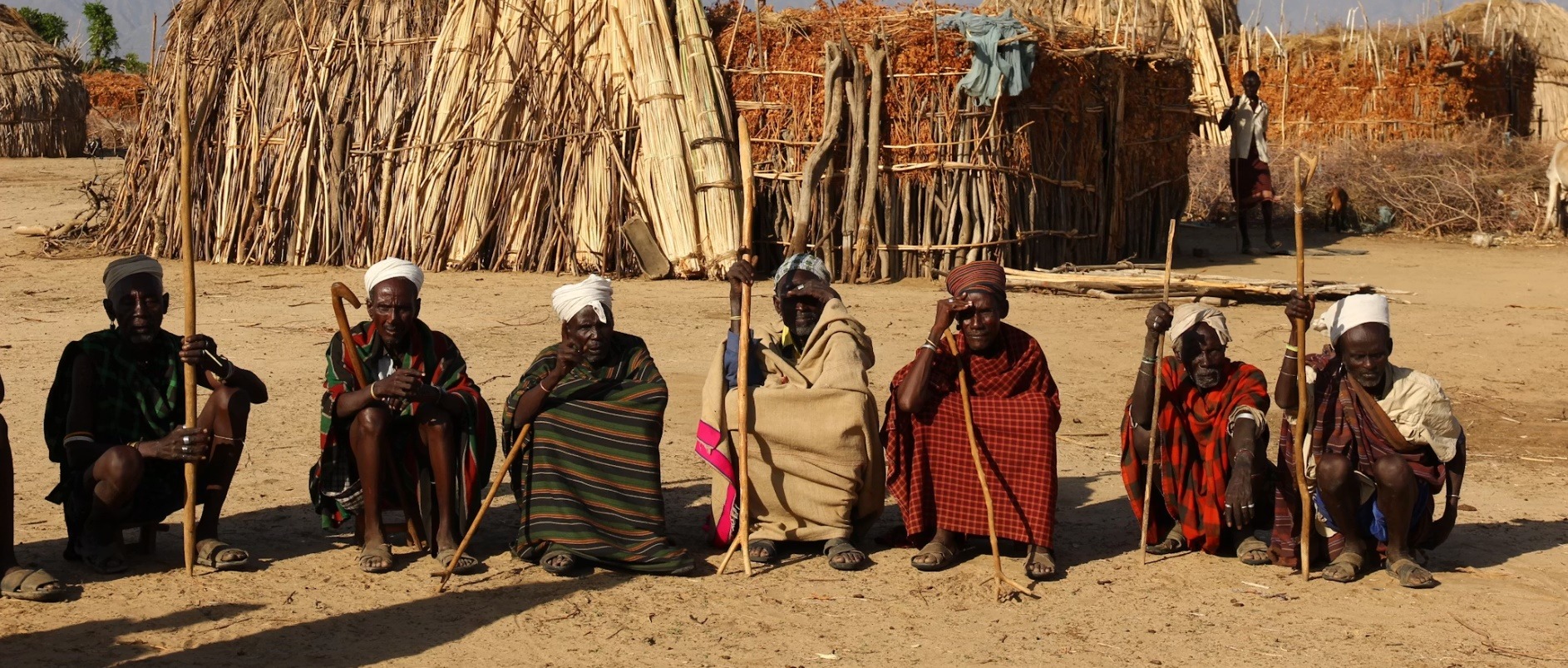
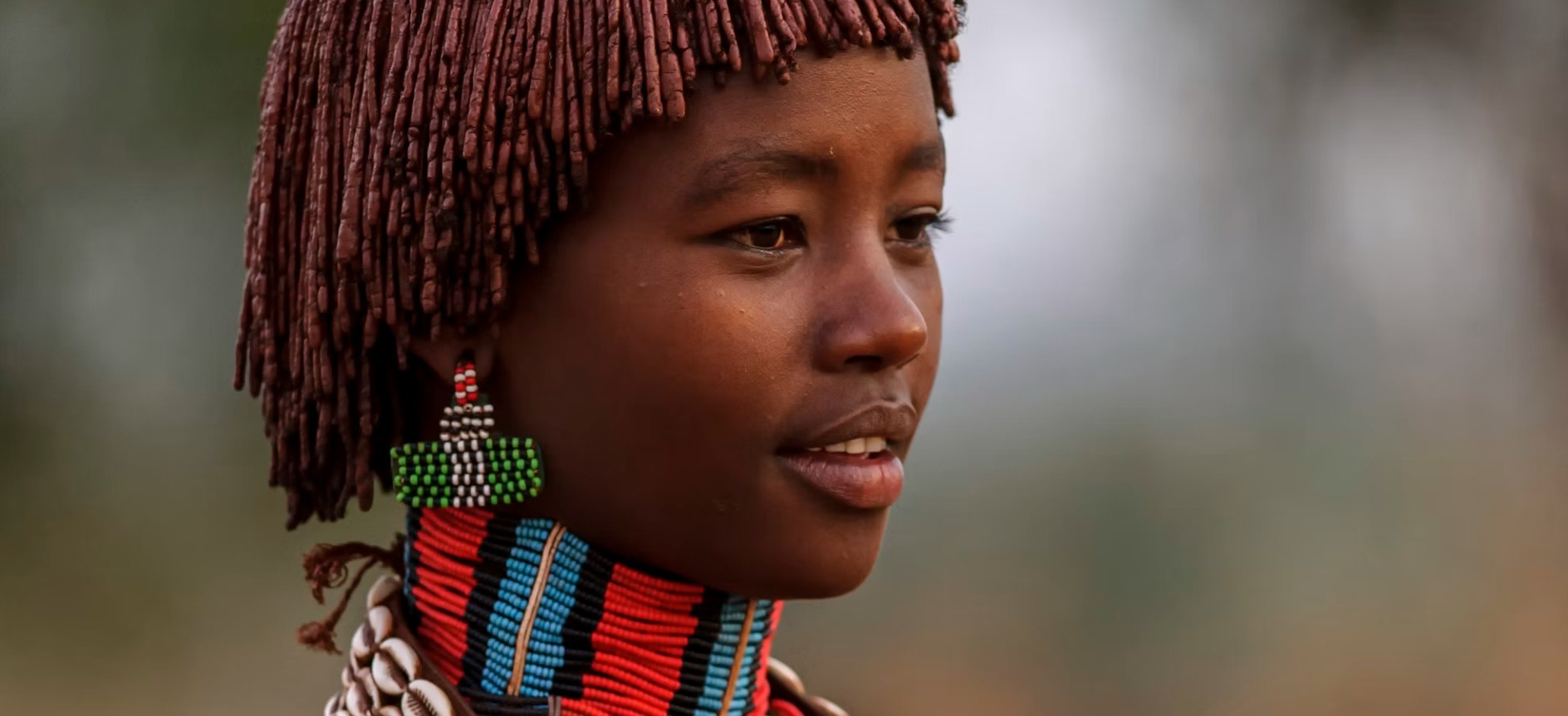
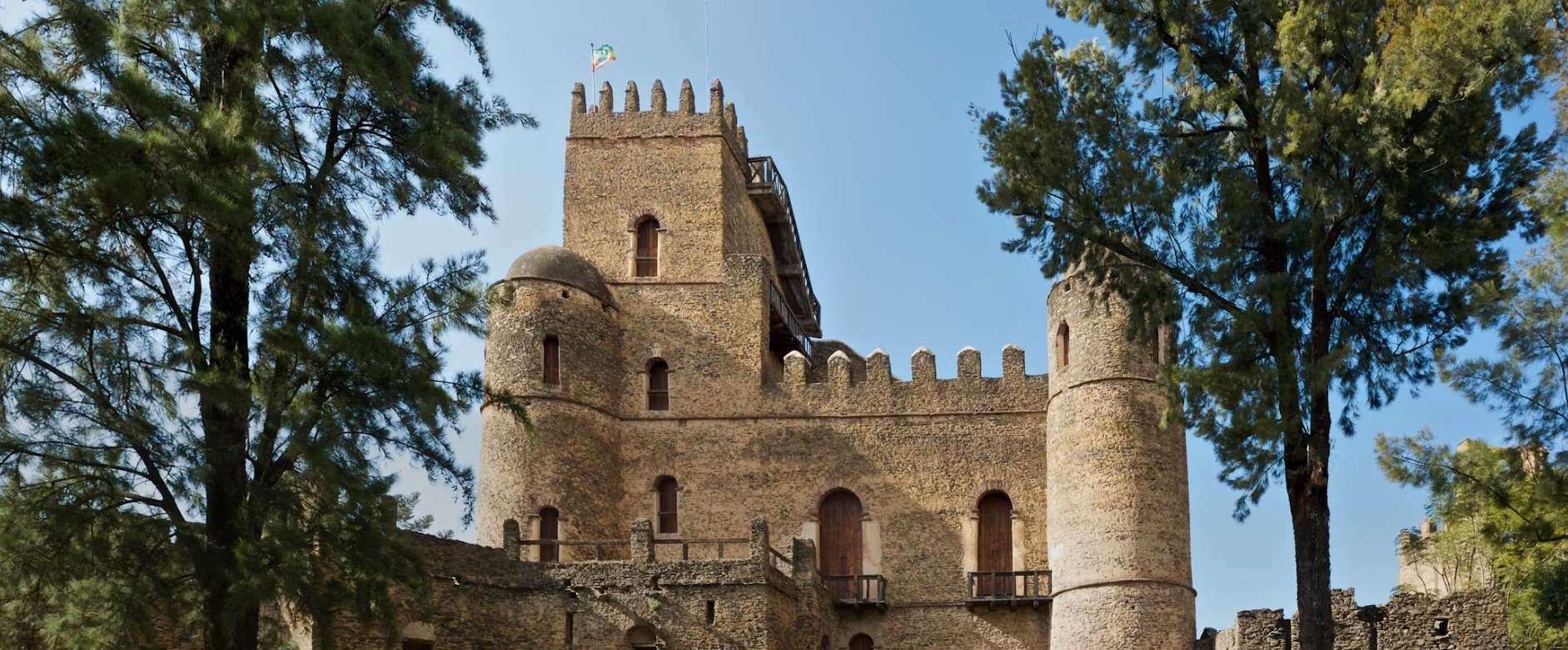
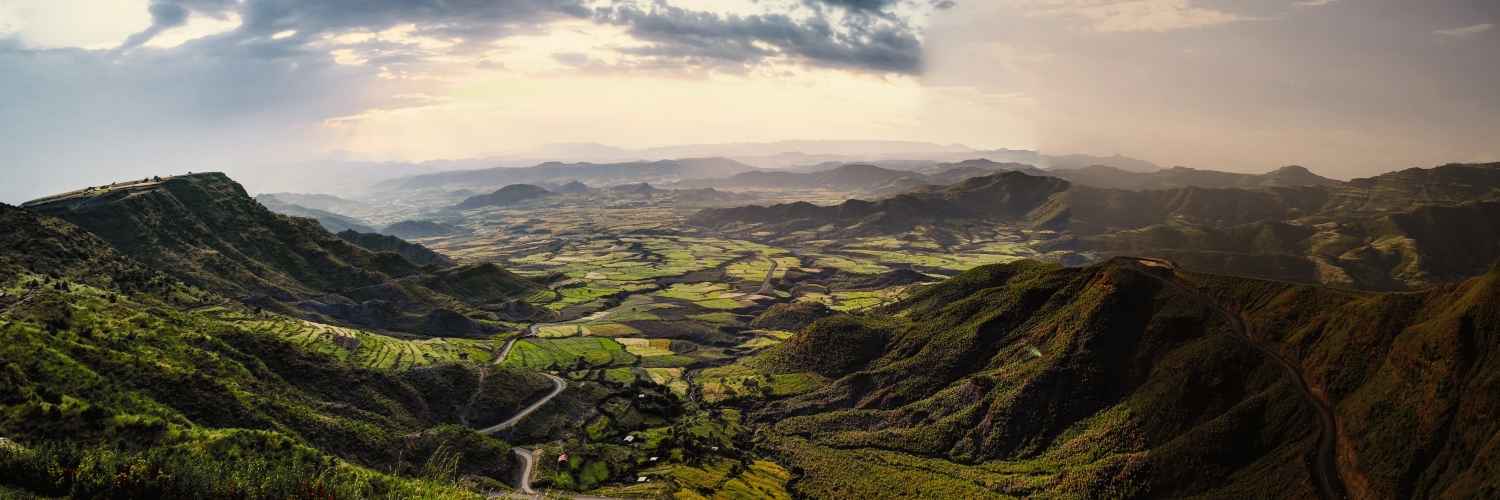
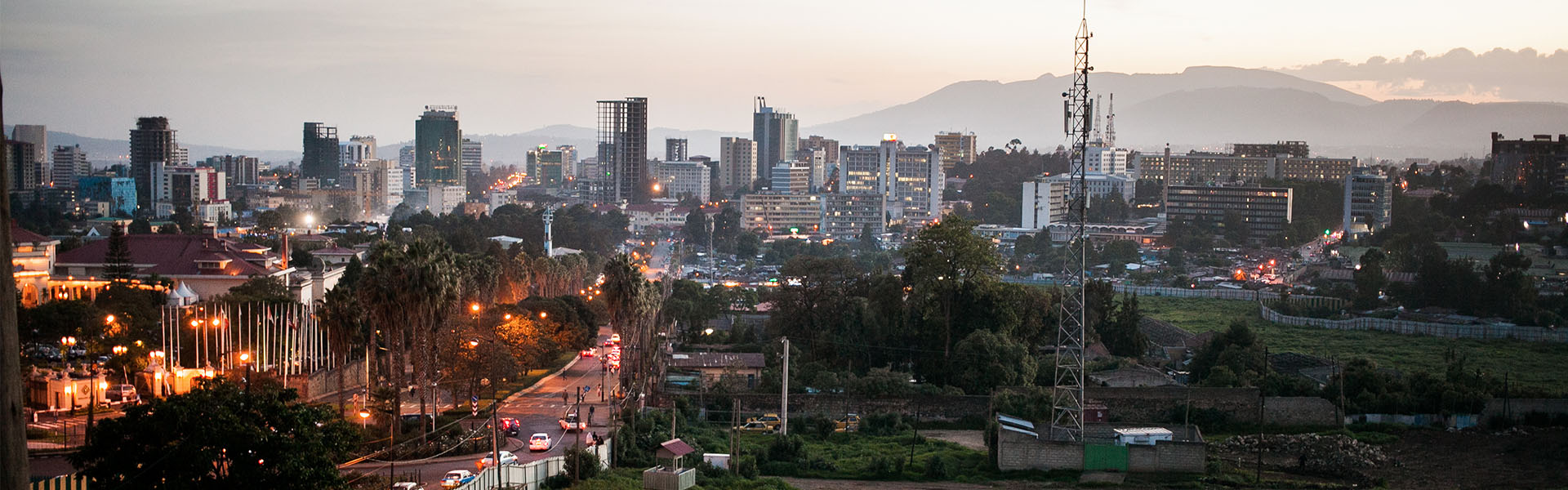
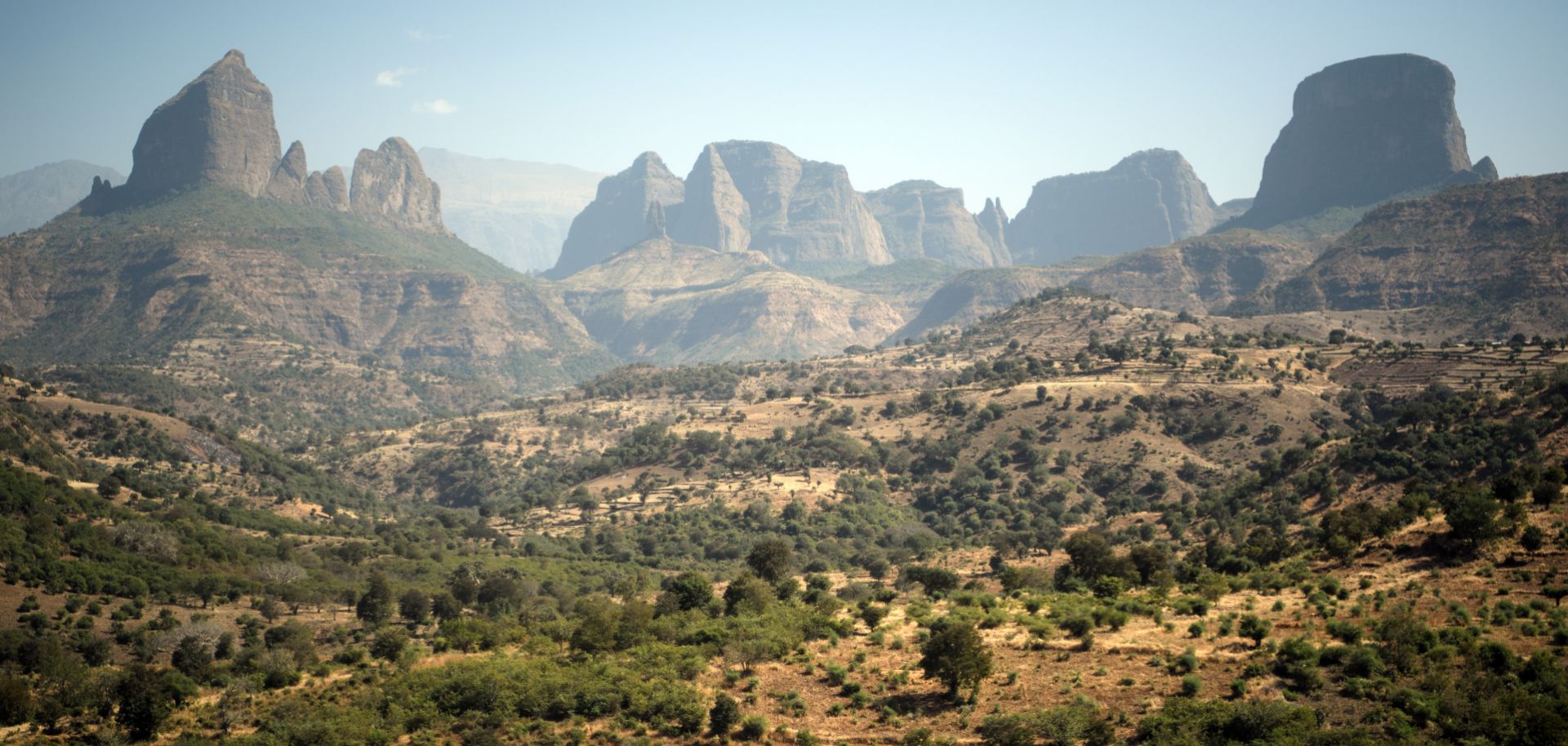
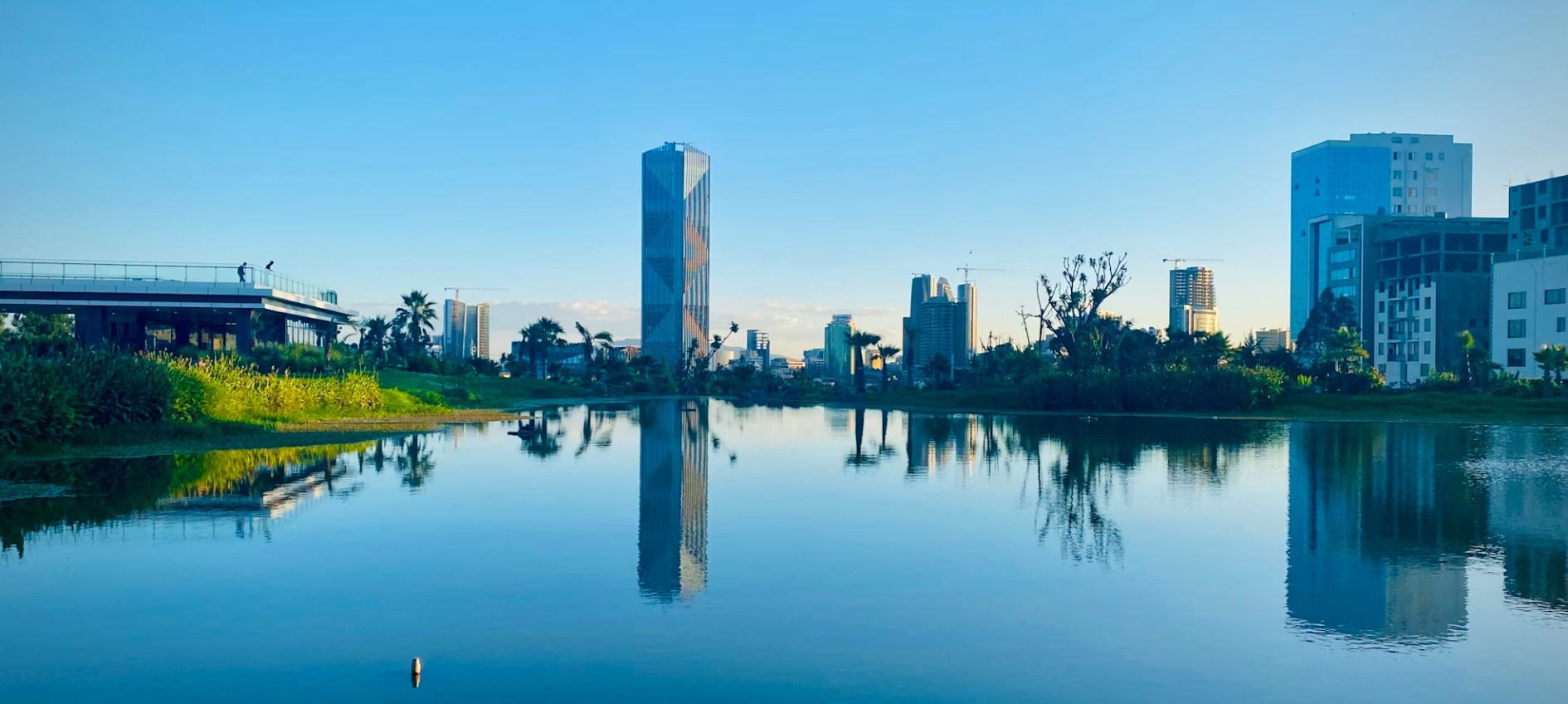
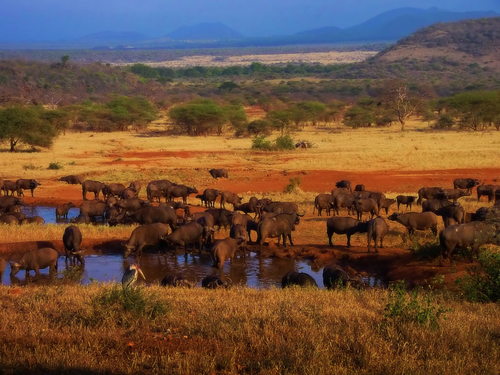
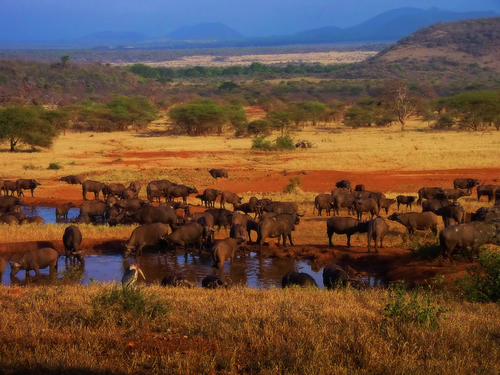
Ethiopia country image
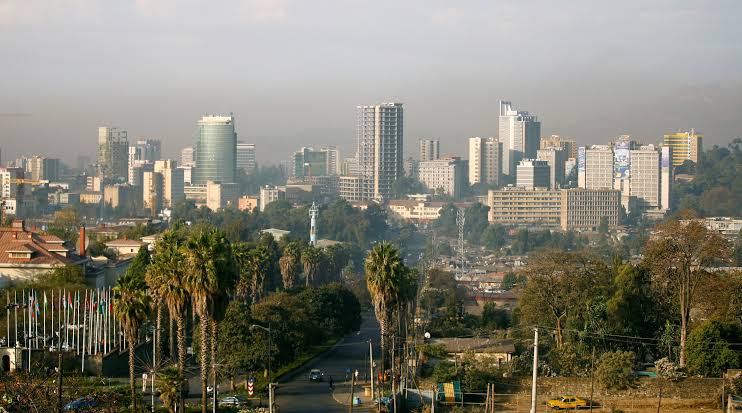
Ethiopia overview image

Team Standings

Teams Mp W D L GF GA Pt
African U. African U. 0 0 0 0 0 0 0
Cameroon Cameroon 0 0 0 0 0 0 0
Colombia Colombia 0 0 0 0 0 0 0
England England 0 0 0 0 0 0 0
Ethiopia Ethiopia 0 0 0 0 0 0 0
Ghana Ghana 0 0 0 0 0 0 0
Haiti Haiti 0 0 0 0 0 0 0
Jamaica Jamaica 0 0 0 0 0 0 0
Sierra L. Sierra L. 0 0 0 0 0 0 0
Tanzania Tanzania 0 0 0 0 0 0 0

Squad List

Abel Eto'o
Goalkeeper
Belay Abiel
Forward
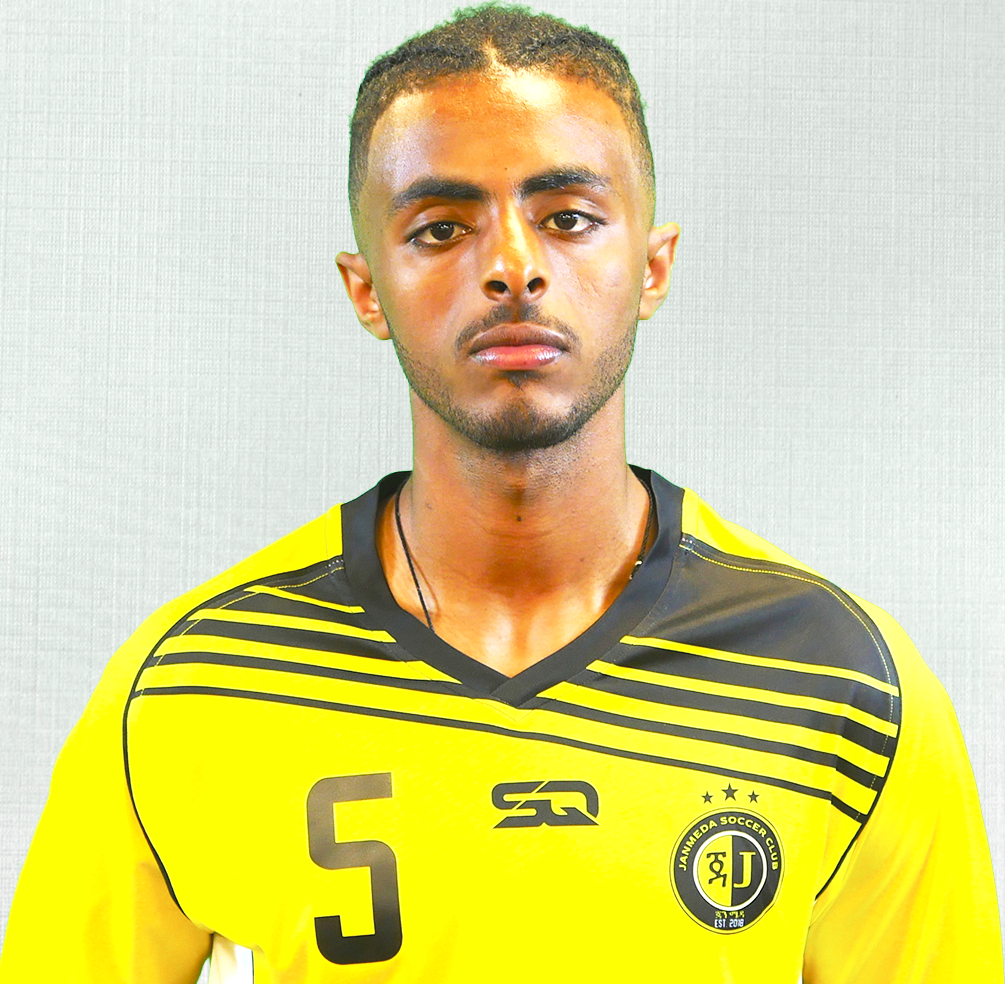
Bruk Amare
Midfielder
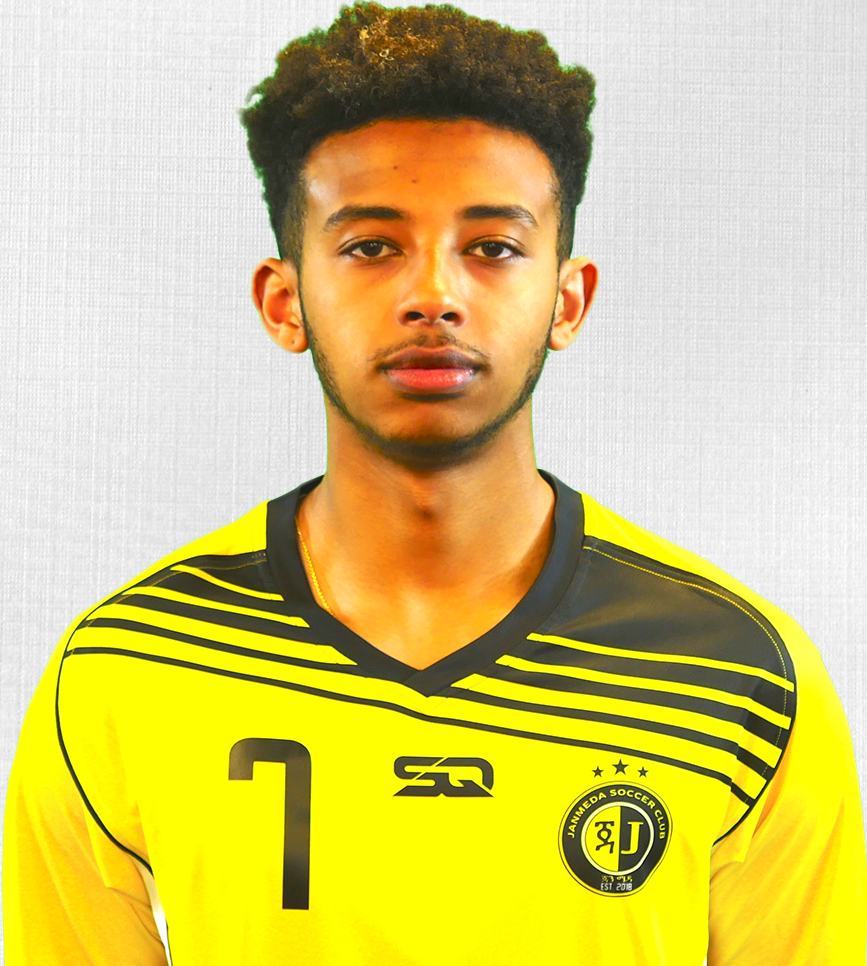
Bruk Fekade
Midfielder
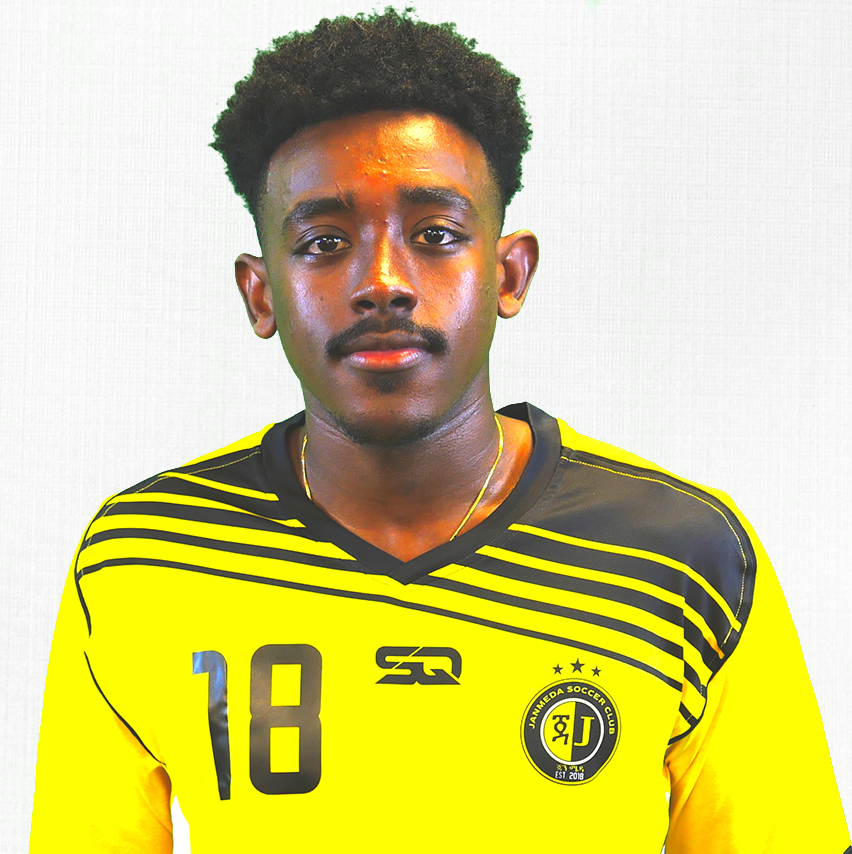
Cheyew Sebsebe
Forward
Dawa Jima
Forward
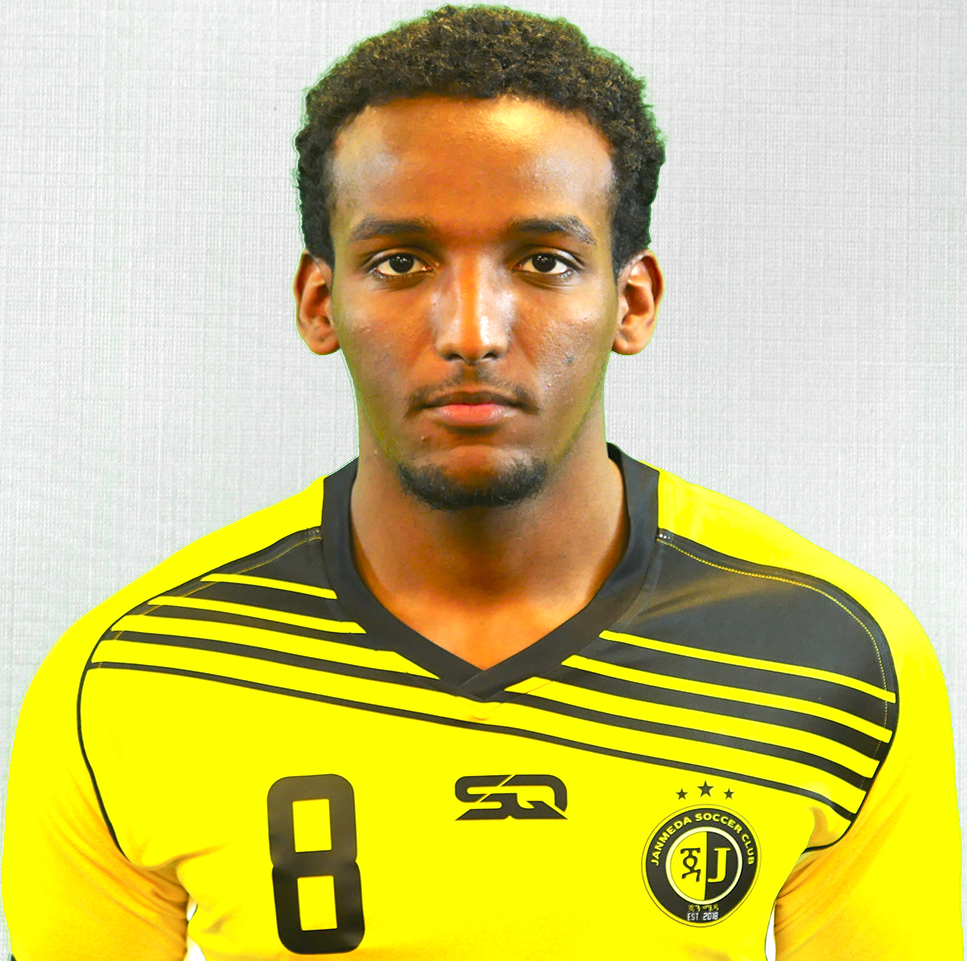
Gabrail Fekade
Defender
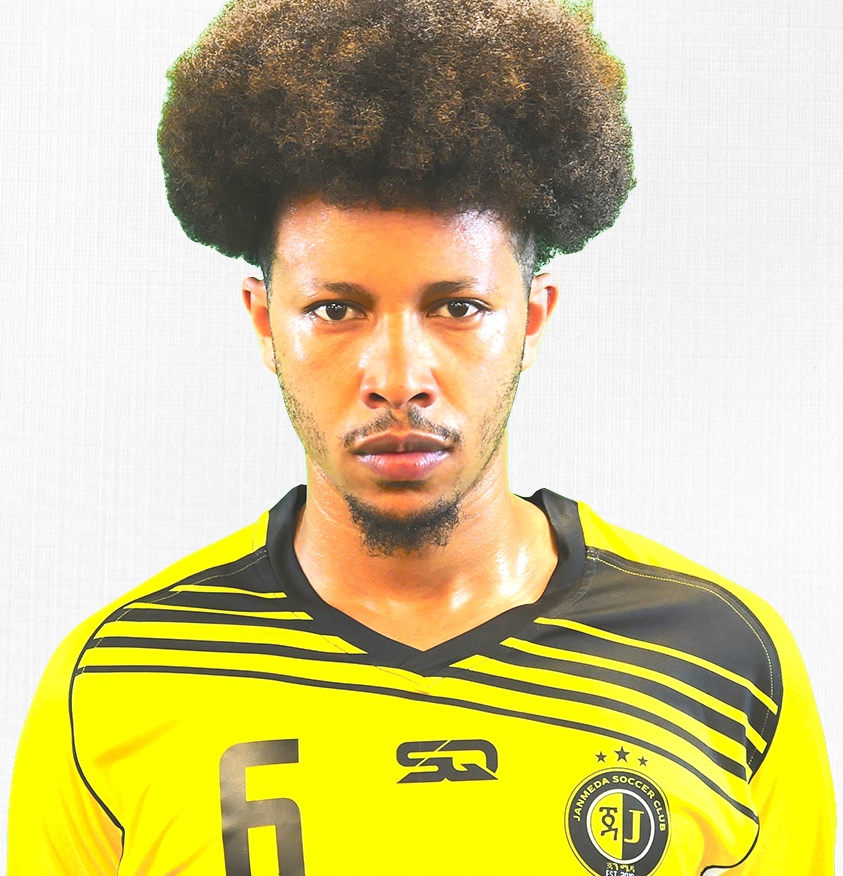
Gomeraw Worku
Forward
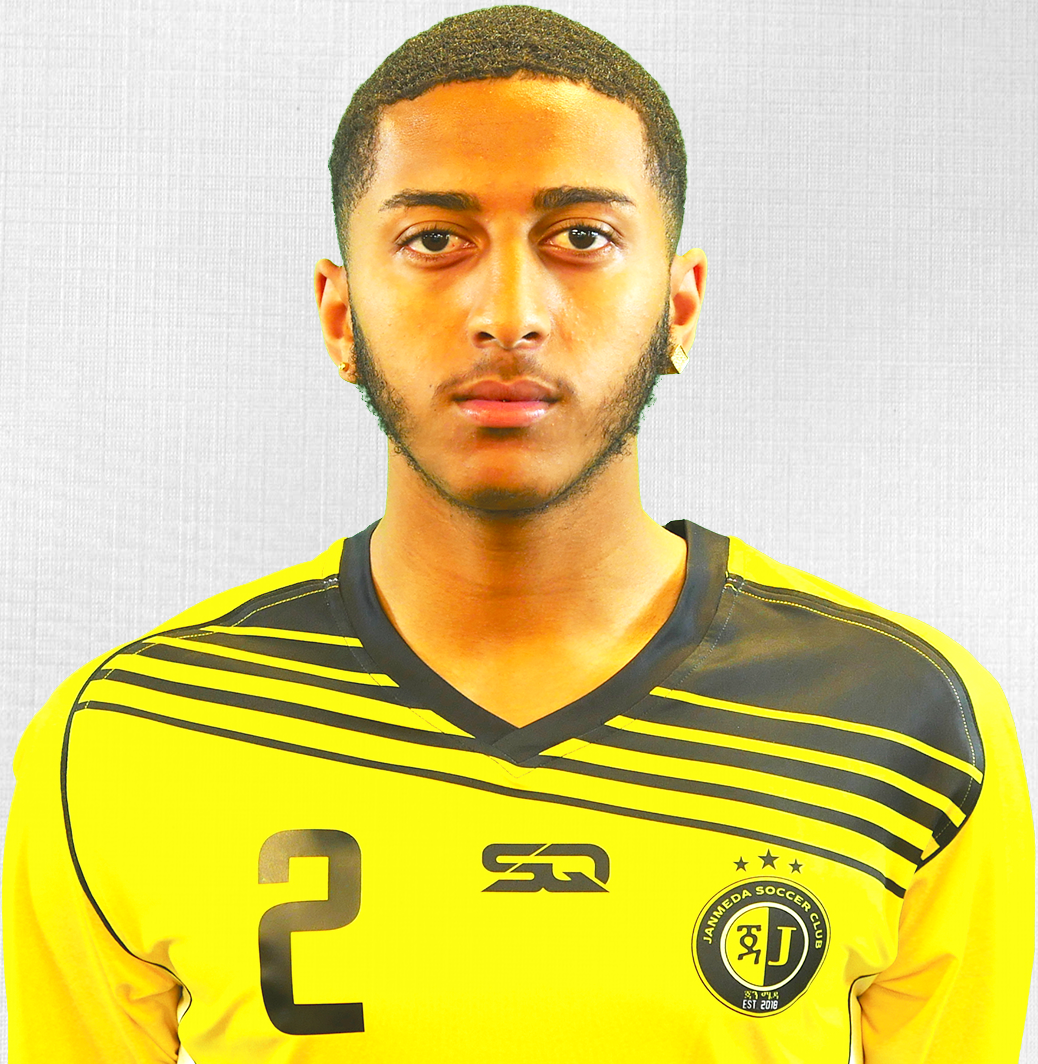
Ment Hadgu
Midfielder
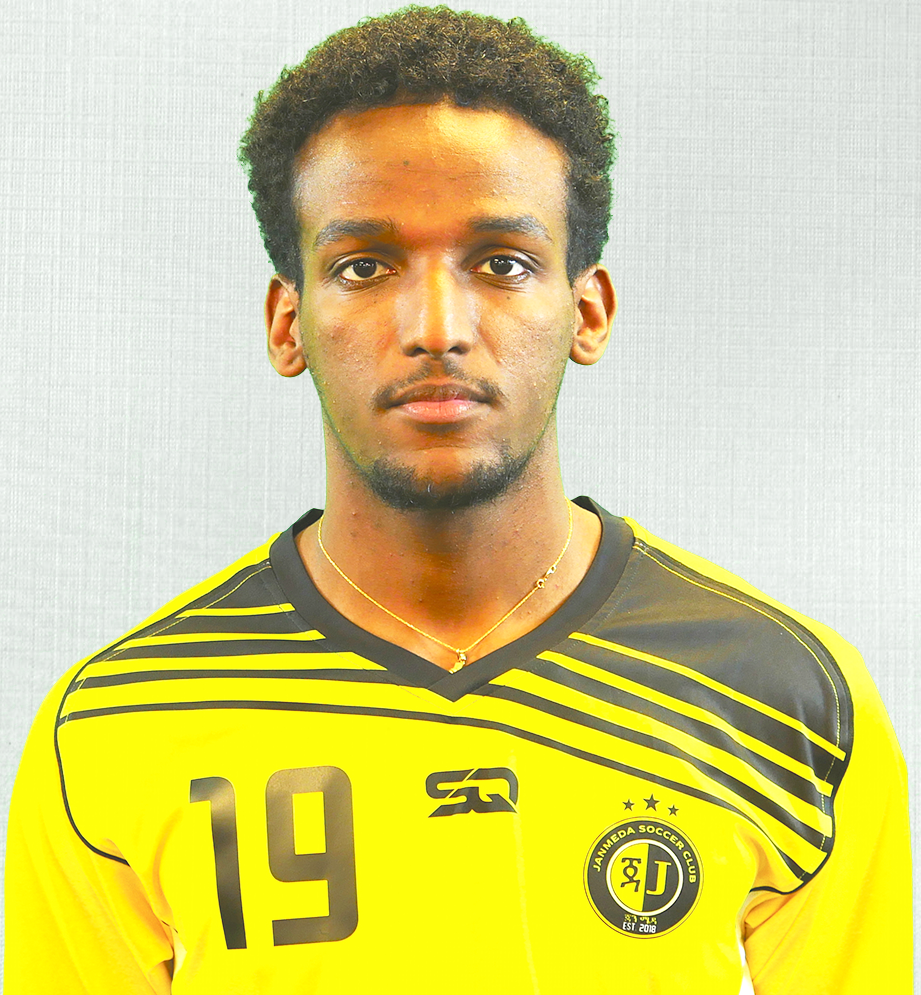
Michael Fekade
Midfielder
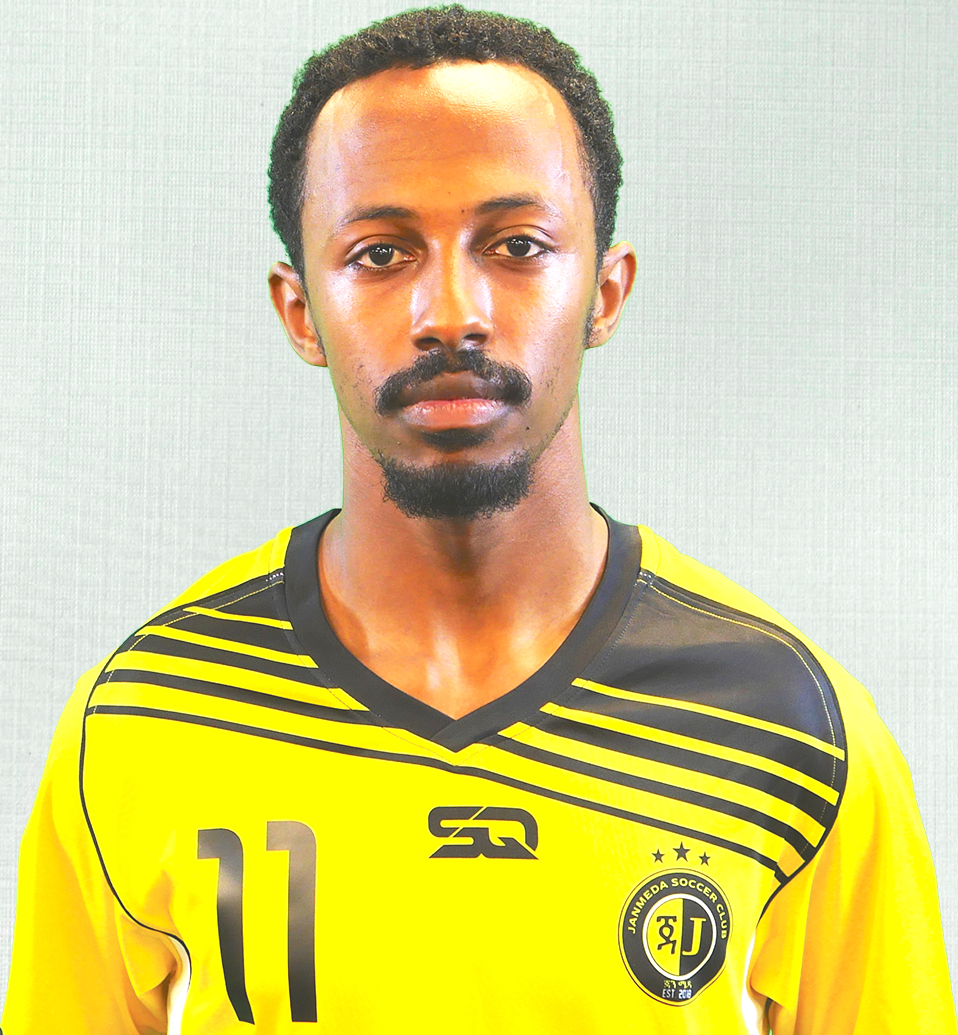
Mubarek Kemal
Defender
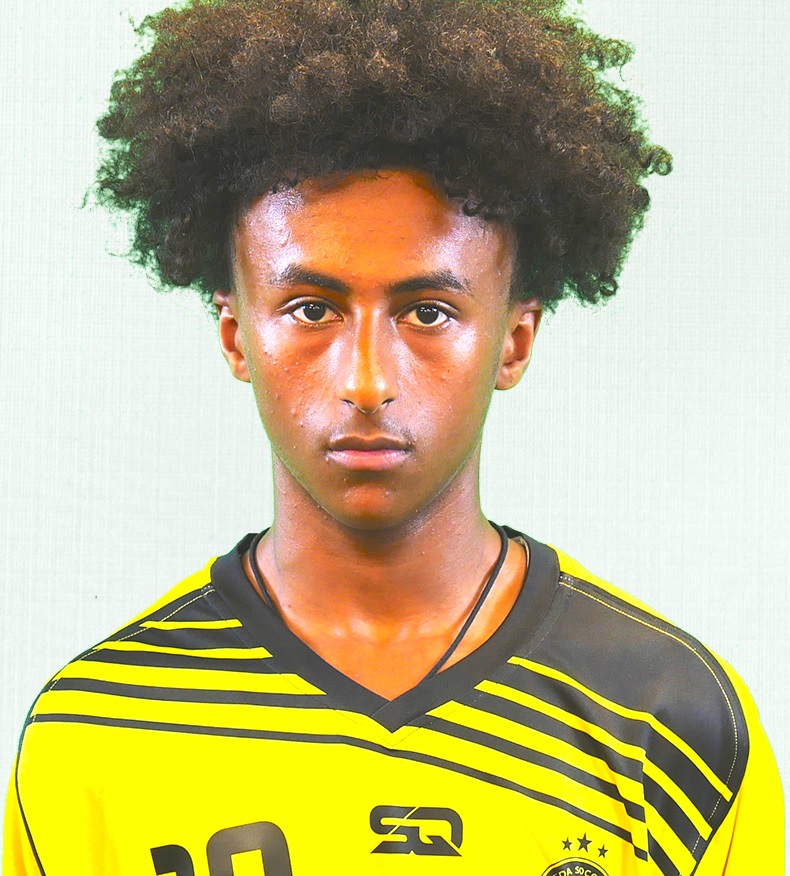
Nathnael Negash
Midfielder

Natinael Zaga
Defender

Nebiyou Gebre
Goalkeeper
Ramel Jima
Forward
Redwan Mano
Goalkeeper
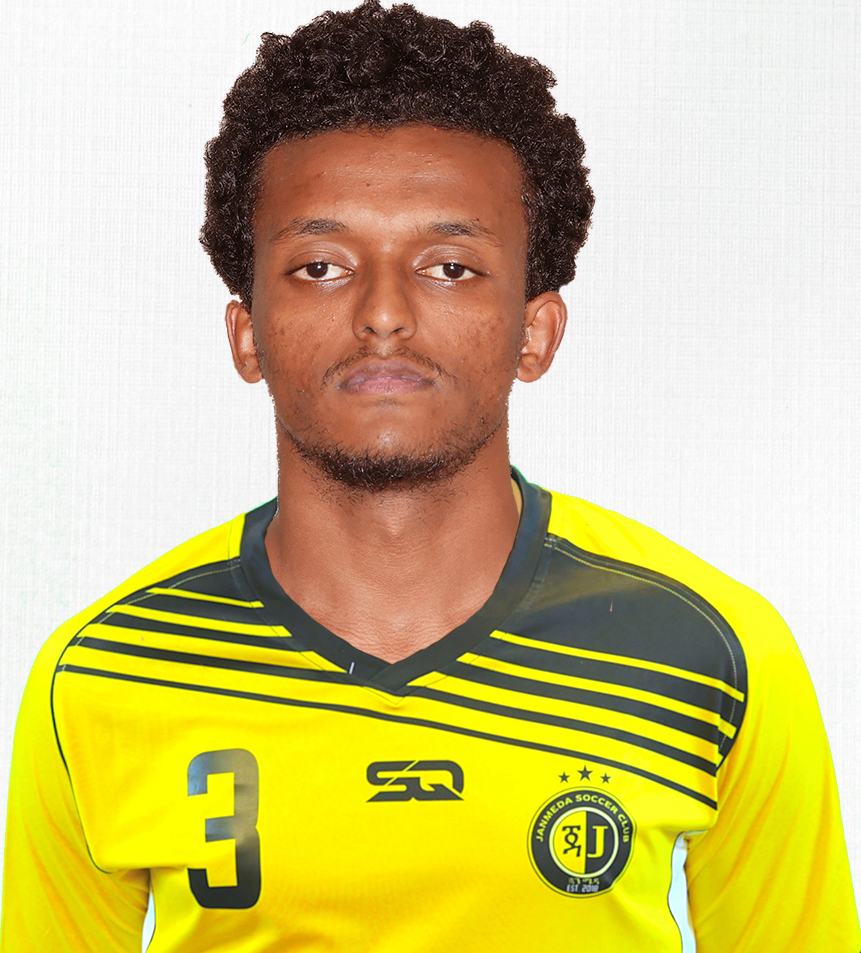
Robel Desta
Defender
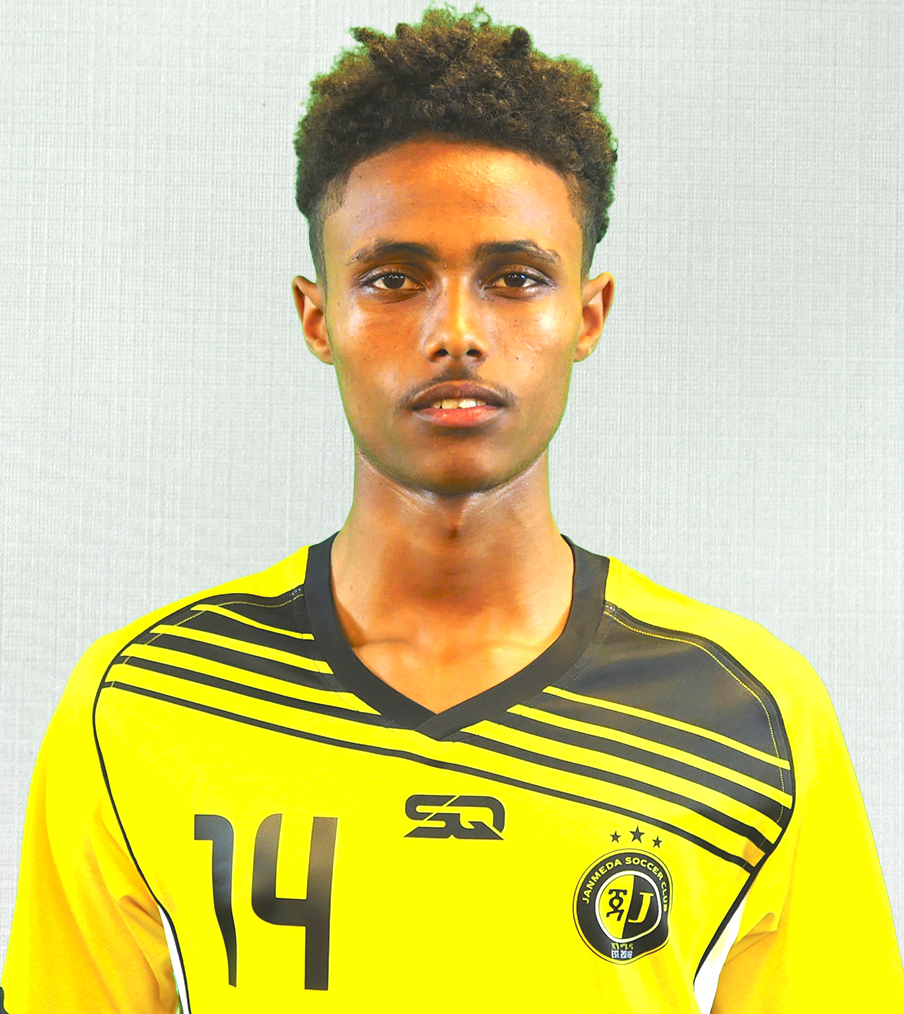
Robera Jinfessa
Defender
Roy Tsegaye
Forward
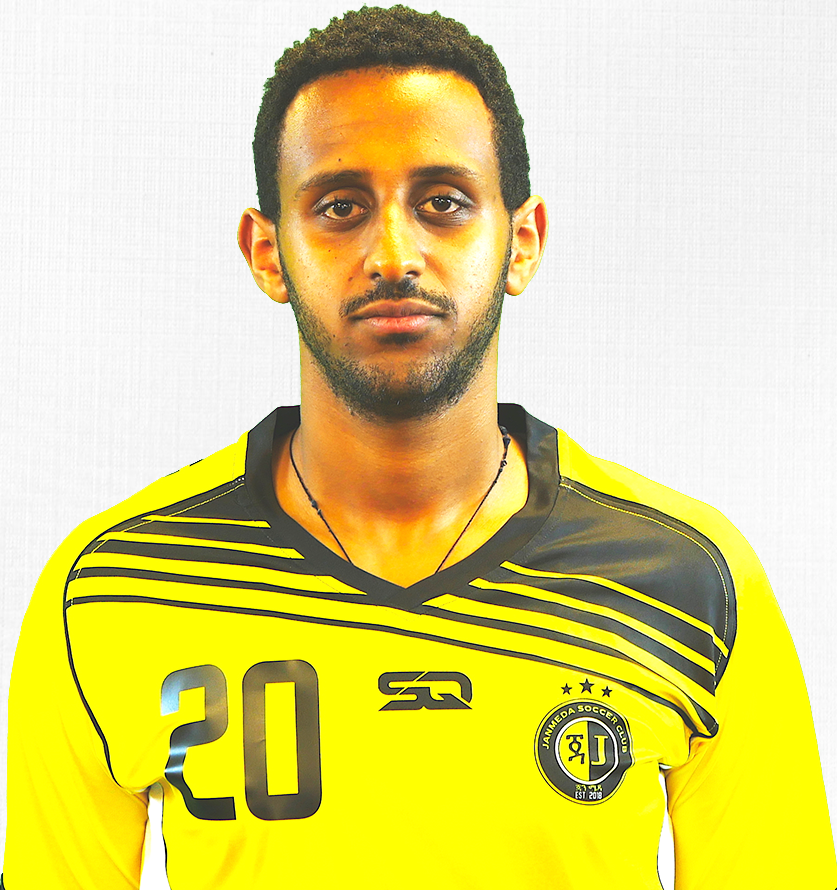
Salsawi Kebede
Defender
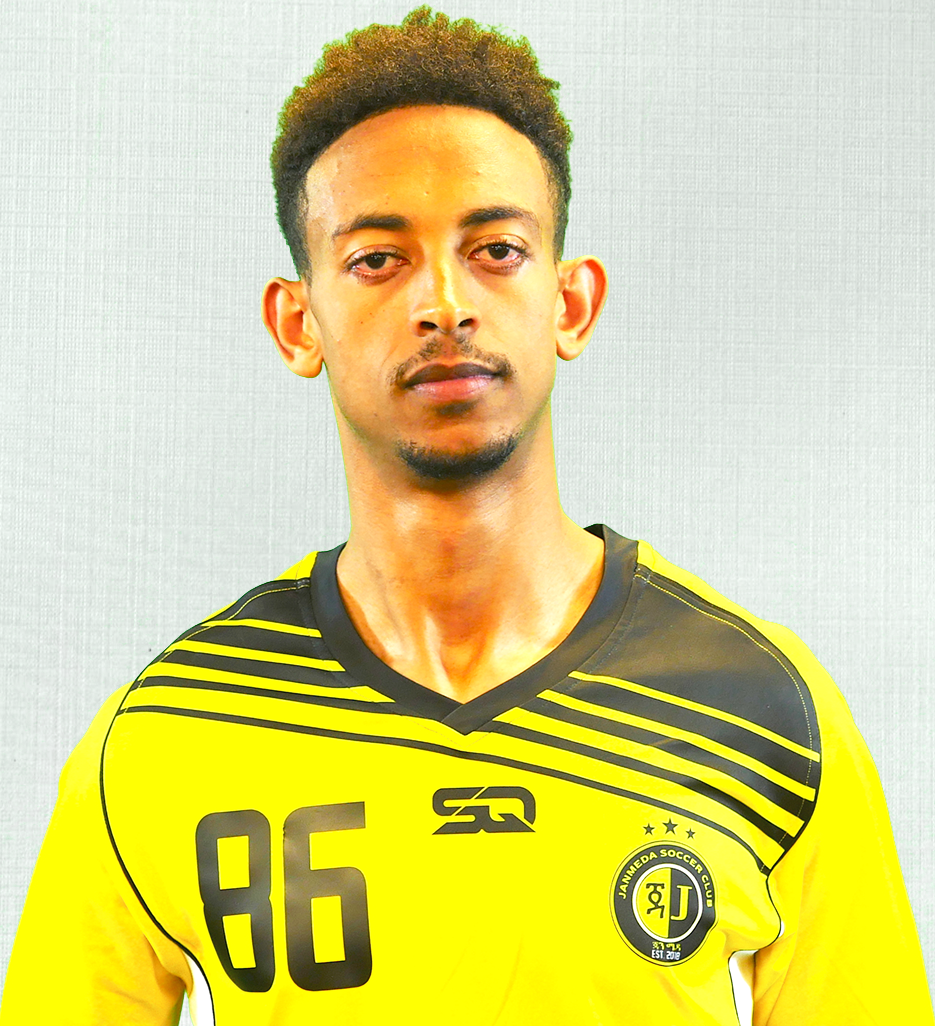
Setegn Abel
Midfielder
Souley Yusef
Forward

Surafel Assress
Midfielder
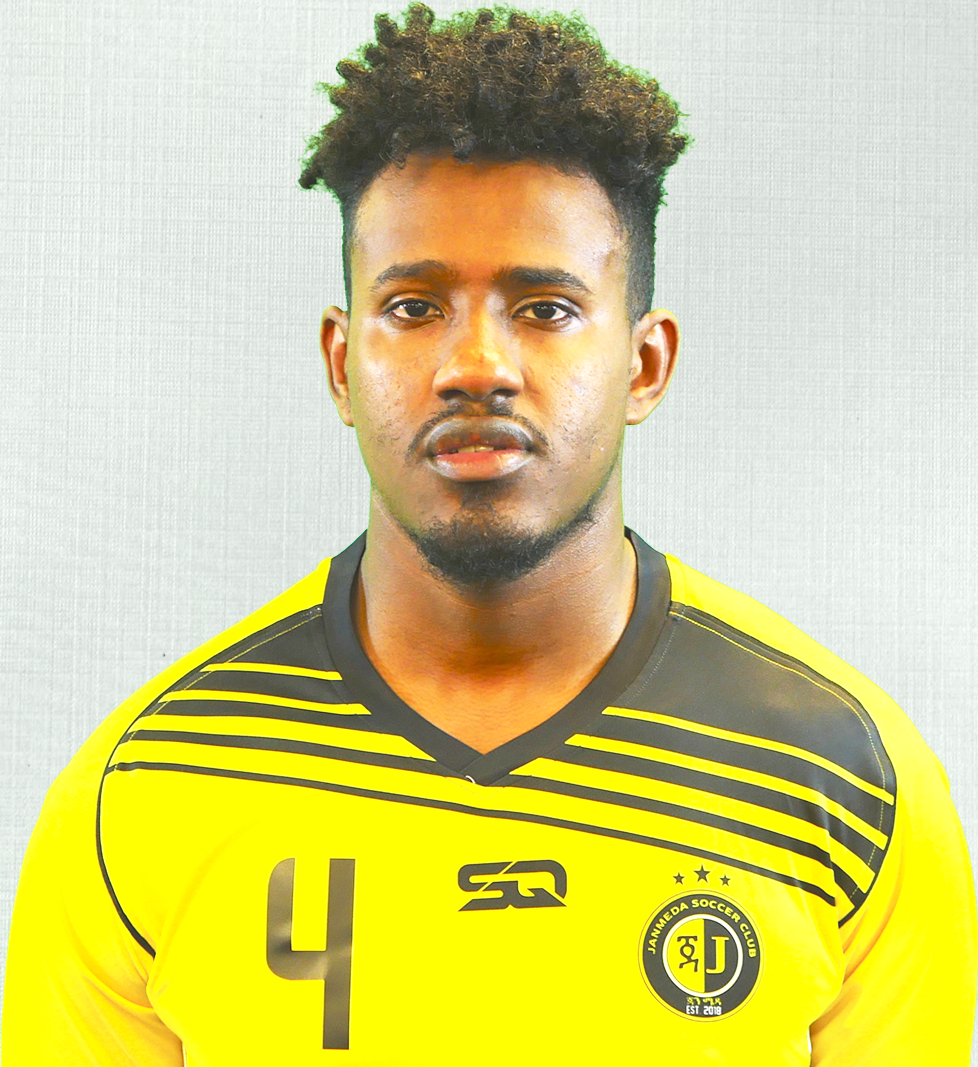
Tesfahun Abra
Defender
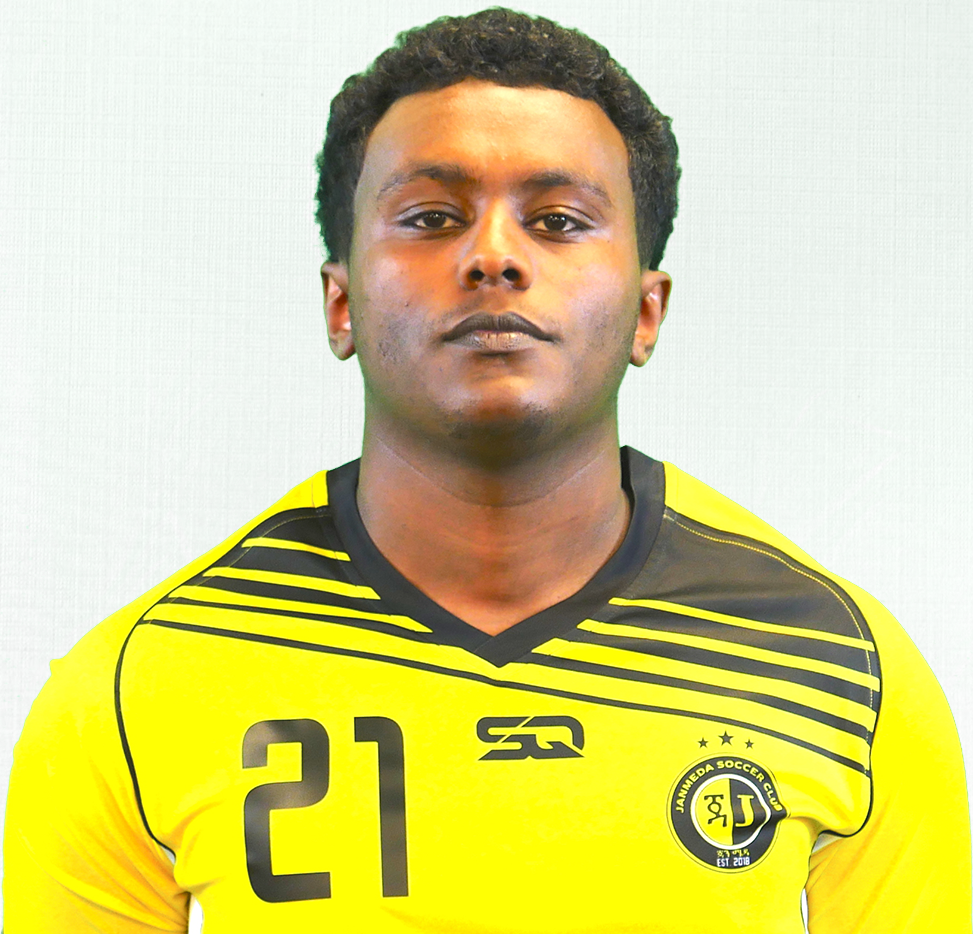
Zewdie Abenezer
Defender

Coaching Staff
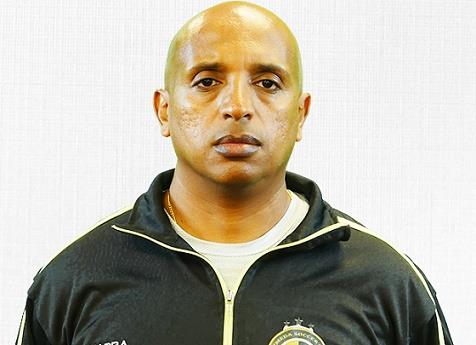
Teddy Fekade
C
Teddy Fekade
Head Coach