

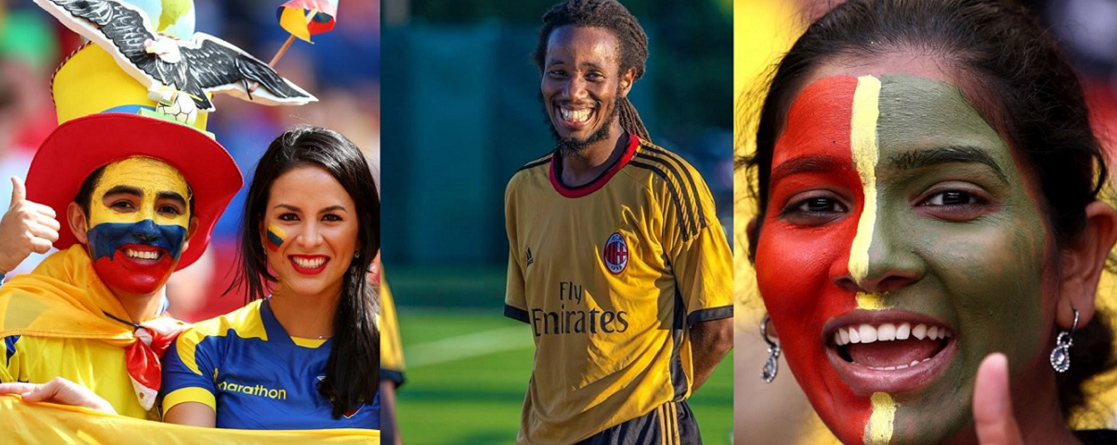

The Diaspora World Cup operates in some of the major cities and metro areas in
United States and
Canada. Our network of register players includes 20 cities, 200 countries, 400
teams, and 10,000
players. Join our movement to solve the world's most pressing challenges:
Illiteracy
Who We are text will be here Who We are text will be here Who We are text will
be here Who We
are text will be here Who We are text will be here Who We are text will be here
Who We are text
will be here Who We are text will be here Who We are text will be here
What We Do text will be here What We Do text will be here What We Do text will
be here What We
Do text will be here What We Do text will be here What We Do text will be here
What We Do text
will be here What We Do text will be here What We Do text will be here What We
Do text will be
here What We Do text will be here What We Do text will be here
Get Involved text will be here Get Involved text will be here Get Involved text
will be here Get
Involved text will be here Get Involved text will be here Get Involved text will
be here Get
Involved text will be here Get Involved text will be here Get Involved text will
be here Get
Involved text will be here
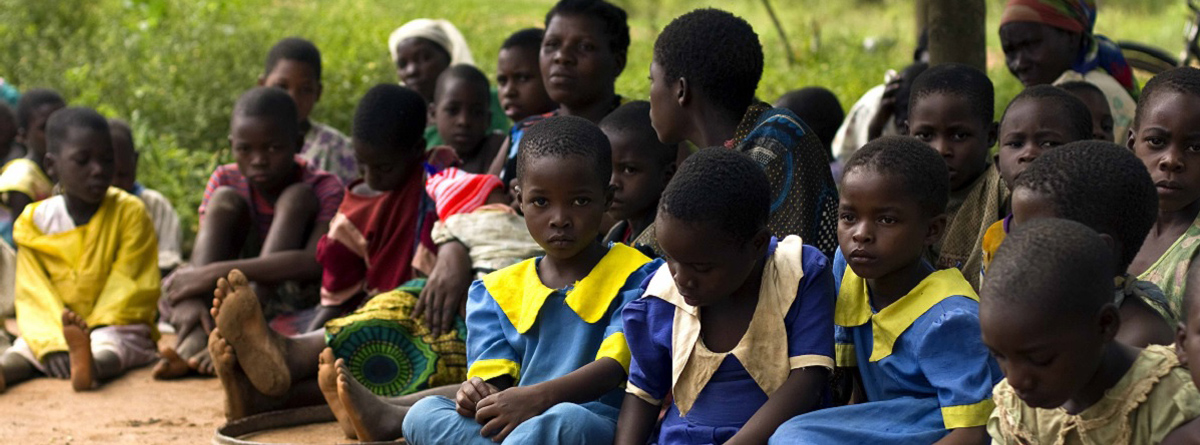
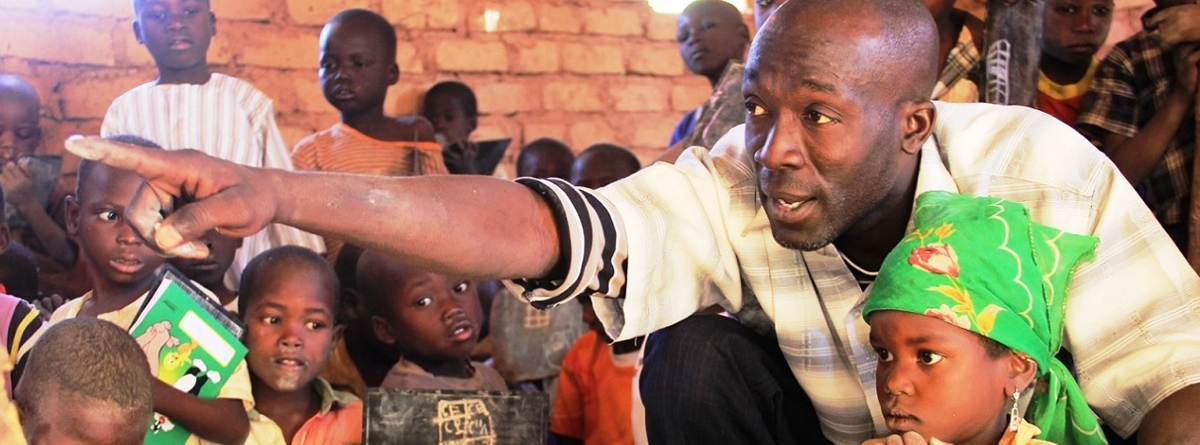
Education is a basic Human Right and the Diaspora World Cup global school
program focuses its
energy in some the poorest countries around the world. We build schools in some
of the poorest
countries around the worldthat historically had no adequate school structure.
Any member of the
World Diaspora has the power to end illiteracy around the world through the
power of soccer.
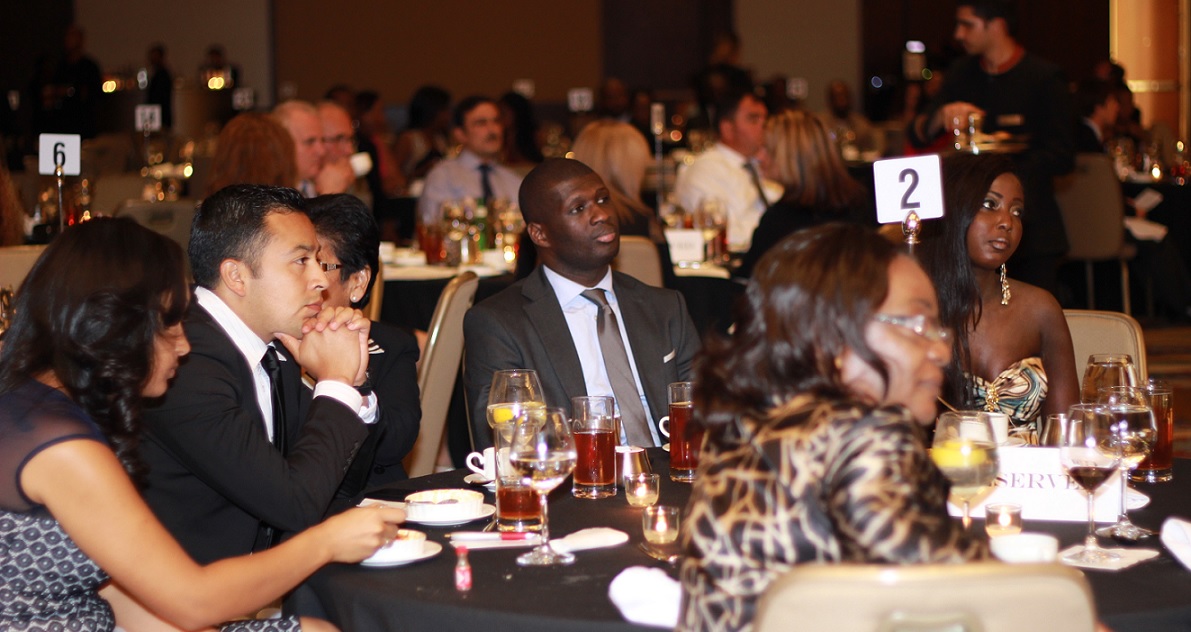
High-profile sport figures, global leaders, business leaders, political figure,
journalists,
activists, philanthropists, actors, and entrepreneurs united by their commitment
to the Diaspora
World Cup mission to eradicate illiteracy around the world through the power of
soccer. They serve
as role models and spread the Diaspora World Cup vision and commitment of a
world mobilized
through soccer.
Diaspora 2027: complete guide to all players | The Diaspora
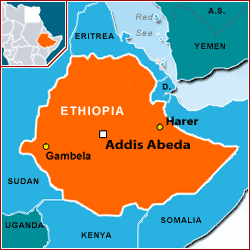
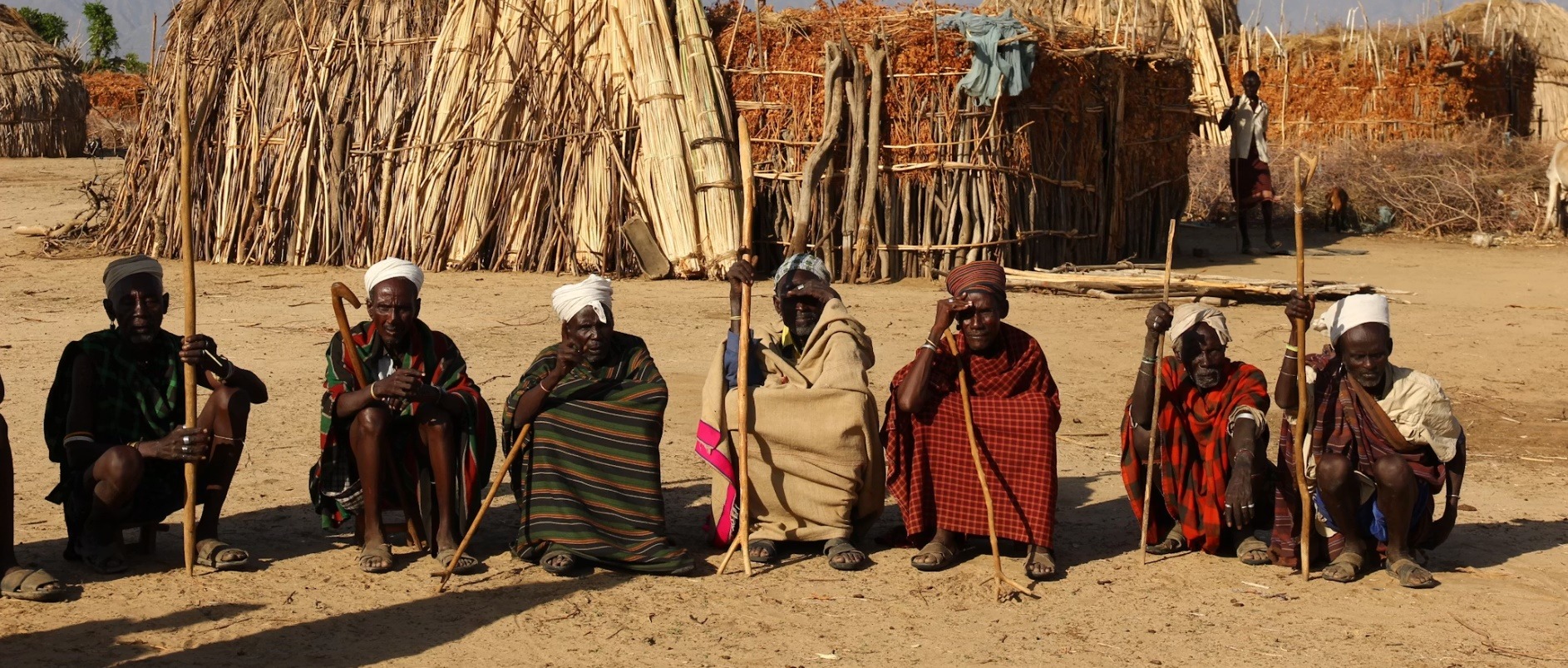
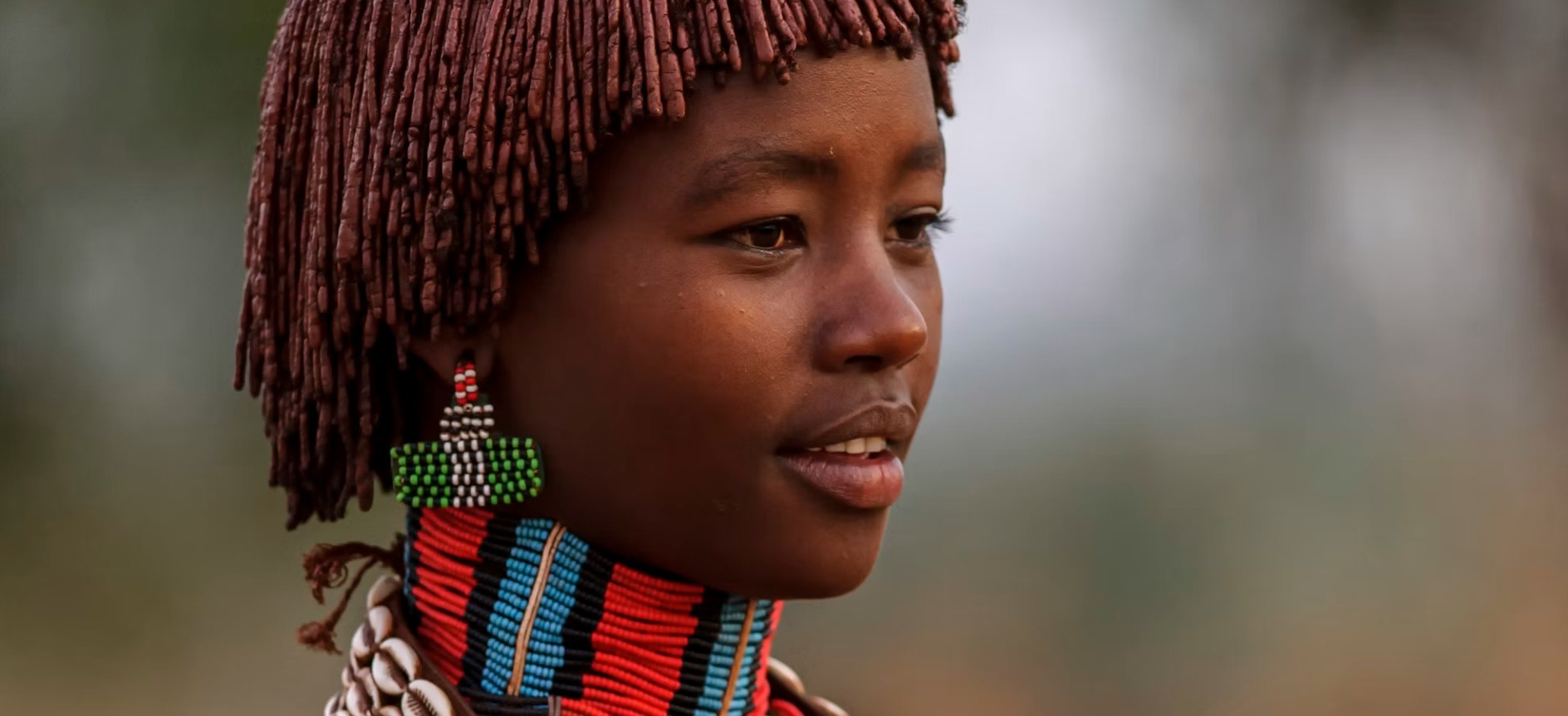
ETHIOPIA
Welcome to the 2028 Diaspora World Cup. Burtonsville – Laurel
Burtonsville – Laurel
Welcome to the 2028 Diaspora World Cup. Burtonsville – Laurel
The Washington D.C. metropolitan area (DMV) hosts the largest concentration of Ethiopians outside of Africa, with estimates ranging from 200,000 to over 300,000 residents. Beginning heavily in the 1970s and 1980s following political upheaval, the community first rooted itself in D.C. neighborhoods like Adams Morgan and U Street, before expanding outward into Mary...The Washington D.C. metropolitan area (DMV) hosts the largest concentration of Ethiopians outside of Africa, with estimates ranging from 200,000 to over 300,000 residents. Beginning heavily in the 1970s and 1980s following political upheaval, the community first rooted itself in...
More Information
Chelsea Official
Download The 5th Stand, Chelsea’s official mobile app, to see exclusive content, match action and all the latest news from Stamford Bridge.
More Information
Street Soccer in Ethiopia
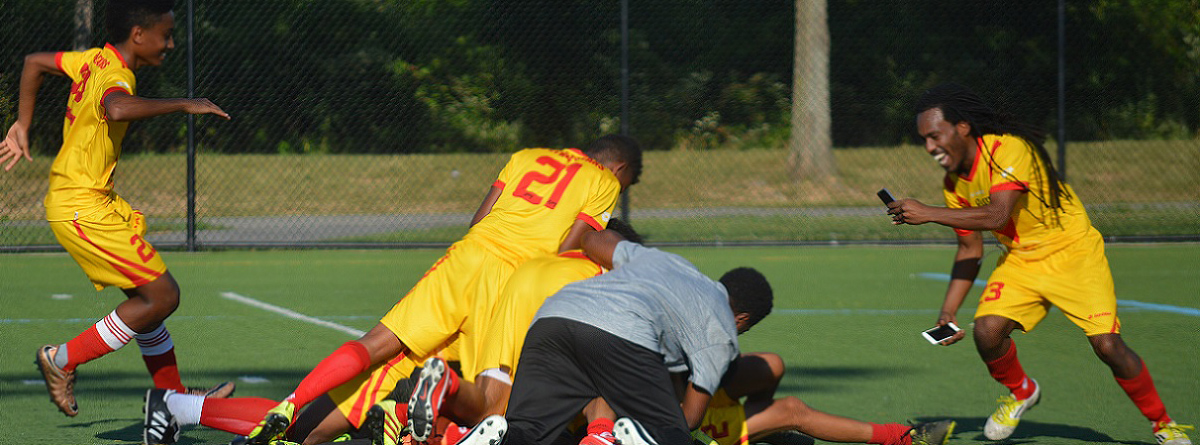
Street soccer is a popular activity in Ethiopia, where children and teenagers regularly gather in neighbourhoods, school grounds, village areas, and open community spaces to play informal football matches. These games are an important part of daily life, giving young players a chance to enjoy the sport while developing their skills with friends.
Playing on small or improvised pitches helps participants improve close ball control, quick footwork, passing, and teamwork. The fast-paced nature of street soccer encourages creativity, confidence, and adaptability, allowing players to learn through regular practice and friendly competition.
Street soccer provides an affordable and accessible way for communities across Ethiopia to enjoy football without requiring professional facilities. It promotes active lifestyles, strengthens friendships, and inspires young people to continue their involvement in the sport.
Street Soccer Culture in Ethiopia
Football has a strong following in Ethiopia, and street soccer is often where many children first develop their interest in the game. Informal matches organised by friends, schools, and local communities create an inclusive environment where players of different abilities can participate.
Skills Developed Through Street Soccer
Street soccer helps players improve dribbling, first touch, passing accuracy, agility, balance, and awareness. The quick flow of the game also builds communication, confidence, and the ability to make fast decisions under pressure.
Street Soccer and Community Development
Street soccer brings communities together through football while encouraging positive activities among young people. It also provides aspiring players with valuable experience before progressing to school teams, local football clubs, or organised youth football programmes.
The Ethiopia in the DMV Metro
The Washington D.C. metropolitan area (DMV) hosts the largest concentration of Ethiopians outside of Africa, with estimates ranging from 200,000 to over 300,000 residents. Beginning heavily in the 1970s and 1980s following political upheaval, the community first rooted itself in D.C. neighborhoods like Adams Morgan and U Street, before expanding outward into Maryland (such as Silver Spring) and Northern Virginia (such as Alexandria and Falls Church).
History and Growth
1970s–1980s: Early waves of refugees and immigrants arrived following the overthrow of Emperor Haile Selassie, establishing foundational social networks, taxi services, and small businesses.
Neighborhood Shifts: D.C.’s historic "Little Ethiopia" migrated from Adams Morgan to the U Street corridor, and later expanded across the broader DMV belt into suburban hubs.
Suburban Hubs: Significant residential and economic clusters developed in Montgomery County (MD) and Fairfax County (VA), featuring grocery stores, bakeries, and strip malls with Amharic signage.
Cultural and Religious Life
Faith Centers: Ethiopian Orthodox Tewahedo churches - such as Debre Salam Medhane Alem - serve as vital spiritual and cultural anchors, preserving ancient liturgy, language, and community gatherings.
Diverse Composition: The population reflects Ethiopia's rich ethnic and religious diversity, including significant Orthodox Christian and Muslim communities alongside various linguistic groups.
Community Events: Festivals, civic organizations, and local initiatives (such as Montgomery County's African Heritage Month recognition) actively celebrate and preserve Habesha heritage.
Food and Commerce
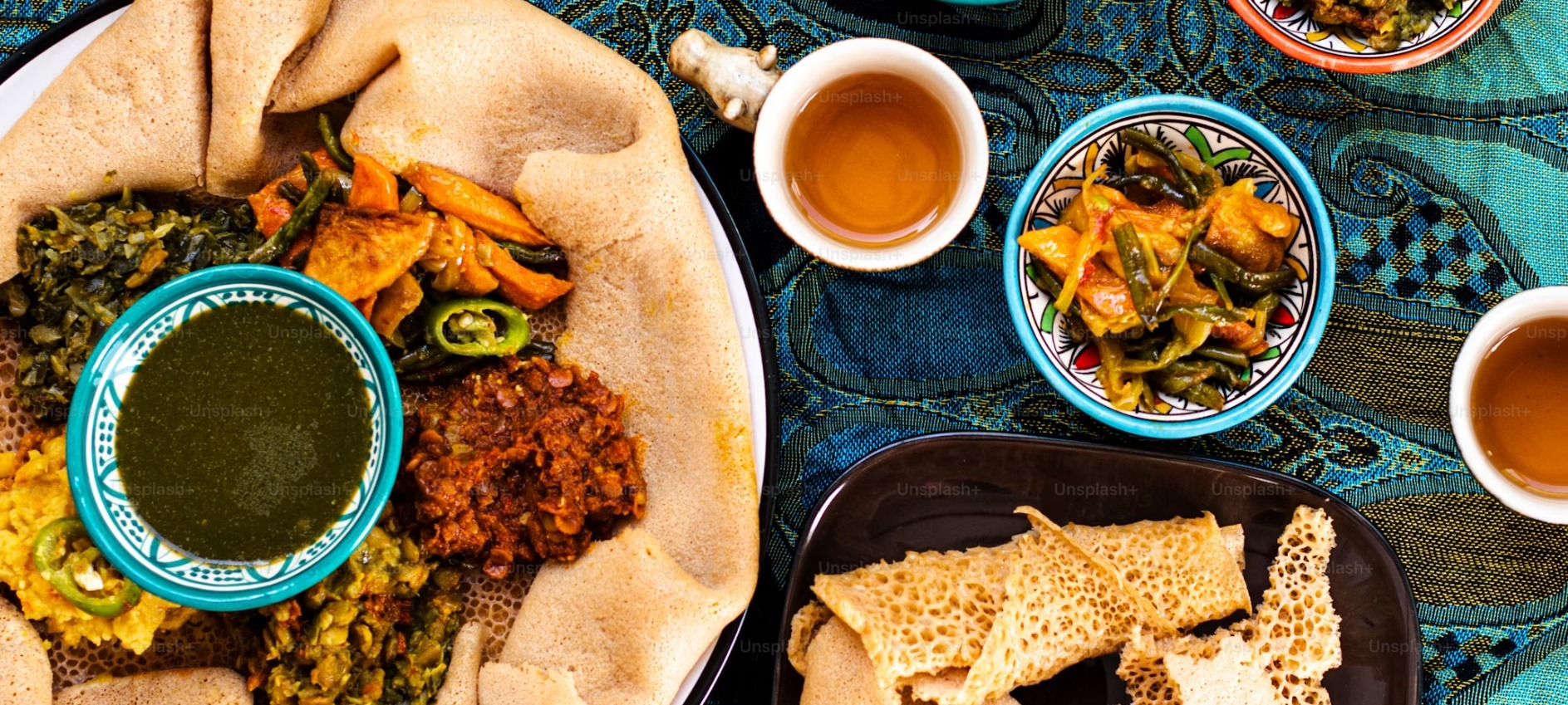
Culinary Scene: The DMV features dozens of acclaimed Ethiopian restaurants and traditional coffee houses serving injera, wat, and kitfo.
Economic Footprint: Ethiopian-owned grocery markets, tech incubators, and professional associations support both the local diaspora and the broader East African immigrant network.
Significance
Ethiopian immigration to the United States has generally reflected political revolution, civil conflict, government repression, famine, refugee displacement, education, professional employment, family reunification, and the Diversity Visa programme.
Ethiopian migration to the United States remained limited until the second half of the twentieth century. Early arrivals mainly included diplomats, students, religious workers, academics, businesspeople, and professionals travelling for education, government service, or specialised employment. Immigration expanded after the 1974 Ethiopian Revolution, when the Derg military government removed Emperor Haile Selassie and introduced authoritarian rule. Political persecution, the Red Terror, civil war, famine, and economic hardship forced many Ethiopians to leave for Sudan, Kenya, Europe, and North America. Ethiopian communities later developed especially in the Washington, D.C., metropolitan area, California, Minnesota, Washington State, Texas, and Georgia, supported by churches, mosques, businesses, restaurants, cultural associations, and family networks.
Ethiopian Migration Before the Major Immigration Waves
Before the 1970s, direct Ethiopian immigration to the United States was comparatively uncommon. Unlike most African countries, Ethiopia retained its independence during the colonial era, except for Italian occupation from 1936 to 1941. Early movement abroad mainly involved merchants, diplomats, students, religious leaders, military personnel, intellectuals, and members of internationally connected families. The United States recognised Ethiopia in 1903, when a treaty regulated relations between the two countries, and permanent diplomatic representation was later established. Educational and political connections increased during the reign of Emperor Haile Selassie, allowing more Ethiopian students and officials to travel to America. However, high travel costs, limited immigration pathways, and stronger regional connections prevented the early formation of a large Ethiopian American population.
Late-Twentieth- and Early-Twenty-First-Century Immigration
Ethiopian immigration increased dramatically after the Derg seized power in 1974. Political opponents, former officials, academics, students, professionals, and families fled imprisonment, execution, military conscription, civil war, and economic disruption. Severe famine during the 1980s and continuing conflicts further increased displacement. The Immigration and Nationality Act of 1965 had expanded family- and employment-based opportunities, while the Refugee Act of 1980 supported the admission of people escaping conflict and persecution. Later arrivals entered through refugee resettlement, asylum, university education, skilled employment, family sponsorship, and the Diversity Visa programme. Ethiopian immigrants established restaurants, markets, media outlets, religious institutions, professional organisations, and cultural festivals while preserving Amharic, Oromo, Tigrinya, traditional food, music, coffee ceremonies, religious customs, and close connections with Ethiopia.
Lorem ipsum dolor sit amet, consectetur adipiscing elit, sed do eiusmod tempor incididunt ut
labore et dolore magna aliqua. Ut enim ad minim veniam, quis nostrud exercitation ullamco
laboris nisi ut aliquip ex ea commodo consequat. Duis aute irure dolor in
reprehenderit in voluptate velit esse cillum dolore eu fugiat nulla pariatur.