


Responsive Header
  • Where We Work
  • Cameroon
  • The Diaspora World Cup operates in some of the major cities and metro areas in United States and Canada. Our network of register players includes 20 cities, 200 countries, 400 teams, and 10,000 players. Join our movement to solve the world's most pressing challenges: Illiteracy
  • Who We are text will be here Who We are text will be here Who We are text will be here Who We are text will be here Who We are text will be here Who We are text will be here Who We are text will be here Who We are text will be here Who We are text will be here
  • What We Do text will be here What We Do text will be here What We Do text will be here What We Do text will be here What We Do text will be here What We Do text will be here What We Do text will be here What We Do text will be here What We Do text will be here What We Do text will be here What We Do text will be here What We Do text will be here
  • Get Involved text will be here Get Involved text will be here Get Involved text will be here Get Involved text will be here Get Involved text will be here Get Involved text will be here Get Involved text will be here Get Involved text will be here Get Involved text will be here Get Involved text will be here
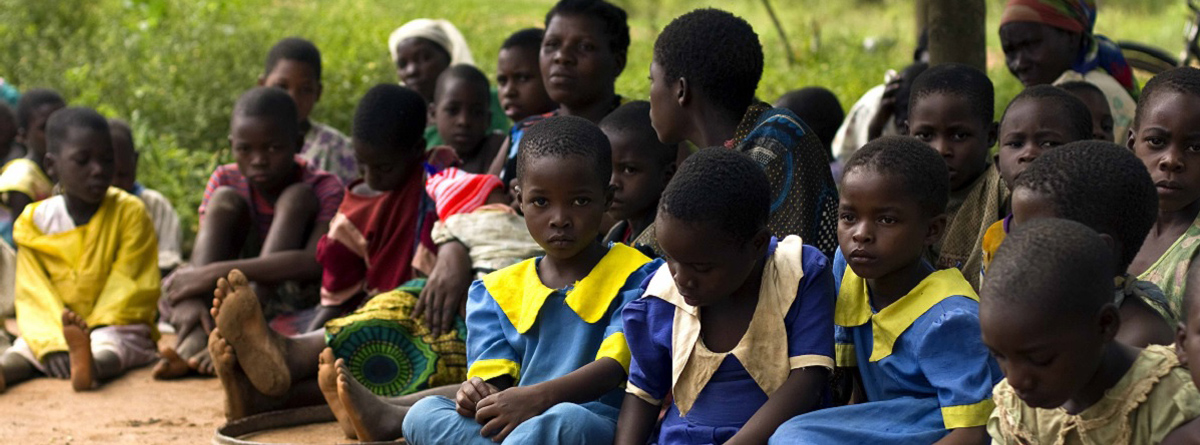
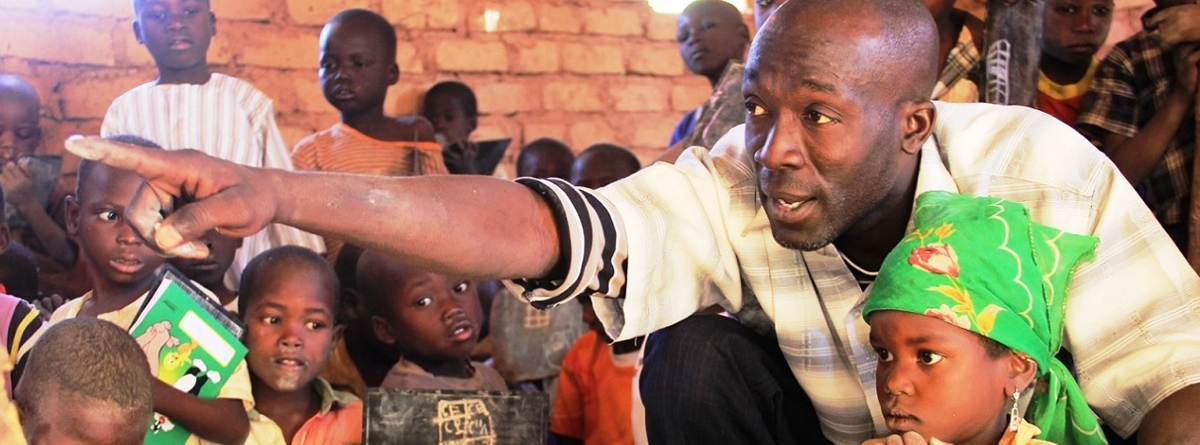
  • Education is a basic Human Right and the Diaspora World Cup global school program focuses its energy in some the poorest countries around the world. We build schools in some of the poorest countries around the worldthat historically had no adequate school structure. Any member of the World Diaspora has the power to end illiteracy around the world through the power of soccer.
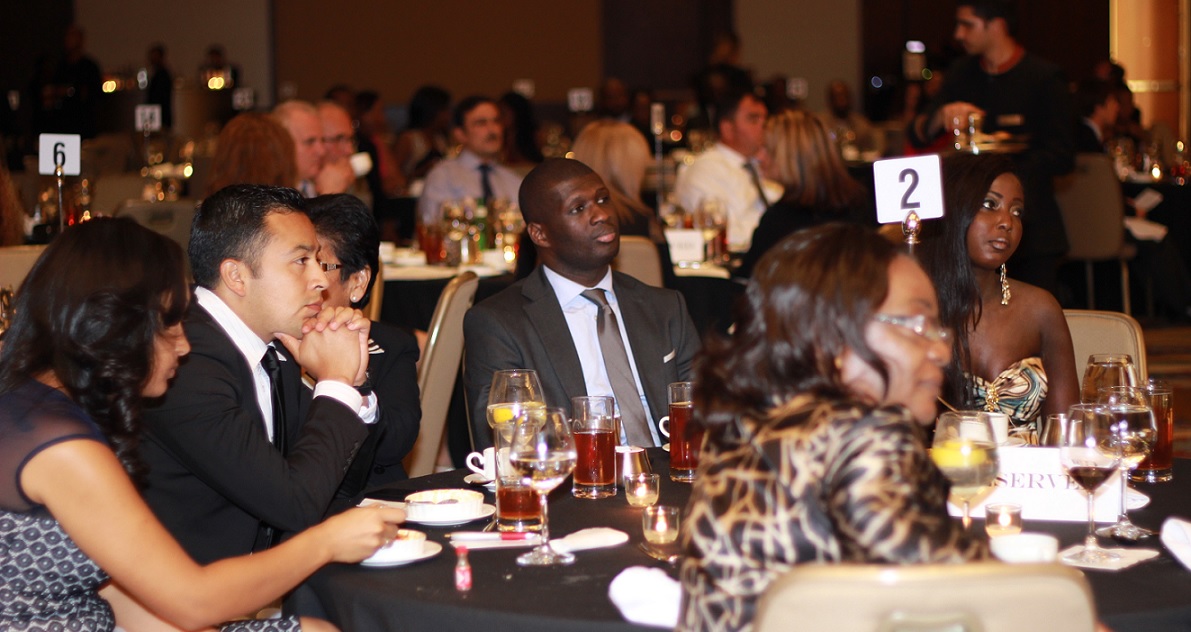
  • High-profile sport figures, global leaders, business leaders, political figure, journalists, activists, philanthropists, actors, and entrepreneurs united by their commitment to the Diaspora World Cup mission to eradicate illiteracy around the world through the power of soccer. They serve as role models and spread the Diaspora World Cup vision and commitment of a world mobilized through soccer.
  •  
  •  
Diaspora 2027: complete guide to all players | The Diaspora
SOUTH A.
Burtonsville – Laurel
Welcome to the 2027 Diaspora World Cup.
Burtonsville – Laurel

Significance

South African immigration has generally reflected colonial expansion, mining and industrial development, racial discrimination under apartheid, political exile, education, professional opportunities, economic uncertainty, security concerns, and family reunification.

South African migration to the United States remained relatively limited until the second half of the twentieth century. Early arrivals included merchants, sailors, miners, missionaries, students, academics, and professionals travelling for trade, education, or specialised employment. Later migrants came from the country’s African, Afrikaner, British, Indian, Jewish, Coloured, and other communities. Immigration expanded after American reforms in 1965 and during the apartheid era, when political activists, artists, intellectuals, and families left because of repression and racial discrimination. More recent arrivals have included doctors, engineers, scientists, educators, entrepreneurs, technology specialists, students, and relatives joining established families. South Africa is now one of the leading birth countries for sub-Saharan African immigrants in the United States.

South African Migration Before Apartheid

Before apartheid was formally introduced in 1948, migration was shaped by Dutch and British colonisation, slavery, warfare, agriculture, diamond and gold discoveries, and rapid industrialisation. European settlers, enslaved people, indentured Indian labourers, African workers, merchants, and professionals moved into and within the region under very different conditions. South Africans who travelled abroad generally went to Britain, neighbouring African territories, Australia, or other parts of the British Empire, while direct settlement in the United States remained comparatively uncommon. Those who reached America included sailors, missionaries, students, mining specialists, businesspeople, and performers. The United States maintained consular relations with the region during the nineteenth century and formally upgraded its diplomatic representation to ambassadorial level in 1949.

Late-Twentieth- and Early-Twenty-First-Century Immigration

Apartheid laws introduced after 1948 intensified racial segregation, political repression, forced removals, and restrictions on education, employment, and movement. These conditions encouraged some activists, academics, artists, professionals, and families to seek refuge or opportunity abroad. After apartheid ended and democratic government began in 1994, emigration continued for different reasons, including professional advancement, economic uncertainty, crime concerns, international study, business, and family connections. The United Kingdom, Australia, New Zealand, Canada, and the United States became important destinations, particularly for skilled workers. South African immigrants in America established professional networks, businesses, churches, cultural groups, and community organisations while maintaining connections through family visits, investment, charitable activity, and support for relatives at home.

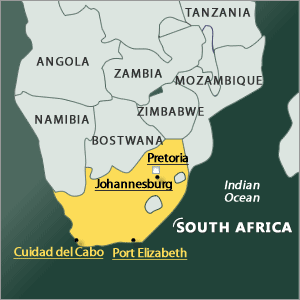
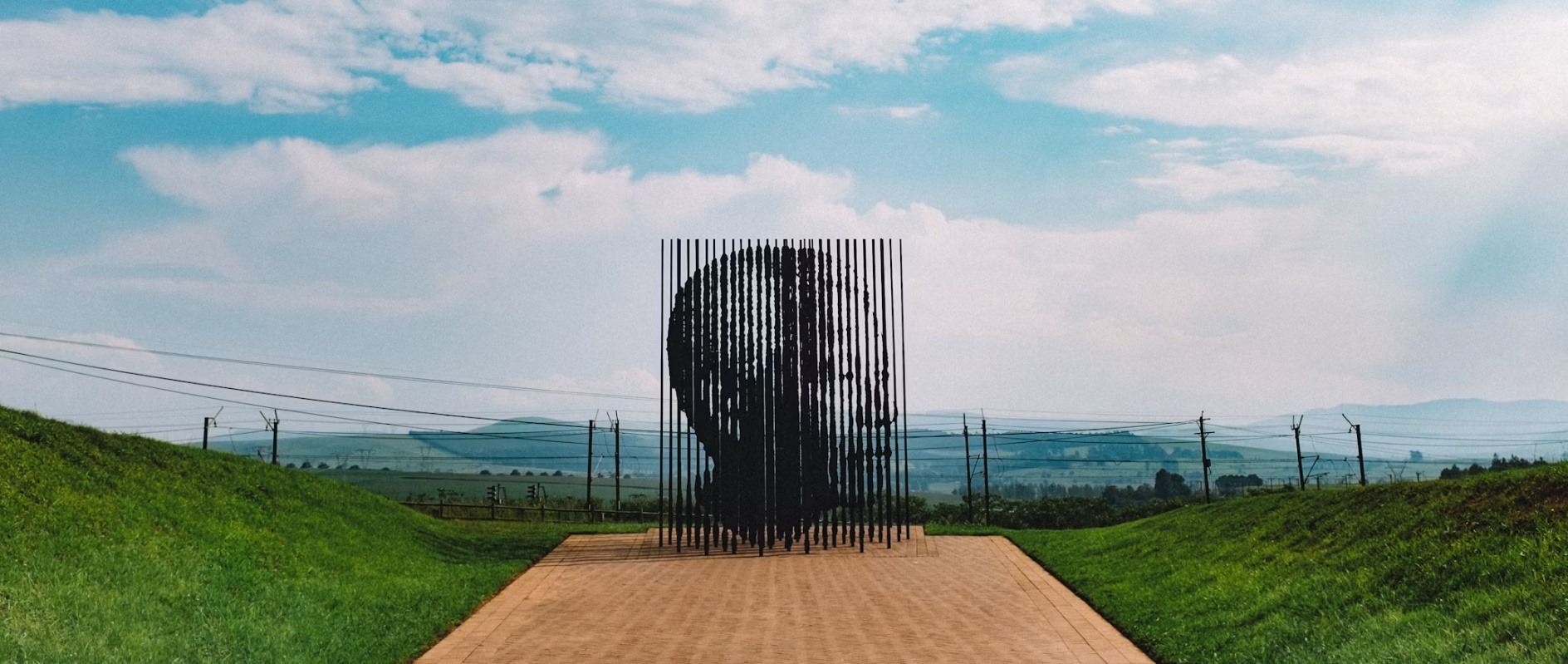
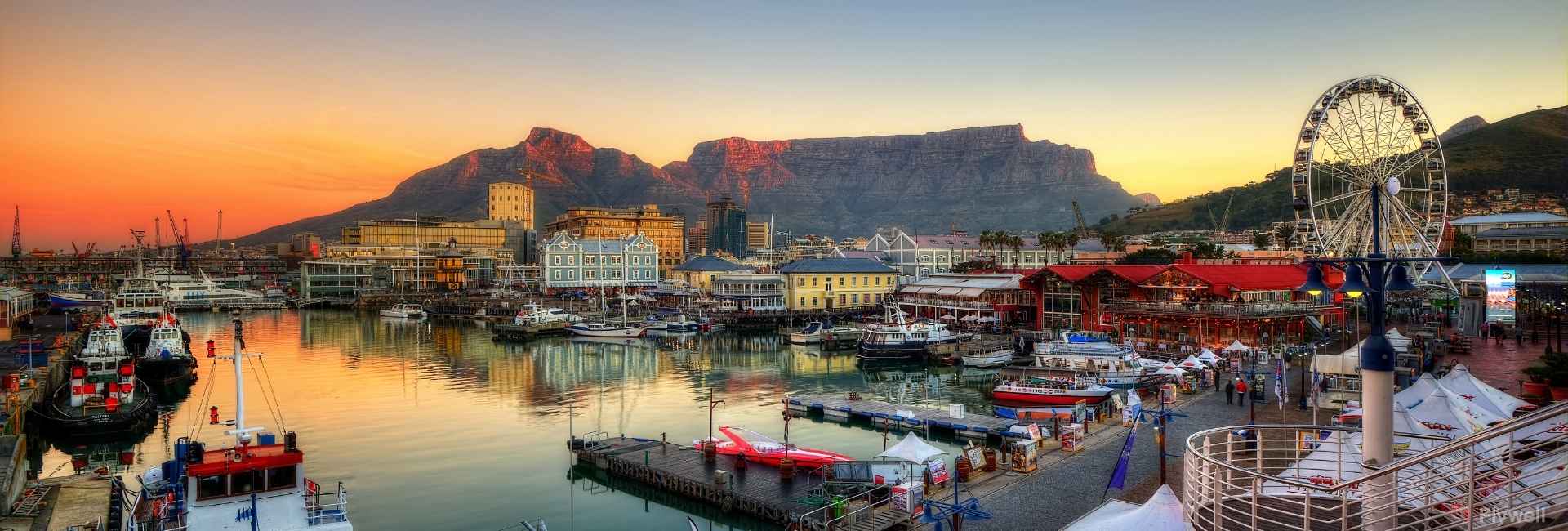
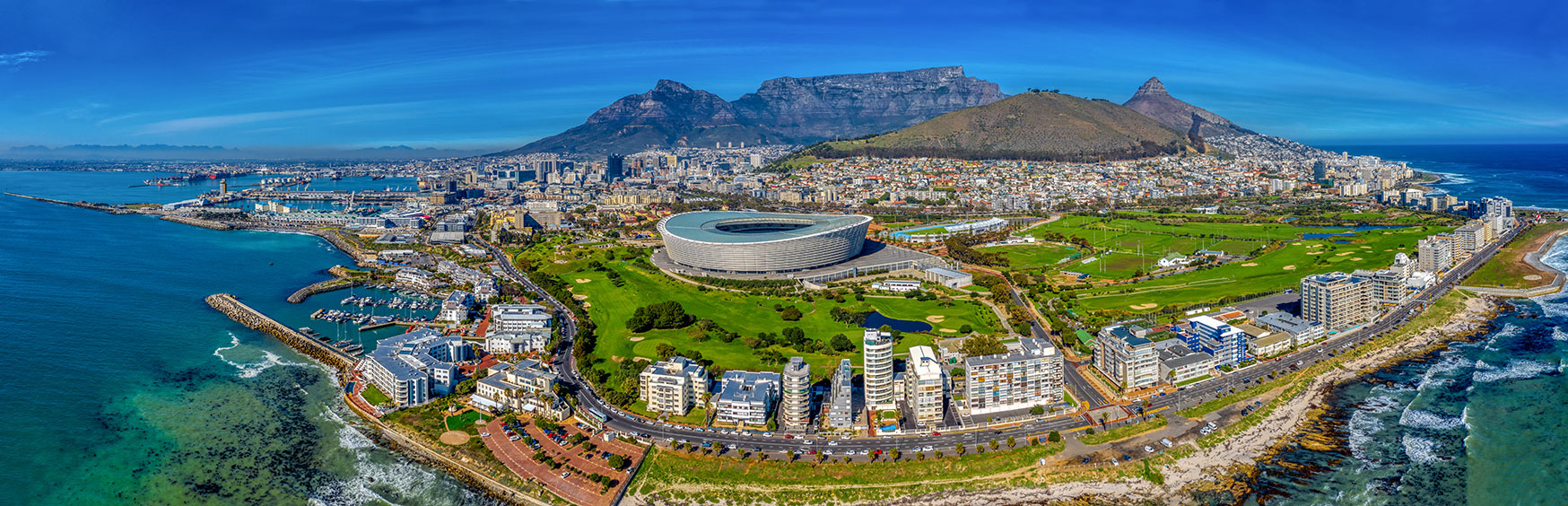
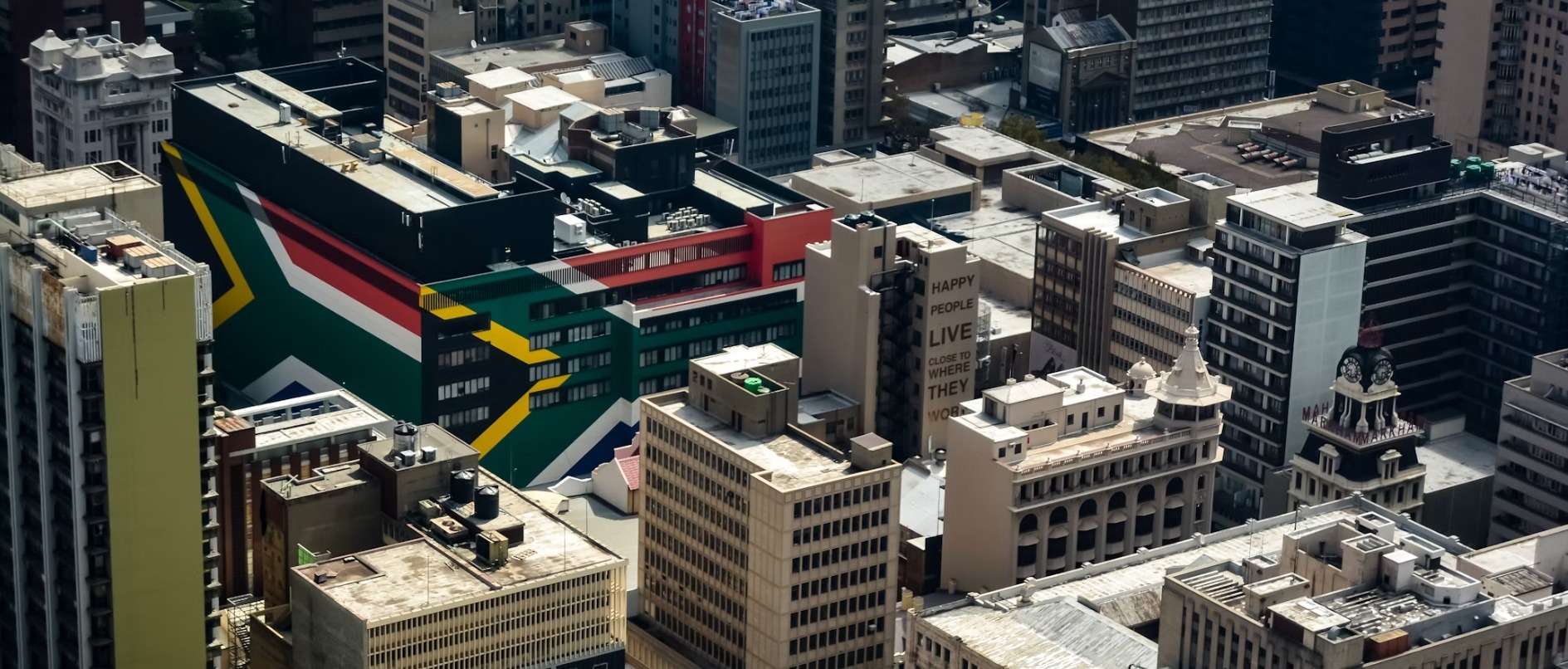
South A. country image
South A. overview image

Team Standings

Teams Mp W D L GF GA Pt
Guinea-B. Guinea-B. 0 0 0 0 0 0 0
India India 0 0 0 0 0 0 0
Liberia Liberia 9 5 3 1 27 8 18
Mozambique Mozambique 0 0 0 0 0 0 0
Netherlands Netherlands 0 0 0 0 0 0 0
Nigeria Nigeria 0 0 0 0 0 0 0
Senegal Senegal 0 0 0 0 0 0 0
South A. South A. 0 0 0 0 0 0 0
Swaziland Swaziland 0 0 0 0 0 0 0
United S. United S. 0 0 0 0 0 0 0

Squad List

Akuro Akun
Forward
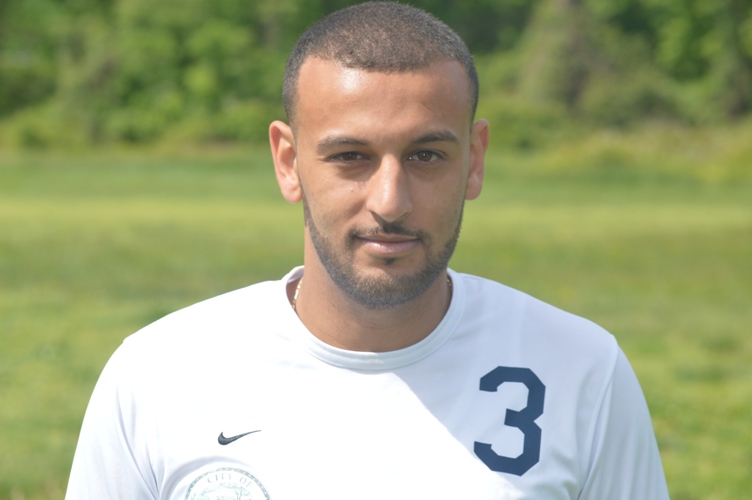
Andro Fahmy
Defender
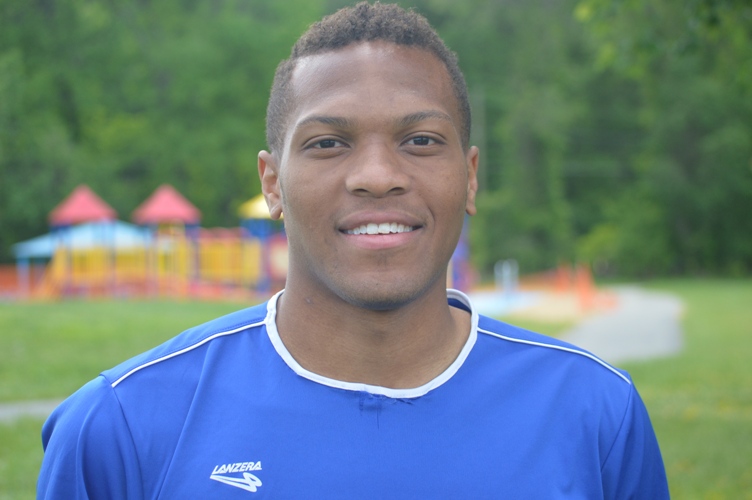
Darren Jones
Forward
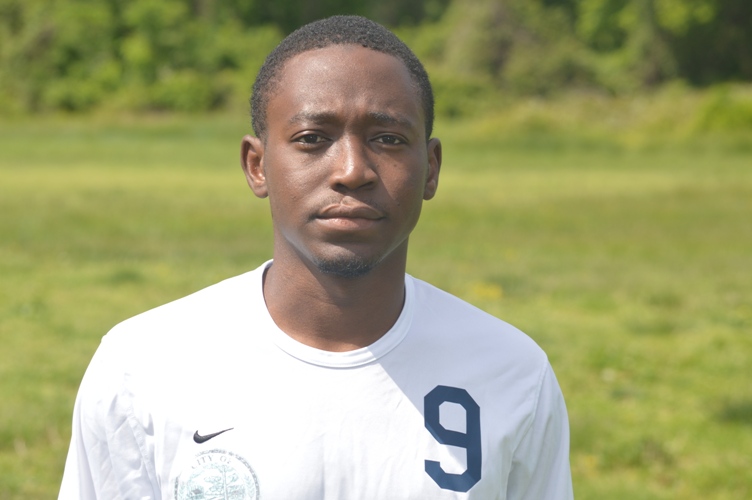
Frank Dewonou
Midfielder
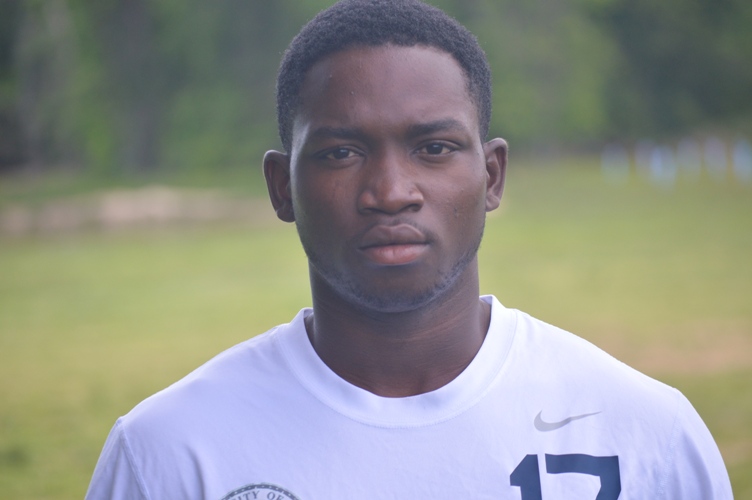
Gift Abache
Forward
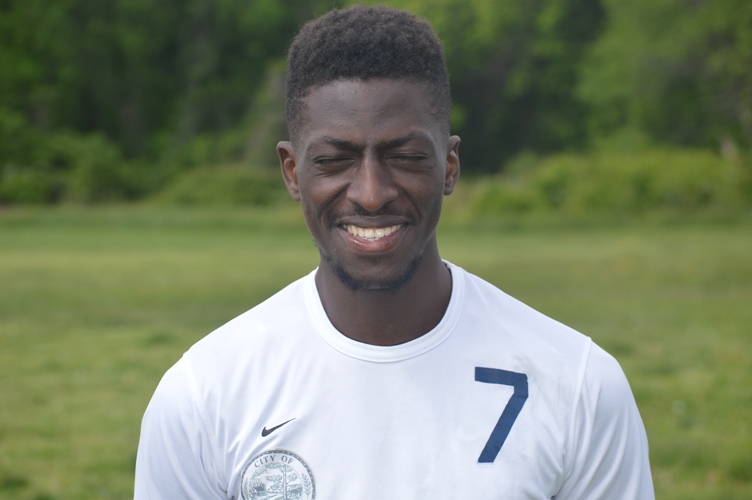
Ikin Pka
Midfielder
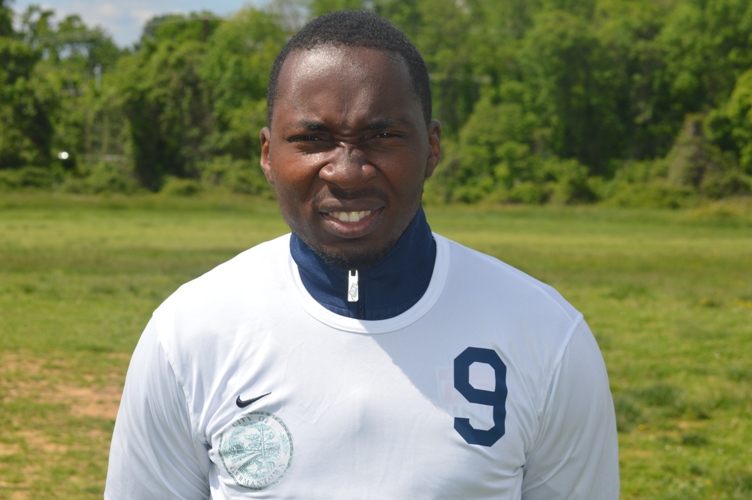
Johnny Kukapa
Forward
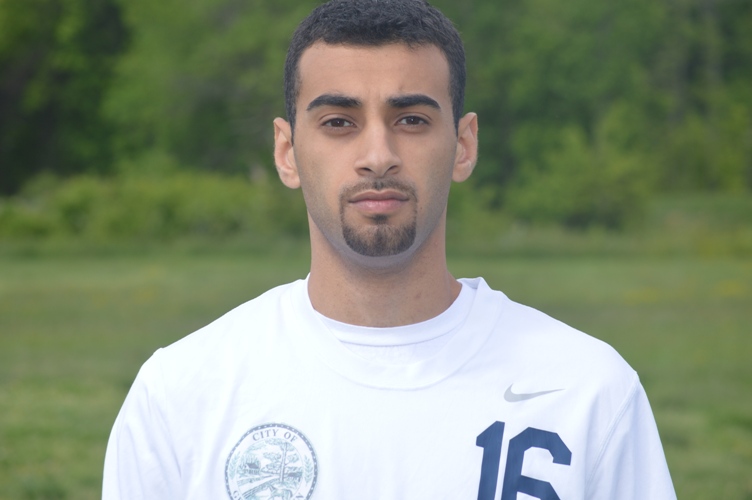
Karim Abdelmour
Midfielder
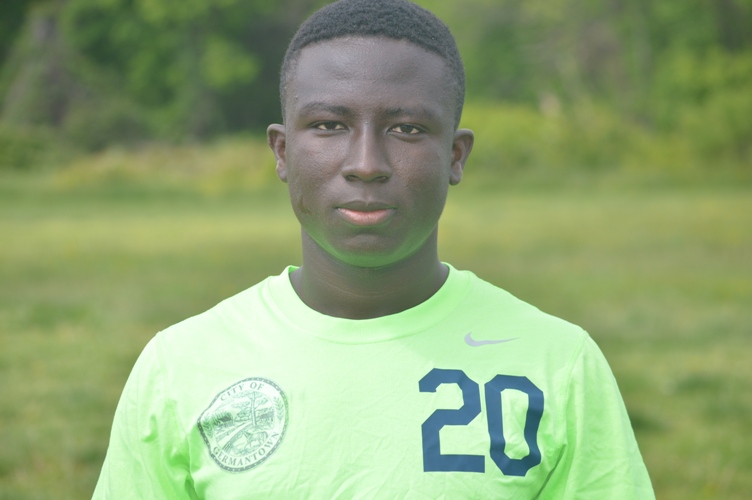
Kossi Adzaklo
Goalkeeper
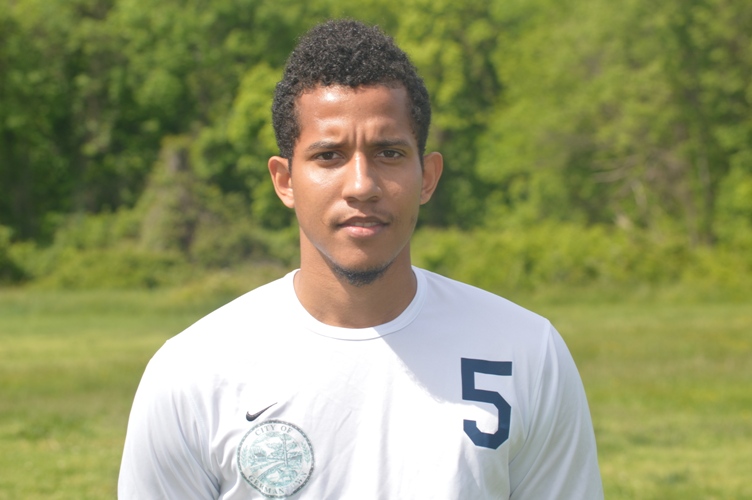
Lawrence Bass
Forward
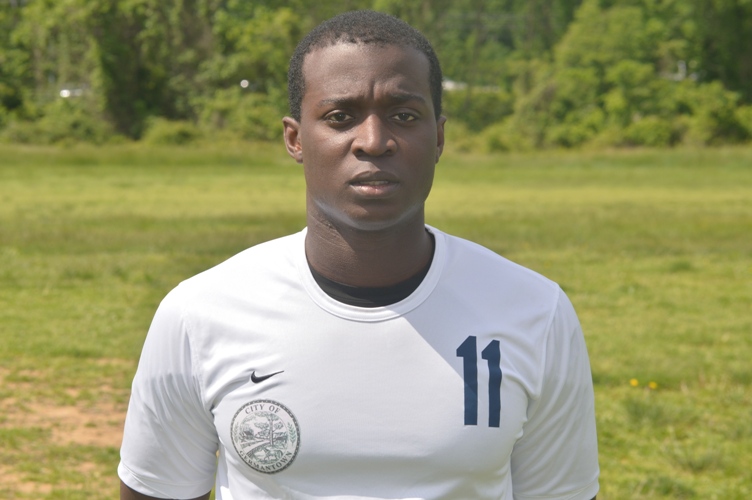
Louis Manzan
Defender
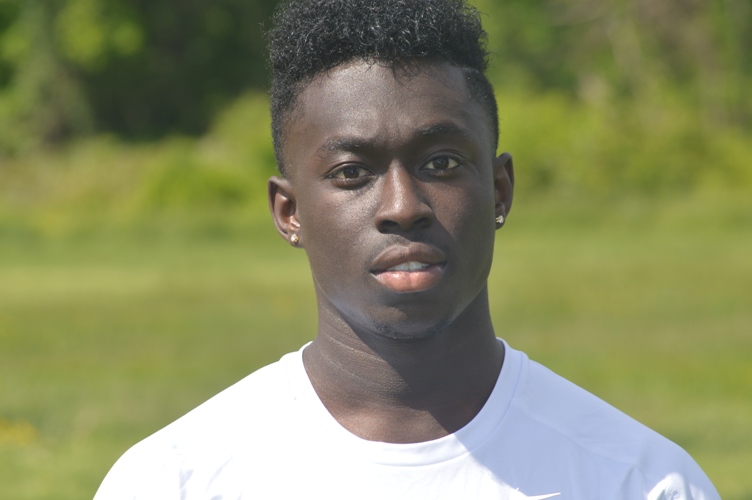
Obed Agyei
Midfielder
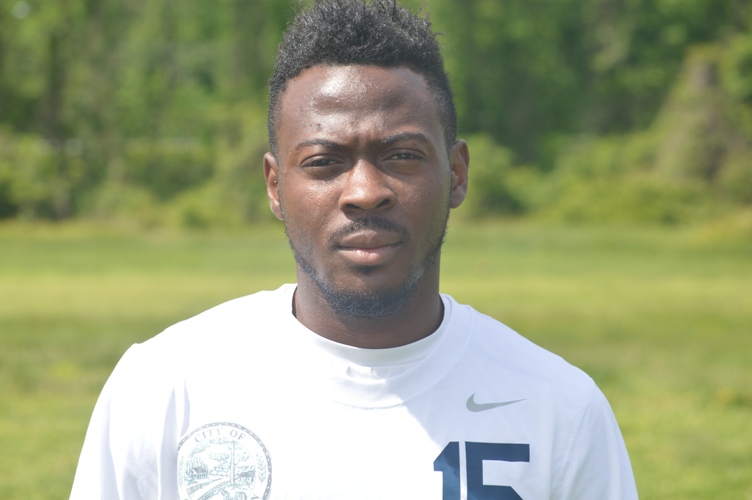
Olawasum Kuma
Defender
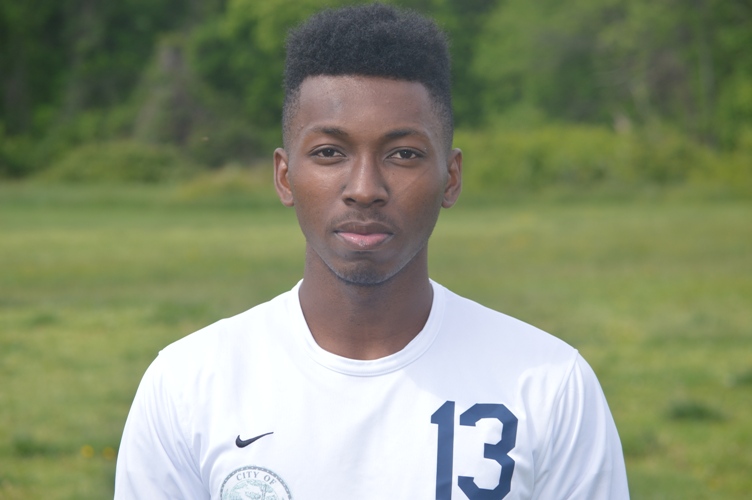
Philippe Gadie
Midfielder
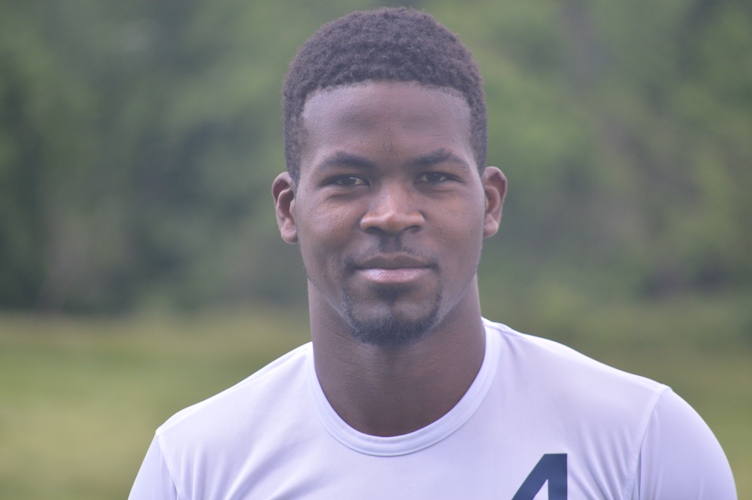
Raphael Afossa
Defender

Rod Valenzuala
Defender
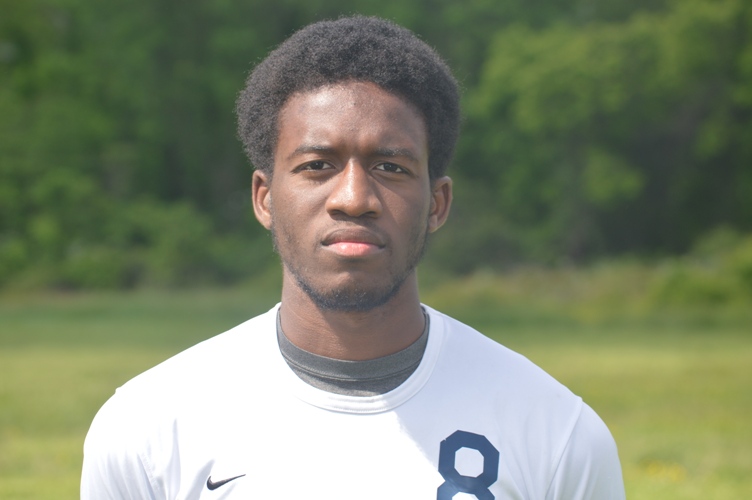
Samuel Sasu
Forward
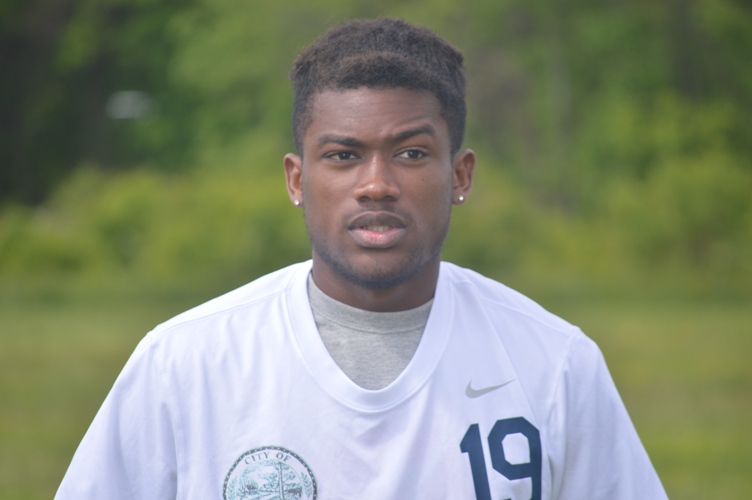
Serge Kongou
Midfielder
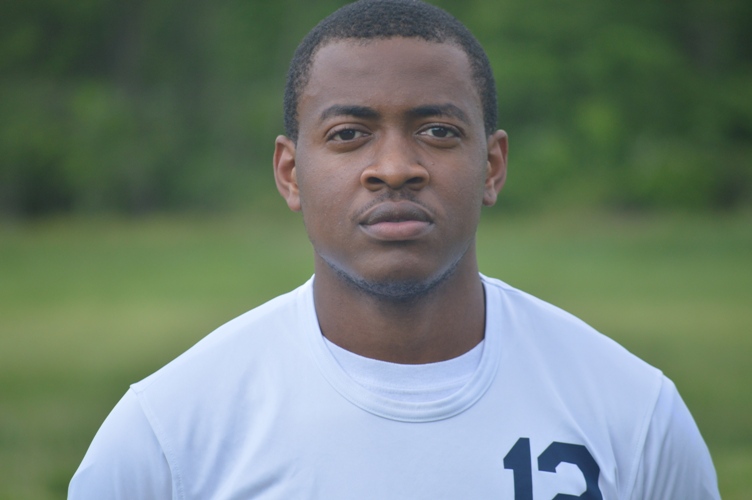
Stephen Ngow
Defender
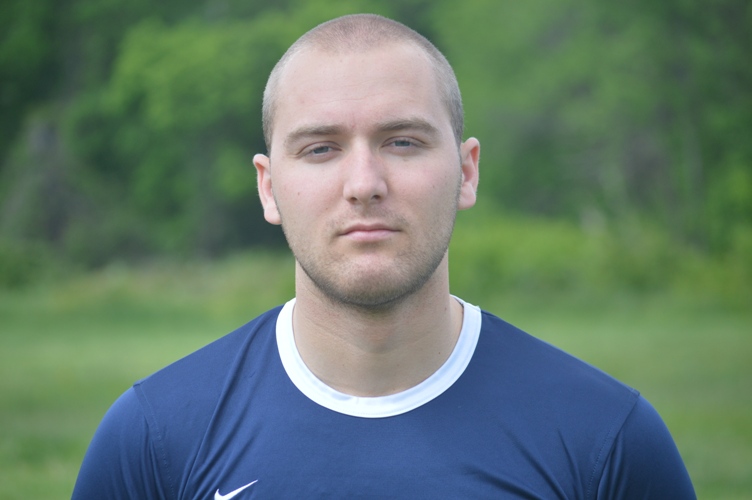
Tim Meyer
Goalkeeper
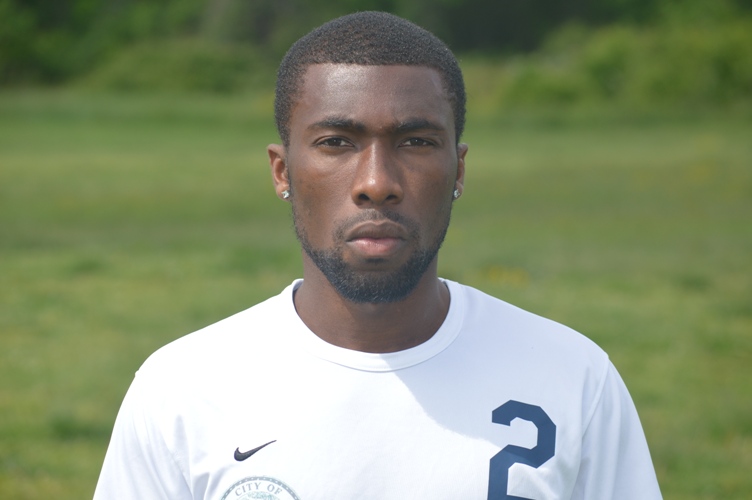
Willie Brown
Forward

Coaching Staff
Kwabena Beeko
C
Kwabena Beeko
Head Coach