Sign In






 Facebook
 X-Twitter
 Instagram
 Linkedin
 Youtube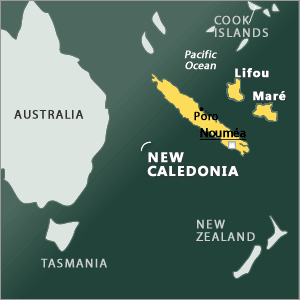
More Information
More Information
Street Soccer in New Caledonia
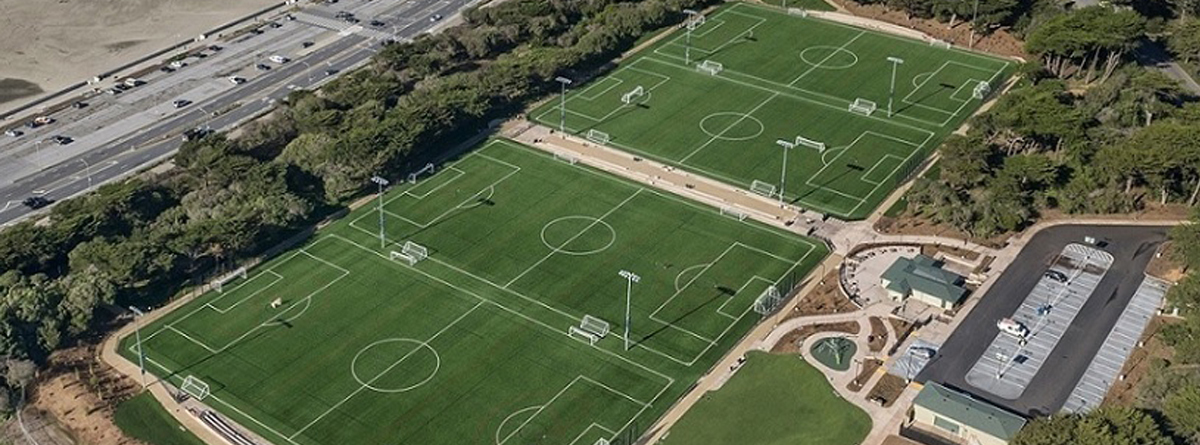
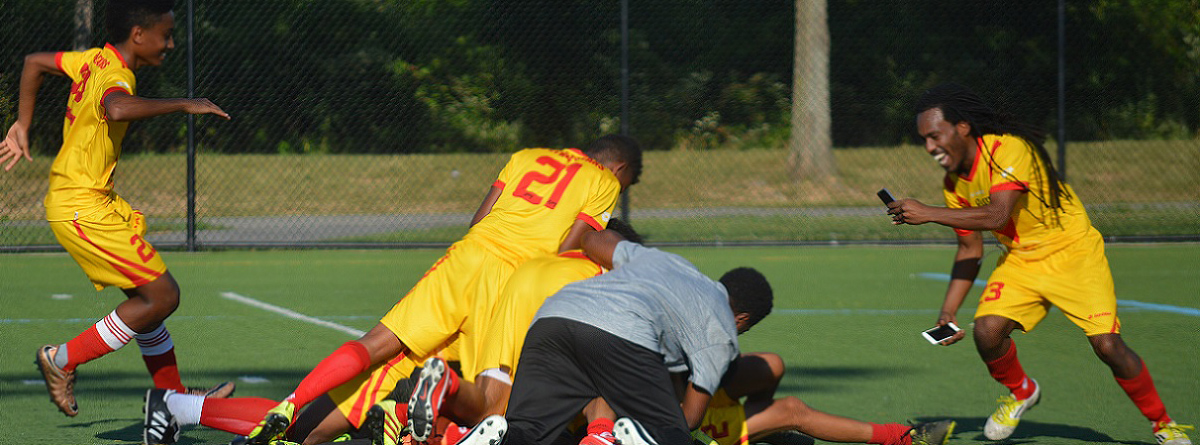
Street soccer is a popular recreational activity in New Caledonia, where children and teenagers regularly play informal football matches in neighbourhood areas, school grounds, community courts, parks, and open spaces. These games provide a fun and accessible way for young players to stay active, enjoy football with friends, and improve their skills outside organised competitions.
The fast-paced nature of street soccer encourages close ball control, quick passing, creative dribbling, and smart movement. Playing in smaller spaces helps participants develop confidence, teamwork, and adaptability while learning to make quick decisions during different match situations.
Street soccer offers an affordable way for communities across New Caledonia to enjoy football without requiring professional facilities. It promotes healthy lifestyles, strengthens community relationships, and inspires many young people to continue developing their passion for the sport.
Street Soccer Culture in New Caledonia
Football is widely enjoyed in New Caledonia, and street soccer is often where many children first discover their interest in the game. Informal matches organised by schools, neighbours, and local communities create a welcoming environment where players of different ages and abilities can participate.
Skills Developed Through Street Soccer
Street soccer helps players improve dribbling, first touch, passing accuracy, agility, balance, ball control, and awareness. Regular games also develop communication, creativity, confidence, and the ability to make quick decisions during fast-paced play.
Street Soccer and Community Development
Street soccer brings communities together through football while encouraging teamwork, positive youth participation, and active lifestyles. It also provides aspiring players with valuable experience before progressing to school teams, local football clubs, academies, or organised youth football programmes.
The NEW C. in the DMV Metro

The New Caledonian diaspora in the DMV (District of Columbia, Maryland, and Virginia) is a tiny, highly dispersed micro-diaspora. Because New Caledonia is a French overseas collectivity in the South Pacific, most migration and professional mobility from the territory is oriented toward metropolitan France, Australia, and New Zealand rather than the United States. As a result, the DMV has no established New Caledonian neighborhood or commercial enclave, with the local presence consisting primarily of short-term professionals, researchers, maritime specialists, international-development personnel, and French-connected administrators.
Cultural Hubs & Community Networks
-
French Consular Hub: The Consulate General of France in Washington, D.C. serves as the primary administrative connection for New Caledonians in the region. Because New Caledonians with French citizenship access French diplomatic and consular services, the French diplomatic network provides the practical institutional infrastructure that a separate New Caledonian organization would otherwise provide.
-
French Cultural Networks: Local New Caledonians generally participate in the DMV's broader Francophone cultural ecosystem rather than maintaining dedicated organizations. French cultural institutions, language groups, international associations, and Pacific-focused academic programs provide opportunities to maintain connections with the territory.
-
Francophone Expat Networks: French-speaking professional and expatriate groups offer informal social infrastructure for residents, particularly for newcomers seeking housing information, language connections, professional contacts, and access to French and European products.
Key Cultural Gatherings
-
Passport DC & French Open Houses: The annual Passport DC season provides one of the few opportunities for New Caledonia to gain public visibility in Washington. Through French diplomatic and cultural programming, visitors may encounter information about the territory's Kanak Indigenous heritage, Caldoche history, Pacific geography, coral reefs, and distinctive relationship with France.
-
Francophone Cultural Events: New Caledonians can also participate in French film screenings, art exhibitions, language events, lectures, and cultural programs organized throughout the DMV.
-
Pacific Islander Events: Individuals of Kanak and other Pacific Islander backgrounds may participate in broader Pacific Islander and AAPI cultural programs, where New Caledonian heritage can be presented alongside communities from Fiji, Samoa, Tonga, Hawaiʻi, and other Pacific societies.
Pacific & Francophone Community Connections
Because the New Caledonian population is too small to sustain dedicated commercial infrastructure, social life depends heavily on overlapping communities.
-
Pacific Islander Networks: Kanak residents can connect with the DMV's wider Pacific Islander community, participating in cultural festivals, heritage-month programming, performances, and community gatherings.
-
French Community: Residents with French-language and European connections often participate in the region's extensive French expatriate and Francophone networks, providing a familiar linguistic and cultural environment.
-
Academic & International Networks: New Caledonia's importance in Pacific environmental research, maritime affairs, nickel mining, Indigenous studies, and regional geopolitics creates additional connections with Washington-based universities, international organizations, and policy institutions.
Culinary & Social Anchors
There is no significant New Caledonian restaurant or specialty-food ecosystem in the DMV. Instead, residents rely on broader French, Pacific Islander, and international food networks.
-
French Culinary Network: French bakeries, restaurants, markets, and specialty retailers provide access to familiar European ingredients and products.
-
Pacific Islander Community: Pacific Islander gatherings and restaurants provide opportunities to encounter broader Melanesian and Polynesian food traditions and social networks.
Overall, the New Caledonian presence in the DMV is defined by its extreme smallness and its connection to larger French and Pacific communities rather than by a standalone enclave. The French diplomatic network provides the principal institutional link, while Passport DC, Francophone organizations, Pacific Islander networks, universities, and international-development circles provide the limited but meaningful social infrastructure through which New Caledonian identity can remain visible in the Washington region.
Significance
Immigration from New Caledonia has generally reflected French administration, educational opportunities, professional employment, economic development, family reunification, international business, skilled migration, and cultural exchange.
Migration from New Caledonia has historically been shaped by its status as a French overseas territory and its close economic and political ties with France and the Pacific region. Most migration has occurred between New Caledonia, metropolitan France, Australia, New Zealand, and neighboring Pacific islands for education, employment, trade, and family connections. Overseas migration to the United States has remained comparatively limited and has primarily involved students, researchers, healthcare professionals, entrepreneurs, businesspeople, and skilled workers pursuing higher education, specialized careers, scientific collaboration, and family sponsorship. Today, immigrants from New Caledonia maintain strong cultural, linguistic, and family ties with their homeland while contributing to diverse professional sectors in the United States.
Migration from New Caledonia Before Modern Self-Government
Before becoming a French overseas territory with expanded self-government, New Caledonia was annexed by France in 1853 and administered as a French colony. Migration during the colonial period was influenced by nickel mining, agriculture, maritime trade, government administration, missionary education, and regional commerce. Residents travelled throughout the Pacific region and to France as miners, traders, farmers, teachers, students, civil servants, and members of extended families. Direct migration to the United States remained relatively uncommon because political, educational, and commercial connections were centred primarily on France and neighboring Pacific countries. New Caledonia remains a French overseas collectivity with substantial autonomy under the Nouméa Accord, while France continues to manage its defense and foreign affairs.
Late-Twentieth- and Early-Twenty-First-Century Immigration
Migration patterns evolved during the late twentieth and early twenty-first centuries as expanding educational opportunities, globalization, and professional careers encouraged more residents to pursue opportunities abroad. Students, physicians, engineers, scientists, academics, entrepreneurs, information technology specialists, business professionals, and researchers increasingly travelled to the United States for university education, specialized employment, scientific research, investment, or family reunification. Academic exchange programs, multinational companies, and international research partnerships have continued to support migration in recent decades. In the United States, immigrants from New Caledonia often rely on family networks, cultural associations, alumni organizations, and professional groups for support with housing, employment, education, and community integration while preserving French, Kanak languages, traditional cuisine, cultural heritage, local customs, and close relationships with relatives in New Caledonia.