Sign In












 Facebook
 X-Twitter
 Instagram
 Linkedin
 Youtube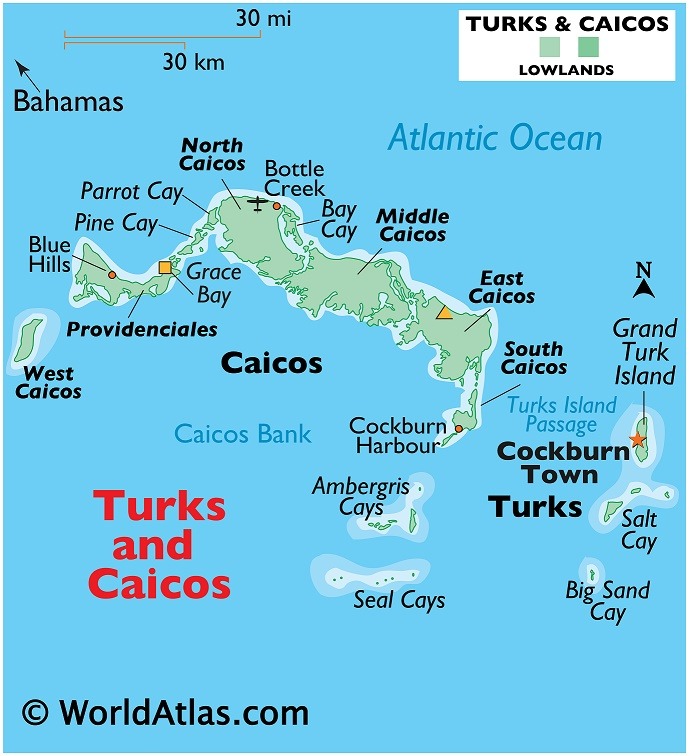

Significance
Turks and Caicos Islander migration has generally reflected British colonial rule, the decline of the salt industry, limited employment, hurricane damage, education, tourism development, family networks, and the search for improved economic opportunities.
Migration from the Turks and Caicos Islands has historically focused on the Bahamas, the United Kingdom, the United States, Canada, and other Caribbean territories. Islanders travelled abroad as sailors, salt workers, domestic employees, construction labourers, students, teachers, healthcare workers, and professionals. Emigration increased after the salt industry declined during the twentieth century, leaving the small island economy with few employment opportunities. Many families relocated to the Bahamas, particularly Grand Bahama, while others settled in Florida, New York, and other overseas locations. Tourism and international business later created new jobs at home and encouraged some islanders to return. Overseas communities maintained close relationships through remittances, family visits, churches, cultural organisations, and island celebrations.
Migration Before Modern Economic Development
Before modern tourism development, migration was shaped by maritime trade, salt production, plantation agriculture, slavery, and changing British colonial administration. Indigenous Lucayan people originally inhabited the islands, but enslavement and European diseases caused their population to disappear soon after European contact. Bermudian salt collectors began visiting during the seventeenth century and later established permanent settlements supported by the forced labour of enslaved Africans. After the American Revolution, British Loyalists and enslaved workers moved from the former colonies to the Caicos Islands and developed cotton plantations. Salt eventually became the principal industry, employing generations of islanders on Grand Turk, Salt Cay, and South Caicos. Limited land, recurring storms, low wages, and dependence on a single industry encouraged residents to seek work in nearby Caribbean territories.
Twentieth- and Early-Twenty-First-Century Migration
The salt industry largely collapsed during the 1940s, producing unemployment and substantial emigration, especially to the Bahamas. During the following decades, islanders also travelled to Britain, Canada, and the United States for education, healthcare, professional training, employment, and family reunification. Tourism began expanding during the 1960s and later transformed Providenciales and other islands, creating jobs in hotels, construction, transportation, government, and financial services. This development attracted returning islanders as well as workers from Haiti, Jamaica, the Dominican Republic, the Bahamas, and other countries. The Turks and Caicos Islands remain a self-governing British Overseas Territory rather than an independent country. Communities abroad preserve their identity through churches, food, music, storytelling, festivals, family associations, and continued connections with the islands.