 Sign In






 Facebook
 X-Twitter
 Instagram
 Linkedin
 Youtube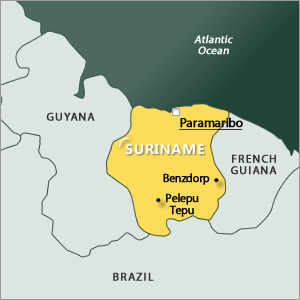
More Information
More Information
Street Soccer in Suriname
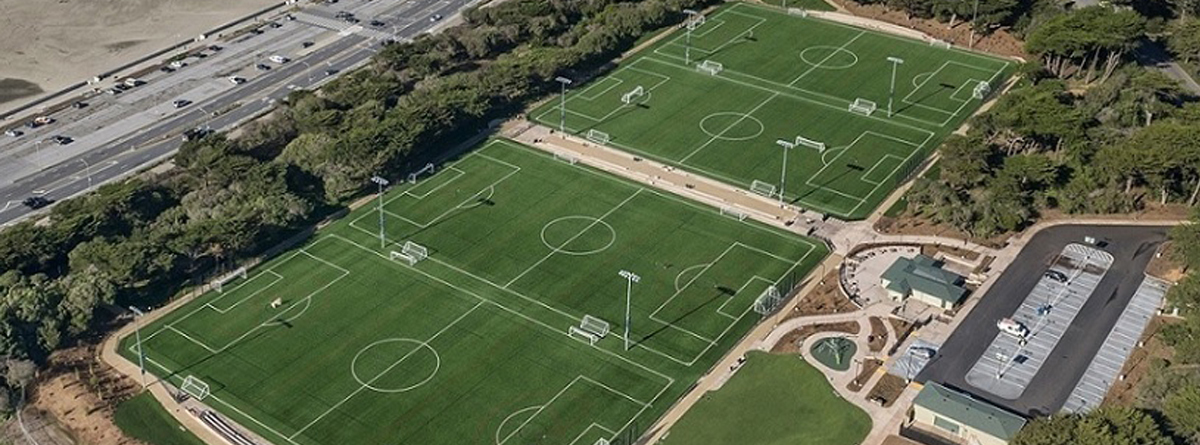
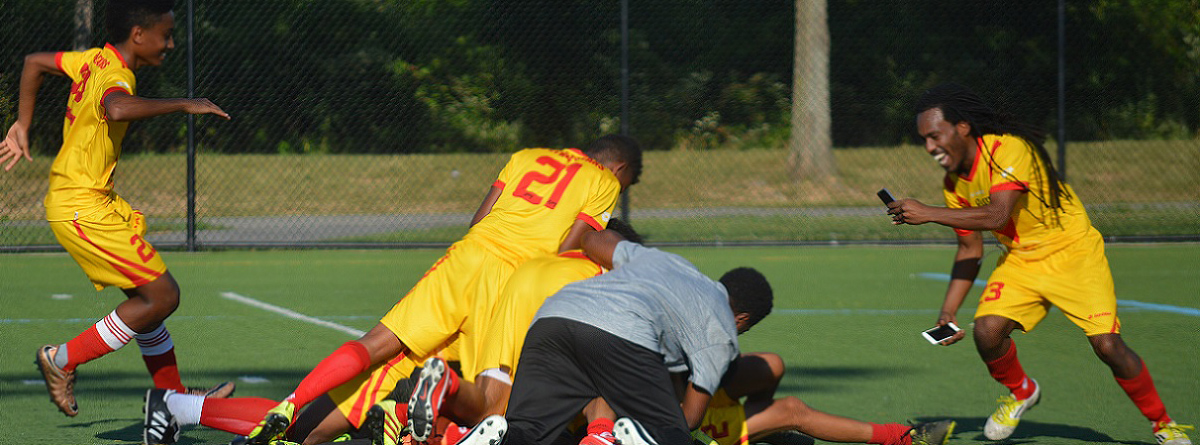
Street soccer is a popular recreational activity in Suriname, where children and teenagers regularly play informal football matches in neighbourhood streets, school playgrounds, public parks, community fields, and local courts. These games provide young players with a fun and accessible way to stay active, develop their football skills, and enjoy the sport with friends.
The lively nature of street soccer encourages close ball control, quick passing, creative dribbling, and intelligent movement. Playing in smaller spaces helps participants improve their technical ability, confidence, teamwork, and decision-making while adapting to different playing environments.
Street soccer offers an affordable way for communities across Suriname to enjoy football without requiring professional facilities. It promotes healthy lifestyles, strengthens social connections, and inspires many young people to continue their football journey through schools, local clubs, academies, and community competitions.
Street Soccer Culture in Suriname
Football is widely enjoyed throughout Suriname, and street soccer is often where many children first discover their passion for the game. Informal matches organised by schools, friends, and neighbourhood communities create a welcoming atmosphere where players of different ages and abilities can participate while sharing their enthusiasm for football.
Skills Developed Through Street Soccer
Street soccer helps players improve dribbling, first touch, passing accuracy, shooting technique, agility, balance, ball control, and tactical awareness. Regular games also strengthen communication, creativity, confidence, and the ability to make quick decisions during fast-paced situations.
Street Soccer and Community Development
Street soccer brings communities together through football while encouraging teamwork, positive youth participation, and active lifestyles. It also provides aspiring players with valuable experience before progressing to school teams, local football clubs, academies, futsal programmes, or organised youth football competitions.
The SURINAME in the DMV Metro

- The Embassy of Suriname: Located on Connecticut Avenue NW, the Embassy of the Republic of Suriname acts as the absolute institutional and consular core for the diaspora. It manages passport processing, visa tracking, and dual-citizenship navigation for Surinamese nationals across the East Coast.
- The OAS and Multilateral Infrastructure: A significant portion of the adult diaspora works within global governance. Because Suriname is a member of the Organization of American States (OAS), local Surinamese professionals frequently hold prominent positions within the OAS headquarters in downtown D.C., as well as the World Bank and the Inter-American Development Bank (IDB), directing economic and infrastructure portfolios for the Caribbean and South America.
- Cultural Diplomacy: The embassy serves as a vital focal point for introducing Suriname’s unique multicultural heritage to the broader American public. They occasionally open their doors for public cultural programs like Passport DC, showcasing the nation’s distinct blend of Hindustani, Maroon, Creole, Javanese, and Indigenous traditions.
- Climate and Rainforest Advocacy: Local Surinamese environmental scientists, policy analysts, and researchers frequently collaborate with Washington-based NGOs like Conservation International and the World Wildlife Fund (WWF). They work to bridge the gap between Amazonian rainforest preservation initiatives and international climate funding architectures.
- The Dutch-Caribbean Connection: Because Dutch is the official language of Suriname, local expats share intense social, cultural, and linguistic bonds with the Dutch diaspora and Caribbean islands like Aruba, Curaçao, and Sint Maarten. They frequently gather at European or Dutch cultural events hosted across the District.
- Pan-Caribbean Alliances: Surinamese families and young professionals routinely connect through pan-Caribbean coalition groups, church networks, and West Indian cultural associations based heavily in the Maryland suburbs (such as Silver Spring and Laurel).
- Washington, D.C. Proper: Largely comprised of active diplomatic personnel, international development specialists, and graduate students residing near Foggy Bottom, DuPont Circle, and Van Ness.
- Suburban Maryland & Northern Virginia: Small pockets of multi-generational families live in Montgomery County, MD, and Fairfax County, VA, utilizing digital communication networks and shared Caribbean-American spaces to stay connected.
Significance
Surinamese migration has generally reflected Dutch colonial rule, education, political uncertainty, economic hardship, military government, professional employment, family reunification, and long-established connections with the Netherlands.
Migration from Suriname has historically been directed mainly toward the Netherlands, although smaller communities also developed in the United States, Canada, French Guiana, Belgium, Guyana, and the Dutch Caribbean. Early migrants included students, teachers, government employees, sailors, merchants, healthcare workers, and professionals seeking education or employment overseas. Emigration increased during the decades surrounding independence in 1975, when political uncertainty and changes in citizenship encouraged many residents to relocate to the Netherlands. Later migrants left because of military rule, economic decline, limited employment, education, and family connections. Surinamese communities abroad preserve Dutch and Sranan Tongo, religious traditions, food, music, festivals, and close relationships with relatives at home.
Surinamese Migration Before Independence
Before independence, Suriname was governed as a Dutch colony whose population had been shaped by slavery, plantation agriculture, and later indentured migration from British India, Java, China, and other regions. After slavery was abolished in 1863, colonial authorities recruited labourers for plantations, creating the country’s highly diverse society. Surinamese migration abroad remained limited during the nineteenth and early twentieth centuries, but movement to the Netherlands gradually increased through education, military service, government employment, and professional training. After Suriname gained internal self-government within the Kingdom of the Netherlands in 1954, residents could travel more easily between Suriname and the Netherlands. During the 1960s and early 1970s, students, workers, and families increasingly relocated because of educational opportunities, higher wages, and concerns about the approaching transition to independence.
Late-Twentieth- and Early-Twenty-First-Century Migration
Suriname became independent on November 25, 1975, and the United States recognised the new country that same day. Migration to the Netherlands rose sharply before and immediately after independence as residents considered citizenship choices, employment prospects, family ties, and political uncertainty. Another important wave followed the 1980 military coup, political repression, and worsening economic conditions. During later decades, Surinamese migrants continued to travel abroad for university education, healthcare careers, skilled employment, business, and family reunification. The Netherlands remained the principal destination, while smaller numbers settled in the United States and other countries. Surinamese immigrants abroad established cultural associations, religious organisations, restaurants, businesses, and family networks representing the country’s African, South Asian, Javanese, Indigenous, Chinese, European, and mixed cultural traditions.
Latest Fixtures & Results
| 04.03.2028 |  |
Puerto R. | - |  |
Suriname |
| 04.10.2028 |  |
Grenadines | - | |
Suriname |
| 04.17.2028 | |
Suriname | - |  |
Tonga |
| 04.24.2028 | |
Puerto R. | - | |
Suriname |
| 05.01.2028 | |
Suriname | - |  |
Turks C. |
| 05.08.2028 |  |
Sao T. P. | - | |
Suriname |
| 05.15.2028 | |
Suriname | - |  |
St. Kitts. N. |
| 05.22.2028 |  |
United A.E | - | |
Suriname |
| 05.29.2028 | |
Suriname | - |  |
Brunei D. |
