 Sign In






 Facebook
 X-Twitter
 Instagram
 Linkedin
 Youtube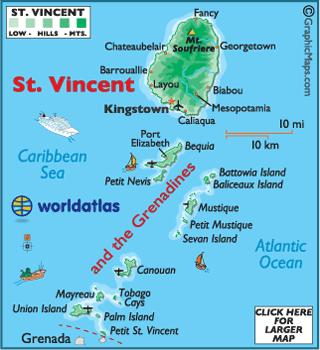
More Information
More Information
Street Soccer in Saint Vincent and the Grenadines
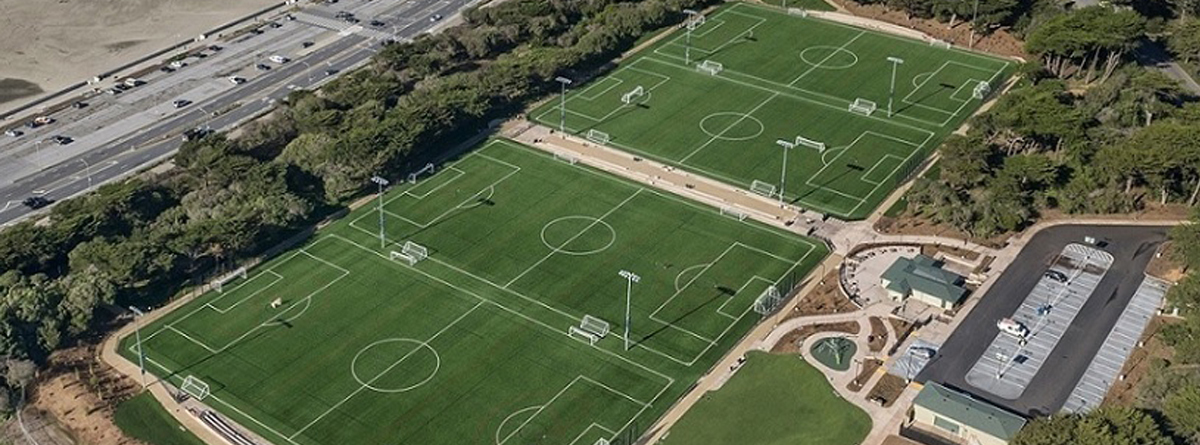
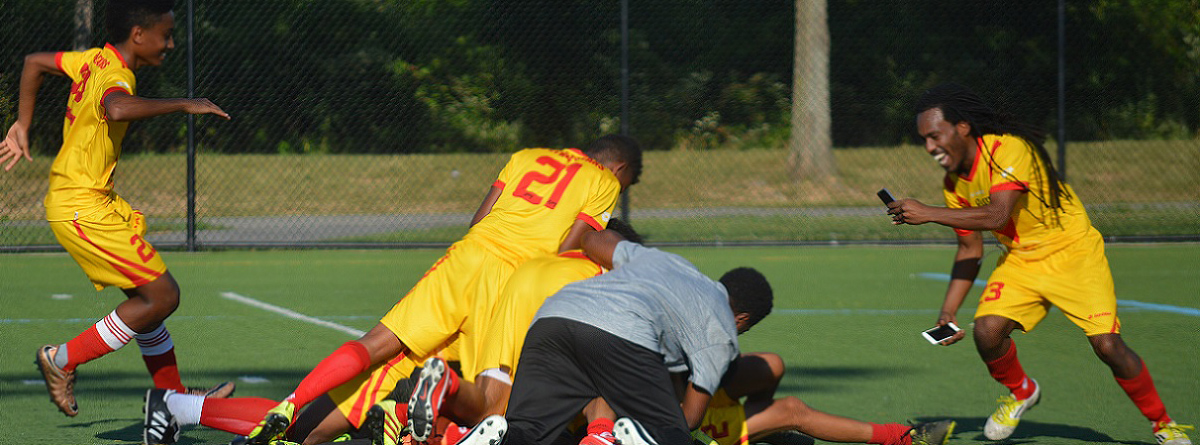
Street soccer is a popular pastime in Saint Vincent and the Grenadines, where children and teenagers regularly play informal football matches in village communities, school grounds, neighbourhood streets, parks, and open public spaces. These friendly games give young players an enjoyable way to stay active while building their football skills alongside friends.
Playing on smaller pitches encourages quick passing, close ball control, agility, and smart decision-making. The informal nature of street soccer allows players to be creative, improve teamwork, and gain confidence through regular matches in different environments.
Street soccer provides an affordable and accessible way for communities across Saint Vincent and the Grenadines to enjoy football without requiring professional facilities. It promotes healthy lifestyles, strengthens community bonds, and inspires young people to continue their involvement in the sport.
Street Soccer Culture in Saint Vincent and the Grenadines
Football is widely enjoyed throughout Saint Vincent and the Grenadines, and street soccer is often the first step for many children learning the game. Informal matches organised by schools, neighbours, and local communities create a welcoming atmosphere where players of all ages can participate.
Skills Developed Through Street Soccer
Street soccer helps players improve dribbling, first touch, passing accuracy, balance, agility, ball control, and awareness. Regular play also strengthens communication, creativity, confidence, and the ability to react quickly during matches.
Street Soccer and Community Development
Street soccer brings communities together through a shared love of football while encouraging active participation among young people. It also provides aspiring players with valuable experience before progressing to school teams, local football clubs, or organised youth football programmes.
The Grenadines in the DMV Metro

- Economic Initiatives & Notary Services: The Ministry of Foreign Affairs recently authorized the D.C. Embassy to act as a free notary public. This streamlines documentation for DMV diaspora members looking to pursue trade or real estate investments back home through Invest SVG.
- High-Level Civic Meet & Greets: The local diaspora regularly interfaces with visiting home officials. In early 2026, the community hosted a major political meet-and-greet event featuring the Prime Minister, Dr. Godwin Friday, and the Minister of Diaspora Affairs, Dwight Fitzgerald Bramble.
- National Development Assessment: Through the New York-based Consulate General and the D.C. Embassy, DMV residents are currently being tapped to participate in the Diaspora Investment Needs Assessment, helping shape future agricultural export and trade initiatives (such as expanding the arrowroot industry).
- Cultural Celebrations: Cultural ties remain vibrant through annual flagships like the Independence Anniversary Services (celebrating 46 years of independence late last year at locations like St. John's Episcopal Church in Beltsville, MD) and regional Caribbean heritage festivals.
Significance
Immigration from Saint Vincent and the Grenadines has generally reflected British colonial rule, labour migration, educational opportunities, economic development, natural disasters, family reunification, professional employment, and regional mobility.
Migration from Saint Vincent and the Grenadines has historically been influenced by close ties within the Caribbean and longstanding connections with the United Kingdom, Canada, and the United States. Vincentians commonly migrated to neighboring Caribbean islands for seasonal employment, trade, education, and family reasons. Overseas migration expanded after independence as students, healthcare professionals, teachers, businesspeople, skilled workers, and government officials sought higher education and improved employment opportunities abroad. In recent decades, economic conditions, family sponsorship, professional recruitment, and the impact of natural disasters, including volcanic eruptions and hurricanes, have contributed to continued migration to the United States, where Vincentian immigrants have established vibrant communities while maintaining strong cultural and family ties with their homeland.
Vincentian Migration Before Independence
Before independence, Saint Vincent and the Grenadines was administered as a British colony, and migration was shaped by plantation agriculture, maritime trade, colonial administration, missionary education, and regional labour mobility. Residents frequently travelled throughout the Caribbean as farmers, traders, fishermen, teachers, civil servants, students, and members of extended families. Direct migration to the United States remained relatively limited because educational, political, and commercial connections were centred primarily on the United Kingdom and other British Caribbean territories. Saint Vincent and the Grenadines gained independence on October 27, 1979, and the United States recognized the new nation shortly thereafter before establishing diplomatic relations.
Late-Twentieth- and Early-Twenty-First-Century Immigration
Migration increased after independence as Vincentians pursued higher education, specialized careers, and improved economic opportunities abroad. Students, physicians, nurses, engineers, teachers, entrepreneurs, academics, and business professionals increasingly travelled to the United States for university studies, specialized employment, research, investment, or family reunification. Economic challenges, limited domestic employment opportunities, hurricanes, and the 2021 eruption of La Soufrière volcano also encouraged some residents to seek opportunities overseas while maintaining close connections with their homeland. In the United States, Vincentian immigrants often rely on family networks, churches, cultural associations, alumni organizations, and community groups for support with housing, employment, education, and social integration while preserving English, Vincentian Creole traditions, local cuisine, music, festivals, and strong relationships with relatives in Saint Vincent and the Grenadines.


Latest Fixtures & Results
| 04.03.2027 |  |
St. Kitts. N. | - |  |
Grenadines |
| 04.10.2027 | |
Grenadines | - |  |
Suriname |
| 04.17.2027 |  |
Libya | - | |
Grenadines |
| 04.24.2027 |  |
Tonga | - | |
Grenadines |
| 05.01.2027 | |
Grenadines | - |  |
Puerto R. |
| 05.08.2027 |  |
Turks C. | - | |
Grenadines |
| 05.15.2027 | |
Grenadines | - |  |
Sao T. P. |
| 05.22.2027 | |
St. Kitts. N. | - | |
Grenadines |
| 05.29.2027 | |
Grenadines | - |  |
United A.E |
