 Sign In






 Facebook
 X-Twitter
 Instagram
 Linkedin
 Youtube
More Information
More Information
Street Soccer in Saint Kitts and Nevis
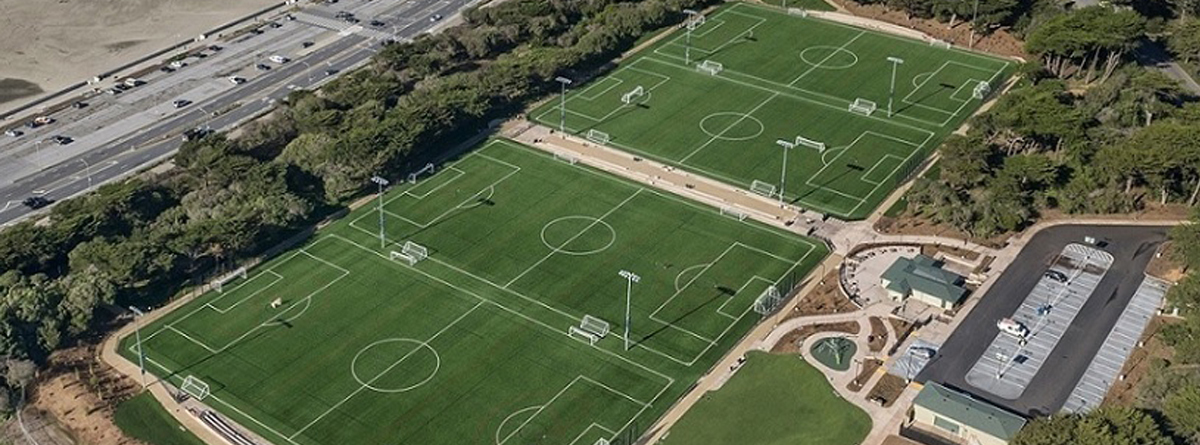
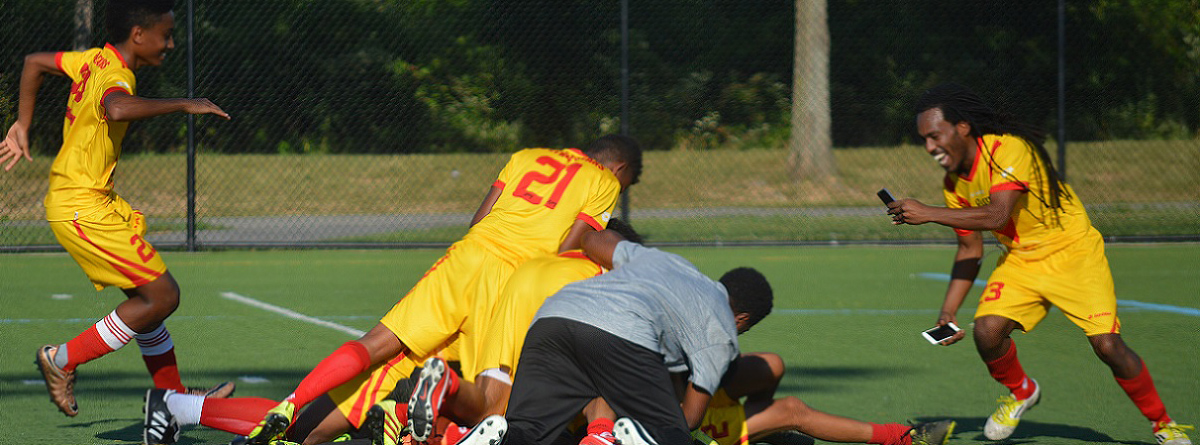
Street soccer is a popular recreational activity in Saint Kitts and Nevis, where children and teenagers regularly gather in neighbourhood streets, school playgrounds, community parks, village spaces, and local courts to play informal football matches. These games provide young players with a fun and accessible way to stay active, improve their football skills, and enjoy the sport with friends.
The energetic nature of street soccer encourages close ball control, quick passing, creative dribbling, and teamwork. Playing in smaller spaces helps participants sharpen their technique, improve confidence, and develop the ability to make quick decisions during fast-paced matches.
Street soccer offers an affordable way for communities across Saint Kitts and Nevis to enjoy football without requiring professional facilities. It promotes healthy lifestyles, strengthens community relationships, and encourages many young players to continue their football journey through schools, local clubs, and organised competitions.
Street Soccer Culture in Saint Kitts and Nevis
Football is enjoyed throughout Saint Kitts and Nevis, and street soccer is often where many children first discover their passion for the game. Informal matches organised by friends, schools, and neighbourhood communities create a welcoming environment where players of different ages and abilities can participate while sharing their love for football.
Skills Developed Through Street Soccer
Street soccer helps players improve dribbling, first touch, passing accuracy, shooting technique, agility, balance, ball control, and awareness. Regular games also strengthen communication, creativity, confidence, teamwork, and the ability to make quick decisions under pressure.
Street Soccer and Community Development
Street soccer brings communities together through football while encouraging teamwork, positive youth participation, and active lifestyles. It also provides aspiring players with valuable experience before progressing to school teams, local football clubs, academies, or organised youth football programmes.
The St. Kitts. N. in the DMV Metro

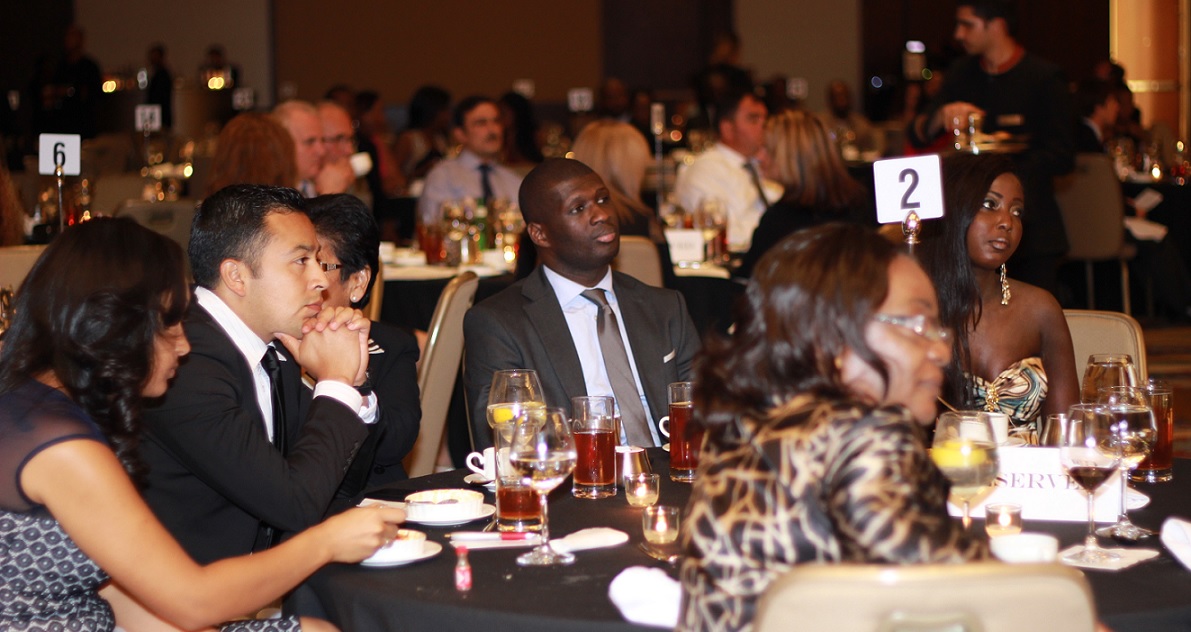
- The Embassy of Saint Kitts and Nevis: Located on Washington's historic Embassy Row, the Embassy of St. Kitts and Nevis serves as the absolute administrative and consular anchor for the tri-state area. It handles essential passport renewals, dual-citizenship processing, and emergency travel assistance for Kittitian citizens living across the Mid-Atlantic.
- The Diaspora Engagement Platform: The embassy functions as a critical bridge for the home government's Diaspora Affairs Unit. It routinely coordinates high-profile Diaspora Town Hall Meetings in D.C., allowing visiting Prime Ministers and government ministers to engage directly with DMV expats on real estate investments, civil trade updates, and dual-citizenship policies.
- The OAS Infrastructure: Reflecting the community's high professional profile, many local Kittitians hold prominent advisory and policy positions within the Organization of American States (OAS) headquarters in downtown D.C., directing international development portfolios for the wider Caribbean region.
- The St. Kitts and Nevis National Association: Operating as a long-standing civic anchor across the region, this network focuses heavily on community scaffolding. They organize professional networking mixers, coordinate local food drives, and host charitable fundraisers to send critical medical supplies, computers, and educational grants back to schools in Basseterre and Charlestown.
- Cultural Cross-Pollination: Because of their small standalone numbers, Kittitian and Nevisian expats in the DMV heavily pool social resources with other Eastern Caribbean communities (such as Antigua and Barbuda, St. Lucia, and Dominica). They actively integrate into broader West Indian church coalitions, soccer tournaments, and regional Caribbean Carnival planning networks based in the Maryland suburbs (such as Silver Spring, Laurel, and Bowie).
- The Sugar Mas Echoes: While the home nation's famous Sugar Mas (National Carnival) takes place in December back on the islands, the DMV diaspora keeps the festive heritage alive locally through summer cookouts and cultural workshops that introduce traditional calypso music, soca dancing, and folklore to second-generation youth.
- Washington, D.C. Proper: Strongly centered around Foggy Bottom, Dupont Circle, and the NW office corridors, primarily comprising active diplomats, international law practitioners, and multilateral development bank staffers working at the World Bank and IMF.
- Suburban Maryland (Prince George's & Montgomery Counties): Highly favored by multi-generational families and public health professionals residing in Silver Spring, Bowie, and Hyattsville, who often anchor around regional pan-Caribbean coalition spaces.
- Northern Virginia: Pockets of corporate professionals and IT contractors living in Arlington, Alexandria, and Fairfax, working within international tech corridors and environmental policy.
Significance
Kittitian and Nevisian migration has generally reflected British colonial rule, plantation agriculture, limited employment, education, professional opportunities, family reunification, natural disasters, and established migration networks in North America and Britain.
Migration from Saint Kitts and Nevis has historically been directed toward the United States, the United Kingdom, Canada, the United States Virgin Islands, and other Caribbean territories. Early migrants included agricultural labourers, sailors, domestic workers, teachers, nurses, students, merchants, and government employees seeking employment or education abroad. Emigration became especially important because the islands’ small population and sugar-dependent economy provided limited opportunities. The United States later became the principal destination for Kittitian and Nevisian emigrants. Overseas communities established churches, cultural associations, businesses, professional networks, and family organisations while preserving local Creole speech, Caribbean food, music, religious traditions, festivals, and close connections with their homeland.
Kittitian and Nevisian Migration Before Independence
Before independence, migration was shaped by British and French colonial settlement, slavery, sugar plantations, maritime trade, military service, and movement between neighbouring Caribbean islands. Enslaved Africans were forcibly transported to Saint Kitts and Nevis and made to work mainly on sugar estates, creating the foundations of the islands’ predominantly African-descended population. After emancipation, many residents continued working in agriculture under difficult economic conditions, while others travelled abroad for seasonal labour, domestic service, shipping, education, and better wages. During the twentieth century, migration expanded to Britain, the United States, Canada, and other Caribbean territories. The islands became internally self-governing in association with Britain in 1967, but limited employment and dependence on sugar continued to encourage emigration.
Late-Twentieth- and Early-Twenty-First-Century Migration
Saint Kitts and Nevis became independent from Britain on September 19, 1983, and the United States recognised the new federation that same day. During the following decades, residents continued migrating for university education, healthcare careers, skilled employment, business, higher wages, and family reunification. Tourism, financial services, construction, and government employment created new opportunities at home, but the loss of skilled workers remained an important concern. Hurricanes and other environmental pressures also influenced temporary and permanent movement. Diaspora members support the country through remittances, investment, charitable assistance, professional knowledge, and return migration. The government’s diaspora policy recognises overseas Kittitians and Nevisians as important partners in national development and encourages stronger cultural, economic, and professional connections with them.

Latest Fixtures & Results
| 04.03.2028 |  |
St. Kitts. N. | - |  |
Grenadines |
| 04.10.2028 | |
St. Kitts. N. | - |  |
Turks C. |
| 04.17.2028 |  |
Sao T. P. | - | |
St. Kitts. N. |
| 04.24.2028 | |
St. Kitts. N. | - |  |
Libya |
| 05.01.2028 |  |
United A.E | - | |
St. Kitts. N. |
| 05.08.2028 | |
St. Kitts. N. | - |  |
Brunei D. |
| 05.15.2028 |  |
Suriname | - | |
St. Kitts. N. |
| 05.22.2028 | |
St. Kitts. N. | - | |
Grenadines |
| 05.29.2028 |  |
Tonga | - | |
St. Kitts. N. |
