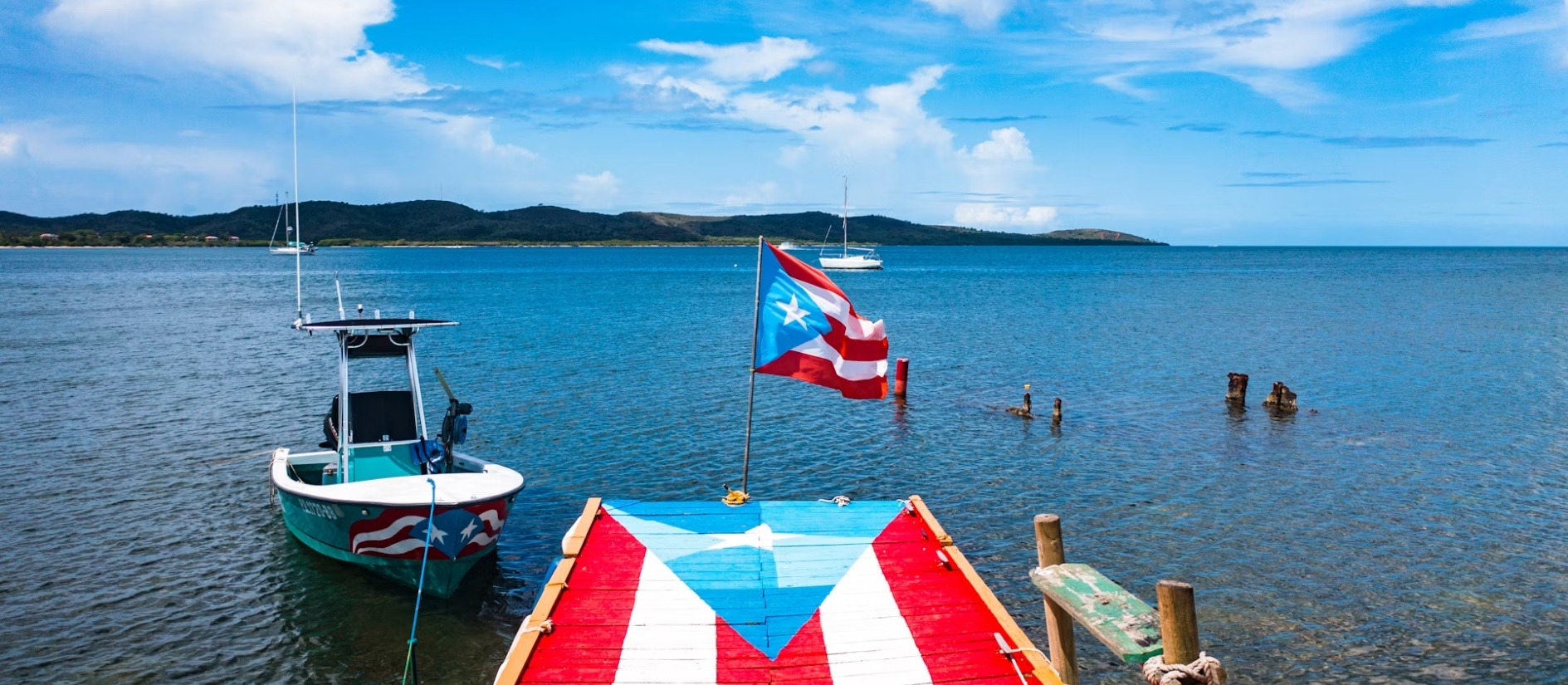
The Diaspora World Cup operates in some of the major cities and metro areas in
United States and
Canada. Our network of register players includes 20 cities, 200 countries, 400
teams, and 10,000
players. Join our movement to solve the world's most pressing challenges:
Illiteracy
Who We are text will be here Who We are text will be here Who We are text will
be here Who We
are text will be here Who We are text will be here Who We are text will be here
Who We are text
will be here Who We are text will be here Who We are text will be here
What We Do text will be here What We Do text will be here What We Do text will
be here What We
Do text will be here What We Do text will be here What We Do text will be here
What We Do text
will be here What We Do text will be here What We Do text will be here What We
Do text will be
here What We Do text will be here What We Do text will be here
Get Involved text will be here Get Involved text will be here Get Involved text
will be here Get
Involved text will be here Get Involved text will be here Get Involved text will
be here Get
Involved text will be here Get Involved text will be here Get Involved text will
be here Get
Involved text will be here
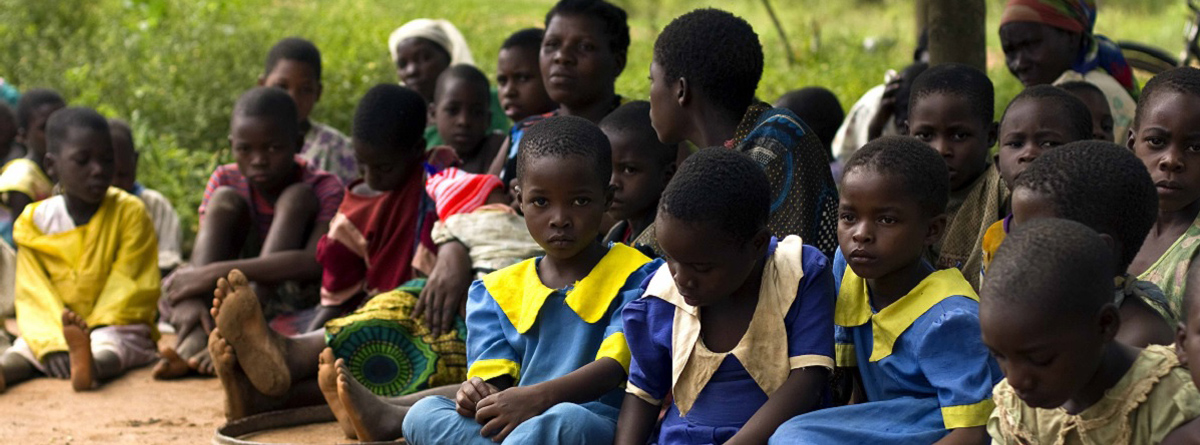
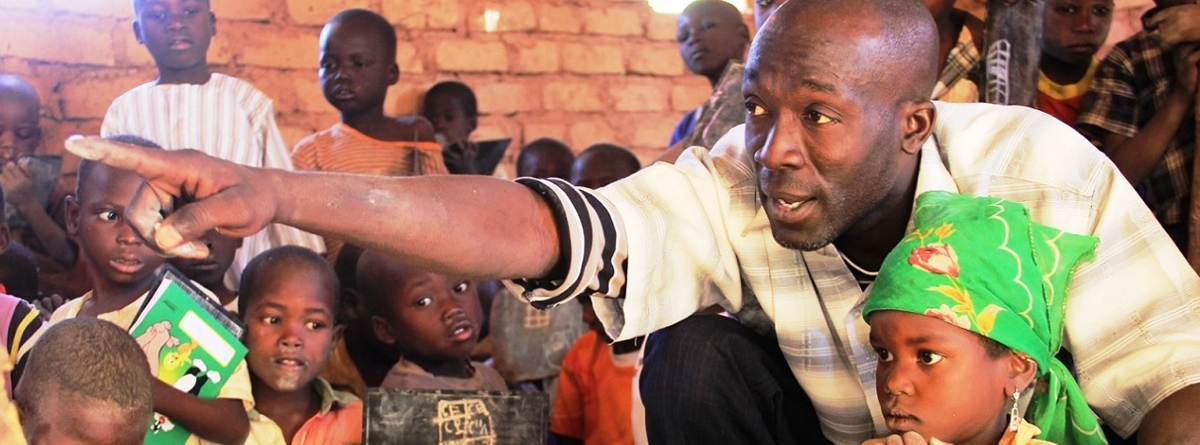
Education is a basic Human Right and the Diaspora World Cup global school
program focuses its
energy in some the poorest countries around the world. We build schools in some
of the poorest
countries around the worldthat historically had no adequate school structure.
Any member of the
World Diaspora has the power to end illiteracy around the world through the
power of soccer.
High-profile sport figures, global leaders, business leaders, political figure,
journalists,
activists, philanthropists, actors, and entrepreneurs united by their commitment
to the Diaspora
World Cup mission to eradicate illiteracy around the world through the power of
soccer. They serve
as role models and spread the Diaspora World Cup vision and commitment of a
world mobilized
through soccer.
Diaspora 2027: complete guide to all players | The Diaspora
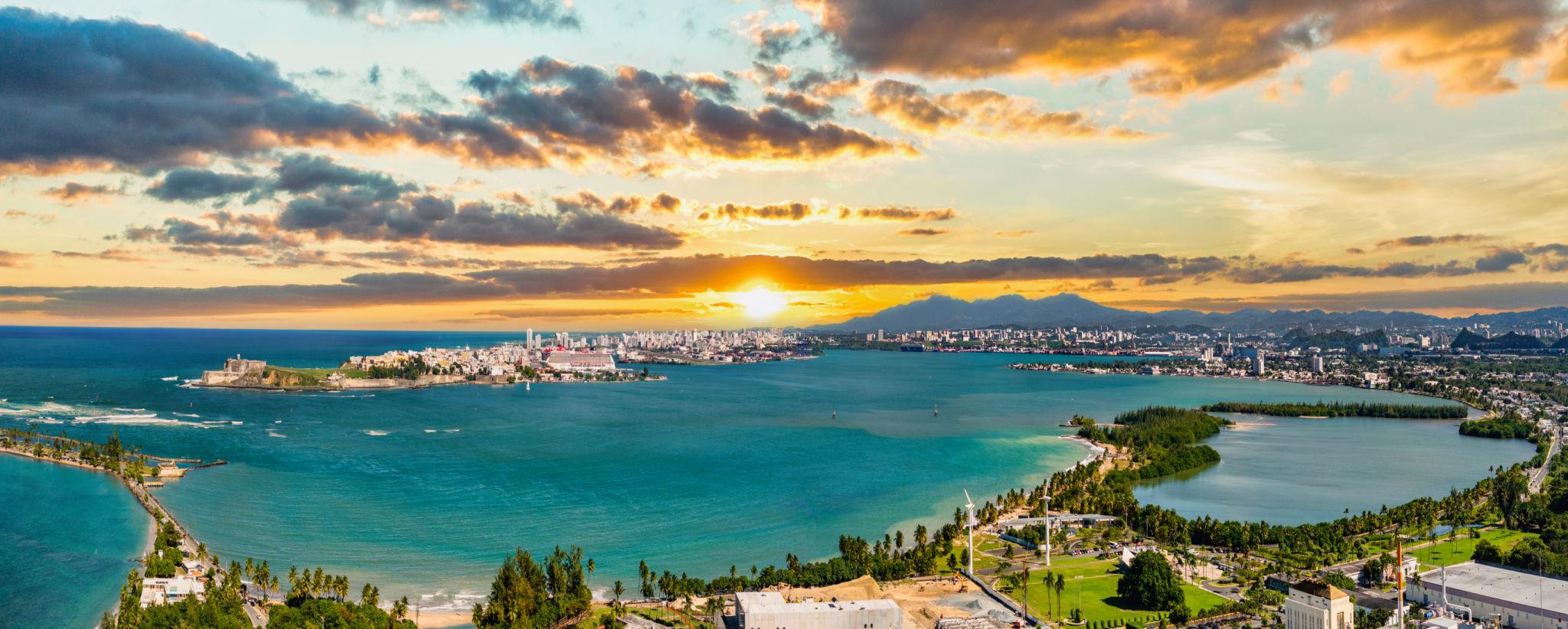
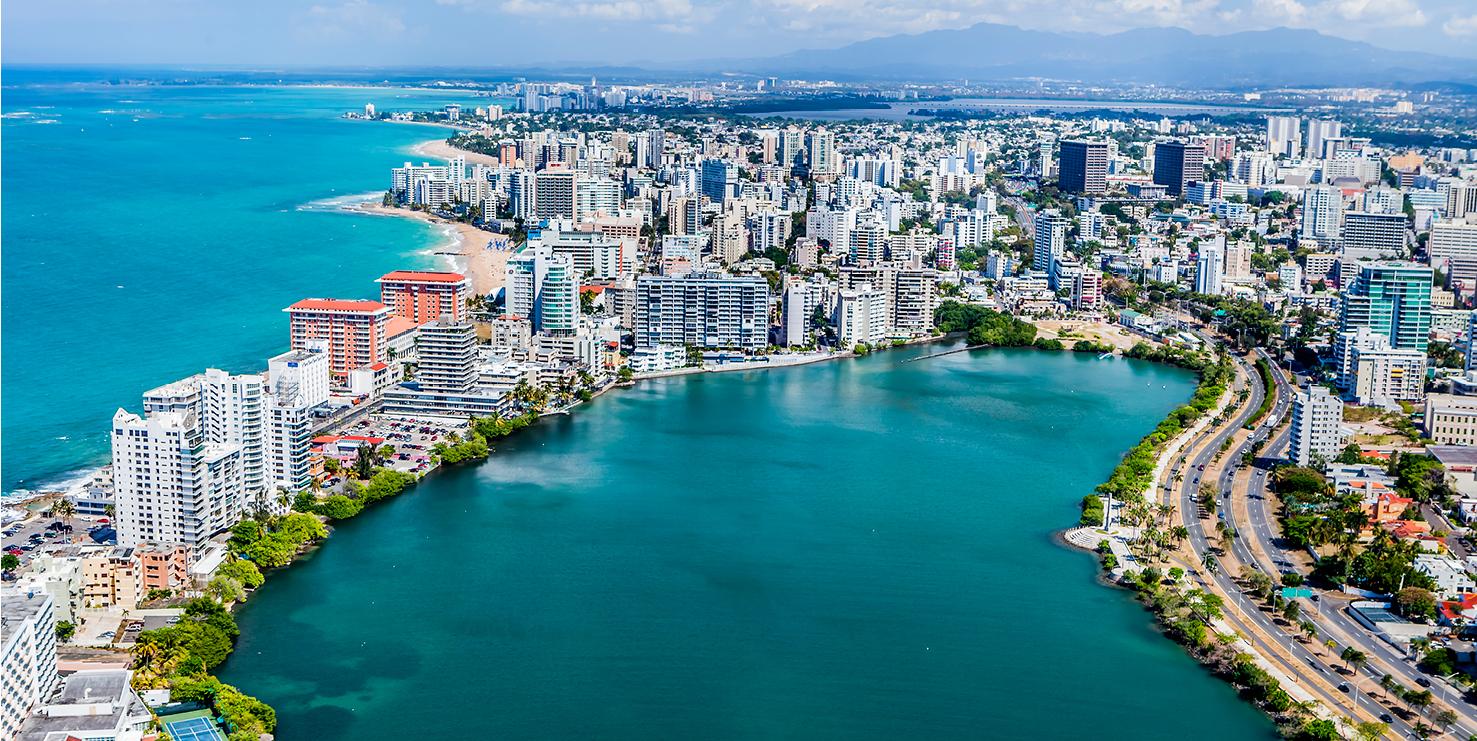
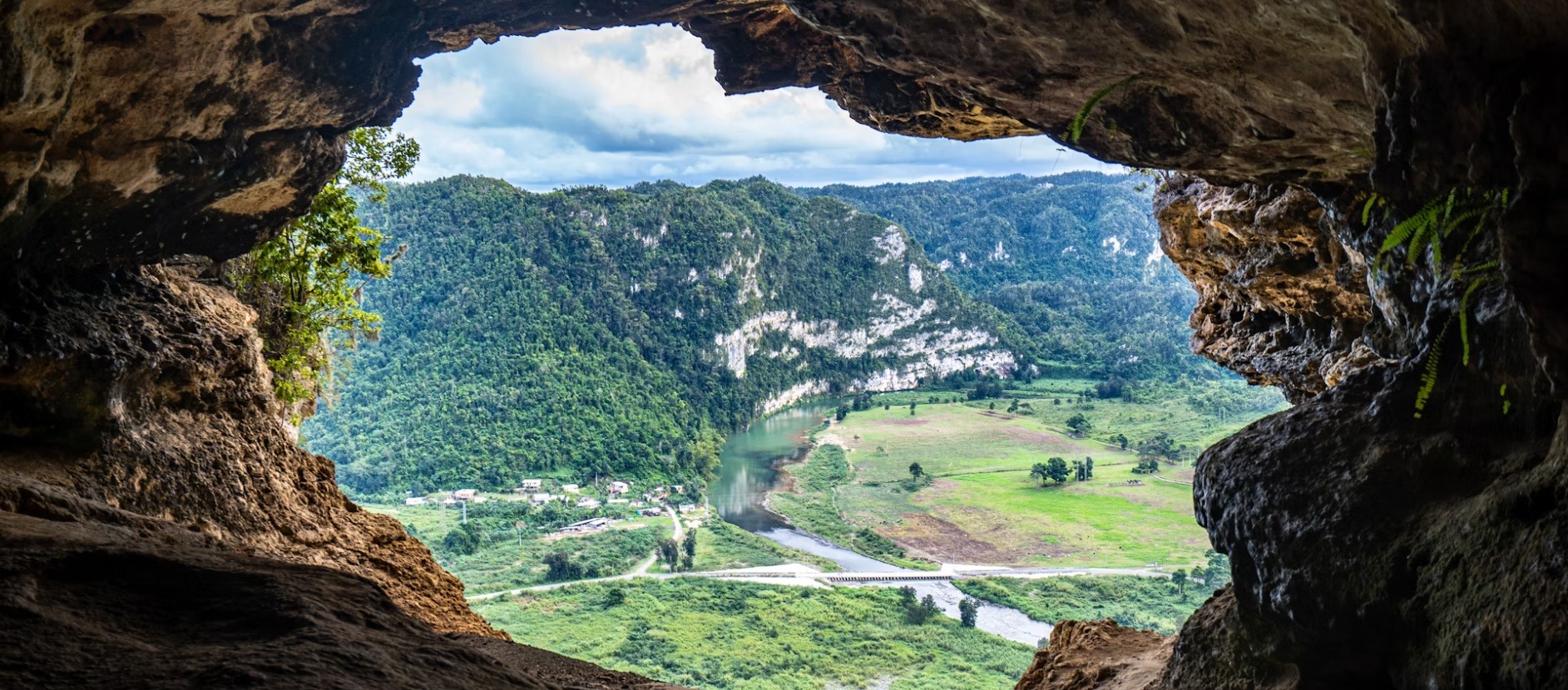
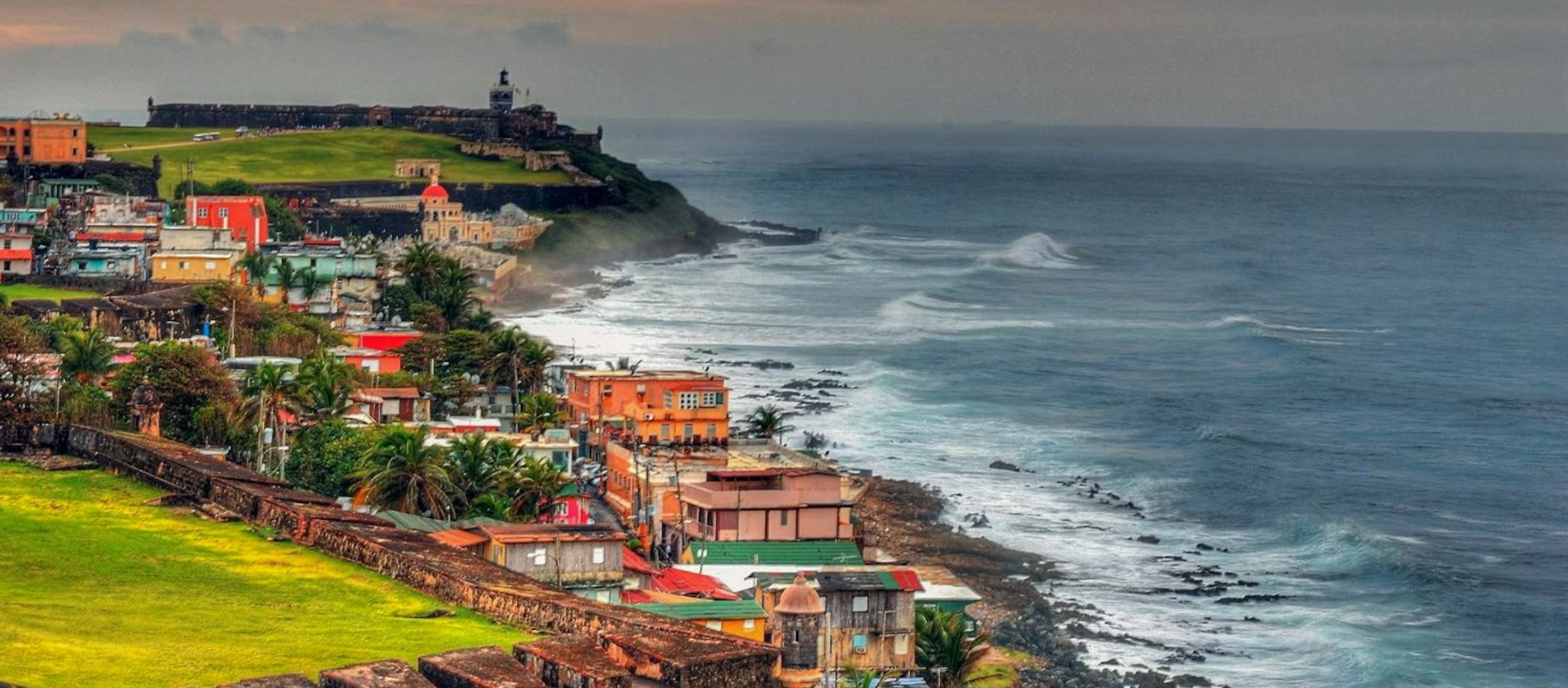
PUERTO R.
Welcome to the 2028 Diaspora World Cup. Wheaton – Adelphi
Wheaton – Adelphi
Welcome to the 2028 Diaspora World Cup. Wheaton – Adelphi
The Puerto Rican (Boricua) diaspora in the Washington, D.C., Maryland, and Virginia (DMV) area is a large, active, and civically engaged U.S. community. It includes federal workers, military veterans, nonprofit leaders, academics, entrepreneurs, families, and cultural organizations. Community life combines political advocacy, economic development, cultural preser...The Puerto Rican (Boricua) diaspora in the Washington, D.C., Maryland, and Virginia (DMV) area is a large, active, and civically engaged U.S. community. It includes federal workers, military veterans, nonprofit leaders, academics, entrepreneurs, families, and cultural organizatio...
More Information
Chelsea Official
Download The 5th Stand, Chelsea’s official mobile app, to see exclusive content, match action and all the latest news from Stamford Bridge.
More Information
Street Soccer in Puerto Rico
Street soccer is a popular recreational activity in Puerto Rico, where children and teenagers regularly play informal football matches in neighbourhood streets, school playgrounds, public parks, community courts, and open spaces. These games provide a fun and accessible way for young players to stay active, enjoy football with friends, and improve their skills.
The energetic style of street soccer encourages quick passing, close ball control, creative dribbling, and fast movement. Playing in smaller spaces helps participants develop confidence, teamwork, agility, and decision-making while adapting to different playing conditions.
Street soccer offers an affordable way for communities across Puerto Rico to enjoy football without requiring professional facilities. It promotes healthy lifestyles, strengthens social connections, and inspires many young people to continue developing their passion for the sport.
Street Soccer Culture in Puerto Rico
Football continues to grow in popularity in Puerto Rico, and street soccer is often where many children first discover their interest in the game. Informal matches organised by schools, friends, and local communities create an inclusive atmosphere where players of different ages and abilities can participate.
Skills Developed Through Street Soccer
Street soccer helps players improve dribbling, first touch, passing accuracy, agility, balance, ball control, and awareness. Regular games also develop communication, creativity, confidence, and the ability to make quick decisions during fast-paced matches.
Street Soccer and Community Development
Street soccer brings communities together through football while encouraging teamwork, positive youth participation, and active lifestyles. It also provides aspiring players with valuable experience before progressing to school teams, local football clubs, academies, futsal programmes, or organised youth football competitions.
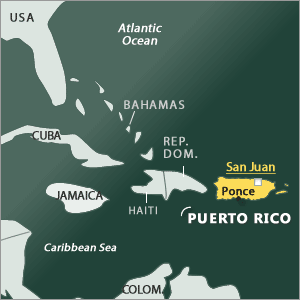
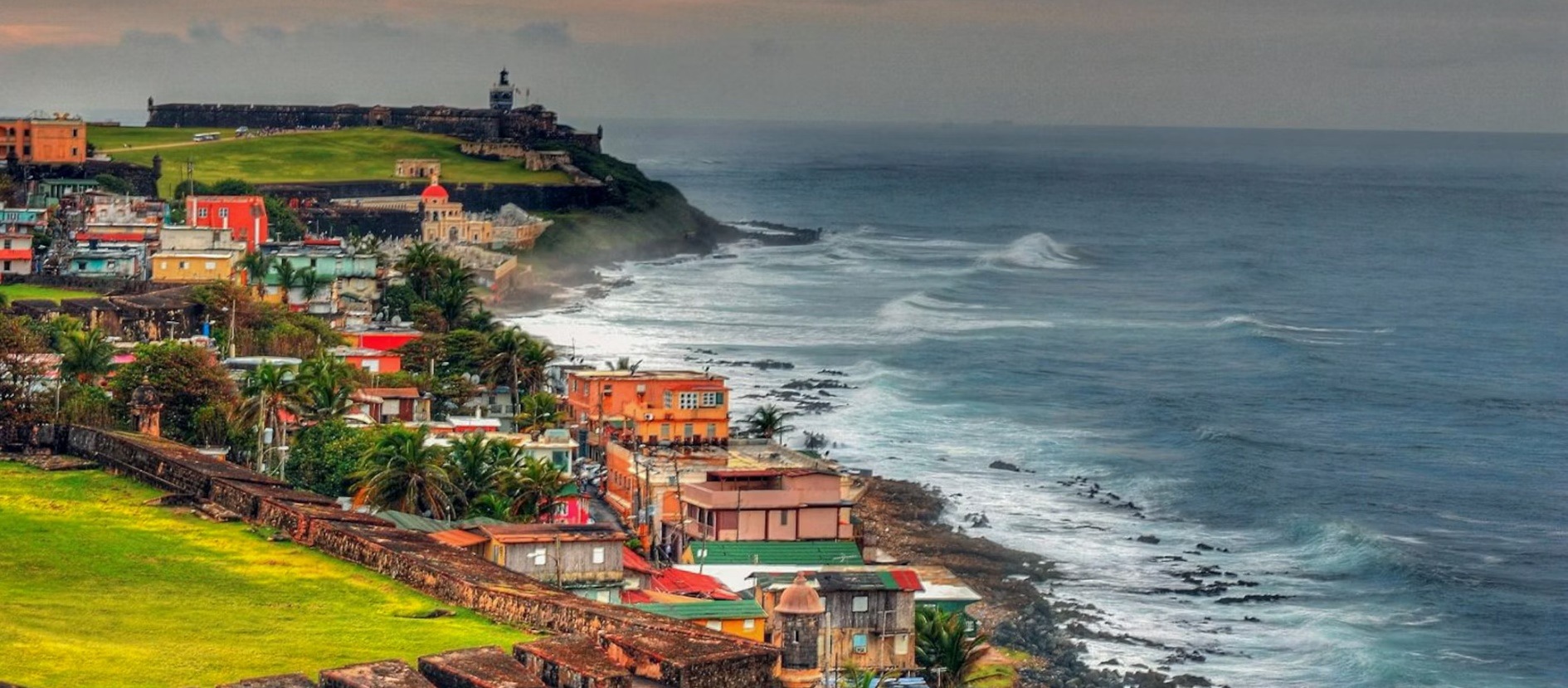
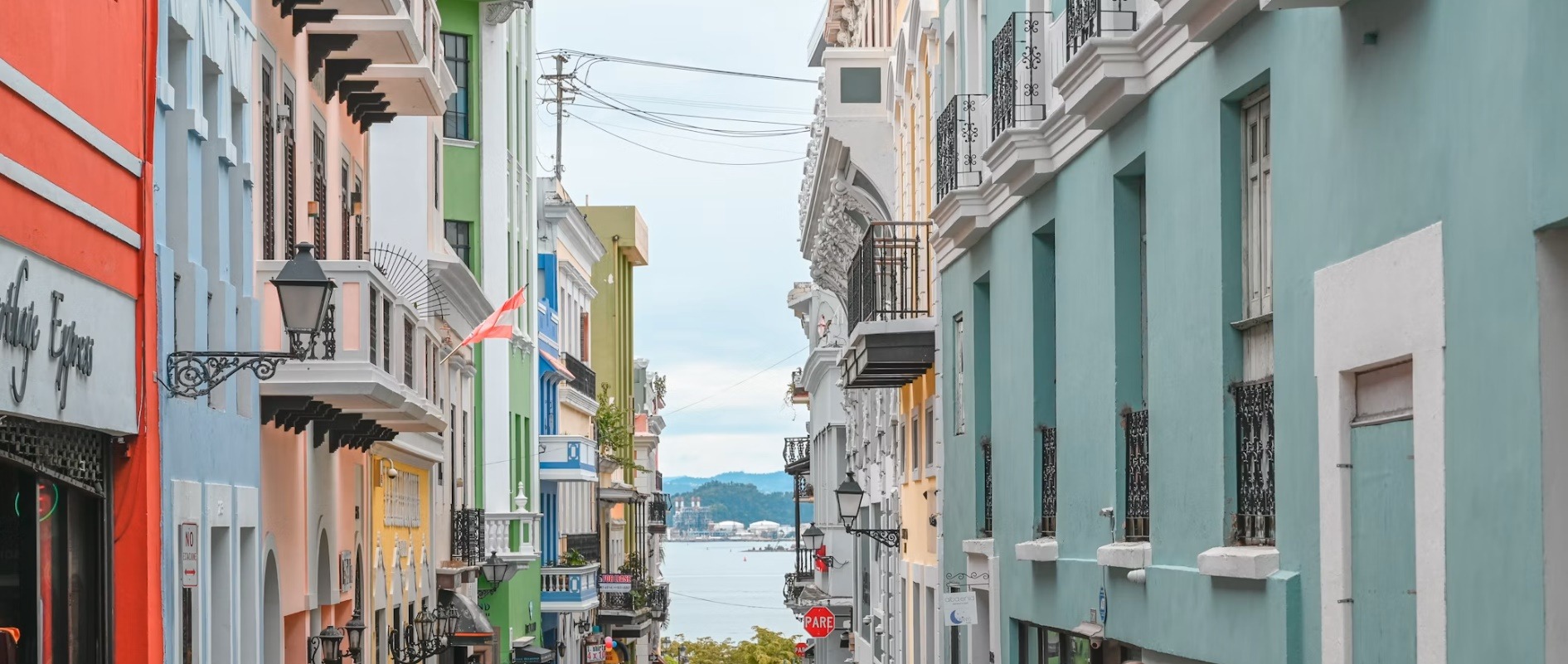
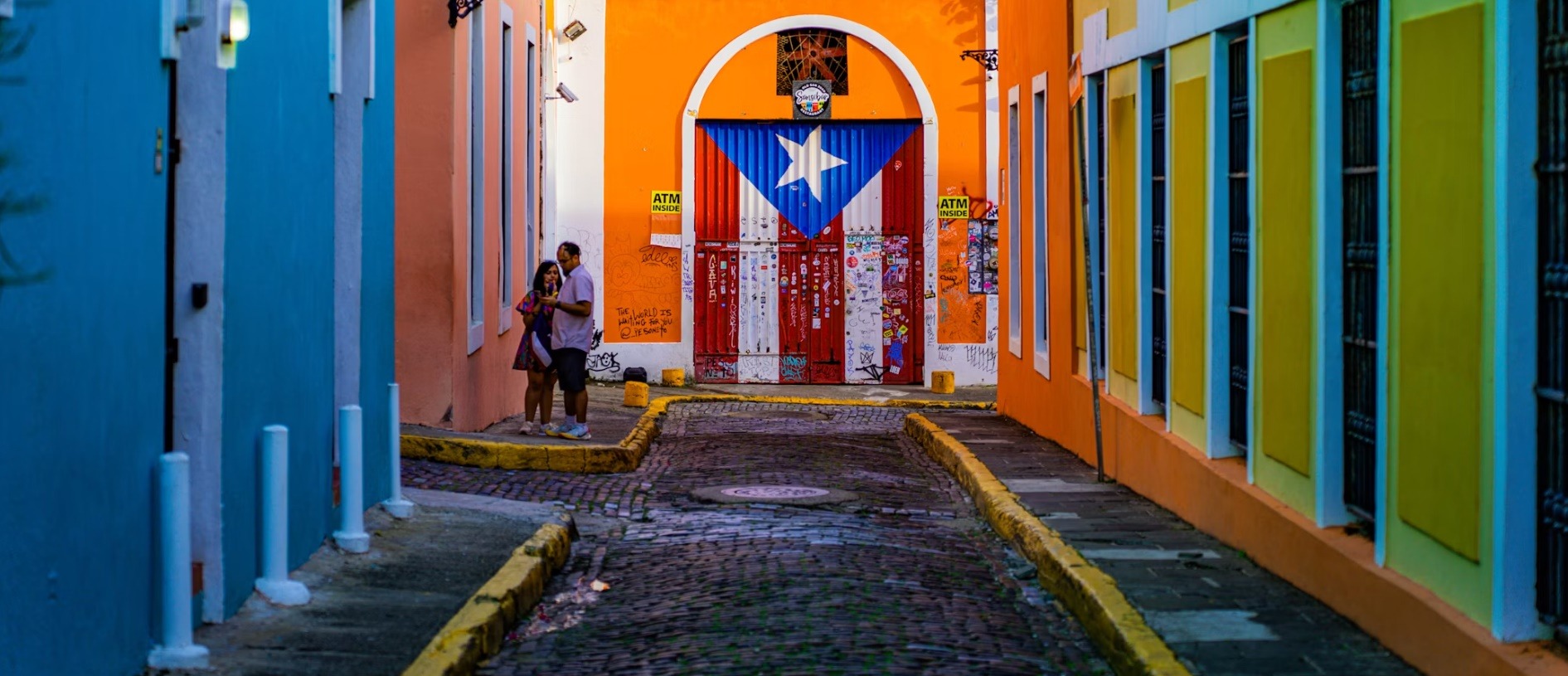
The PUERTO R. in the DMV Metro
The Puerto Rican (Boricua) diaspora in the Washington, D.C., Maryland, and Virginia (DMV) area is a large, active, and civically engaged U.S. community. It includes federal workers, military veterans, nonprofit leaders, academics, entrepreneurs, families, and cultural organizations. Community life combines political advocacy, economic development, cultural preservation, and strong Puerto Rican traditions.
Core Community Organizations
Círculo de Puerto Rico (CPRI): Founded in Washington, D.C., in 1957, this historic organization supports Puerto Rican heritage, scholarships, community assistance, and cultural preservation.
Puerto Rican Alliance of Northern Virginia (PRANOVA): A community organization serving Puerto Rican families in Northern Virginia, with programs supporting veterans, families, charitable activities, and community connections.
Friends of Puerto Rico: A Washington, D.C.-based nonprofit focused on economic development, entrepreneurship, STEM education, sustainability, and strengthening connections between Puerto Rico and the diaspora.
Grassroots & Advocacy Networks: Puerto Rican civic groups in the DMV participate actively in discussions surrounding Puerto Rico's political status, sovereignty, economic development, and diaspora representation.
Cultural & Arts Organizations
Cultura Plenera: A Maryland-based organization dedicated to preserving and teaching Puerto Rican Bomba and Plena, including drumming, dance, music, and cultural history.
Semilla Cultural: Provides workshops, performances, and educational programs focused on Puerto Rican music, percussion, dance, and Afro-Puerto Rican traditions.
Bomba & Plena Community: Traditional music and dance serve as major cultural connectors, particularly through workshops, performances, and community gatherings throughout Maryland and Northern Virginia.
Major Cultural Events
Puerto Rico in Maryland Festival: A major cultural celebration featuring Puerto Rican food, music, dance, crafts, workshops, and family activities.
La Placita DMV: A Washington, D.C., celebration modeled around a traditional Puerto Rican placita, bringing together food, music, artists, vendors, and community members.
PRANOVA Puerto Rican Festival: Held in Manassas, Virginia, this festival provides a large family-oriented gathering featuring salsa, Puerto Rican food, live entertainment, and cultural activities.
Community Characteristics
Highly civic-minded: The DMV's proximity to the U.S. Capitol makes political advocacy and public policy important parts of community life.
Professional: Many residents work in government, nonprofits, international affairs, academia, military, and business.
Culturally active: Bomba, Plena, salsa, food, festivals, and Puerto Rican heritage programs are central to community identity.
Island-connected: The community maintains strong economic, political, family, and cultural connections with Puerto Rico.
Geographically dispersed: Puerto Rican families live throughout Washington, D.C., Maryland, and Northern Virginia rather than forming one concentrated enclave.
Significance
Immigration from Puerto Rico has generally reflected United States territorial status, economic opportunity, military service, educational advancement, professional employment, family reunification, natural disasters, and internal migration.
Migration from Puerto Rico has played a unique role in the history of the United States because Puerto Ricans are U.S. citizens by birth and therefore move to the mainland as domestic migrants rather than immigrants. Large-scale migration has been shaped by economic modernization, industrialization, military service, educational opportunities, and employment in manufacturing, healthcare, education, government, and business. Economic recessions, hurricanes, and changing labor markets have also encouraged movement between Puerto Rico and the continental United States. Today, people of Puerto Rican origin form one of the largest Hispanic communities in the United States while maintaining strong cultural, linguistic, and family ties with the island.
Puerto Rican Migration Before Commonwealth Status
Before becoming a U.S. territory, Puerto Rico was part of the Spanish Empire for more than four centuries. Migration during the colonial period was influenced by agriculture, sugar production, coffee cultivation, maritime trade, military service, and regional commerce. Residents travelled throughout the Caribbean and the Americas as farmers, merchants, sailors, craftsmen, teachers, and civil servants. Following the Spanish-American War, Spain ceded Puerto Rico to the United States under the Treaty of Paris (1898). The Jones–Shafroth Act of 1917 granted U.S. citizenship to people born in Puerto Rico, allowing them to move freely to the mainland United States. In 1952, Puerto Rico became a self-governing Commonwealth of the United States, while remaining an unincorporated U.S. territory.
Late-Twentieth- and Early-Twenty-First-Century Migration
Migration increased substantially after the Second World War through Operation Bootstrap, which transformed Puerto Rico's economy and encouraged many residents to relocate to the mainland United States for employment, education, and improved living standards. Students, physicians, nurses, engineers, scientists, academics, entrepreneurs, information technology specialists, business professionals, artists, and public servants increasingly moved to the continental United States for university education, specialized employment, research, or family reunification. Economic challenges, the financial crisis, and major natural disasters, including Hurricane Maria in 2017, further accelerated migration to states such as Florida, New York, Pennsylvania, and Texas. Across the United States, Puerto Ricans often rely on family networks, churches, cultural associations, community organizations, alumni groups, and professional societies for support with housing, employment, education, and community integration while preserving Spanish, English, traditional cuisine, music, cultural heritage, religious practices, and close relationships with relatives in Puerto Rico.
Lorem ipsum dolor sit amet, consectetur adipiscing elit, sed do eiusmod tempor incididunt ut
labore et dolore magna aliqua. Ut enim ad minim veniam, quis nostrud exercitation ullamco
laboris nisi ut aliquip ex ea commodo consequat. Duis aute irure dolor in
reprehenderit in voluptate velit esse cillum dolore eu fugiat nulla pariatur.
 Sign In





 Facebook
 X-Twitter
 Instagram
 Linkedin
 Youtube