The Diaspora World Cup operates in some of the major cities and metro areas in
United States and
Canada. Our network of register players includes 20 cities, 200 countries, 400
teams, and 10,000
players. Join our movement to solve the world's most pressing challenges:
Illiteracy
Who We are text will be here Who We are text will be here Who We are text will
be here Who We
are text will be here Who We are text will be here Who We are text will be here
Who We are text
will be here Who We are text will be here Who We are text will be here
What We Do text will be here What We Do text will be here What We Do text will
be here What We
Do text will be here What We Do text will be here What We Do text will be here
What We Do text
will be here What We Do text will be here What We Do text will be here What We
Do text will be
here What We Do text will be here What We Do text will be here
Get Involved text will be here Get Involved text will be here Get Involved text
will be here Get
Involved text will be here Get Involved text will be here Get Involved text will
be here Get
Involved text will be here Get Involved text will be here Get Involved text will
be here Get
Involved text will be here
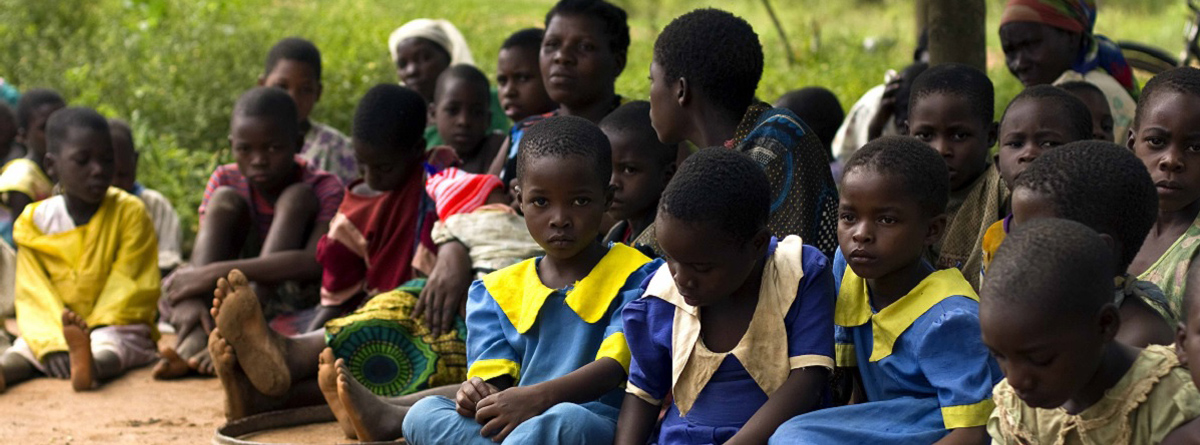
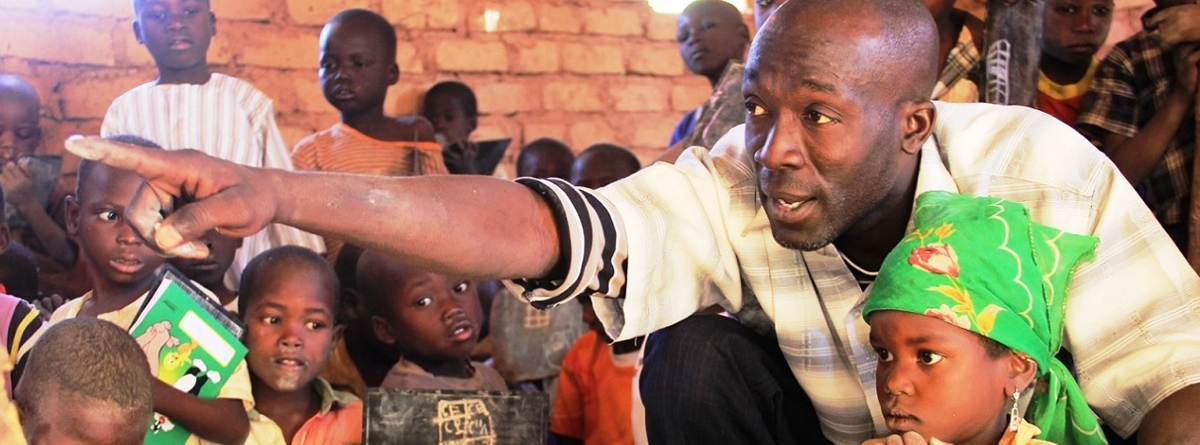
Education is a basic Human Right and the Diaspora World Cup global school
program focuses its
energy in some the poorest countries around the world. We build schools in some
of the poorest
countries around the worldthat historically had no adequate school structure.
Any member of the
World Diaspora has the power to end illiteracy around the world through the
power of soccer.
High-profile sport figures, global leaders, business leaders, political figure,
journalists,
activists, philanthropists, actors, and entrepreneurs united by their commitment
to the Diaspora
World Cup mission to eradicate illiteracy around the world through the power of
soccer. They serve
as role models and spread the Diaspora World Cup vision and commitment of a
world mobilized
through soccer.
Diaspora 2027: complete guide to all players | The Diaspora
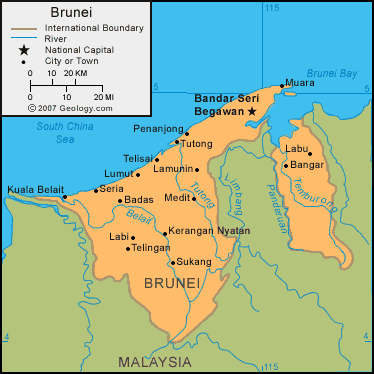
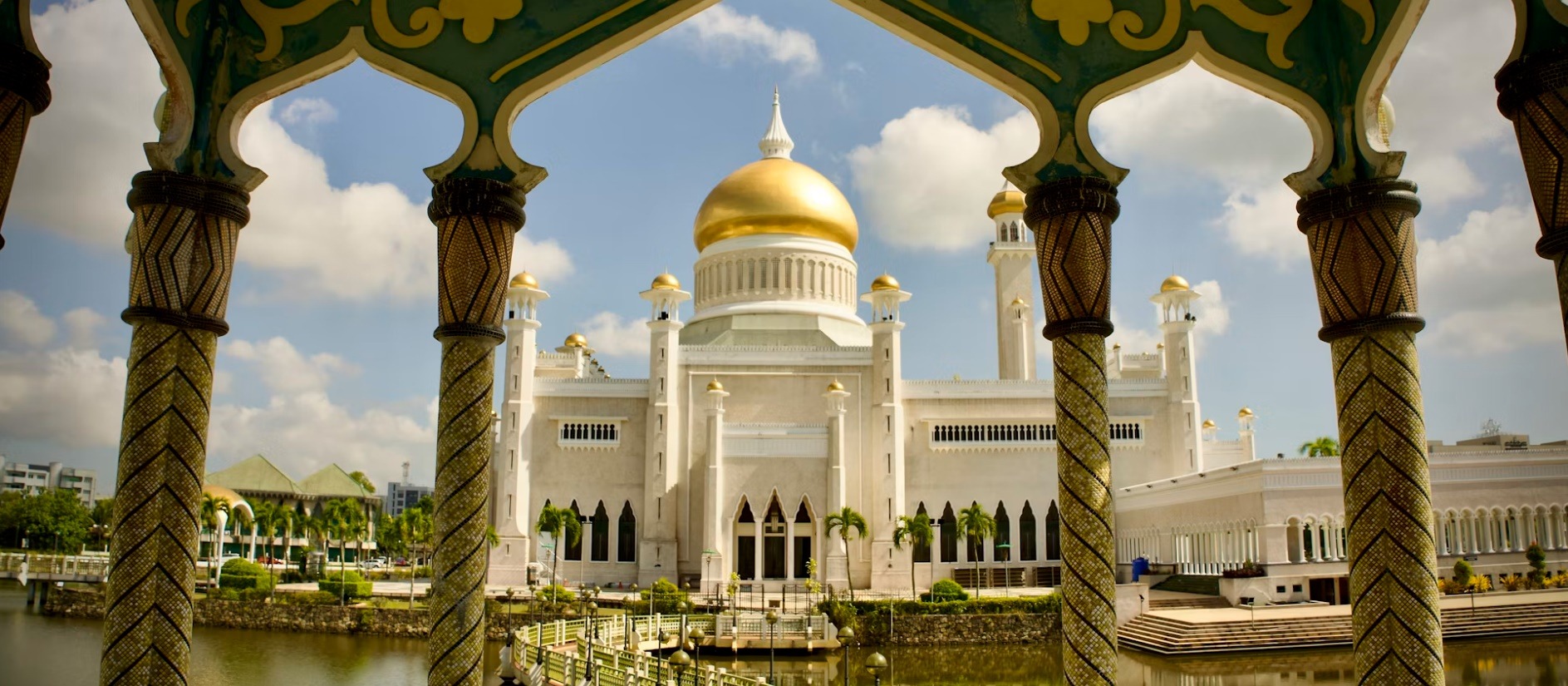
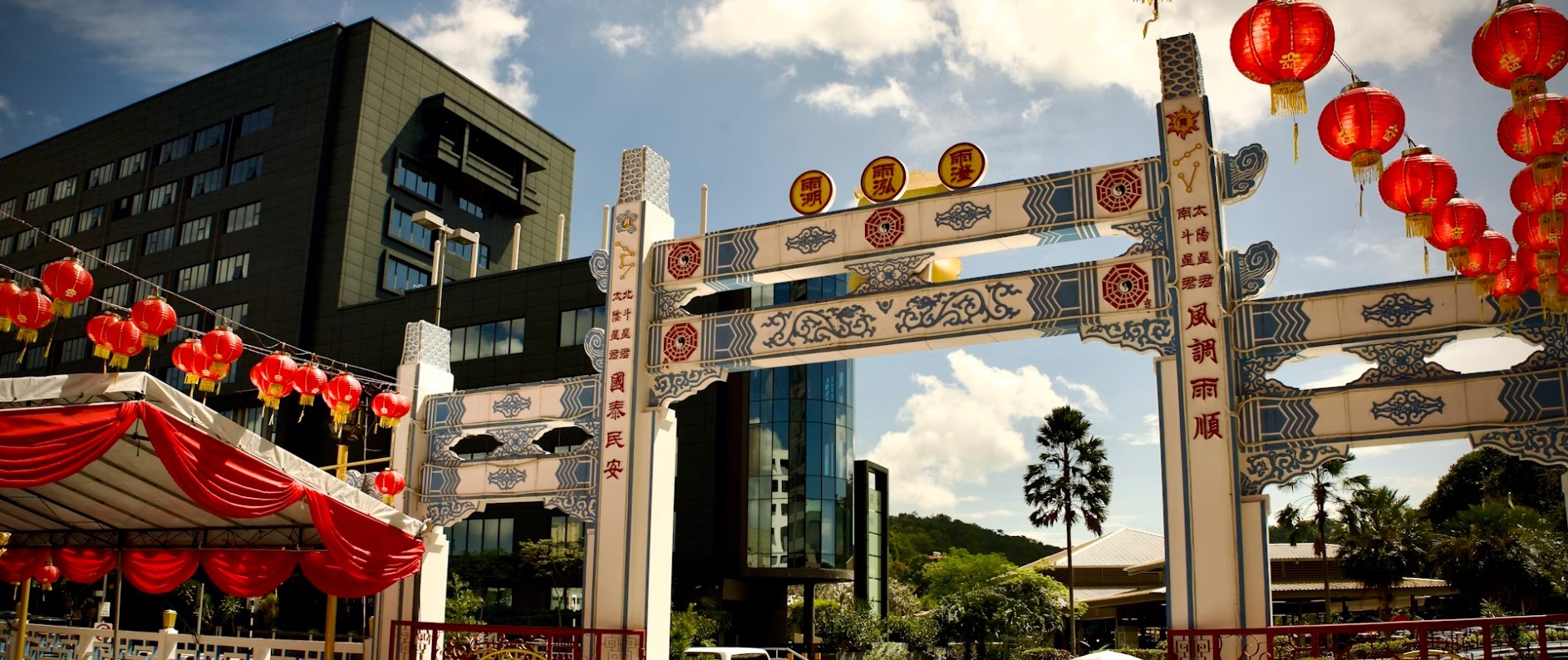
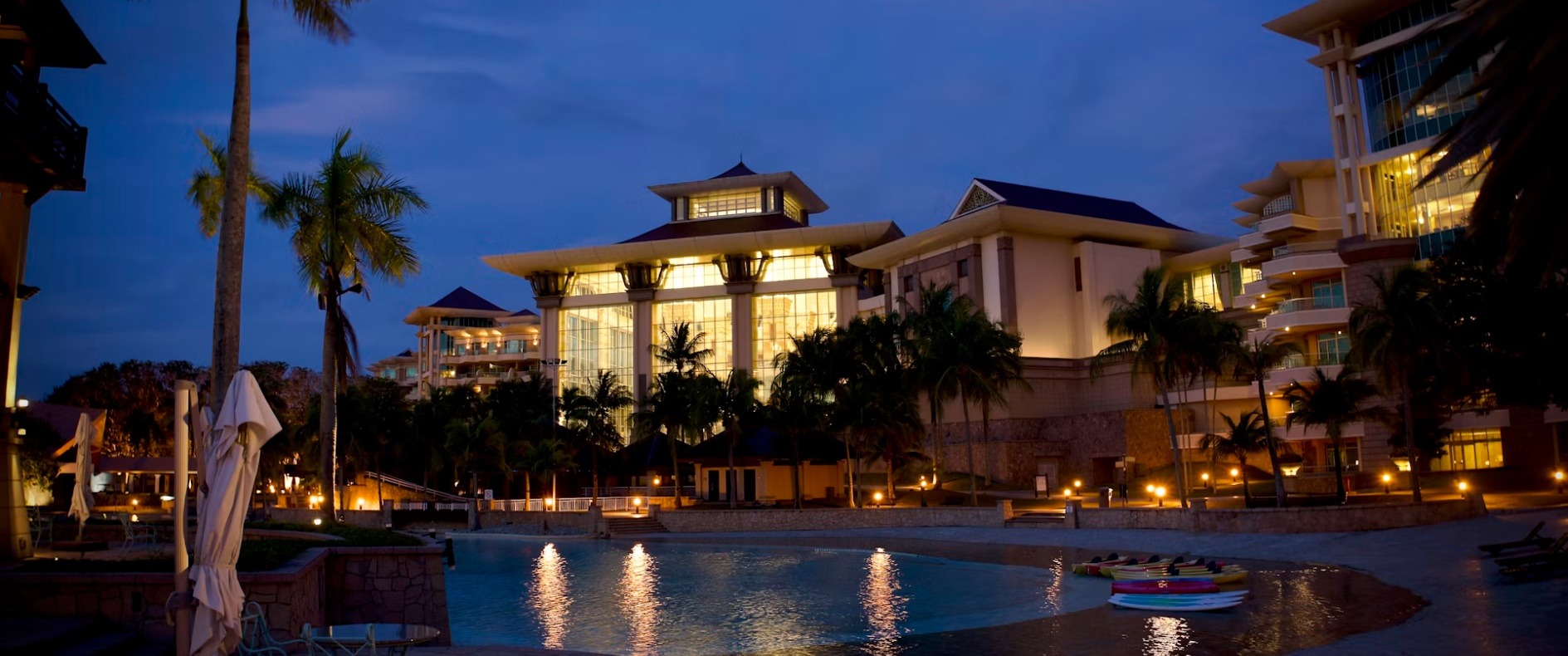
BRUNEI D.
Welcome to the 2028 Diaspora World Cup. Wheaton – Adelphi
Wheaton – Adelphi
Welcome to the 2028 Diaspora World Cup. Wheaton – Adelphi
The Brazilian diaspora in the DMV (District of Columbia, Maryland, and Virginia) forms a smaller but distinct and highly active pocket within the region's broader Latin American community. The area is estimated to host a hub of roughly 8,000 to 11,000 Brazilian residents. Demographic Overview Regional Hubs: While larger U.S. strongholds exist in Florida and Mass...The Brazilian diaspora in the DMV (District of Columbia, Maryland, and Virginia) forms a smaller but distinct and highly active pocket within the region's broader Latin American community. The area is estimated to host a hub of roughly 8,000 to 11,000 Brazilian residents. Demogr...
More Information
Chelsea Official
Download The 5th Stand, Chelsea’s official mobile app, to see exclusive content, match action and all the latest news from Stamford Bridge.
More Information
Street Soccer in Brunei Darussalam
Street soccer is a popular recreational activity in Brunei Darussalam, where children and teenagers regularly play football in neighbourhoods, school playgrounds, parks, and community sports areas. Friendly matches are often enjoyed after school and during weekends, giving young players a fun way to stay active while spending time with friends.
These informal games help players improve close ball control, accurate passing, quick movement, and teamwork. Playing in smaller spaces encourages fast decision-making and technical development, allowing participants to build confidence through regular play.
Street soccer provides an accessible and affordable way for communities to enjoy football without requiring professional facilities. It promotes healthy lifestyles, strengthens friendships, and encourages young people to develop a lasting interest in the sport.
Street Soccer Culture in Brunei Darussalam
Football continues to grow in popularity across Brunei Darussalam, and street soccer is often where many young players first learn the game. Informal matches organised by schools, neighbours, and local communities create an inclusive environment where players of all ages and abilities can participate.
Skills Developed Through Street Soccer
Street soccer helps players improve dribbling, first touch, passing accuracy, agility, balance, ball control, and awareness. The fast-paced nature of the game also develops communication, confidence, and quick decision-making during matches.
Street Soccer and Community Development
Street soccer brings communities together through football while encouraging active participation and healthy lifestyles among young people. It also provides aspiring players with valuable experience before progressing to school teams, local football clubs, or organised youth football programmes.
The BRUNEI D. in the DMV Metro
The Brazilian diaspora in the DMV (District of Columbia, Maryland, and Virginia) forms a smaller but distinct and highly active pocket within the region's broader Latin American community. The area is estimated to host a hub of roughly 8,000 to 11,000 Brazilian residents.
Demographic Overview
Regional Hubs: While larger U.S. strongholds exist in Florida and Massachusetts, the DMV's community is concentrated heavily in Montgomery County and Prince George's County in Maryland, as well as Northern Virginia (specifically Arlington and Fairfax counties) and the District of Columbia.
Labor Profiles: The local diaspora features a diverse employment dynamic. It ranges from a growing share of highly educated professionals working in international organizations, technology, and diplomacy, to a well-established transnational workforce concentrated within service sectors and local industries.
Institutional and Diplomatic Presence
Because Washington, D.C. serves as a political and global capital, it hosts the formal infrastructure for the diaspora:
Consular Services: The Consulate General of Brazil in Washington DC manages civic, legal, and educational affairs for Brazilians living across the District, Maryland, Virginia, West Virginia, Ohio, and Kentucky.
Multilateral Networks: Many expatriates are tied to institutions such as the World Bank, the Inter-American Development Bank (IDB), and the Brazilian Embassy, providing a robust network for white-collar professionals.
Cultural and Community Hubs
Social Connections: Expat groups like InterNations Washington, D.C. actively connect arrivals from cities like São Paulo, Rio de Janeiro, and Brasília with local resources.
Gastronomy: Pockets of Brazilian culture thrive through local businesses, ranging from traditional churrascarias (steakhouses) and bakeries serving pão de queijo in Silver Spring and Wheaton, to community bars broadcasting Campeonato Brasileiro football matches.
If you are looking to connect with the community, let me know if you would like info on local Brazilian cultural events, authentic restaurants, or networking groups in the area.
Significance
Bruneian migration has generally reflected regional trade, British colonial connections, overseas education, diplomatic service, professional employment, family ties, and the country’s oil-driven economic development.
Migration from Brunei Darussalam has historically remained limited compared with migration from many other Southeast Asian countries. Before the development of the petroleum industry, residents moved mainly within Borneo and nearby territories for trade, maritime employment, agriculture, education, and family connections. After oil was discovered at Seria in 1929, Brunei’s growing economy created domestic employment and attracted foreign workers, reducing pressure for large-scale emigration. Bruneians who travelled overseas were commonly students, government officials, diplomats, businesspeople, military personnel, and professionals seeking specialised education or training. Direct settlement in the United States remained relatively small, although diplomatic relations, educational exchanges, employment, and family reunification gradually created a modest Bruneian presence.
Bruneian Migration Before Independence
Before independence, migration was shaped by Brunei’s maritime position, commercial relationships, British protection, and economic changes within northern Borneo. Brunei became a British protectorate in 1888, giving Britain responsibility for its external affairs, while internal self-government was introduced under the 1959 constitution. Residents travelled to neighbouring territories for commerce, government service, education, religious study, and family reasons, but overseas emigration remained modest because of the country’s small population. The discovery of the Seria oilfield in 1929 transformed Brunei’s economy, and commercial oil exports began in 1932. Petroleum development created jobs and brought administrators, technicians, labourers, and businesspeople into Brunei, gradually making the territory an important destination for regional workers rather than a major source of emigrants.
Late-Twentieth-Century Migration
Brunei Darussalam resumed full independence on January 1, 1984, and the United States recognised the country that same day. Diplomatic relations and the American Embassy in Bandar Seri Begawan were formally established later in 1984. During the late twentieth century, Bruneian migration abroad mainly involved university students, diplomats, military officers, government-sponsored trainees, executives, and skilled professionals. Education, specialised employment, marriage, and family reunification brought small numbers to the United States and other international destinations. At the same time, Brunei’s oil and natural-gas economy continued attracting migrant workers from Malaysia, Indonesia, the Philippines, Bangladesh, India, and other countries. Bruneian communities abroad maintained connections through family visits, cultural activities, religious traditions, professional networks, and government institutions, while many students and workers returned home after completing their education or assignments.
Lorem ipsum dolor sit amet, consectetur adipiscing elit, sed do eiusmod tempor incididunt ut
labore et dolore magna aliqua. Ut enim ad minim veniam, quis nostrud exercitation ullamco
laboris nisi ut aliquip ex ea commodo consequat. Duis aute irure dolor in
reprehenderit in voluptate velit esse cillum dolore eu fugiat nulla pariatur.
 Sign In






 Facebook
 X-Twitter
 Instagram
 Linkedin
 Youtube