

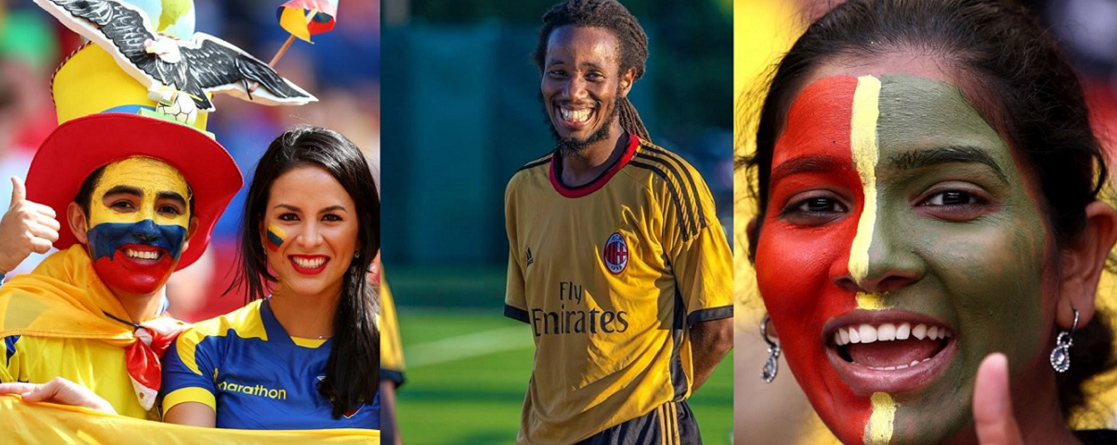

The Diaspora World Cup operates in some of the major cities and metro areas in
United States and
Canada. Our network of register players includes 20 cities, 200 countries, 400
teams, and 10,000
players. Join our movement to solve the world's most pressing challenges:
Illiteracy
Who We are text will be here Who We are text will be here Who We are text will
be here Who We
are text will be here Who We are text will be here Who We are text will be here
Who We are text
will be here Who We are text will be here Who We are text will be here
What We Do text will be here What We Do text will be here What We Do text will
be here What We
Do text will be here What We Do text will be here What We Do text will be here
What We Do text
will be here What We Do text will be here What We Do text will be here What We
Do text will be
here What We Do text will be here What We Do text will be here
Get Involved text will be here Get Involved text will be here Get Involved text
will be here Get
Involved text will be here Get Involved text will be here Get Involved text will
be here Get
Involved text will be here Get Involved text will be here Get Involved text will
be here Get
Involved text will be here
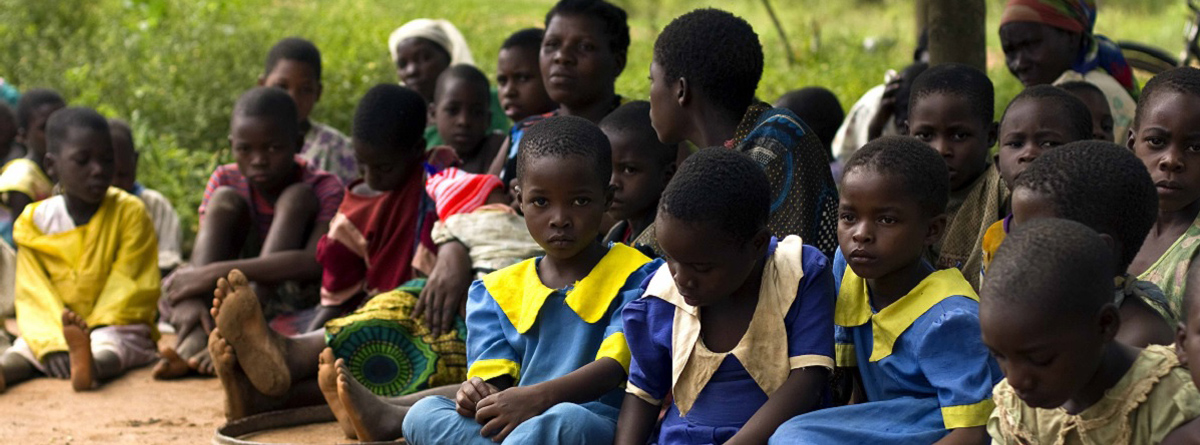
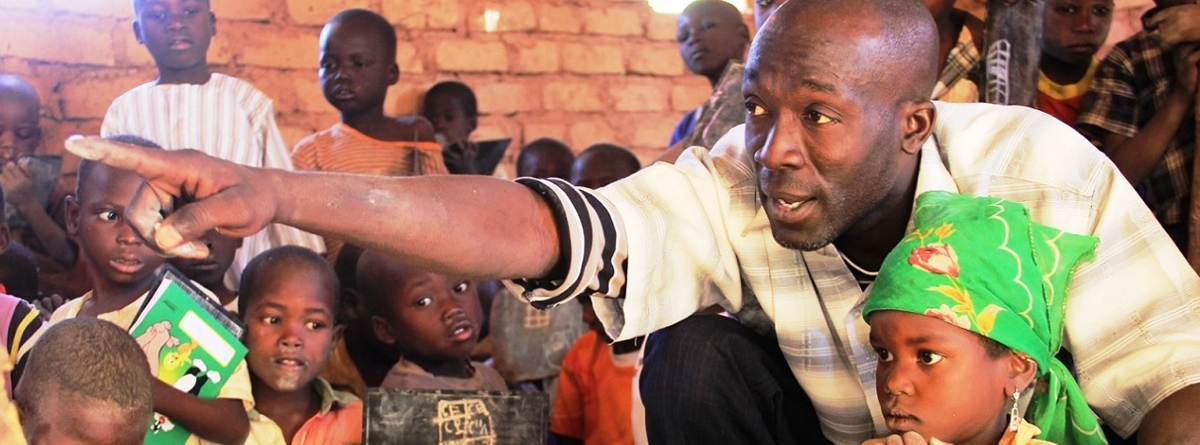
Education is a basic Human Right and the Diaspora World Cup global school
program focuses its
energy in some the poorest countries around the world. We build schools in some
of the poorest
countries around the worldthat historically had no adequate school structure.
Any member of the
World Diaspora has the power to end illiteracy around the world through the
power of soccer.
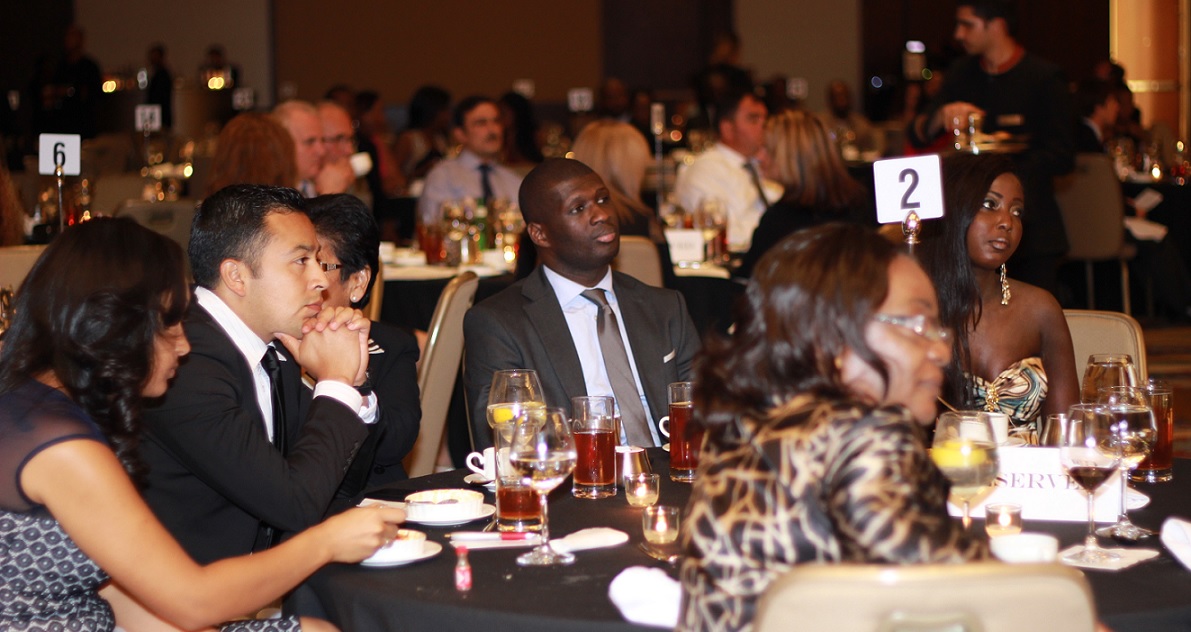
High-profile sport figures, global leaders, business leaders, political figure,
journalists,
activists, philanthropists, actors, and entrepreneurs united by their commitment
to the Diaspora
World Cup mission to eradicate illiteracy around the world through the power of
soccer. They serve
as role models and spread the Diaspora World Cup vision and commitment of a
world mobilized
through soccer.
Diaspora 2027: complete guide to all players | The Diaspora
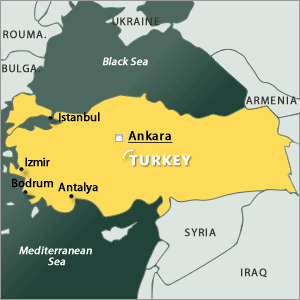
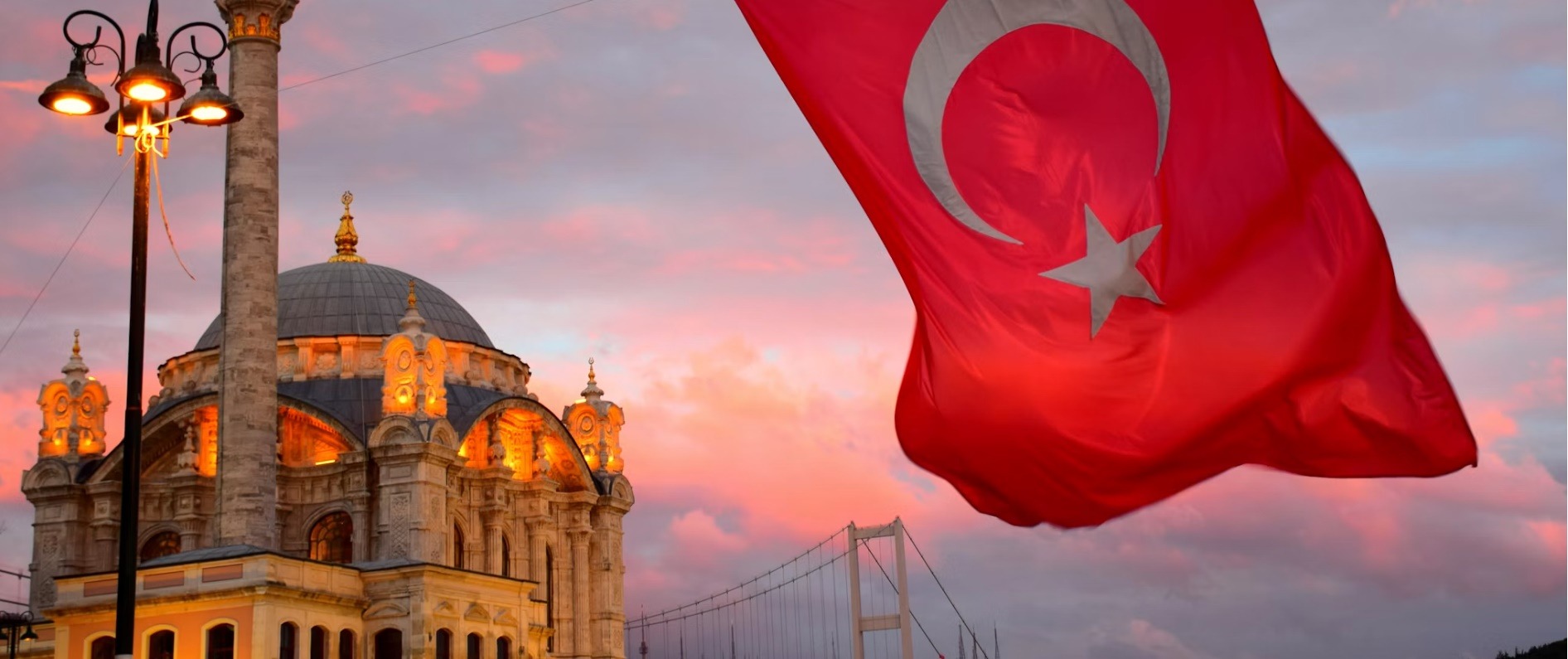
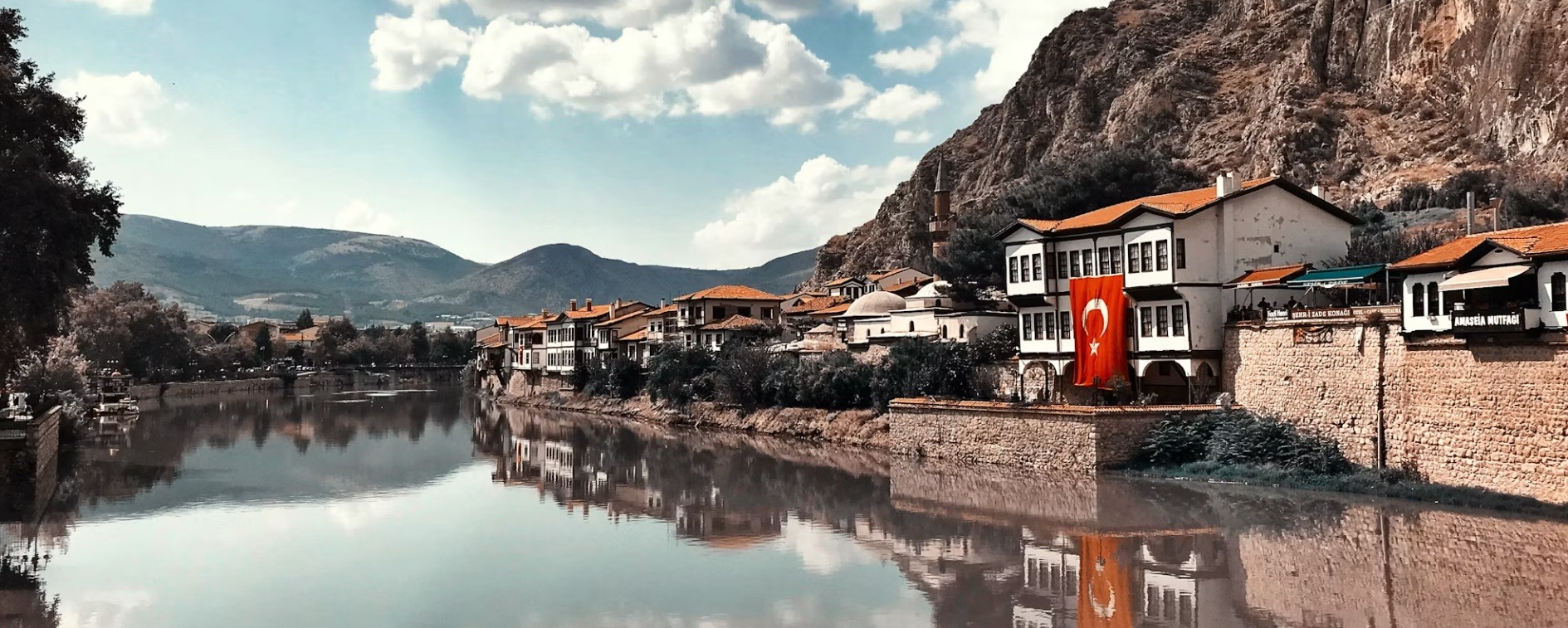
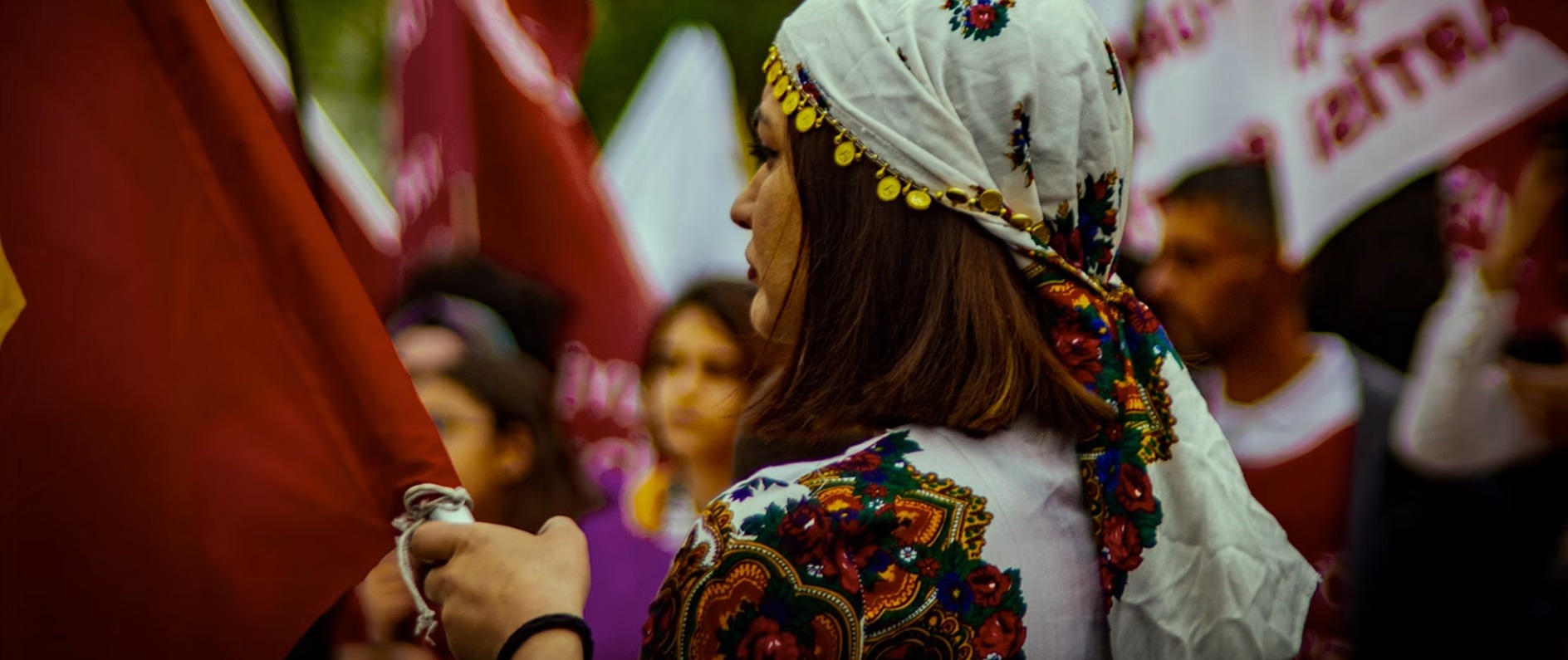
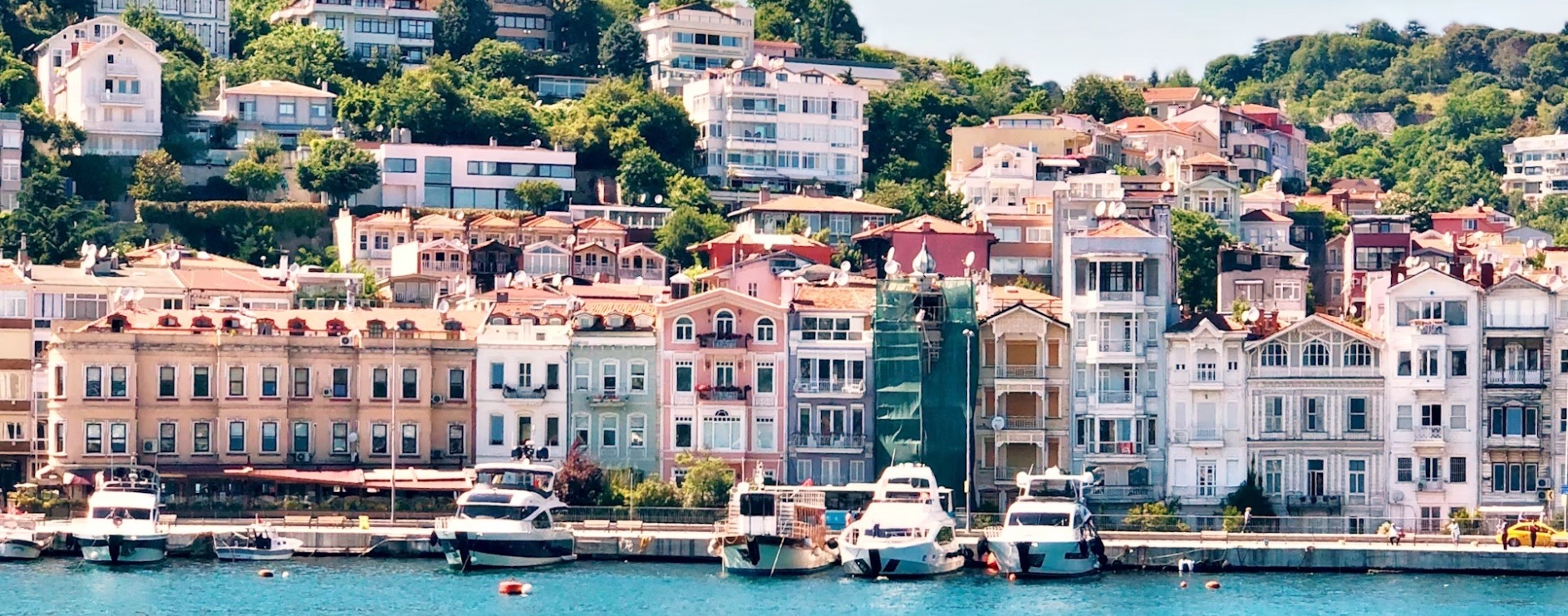
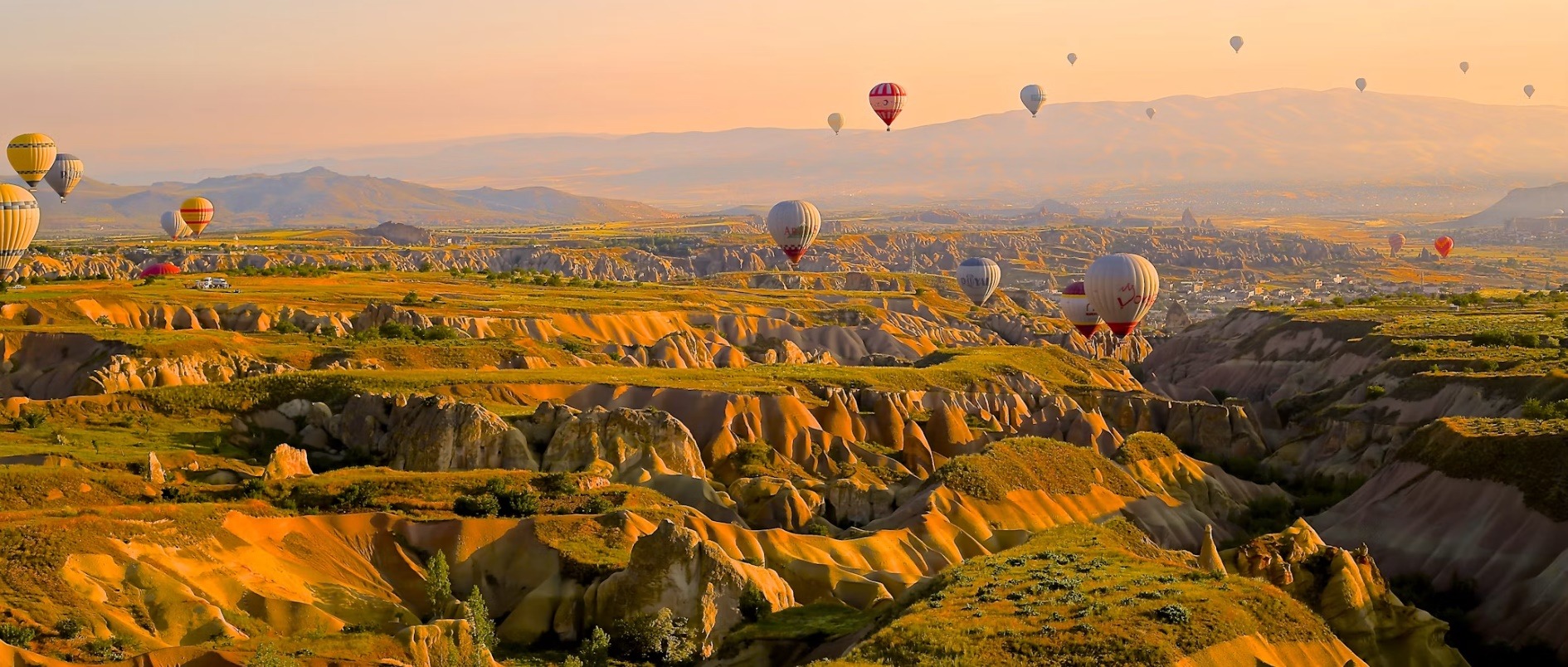
TURKEY
Welcome to the 2028 Diaspora World Cup. Silver Spring – Takoma P.
Silver Spring – Takoma P.
Welcome to the 2028 Diaspora World Cup. Silver Spring – Takoma P.
The Turkish diaspora in the DMV (District of Columbia, Maryland, and Virginia) region is a highly influential, cohesive, and professionally distinguished community. Unlike earlier waves of mid-20th-century Turkish immigration that focused on blue-collar manufacturing in New York or New Jersey, the DMV’s population is heavily defined by diplimats, defense consul...The Turkish diaspora in the DMV (District of Columbia, Maryland, and Virginia) region is a highly influential, cohesive, and professionally distinguished community. Unlike earlier waves of mid-20th-century Turkish immigration that focused on blue-collar manufacturing in New York...
More Information
Chelsea Official
Download The 5th Stand, Chelsea’s official mobile app, to see exclusive content, match action and all the latest news from Stamford Bridge.
More Information
Street Soccer in Turkey
Street soccer is a popular part of football culture in Turkey, where children and teenagers regularly play informal football matches in neighbourhood streets, school playgrounds, public parks, community courts, residential areas, and open spaces. These games provide young players with an exciting way to stay active, improve their football skills, and enjoy friendly competition with family and friends.
The fast-paced and highly technical nature of street soccer encourages close ball control, quick passing, creative dribbling, and intelligent movement. Playing in compact spaces helps participants sharpen their technique, strengthen teamwork, build confidence, and develop the ability to make quick decisions under pressure.
Street soccer offers an affordable and accessible way for communities across Turkey to enjoy football without requiring professional facilities. It promotes healthy lifestyles, strengthens neighbourhood relationships, and inspires many young players to continue their football journey through schools, local clubs, academies, futsal programmes, and organised competitions.
Street Soccer Culture in Turkey
Football is one of the most popular sports in Turkey, and street soccer is often where many children first develop their passion for the game. Informal matches organised by schools, friends, and neighbourhood communities create a lively and welcoming atmosphere where players of different ages and skill levels can participate while sharing their love for football.
Skills Developed Through Street Soccer
Street soccer helps players improve dribbling, first touch, passing accuracy, shooting technique, agility, balance, ball control, spatial awareness, and tactical understanding. Regular matches also strengthen communication, creativity, confidence, composure, and the ability to make quick decisions during high-tempo play.
Street Soccer and Community Development
Street soccer plays an important role in bringing Turkish communities together through football. It encourages teamwork, positive youth participation, and active lifestyles while providing aspiring players with valuable experience before progressing to school teams, local football clubs, academies, futsal programmes, or organised youth football competitions.
TURKEY
The Turkish diaspora in the DMV (District of Columbia, Maryland, and Virginia) region is a highly influential, cohesive, and professionally distinguished community. Unlike earlier waves of mid-20th-century Turkish immigration that focused on blue-collar manufacturing in New York or New Jersey, the DMV’s population is heavily defined by diplimats, defense consultants, technology executives, multilateral development bankers, and world-class medical professionals.
🏛️ The Oldest Civic Anchor: ATA-DC and the New ATA-DC House
Civic identity and public representation for Turkish-Americans in the nation's capital are deeply institutionalized through highly structured organizations:
ATA-DC (American Turkish Association of Washington, DC): Founded in 1965, ATA-DC is the oldest continuous Turkish community organization in the metropolitan area. It handles everything from heritage preservation to community integration.
The Grand Opening of ATA-DC House: In a monumental victory for the local community, the newly renovated, permanent ATA-DC House in Falls Church, VA, officially held its grand opening. The ribbon-cutting ceremony, attended by Ambassador Sedat Önal, solidified the house as the geographic and cultural heart of the diaspora. It serves as a modern community center hosting economic panels, professional networking mixers, and heritage exhibitions.
Educational Scaffolding: For children born in the diaspora, the ATA-DC Atatürk School (operating since 1980) provides crucial Turkish language instruction, historical education, and cultural literacy classes.
The Virginia Specialty Plate Program: Highlighting the diaspora's political organization, ATA-DC led a historic legislative push to pass a state bill introducing an official, custom Turkish-American specialty license plate through the Virginia DMV.
🎈 Award-Winning Public Celebrations
The diaspora is highly visible in the capital's public square, introducing millions of visitors to Anatolian culture:
The DC Turkish Festival: Organized every October by ATA-DC, the award-winning DC Turkish Festival draws tens of thousands of visitors to Pennsylvania Avenue NW, right next to the U.S. Capitol Building. Continuously voted the "Best Cultural Festival" by Washington City Paper readers, it features a massive open-air Turkish Bazaar, live folk dances from ensembles like Kardelen, hand-woven carpet displays, and traditional culinary showcases.
The Traditional Hamsi Festival: Keeping regional Black Sea cultures alive, the community coordinates winter gatherings like the Hamsi Festival alongside the Turks in DMV network, serving freshly grilled anchovies (hamsi) alongside live folk performances.
The DMV Turkish Music Ensemble: This prominent artistic group brings classical and contemporary Turkish compositions to regional auditoriums, hosting charity concerts—such as the Tribute to Atatürk series—to raise educational relief funds.
Significance
Turkish immigration to the United States has generally reflected Ottoman-era economic hardship, industrial employment, political change, education, professional opportunities, family reunification, religious freedom, and the search for improved living conditions.
Turkish migration to the United States became noticeable during the late nineteenth and early twentieth centuries, when labourers, farmers, artisans, sailors, merchants, and students travelled from the Ottoman Empire. Many found work in factories, mines, leather processing, construction, agriculture, and small businesses in New York, Massachusetts, Rhode Island, Michigan, Ohio, and other industrial states. Identifying early Turkish immigrants is difficult because American records often classified arrivals according to Ottoman citizenship rather than ethnicity, including Armenians, Greeks, Arabs, Jews, Kurds, and Turks under the same general category. Migration later increased through university education, skilled employment, professional careers, business, and family sponsorship. Turkish Americans established mosques, cultural associations, restaurants, businesses, student groups, and professional organisations.
Turkish Migration Before the Republic
Before the Republic of Turkey was founded, migration was shaped by the Ottoman Empire’s economic difficulties, rural poverty, military obligations, political instability, and expanding American industrial employment. The largest early movement occurred between the 1890s and World War I. Many migrants were young men who intended to earn money temporarily before returning home, producing a high rate of return migration. Those who remained commonly settled near other Ottoman immigrants and worked in manufacturing, mining, construction, agriculture, and urban trades. Immigration declined during World War I and after restrictive American legislation was introduced during the 1920s. Diplomatic relations between the United States and the Ottoman Empire had been established in 1831, were severed in 1917, and were formally restored with the Republic of Turkey in 1927.
Late-Twentieth- and Early-Twenty-First-Century Immigration
Turkish immigration changed after World War II as students, doctors, engineers, scientists, academics, businesspeople, artists, and other skilled professionals increasingly travelled to the United States. While Turkey’s major postwar labour migration was directed toward Germany and other European countries, the United States and Canada became important destinations for educated and professional migrants. American immigration reforms introduced in 1965 expanded opportunities through family reunification and employment-based categories. Political instability, military interventions, economic difficulties, educational opportunities, and established family networks also influenced later migration. Turkish communities grew especially in New York, New Jersey, California, Florida, Texas, Massachusetts, and the Washington, D.C., region. Immigrants preserved Turkish language, food, music, Islamic and secular traditions, national celebrations, and close relationships with relatives in Turkey.
Lorem ipsum dolor sit amet, consectetur adipiscing elit, sed do eiusmod tempor incididunt ut
labore et dolore magna aliqua. Ut enim ad minim veniam, quis nostrud exercitation ullamco
laboris nisi ut aliquip ex ea commodo consequat. Duis aute irure dolor in
reprehenderit in voluptate velit esse cillum dolore eu fugiat nulla pariatur.