


Responsive Header
  • Where We Work
  • Cameroon
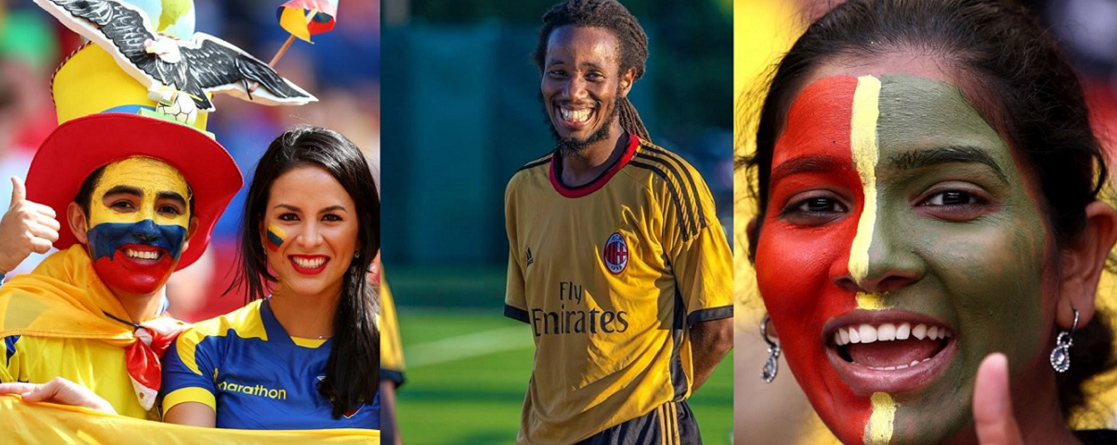
  • The Diaspora World Cup operates in some of the major cities and metro areas in United States and Canada. Our network of register players includes 20 cities, 200 countries, 400 teams, and 10,000 players. Join our movement to solve the world's most pressing challenges: Illiteracy
  • Who We are text will be here Who We are text will be here Who We are text will be here Who We are text will be here Who We are text will be here Who We are text will be here Who We are text will be here Who We are text will be here Who We are text will be here
  • What We Do text will be here What We Do text will be here What We Do text will be here What We Do text will be here What We Do text will be here What We Do text will be here What We Do text will be here What We Do text will be here What We Do text will be here What We Do text will be here What We Do text will be here What We Do text will be here
  • Get Involved text will be here Get Involved text will be here Get Involved text will be here Get Involved text will be here Get Involved text will be here Get Involved text will be here Get Involved text will be here Get Involved text will be here Get Involved text will be here Get Involved text will be here
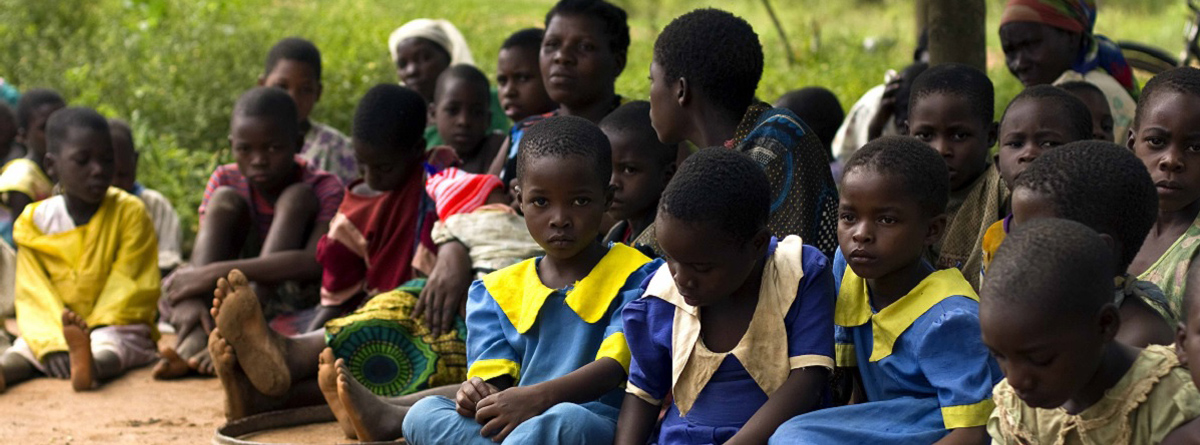
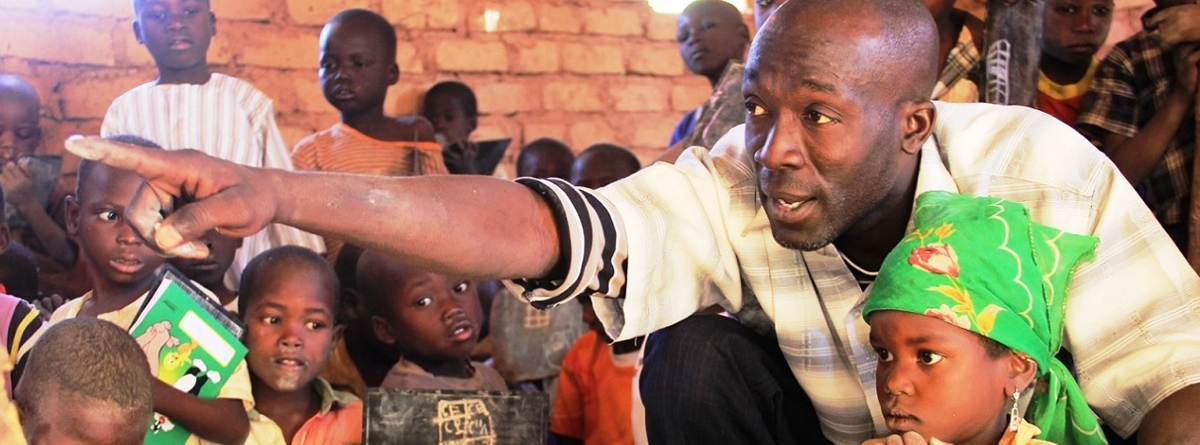
  • Education is a basic Human Right and the Diaspora World Cup global school program focuses its energy in some the poorest countries around the world. We build schools in some of the poorest countries around the worldthat historically had no adequate school structure. Any member of the World Diaspora has the power to end illiteracy around the world through the power of soccer.
  • High-profile sport figures, global leaders, business leaders, political figure, journalists, activists, philanthropists, actors, and entrepreneurs united by their commitment to the Diaspora World Cup mission to eradicate illiteracy around the world through the power of soccer. They serve as role models and spread the Diaspora World Cup vision and commitment of a world mobilized through soccer.
  •  
  •  
Diaspora 2027: complete guide to all players | The Diaspora
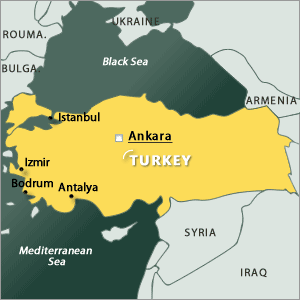
TURKEY
Silver Spring – Takoma P.
Welcome to the 2027 Diaspora World Cup.
Silver Spring – Takoma P.

Significance

Turkish immigration to the United States has generally reflected Ottoman-era economic hardship, industrial employment, political change, education, professional opportunities, family reunification, religious freedom, and the search for improved living conditions.

Turkish migration to the United States became noticeable during the late nineteenth and early twentieth centuries, when labourers, farmers, artisans, sailors, merchants, and students travelled from the Ottoman Empire. Many found work in factories, mines, leather processing, construction, agriculture, and small businesses in New York, Massachusetts, Rhode Island, Michigan, Ohio, and other industrial states. Identifying early Turkish immigrants is difficult because American records often classified arrivals according to Ottoman citizenship rather than ethnicity, including Armenians, Greeks, Arabs, Jews, Kurds, and Turks under the same general category. Migration later increased through university education, skilled employment, professional careers, business, and family sponsorship. Turkish Americans established mosques, cultural associations, restaurants, businesses, student groups, and professional organisations.

Turkish Migration Before the Republic

Before the Republic of Turkey was founded, migration was shaped by the Ottoman Empire’s economic difficulties, rural poverty, military obligations, political instability, and expanding American industrial employment. The largest early movement occurred between the 1890s and World War I. Many migrants were young men who intended to earn money temporarily before returning home, producing a high rate of return migration. Those who remained commonly settled near other Ottoman immigrants and worked in manufacturing, mining, construction, agriculture, and urban trades. Immigration declined during World War I and after restrictive American legislation was introduced during the 1920s. Diplomatic relations between the United States and the Ottoman Empire had been established in 1831, were severed in 1917, and were formally restored with the Republic of Turkey in 1927.

Late-Twentieth- and Early-Twenty-First-Century Immigration

Turkish immigration changed after World War II as students, doctors, engineers, scientists, academics, businesspeople, artists, and other skilled professionals increasingly travelled to the United States. While Turkey’s major postwar labour migration was directed toward Germany and other European countries, the United States and Canada became important destinations for educated and professional migrants. American immigration reforms introduced in 1965 expanded opportunities through family reunification and employment-based categories. Political instability, military interventions, economic difficulties, educational opportunities, and established family networks also influenced later migration. Turkish communities grew especially in New York, New Jersey, California, Florida, Texas, Massachusetts, and the Washington, D.C., region. Immigrants preserved Turkish language, food, music, Islamic and secular traditions, national celebrations, and close relationships with relatives in Turkey.

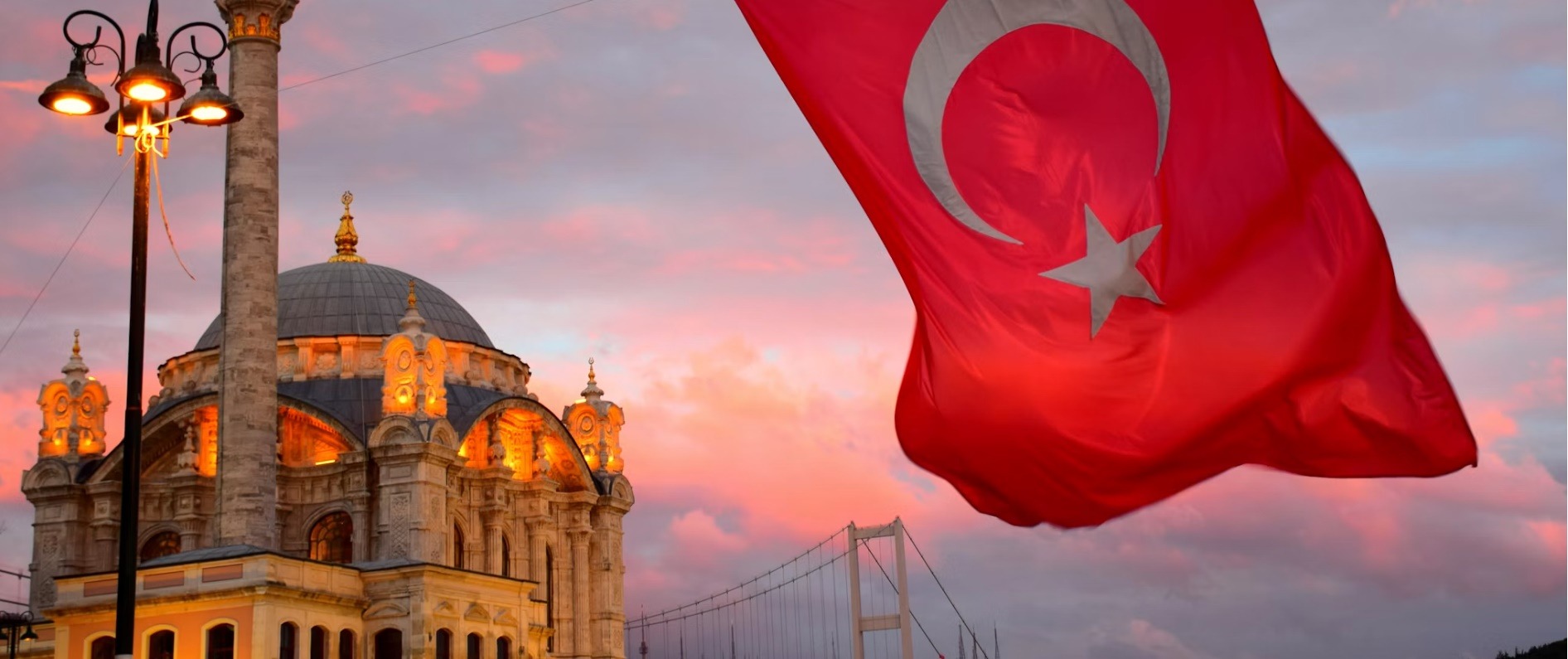
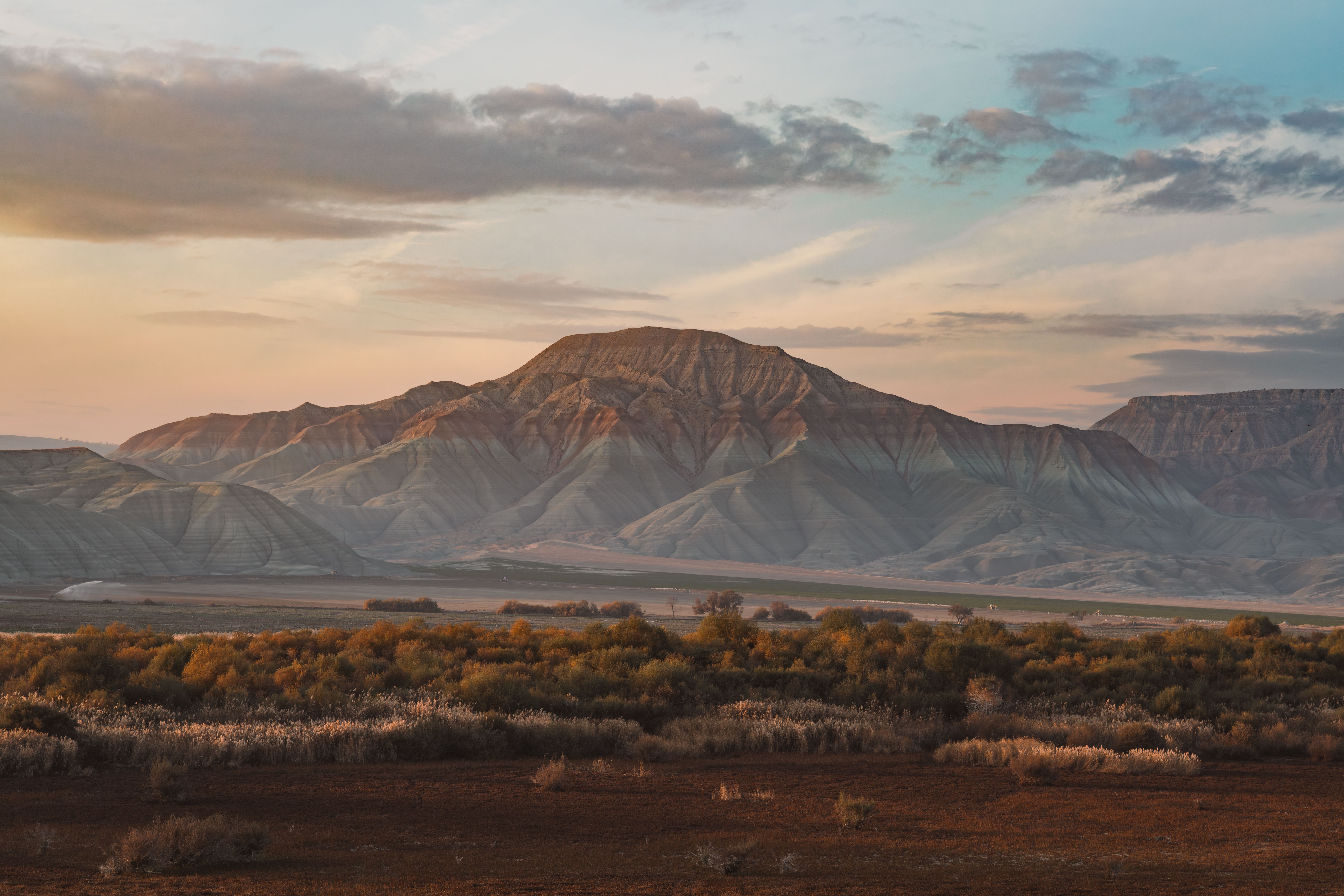
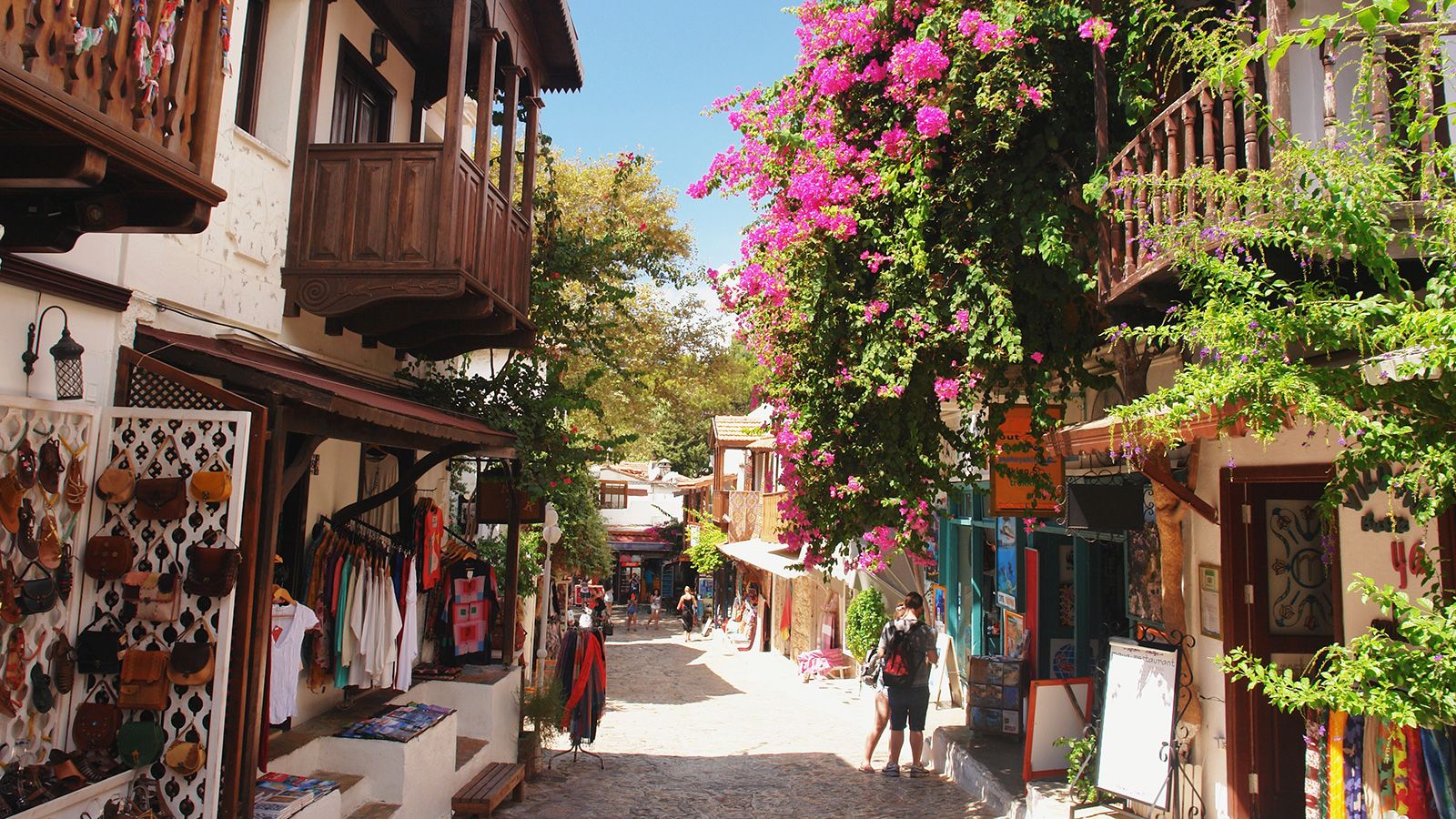
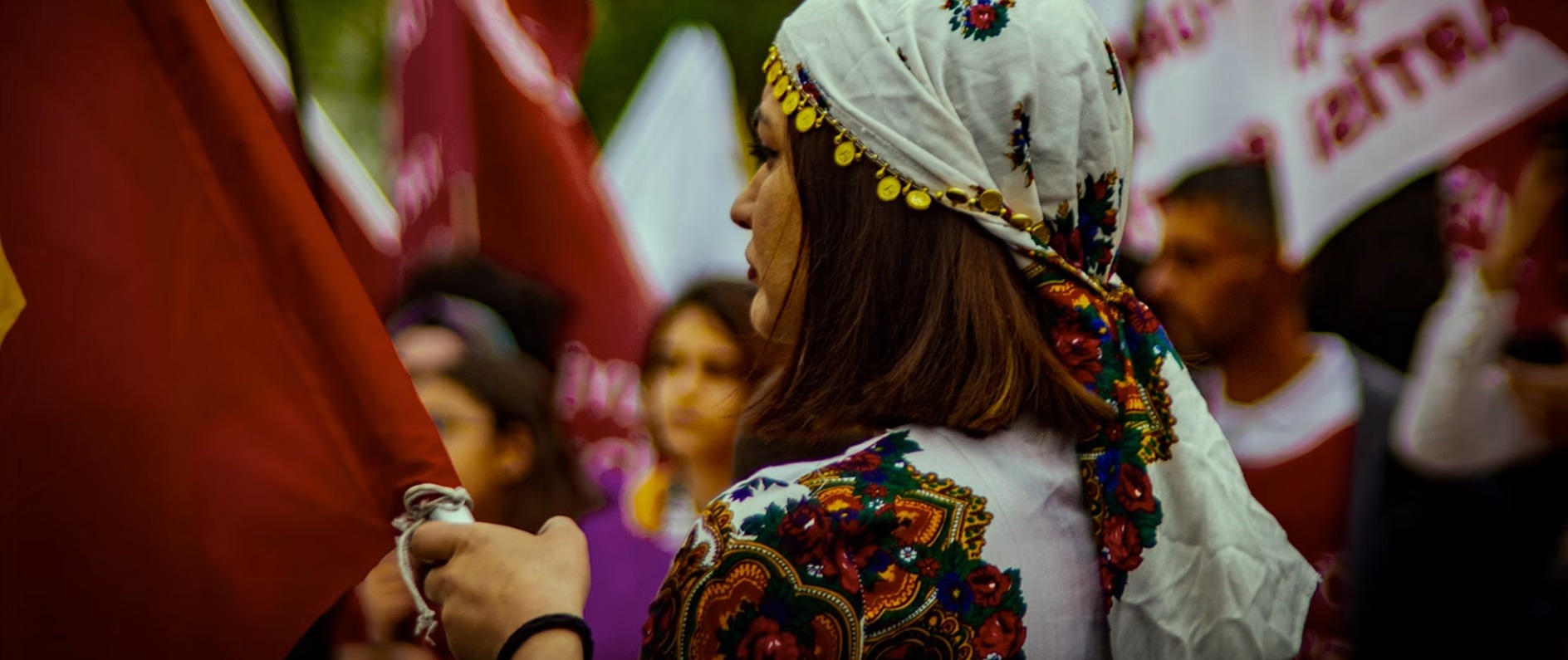
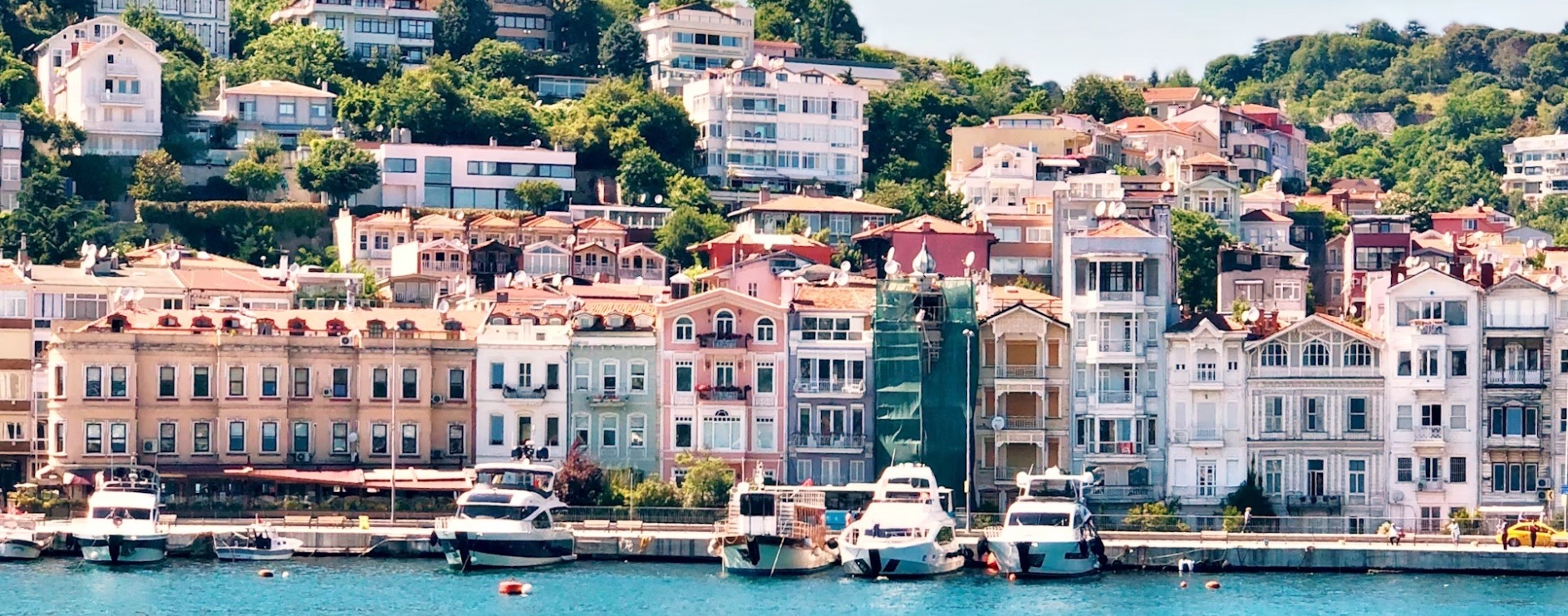
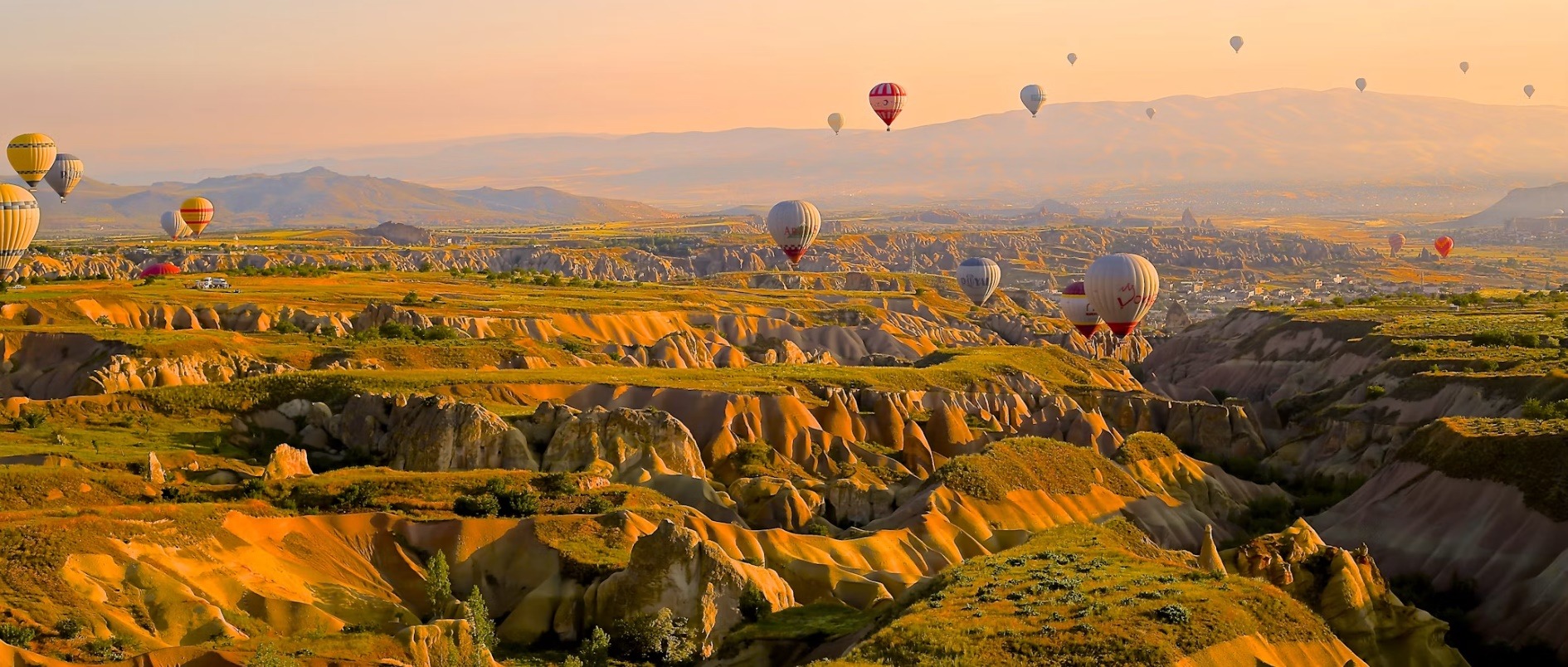
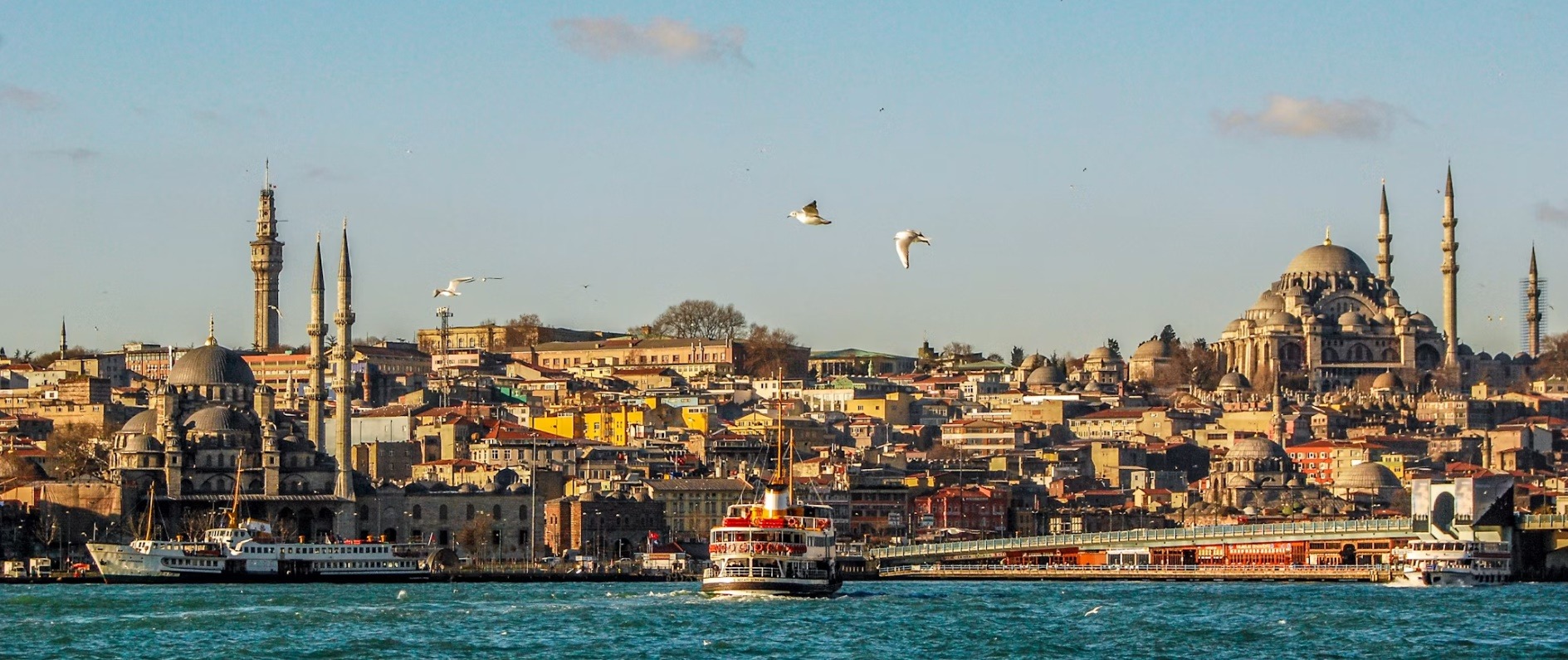
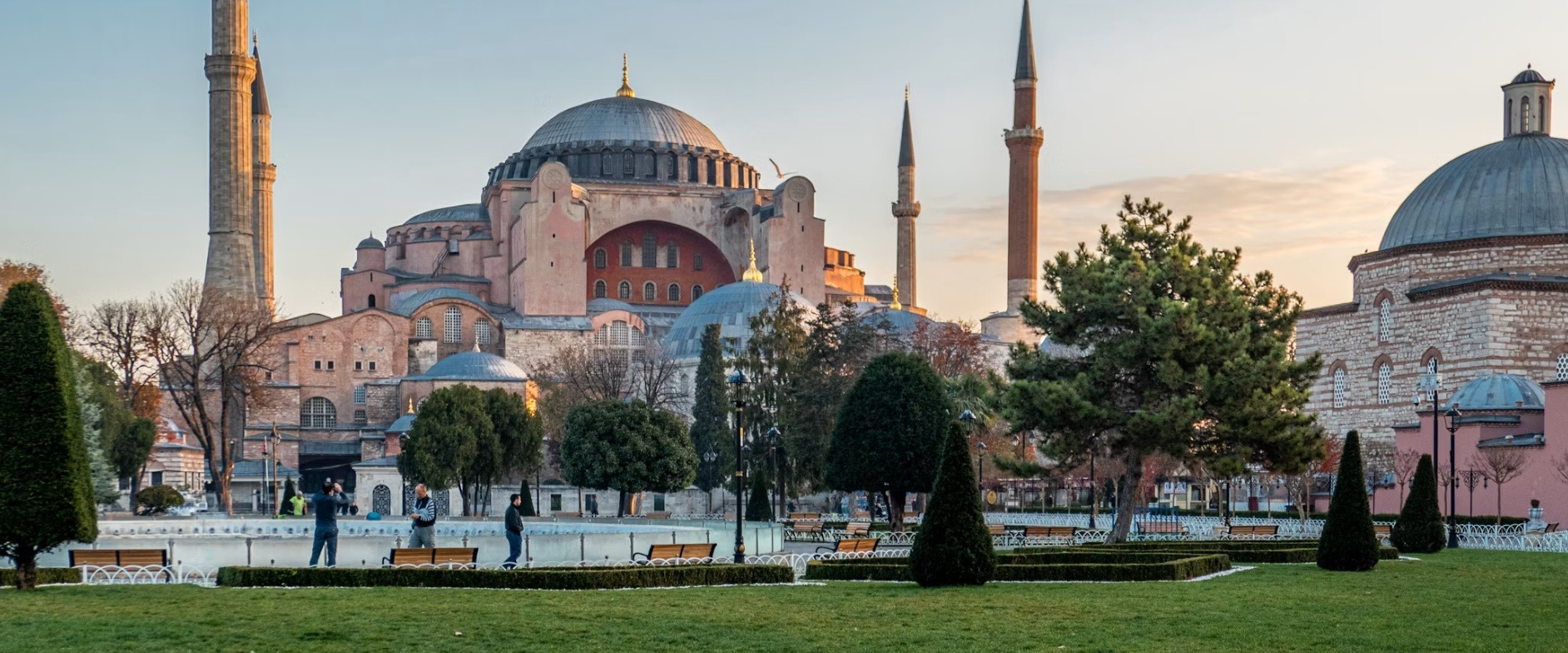
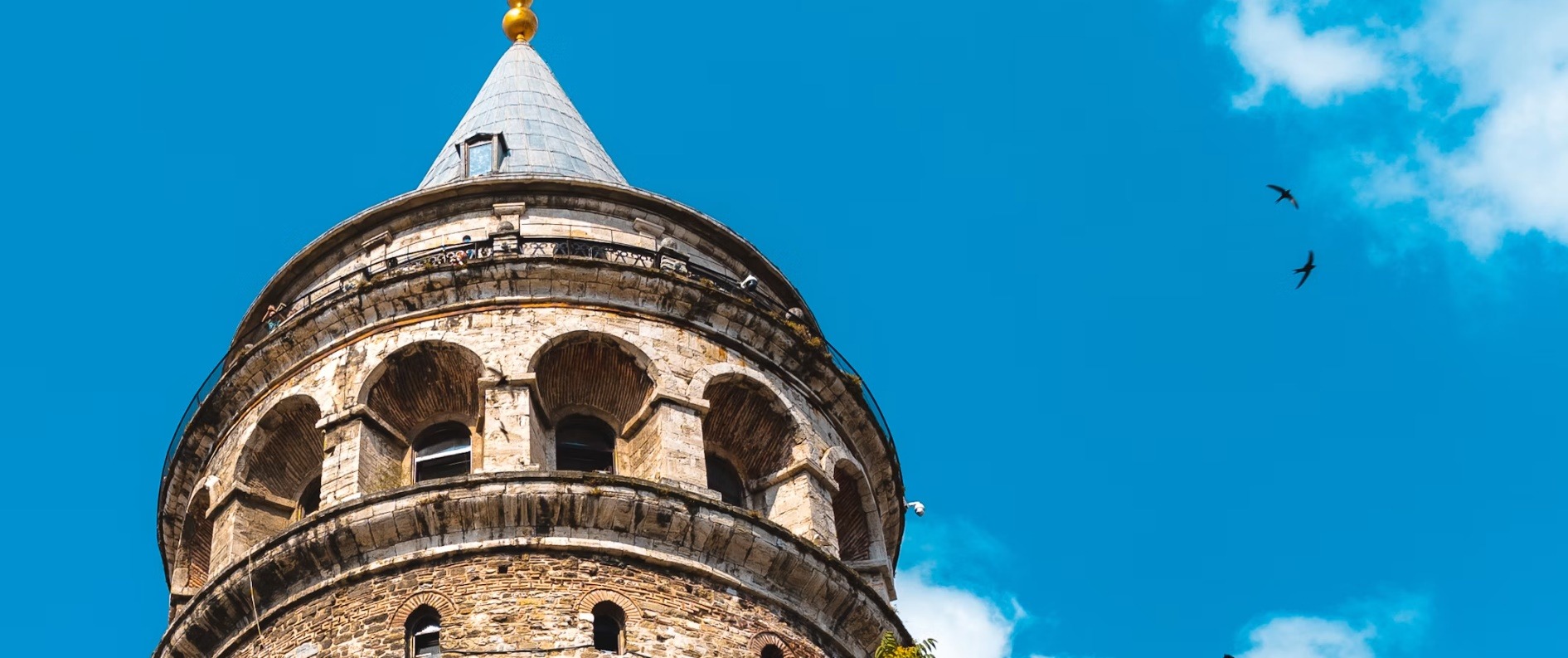
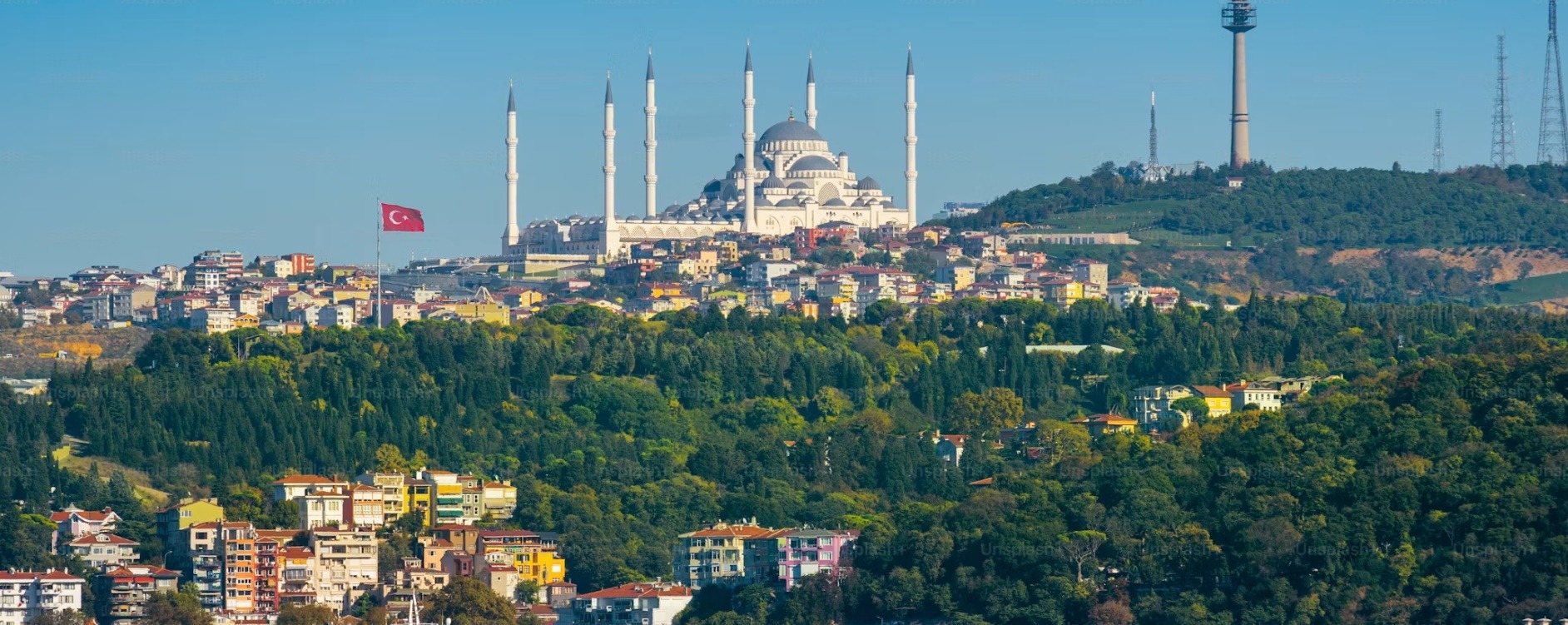
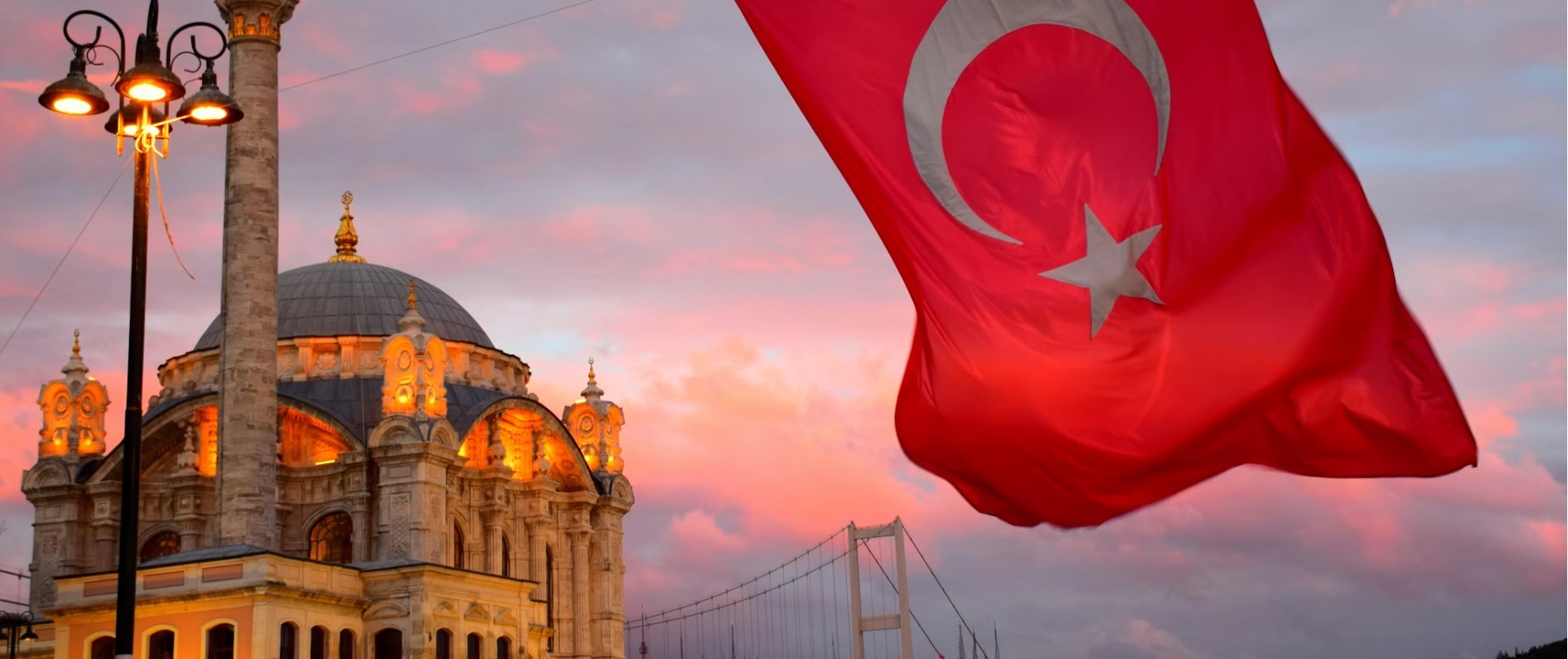
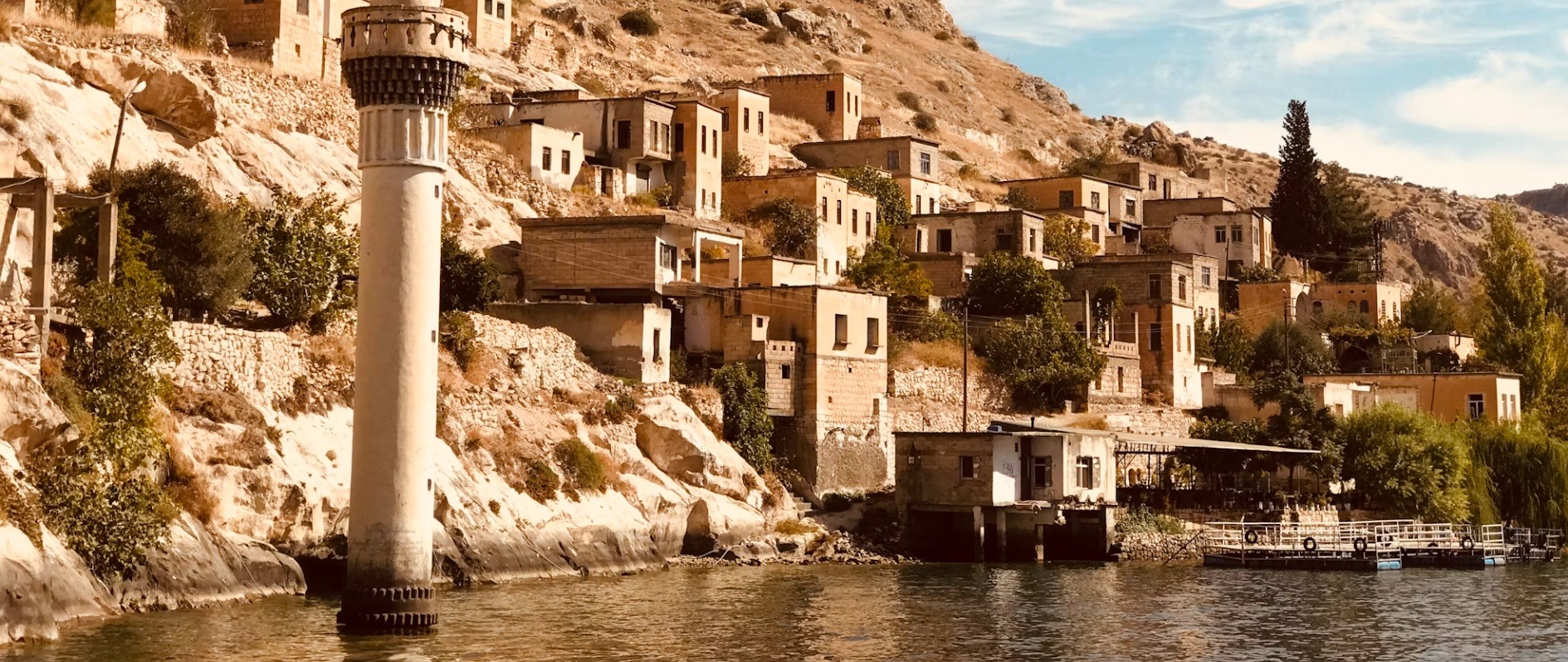
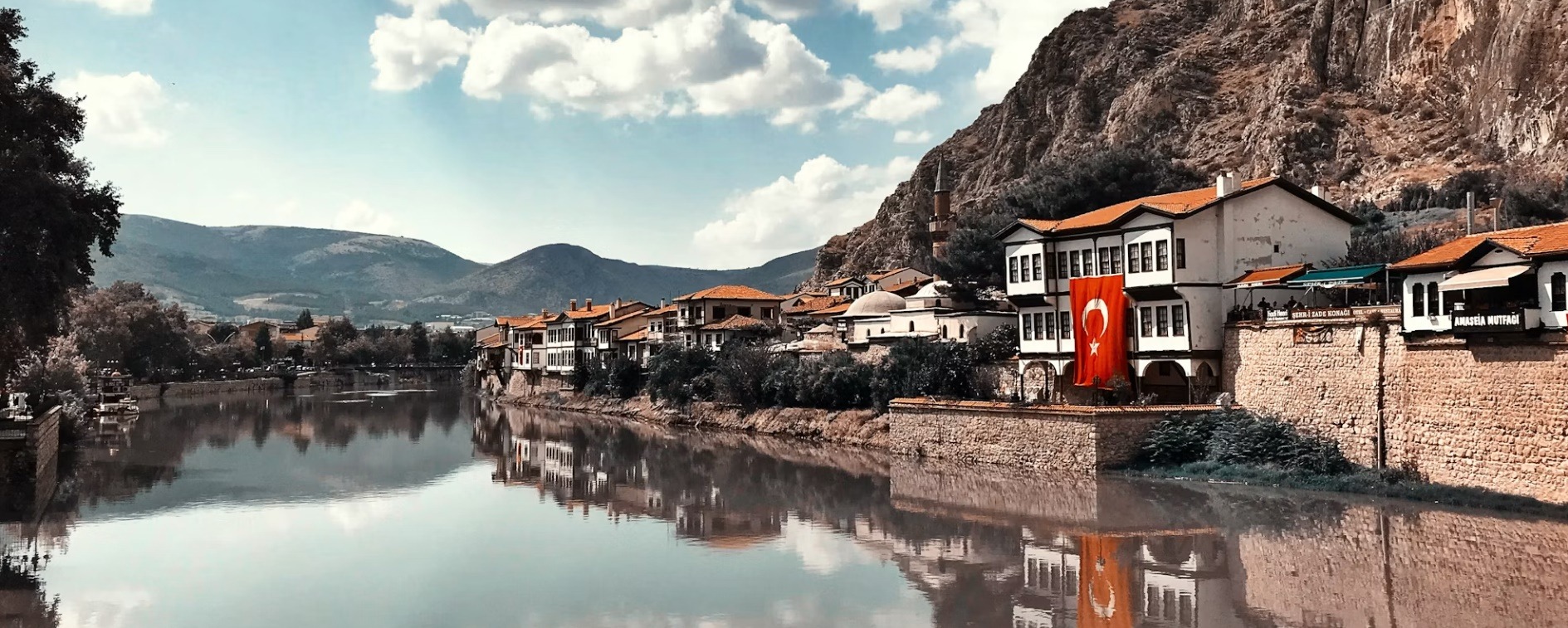
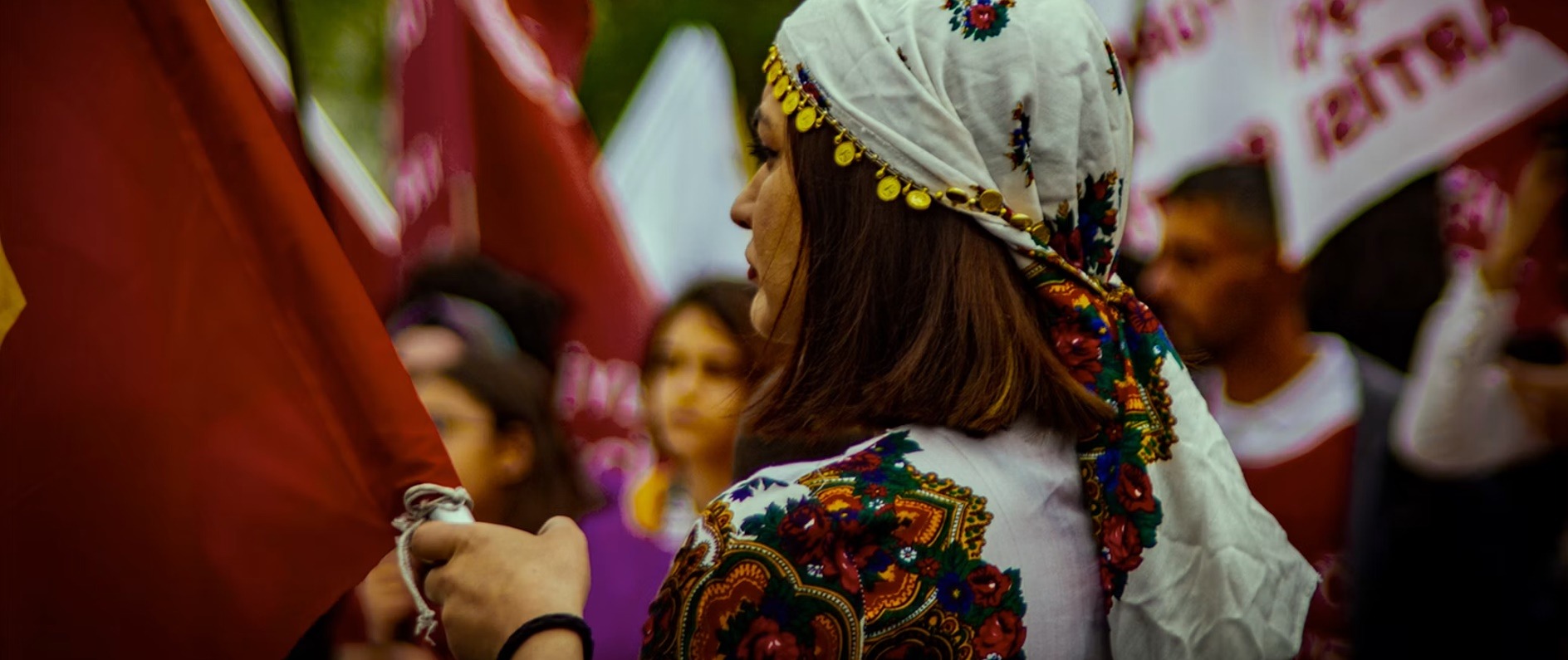
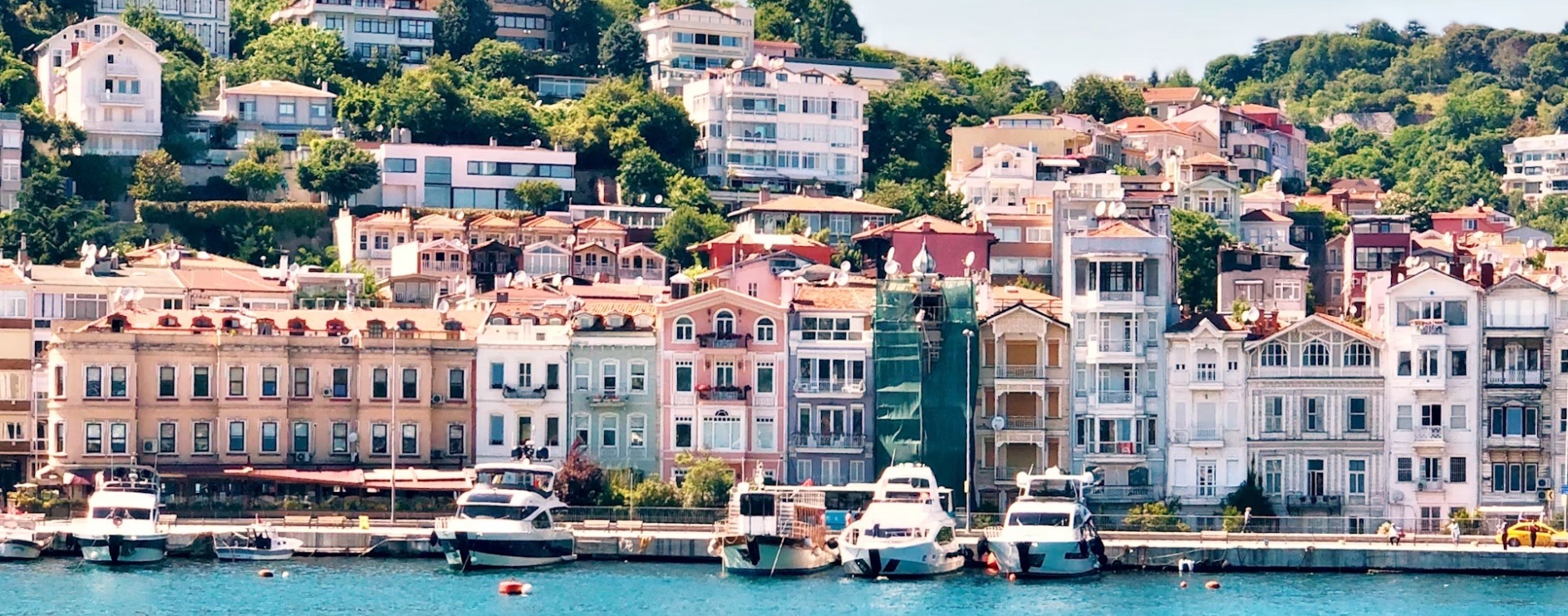
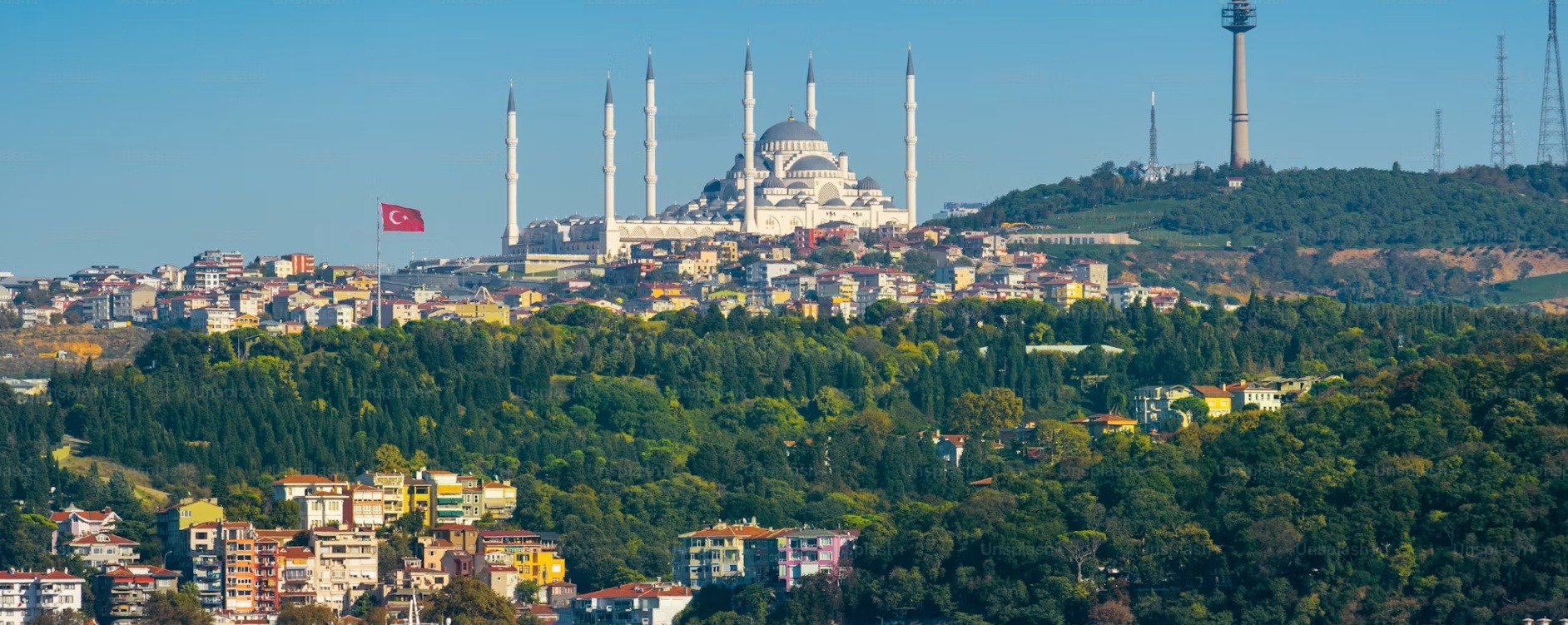
Turkey country image
Turkey overview image

Team Standings

Teams Mp W D L GF GA Pt
Burundi Burundi 0 0 0 0 0 0 0
Canada Canada 0 0 0 0 0 0 0
Guinea Guinea 0 0 0 0 0 0 0
Kenya Kenya 0 0 0 0 0 0 0
Lesotho Lesotho 0 0 0 0 0 0 0
Malawi Malawi 0 0 0 0 0 0 0
Rwanda Rwanda 0 0 0 0 0 0 0
Scotland Scotland 0 0 0 0 0 0 0
Turkey Turkey 0 0 0 0 0 0 0
Uganda Uganda 0 0 0 0 0 0 0

Squad List

Baris Safoglu
Forward
Cengiz Bolayir
Defender
Cenk Atilgan
Midfielder
Efe Halici
Forward
Emir Hayiroglu
Defender
Erkan Hayiroglu
Goalkeeper
Ersel Kiziltas
Midfielder
Faik Halici
Midfielder
Fikri Goksu
Forward
Gokhan Sim
Midfielder
Gokturk Adem
Forward
Habib Yilmaz
Midfielder
Hakan Guner
Midfielder
Halil Durmus
Midfielder
Hasan Bakir
Midfielder
Kilic Ahmet
Forward
Medow Aman
Defender
Muhsin Eker
Forward
Murat Sahin
Defender
Mustafa Acikgoz
Forward
Mustafa Ozdemir
Goalkeeper
Nurettin Olgun
Defender
Resit Gecgil
Defender
Servet Can
Midfielder
Tali Akdemir
Defender
Utku Aslanturk
Defender
Yildiz Ahmet
Midfielder

Coaching Staff
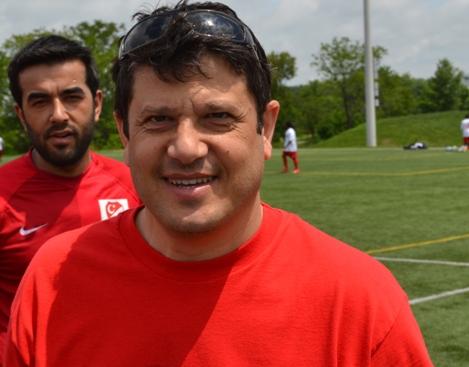
Oguz Safoglu
C
Oguz Safoglu
Head Coach