


Responsive Header
  • Where We Work
  • Cameroon
  • The Diaspora World Cup operates in some of the major cities and metro areas in United States and Canada. Our network of register players includes 20 cities, 200 countries, 400 teams, and 10,000 players. Join our movement to solve the world's most pressing challenges: Illiteracy
  • Who We are text will be here Who We are text will be here Who We are text will be here Who We are text will be here Who We are text will be here Who We are text will be here Who We are text will be here Who We are text will be here Who We are text will be here
  • What We Do text will be here What We Do text will be here What We Do text will be here What We Do text will be here What We Do text will be here What We Do text will be here What We Do text will be here What We Do text will be here What We Do text will be here What We Do text will be here What We Do text will be here What We Do text will be here
  • Get Involved text will be here Get Involved text will be here Get Involved text will be here Get Involved text will be here Get Involved text will be here Get Involved text will be here Get Involved text will be here Get Involved text will be here Get Involved text will be here Get Involved text will be here
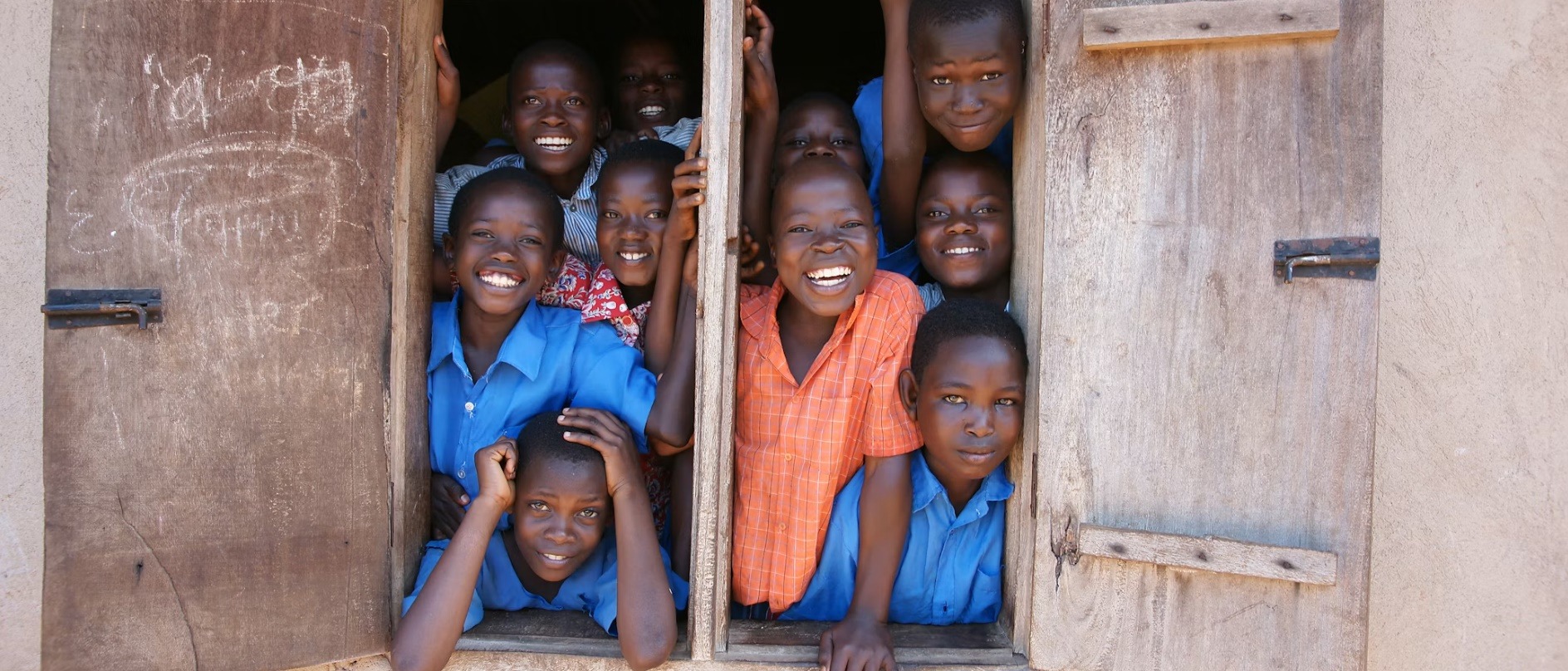
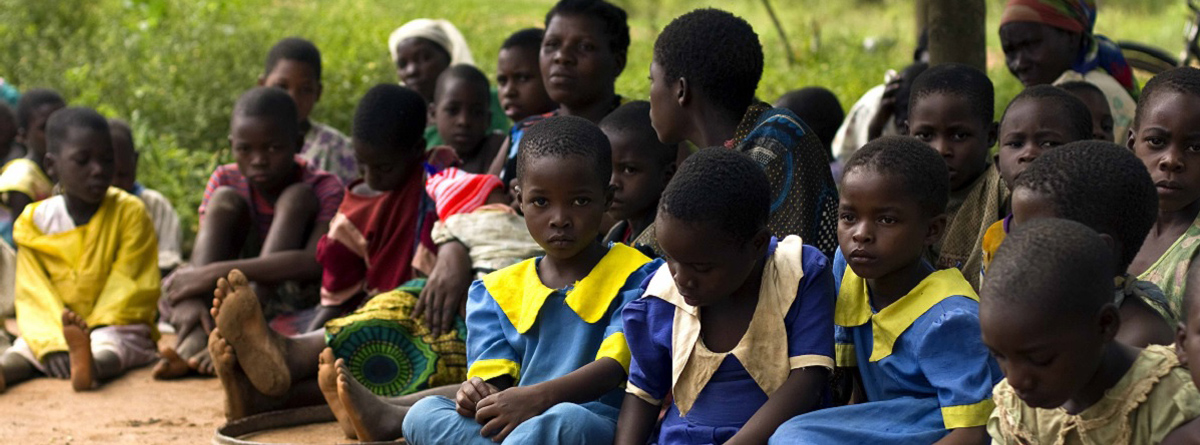
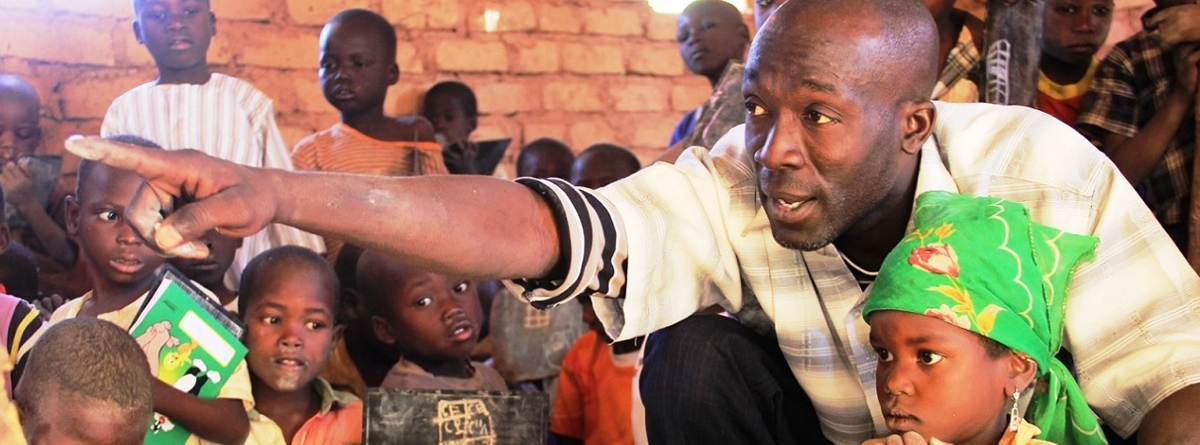
  • Education is a basic Human Right and the Diaspora World Cup global school program focuses its energy in some the poorest countries around the world. We build schools in some of the poorest countries around the worldthat historically had no adequate school structure. Any member of the World Diaspora has the power to end illiteracy around the world through the power of soccer.
  • High-profile sport figures, global leaders, business leaders, political figure, journalists, activists, philanthropists, actors, and entrepreneurs united by their commitment to the Diaspora World Cup mission to eradicate illiteracy around the world through the power of soccer. They serve as role models and spread the Diaspora World Cup vision and commitment of a world mobilized through soccer.
  •  
  •  
Diaspora 2027: complete guide to all players | The Diaspora
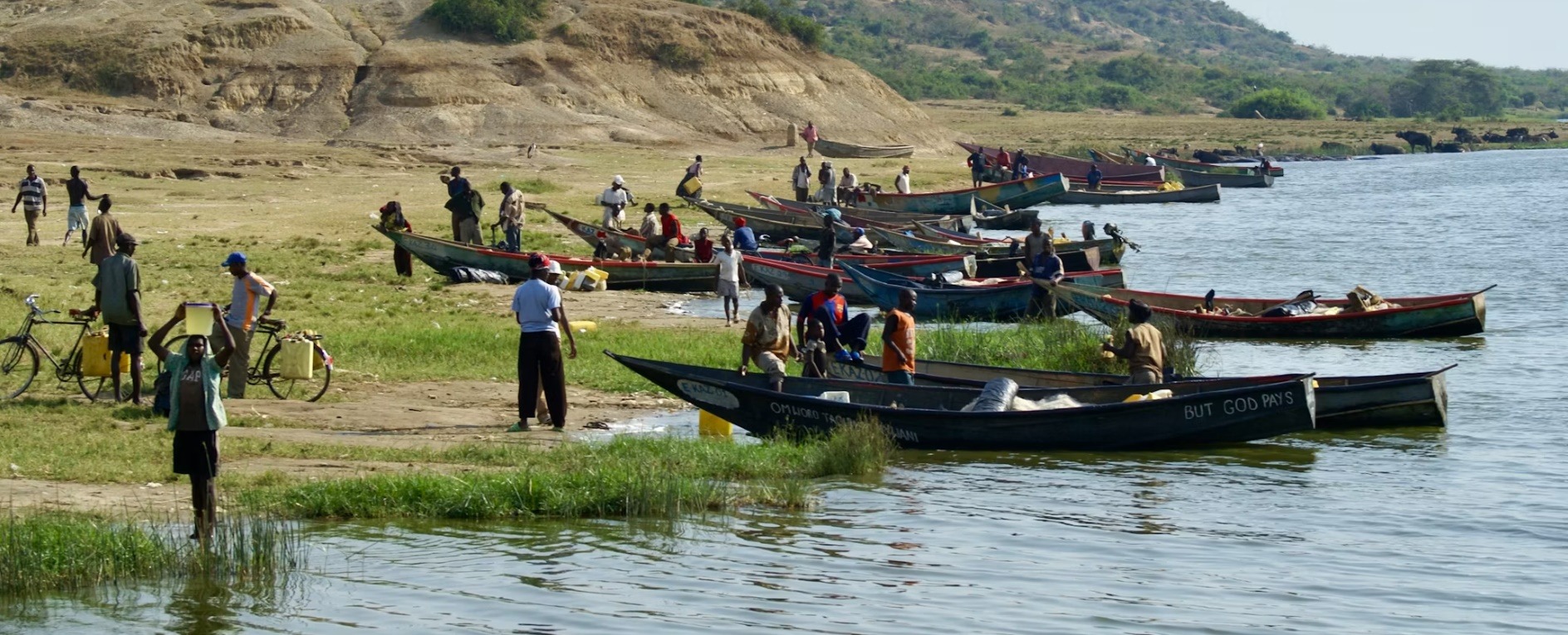
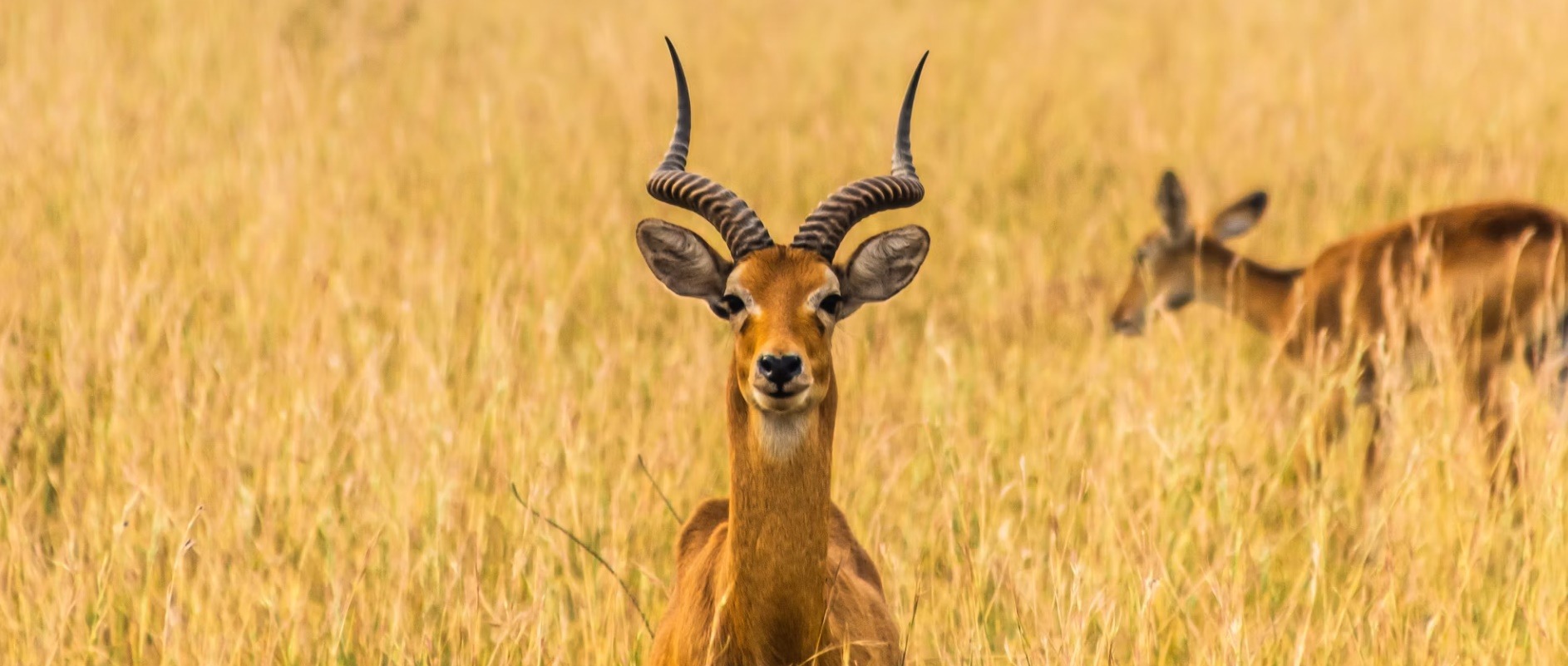
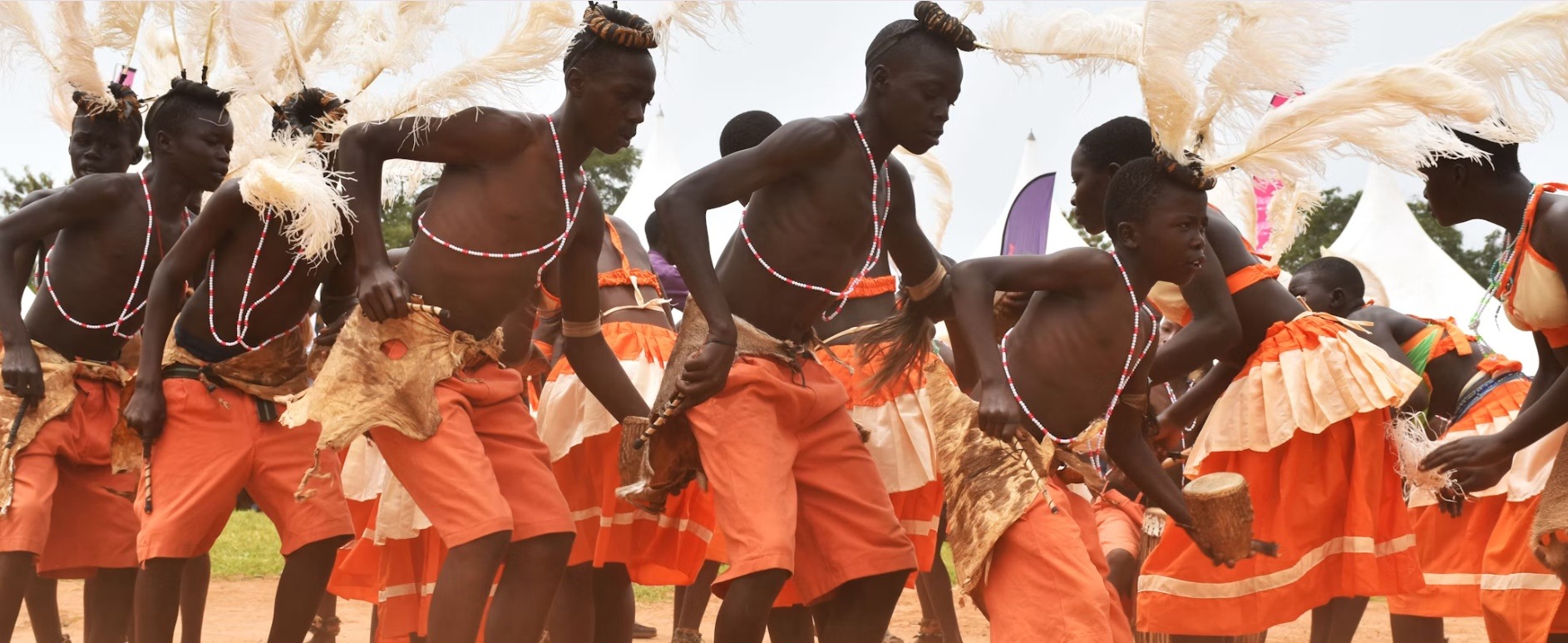
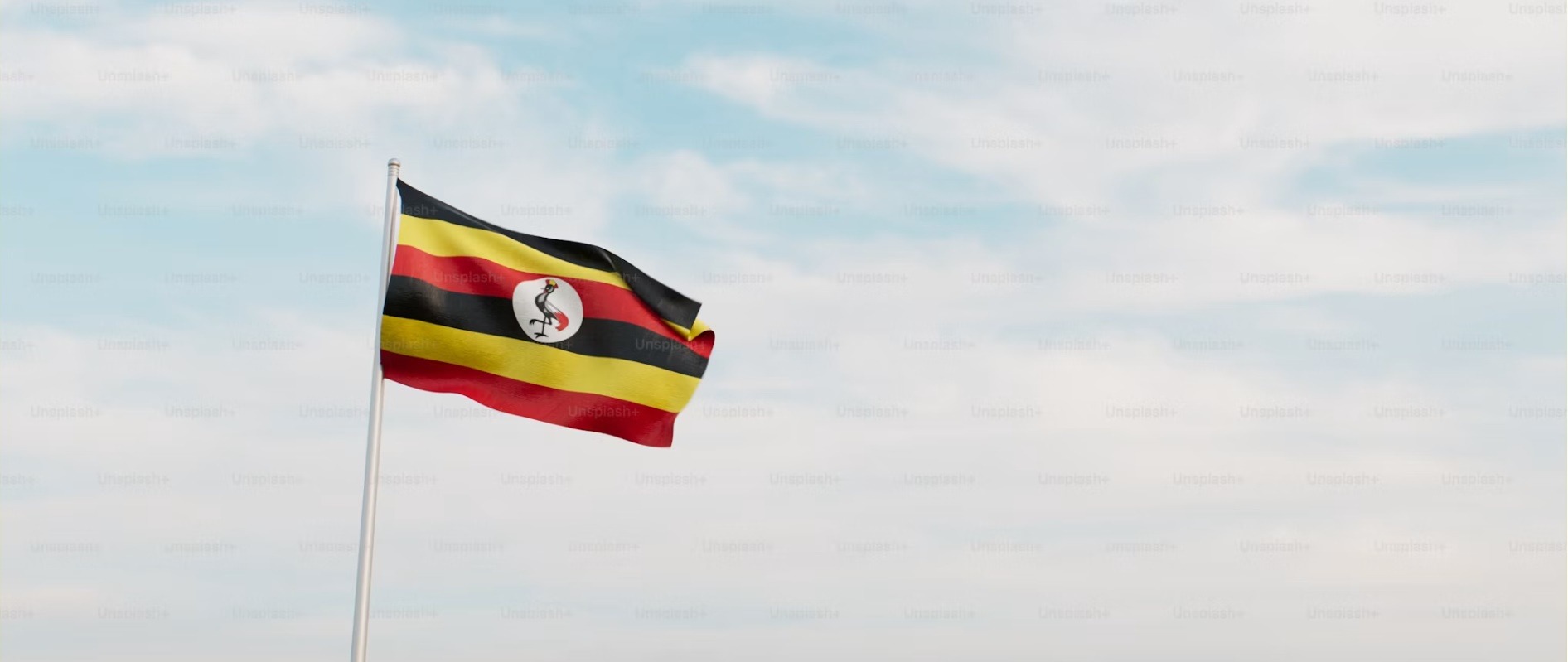
UGANDA
Silver Spring – Takoma P.
Welcome to the 2027 Diaspora World Cup.
Silver Spring – Takoma P.

Ugandan immigration to the United States has generally reflected British colonial rule, political repression, military dictatorship, armed conflict, economic hardship, education, professional employment, asylum, and family reunification.

Ugandan migration to the United States remained limited until the second half of the twentieth century. Early arrivals mainly included students, diplomats, religious workers, academics, businesspeople, and professionals seeking education or specialised employment. Emigration increased during the 1970s and 1980s as political repression, violence under Idi Amin, economic decline, and subsequent civil conflict forced many people to leave Uganda. Later arrivals included healthcare workers, engineers, educators, technology professionals, entrepreneurs, refugees, asylum seekers, and relatives joining established families. Immigration pathways expanded through the Immigration and Nationality Act of 1965, the Refugee Act of 1980, family sponsorship, skilled employment, university programmes, and the Diversity Visa programme.

Ugandan Migration Before Independence

Before independence, Uganda was governed as a British protectorate, and migration was shaped by colonial administration, regional trade, missionary education, military service, agriculture, railway construction, and labour demand. Ugandans travelled mainly to Kenya, Tanzania, Sudan, and other neighbouring territories as traders, soldiers, students, domestic workers, agricultural labourers, and government employees. British colonial development also brought South Asian workers and merchants to Uganda, creating an important commercial community. Direct migration to the United States remained uncommon because most political, educational, and economic connections operated through Britain, India, and East Africa. Uganda achieved independence on October 9, 1962, and the United States recognised the new country and established diplomatic relations on the same day.

Late-Twentieth- and Early-Twenty-First-Century Immigration

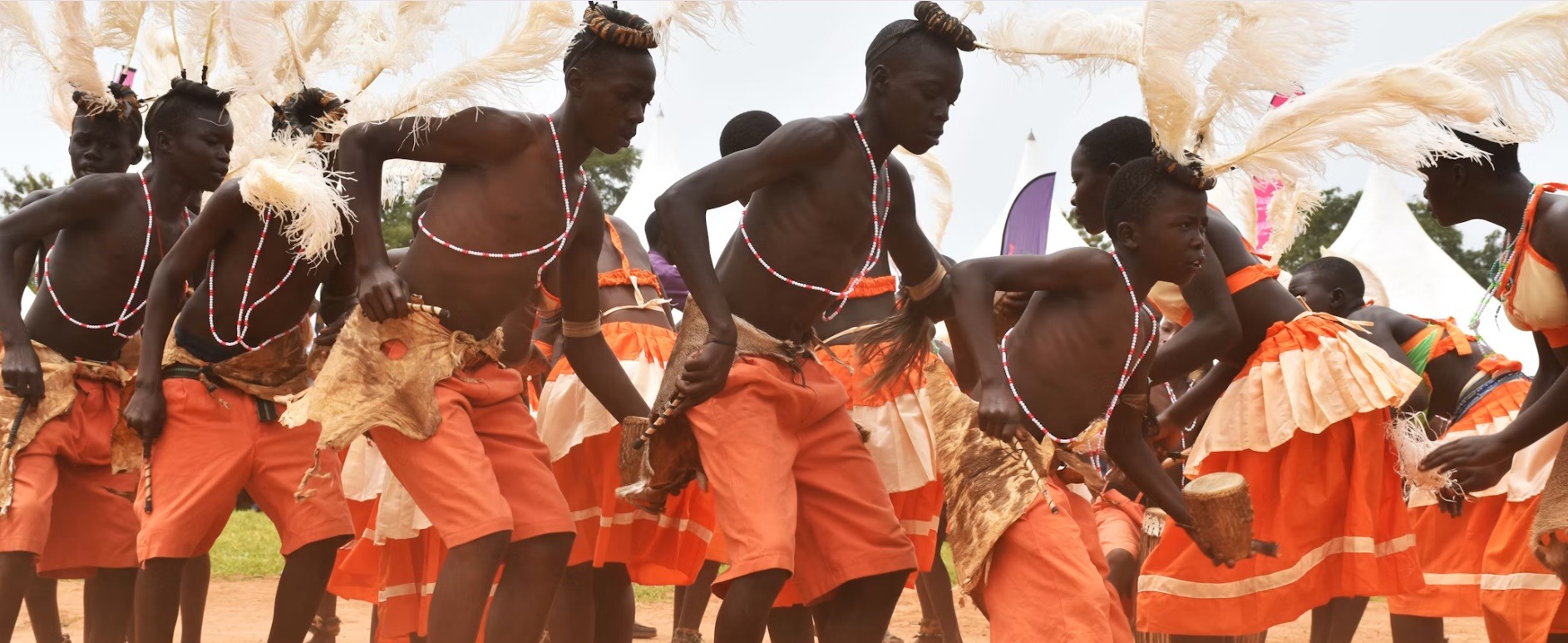
Ugandan emigration increased after independence as political instability, military rule, economic disruption, and armed conflict affected the country. In 1972, Idi Amin ordered Uganda’s Asian population to leave within ninety days, forcing tens of thousands to relocate mainly to Britain, Canada, India, and other countries, with some eventually settling in the United States. Amin’s dictatorship and later conflicts displaced additional political opponents, professionals, students, and families. From the 1990s onward, Ugandan immigration to America increasingly involved university students, nurses, doctors, academics, businesspeople, religious workers, skilled employees, asylum seekers, and relatives joining established communities. Ugandan organisations, churches, mosques, businesses, and family networks helped newcomers obtain housing and employment while preserving Luganda, English, Indigenous languages, traditional food, music, religious practices, and connections with Uganda.

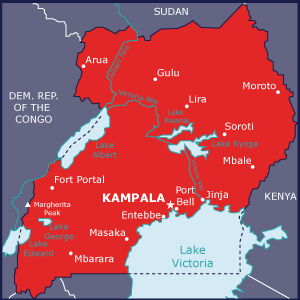
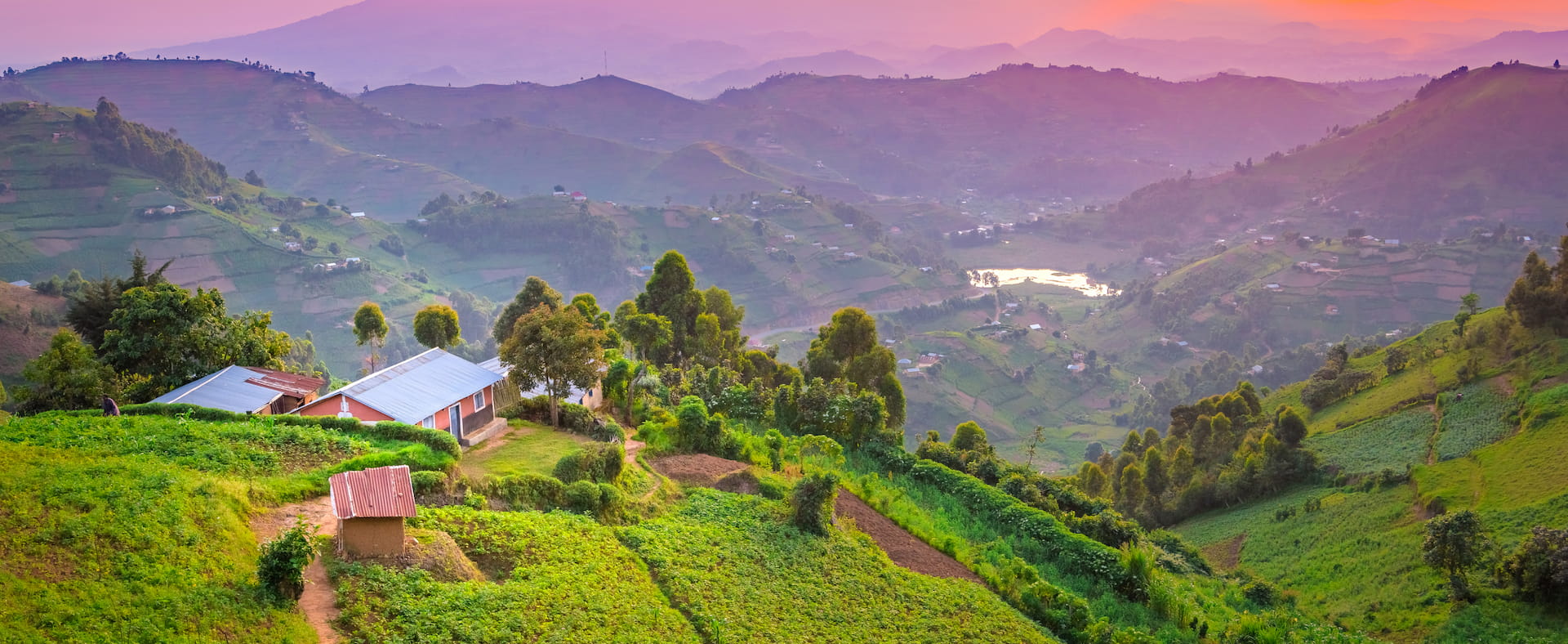
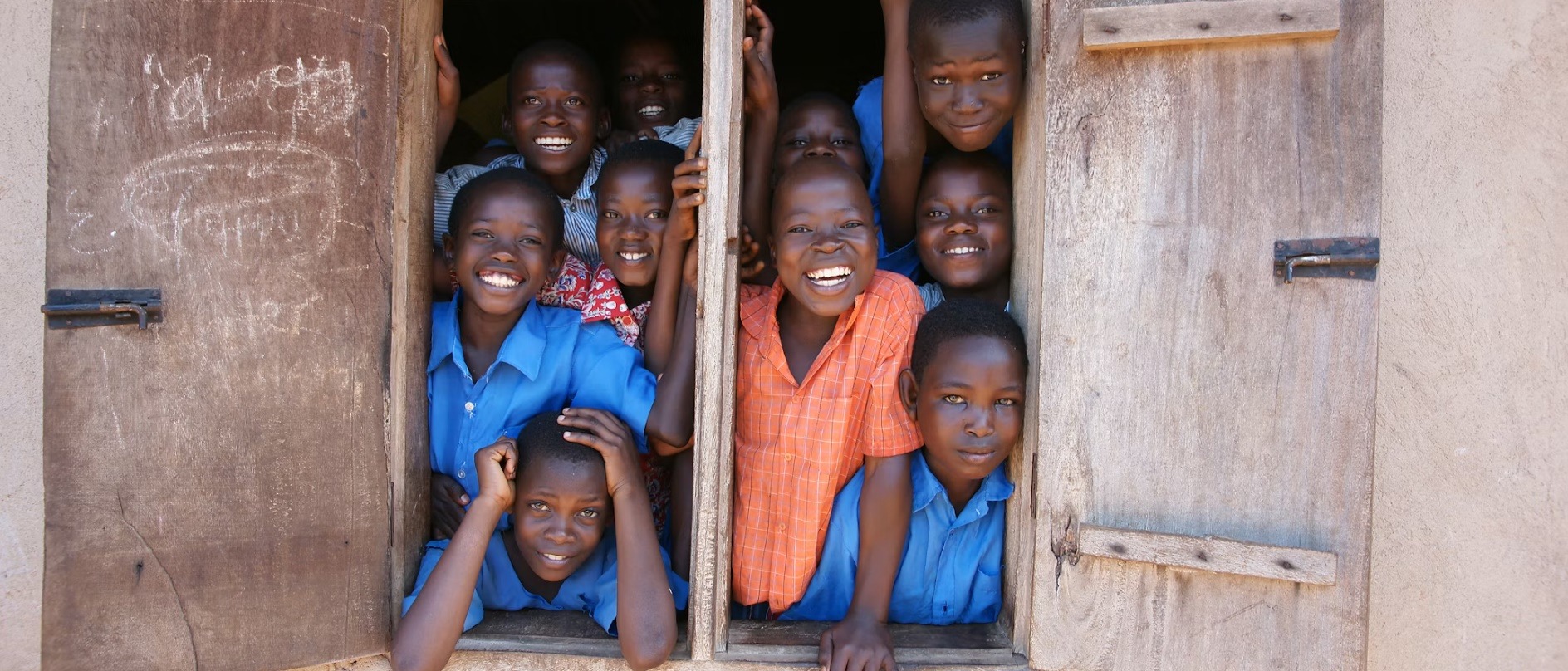
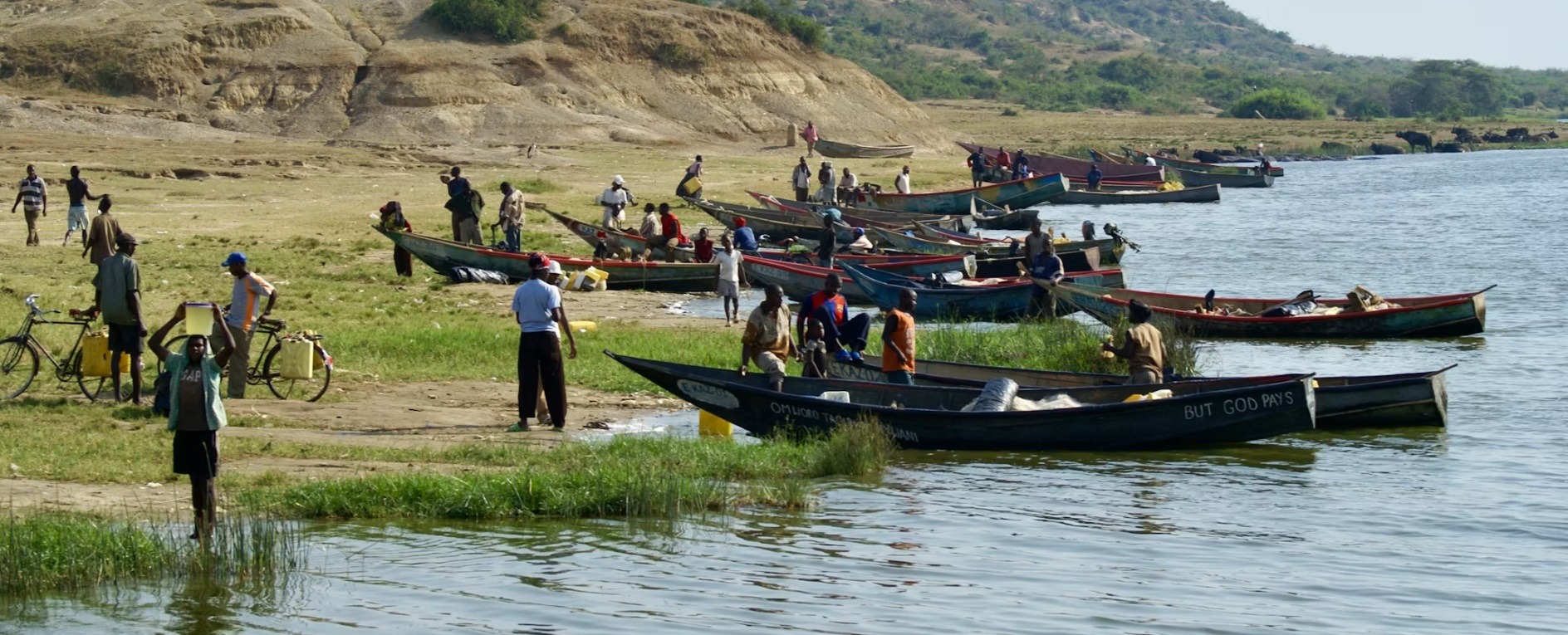
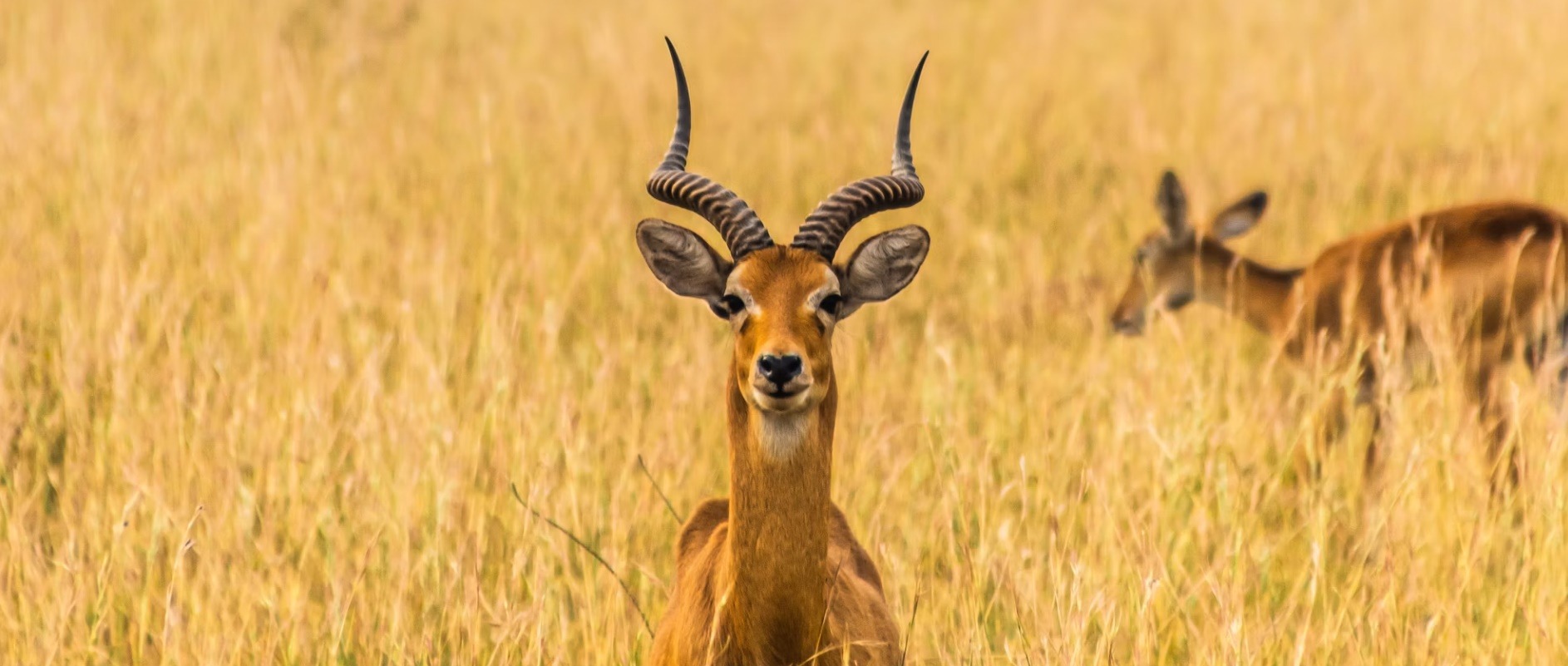
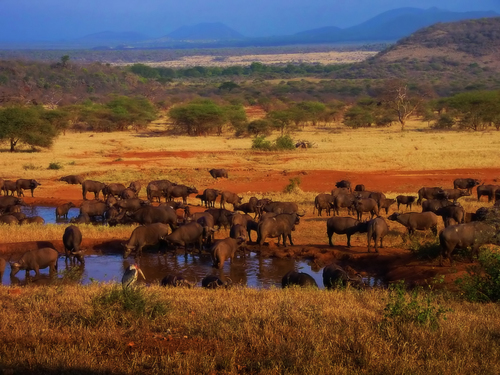
Uganda country image
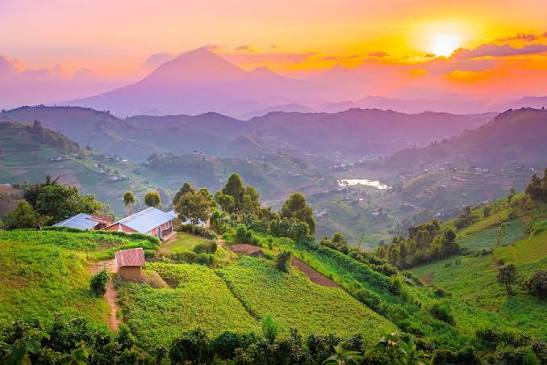
Uganda overview image

Team Standings

Teams Mp W D L GF GA Pt
Burundi Burundi 0 0 0 0 0 0 0
Canada Canada 0 0 0 0 0 0 0
Guinea Guinea 0 0 0 0 0 0 0
Kenya Kenya 0 0 0 0 0 0 0
Lesotho Lesotho 0 0 0 0 0 0 0
Malawi Malawi 0 0 0 0 0 0 0
Rwanda Rwanda 0 0 0 0 0 0 0
Scotland Scotland 0 0 0 0 0 0 0
Turkey Turkey 0 0 0 0 0 0 0
Uganda Uganda 0 0 0 0 0 0 0

Squad List

Celestin Mody
Midfielder
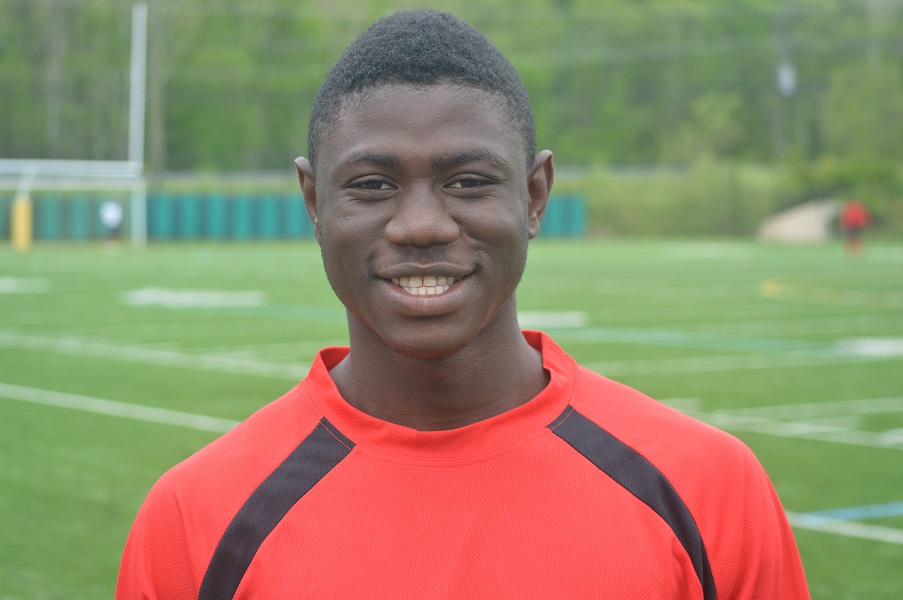
Comeh Aroun
Midfielder
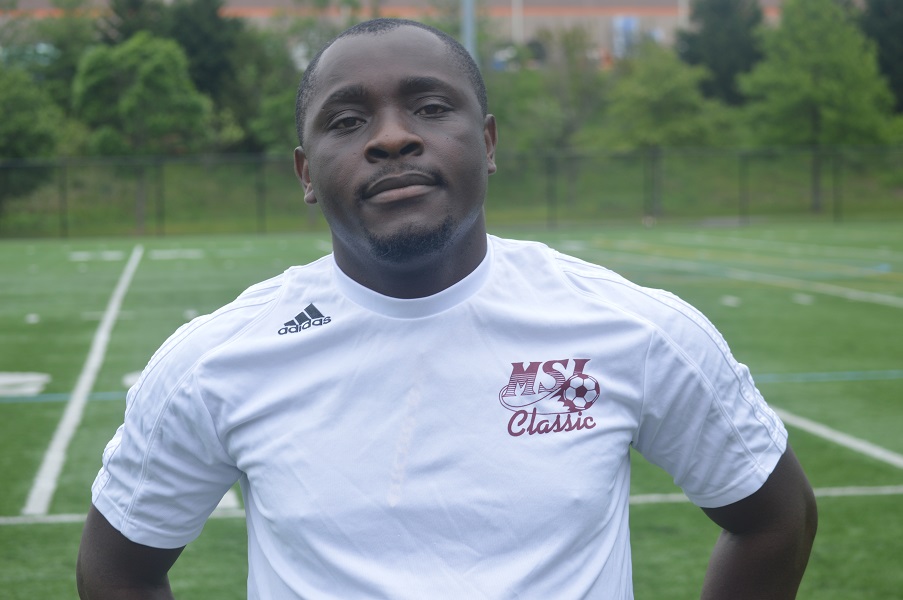
Cyril Wainde
Goalkeeper
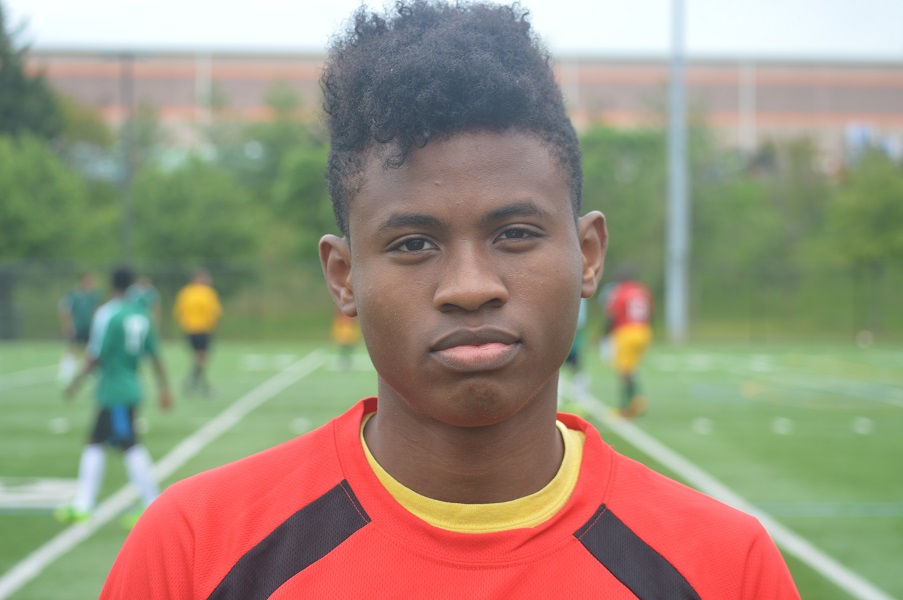
Dom Silva
Forward
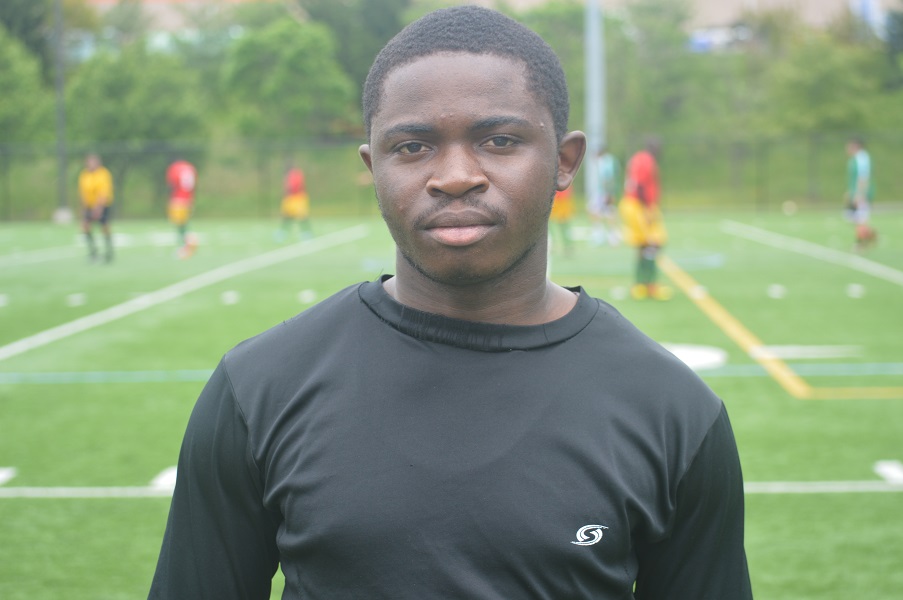
Engebu Acha
Goalkeeper
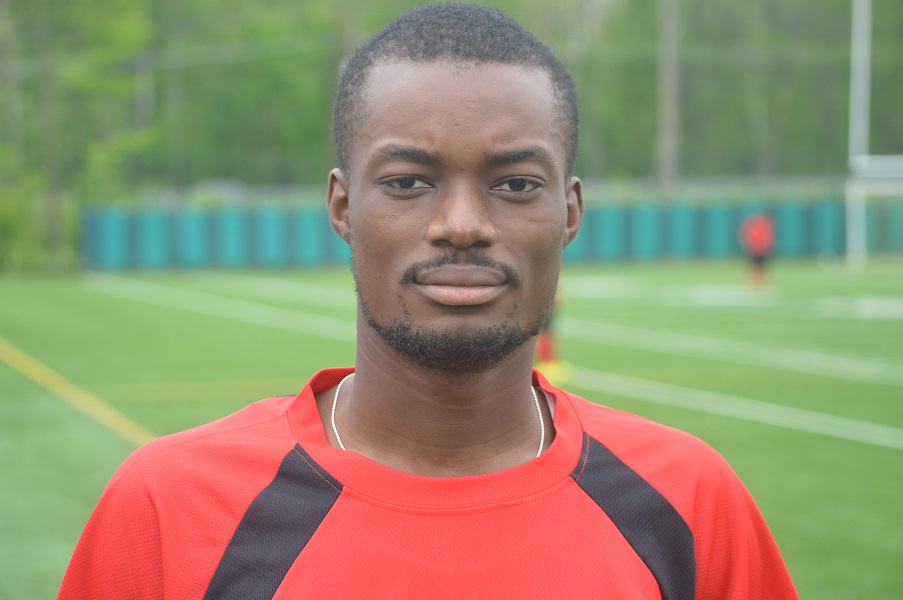
Eric Mannah
Midfielder
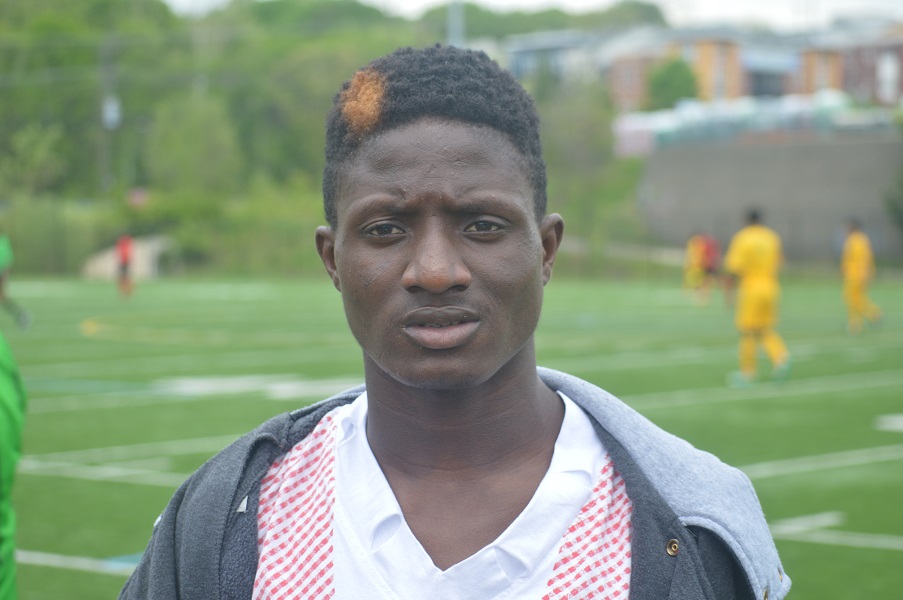
George Sammen
Goalkeeper
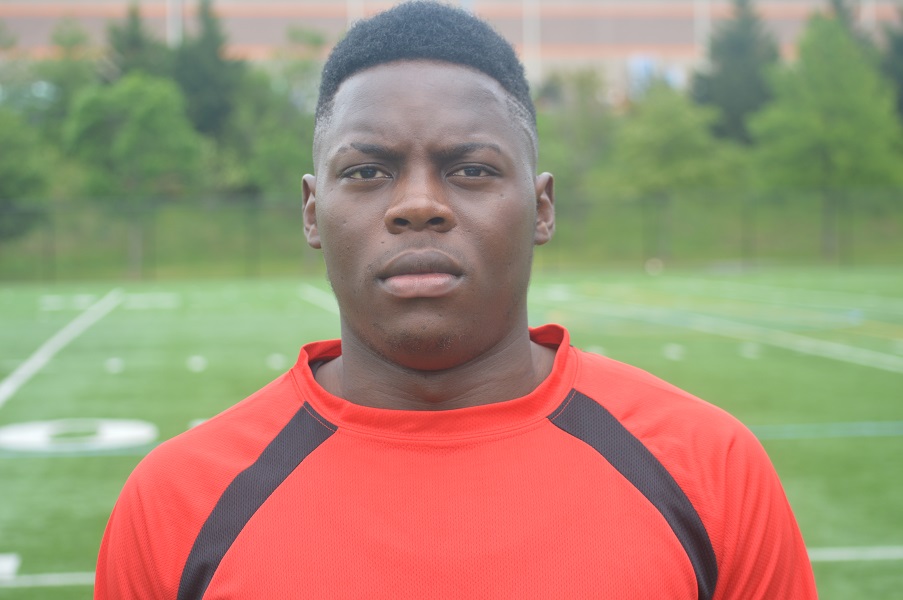
Guy Mbanwi
Forward
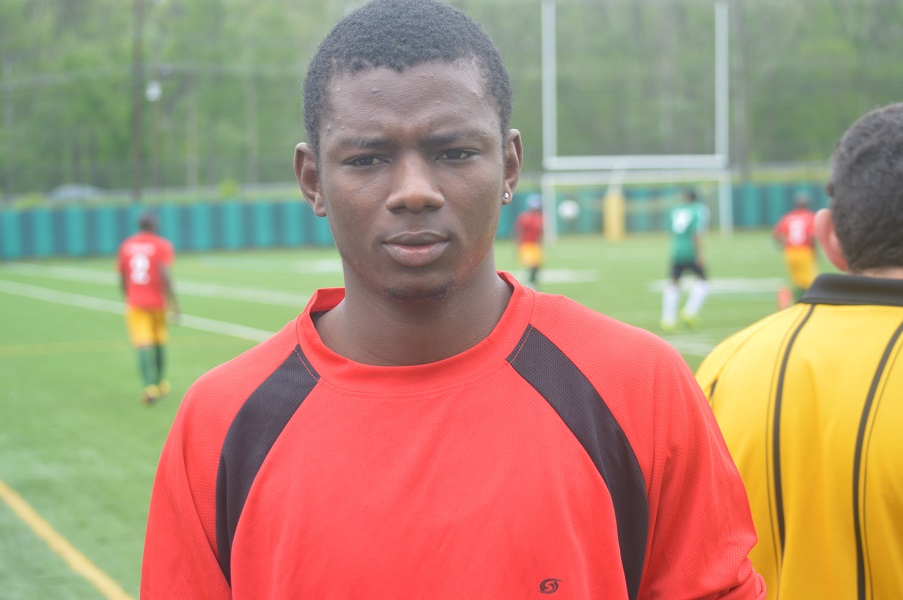
Jallou Amadou
Midfielder
Jonah Payop
Defender
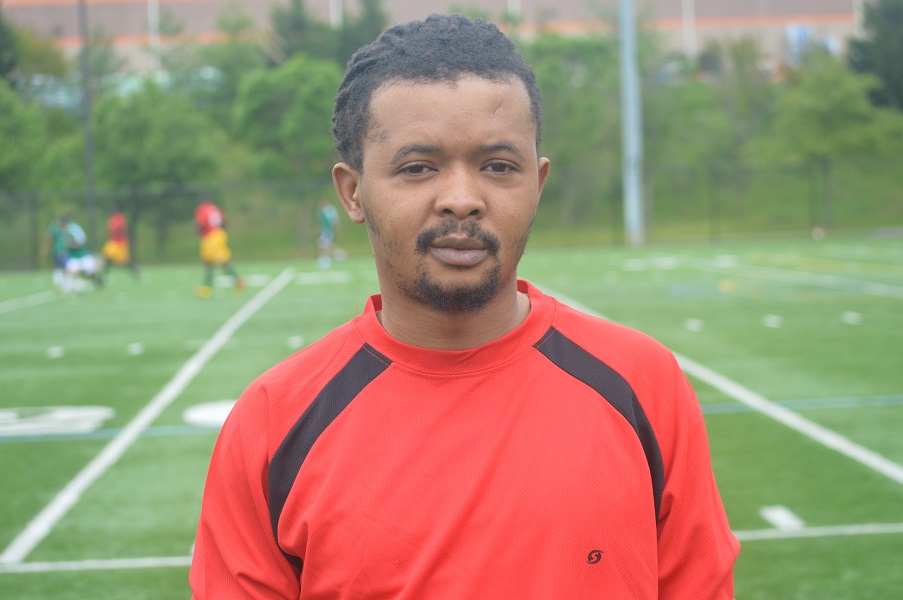
Kamara Amidu
Defender
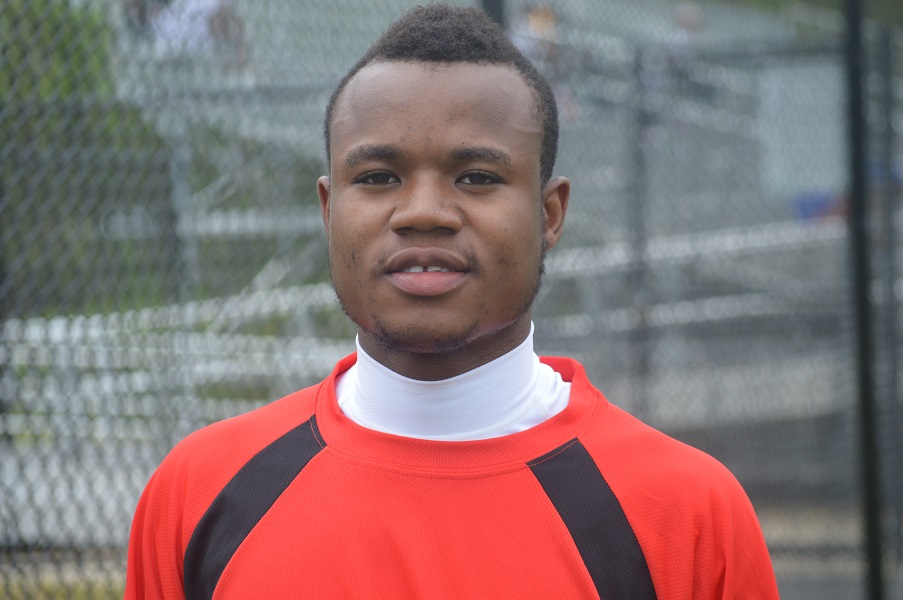
Lamine Koroma
Forward
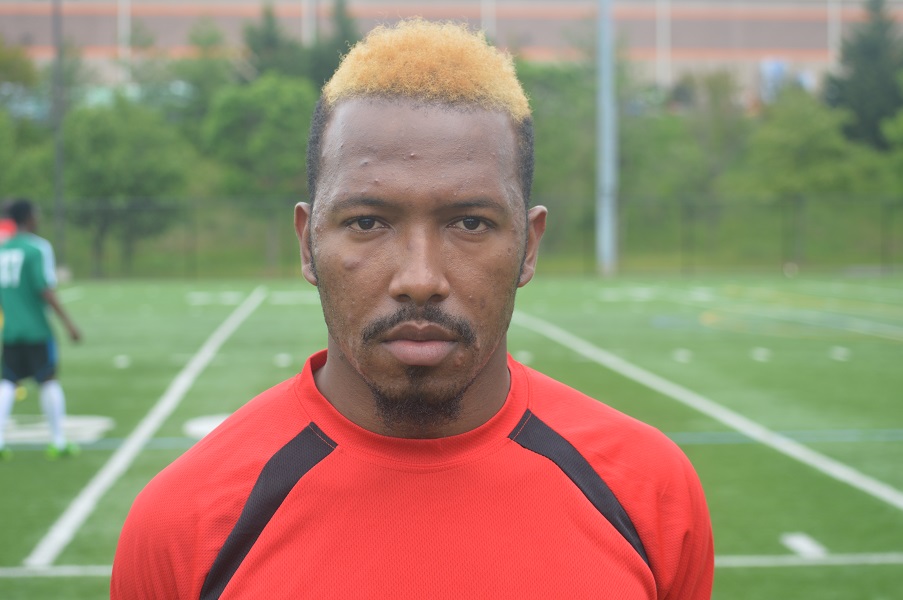
Landy Morgan
Defender
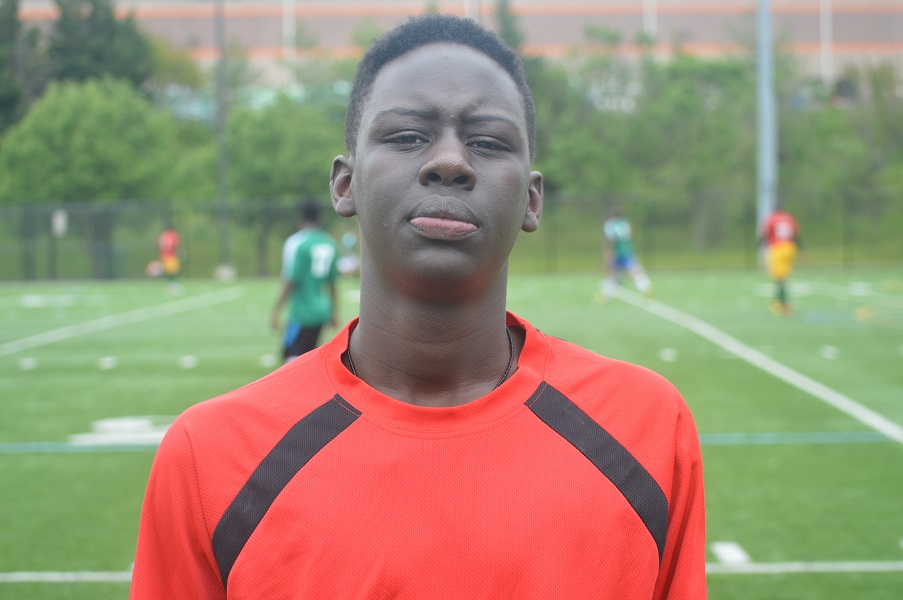
Mada Diop
Midfielder
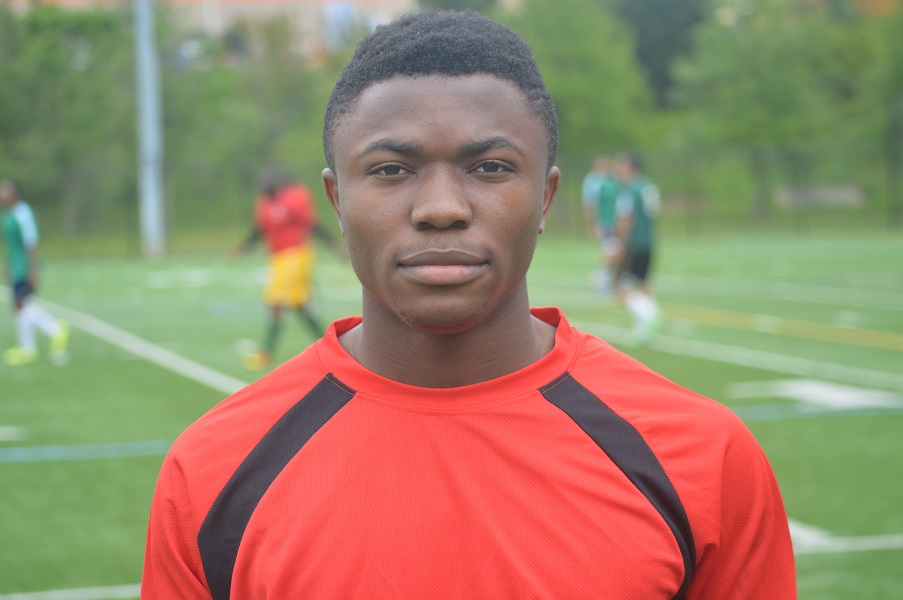
Manuel Mba
Forward
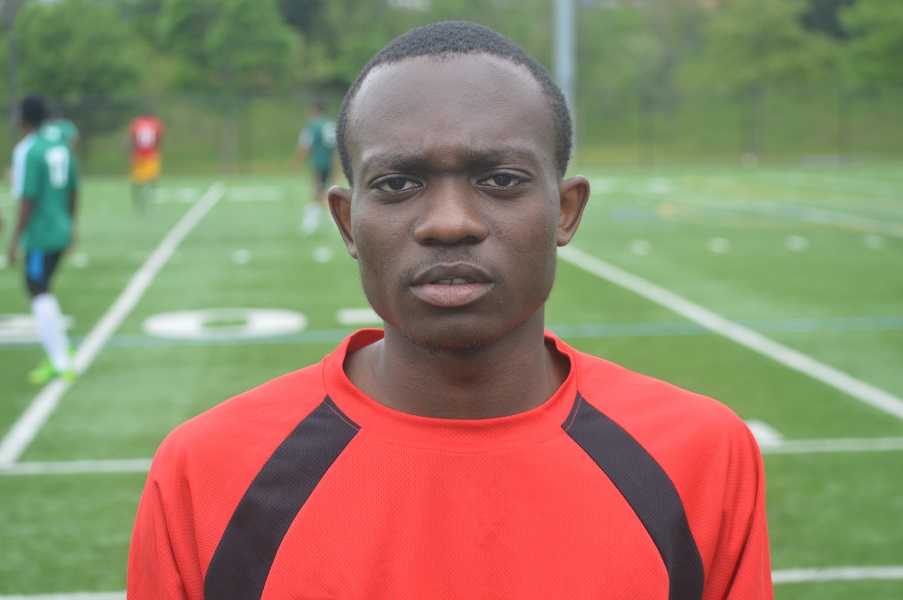
Metuge Esong
Defender
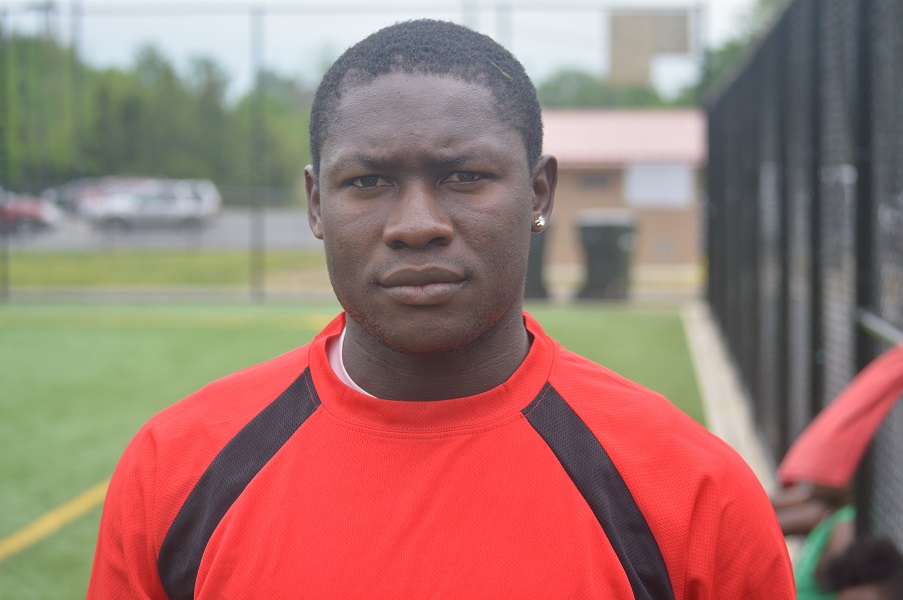
Roland Achu
Midfielder
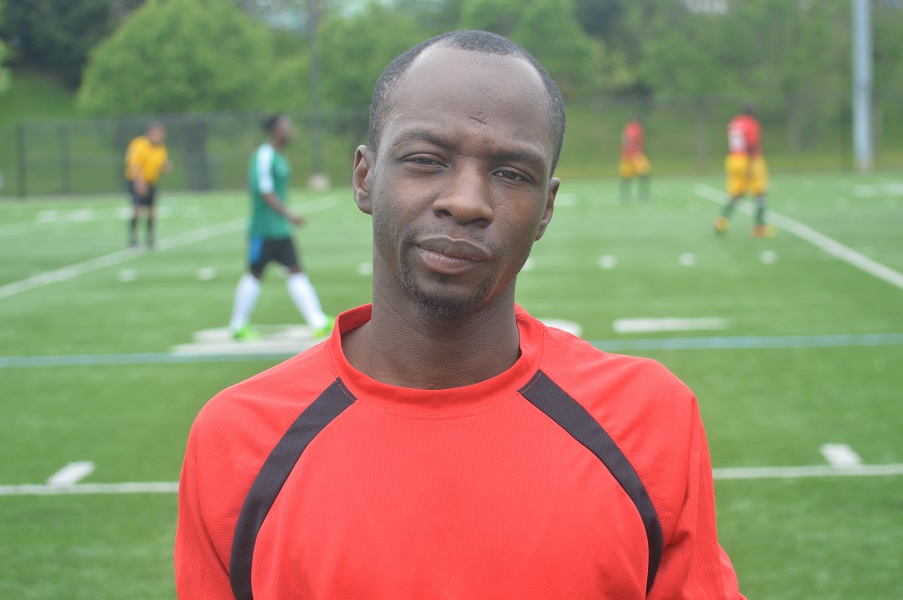
Sam Kehokoh
Midfielder
Thomas Elarson
Forward
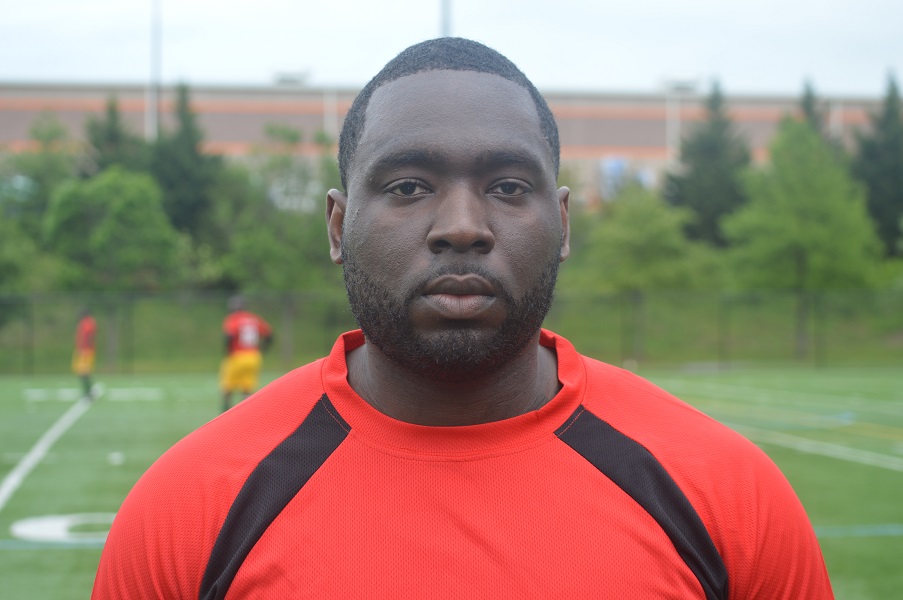
Triston Simon
Midfielder
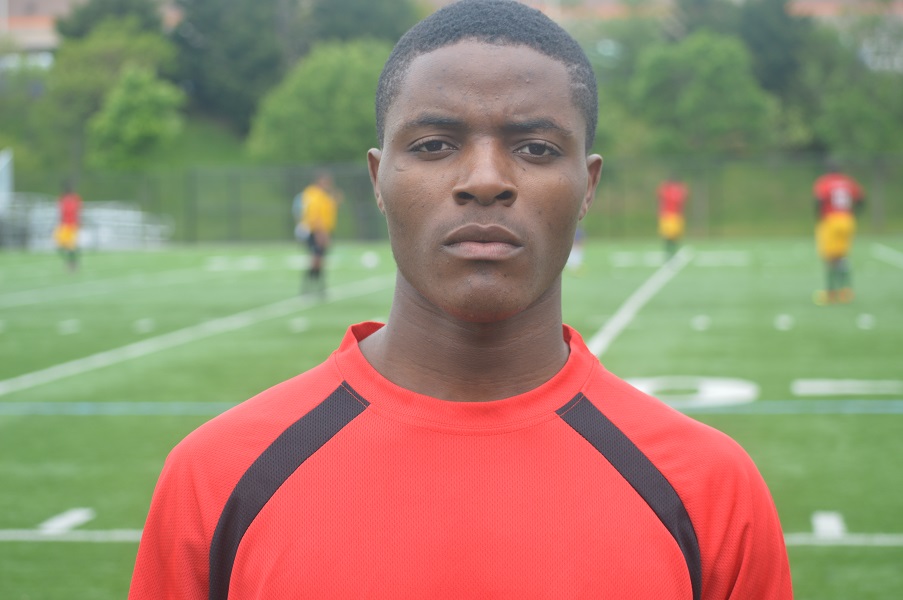
Vede Tebit
Defender
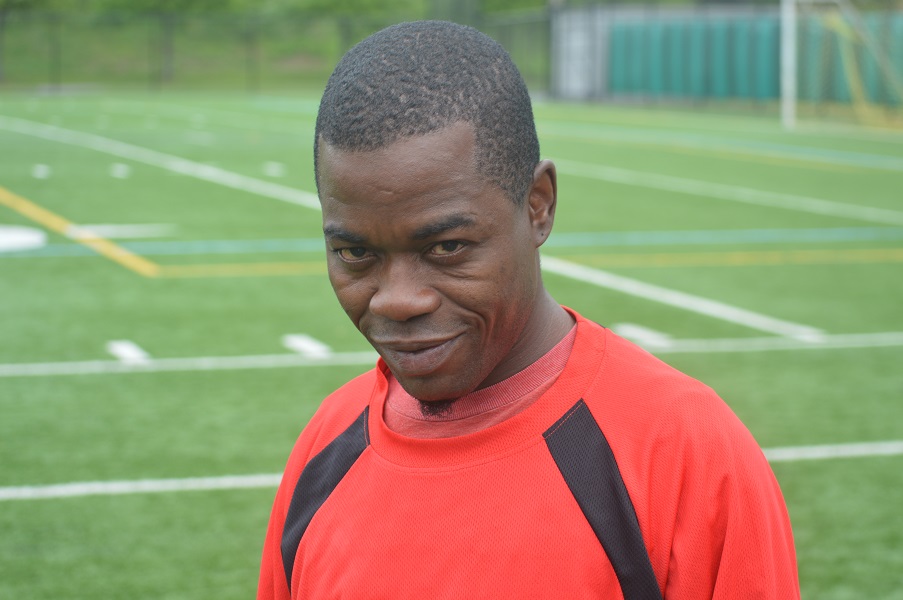
Zabioseh Maning
Defender

Coaching Staff
John Magoba
C
John Magoba
Head Coach