


The Diaspora World Cup operates in some of the major cities and metro areas in
United States and
Canada. Our network of register players includes 20 cities, 200 countries, 400
teams, and 10,000
players. Join our movement to solve the world's most pressing challenges:
Illiteracy
Who We are text will be here Who We are text will be here Who We are text will
be here Who We
are text will be here Who We are text will be here Who We are text will be here
Who We are text
will be here Who We are text will be here Who We are text will be here
What We Do text will be here What We Do text will be here What We Do text will
be here What We
Do text will be here What We Do text will be here What We Do text will be here
What We Do text
will be here What We Do text will be here What We Do text will be here What We
Do text will be
here What We Do text will be here What We Do text will be here
Get Involved text will be here Get Involved text will be here Get Involved text
will be here Get
Involved text will be here Get Involved text will be here Get Involved text will
be here Get
Involved text will be here Get Involved text will be here Get Involved text will
be here Get
Involved text will be here
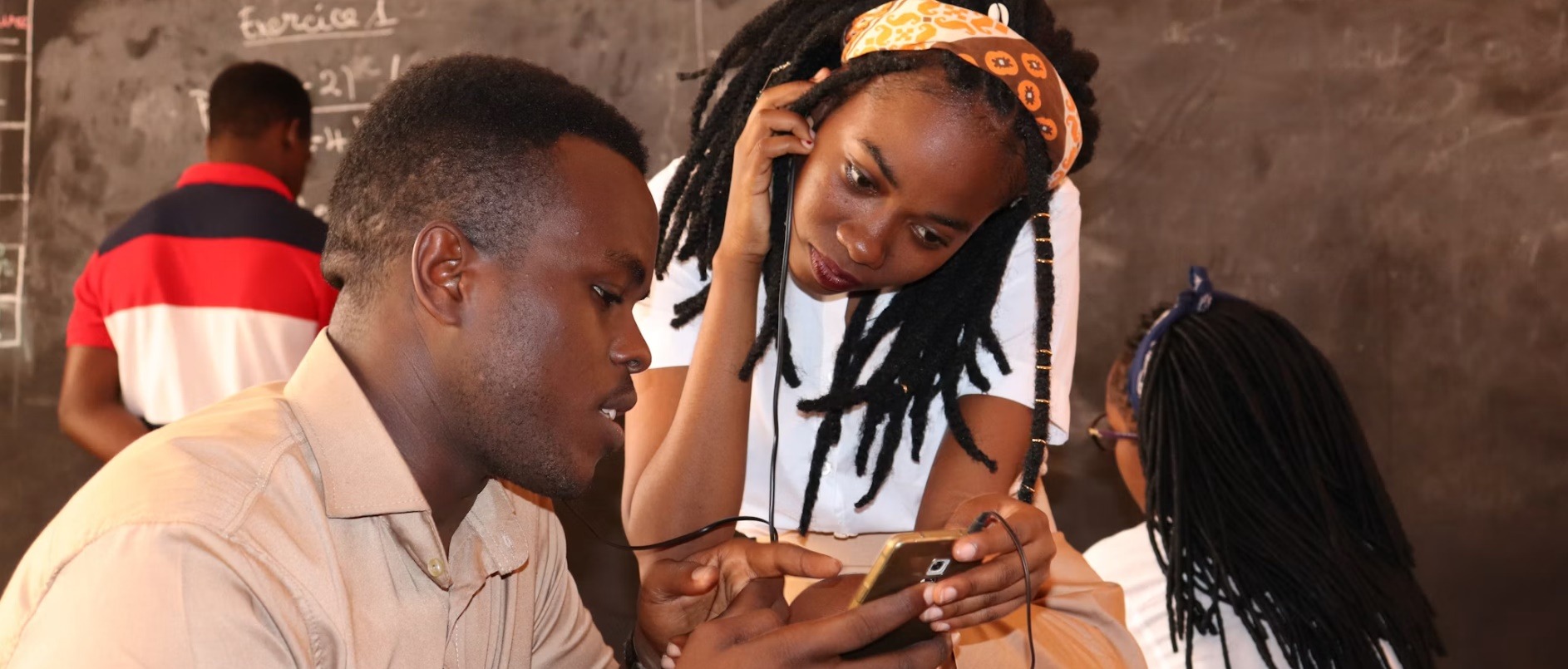
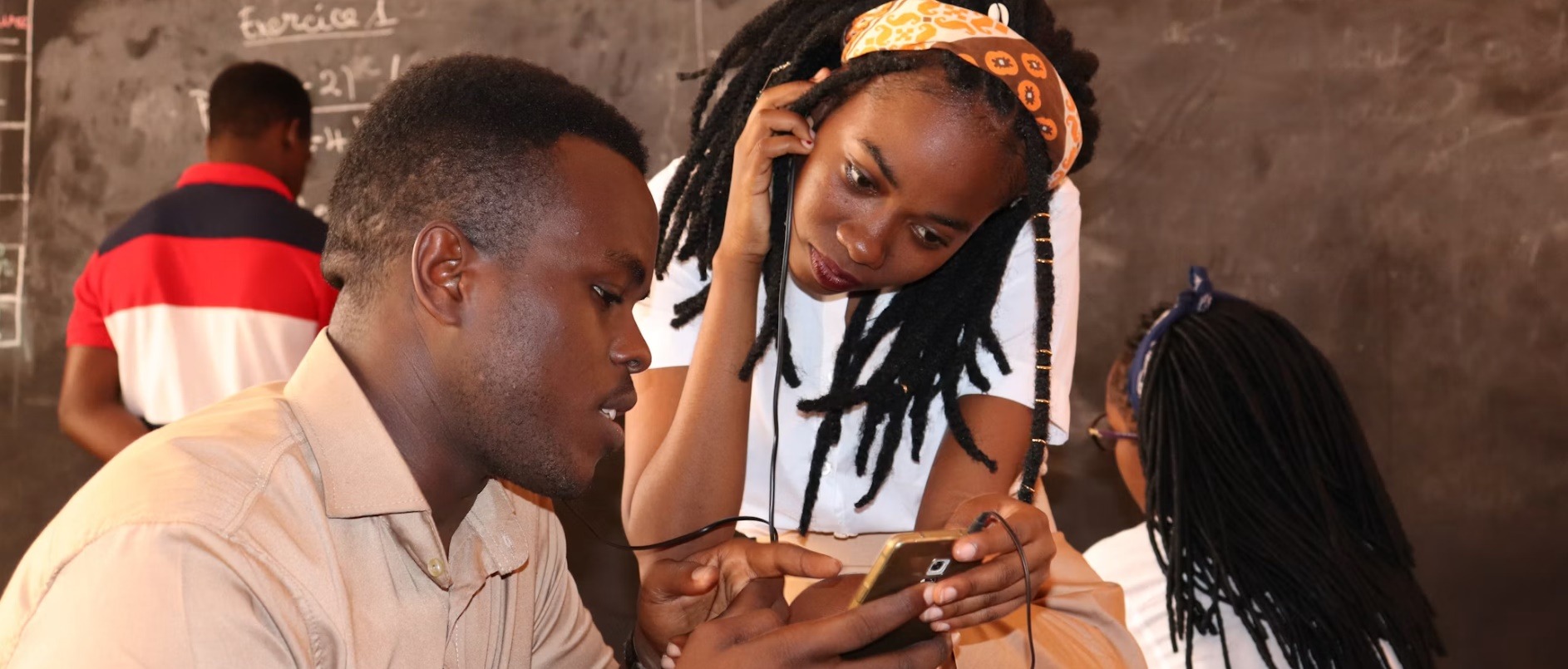
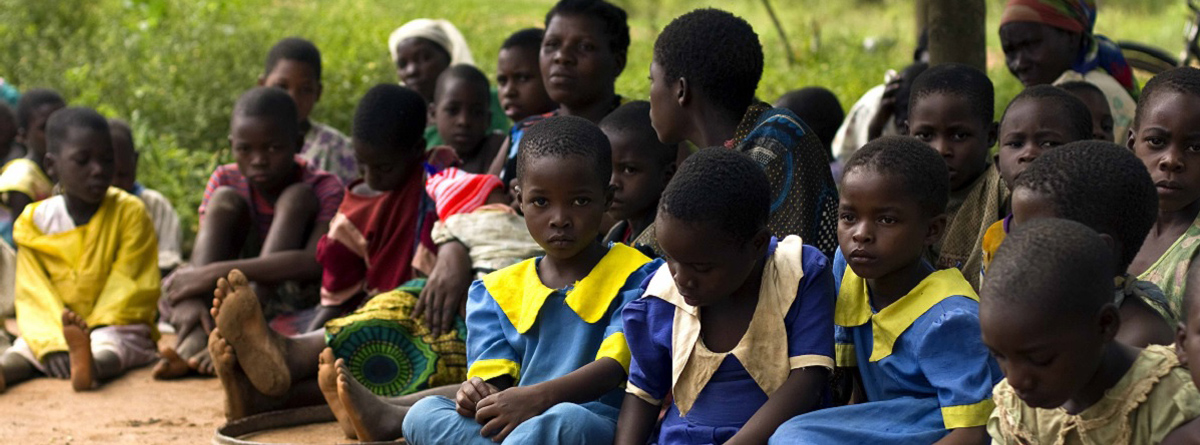
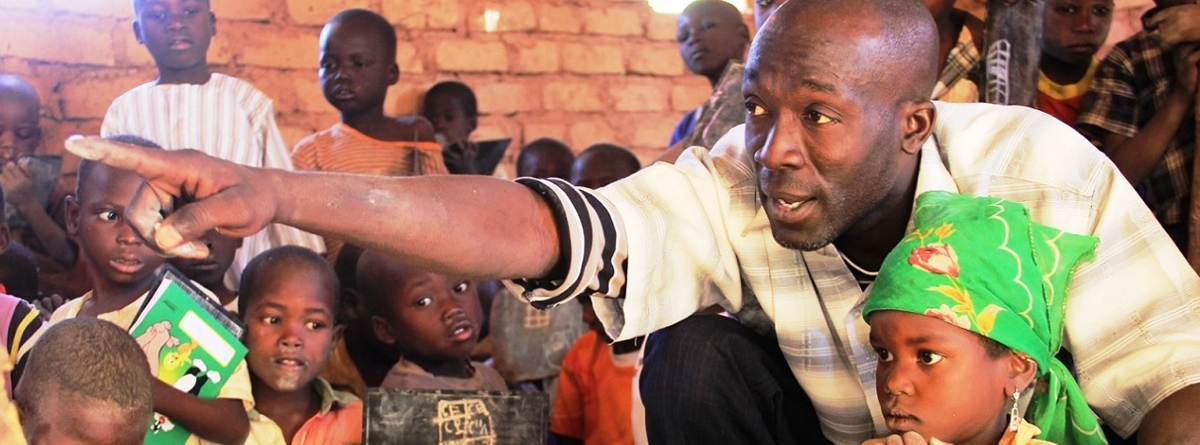
Education is a basic Human Right and the Diaspora World Cup global school
program focuses its
energy in some the poorest countries around the world. We build schools in some
of the poorest
countries around the worldthat historically had no adequate school structure.
Any member of the
World Diaspora has the power to end illiteracy around the world through the
power of soccer.
High-profile sport figures, global leaders, business leaders, political figure,
journalists,
activists, philanthropists, actors, and entrepreneurs united by their commitment
to the Diaspora
World Cup mission to eradicate illiteracy around the world through the power of
soccer. They serve
as role models and spread the Diaspora World Cup vision and commitment of a
world mobilized
through soccer.
Diaspora 2027: complete guide to all players | The Diaspora
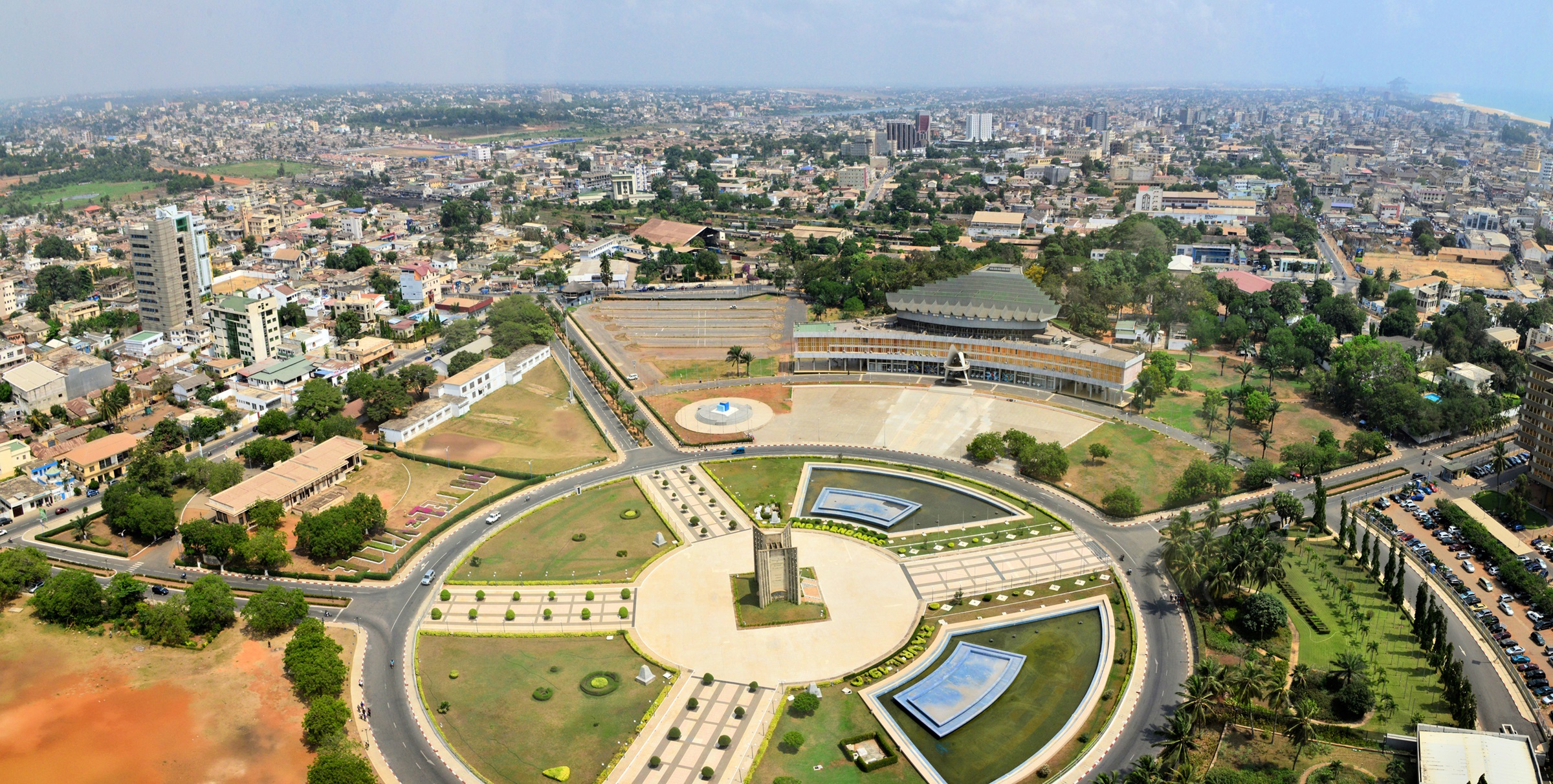
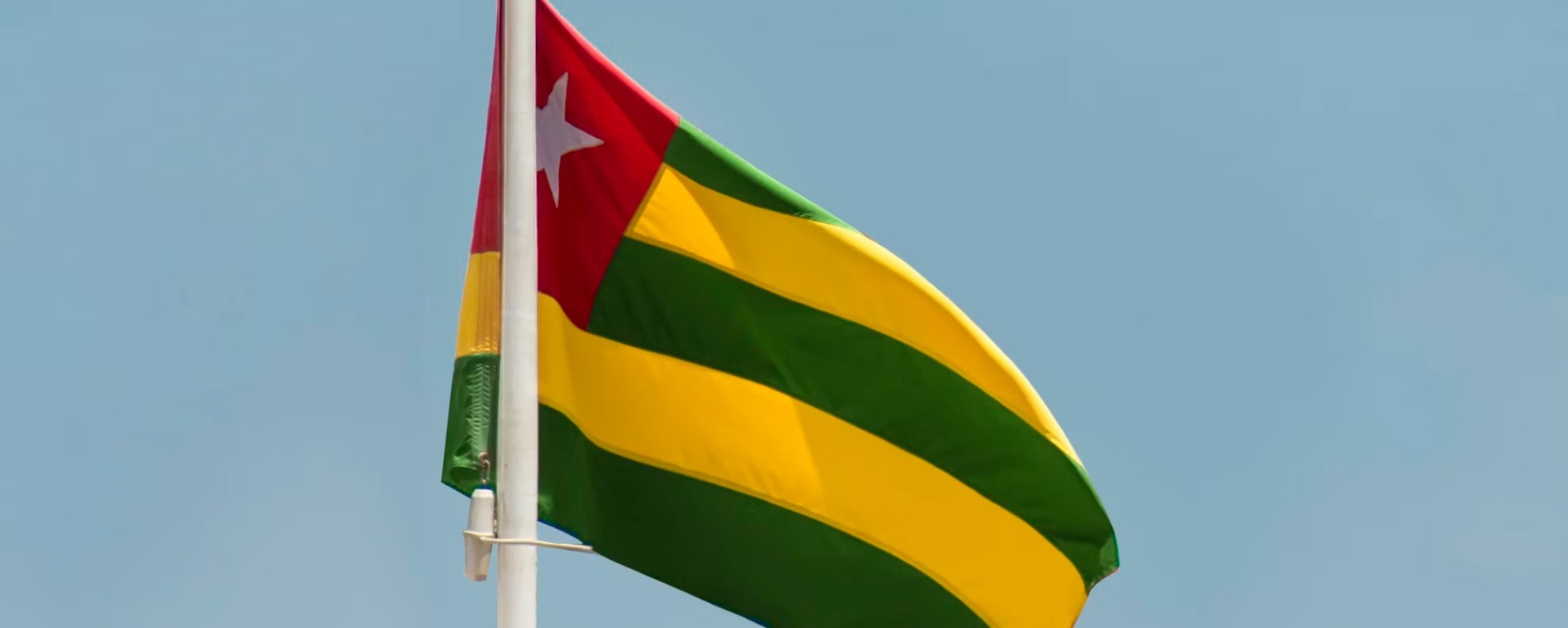
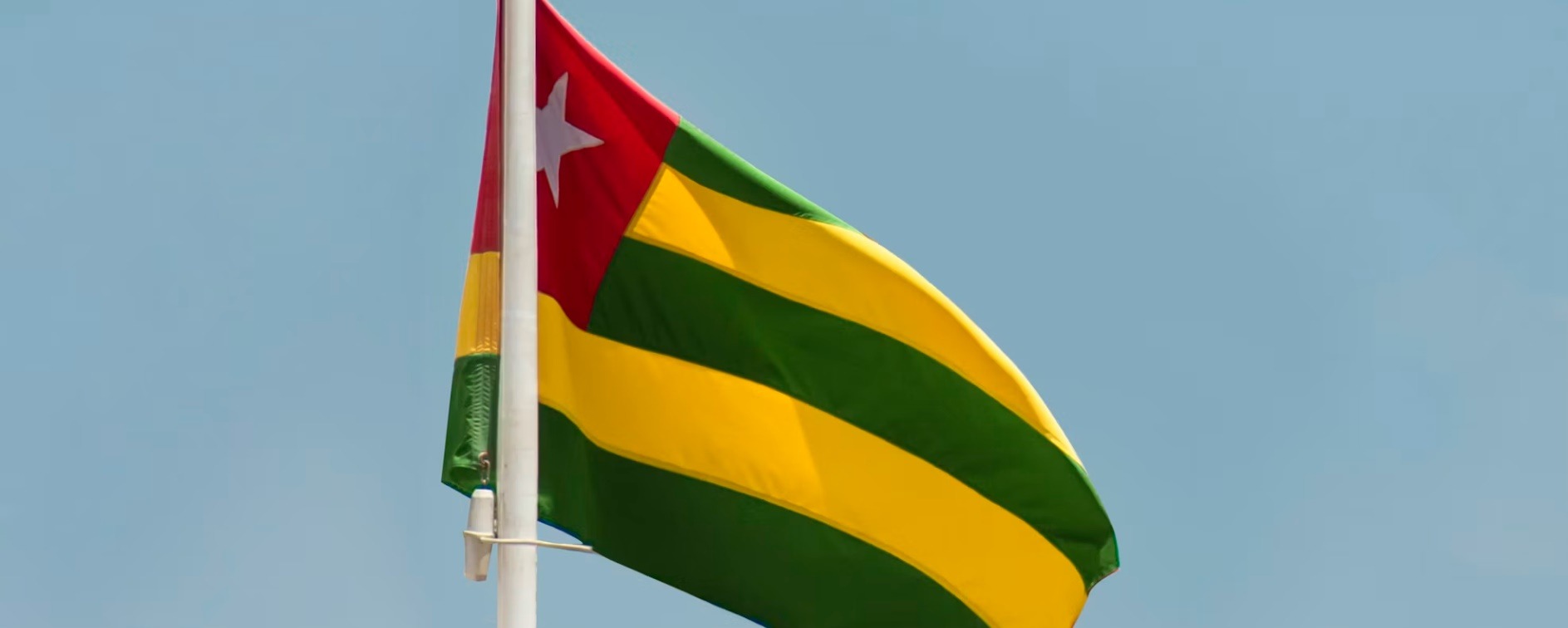
TOGO
Welcome to the 2028 Diaspora World Cup. Silver Spring – Takoma P.
Silver Spring – Takoma P.
Welcome to the 2028 Diaspora World Cup. Silver Spring – Takoma P.
The Togolese diaspora in the DMV (District of Columbia, Maryland, and Virginia) region is a dynamic, highly driven, and rapidly growing West African community. While older waves of Togolese immigrants settled heavily in the Midwest, the DMV has emerged as a premier coastal hub for first-generation professionals, corporate entrepreneurs, diplomatic advisors, and t...The Togolese diaspora in the DMV (District of Columbia, Maryland, and Virginia) region is a dynamic, highly driven, and rapidly growing West African community. While older waves of Togolese immigrants settled heavily in the Midwest, the DMV has emerged as a premier coastal hub fo...
More Information
Chelsea Official
Download The 5th Stand, Chelsea’s official mobile app, to see exclusive content, match action and all the latest news from Stamford Bridge.
More Information
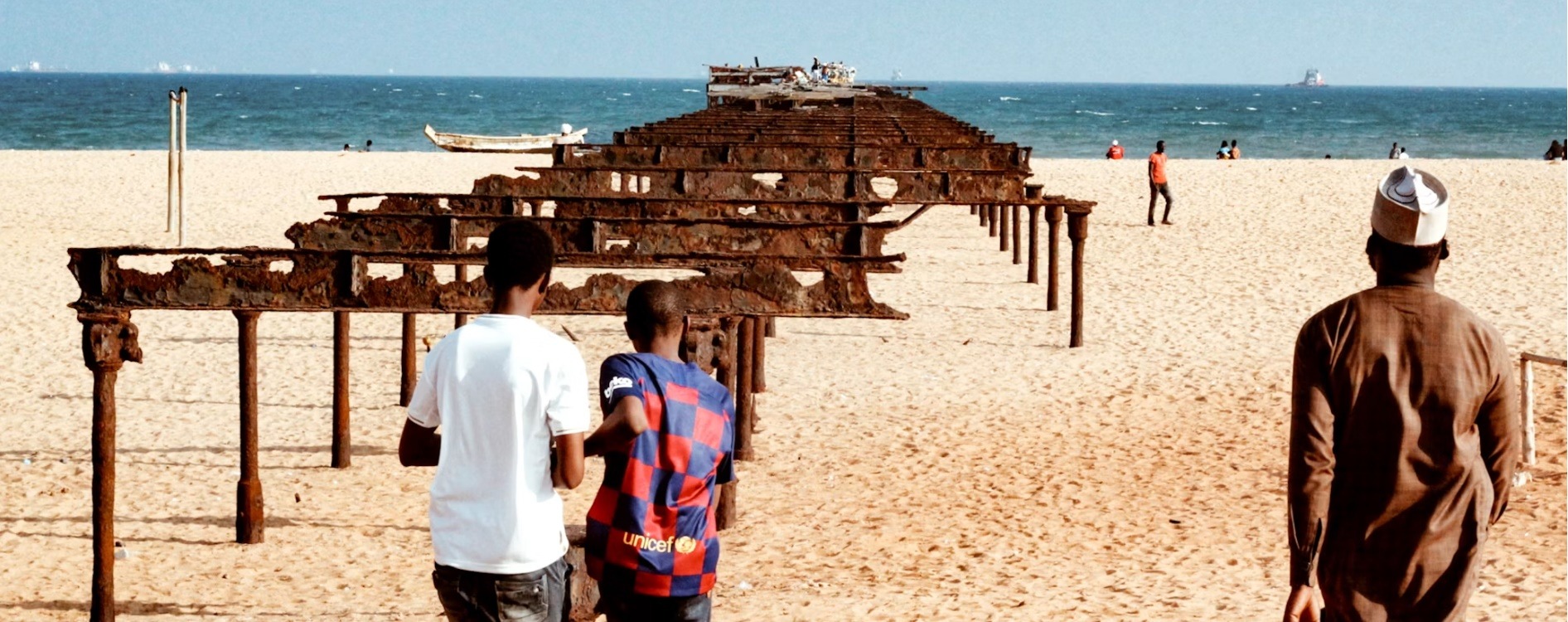
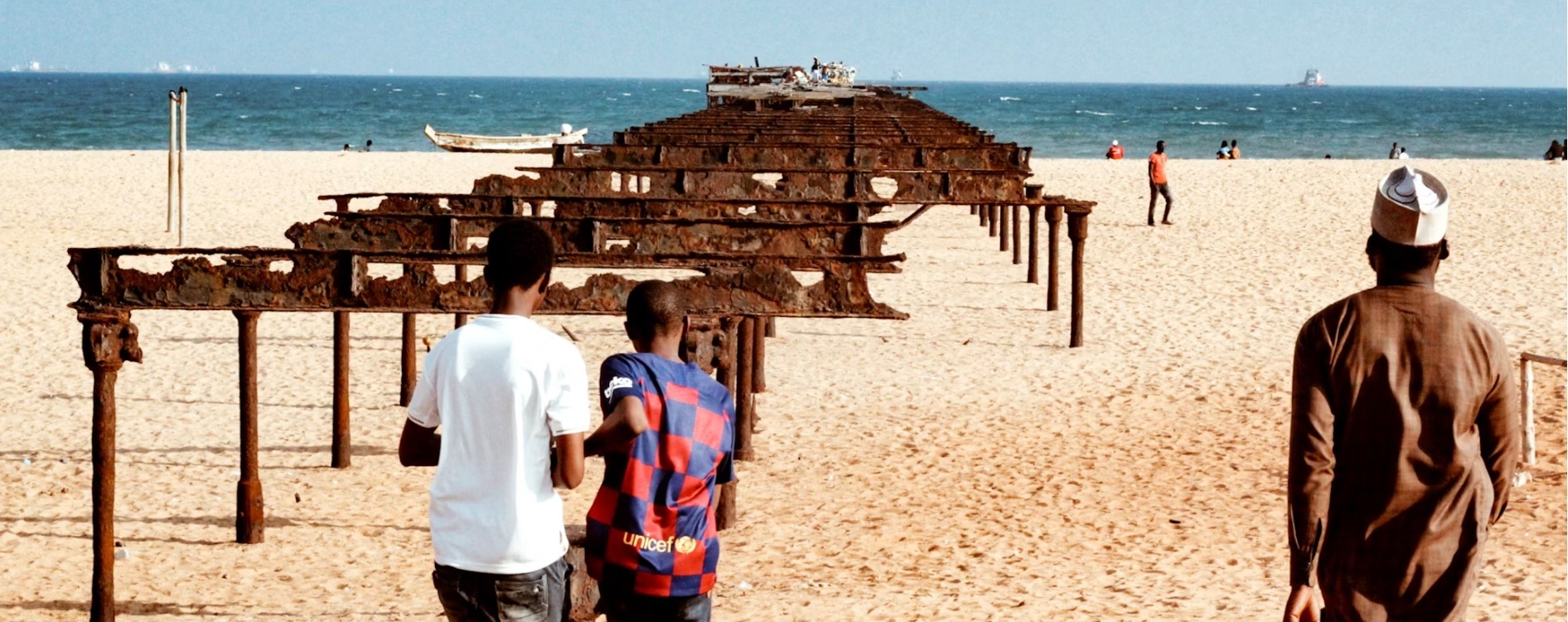
Street Soccer in Togo
Street soccer is a popular part of everyday life in Togo, where children and teenagers regularly play informal football matches in neighbourhood streets, village squares, school playgrounds, community fields, and open spaces. These games provide young players with an enjoyable and affordable way to stay active, develop their football skills, and strengthen friendships through the sport.
The fast-paced style of street soccer encourages close ball control, quick passing, creative dribbling, and intelligent movement. Playing in smaller spaces and on different surfaces helps participants improve their technique, confidence, teamwork, and ability to make quick decisions while adapting to changing match situations.
Street soccer offers an accessible way for communities across Togo to enjoy football without requiring professional facilities or expensive equipment. It promotes healthy lifestyles, strengthens community relationships, and inspires many young players to pursue football through schools, local clubs, academies, and community competitions.
Street Soccer Culture in Togo
Football is one of the most popular sports in Togo, and street soccer is often where many children first develop their love for the game. Informal matches organised by friends, schools, and neighbourhood communities create a lively atmosphere where players of different ages and abilities can participate while sharing their passion for football.
Skills Developed Through Street Soccer
Street soccer helps players improve dribbling, first touch, passing accuracy, shooting technique, agility, balance, ball control, and tactical awareness. Regular games also strengthen communication, creativity, confidence, resilience, and the ability to make quick decisions during fast-paced situations.
Street Soccer and Community Development
Street soccer brings communities together through football while encouraging teamwork, positive youth participation, and active lifestyles. It also provides aspiring players with valuable experience before progressing to school teams, local football clubs, academies, or organised youth football programmes.
The TOGO in the DMV Metro
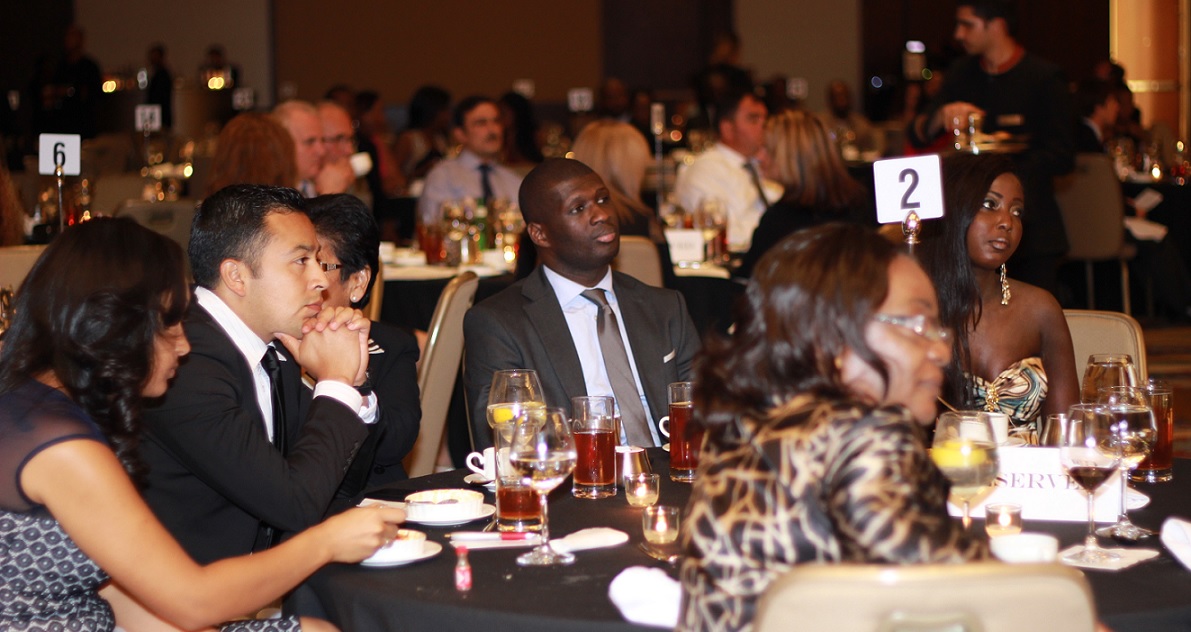
The Togolese diaspora in the DMV (District of Columbia, Maryland, and Virginia) region is a dynamic, highly driven, and rapidly growing West African community. While older waves of Togolese immigrants settled heavily in the Midwest, the DMV has emerged as a premier coastal hub for first-generation professionals, corporate entrepreneurs, diplomatic advisors, and tech-sector experts. The community bridges its rich Francophone and West African traditions with active civic engagement and economic support for Togo.
⚡ The New Guard: Gen-Z and First-Gen Collectives
One of the most defining traits of the DMV’s Togolese diaspora is its energetic, youth-led cultural footprint, which has created a massive regional network:
Project 228 (DMV): Named after Togo’s international telephone country code (+228), Project 228 is a prominent collective of Gen-Z and millennial first-generation Togolese-Americans. They focus on preserving Francophone language lines and Togolese traditions while building modern professional networks.
Woezon Day Parties: Project 228 routinely hosts high-visibility public events like the Woezon: Togolese Independence Day Party (Woezon meaning "Welcome" in the Ewe language). Held every April, these regional gatherings bring together the wider African diaspora for live celebrations featuring Afrobeats, Amapiano, and Francophone music alongside traditional Togolese cuisine.
Cultural Cross-Pollination: The community is highly visible in Washington D.C.'s nightlife and creative landscape, collaborating with prominent local networks like AmapianoDMV to highlight Togolese-born dancers, artists, and event hosts.
🏛️ Diplomatic Frameworks and Investment Channels
Because it centers on the nation's capital, the diaspora maintains strong institutional networks designed to foster transatlantic growth:
The Embassy of Togo: Located on Massachusetts Avenue NW (Embassy Row), the Embassy of the Togolese Republic serves as the administrative anchor for the tri-state area. It provides consular, passport, and citizenship services to local expats while hosting official bilateral briefings.
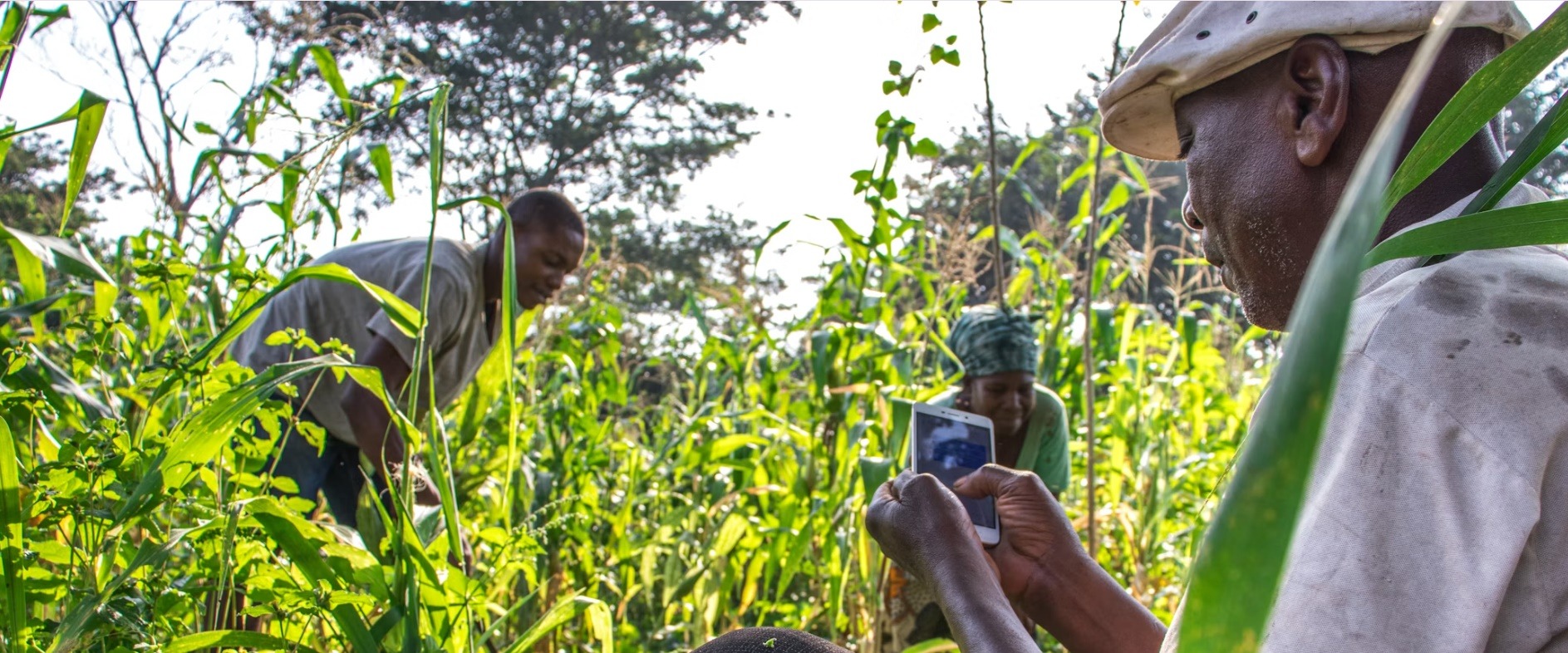
Diaspora Investment Funds: Local professionals frequently use Washington as a launching pad for international growth. High-profile financial initiatives, such as specialized diaspora investment funds, have been officially launched in D.C. to channel capital directly from DMV professionals into infrastructural, agricultural, and technological startups back home in Togo.
Significance
Togolese migration has generally reflected regional trade, family relationships, education, employment opportunities, political instability, and the search for greater economic security in other West African countries, Europe, and North America.
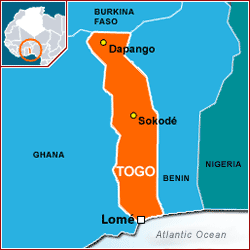
Togolese migration developed from long-established West African traditions of trade, farming, marriage, seasonal work, and family connections between neighbouring communities. These movements existed before modern borders separated the peoples of present-day Togo, Ghana, Benin, and Burkina Faso. Migration increased during the colonial period as roads, railways, plantations, mines, ports, and administrative centres created new employment opportunities. During the twentieth century, many Togolese relocated to Ghana, Benin, Nigeria, and Côte d’Ivoire, while smaller numbers travelled to France, Germany, the United States, and other countries for education, professional employment, family reunification, or political protection. Migrants continued to maintain close relationships with Togo through financial support, family visits, religious organisations, cultural associations, and the preservation of Togolese languages and traditions.
Togolese Migration Before European Colonial Rule
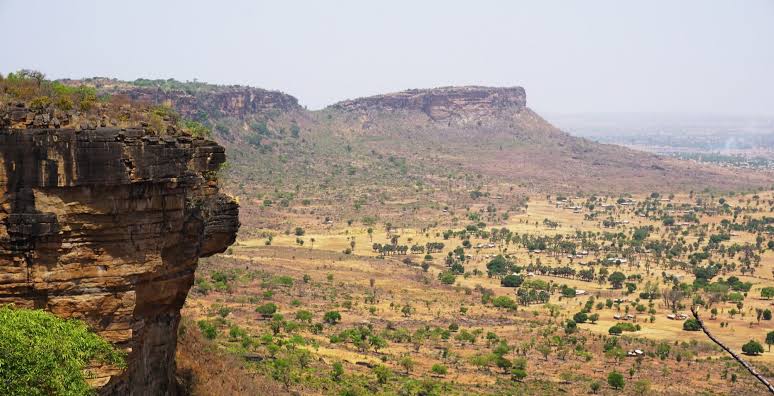
Migration within the region existed centuries before European colonial rule, as different communities moved in search of fertile land, water, security, trade opportunities, and new settlements. The area that became Togo was populated through several historical migration movements involving Ewe, Mina, Kabye, Tem, Gurma, and other communities. Coastal groups developed commercial and cultural relationships with neighbouring regions, while northern communities participated in trade routes connecting the savannah and coastal areas. European merchants, missionaries, and explorers later arrived along the West African coast. Germany declared Togo a protectorate in 1884 and gradually established colonial control over the territory. Following Germany’s defeat in World War I, Togoland was divided between British and French administration, separating some related communities across newly established colonial borders.
Twentieth-Century Migration
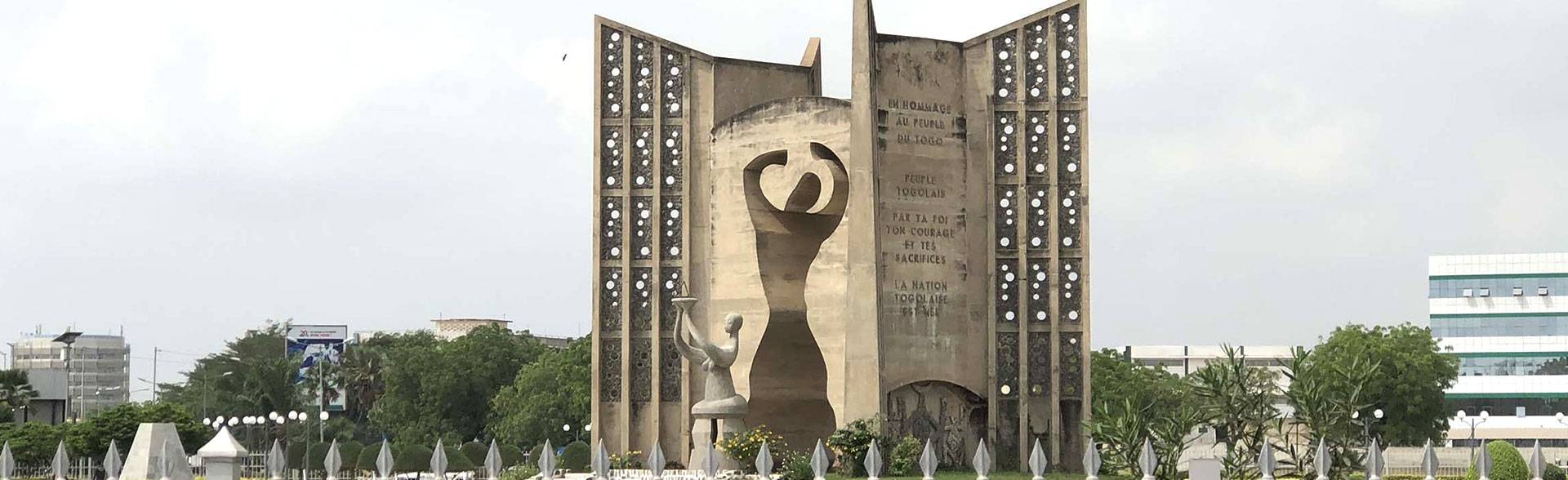
Togolese migration increased during the twentieth century as colonial labour systems, transportation networks, urban development, and regional industries created demand for workers. Many Togolese travelled to Ghana, Nigeria, Benin, and Côte d’Ivoire for employment in agriculture, commerce, construction, mining, domestic service, and other occupations. Togo achieved independence from French administration on April 27, 1960, but limited employment, economic difficulties, education, and family connections continued to encourage overseas movement. Political unrest during the early 1990s caused hundreds of thousands of Togolese, particularly residents of Lomé and surrounding areas, to seek temporary safety in neighbouring countries. Togolese communities abroad later established churches, cultural organisations, businesses, and extended-family networks that helped new arrivals find housing and employment while maintaining their languages, religious practices, family responsibilities, and connections with relatives living in Togo.
Lorem ipsum dolor sit amet, consectetur adipiscing elit, sed do eiusmod tempor incididunt ut
labore et dolore magna aliqua. Ut enim ad minim veniam, quis nostrud exercitation ullamco
laboris nisi ut aliquip ex ea commodo consequat. Duis aute irure dolor in
reprehenderit in voluptate velit esse cillum dolore eu fugiat nulla pariatur.