


Responsive Header
  • Where We Work
  • Cameroon
  • The Diaspora World Cup operates in some of the major cities and metro areas in United States and Canada. Our network of register players includes 20 cities, 200 countries, 400 teams, and 10,000 players. Join our movement to solve the world's most pressing challenges: Illiteracy
  • Who We are text will be here Who We are text will be here Who We are text will be here Who We are text will be here Who We are text will be here Who We are text will be here Who We are text will be here Who We are text will be here Who We are text will be here
  • What We Do text will be here What We Do text will be here What We Do text will be here What We Do text will be here What We Do text will be here What We Do text will be here What We Do text will be here What We Do text will be here What We Do text will be here What We Do text will be here What We Do text will be here What We Do text will be here
  • Get Involved text will be here Get Involved text will be here Get Involved text will be here Get Involved text will be here Get Involved text will be here Get Involved text will be here Get Involved text will be here Get Involved text will be here Get Involved text will be here Get Involved text will be here
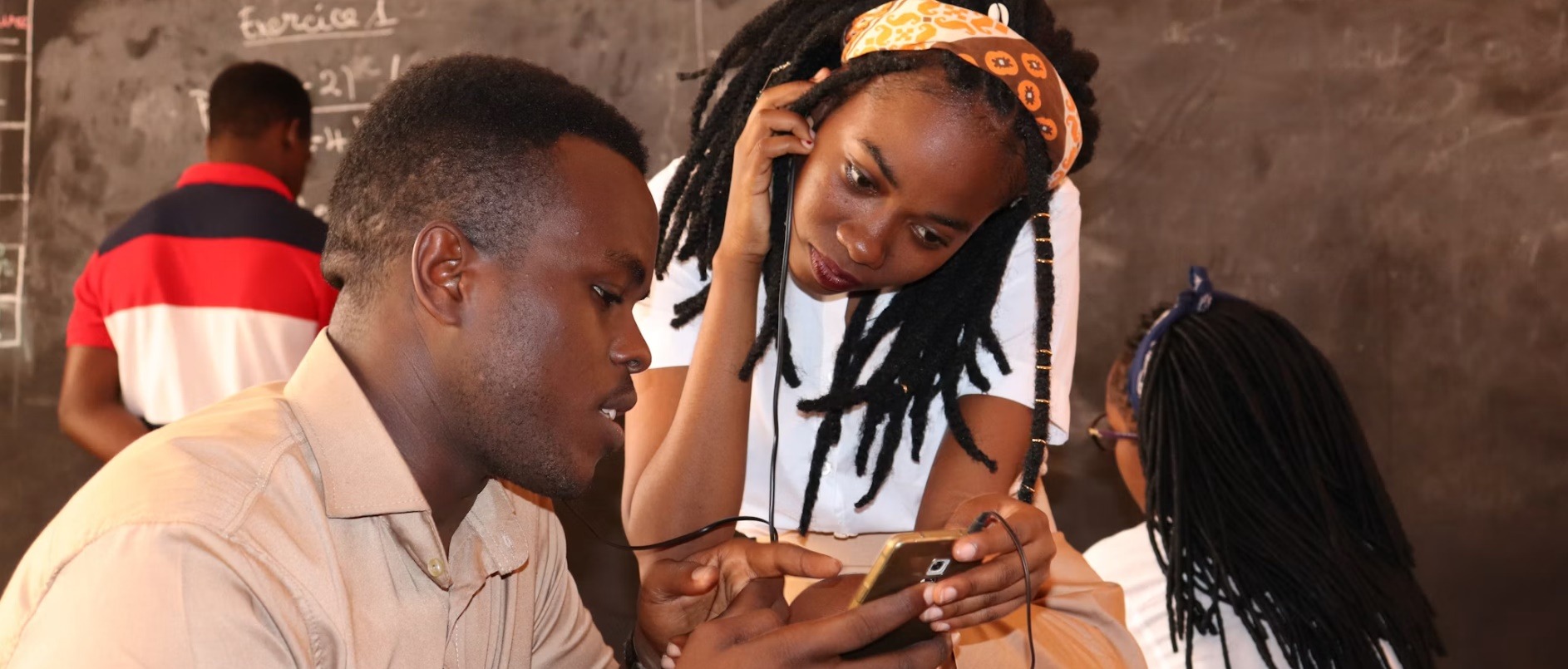
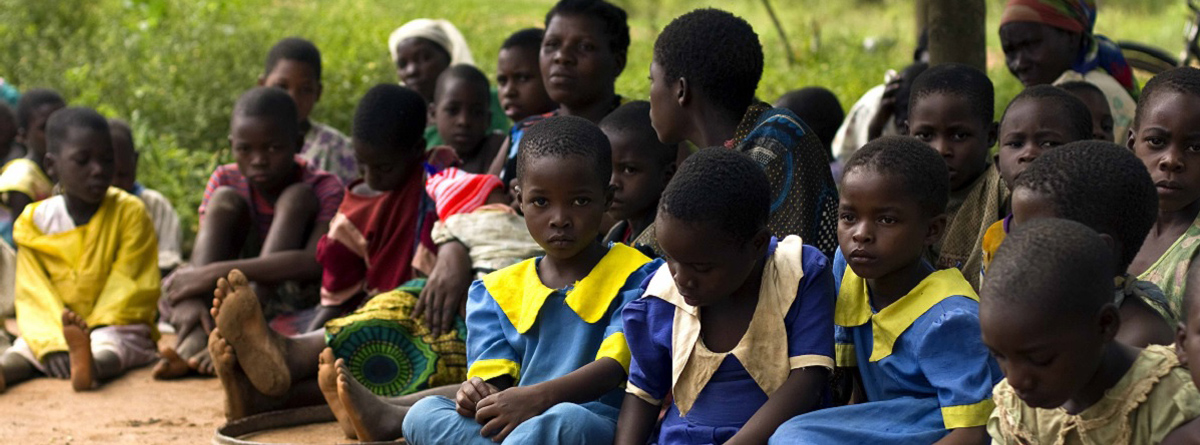
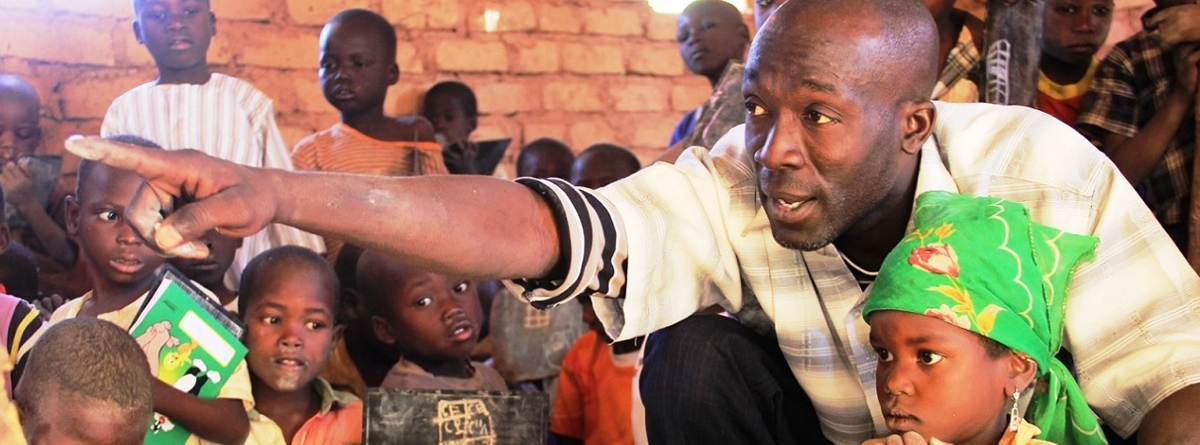
  • Education is a basic Human Right and the Diaspora World Cup global school program focuses its energy in some the poorest countries around the world. We build schools in some of the poorest countries around the worldthat historically had no adequate school structure. Any member of the World Diaspora has the power to end illiteracy around the world through the power of soccer.
  • High-profile sport figures, global leaders, business leaders, political figure, journalists, activists, philanthropists, actors, and entrepreneurs united by their commitment to the Diaspora World Cup mission to eradicate illiteracy around the world through the power of soccer. They serve as role models and spread the Diaspora World Cup vision and commitment of a world mobilized through soccer.
  •  
  •  
Diaspora 2027: complete guide to all players | The Diaspora
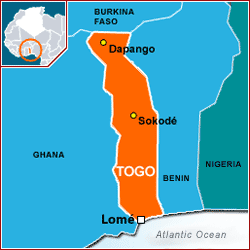
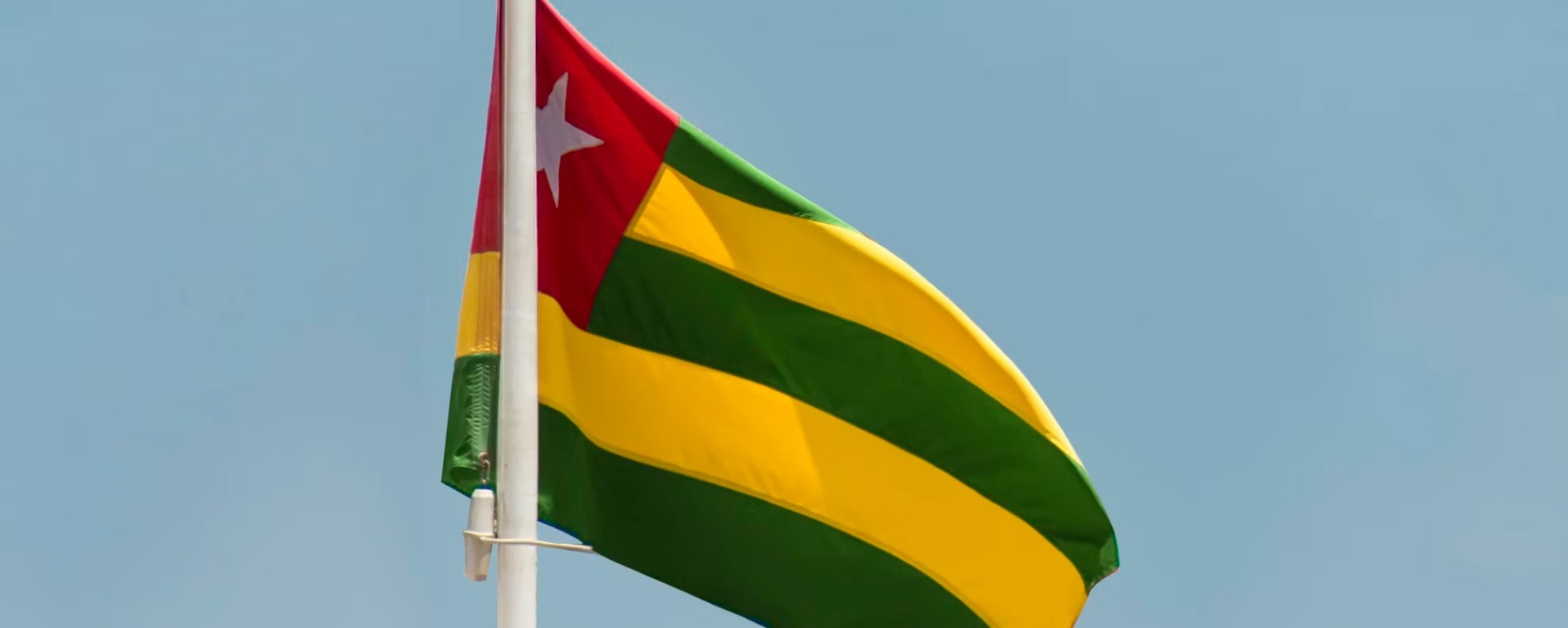
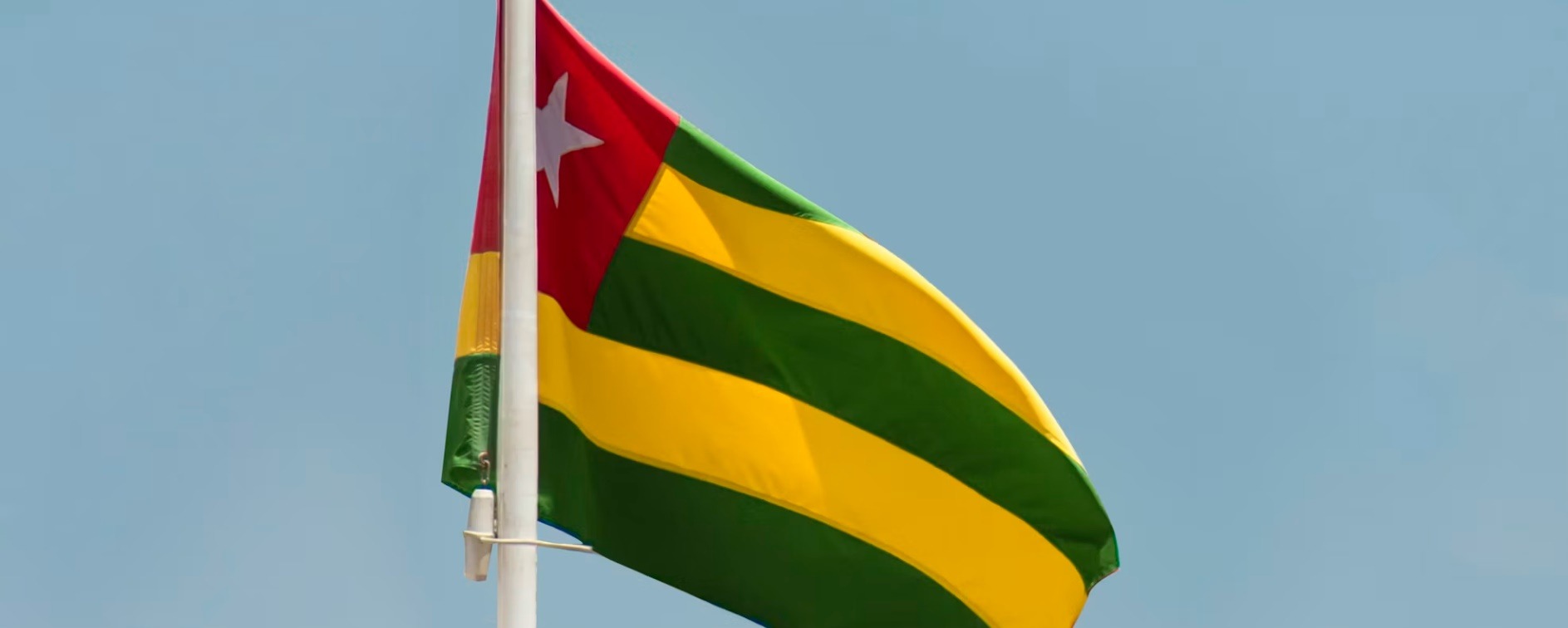
TOGO
Silver Spring – Takoma P.
Welcome to the 2027 Diaspora World Cup.
Silver Spring – Takoma P.

Significance

Togolese migration has generally reflected regional trade, family relationships, education, employment opportunities, political instability, and the search for greater economic security in other West African countries, Europe, and North America.

Togolese migration developed from long-established West African traditions of trade, farming, marriage, seasonal work, and family connections between neighbouring communities. These movements existed before modern borders separated the peoples of present-day Togo, Ghana, Benin, and Burkina Faso. Migration increased during the colonial period as roads, railways, plantations, mines, ports, and administrative centres created new employment opportunities. During the twentieth century, many Togolese relocated to Ghana, Benin, Nigeria, and Côte d’Ivoire, while smaller numbers travelled to France, Germany, the United States, and other countries for education, professional employment, family reunification, or political protection. Migrants continued to maintain close relationships with Togo through financial support, family visits, religious organisations, cultural associations, and the preservation of Togolese languages and traditions.

Togolese Migration Before European Colonial Rule

Migration within the region existed centuries before European colonial rule, as different communities moved in search of fertile land, water, security, trade opportunities, and new settlements. The area that became Togo was populated through several historical migration movements involving Ewe, Mina, Kabye, Tem, Gurma, and other communities. Coastal groups developed commercial and cultural relationships with neighbouring regions, while northern communities participated in trade routes connecting the savannah and coastal areas. European merchants, missionaries, and explorers later arrived along the West African coast. Germany declared Togo a protectorate in 1884 and gradually established colonial control over the territory. Following Germany’s defeat in World War I, Togoland was divided between British and French administration, separating some related communities across newly established colonial borders.

Twentieth-Century Migration

Togolese migration increased during the twentieth century as colonial labour systems, transportation networks, urban development, and regional industries created demand for workers. Many Togolese travelled to Ghana, Nigeria, Benin, and Côte d’Ivoire for employment in agriculture, commerce, construction, mining, domestic service, and other occupations. Togo achieved independence from French administration on April 27, 1960, but limited employment, economic difficulties, education, and family connections continued to encourage overseas movement. Political unrest during the early 1990s caused hundreds of thousands of Togolese, particularly residents of Lomé and surrounding areas, to seek temporary safety in neighbouring countries. Togolese communities abroad later established churches, cultural organisations, businesses, and extended-family networks that helped new arrivals find housing and employment while maintaining their languages, religious practices, family responsibilities, and connections with relatives living in Togo.

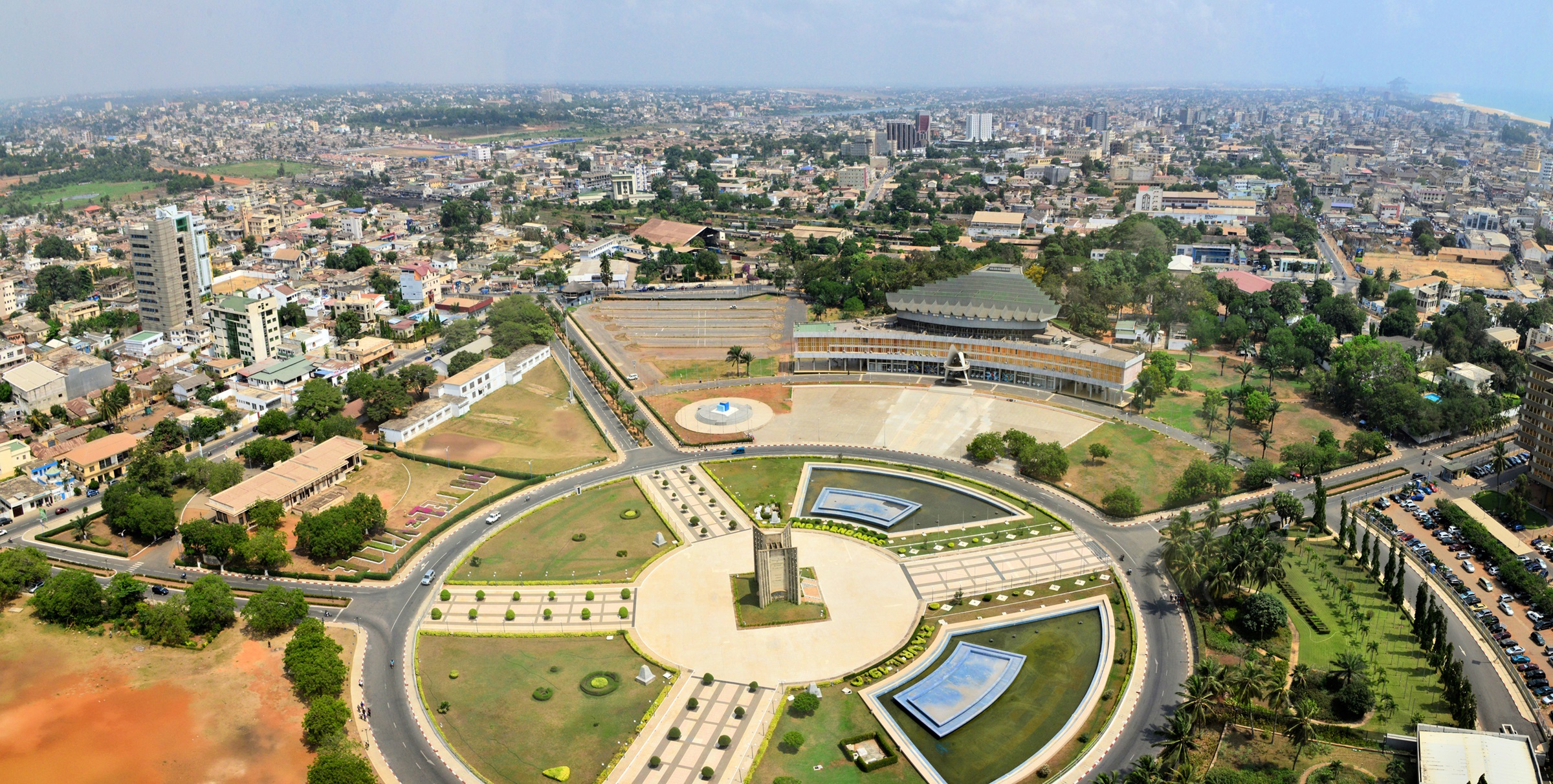
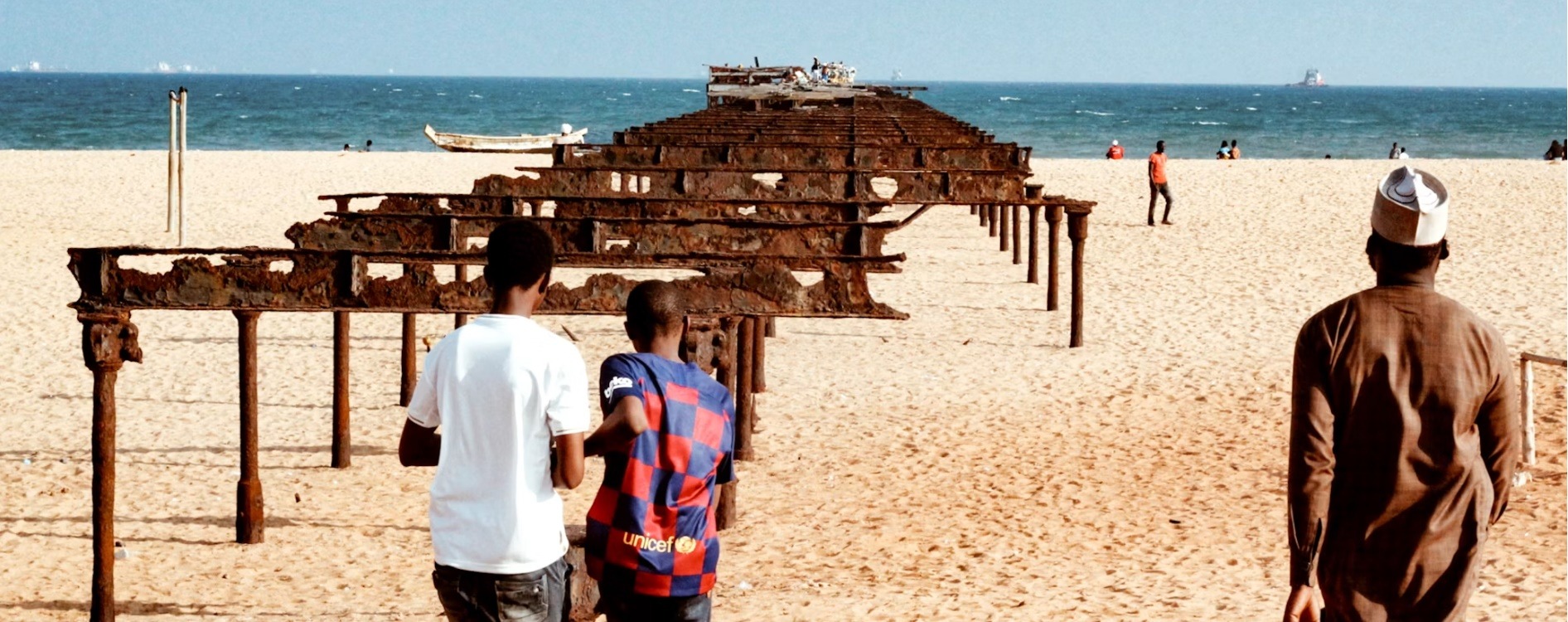
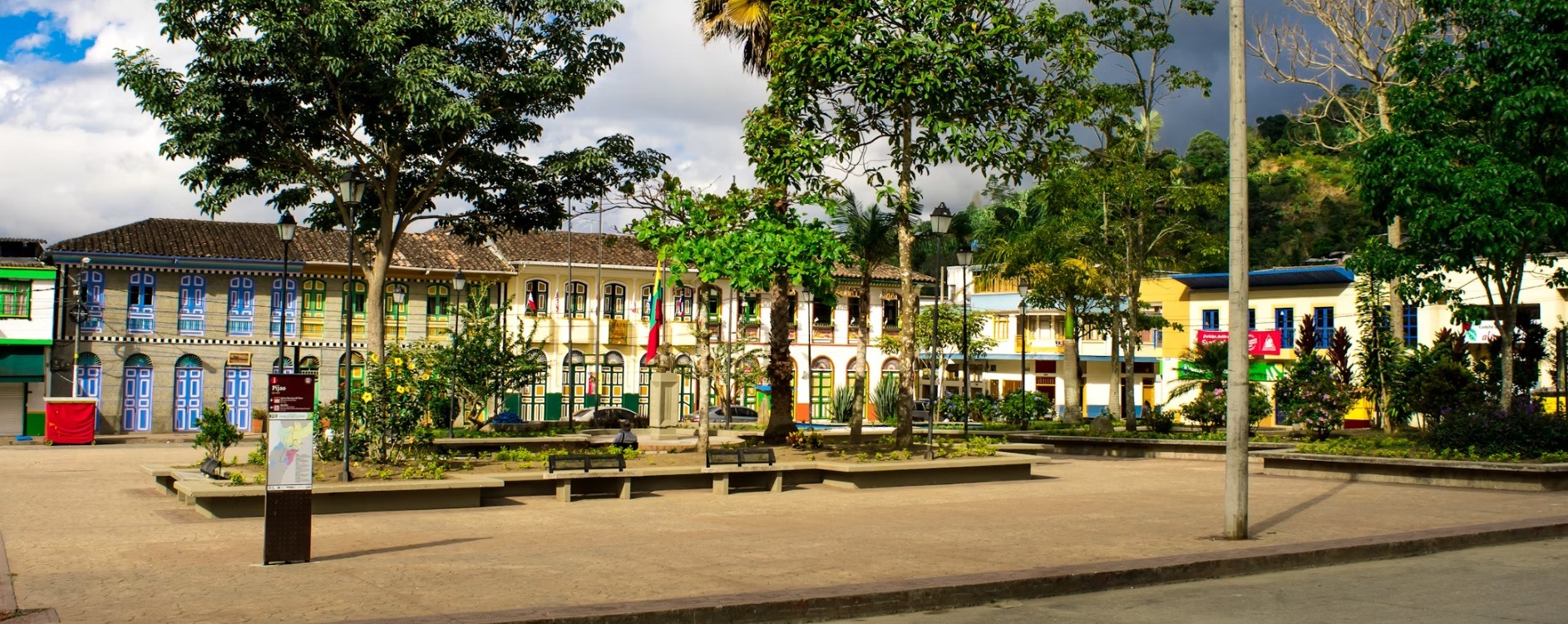
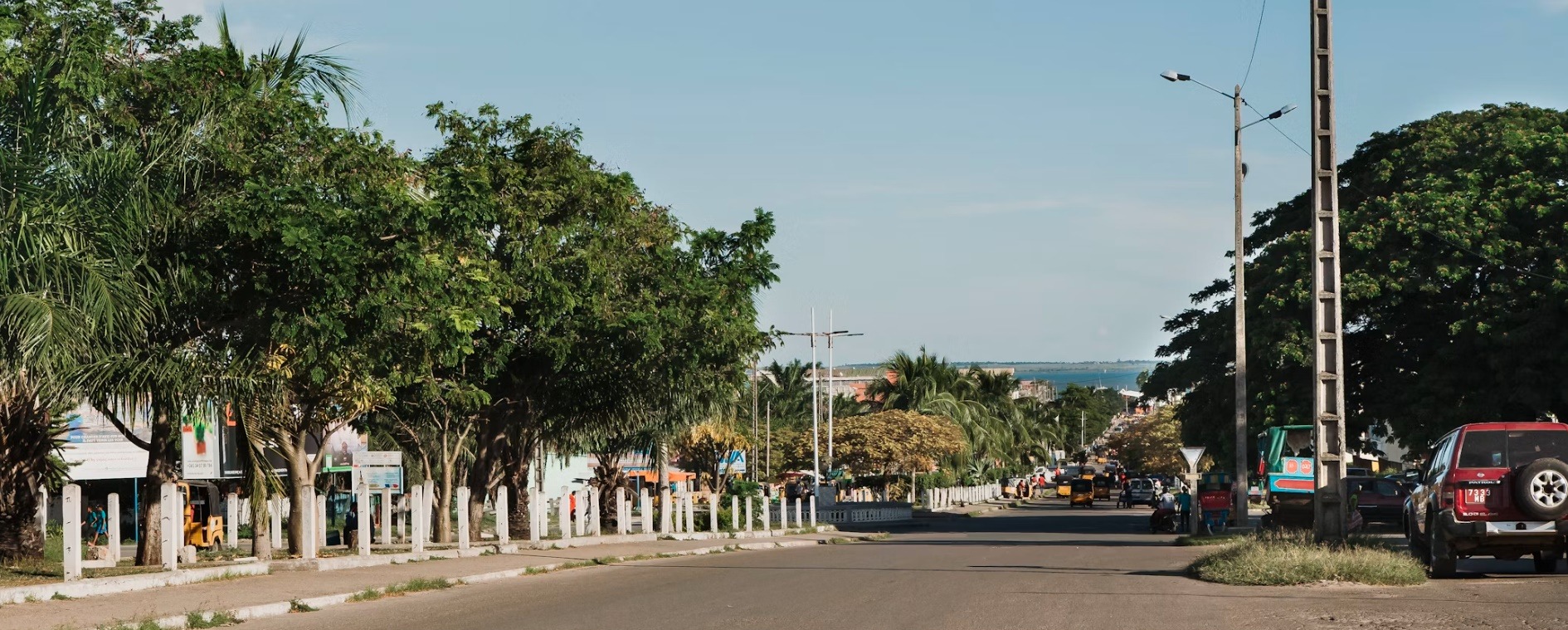
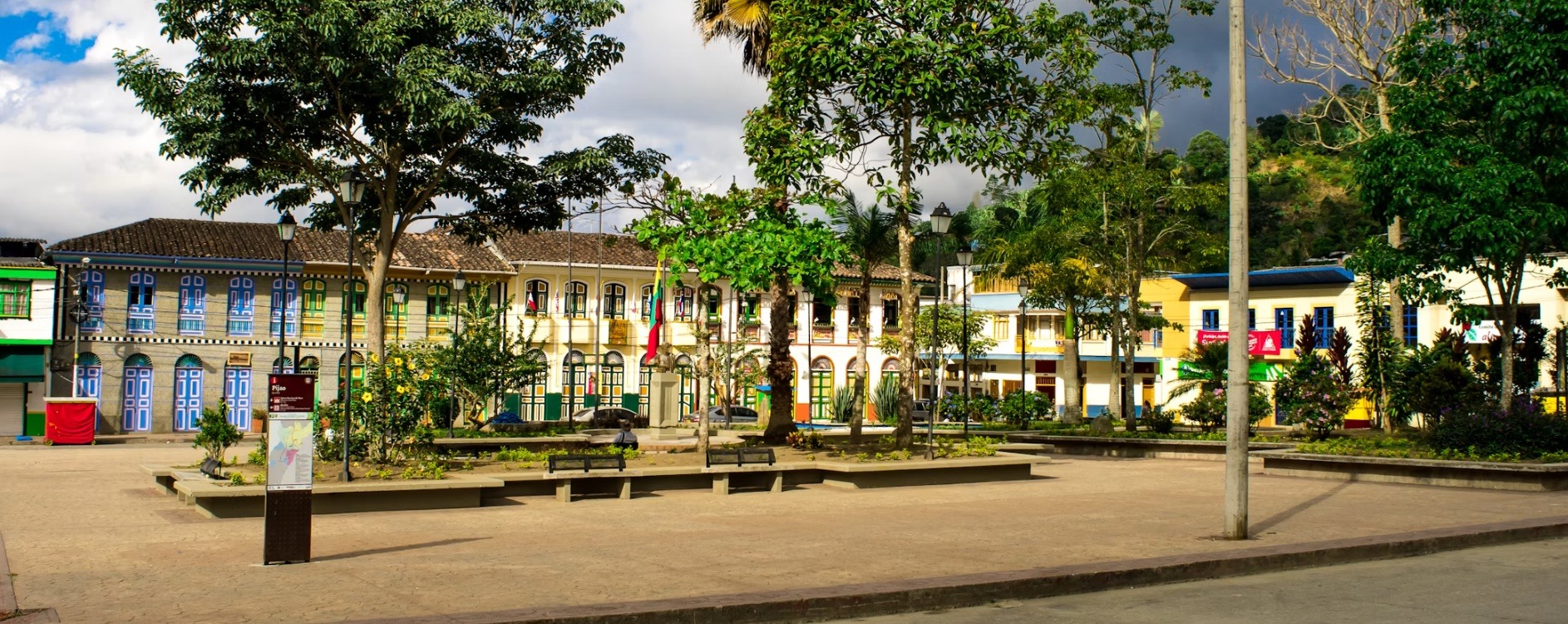
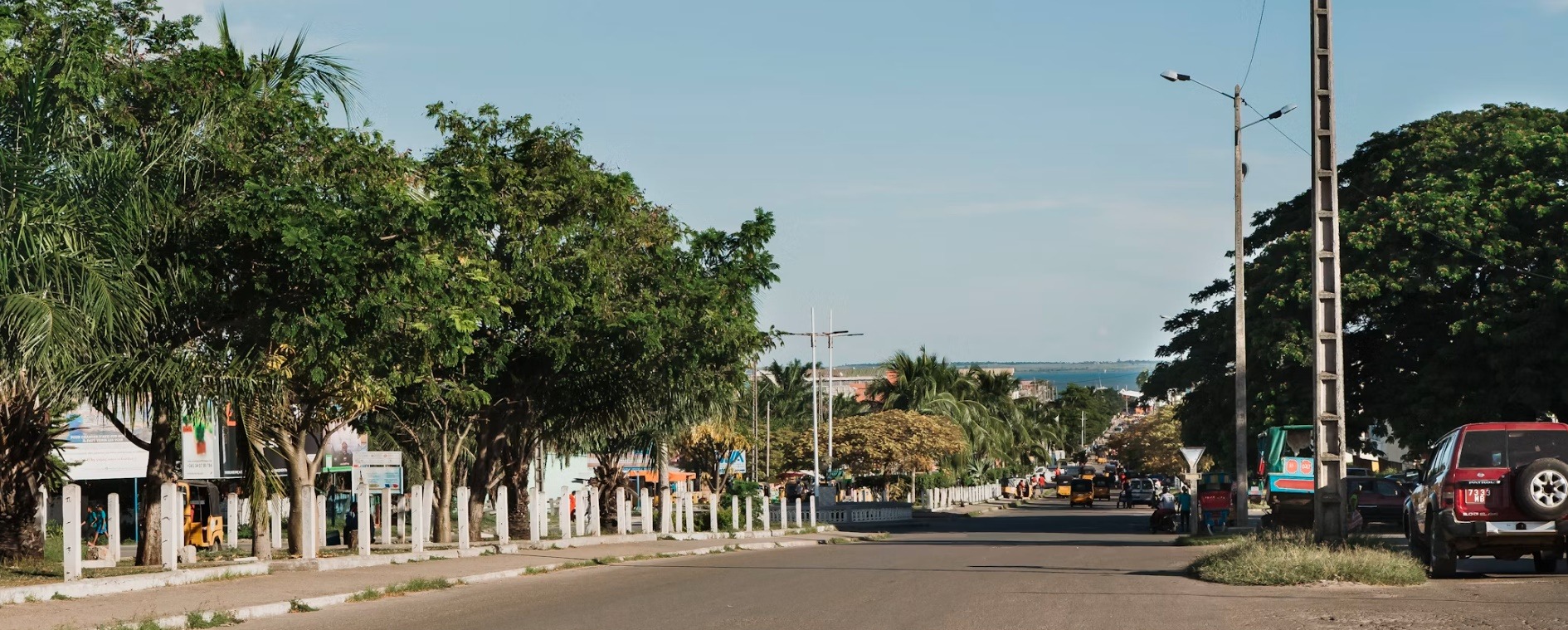
Togo country image
Togo country image
Togo country image
Togo country image
Togo country image
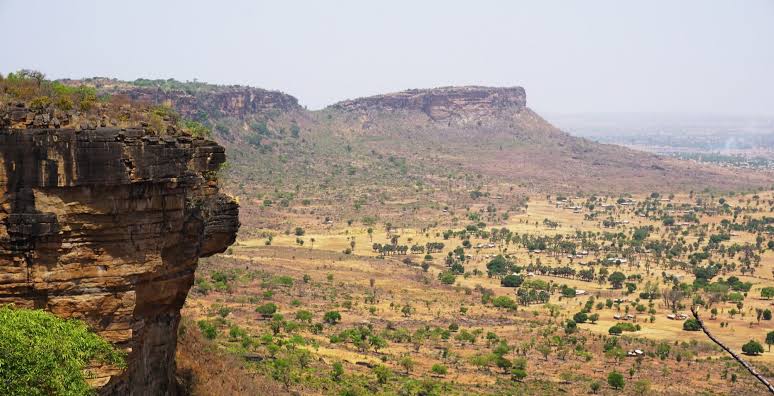
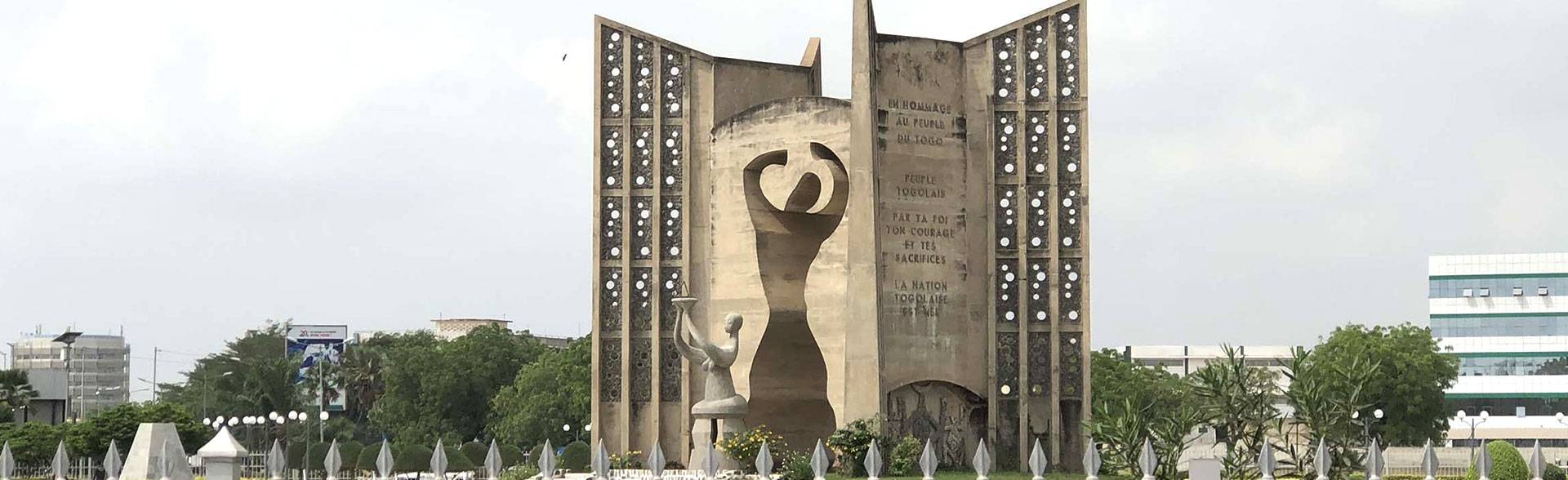
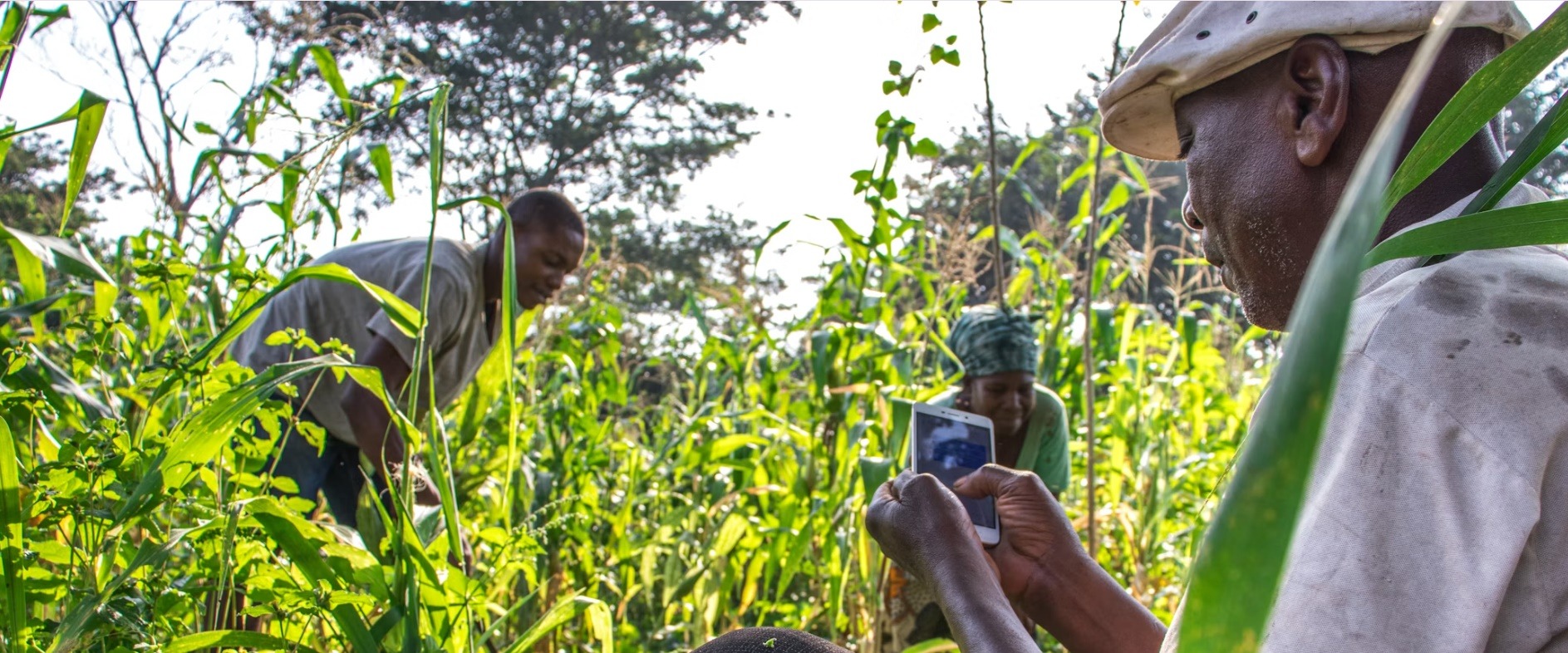
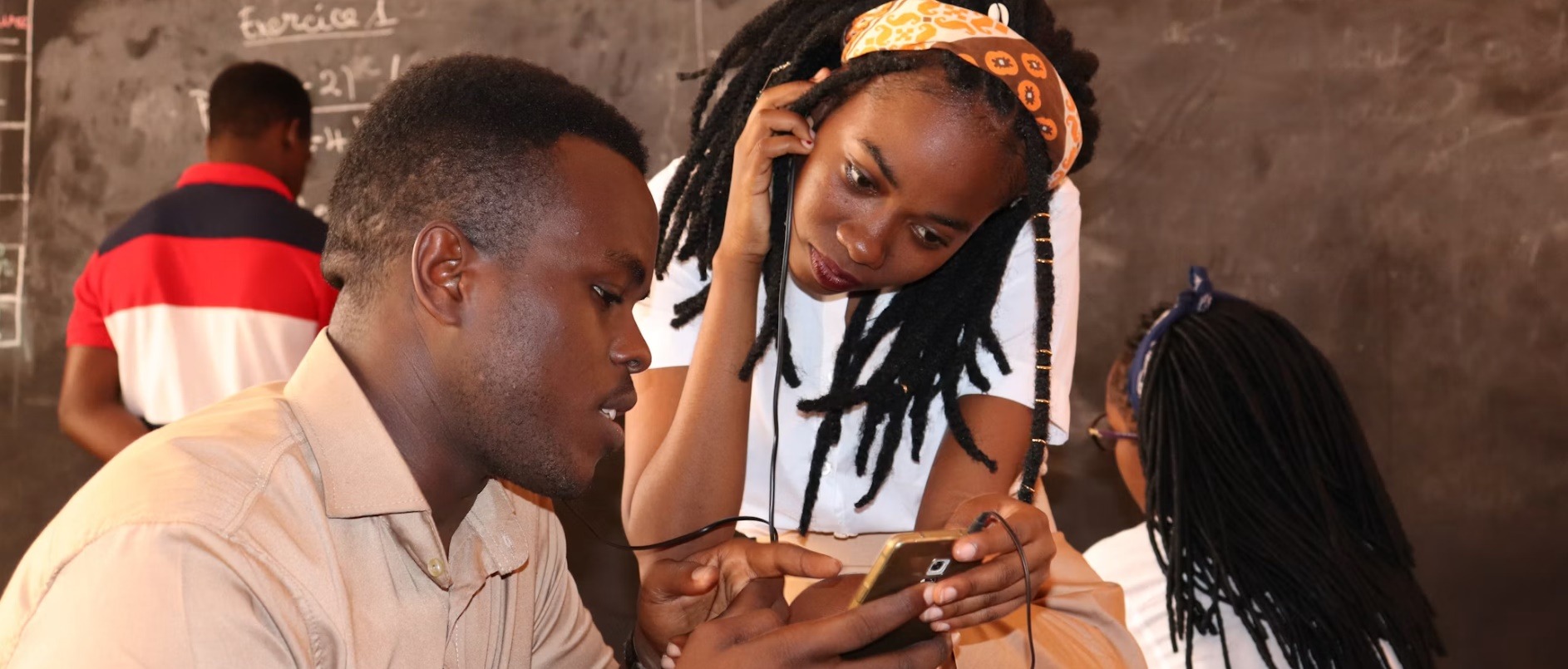
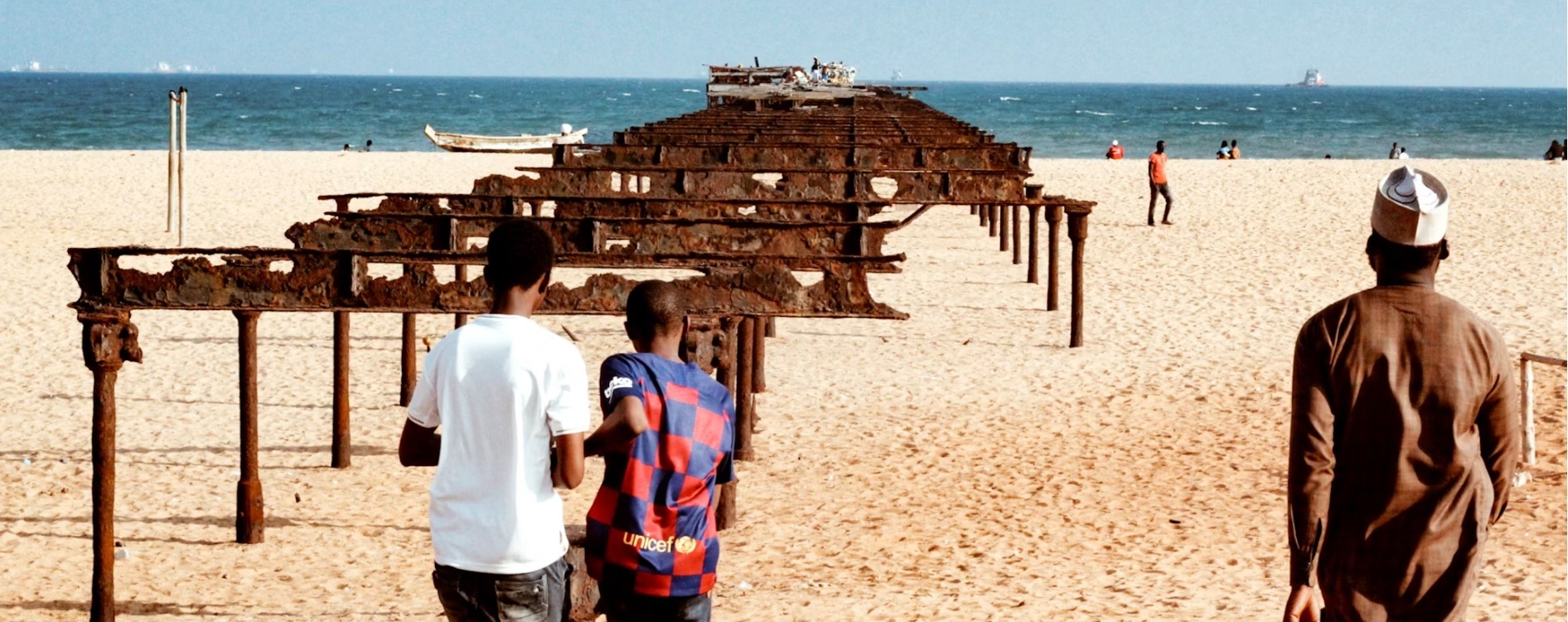
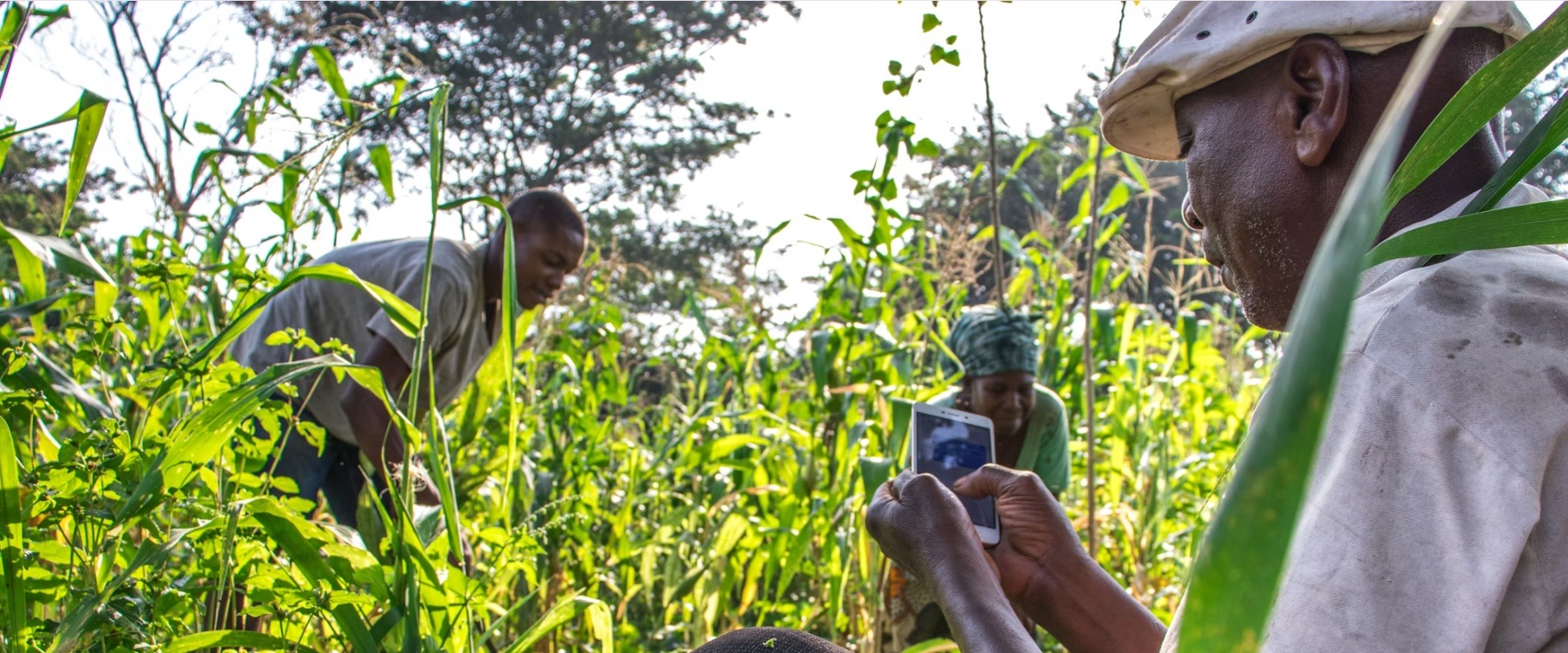
Togo overview image
Togo overview image
Togo overview image
Togo overview image
Togo overview image

Team Standings

Teams Mp W D L GF GA Pt
Brazil Brazil 0 0 0 0 0 0 0
Burkina F. Burkina F. 0 0 0 0 0 0 0
Cote I. Cote I. 0 0 0 0 0 0 0
Djibouti Djibouti 0 0 0 0 0 0 0
E. Guinea E. Guinea 0 0 0 0 0 0 0
France France 0 0 0 0 0 0 0
Gambia Gambia 0 0 0 0 0 0 0
Germany Germany 0 0 0 0 0 0 0
Togo Togo 0 0 0 0 0 0 0
Trinidad T. Trinidad T. 0 0 0 0 0 0 0

Squad List

Check Alliou
Defender
Christian Mensah
Goalkeeper
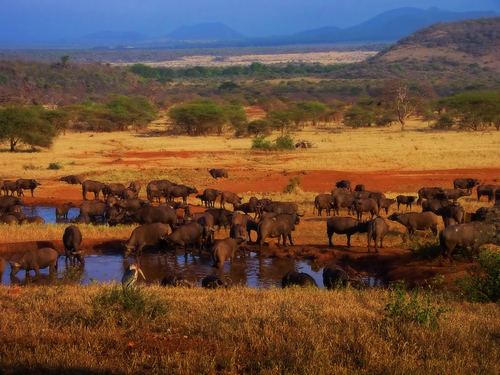
Coco Ateba
Midfielder
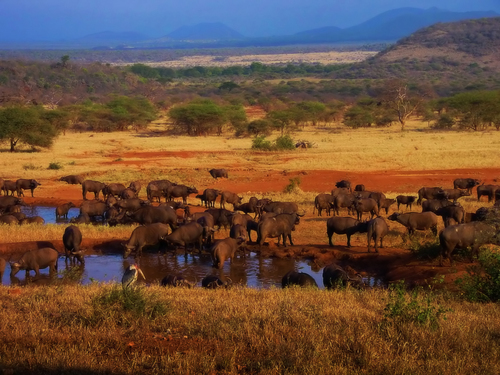
Edem Noameshie
Defender
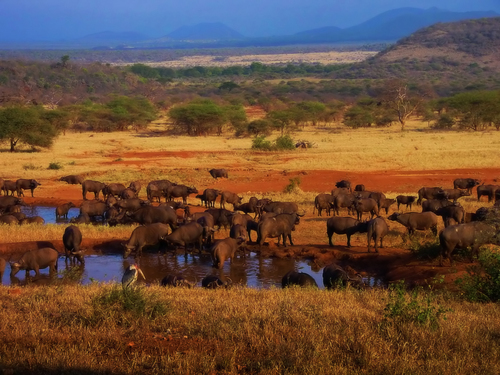
Erick Pockoa
Defender
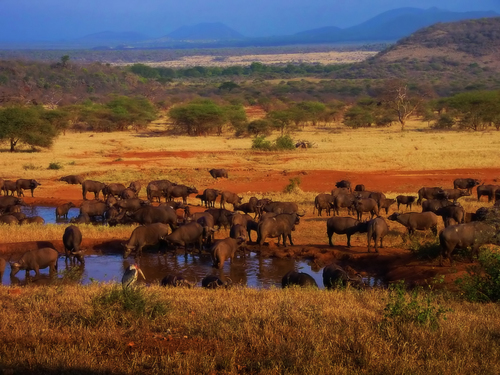
Fabien Pela
Goalkeeper
Francois Song
Defender
George Akimi
Defender
Guillaume Allan
Midfielder
Henri Assombo
Forward
Jose Alvarez
Midfielder
Kafui Larson
Midfielder
Kevin Kembe
Forward
Koffi Ahoussa
Defender
Marc Jennings
Midfielder
Momo Jean
Midfielder
Moses Allen
Midfielder
Paul Kempo
Midfielder
Salissou Oumoul
Defender
Samen Abevi
Forward
Selom Paulin
Forward
Spero Perez
Defender
Talliou Bebe
Midfielder
Tinga Lina
Goalkeeper
William Ewer
Forward

Coaching Staff
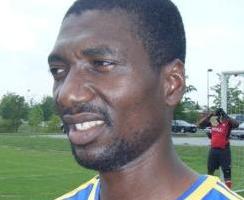
Henri Djissenou
C
Henri Djissenou
Head Coach