


Responsive Header
  • Where We Work
  • Cameroon
  • The Diaspora World Cup operates in some of the major cities and metro areas in United States and Canada. Our network of register players includes 20 cities, 200 countries, 400 teams, and 10,000 players. Join our movement to solve the world's most pressing challenges: Illiteracy
  • Who We are text will be here Who We are text will be here Who We are text will be here Who We are text will be here Who We are text will be here Who We are text will be here Who We are text will be here Who We are text will be here Who We are text will be here
  • What We Do text will be here What We Do text will be here What We Do text will be here What We Do text will be here What We Do text will be here What We Do text will be here What We Do text will be here What We Do text will be here What We Do text will be here What We Do text will be here What We Do text will be here What We Do text will be here
  • Get Involved text will be here Get Involved text will be here Get Involved text will be here Get Involved text will be here Get Involved text will be here Get Involved text will be here Get Involved text will be here Get Involved text will be here Get Involved text will be here Get Involved text will be here
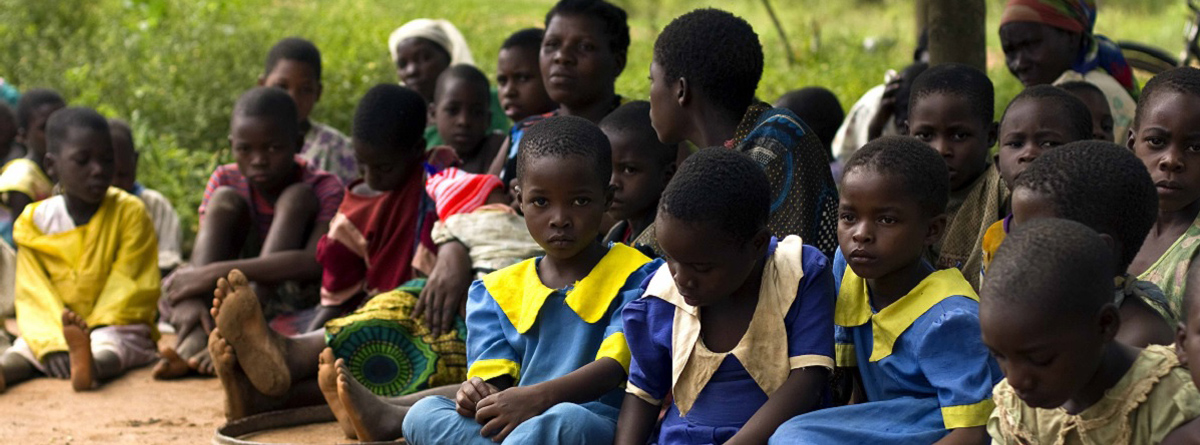
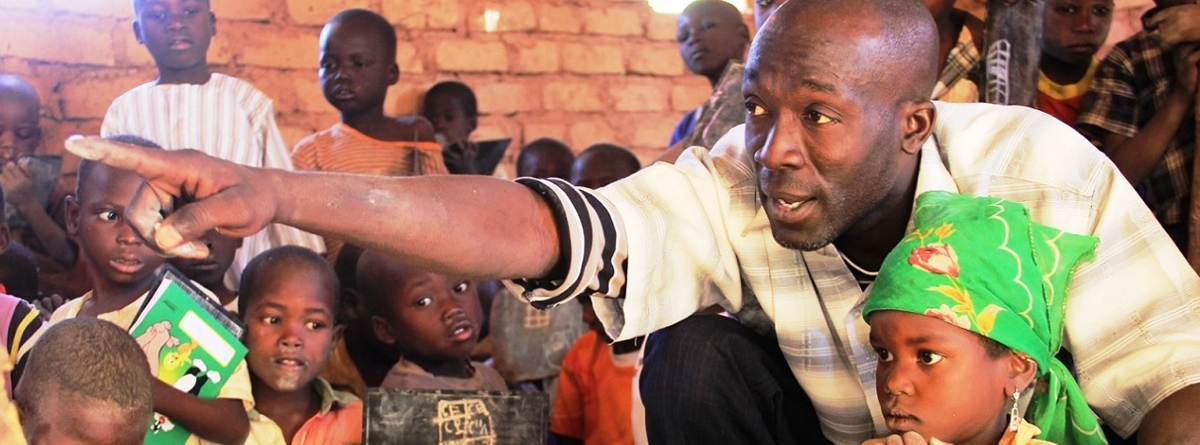
  • Education is a basic Human Right and the Diaspora World Cup global school program focuses its energy in some the poorest countries around the world. We build schools in some of the poorest countries around the worldthat historically had no adequate school structure. Any member of the World Diaspora has the power to end illiteracy around the world through the power of soccer.
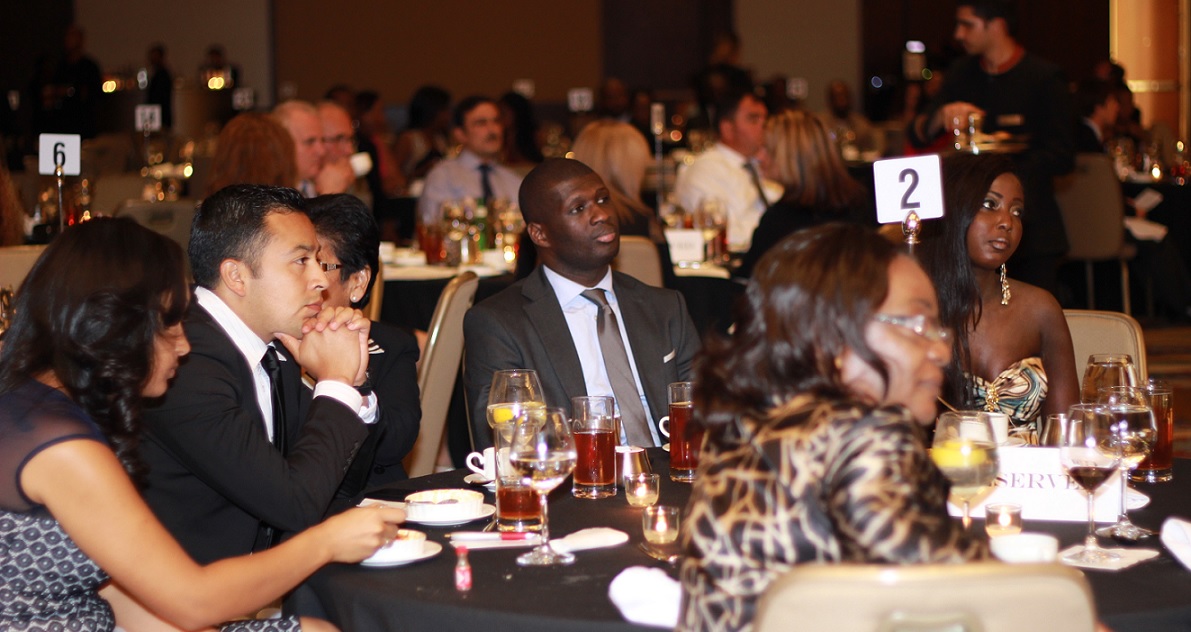
  • High-profile sport figures, global leaders, business leaders, political figure, journalists, activists, philanthropists, actors, and entrepreneurs united by their commitment to the Diaspora World Cup mission to eradicate illiteracy around the world through the power of soccer. They serve as role models and spread the Diaspora World Cup vision and commitment of a world mobilized through soccer.
  •  
  •  
Diaspora 2027: complete guide to all players | The Diaspora
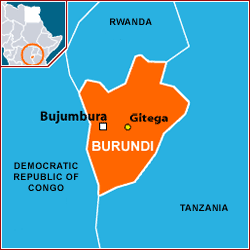
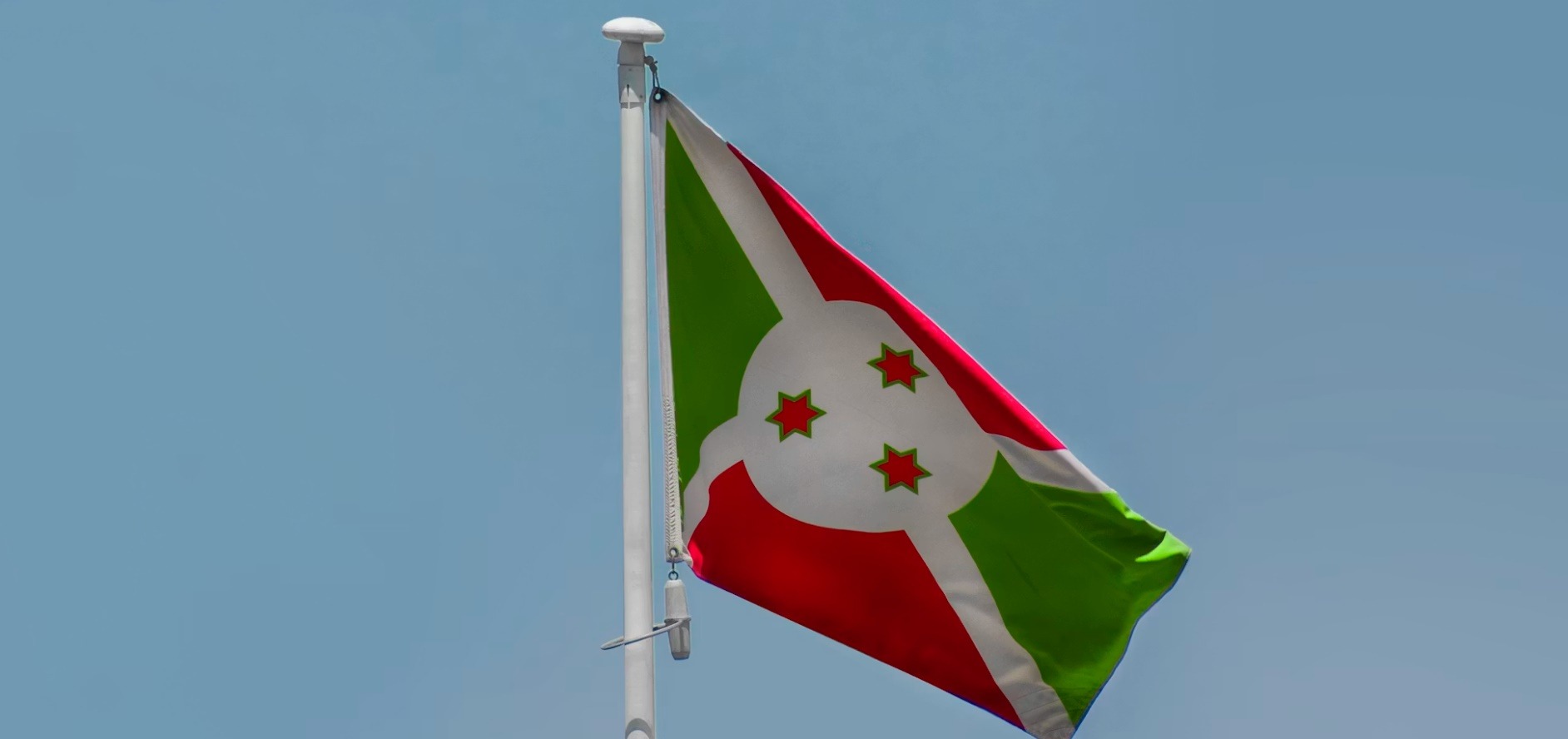
BURUNDI
Silver Spring – Takoma P.
Welcome to the 2027 Diaspora World Cup.
Silver Spring – Takoma P.

Significance

Burundian immigration to the United States has generally reflected colonial rule, ethnic and political violence, civil war, forced displacement, refugee resettlement, education, professional employment, and family reunification.

Burundian migration has historically occurred mainly within Africa’s Great Lakes region rather than through large-scale movement directly to the United States. Early overseas arrivals generally included students, diplomats, religious workers, academics, and professionals seeking education or specialised employment. Migration increased following episodes of political violence after independence, particularly the mass killings of 1972 and the civil war that began in 1993. Large numbers of Burundians fled to Tanzania, Rwanda, Uganda, and the Democratic Republic of the Congo, where many remained in refugee settlements for years. The United States later accepted thousands through humanitarian resettlement programmes, enabling Burundian communities to develop through family networks, churches, cultural organisations, educational institutions, and refugee-support services.

Burundian Migration Before Independence

Before independence, migration was influenced by regional trade, agriculture, colonial labour systems, education, and movement across the borders of Central and East Africa. Burundi first became part of German East Africa and was later administered by Belgium with Rwanda as the territory of Ruanda-Urundi. After World War II, Ruanda-Urundi became a United Nations trust territory under Belgian administration. Burundians travelled to neighbouring territories for farming, domestic service, commerce, religious study, government work, and family reasons, but direct migration to the United States remained uncommon because of distance, expense, and limited international connections. Burundi became independent on July 1, 1962, when the UN trusteeship ended, and the United States recognised the new Kingdom of Burundi on the same date.

Late-Twentieth- and Early-Twenty-First-Century Immigration

Burundian immigration increased after recurring political and ethnic violence displaced large sections of the population. Mass killings in 1972 forced many Burundians into neighbouring countries, particularly Tanzania, where some families remained in refugee settlements for more than three decades. The civil war that began in 1993 caused further deaths, economic disruption, internal displacement, and refugee flight. Beginning in the 2000s, the United States accepted thousands of long-term Burundian refugees from Tanzanian camps, including approximately 8,500 people selected for resettlement in 2007. Further political unrest beginning in 2015 produced another wave of displacement. Refugees arriving in America often required help with English, housing, education, healthcare, and employment. Community associations and religious organisations helped families adapt while preserving Kirundi, food, music, dance, religious traditions, and connections with relatives abroad.

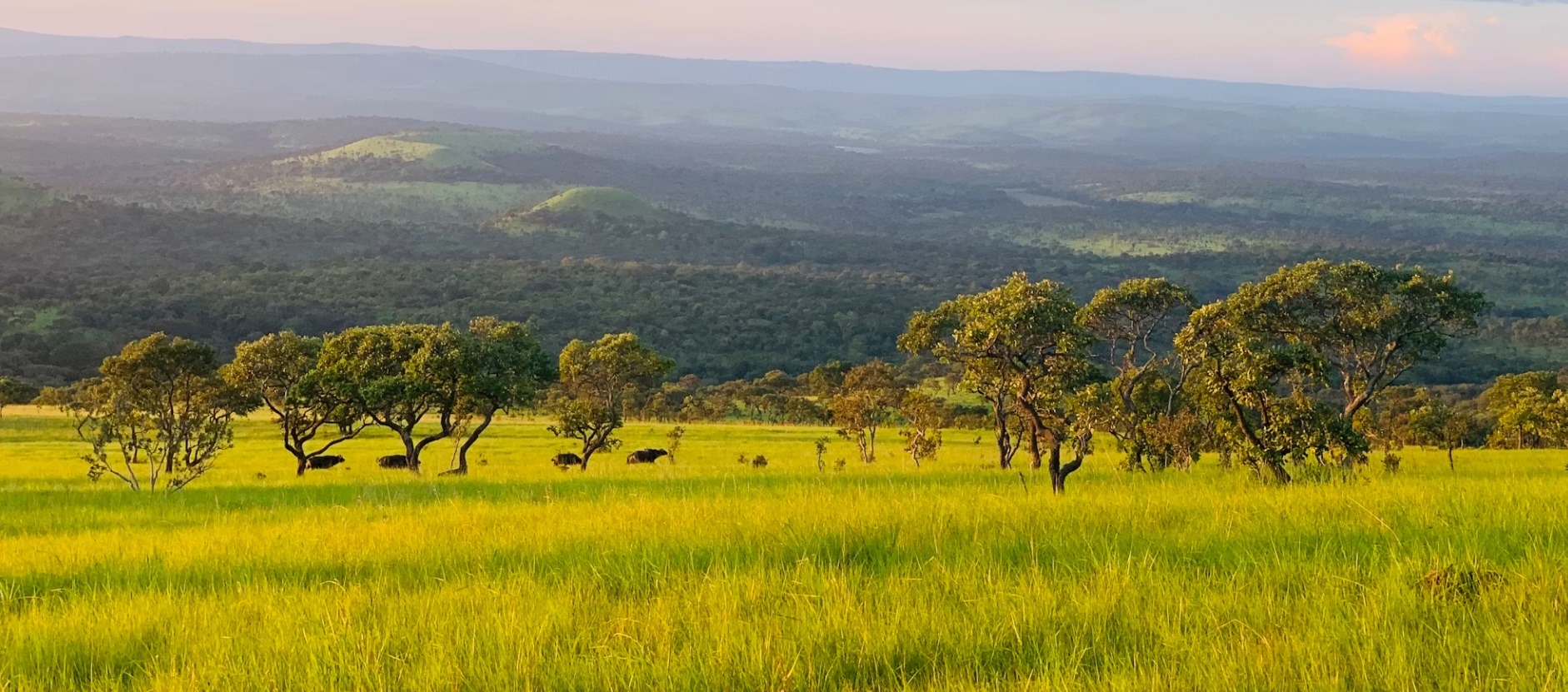
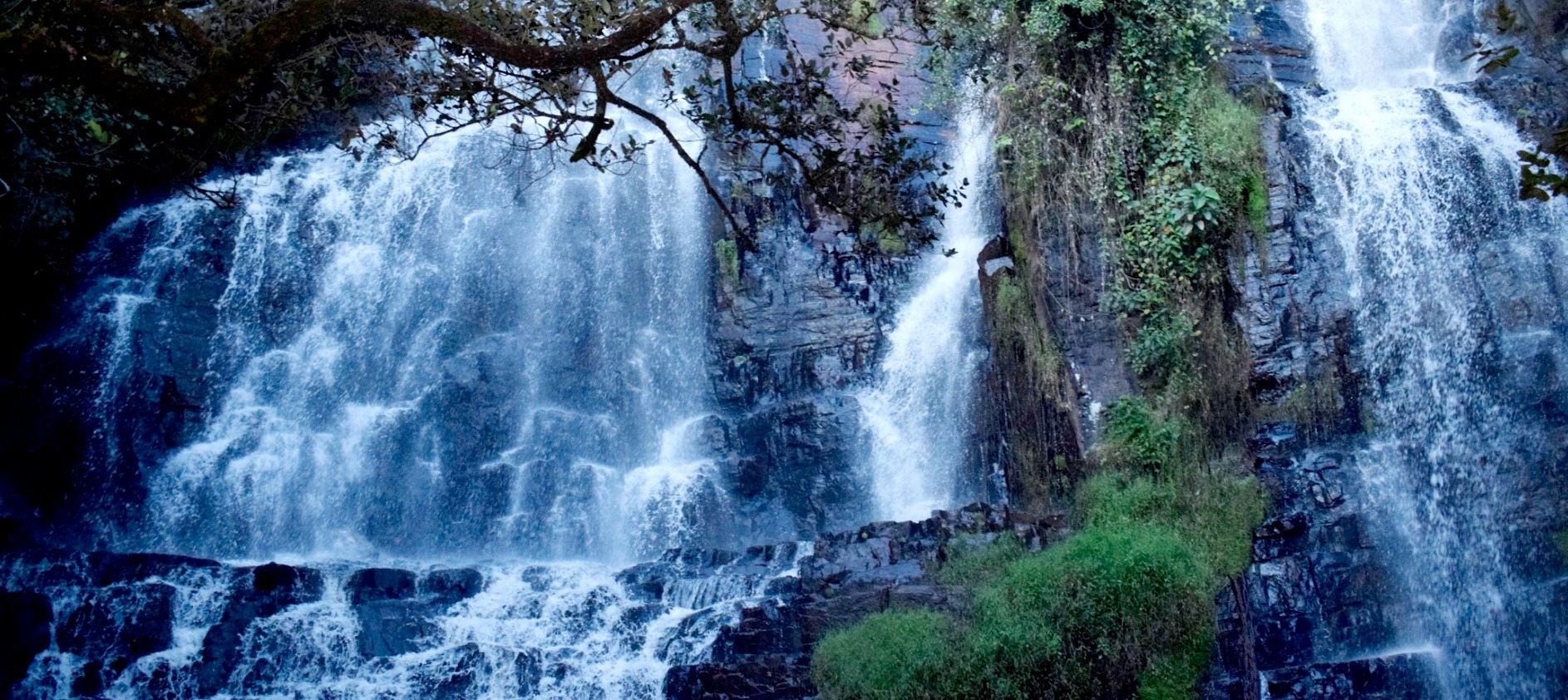
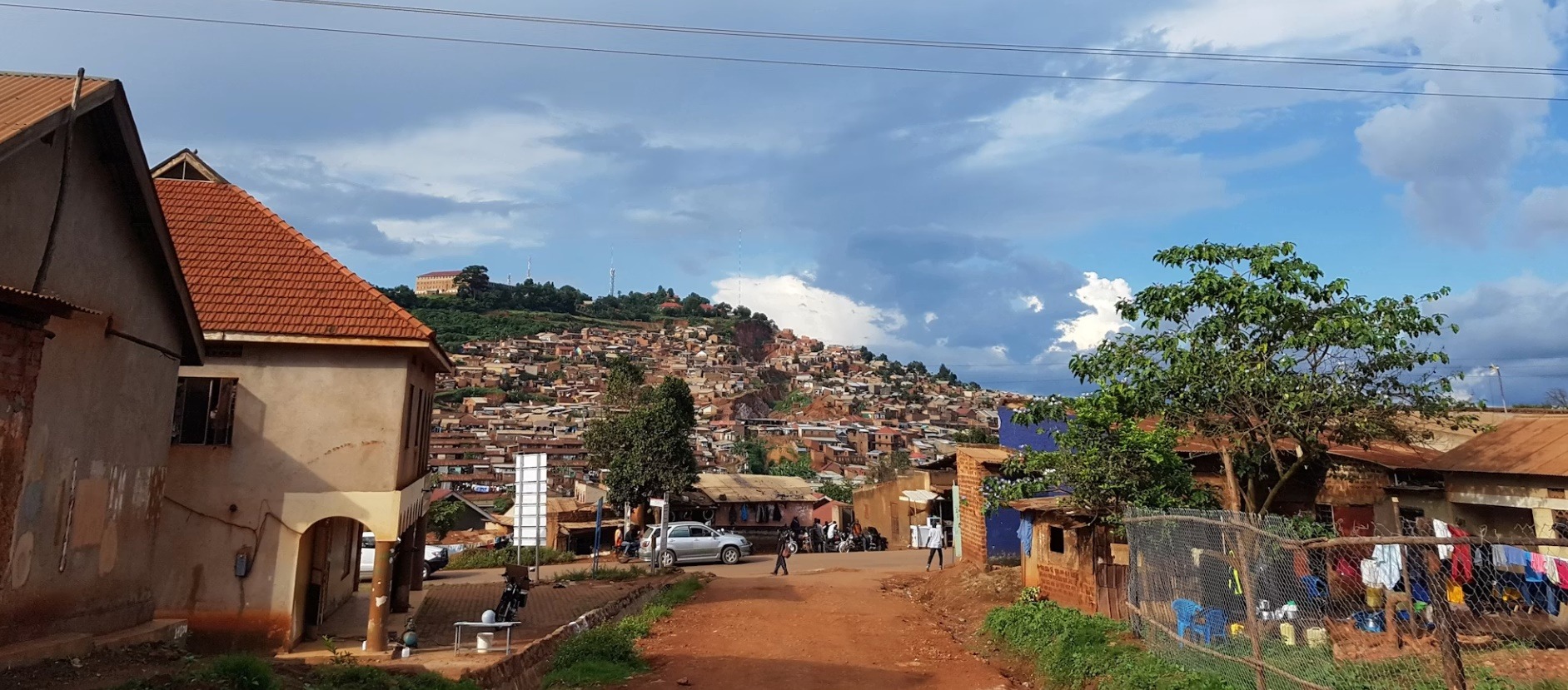
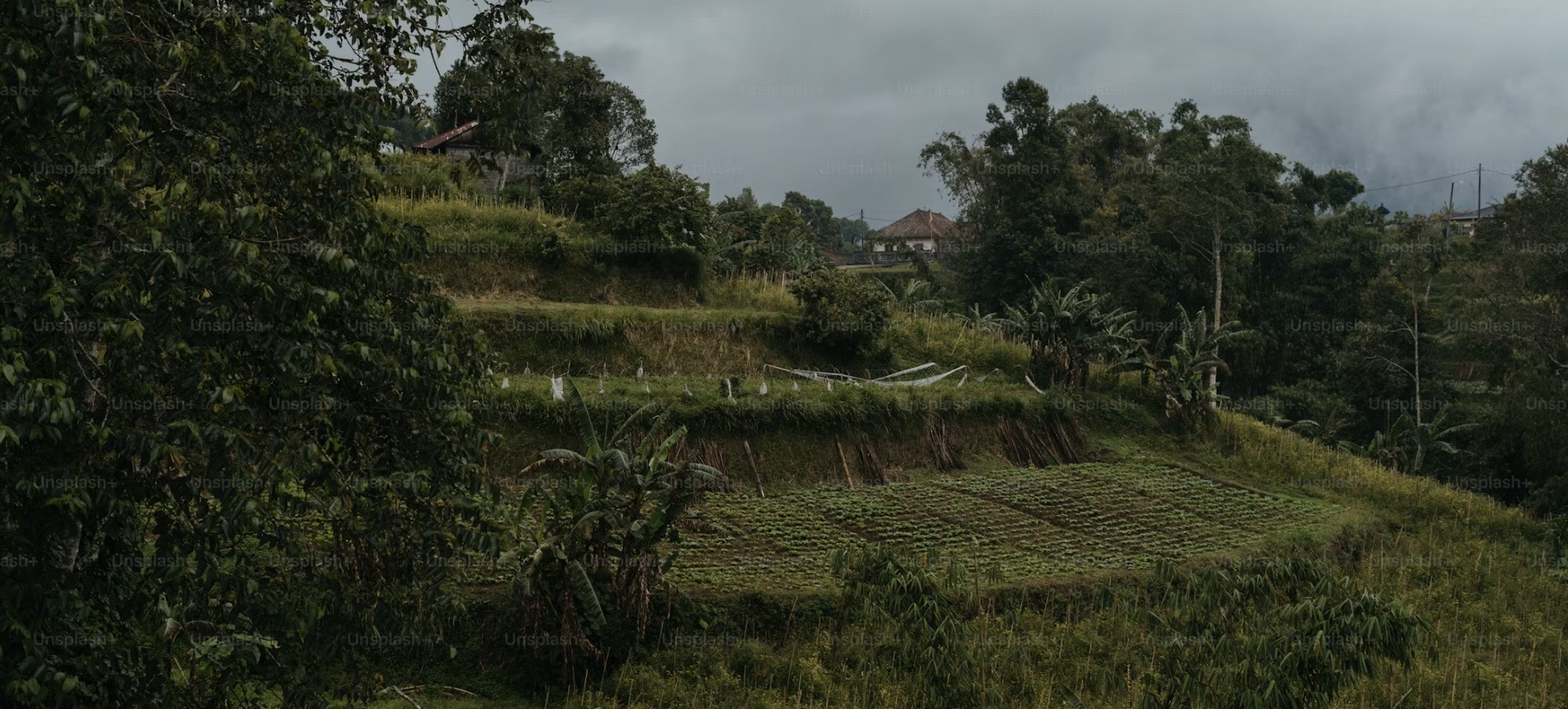
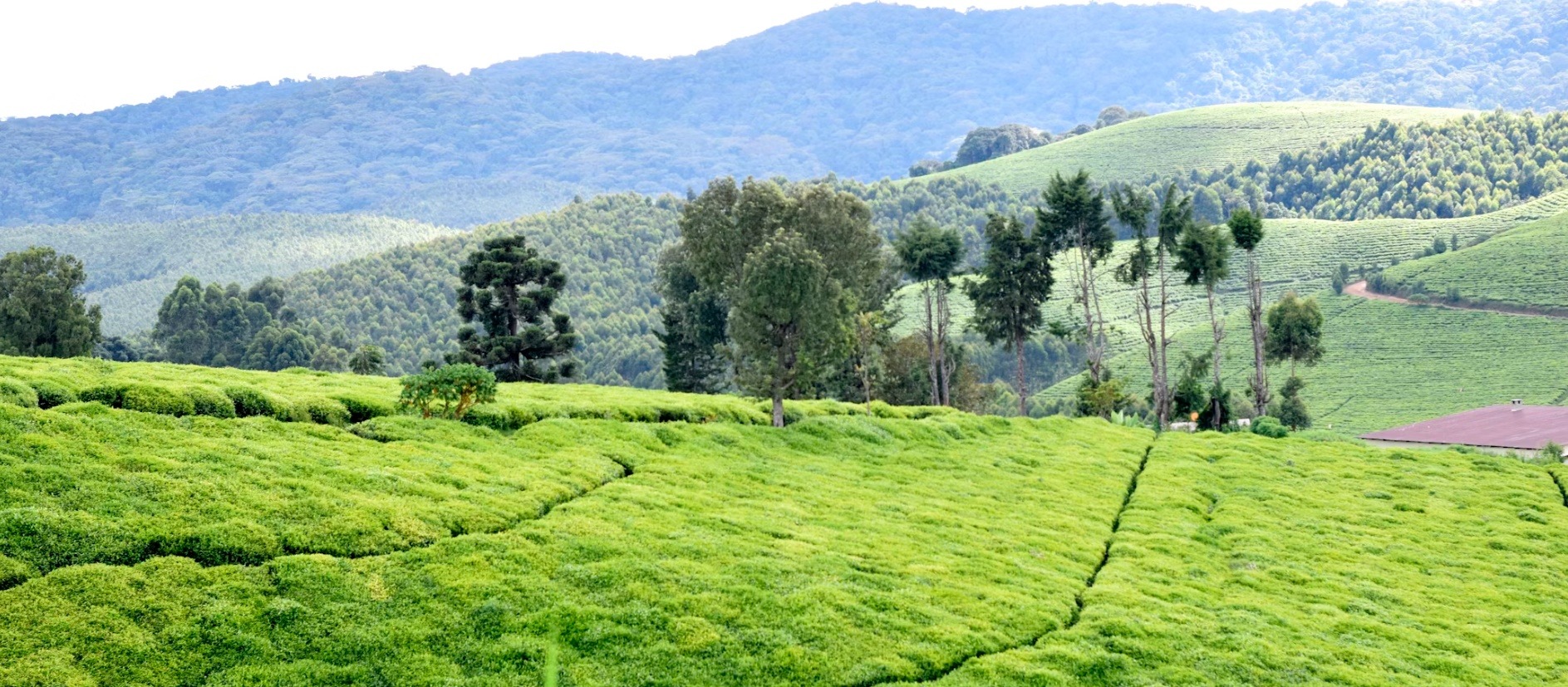
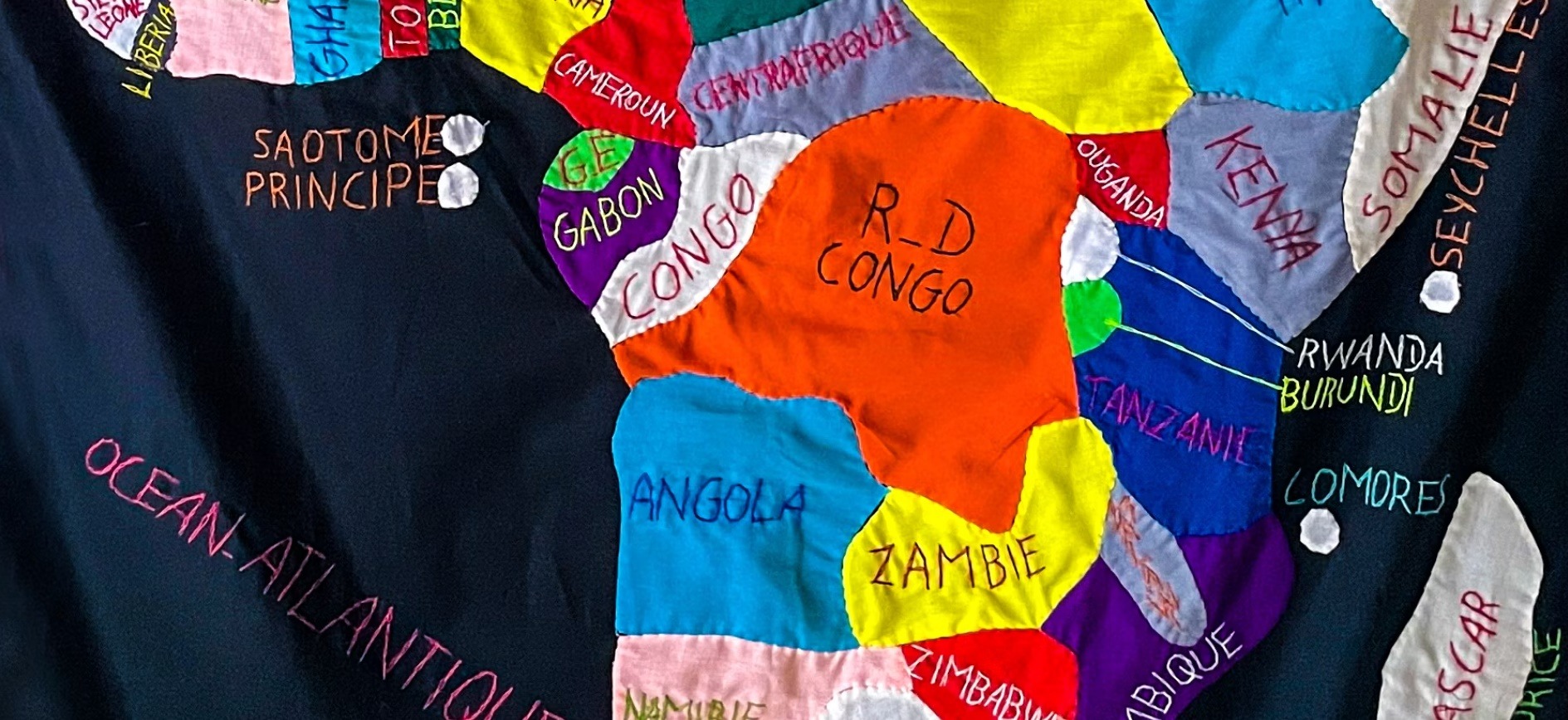
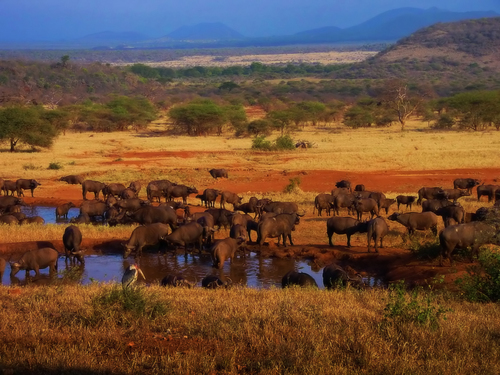
Burundi country image
Burundi overview image

Team Standings

Teams Mp W D L GF GA Pt
Burundi Burundi 0 0 0 0 0 0 0
Canada Canada 0 0 0 0 0 0 0
Guinea Guinea 0 0 0 0 0 0 0
Kenya Kenya 0 0 0 0 0 0 0
Lesotho Lesotho 0 0 0 0 0 0 0
Malawi Malawi 0 0 0 0 0 0 0
Rwanda Rwanda 0 0 0 0 0 0 0
Scotland Scotland 0 0 0 0 0 0 0
Turkey Turkey 0 0 0 0 0 0 0
Uganda Uganda 0 0 0 0 0 0 0

Squad List

Aaron Nicholas
Forward
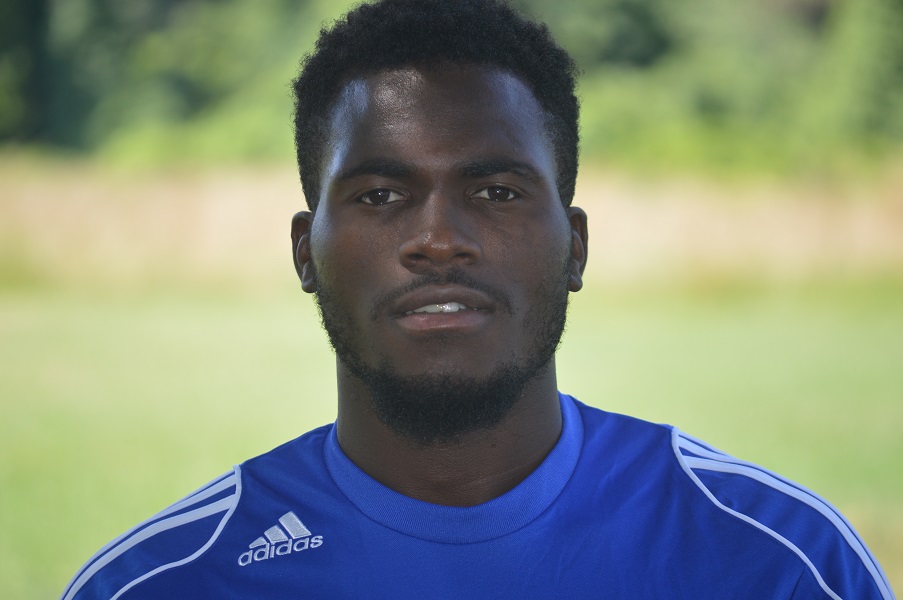
Ansu Corneh
Midfielder
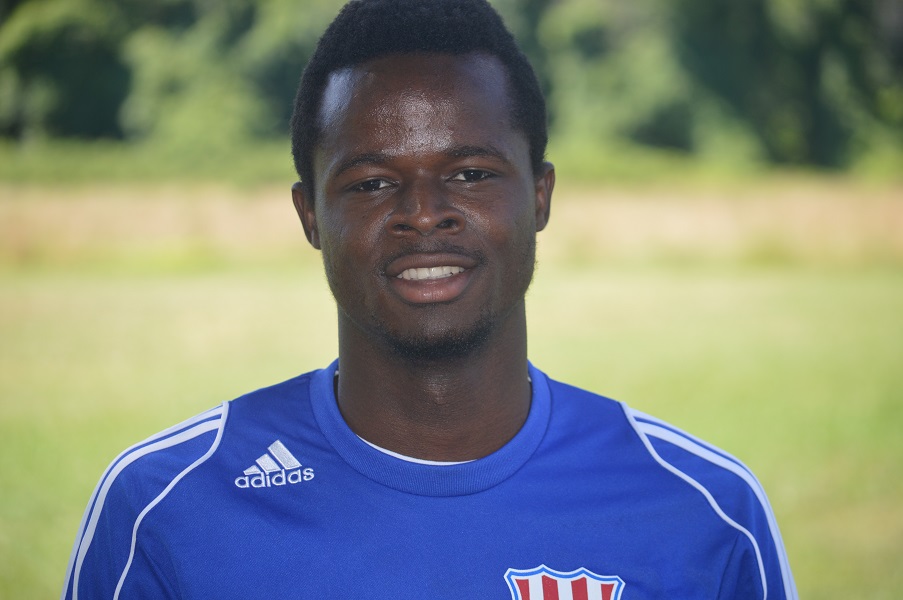
Bill Walle
Midfielder
Charles Atabong
Defender
Chris Tago
Defender
Daniel Elanga
Midfielder
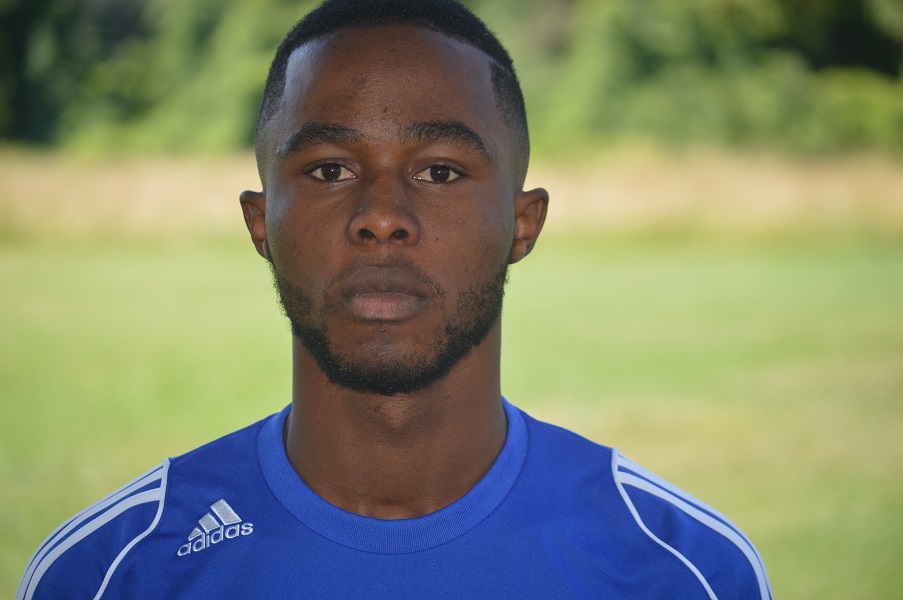
Donzo Abu
Defender
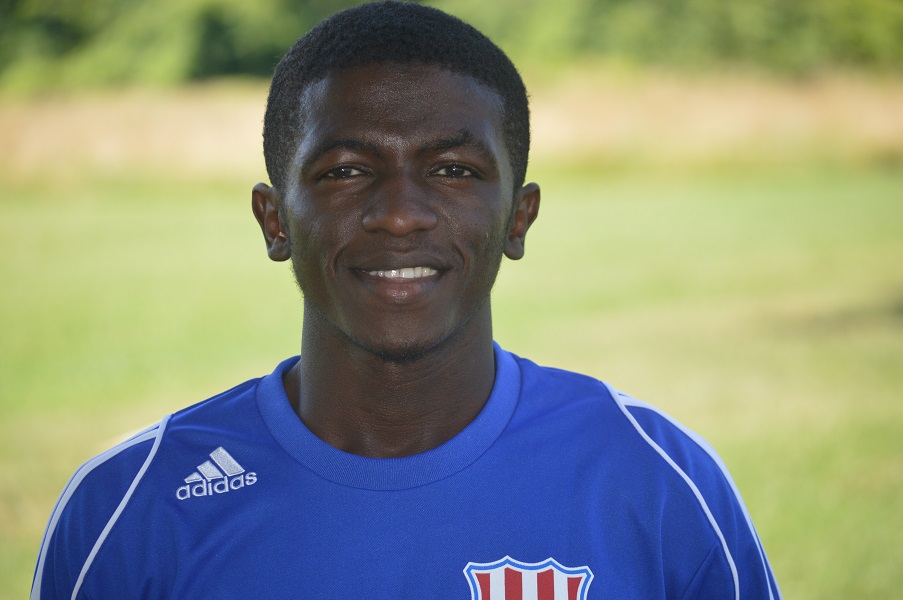
Foray Thomo
Defender
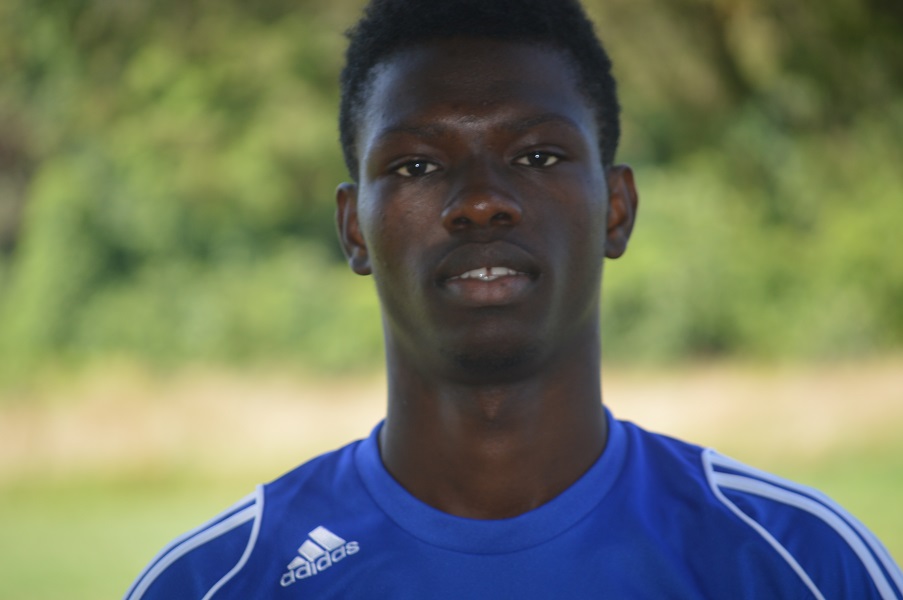
Francis Watson
Forward
Henry Nchotaku
Goalkeeper
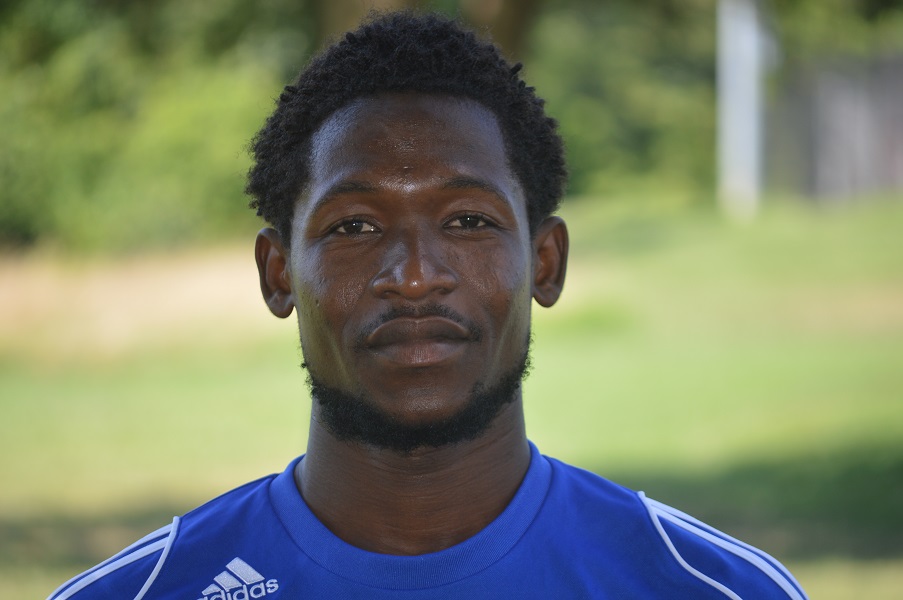
Kanibah Kutu
Defender
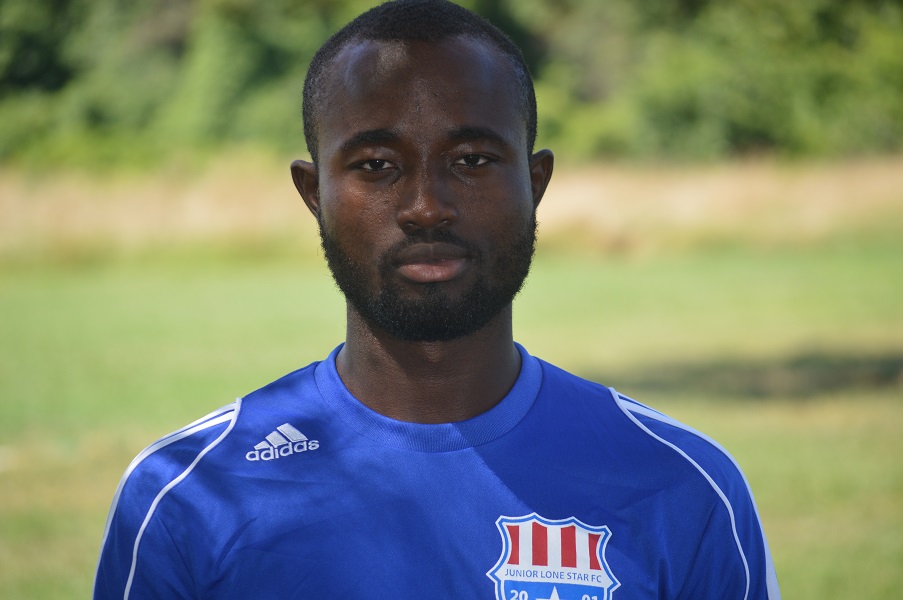
Kanu Kanu
Midfielder
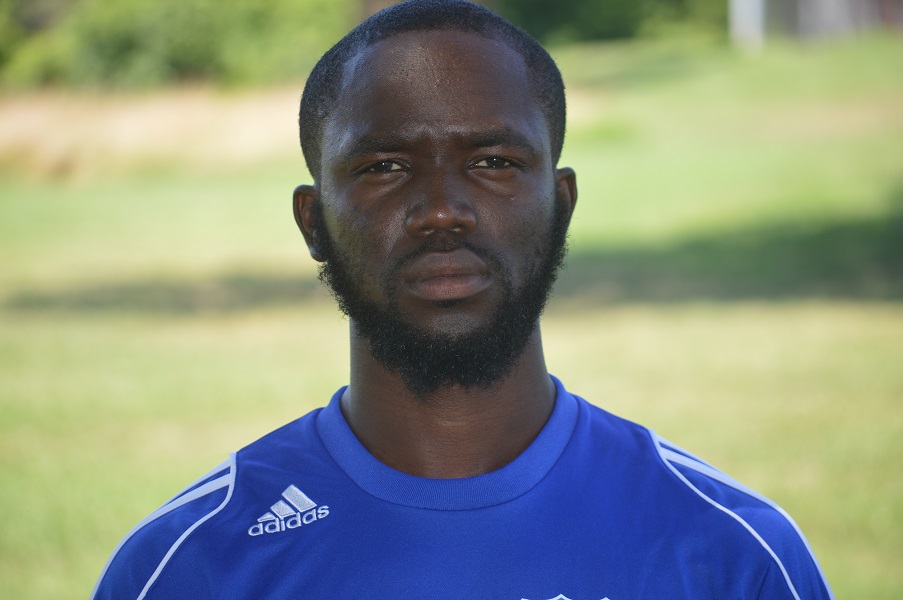
Kekou Kamara
Forward
Omar Moussa
Goalkeeper
Paul Enoka
Forward
Pierre Opango
Forward
Rudrick Ndukong
Defender
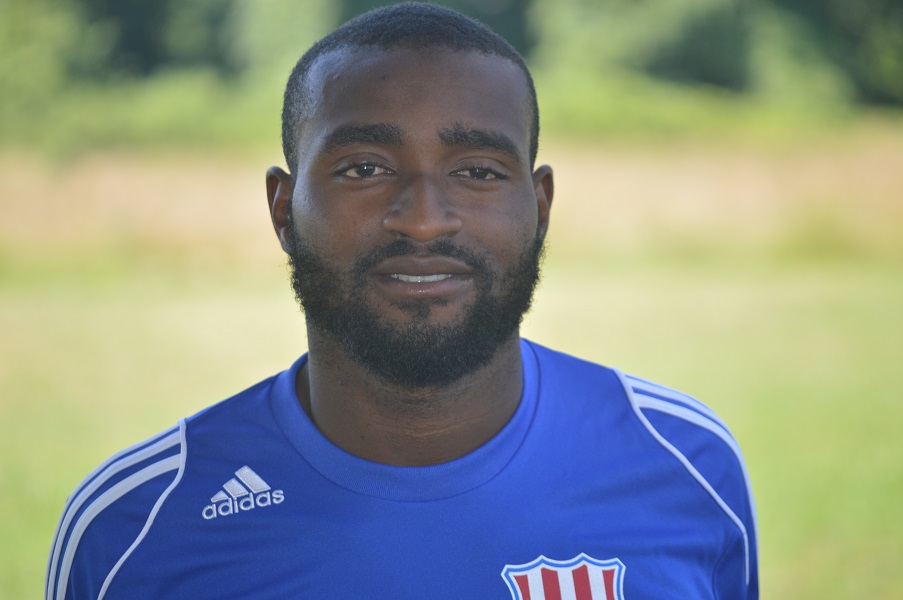
Samuel Fahab
Defender
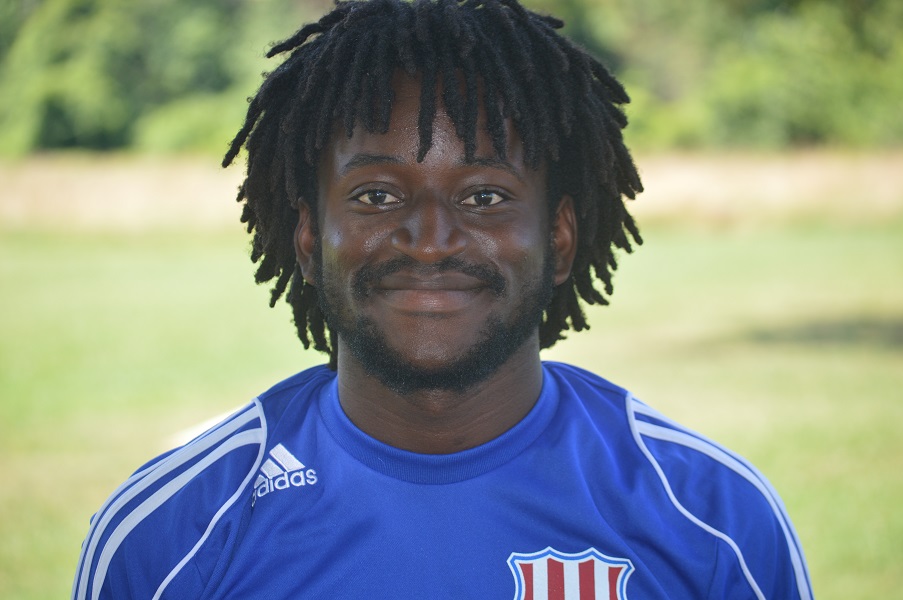
Siafa Dempster
Defender
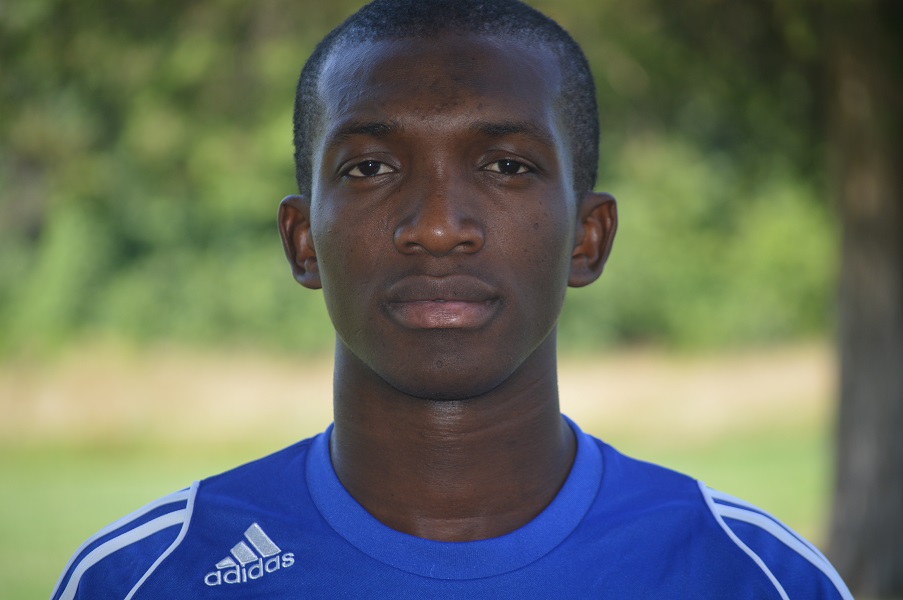
Sidiki Cisse
Midfielder
Simon Teko
Midfielder
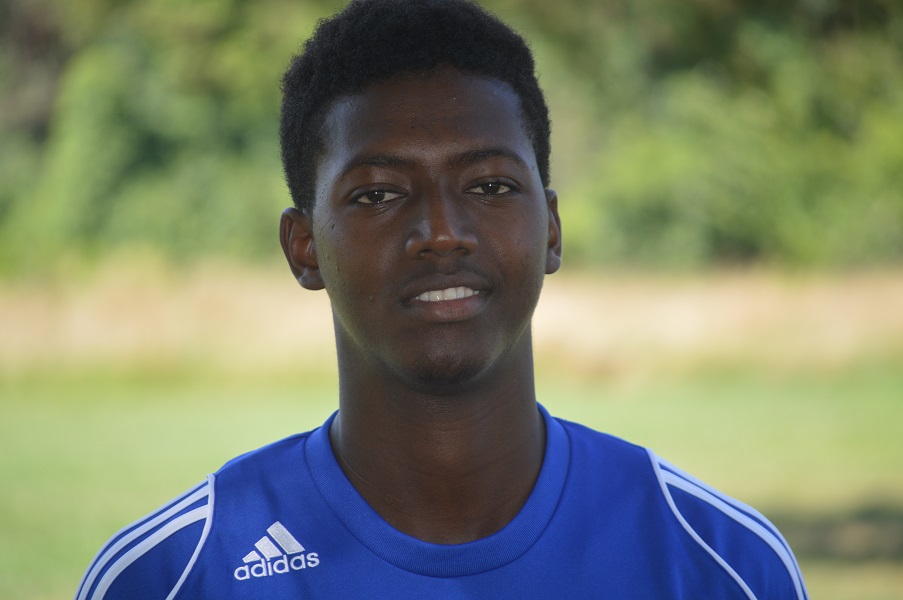
Sow Amadou
Forward
Vancy Ahmed
Forward
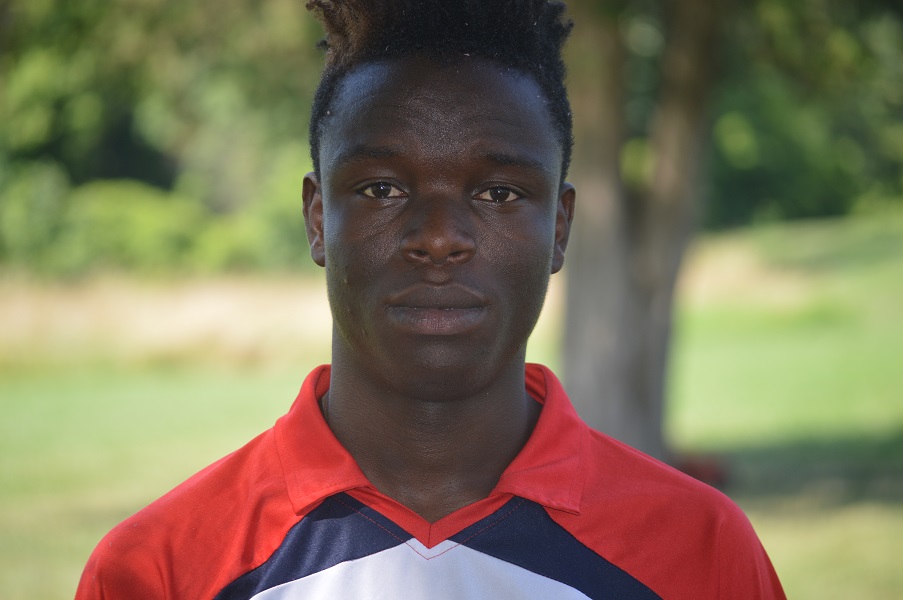
Williams Arnold
Goalkeeper
Zanga Goriola
Midfielder

Coaching Staff
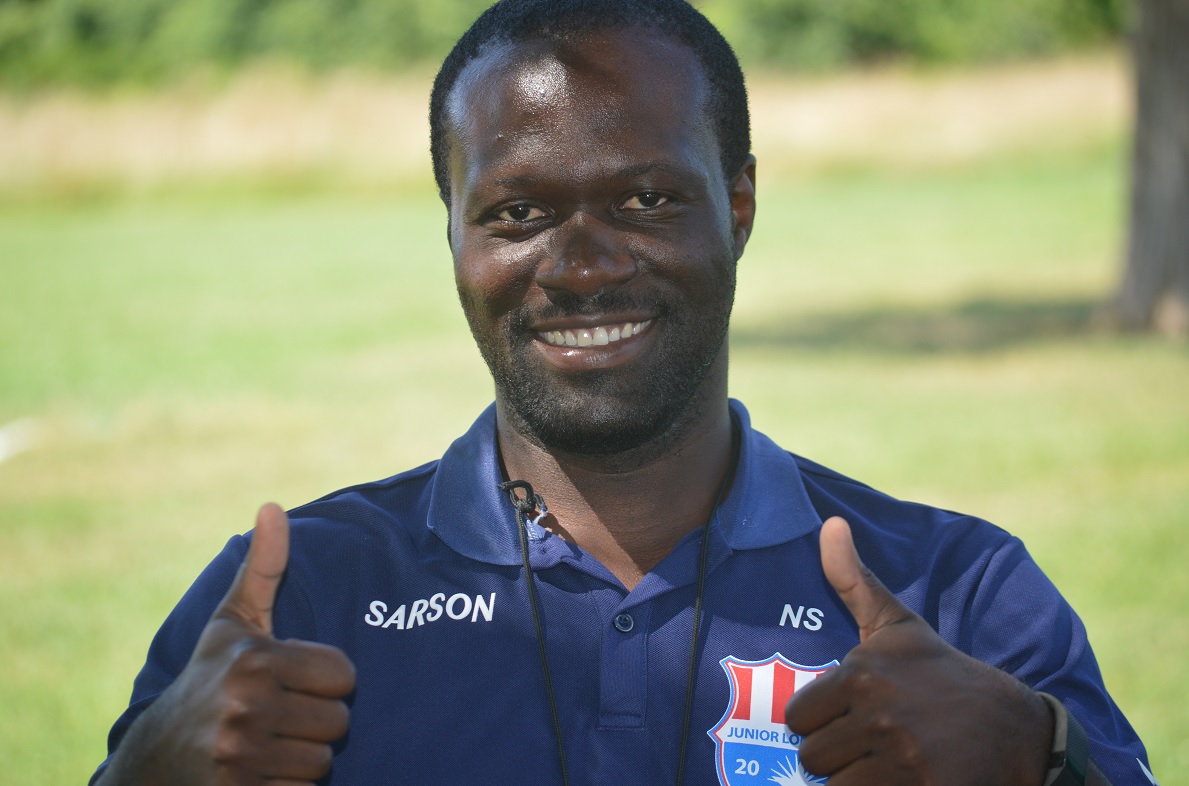
Neewilli Saie
C
Neewilli Saie
Head Coach