



Responsive Header
  • Where We Work
  • Cameroon
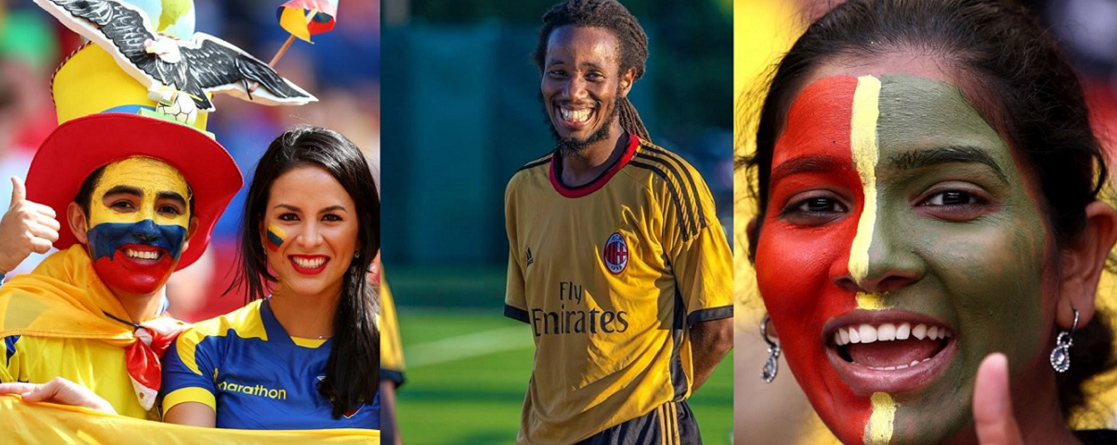
  • The Diaspora World Cup operates in some of the major cities and metro areas in United States and Canada. Our network of register players includes 20 cities, 200 countries, 400 teams, and 10,000 players. Join our movement to solve the world's most pressing challenges: Illiteracy
  • Who We are text will be here Who We are text will be here Who We are text will be here Who We are text will be here Who We are text will be here Who We are text will be here Who We are text will be here Who We are text will be here Who We are text will be here
  • What We Do text will be here What We Do text will be here What We Do text will be here What We Do text will be here What We Do text will be here What We Do text will be here What We Do text will be here What We Do text will be here What We Do text will be here What We Do text will be here What We Do text will be here What We Do text will be here
  • Get Involved text will be here Get Involved text will be here Get Involved text will be here Get Involved text will be here Get Involved text will be here Get Involved text will be here Get Involved text will be here Get Involved text will be here Get Involved text will be here Get Involved text will be here
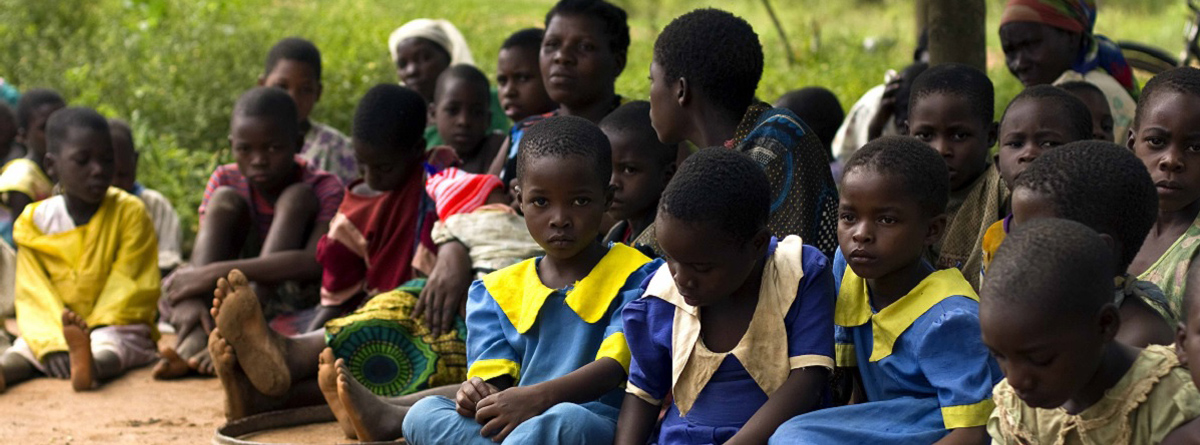
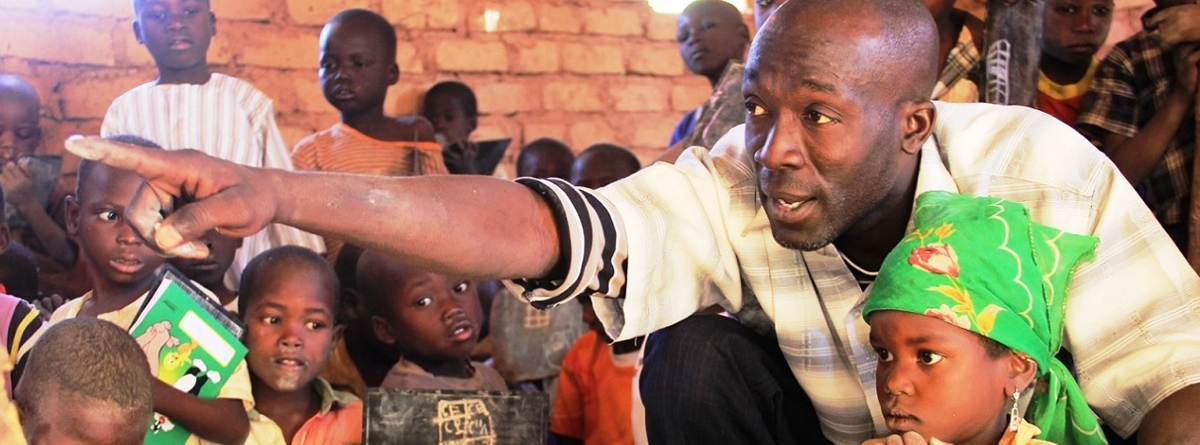
  • Education is a basic Human Right and the Diaspora World Cup global school program focuses its energy in some the poorest countries around the world. We build schools in some of the poorest countries around the worldthat historically had no adequate school structure. Any member of the World Diaspora has the power to end illiteracy around the world through the power of soccer.
  • High-profile sport figures, global leaders, business leaders, political figure, journalists, activists, philanthropists, actors, and entrepreneurs united by their commitment to the Diaspora World Cup mission to eradicate illiteracy around the world through the power of soccer. They serve as role models and spread the Diaspora World Cup vision and commitment of a world mobilized through soccer.
  •  
  •  
Diaspora 2027: complete guide to all players | The Diaspora
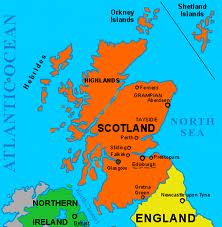
SCOTLAND
Silver Spring – Takoma P.
Welcome to the 2027 Diaspora World Cup.
Silver Spring – Takoma P.

Significance

Scottish immigration to the United States has generally reflected religious conflict, political unrest, land shortages, the Highland Clearances, industrial change, economic opportunity, education, professional employment, and family migration.

Scottish migration to North America began during the colonial period and became an important part of United States history. Early arrivals included farmers, merchants, soldiers, ministers, artisans, teachers, doctors, and administrators seeking land, religious freedom, trade, and employment. Large numbers of Scots and Ulster Scots settled in Pennsylvania, Virginia, the Carolinas, Georgia, New York, and other colonies before moving into Appalachian and western territories. Later immigrants found work in agriculture, mining, manufacturing, shipbuilding, engineering, commerce, education, and professional occupations. Scottish communities established Presbyterian churches, schools, mutual-aid societies, businesses, cultural clubs, and Highland associations while preserving music, dance, literature, clan traditions, and national celebrations.

Scottish Migration Before the Major Immigration Waves

Before the nineteenth century, Scottish migration was shaped by religious disputes, political conflict, agricultural change, military service, and the search for affordable land. Some Scots were transported as prisoners or indentured workers, while others arrived voluntarily as settlers, merchants, ministers, and skilled labourers. Large numbers of Ulster Scots—descendants of Scottish settlers in northern Ireland—migrated to British North America during the eighteenth century because of rising rents, economic hardship, and religious tensions. Many entered through Pennsylvania and travelled south through the Appalachian backcountry. Scots participated in colonial trade, farming, education, government, and the military, and their Presbyterian institutions became influential in several colonies. By the American Revolution, Scottish and Ulster-Scottish communities were firmly established throughout the colonies.

Nineteenth- and Twentieth-Century Immigration

Scottish emigration increased during the nineteenth century as the Highland Clearances, agricultural restructuring, population growth, industrial change, famine, and limited rural employment displaced families and crofting communities. Many emigrants travelled to the United States, Canada, Australia, and New Zealand, sometimes with assistance from landlords or emigration programmes. In America, Scots worked as farmers, miners, textile workers, engineers, shipbuilders, merchants, teachers, ministers, and business owners. Immigration continued through the Ellis Island era, when approximately half a million Scots were among the millions processed there between 1892 and 1954. Later Scottish migrants increasingly included students, scientists, academics, artists, businesspeople, and professionals arriving through employment, education, marriage, and family connections.

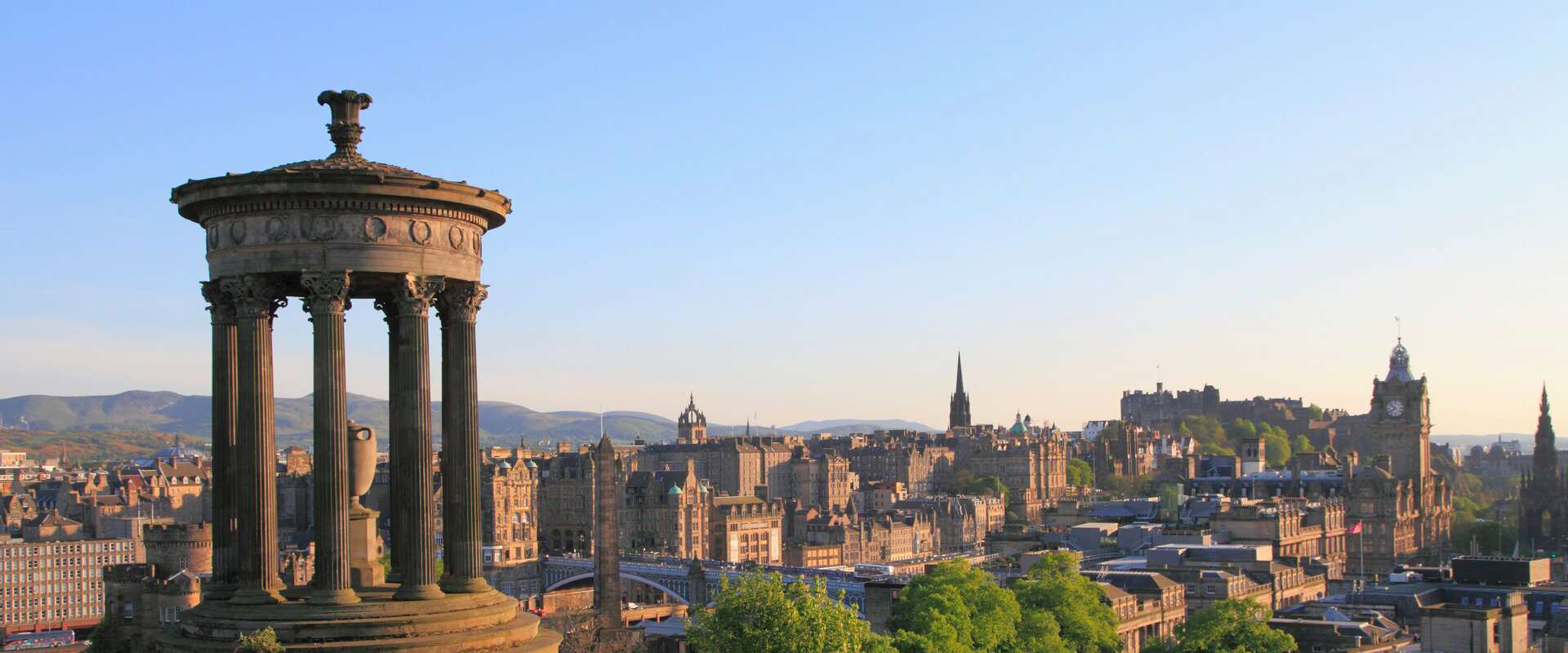
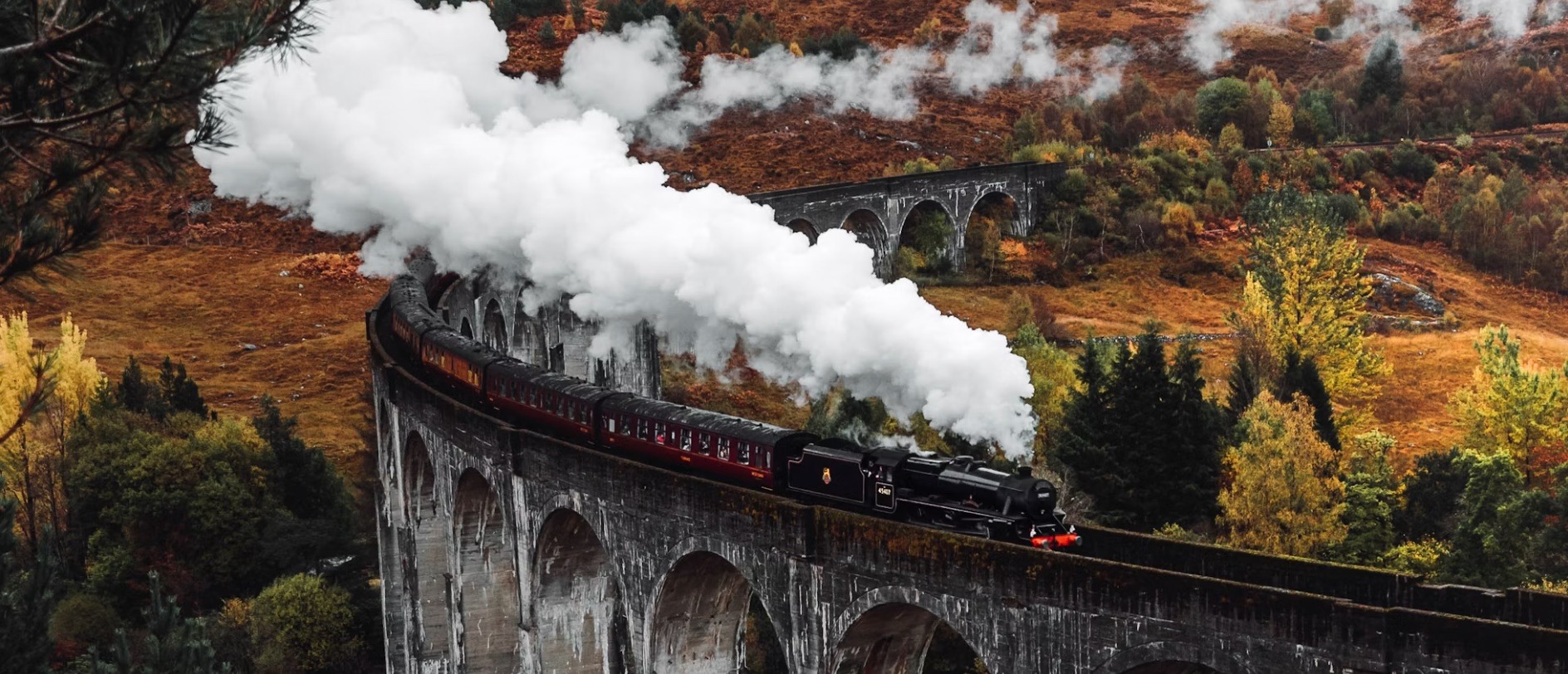
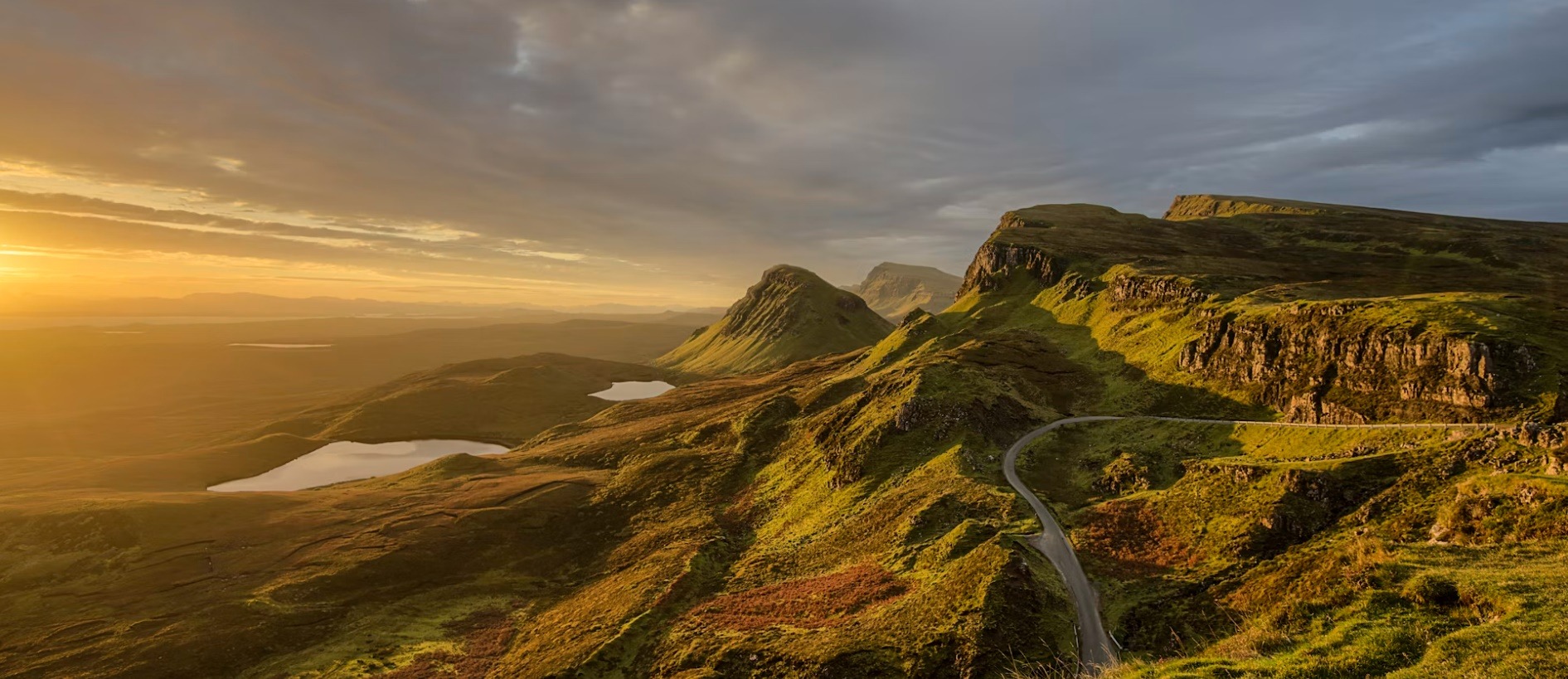
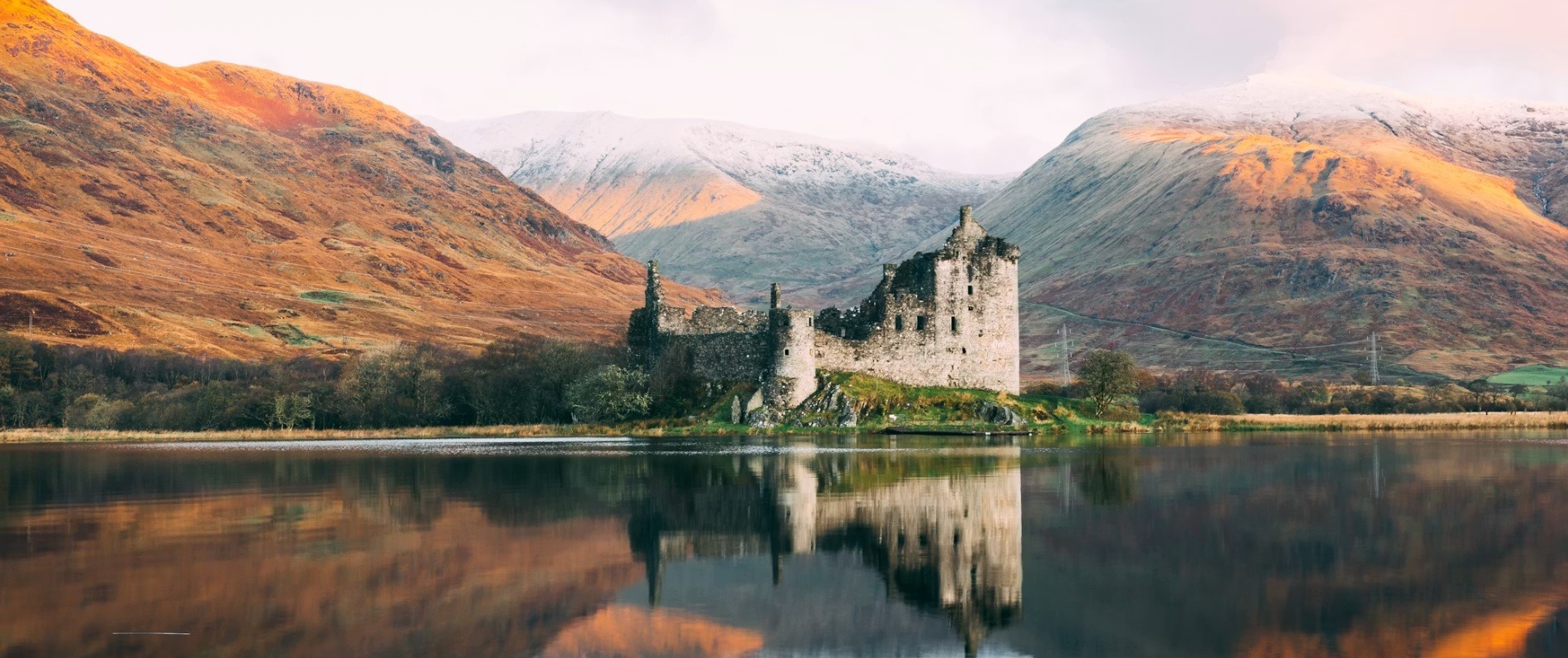
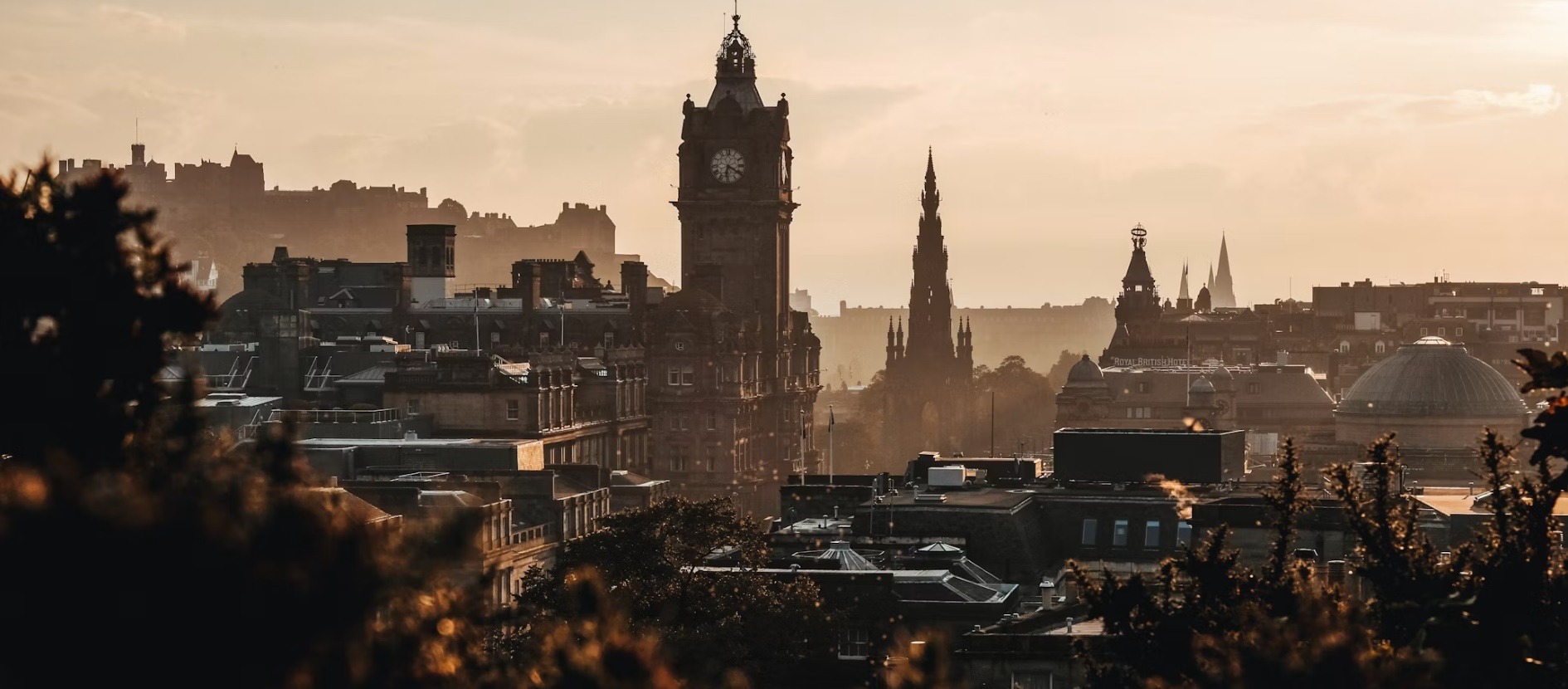
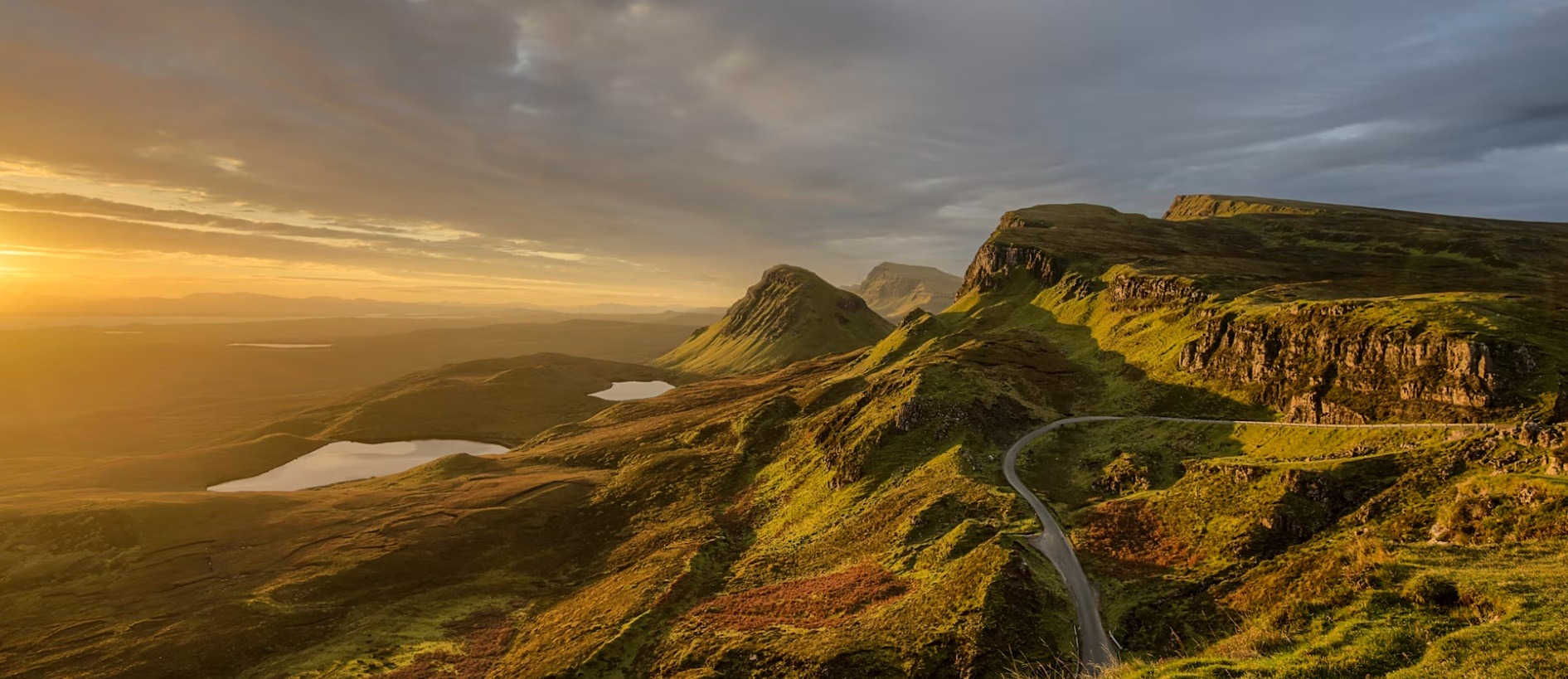
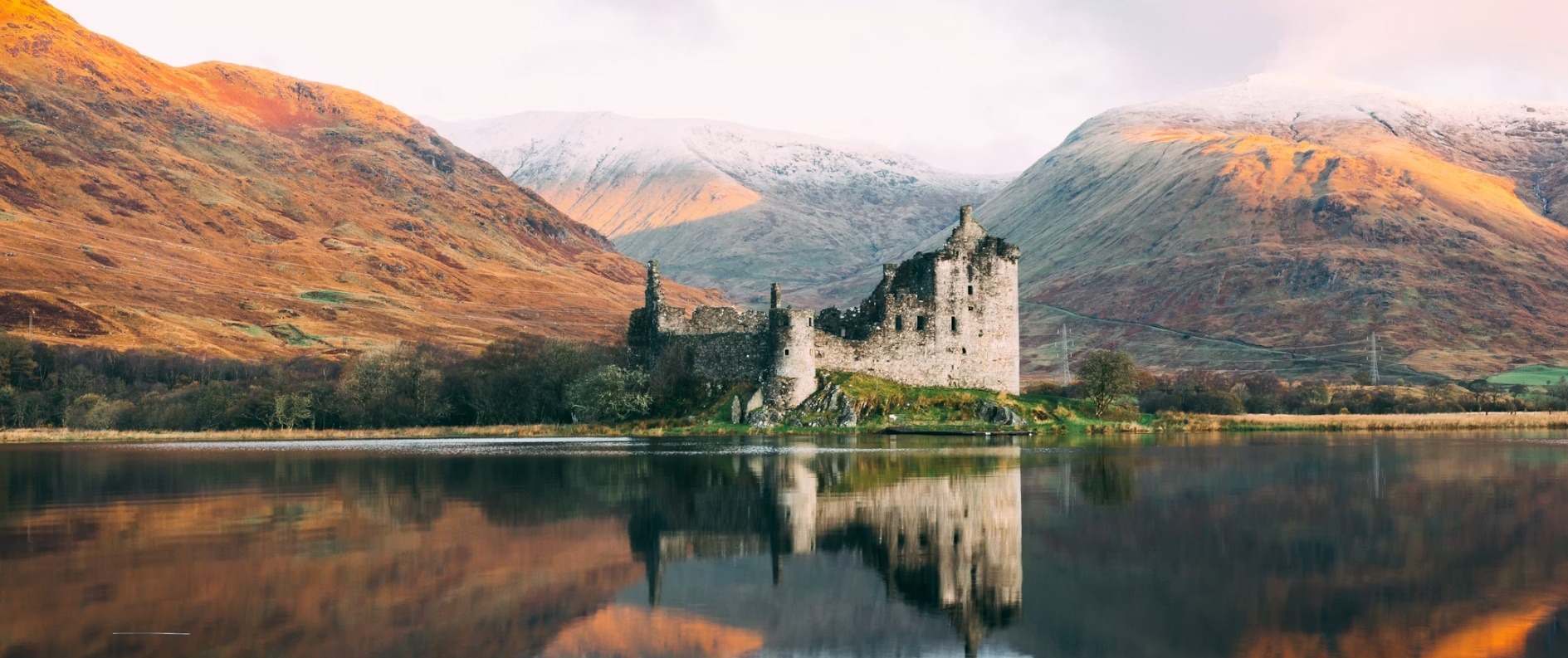
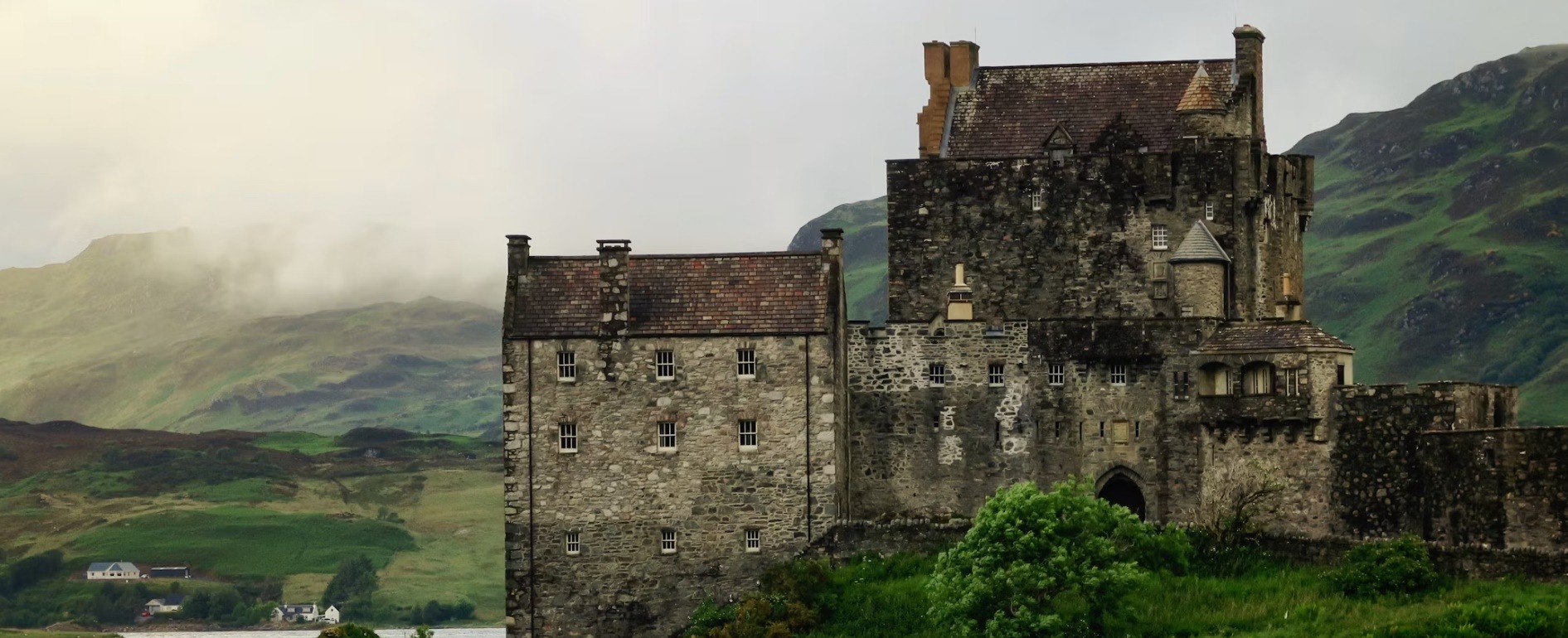
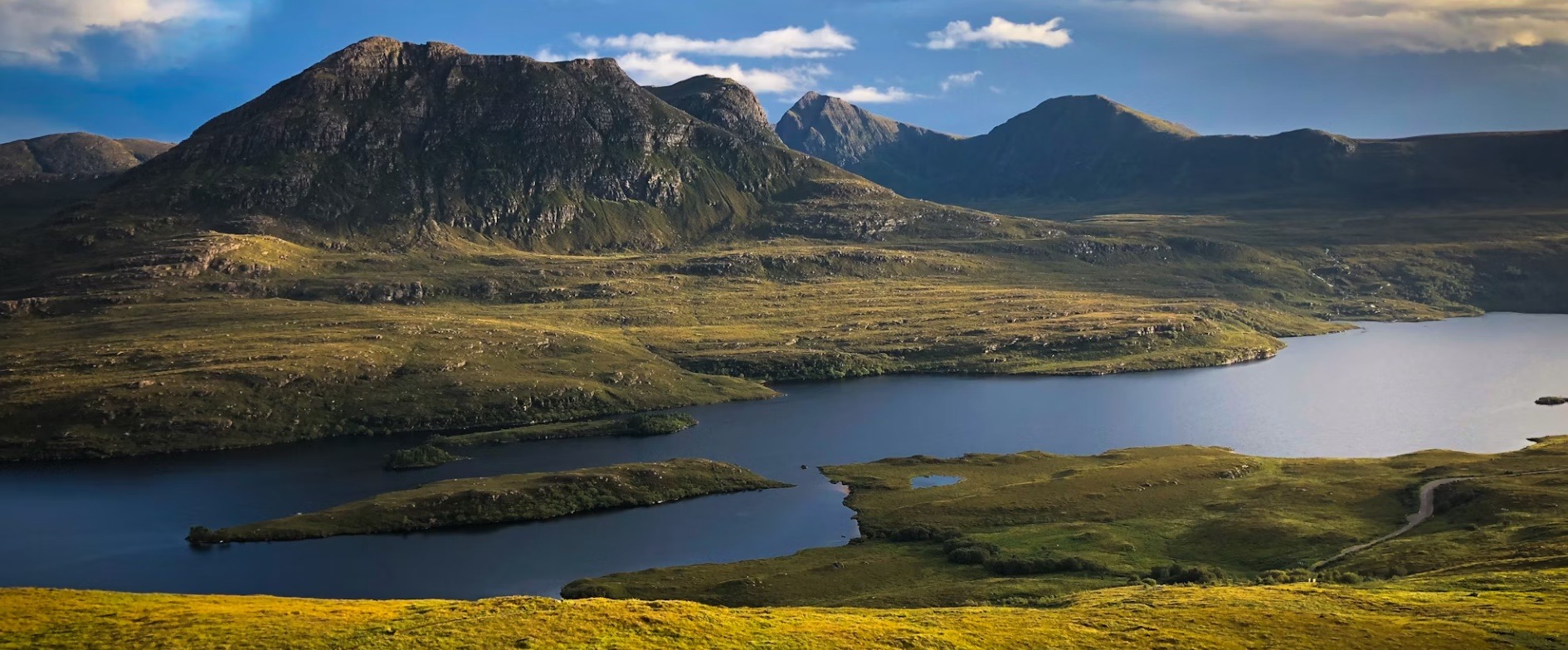
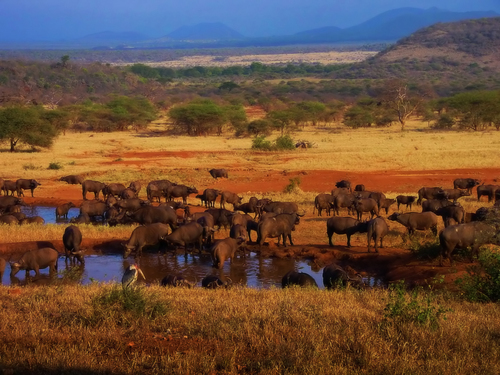
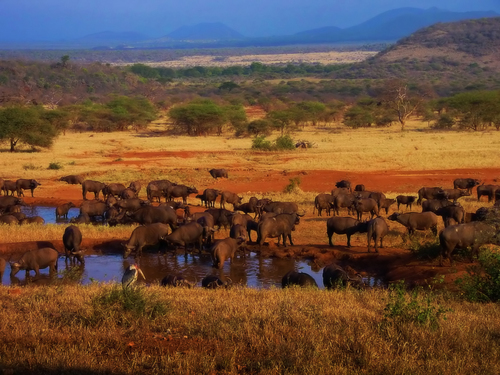
Scotland country image
Scotland overview image

Team Standings

Teams Mp W D L GF GA Pt
Burundi Burundi 0 0 0 0 0 0 0
Canada Canada 0 0 0 0 0 0 0
Guinea Guinea 0 0 0 0 0 0 0
Kenya Kenya 0 0 0 0 0 0 0
Lesotho Lesotho 0 0 0 0 0 0 0
Malawi Malawi 0 0 0 0 0 0 0
Rwanda Rwanda 0 0 0 0 0 0 0
Scotland Scotland 0 0 0 0 0 0 0
Turkey Turkey 0 0 0 0 0 0 0
Uganda Uganda 0 0 0 0 0 0 0

Squad List

Cedrick Roland
Midfielder
Chris Pratts
Forward
Daniel Lover
Midfielder
Dave Thompson
Forward
Erin Martinez
Goalkeeper
Erols Poka
Goalkeeper
Evan Wagner
Forward
Iran Sensini
Forward
Jonathan Martin
Goalkeeper
Jose Perez
Midfielder
Josh Carson
Midfielder
Mark Jones
Defender
Matt Jones
Defender
Michael Allen
Defender
Oriole Rudder
Forward
Parson Walton
Defender
Paul Rohrs
Midfielder
Paul Wagoner
Defender
Rainford Iranold
Midfielder
Roland Rummor
Midfielder
Rudder Eric
Defender
Sean Paul
Midfielder
Timber Justo
Forward
Tommy Waller
Midfielder

Coaching Staff
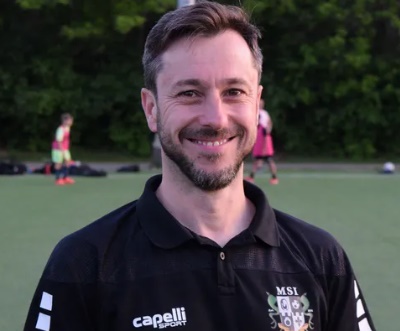
AJ Bownas
C
AJ Bownas
Head Coach