

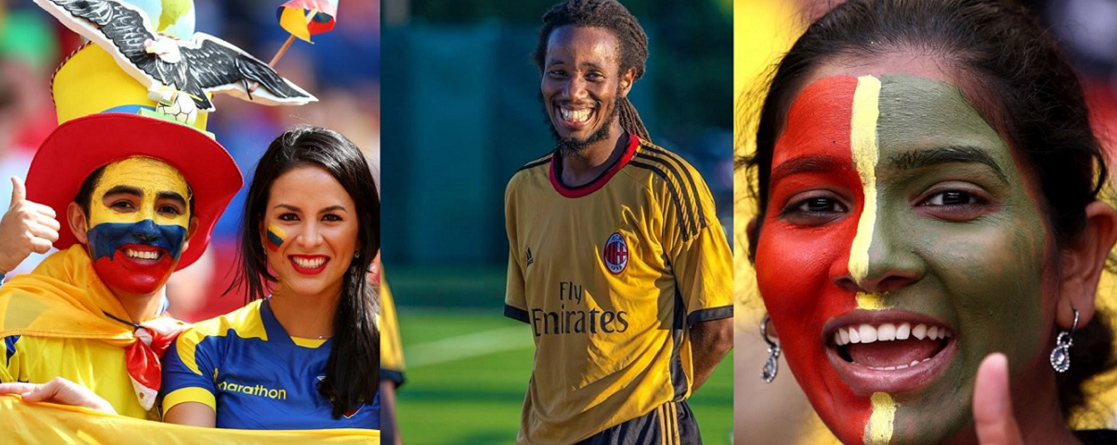

The Diaspora World Cup operates in some of the major cities and metro areas in
United States and
Canada. Our network of register players includes 20 cities, 200 countries, 400
teams, and 10,000
players. Join our movement to solve the world's most pressing challenges:
Illiteracy
Who We are text will be here Who We are text will be here Who We are text will
be here Who We
are text will be here Who We are text will be here Who We are text will be here
Who We are text
will be here Who We are text will be here Who We are text will be here
What We Do text will be here What We Do text will be here What We Do text will
be here What We
Do text will be here What We Do text will be here What We Do text will be here
What We Do text
will be here What We Do text will be here What We Do text will be here What We
Do text will be
here What We Do text will be here What We Do text will be here
Get Involved text will be here Get Involved text will be here Get Involved text
will be here Get
Involved text will be here Get Involved text will be here Get Involved text will
be here Get
Involved text will be here Get Involved text will be here Get Involved text will
be here Get
Involved text will be here
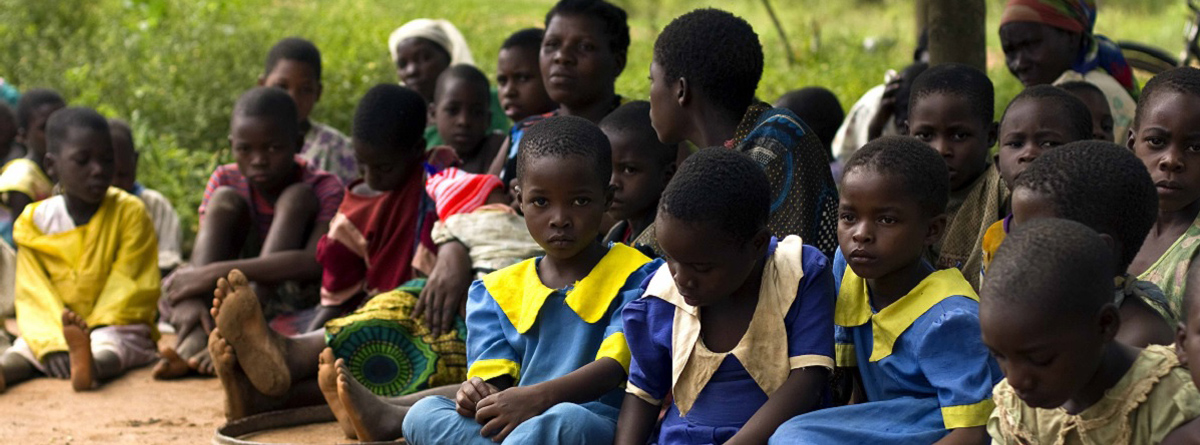
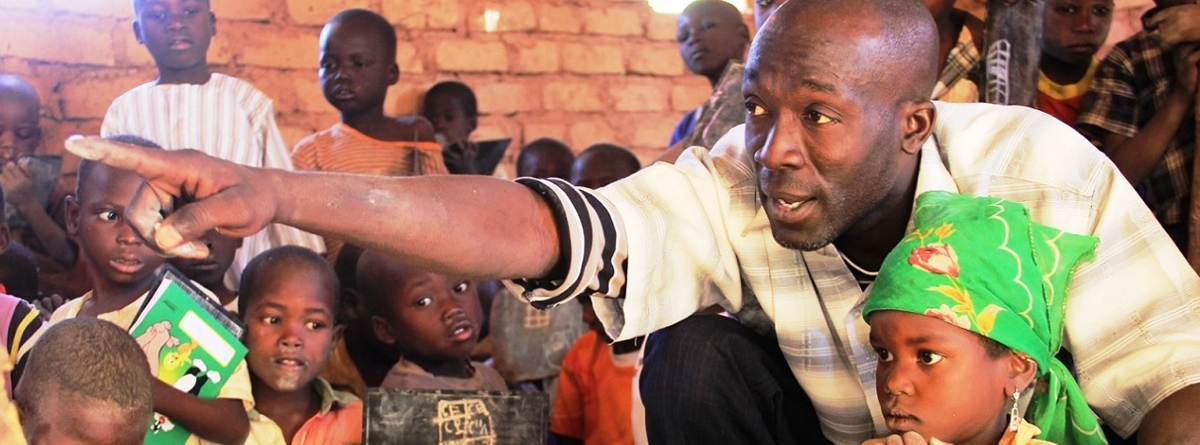
Education is a basic Human Right and the Diaspora World Cup global school
program focuses its
energy in some the poorest countries around the world. We build schools in some
of the poorest
countries around the worldthat historically had no adequate school structure.
Any member of the
World Diaspora has the power to end illiteracy around the world through the
power of soccer.
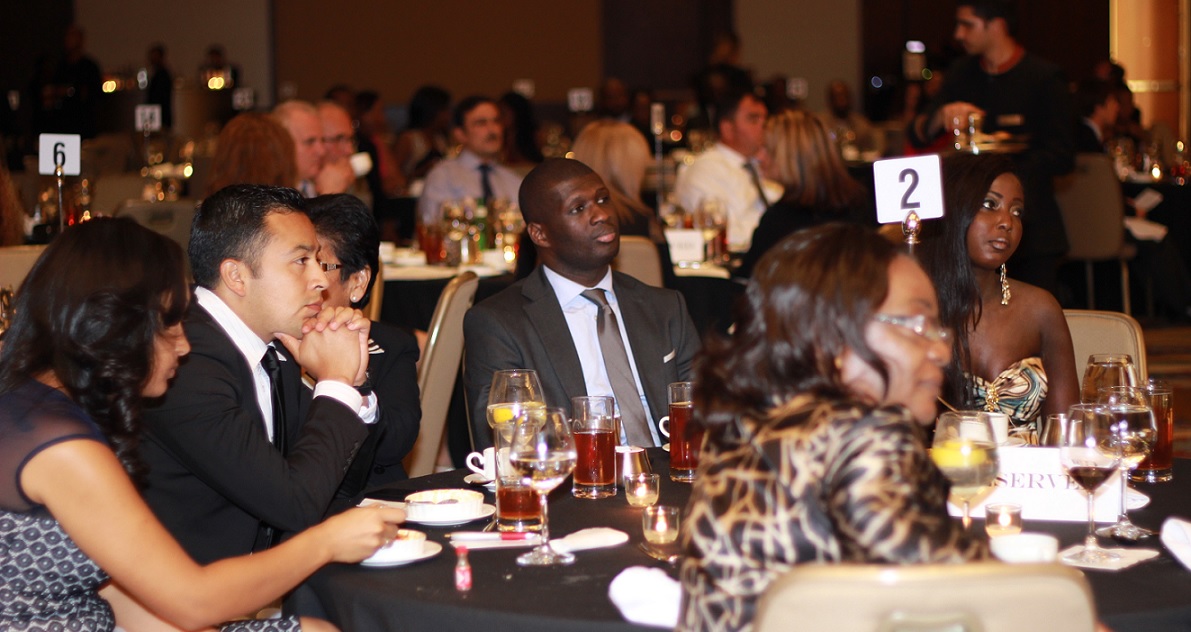
High-profile sport figures, global leaders, business leaders, political figure,
journalists,
activists, philanthropists, actors, and entrepreneurs united by their commitment
to the Diaspora
World Cup mission to eradicate illiteracy around the world through the power of
soccer. They serve
as role models and spread the Diaspora World Cup vision and commitment of a
world mobilized
through soccer.
Diaspora 2027: complete guide to all players | The Diaspora
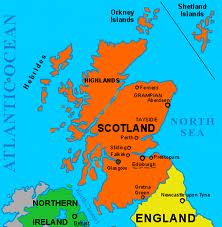
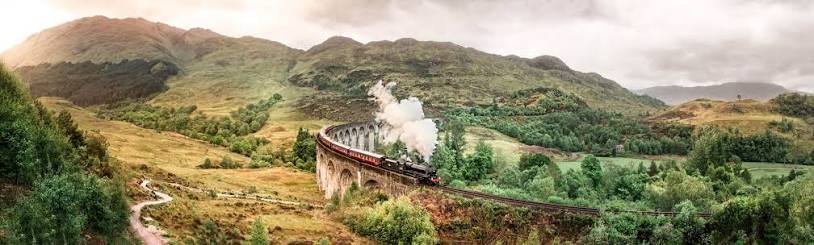
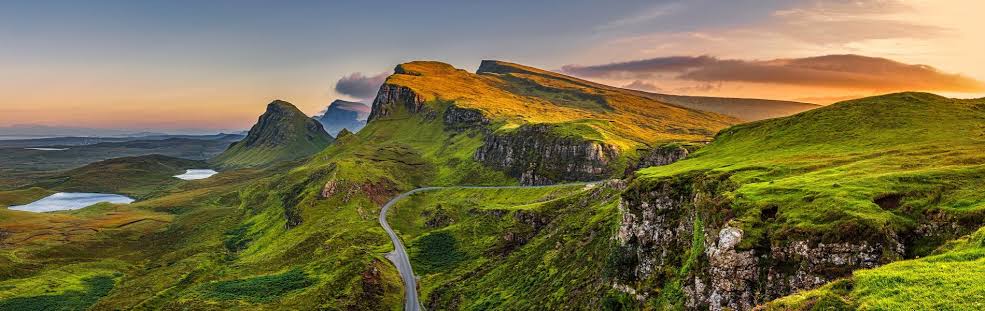
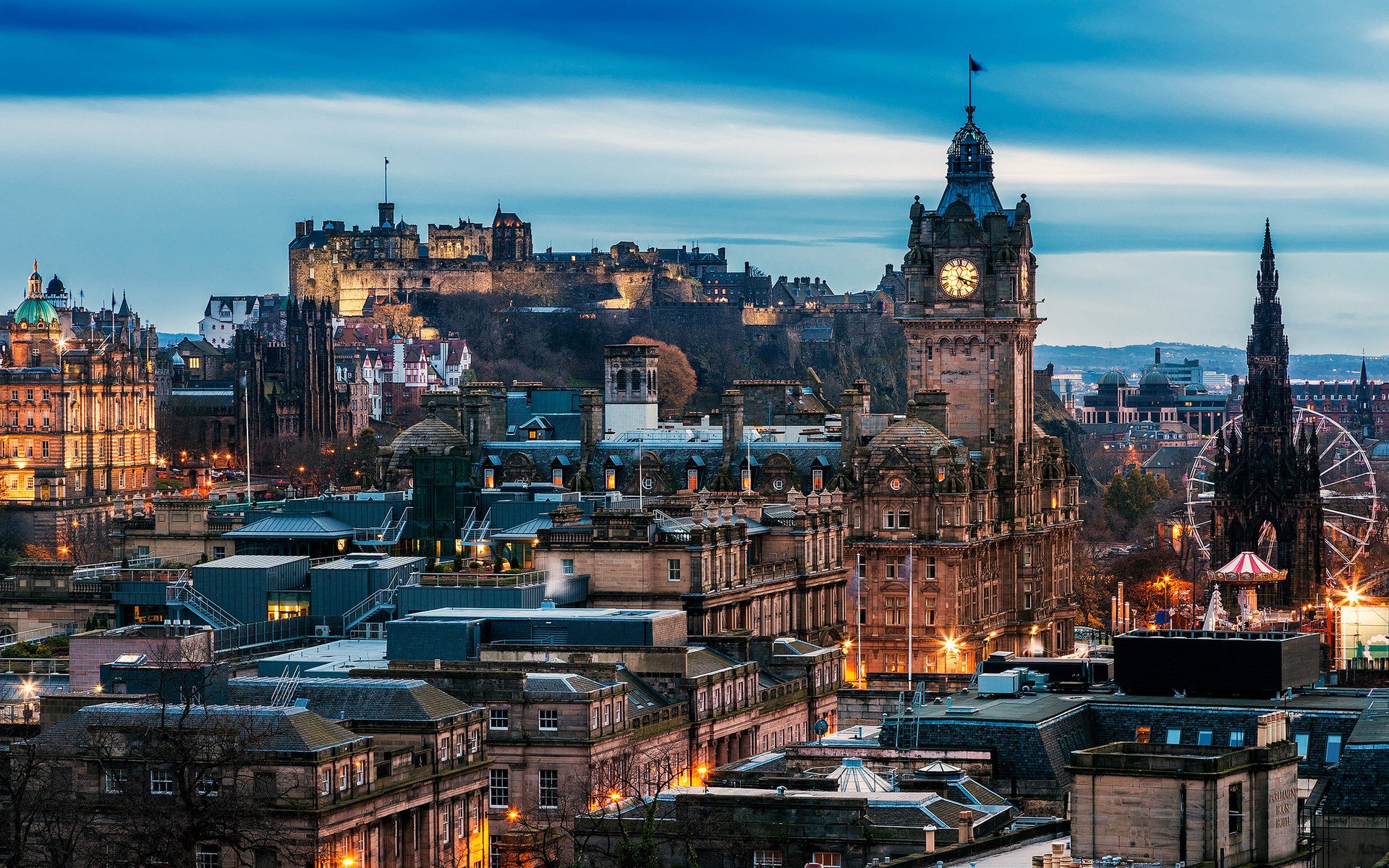
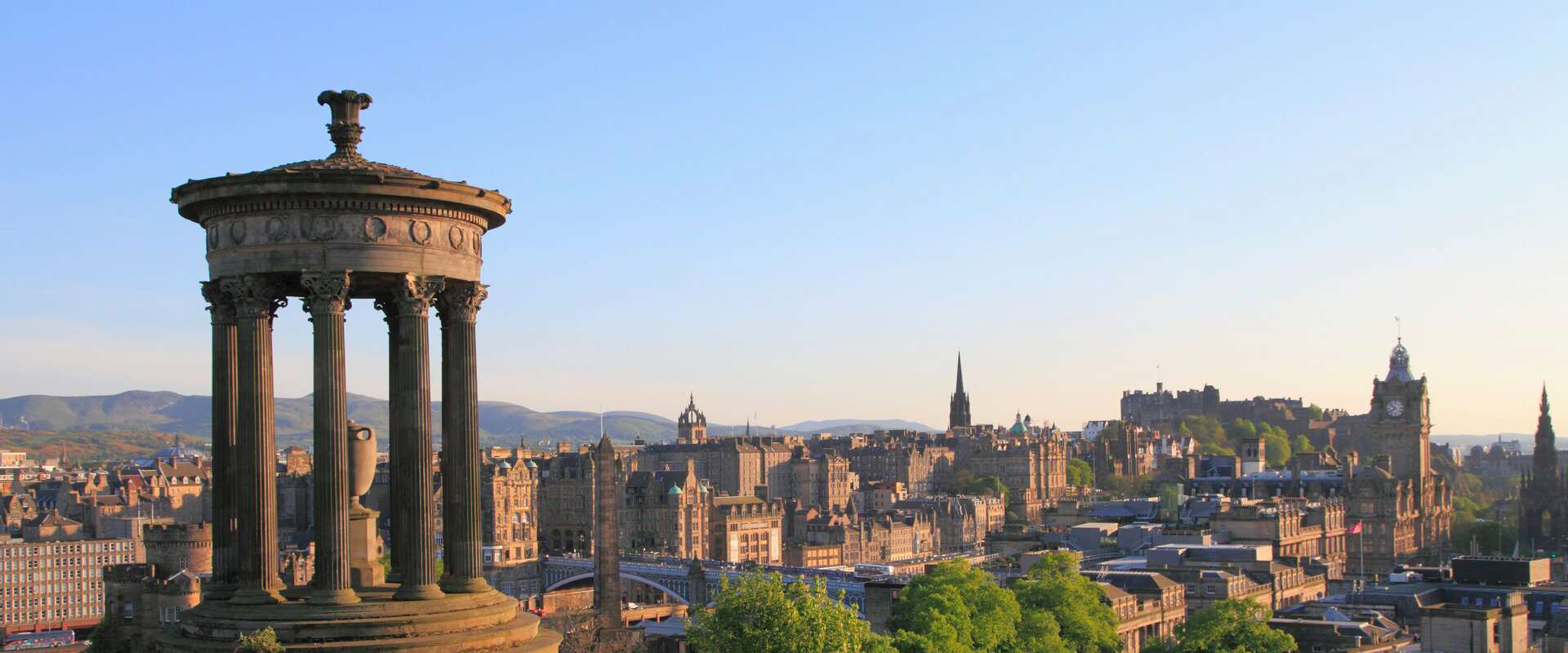
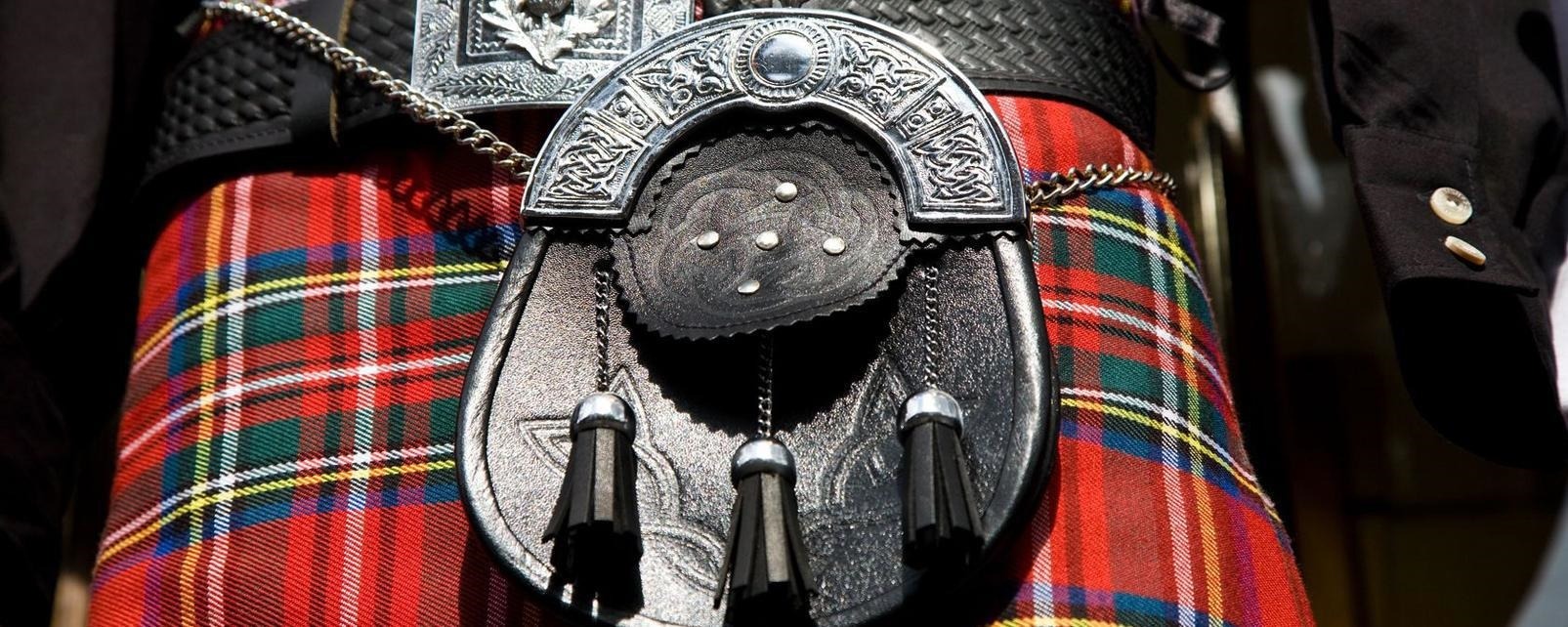
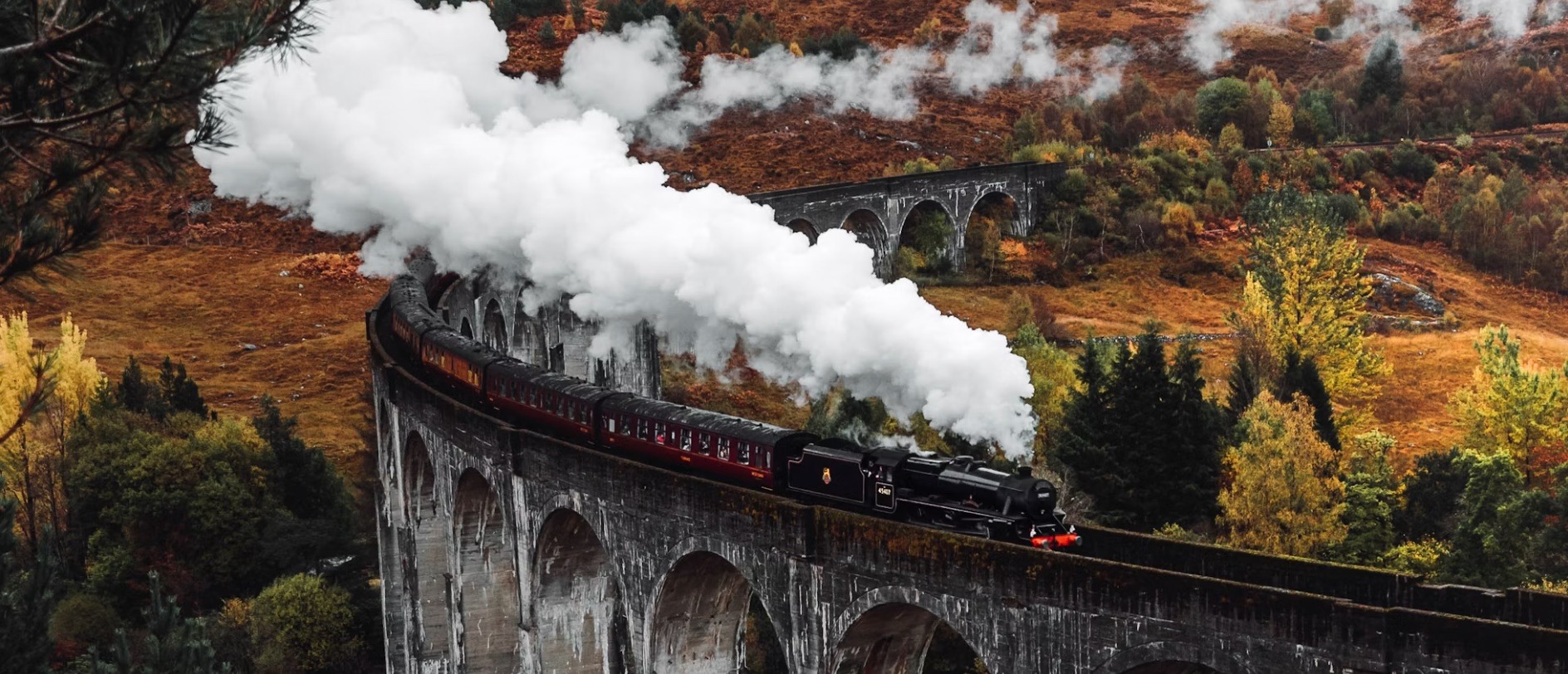
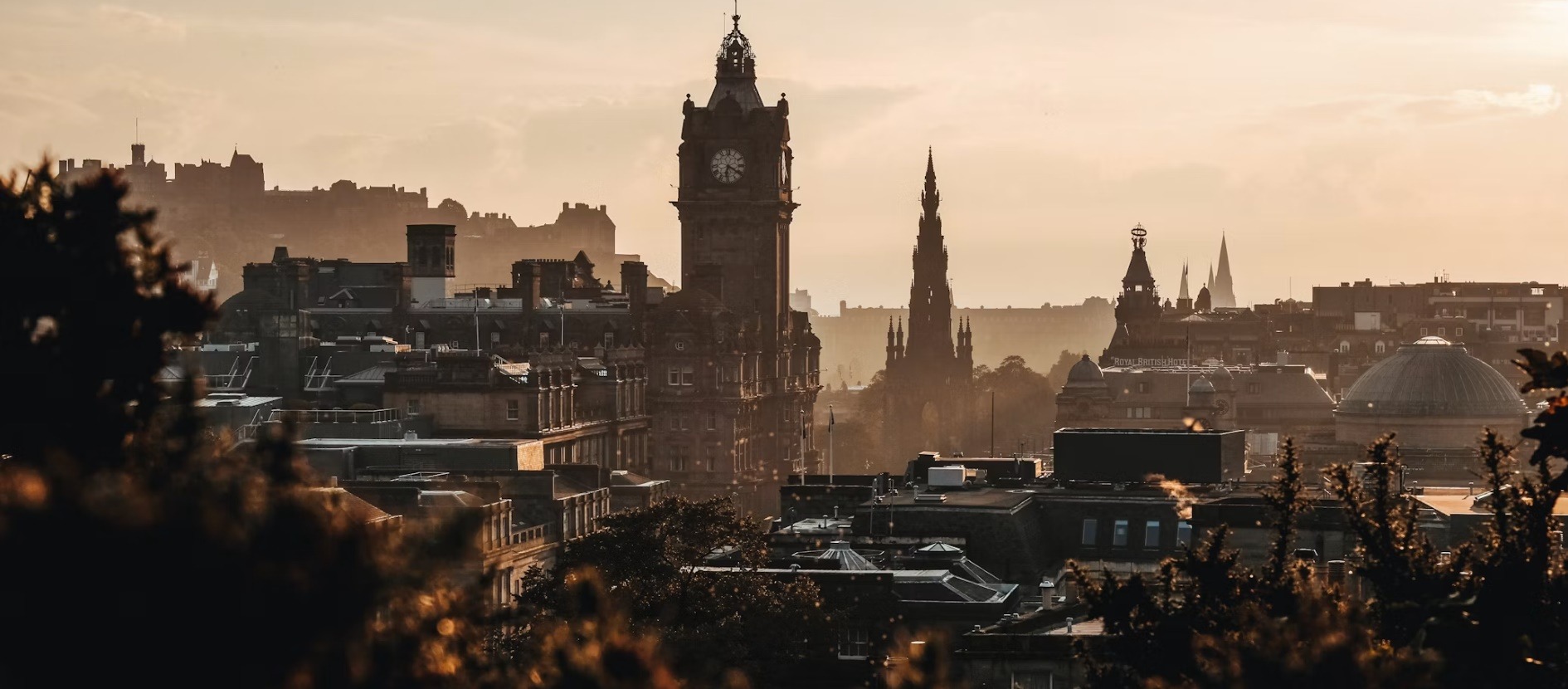
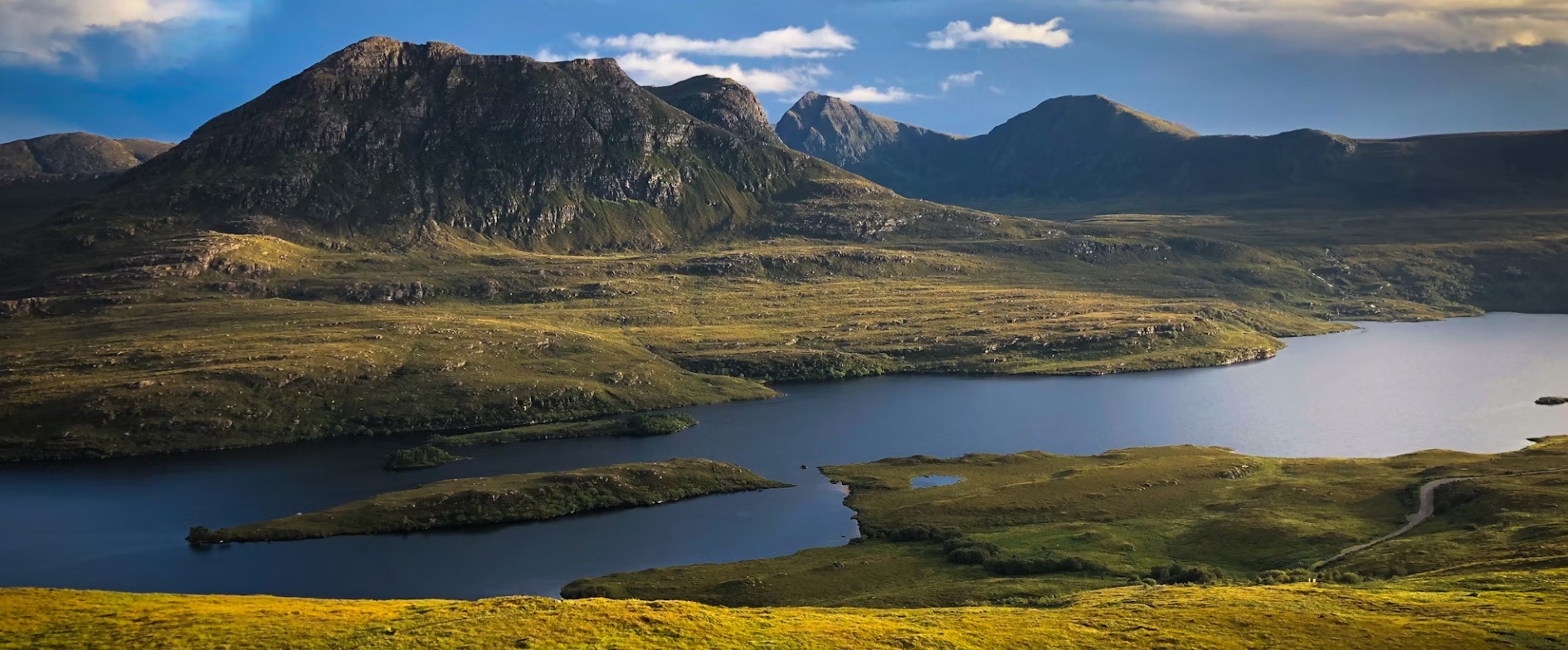
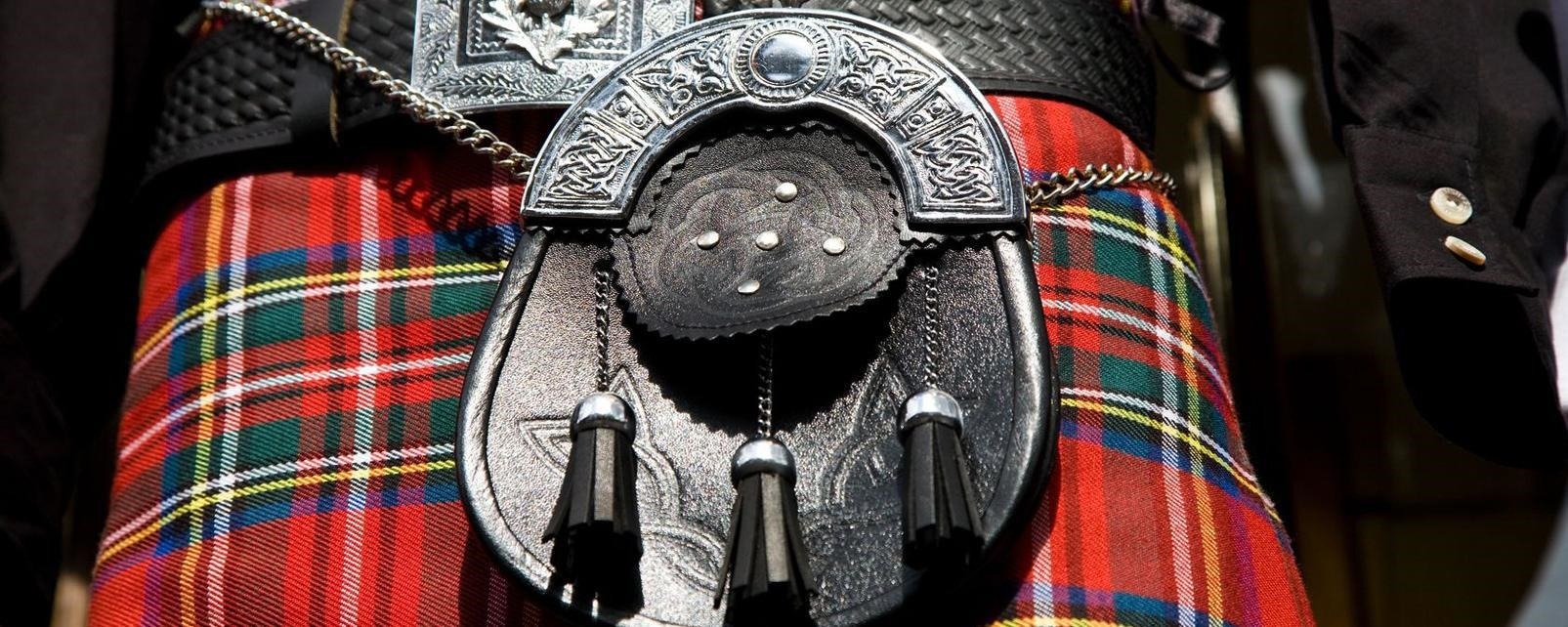
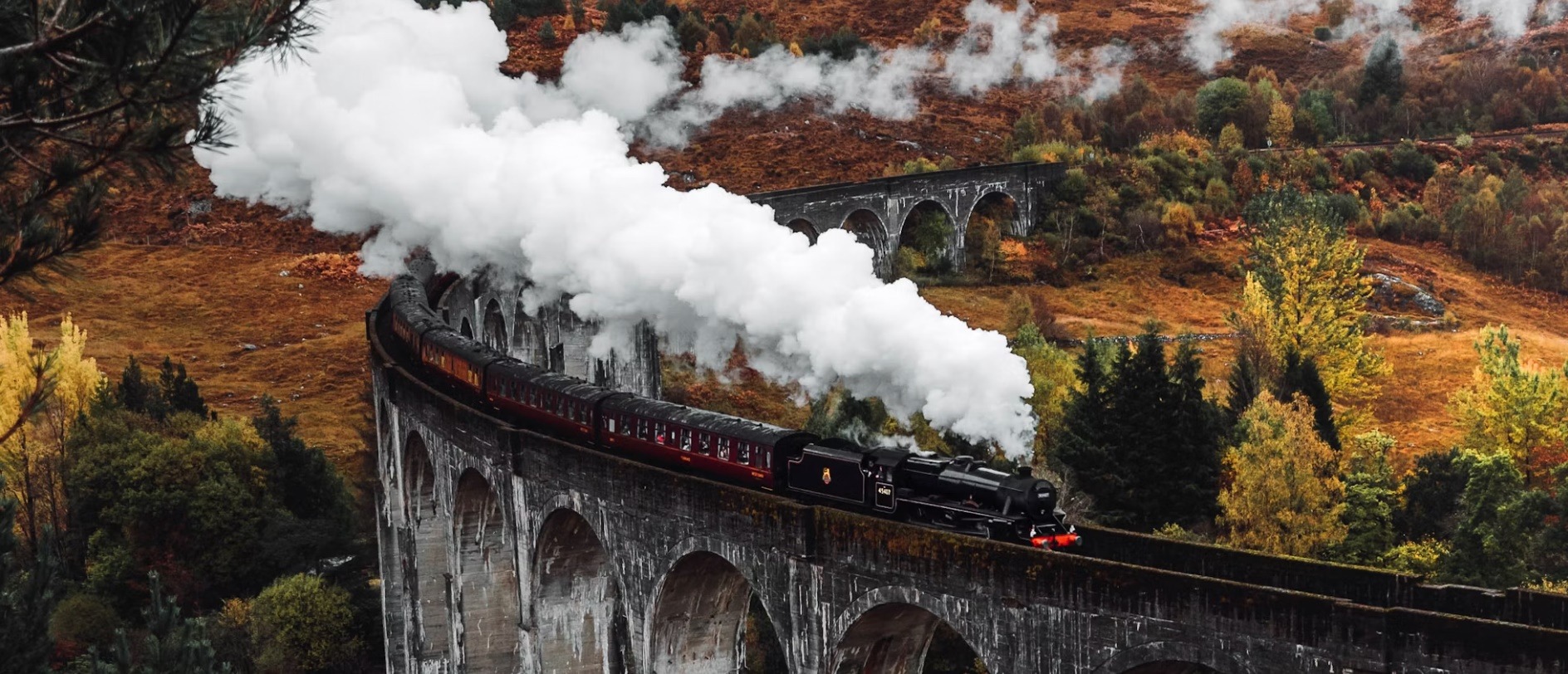
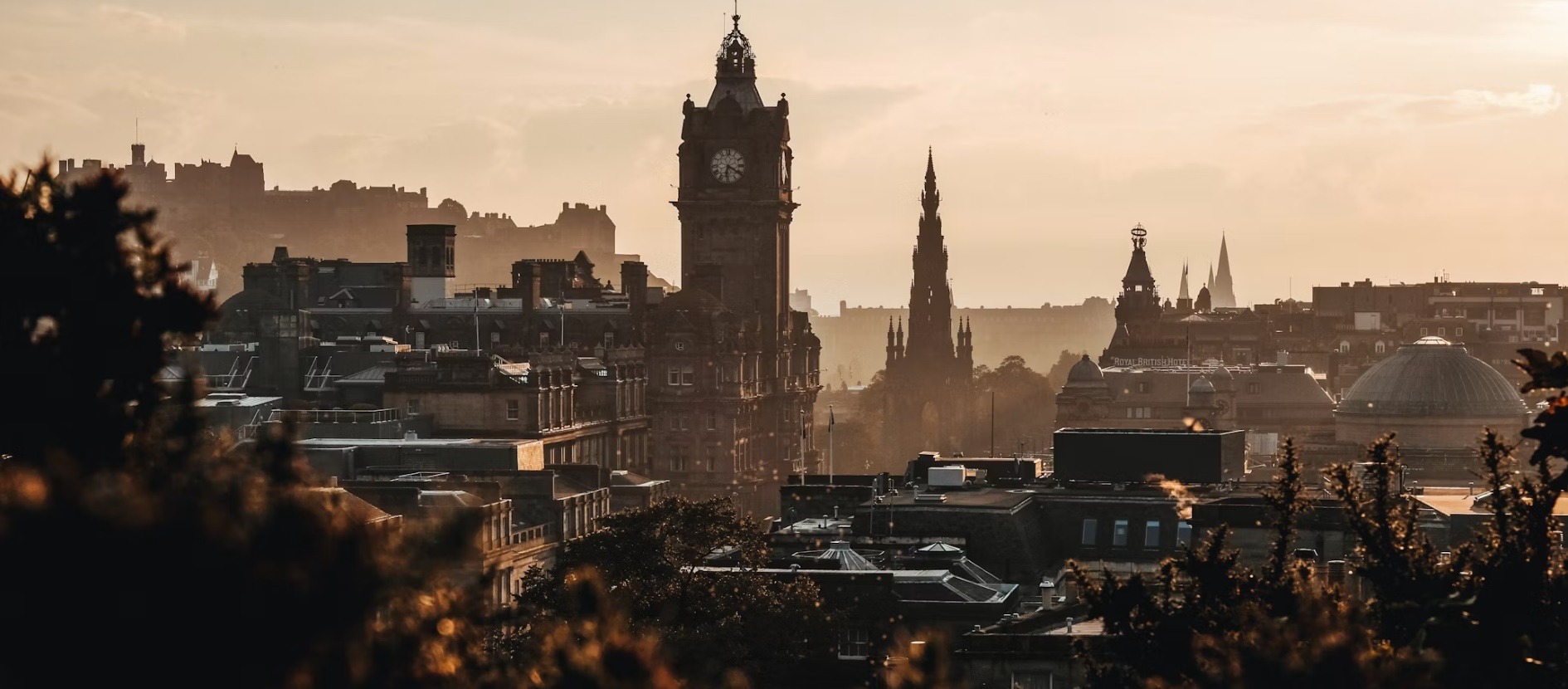
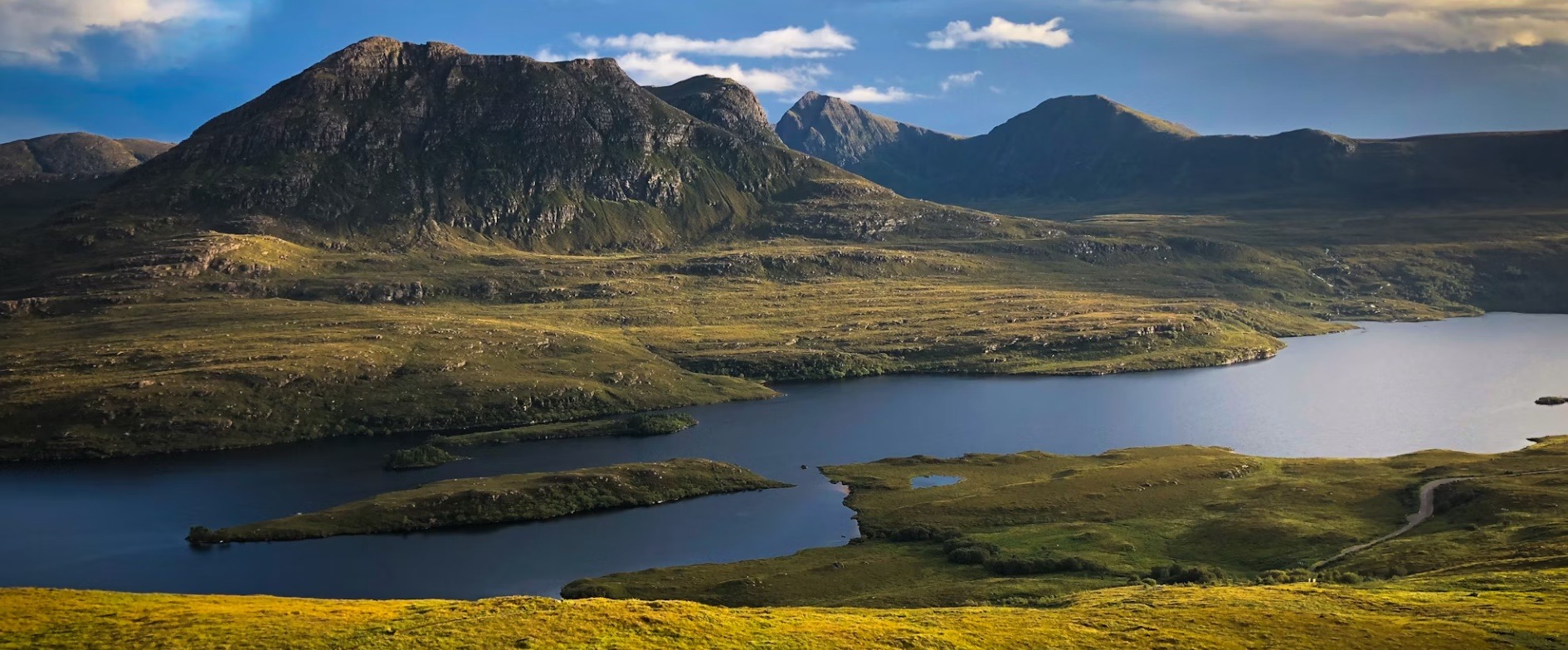
SCOTLAND
Welcome to the 2028 Diaspora World Cup. Silver Spring – Takoma P.
Silver Spring – Takoma P.
Welcome to the 2028 Diaspora World Cup. Silver Spring – Takoma P.
The Senegalese diaspora in the Washington, D.C., Maryland, and Virginia (DMV) area is a flourishing and tightly connected West African community. The community includes professionals, students, entrepreneurs, and families, with strong concentrations and networks in parts of Montgomery County and Prince George’s County. Core Community Organizations Senegalese As...The Senegalese diaspora in the Washington, D.C., Maryland, and Virginia (DMV) area is a flourishing and tightly connected West African community. The community includes professionals, students, entrepreneurs, and families, with strong concentrations and networks in parts of Montg...
More Information
Chelsea Official
Download The 5th Stand, Chelsea’s official mobile app, to see exclusive content, match action and all the latest news from Stamford Bridge.
More Information
Street Soccer in Scotland
Street soccer is a popular recreational activity in Scotland, where children and teenagers regularly play informal football matches in neighbourhood streets, school playgrounds, local parks, community pitches, and public courts. These games provide young players with a fun way to enjoy football, stay active, and develop their skills outside organised competitions.
The competitive and energetic nature of street soccer encourages quick passing, close ball control, creative dribbling, and strong teamwork. Playing in smaller spaces helps participants improve their technique, confidence, agility, and ability to make quick decisions while adapting to different playing environments.
Street soccer offers an accessible way for communities across Scotland to enjoy football without requiring professional facilities. It promotes healthy lifestyles, strengthens community relationships, and encourages young players to continue their football journey through schools, clubs, academies, and local competitions.
Street Soccer Culture in Scotland
Football has a deep connection with Scottish communities, and street soccer is often where many children first develop their love for the game. Informal matches organised by friends, schools, and neighbourhood groups create a welcoming atmosphere where players of different ages and abilities can participate.
Skills Developed Through Street Soccer
Street soccer helps players improve dribbling, first touch, passing accuracy, shooting ability, agility, balance, ball control, and tactical awareness. Regular games also develop communication, creativity, confidence, and the ability to make quick decisions during fast-paced situations.
Street Soccer and Community Development
Street soccer brings communities together through football while encouraging teamwork, positive youth participation, and active lifestyles. It also provides aspiring players with valuable experience before progressing to school teams, local football clubs, academies, futsal programmes, or organised youth football competitions.
The SCOTLAND in the DMV Metro
The Senegalese diaspora in the Washington, D.C., Maryland, and Virginia (DMV) area is a flourishing and tightly connected West African community. The community includes professionals, students, entrepreneurs, and families, with strong concentrations and networks in parts of Montgomery County and Prince George’s County.
Core Community Organizations
Senegalese Association of the DMV (SA-DMV / TeamSenegal): A major community organization based in the DMV that supports Senegalese residents through cultural programs, newcomer assistance, networking, and community events. The organization has also supported efforts to establish a dedicated DMV Senegalese Community Center.
Embassy of the Republic of Senegal: Located in Washington, D.C., the Senegalese Embassy serves as the community’s primary diplomatic and administrative institution and participates in national and cultural celebrations.
African Community Center DC-Metro (ACC-DC): A broader immigrant-support organization serving African communities throughout the DMV, including West African residents. It provides resources related to integration, employment, housing, and community services.
Major Cultural & Social Events
SenFest (Senegal Day): An annual Senegalese cultural festival in Silver Spring, Maryland, featuring Senegalese and African food, music, dancing, art, crafts, and community activities. It provides a major gathering point for the local Senegalese community.
One Night in Senegal DMV: A Senegalese-focused nightlife and social event bringing together community members through Mbalax, Afrobeat, Amapiano, and Francophone music, while also serving as a networking and social gathering.
Senegalese Community Center Initiative: Community members have supported efforts to create a permanent multipurpose center where Senegalese residents can organize cultural, educational, social, and community activities.
Community & Cultural Hubs
Silver Spring, Maryland: One of the key areas for Senegalese and broader West African community activity, with restaurants, businesses, cultural organizations, and events.
Hyattsville & Prince George’s County: Important suburban areas within the broader West African immigrant network.
Washington, D.C.: The location of the Senegalese Embassy and a major center for diplomatic, professional, and cultural connections.
Significance
Scottish immigration to the United States has generally reflected religious conflict, political unrest, land shortages, the Highland Clearances, industrial change, economic opportunity, education, professional employment, and family migration.
Scottish migration to North America began during the colonial period and became an important part of United States history. Early arrivals included farmers, merchants, soldiers, ministers, artisans, teachers, doctors, and administrators seeking land, religious freedom, trade, and employment. Large numbers of Scots and Ulster Scots settled in Pennsylvania, Virginia, the Carolinas, Georgia, New York, and other colonies before moving into Appalachian and western territories. Later immigrants found work in agriculture, mining, manufacturing, shipbuilding, engineering, commerce, education, and professional occupations. Scottish communities established Presbyterian churches, schools, mutual-aid societies, businesses, cultural clubs, and Highland associations while preserving music, dance, literature, clan traditions, and national celebrations.
Scottish Migration Before the Major Immigration Waves
Before the nineteenth century, Scottish migration was shaped by religious disputes, political conflict, agricultural change, military service, and the search for affordable land. Some Scots were transported as prisoners or indentured workers, while others arrived voluntarily as settlers, merchants, ministers, and skilled labourers. Large numbers of Ulster Scots—descendants of Scottish settlers in northern Ireland—migrated to British North America during the eighteenth century because of rising rents, economic hardship, and religious tensions. Many entered through Pennsylvania and travelled south through the Appalachian backcountry. Scots participated in colonial trade, farming, education, government, and the military, and their Presbyterian institutions became influential in several colonies. By the American Revolution, Scottish and Ulster-Scottish communities were firmly established throughout the colonies.
Nineteenth- and Twentieth-Century Immigration
Scottish emigration increased during the nineteenth century as the Highland Clearances, agricultural restructuring, population growth, industrial change, famine, and limited rural employment displaced families and crofting communities. Many emigrants travelled to the United States, Canada, Australia, and New Zealand, sometimes with assistance from landlords or emigration programmes. In America, Scots worked as farmers, miners, textile workers, engineers, shipbuilders, merchants, teachers, ministers, and business owners. Immigration continued through the Ellis Island era, when approximately half a million Scots were among the millions processed there between 1892 and 1954. Later Scottish migrants increasingly included students, scientists, academics, artists, businesspeople, and professionals arriving through employment, education, marriage, and family connections.
Lorem ipsum dolor sit amet, consectetur adipiscing elit, sed do eiusmod tempor incididunt ut
labore et dolore magna aliqua. Ut enim ad minim veniam, quis nostrud exercitation ullamco
laboris nisi ut aliquip ex ea commodo consequat. Duis aute irure dolor in
reprehenderit in voluptate velit esse cillum dolore eu fugiat nulla pariatur.