

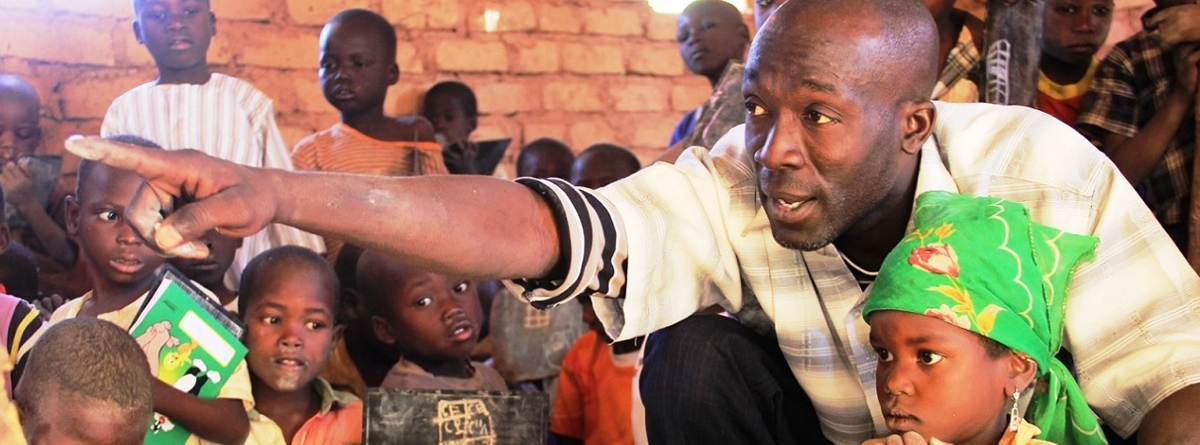


Responsive Header
  • Where We Work
  • Cameroon
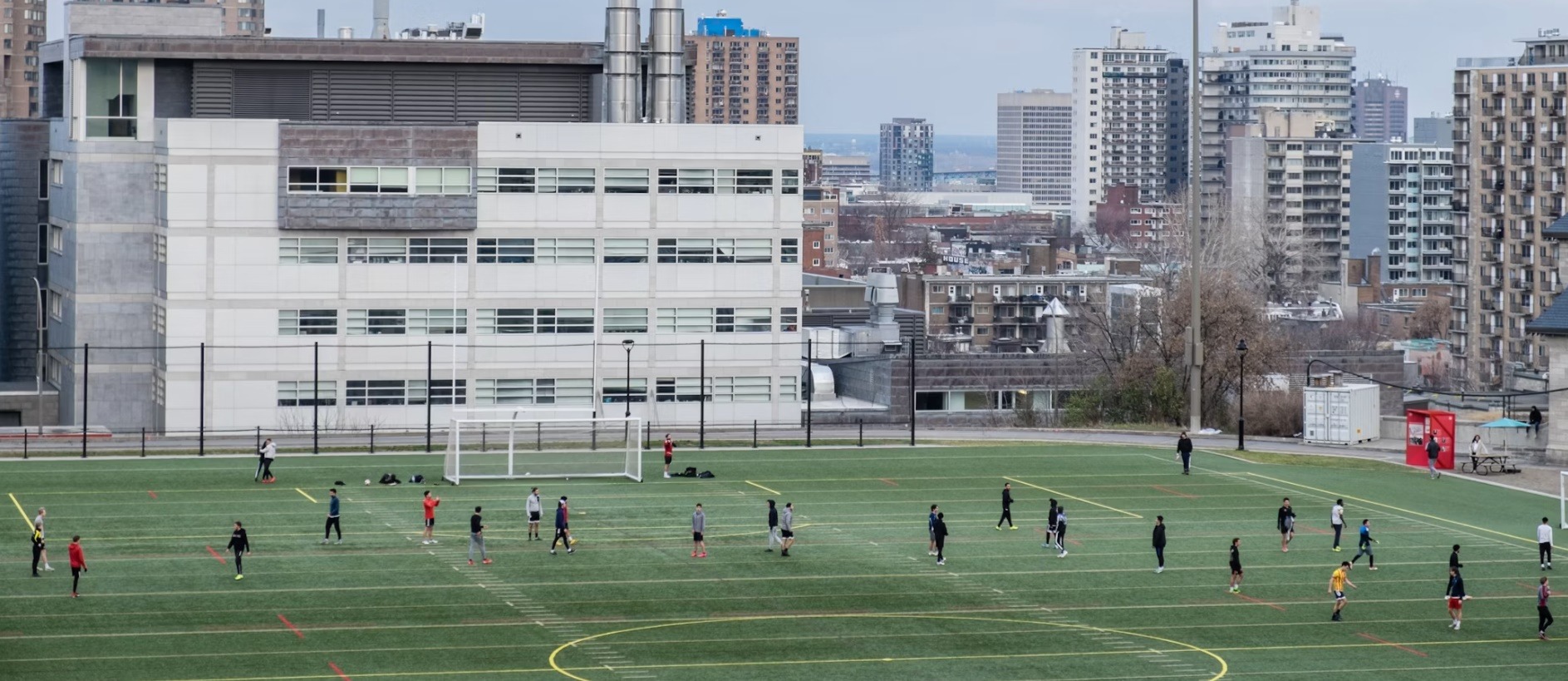
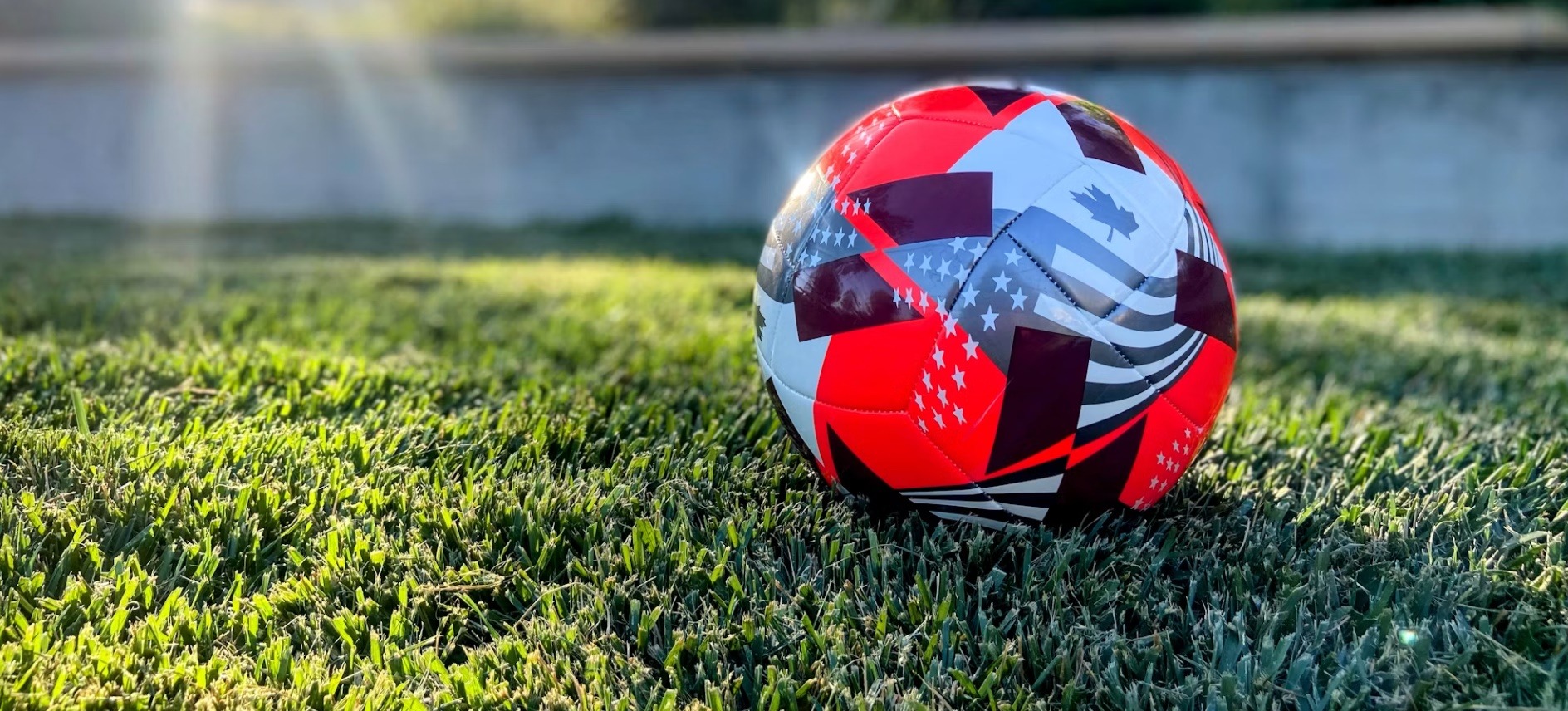
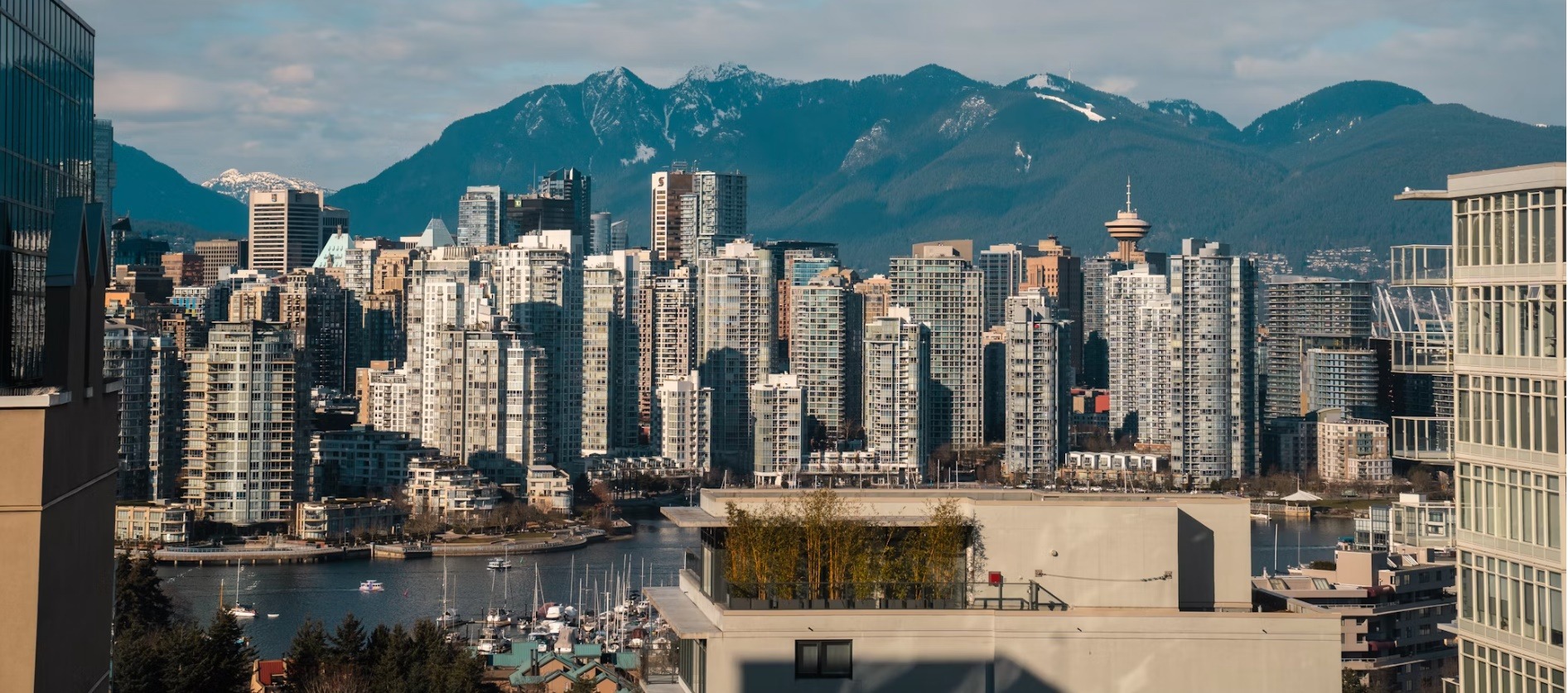
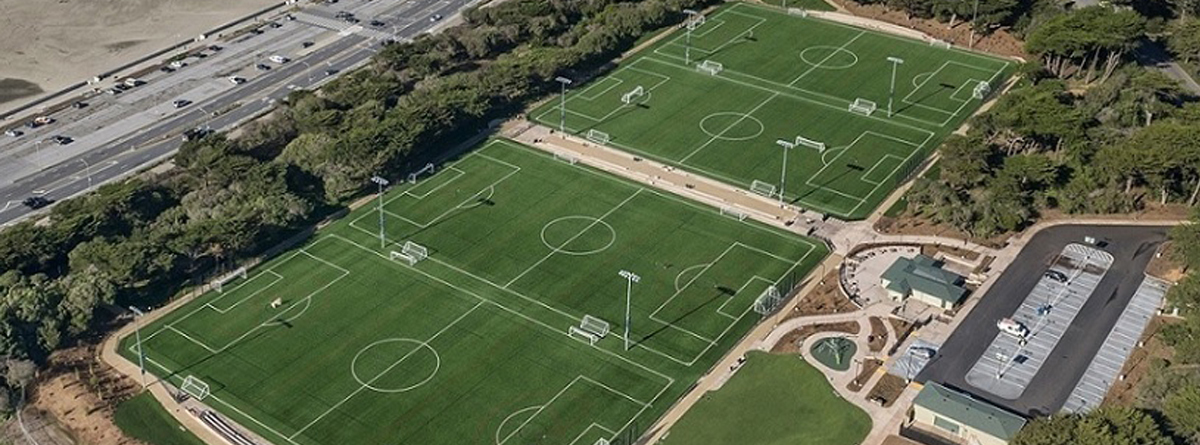
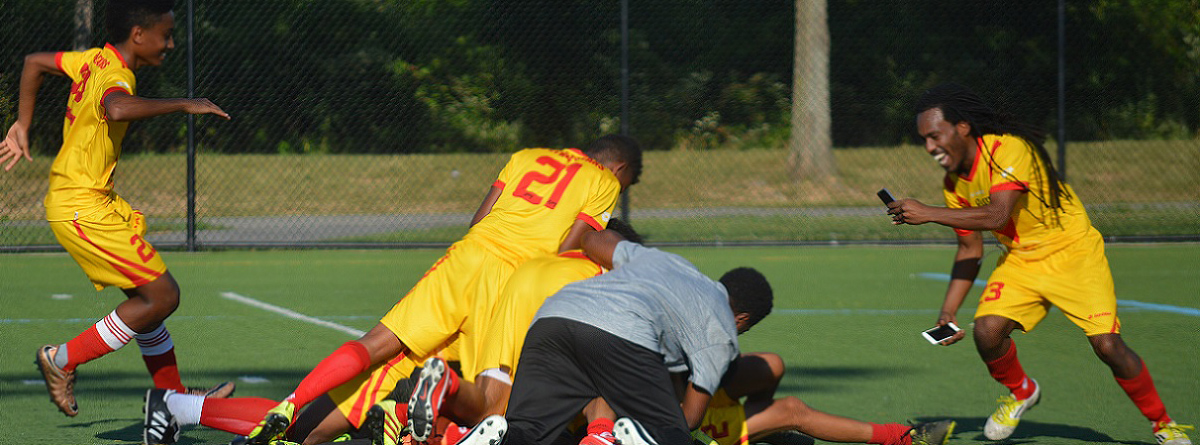
  • The Diaspora World Cup operates in some of the major cities and metro areas in United States and Canada. Our network of register players includes 20 cities, 200 countries, 400 teams, and 10,000 players. Join our movement to solve the world's most pressing challenges: Illiteracy
  • Who We are text will be here Who We are text will be here Who We are text will be here Who We are text will be here Who We are text will be here Who We are text will be here Who We are text will be here Who We are text will be here Who We are text will be here
  • What We Do text will be here What We Do text will be here What We Do text will be here What We Do text will be here What We Do text will be here What We Do text will be here What We Do text will be here What We Do text will be here What We Do text will be here What We Do text will be here What We Do text will be here What We Do text will be here
  • Get Involved text will be here Get Involved text will be here Get Involved text will be here Get Involved text will be here Get Involved text will be here Get Involved text will be here Get Involved text will be here Get Involved text will be here Get Involved text will be here Get Involved text will be here
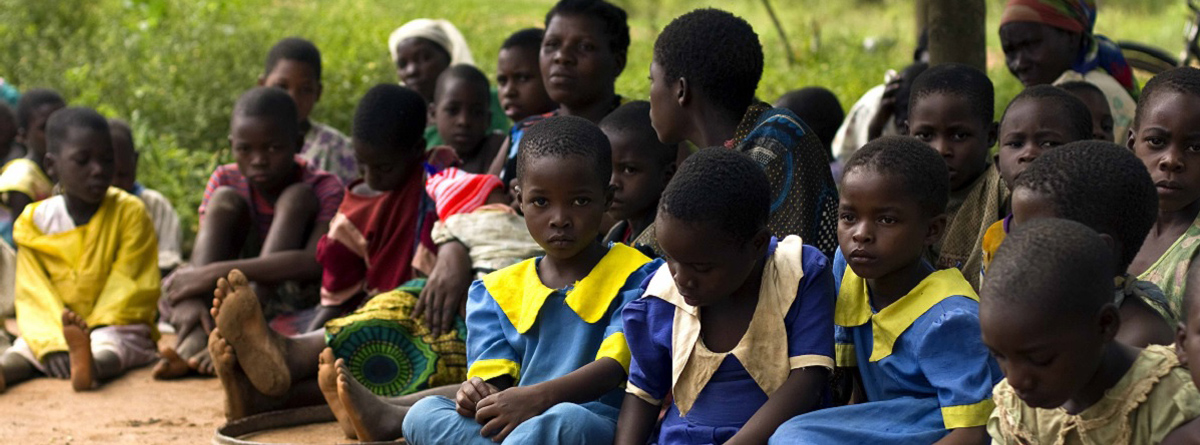
  • Education is a basic Human Right and the Diaspora World Cup global school program focuses its energy in some the poorest countries around the world. We build schools in some of the poorest countries around the worldthat historically had no adequate school structure. Any member of the World Diaspora has the power to end illiteracy around the world through the power of soccer.
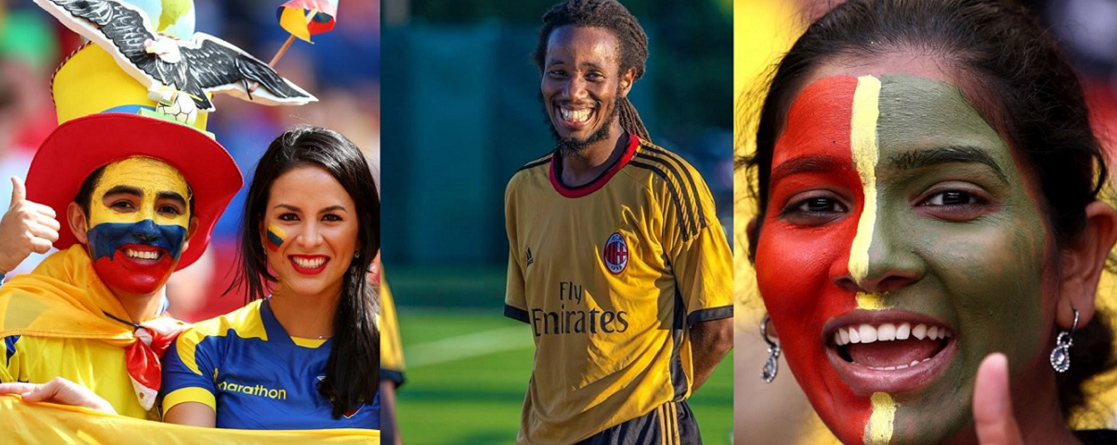
  • High-profile sport figures, global leaders, business leaders, political figure, journalists, activists, philanthropists, actors, and entrepreneurs united by their commitment to the Diaspora World Cup mission to eradicate illiteracy around the world through the power of soccer. They serve as role models and spread the Diaspora World Cup vision and commitment of a world mobilized through soccer.
  •  
  •  
Diaspora 2027: complete guide to all players | The Diaspora
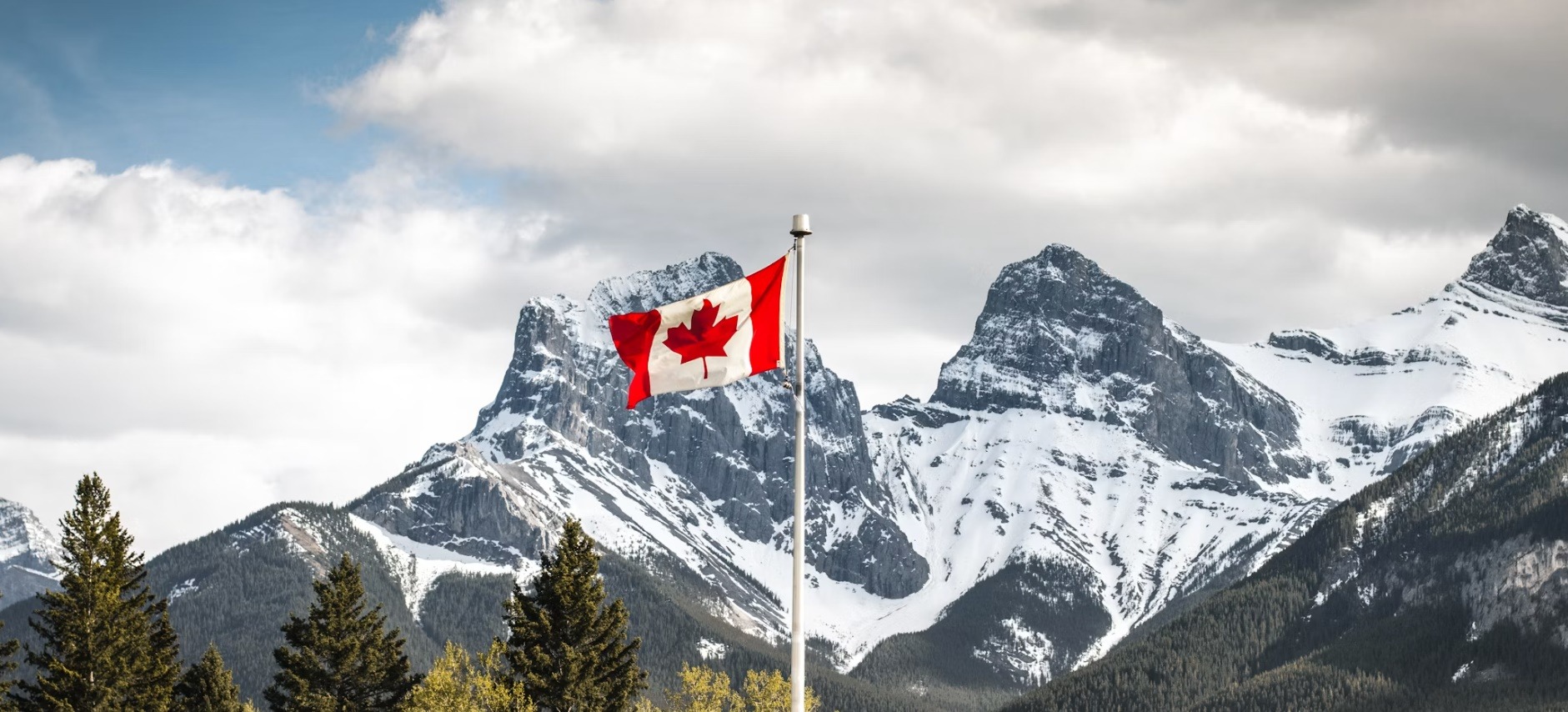
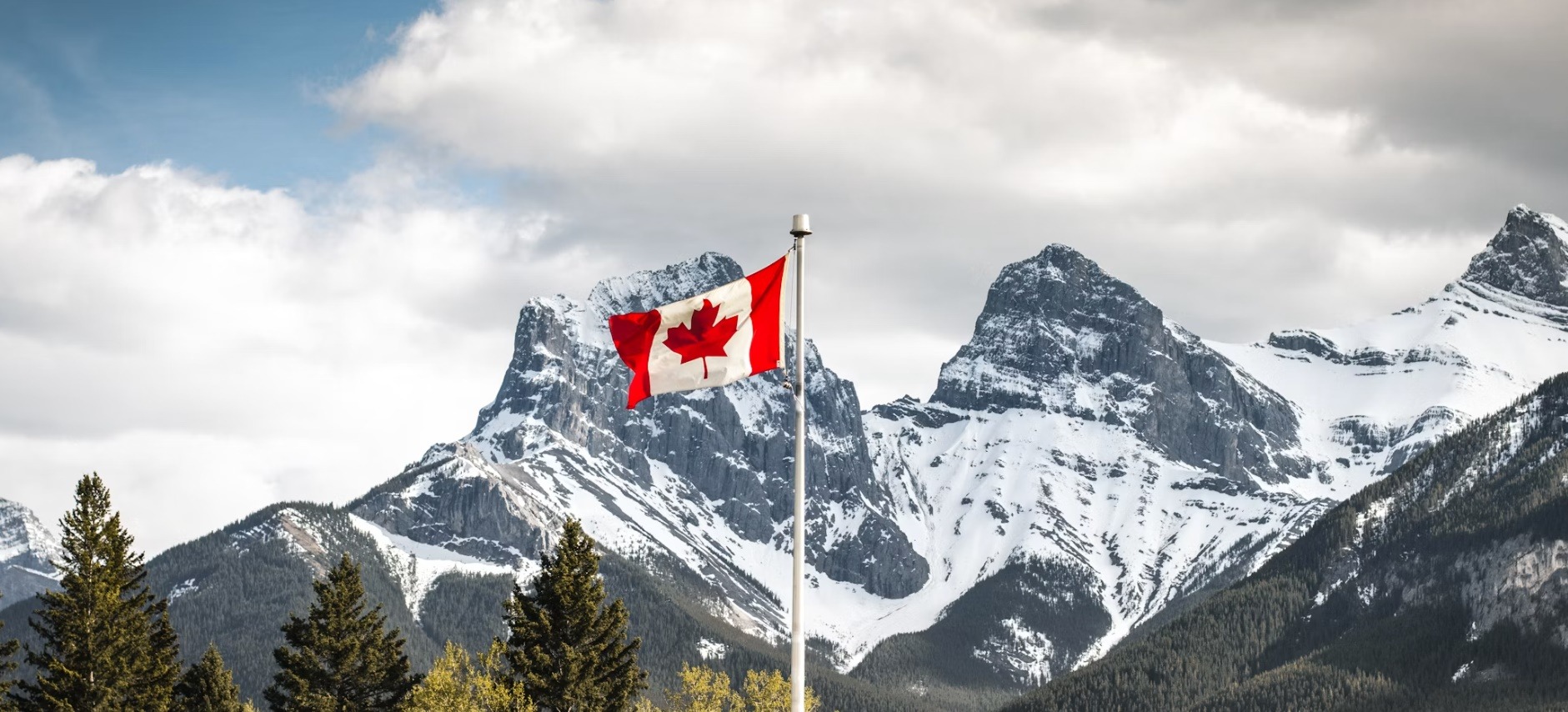
CANADA
Silver Spring – Takoma P.
Welcome to the 2027 Diaspora World Cup.
Silver Spring – Takoma P.

Significance

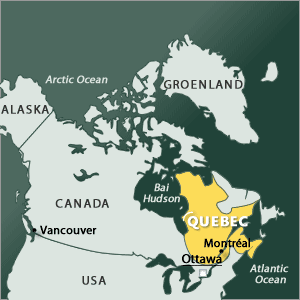
Canadian immigration to the United States has generally reflected a shared border, colonial settlement, agricultural and industrial employment, political conflict, family connections, education, professional opportunities, and economic integration.

Canadian migration to the United States has occurred continuously since the colonial period and has involved French-speaking, English-speaking, Indigenous, Acadian, and other communities. Movement was often temporary or circular because the long shared border allowed workers and families to travel relatively easily between the two countries. During the nineteenth and early twentieth centuries, large numbers of French Canadians left Quebec for textile and manufacturing employment in New England, while other Canadians settled in the Great Lakes, Midwest, Pacific Northwest, and northern states. Later migrants included students, healthcare workers, engineers, academics, entertainers, businesspeople, and other professionals. Canadian immigrants created churches, neighbourhoods, newspapers, cultural associations, and family networks while maintaining close social and economic relationships with Canada.

Canadian Migration Before Confederation

Before Canadian Confederation in 1867, movement into the territory that became the United States was shaped by French and British colonial settlement, warfare, trade, religion, and changing political borders. French settlers, merchants, missionaries, soldiers, and farmers travelled throughout New France, the Great Lakes, and the Mississippi Valley. Acadians expelled from eastern Canada during the eighteenth century eventually settled in Louisiana and contributed to the development of Cajun culture. After the American Revolution, some Loyalists moved north into British territory, while other residents of British North America travelled south for land, trade, maritime employment, or family reasons. Because modern Canada did not yet exist, migrants were commonly identified as French Canadians, Acadians, British subjects, or residents of individual colonies rather than simply as Canadians.

Nineteenth- and Twentieth-Century Migration

Canadian migration increased during the second half of the nineteenth century as industrial growth in the United States created demand for factory, mining, railway, forestry, construction, and agricultural workers. Textile companies recruited French Canadians from Quebec, and communities developed across Massachusetts, Rhode Island, Maine, New Hampshire, and other New England states. Migrants established Catholic parishes, French-language newspapers, mutual-aid societies, schools, and neighbourhoods that helped preserve their language and identity. English-speaking Canadians also moved to Michigan, Minnesota, New York, Washington, California, and other regions for farming, trade, and industrial work. During the twentieth century, improved economic conditions in Canada reduced large-scale emigration, but cross-border movement continued through education, professional employment, marriage, entertainment, business, and family reunification. Canada and the United States established formal diplomatic relations in 1927.

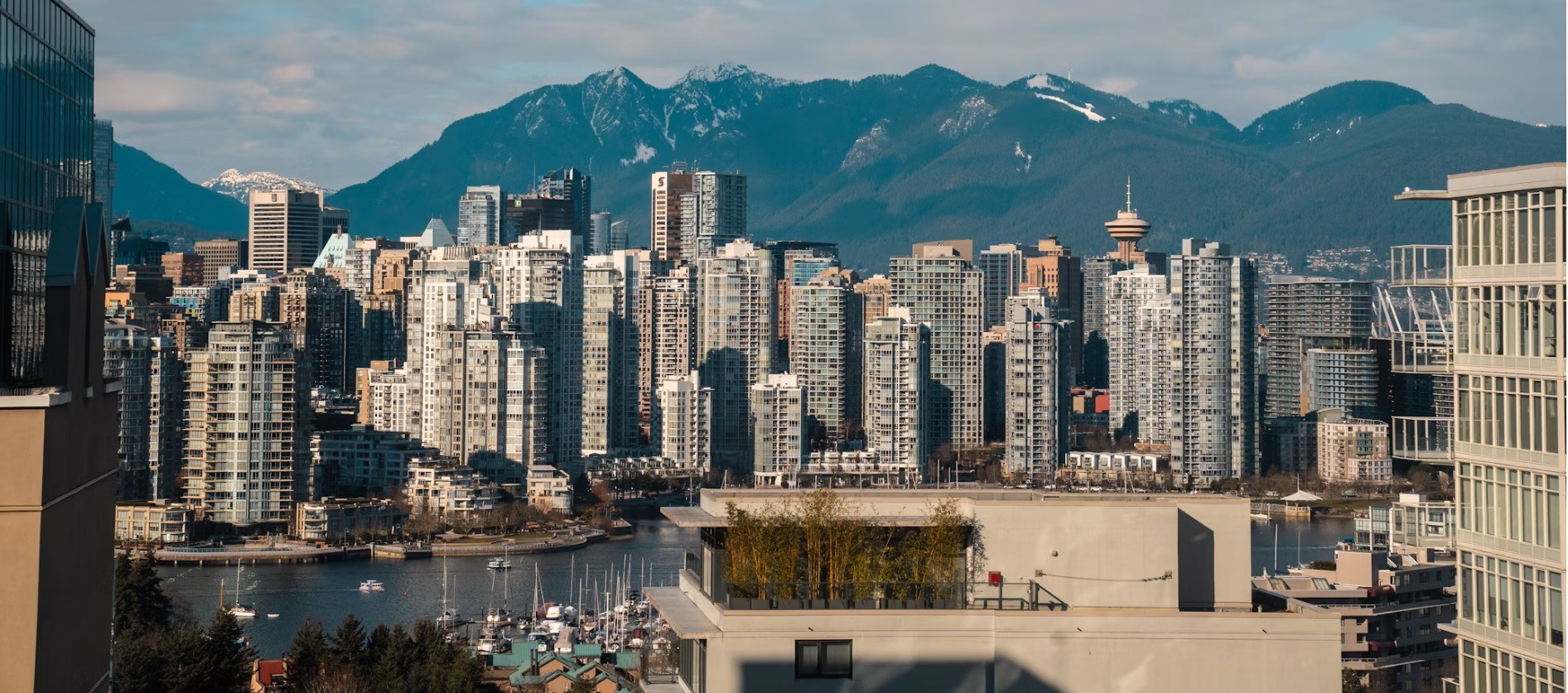
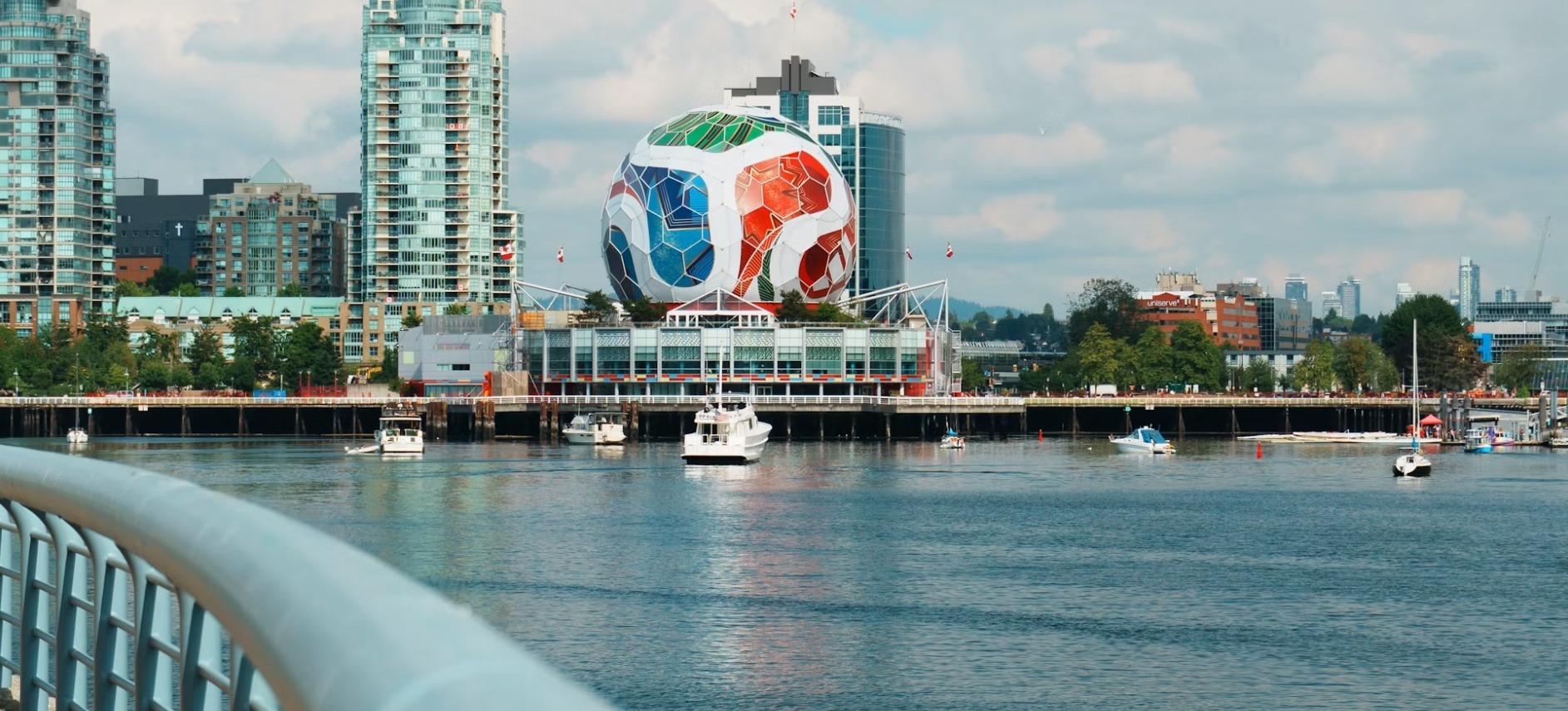
Canada country image
Canada overview image

Team Standings

Teams Mp W D L GF GA Pt
Burundi Burundi 0 0 0 0 0 0 0
Canada Canada 0 0 0 0 0 0 0
Guinea Guinea 0 0 0 0 0 0 0
Kenya Kenya 0 0 0 0 0 0 0
Lesotho Lesotho 0 0 0 0 0 0 0
Malawi Malawi 0 0 0 0 0 0 0
Rwanda Rwanda 0 0 0 0 0 0 0
Scotland Scotland 0 0 0 0 0 0 0
Turkey Turkey 0 0 0 0 0 0 0
Uganda Uganda 0 0 0 0 0 0 0

Squad List

Daniel Patrick
Defender
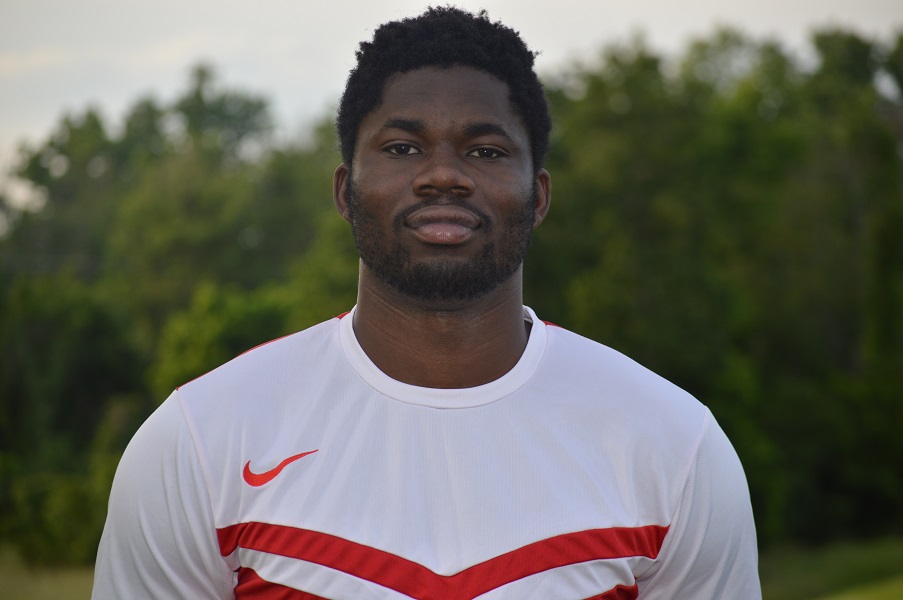
Darrel Steele
Defender
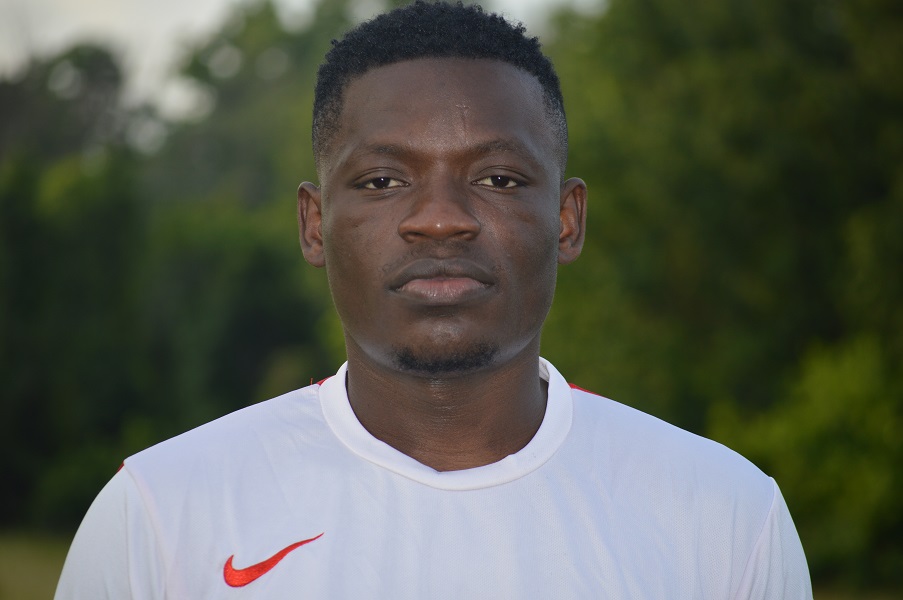
Dejan Larin
Midfielder
Derek Jones
Defender
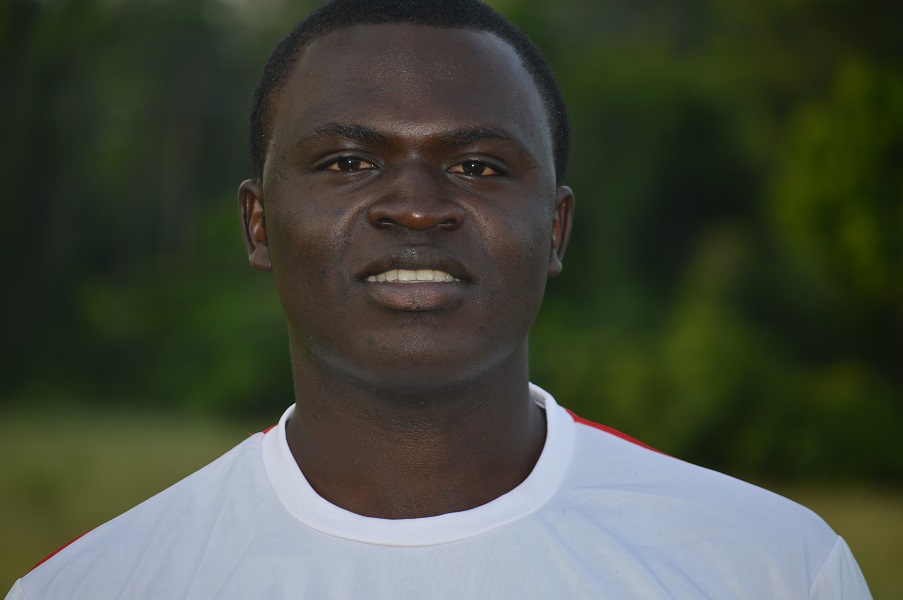
Eric Davis
Forward
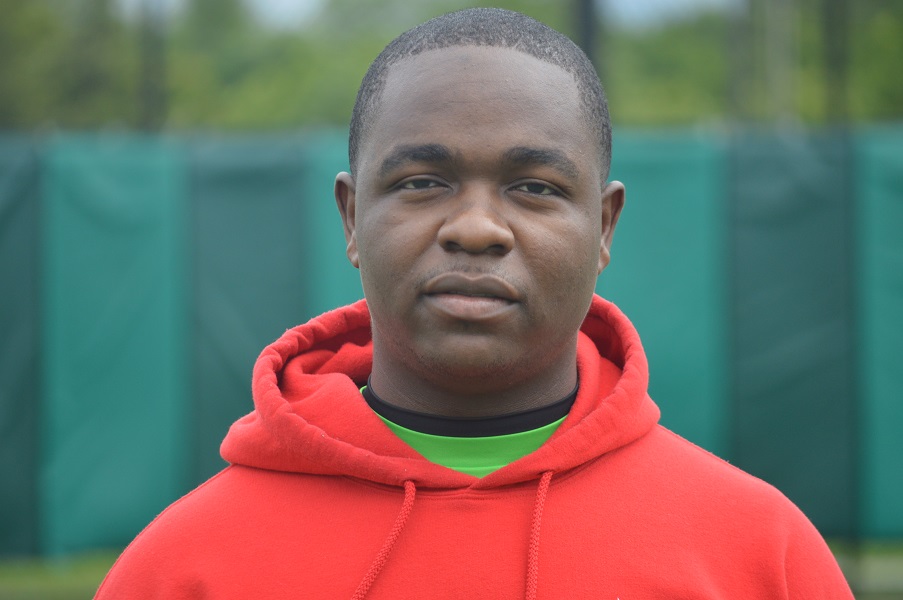
Guillaume Fon
Forward
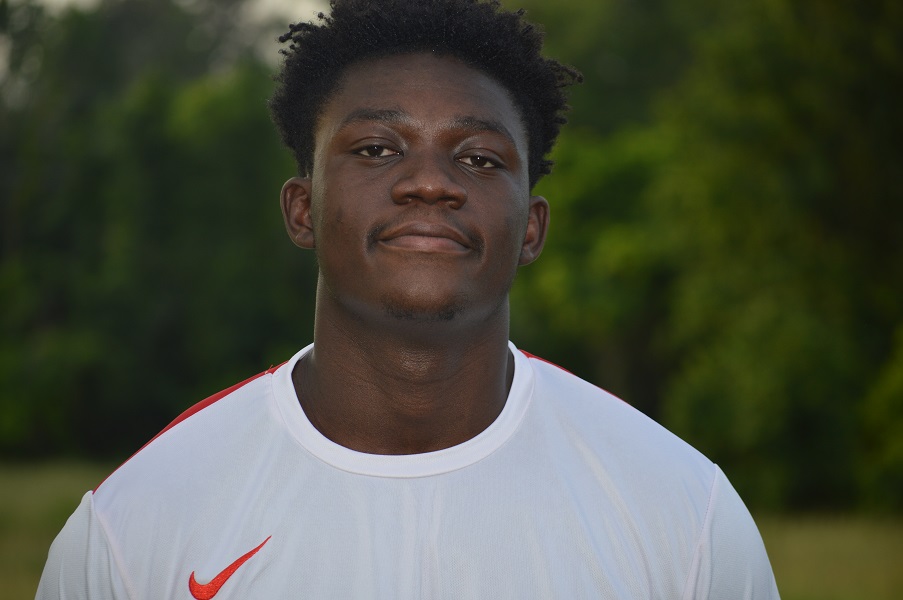
Jean Ekambi
Goalkeeper
Jonathan Oswald
Midfielder
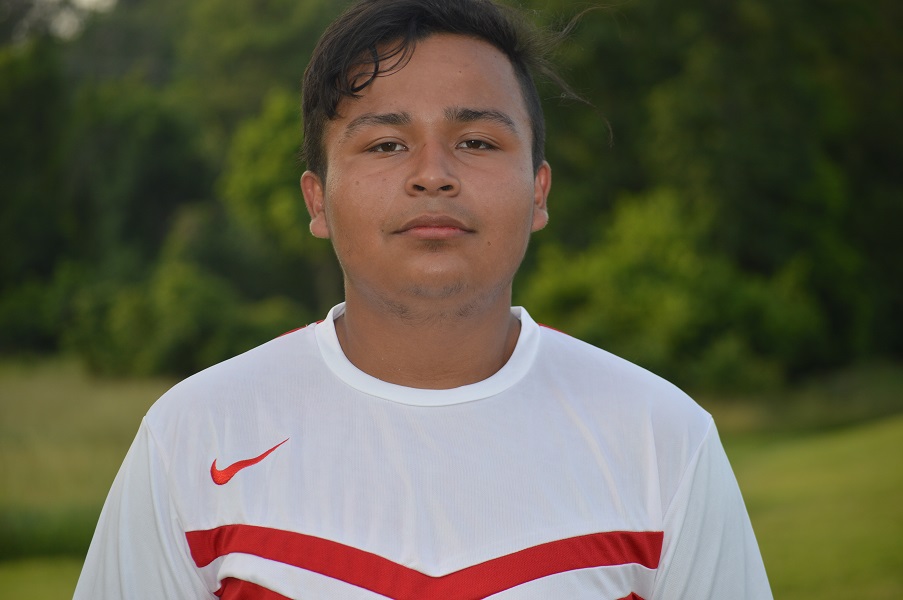
Jose Moreno
Forward
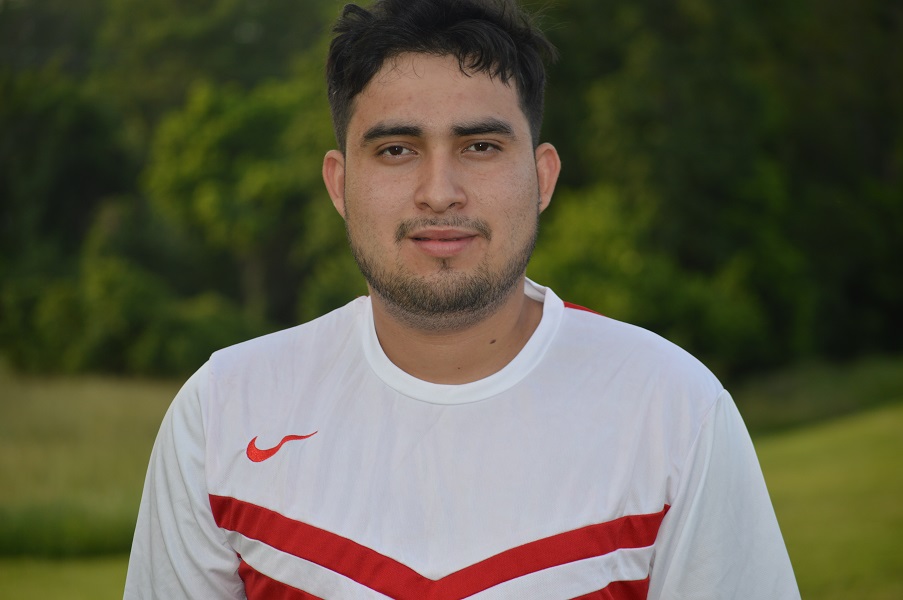
Joshua Morgan
Defender
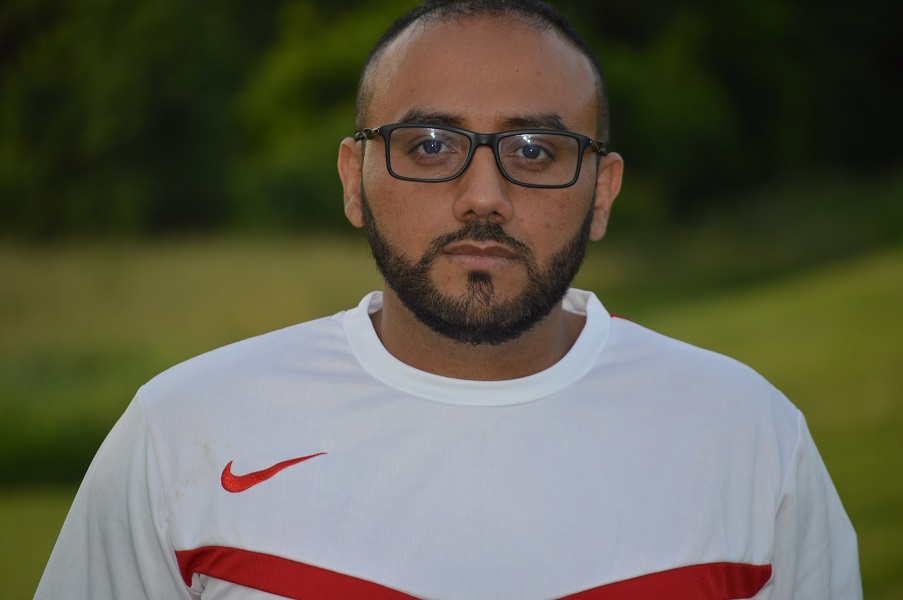
Marco Aquino
Midfielder
Orlando Cooper
Forward
Oumoul Diallo
Midfielder

Paul Elanga
Goalkeeper
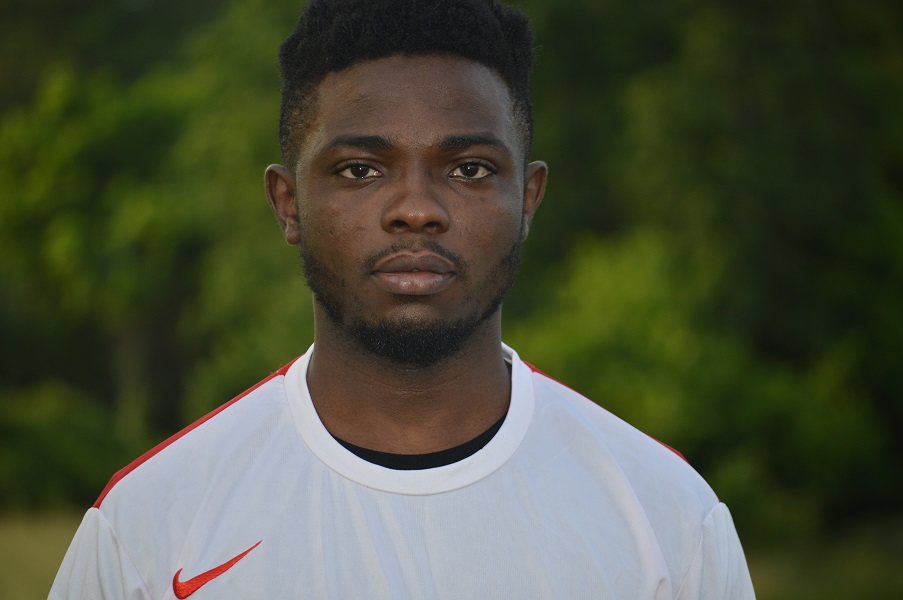
Paul Etoundi
Forward
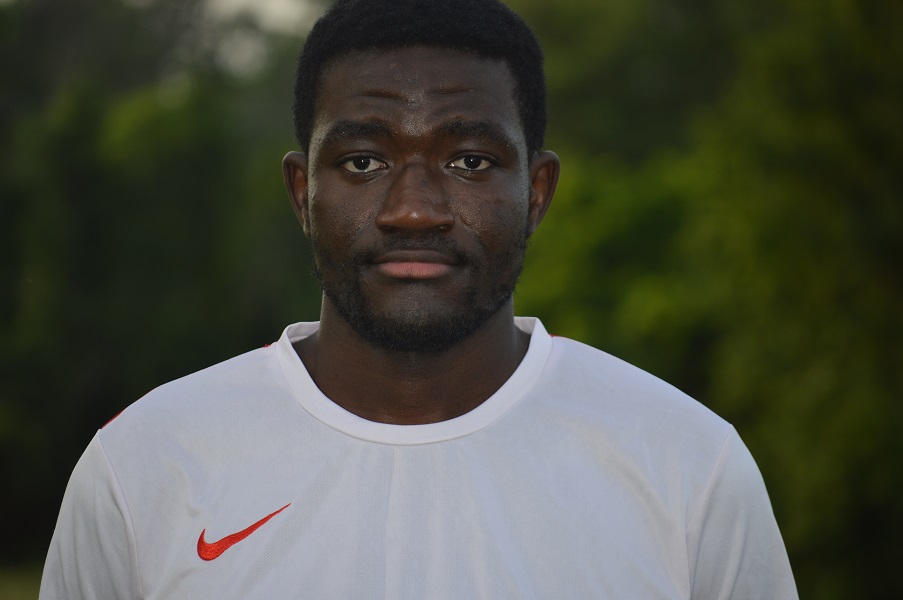
Raymond Paul
Defender
Renato Florez
Forward
Rey Anderson
Defender
Ricardo Gomez
Midfielder
Richie Valens 
Forward
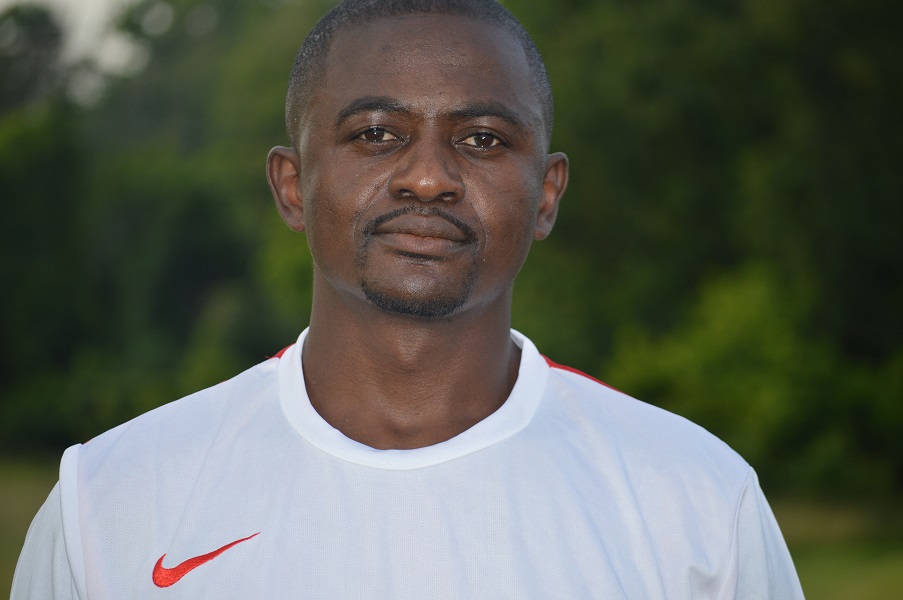
Sam Frazer
Defender
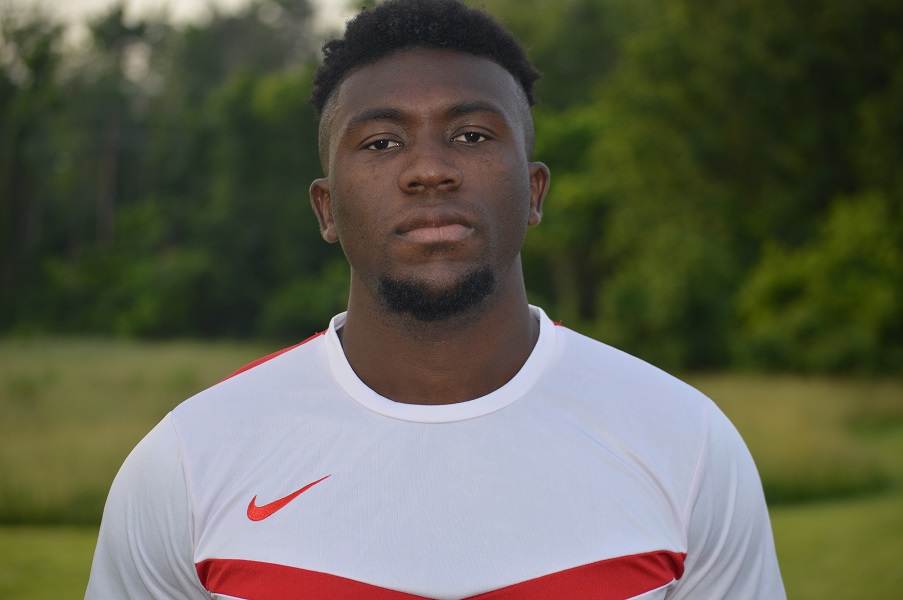
Samuel Kunle
Midfielder
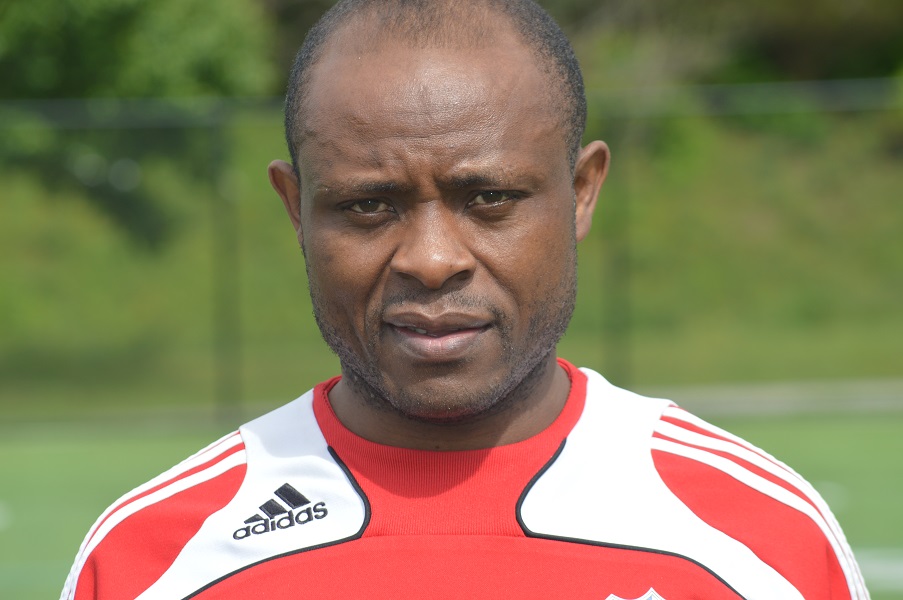
Simon Sande
Goalkeeper
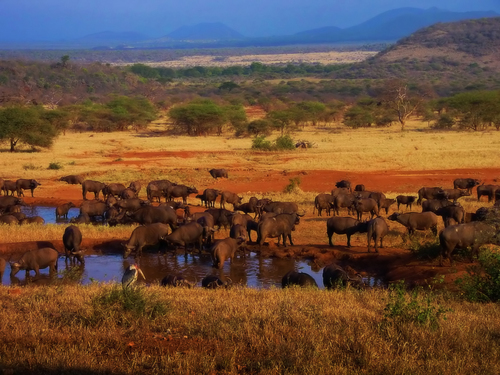
Torres Armando
Midfielder
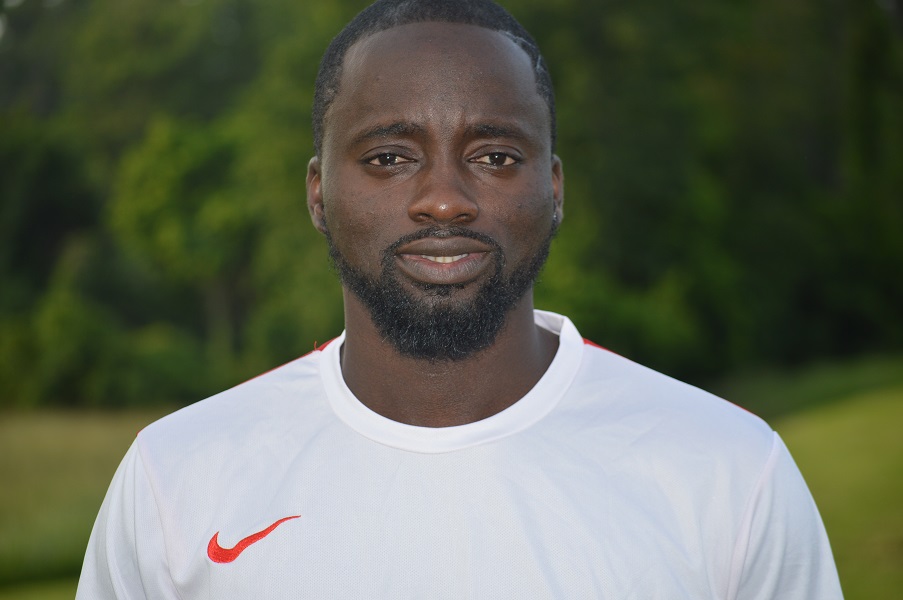
Toussaint Ray
Midfielder

Coaching Staff
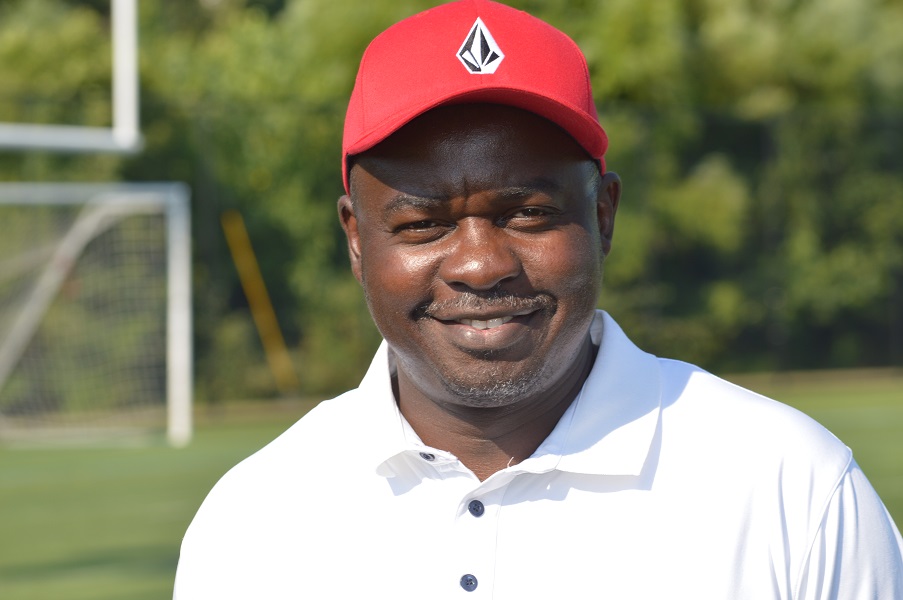
Roger Djeutcha
C
Roger Djeutcha
Head Coach