 Sign In









 Facebook
 X-Twitter
 Instagram
 Linkedin
 Youtube
More Information
More Information
Street Soccer in Trinidad and Tobago
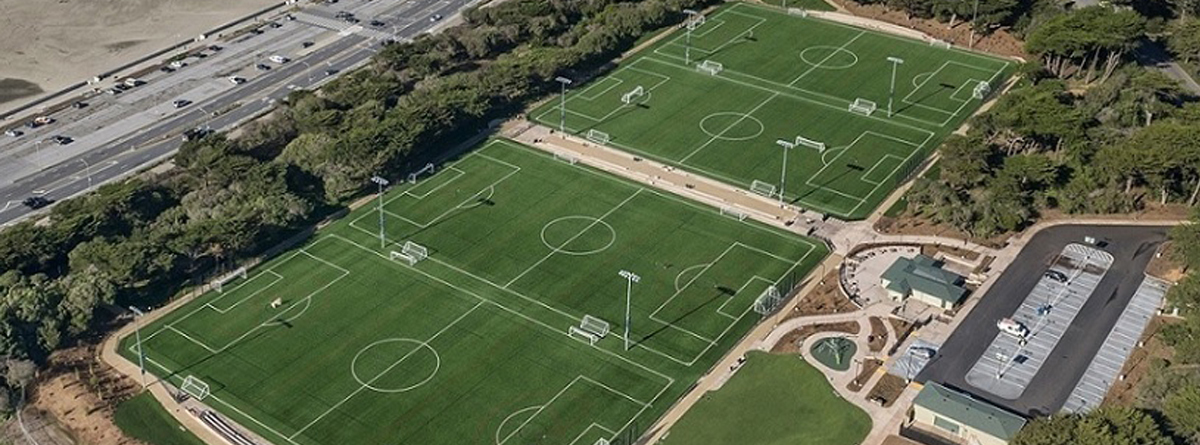
Street soccer is a popular recreational activity in Trinidad and Tobago, where children and teenagers regularly gather in neighbourhood streets, school playgrounds, community parks, public courts, and local playing fields to enjoy informal football matches. These games provide young players with a fun and accessible way to stay active, improve their football skills, and build strong friendships through the sport.
The lively and fast-paced nature of street soccer encourages close ball control, quick passing, creative dribbling, and confident attacking play. Playing in smaller spaces helps participants sharpen their technique, strengthen teamwork, improve decision-making, and adapt to different playing environments.
Street soccer offers an affordable way for communities across Trinidad and Tobago to enjoy football without requiring professional facilities. It promotes healthy lifestyles, strengthens community connections, and inspires many young players to continue their football journey through schools, clubs, academies, and local competitions.
Street Soccer Culture in Trinidad and Tobago
Football is widely enjoyed throughout Trinidad and Tobago, and street soccer is often where many children first develop their passion for the game. Informal matches organised by schools, friends, and neighbourhood communities create a welcoming atmosphere where players of different ages and skill levels can participate while sharing their enthusiasm for football.
Skills Developed Through Street Soccer
Street soccer helps players improve dribbling, first touch, passing accuracy, shooting technique, agility, balance, ball control, spatial awareness, and tactical understanding. Regular games also strengthen communication, creativity, confidence, teamwork, and the ability to make quick decisions during fast-paced matches.
Street Soccer and Community Development
Street soccer brings communities together through football while encouraging teamwork, positive youth participation, and active lifestyles. It also provides aspiring players with valuable experience before progressing to school teams, local football clubs, academies, futsal programmes, or organised youth football competitions.
The TRINIDAD T. in the DMV Metro

- The Embassy of Trinidad and Tobago: Located on Massachusetts Avenue NW (Embassy Row), the Embassy of Trinidad and Tobago in Washington, D.C . is the absolute institutional anchor. It serves as a central venue for consular aid and diplomatic summits, while frequently opening its doors for high-profile public programs like the Passport D.C. Around the World Embassy Tour to host the massive Trinbago Food Festival.
- Multilateral Leadership: Local professionals frequently collaborate with security architectures. The diaspora actively interfaces with bodies like the Inter-American Defense Board (IADB) and CARICOM IMPACS (headquartered in Trinidad), driving multi-dimensional security and economic policy across the Americas.
- The Global Homecoming Connection: Local networks in the capital region serve as a major gateway for the Trinbago Diaspora Outreach Network (TDON), organizing delegations for large-scale international reunions like the upcoming Diaspora Homecoming conference.
- TTADC (Trinidad & Tobago Association of Washington, DC): Founded in 1962 and formally incorporated in 1970, TTADC is one of the oldest and most historically significant Caribbean voluntary organizations in the United States. It was the first immigrant group of its kind in D.C. to purchase permanent community properties (on Georgia Avenue).
- Socio-Cultural Scaffolding: TTADC serves as a vital community bridge. The association hosts upscale philanthropic events like the Yuletide Affair, organizes educational scholarship raffles for Caribbean students, operates local food harvest drives, and historically sponsored visits from legendary Caribbean standard-bearers like C.L.R. James, Calypso Rose, and The Mighty Sparrow.
Significance
Trinidadian and Tobagonian immigration to the United States has generally reflected colonial rule, economic change, industrial employment, education, professional opportunities, family reunification, and established Caribbean migration networks.
Migration from Trinidad and Tobago to the United States remained limited until the twentieth century. Early arrivals included sailors, merchants, labourers, students, musicians, domestic workers, civil servants, and former military personnel seeking employment or education. Immigration expanded considerably after the United States reformed its immigration system in 1965, allowing more arrivals through family reunification and employment-based categories. Later immigrants included nurses, doctors, teachers, engineers, academics, businesspeople, artists, and skilled workers. Communities developed particularly in New York, New Jersey, Florida, Connecticut, Maryland, and other metropolitan areas. They established businesses, churches, temples, mosques, cultural associations, steelbands, and Carnival organisations while preserving food, calypso, soca, chutney, religious traditions, and strong family connections.
Migration Before Independence
Before independence, Trinidad and Tobago experienced Spanish and British colonial rule, plantation agriculture, African enslavement, and the arrival of indentured labourers from India and other regions. Migration involved movement between the islands and neighbouring Caribbean territories for plantation work, maritime trade, domestic service, construction, education, and government employment. After slavery was abolished, colonial authorities recruited workers from India, China, Madeira, and elsewhere to support the plantation economy, creating the country’s diverse population. Direct migration to the United States remained relatively uncommon, although sailors, labourers, students, and merchants gradually travelled there. During World War II, the establishment of American military facilities in Trinidad increased contact with the United States and created employment connected to construction, transportation, and military support.
Late-Twentieth- and Early-Twenty-First-Century Immigration
Trinidad and Tobago became independent from Britain on August 31, 1962, and the United States recognised the new country and established diplomatic relations that same day. Immigration increased after 1965 as family sponsorship and employment opportunities became more accessible under revised American immigration laws. Educated professionals and working-class families migrated in search of higher wages, advanced education, improved services, and greater economic security. Additional emigration occurred during the economic difficulties that followed declining oil prices in the 1980s. In later decades, healthcare workers, academics, engineers, financial professionals, entrepreneurs, students, and relatives continued to settle abroad. The United States, Canada, and the United Kingdom became the principal destinations for the Trinidad and Tobago diaspora, whose communities continue to influence business, music, Carnival, cuisine, sports, and Caribbean cultural life.


Latest Fixtures & Results
| 04.04.2027 |  |
Trinidad T. | - |  |
Germany |
| 04.11.2027 |  |
Djibouti | - | |
Trinidad T. |
| 04.18.2027 | |
Trinidad T. | - |  |
Togo |
| 04.25.2027 |  |
E. Guinea | - | |
Trinidad T. |
| 05.02.2027 | |
Trinidad T. | - |  |
France |
| 05.09.2027 | |
Trinidad T. | - |  |
Cote I. |
| 05.16.2027 |  |
Brazil | - | |
Trinidad T. |
| 05.23.2027 | |
Trinidad T. | - |  |
Gambia |
| 05.30.2027 |  |
Burkina F. | - | |
Trinidad T. |
