


Responsive Header
  • Where We Work
  • Cameroon
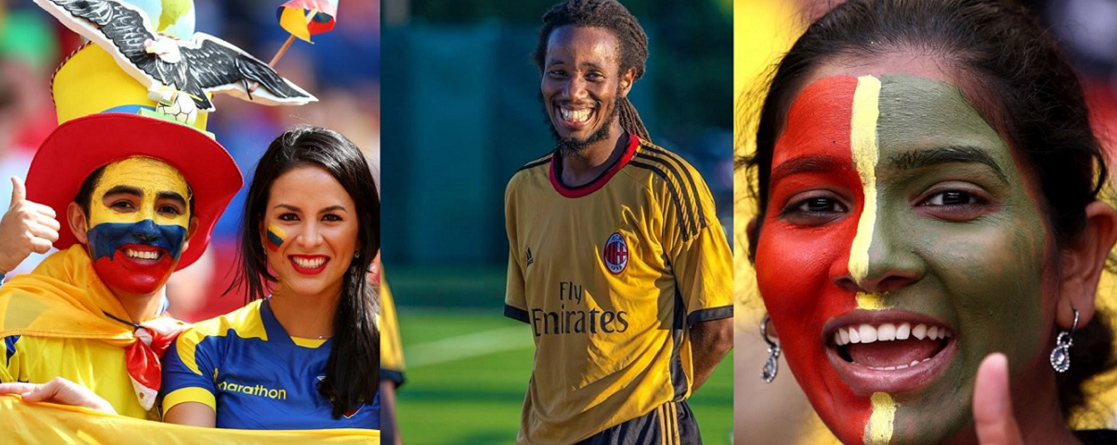
  • The Diaspora World Cup operates in some of the major cities and metro areas in United States and Canada. Our network of register players includes 20 cities, 200 countries, 400 teams, and 10,000 players. Join our movement to solve the world's most pressing challenges: Illiteracy
  • Who We are text will be here Who We are text will be here Who We are text will be here Who We are text will be here Who We are text will be here Who We are text will be here Who We are text will be here Who We are text will be here Who We are text will be here
  • What We Do text will be here What We Do text will be here What We Do text will be here What We Do text will be here What We Do text will be here What We Do text will be here What We Do text will be here What We Do text will be here What We Do text will be here What We Do text will be here What We Do text will be here What We Do text will be here
  • Get Involved text will be here Get Involved text will be here Get Involved text will be here Get Involved text will be here Get Involved text will be here Get Involved text will be here Get Involved text will be here Get Involved text will be here Get Involved text will be here Get Involved text will be here
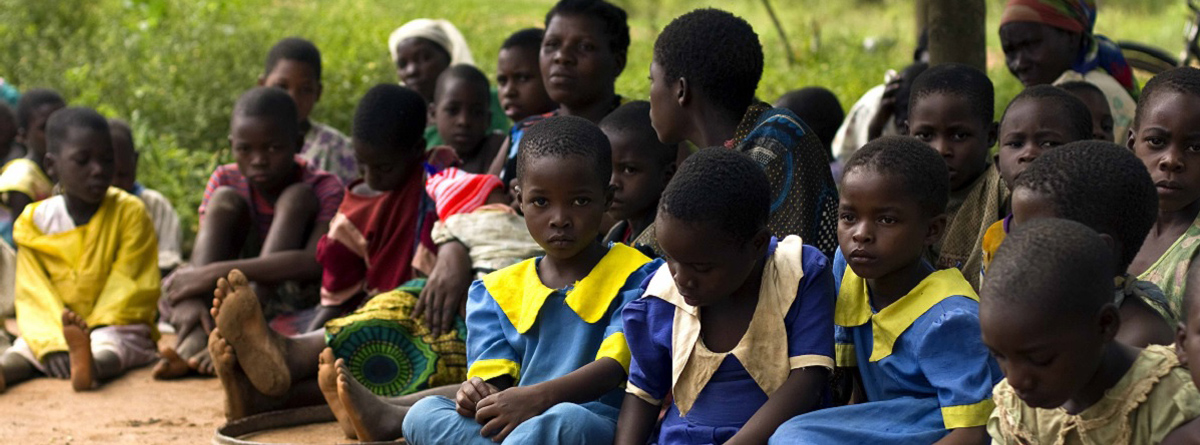
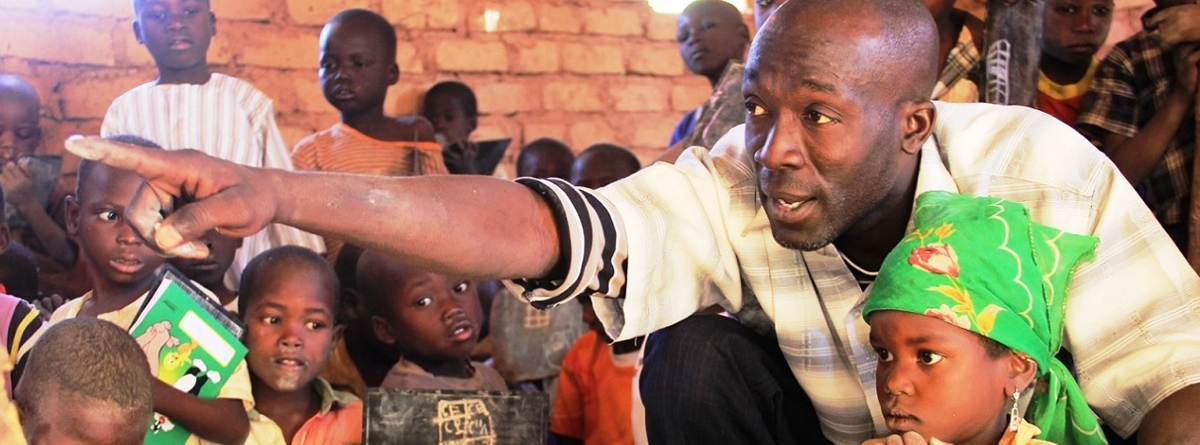
  • Education is a basic Human Right and the Diaspora World Cup global school program focuses its energy in some the poorest countries around the world. We build schools in some of the poorest countries around the worldthat historically had no adequate school structure. Any member of the World Diaspora has the power to end illiteracy around the world through the power of soccer.
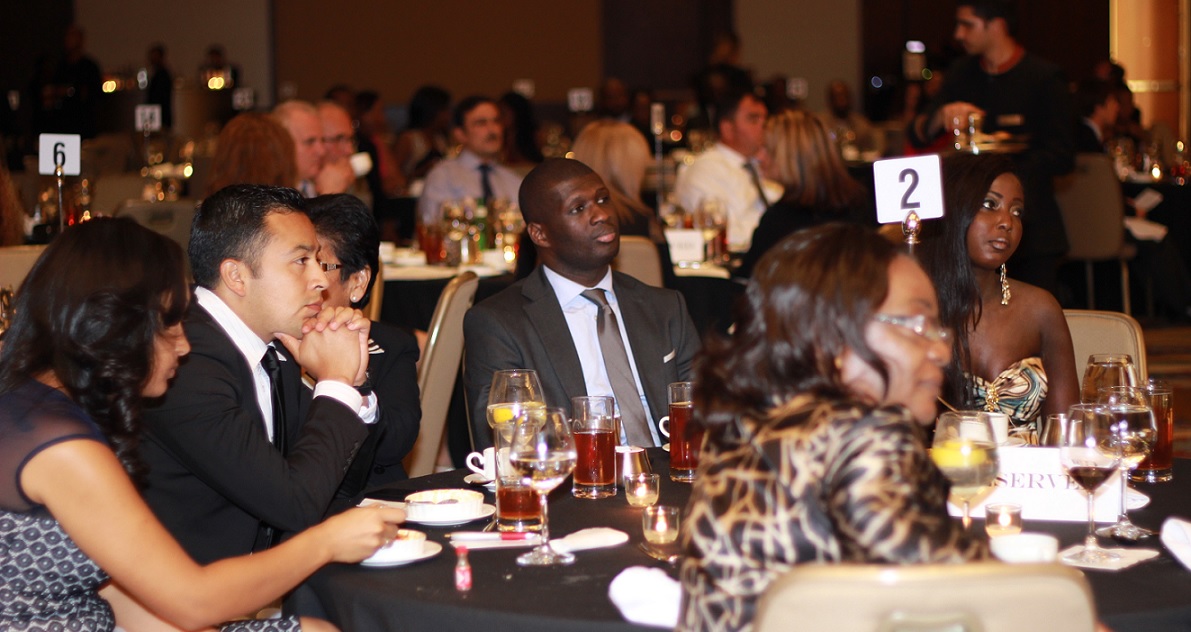
  • High-profile sport figures, global leaders, business leaders, political figure, journalists, activists, philanthropists, actors, and entrepreneurs united by their commitment to the Diaspora World Cup mission to eradicate illiteracy around the world through the power of soccer. They serve as role models and spread the Diaspora World Cup vision and commitment of a world mobilized through soccer.
  •  
  •  
Diaspora 2027: complete guide to all players | The Diaspora
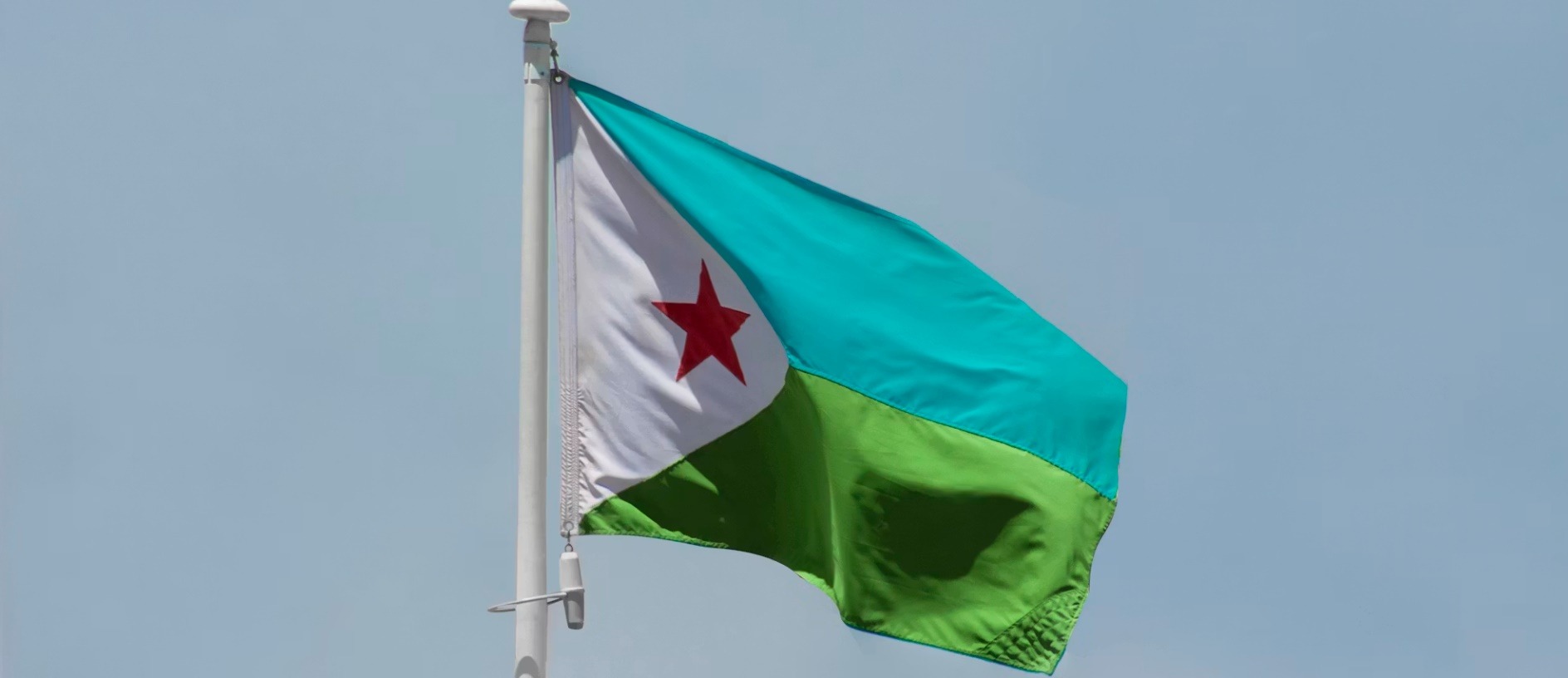
DJIBOUTI
Silver Spring – Takoma P.
Welcome to the 2027 Diaspora World Cup.
Silver Spring – Takoma P.

Significance

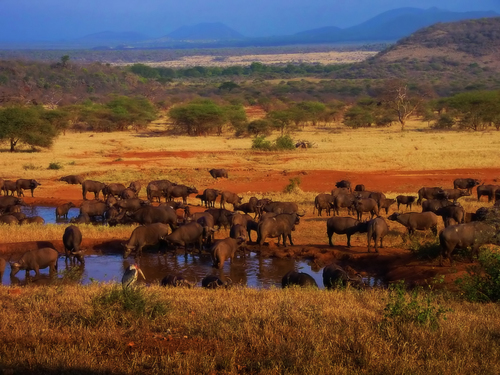
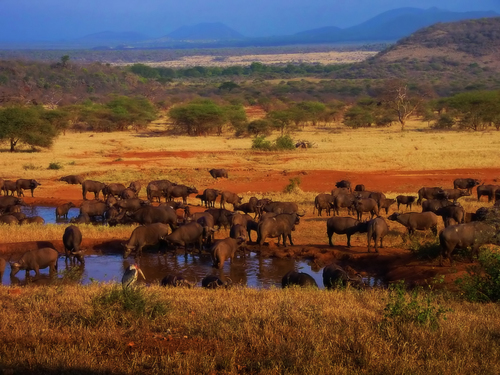
Djiboutian migration has generally reflected French colonial rule, Red Sea trade, regional labour movement, drought, limited employment, education, political change, professional opportunities, asylum, and family reunification.

Migration from Djibouti has historically occurred mainly within the Horn of Africa, the Arabian Peninsula, and France rather than through large-scale movement to the United States. Djiboutians travelled to Ethiopia, Somalia, Yemen, Saudi Arabia, France, and other destinations for trade, maritime employment, education, government service, professional work, and family connections. The country’s strategic location near the Red Sea made it an important centre for shipping and regional movement. Direct migration to the United States remained comparatively small and mainly involved students, diplomats, academics, military personnel, skilled professionals, asylum seekers, and relatives joining family members. Djiboutian communities abroad maintained connections through remittances, family visits, religious institutions, and cultural associations.

Djiboutian Migration Before Independence

Before independence, the territory was governed by France and was known first as French Somaliland and later as the French Territory of the Afars and Issas. Migration was influenced by the development of Djibouti’s port, construction of the railway connecting the coast with Addis Ababa, colonial military service, maritime commerce, and regional labour demand. Afar, Somali, Arab, Ethiopian, and other communities moved across borders as pastoralists, merchants, dockworkers, sailors, railway employees, soldiers, students, and government workers. Direct settlement in the United States remained uncommon because most political, educational, and commercial connections operated through France and neighbouring territories. These regional movements helped establish the multicultural population and commercial importance of modern Djibouti.

Late-Twentieth- and Early-Twenty-First-Century Migration


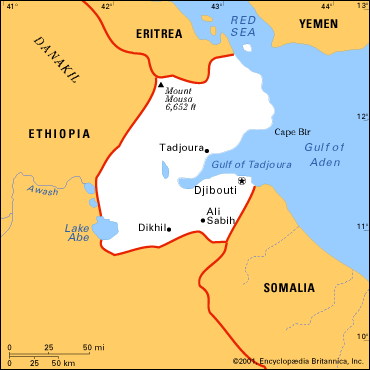
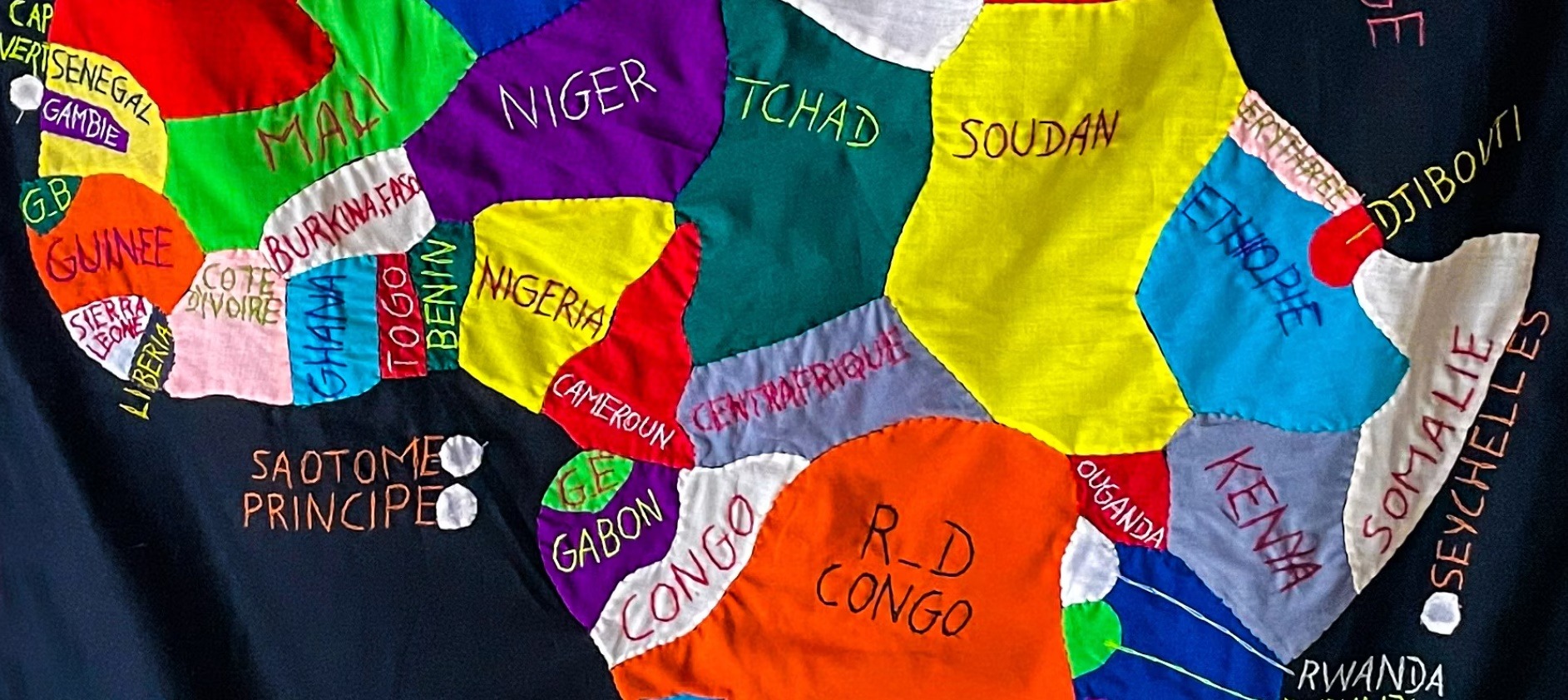
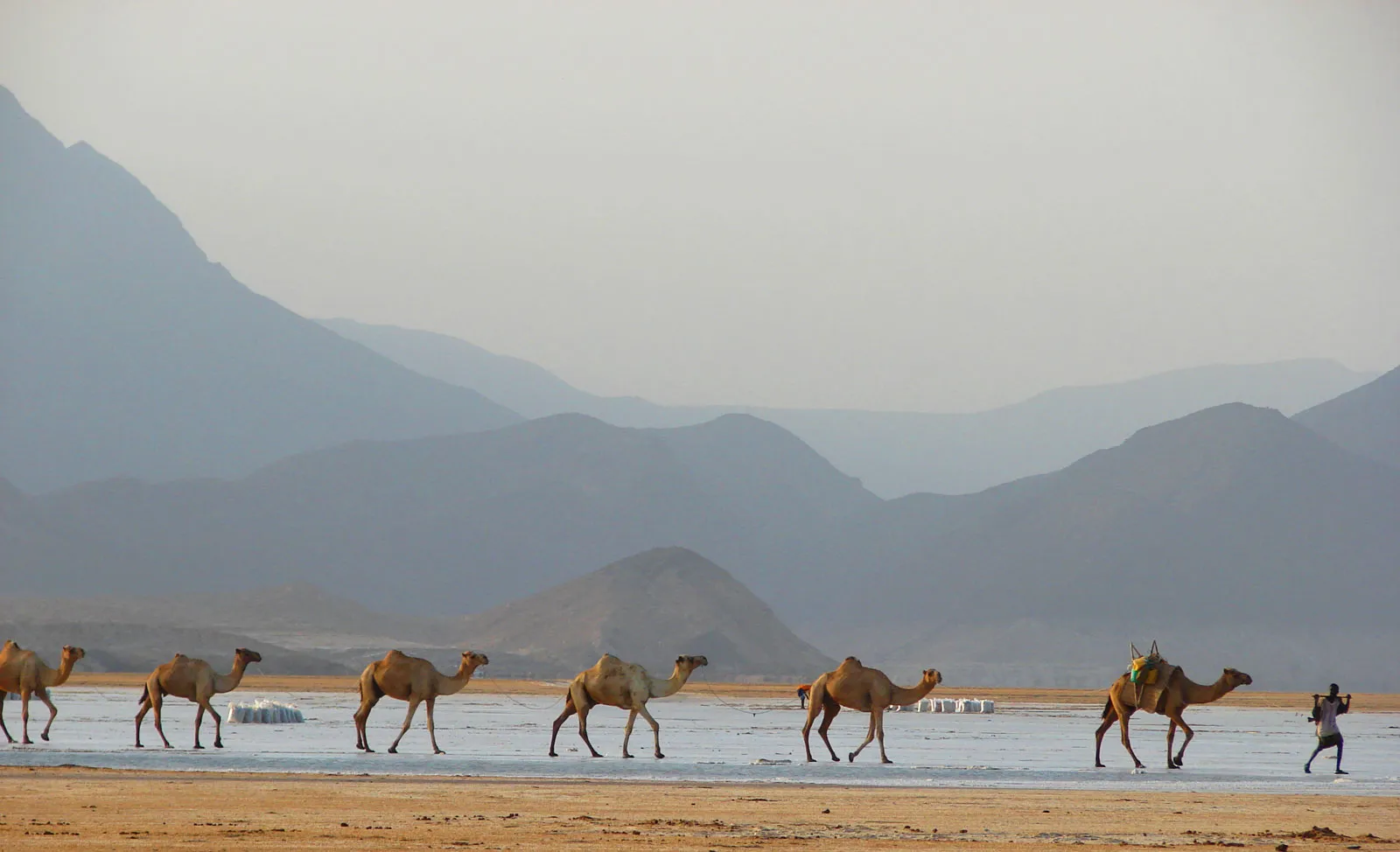
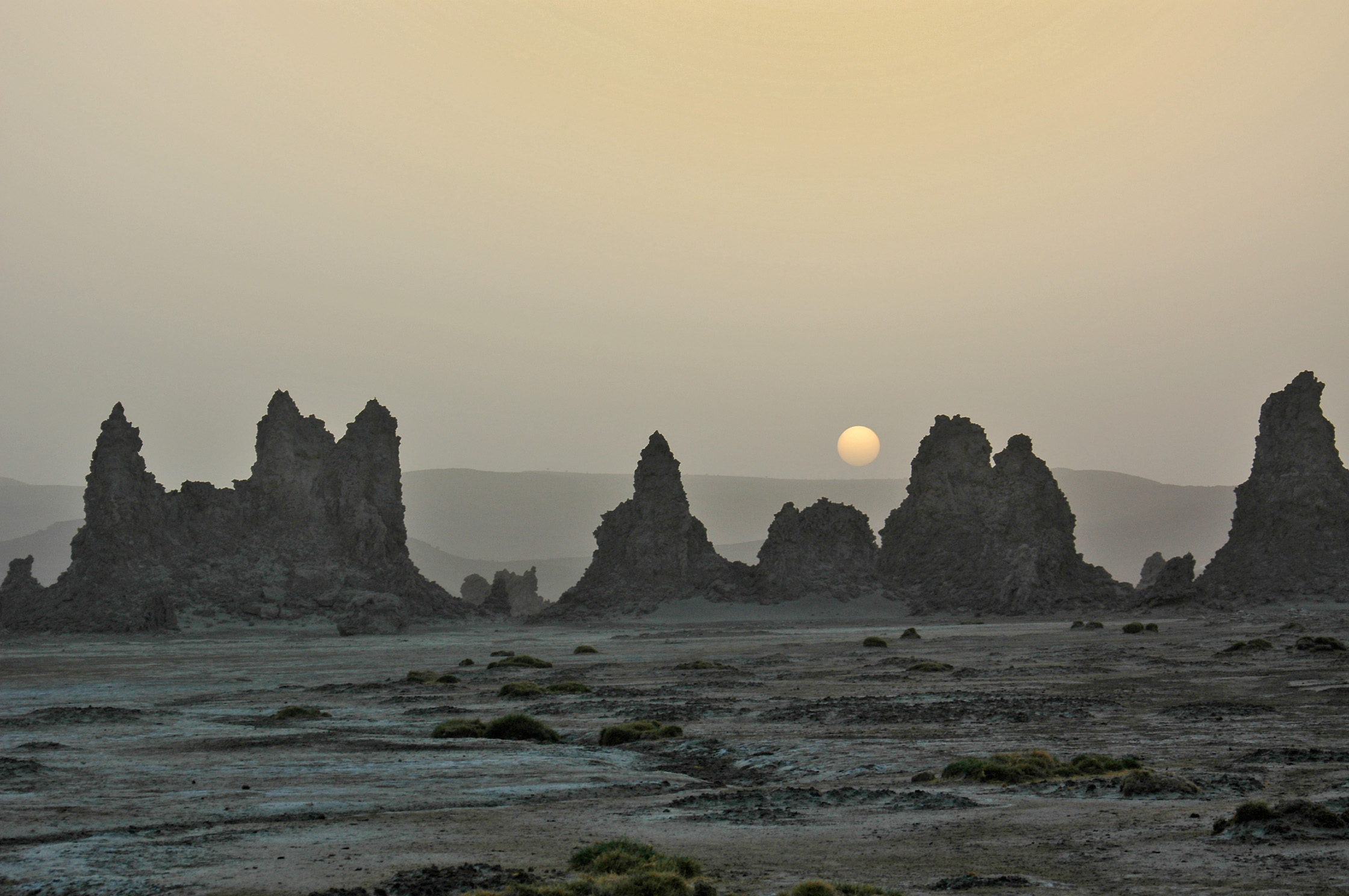
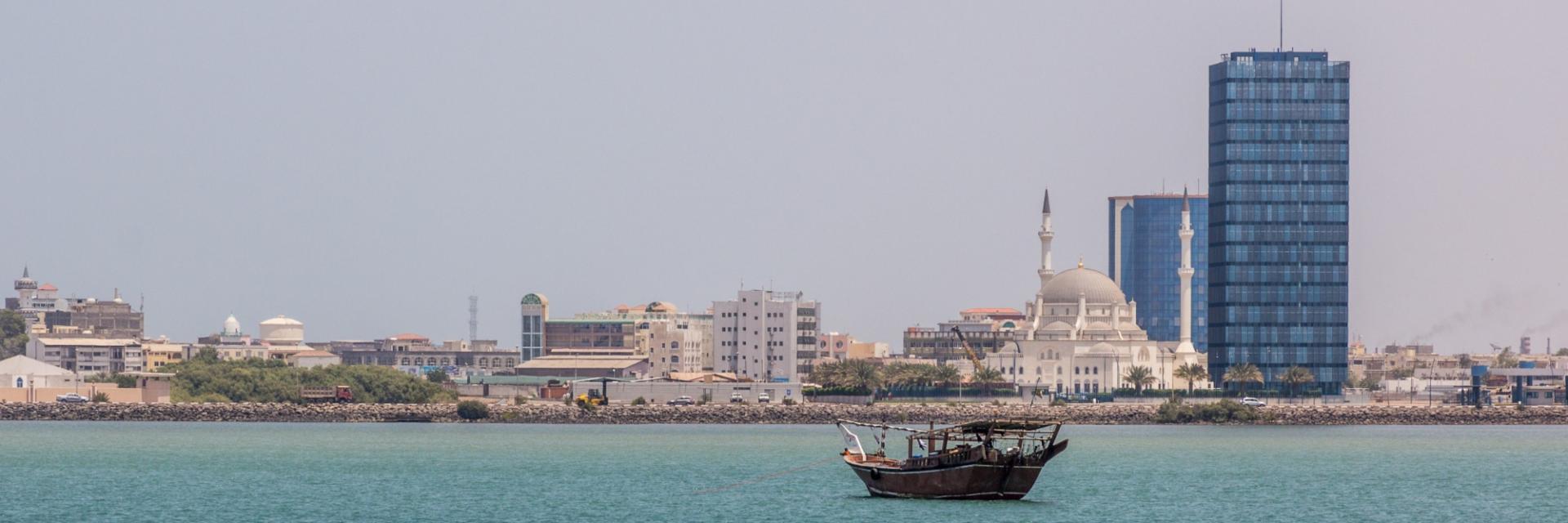
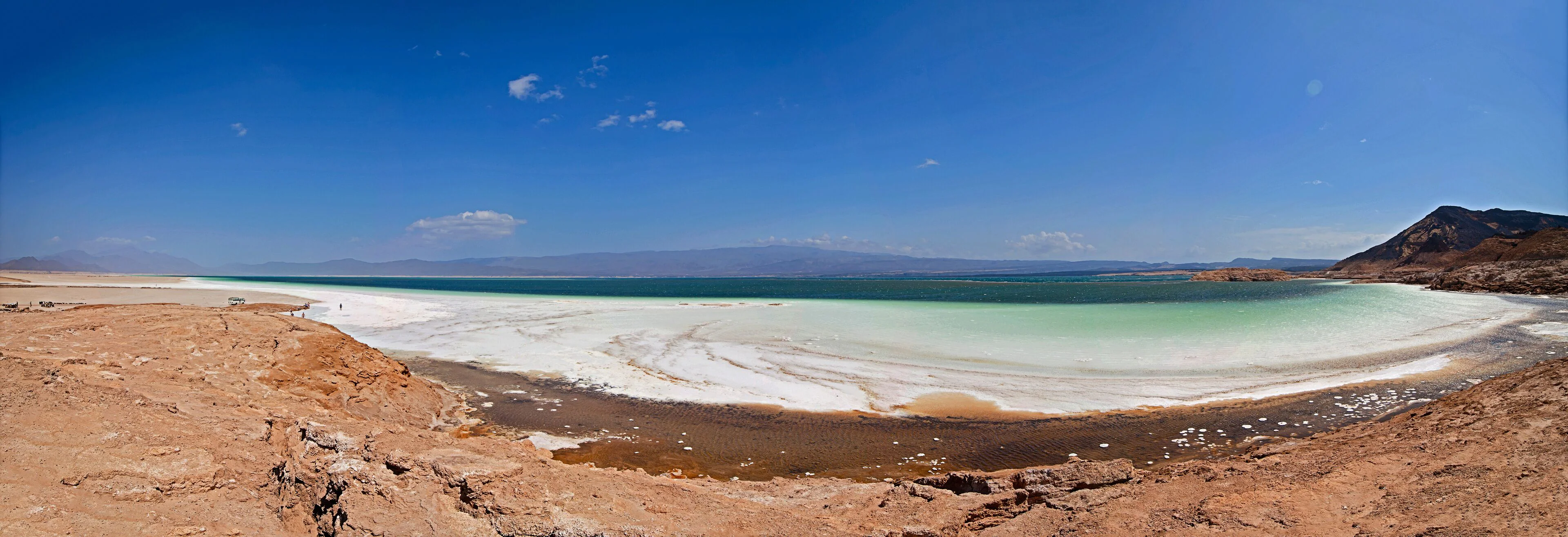
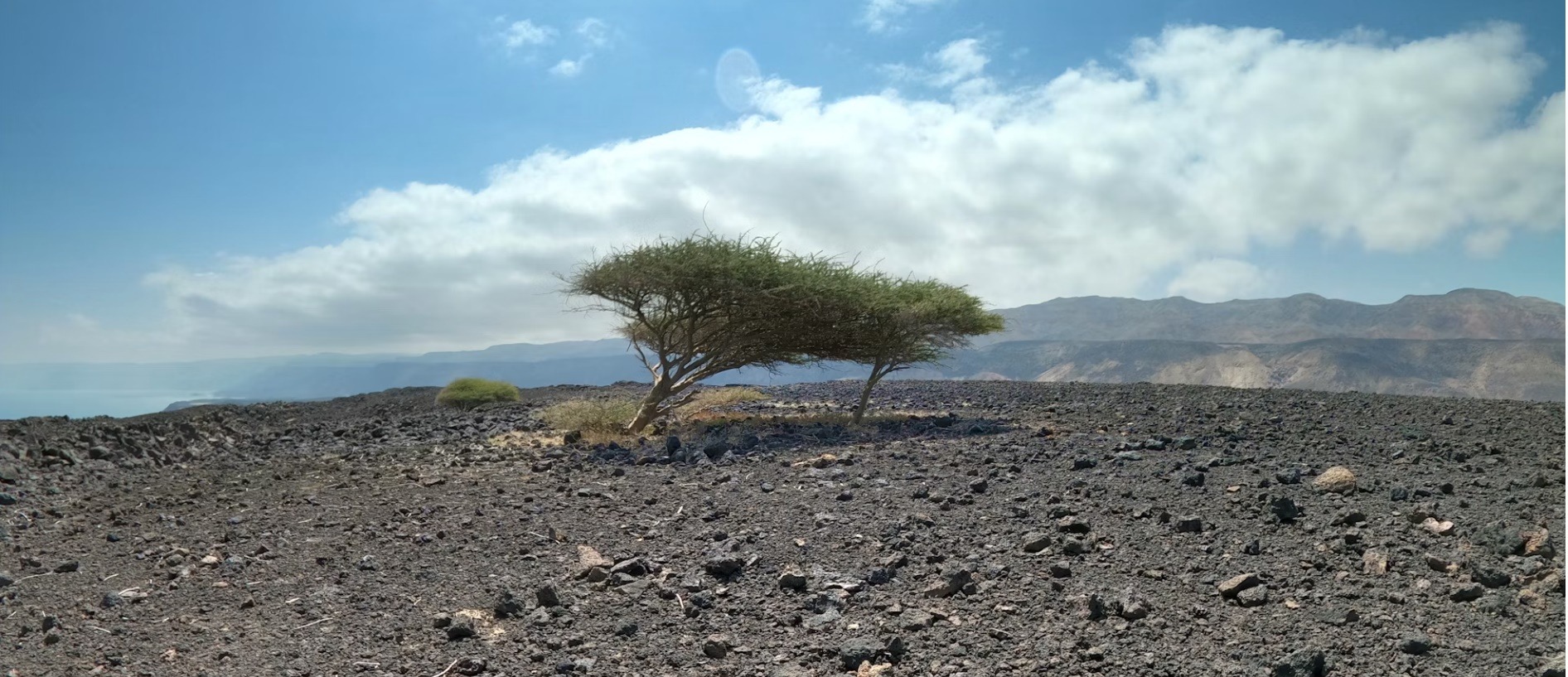
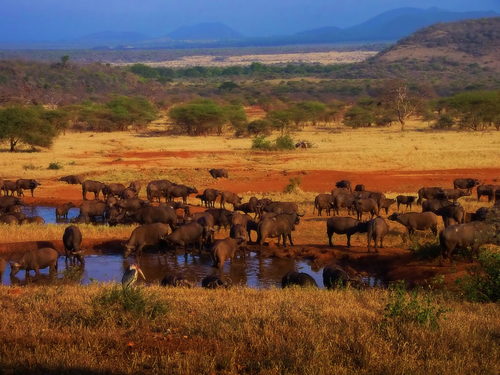
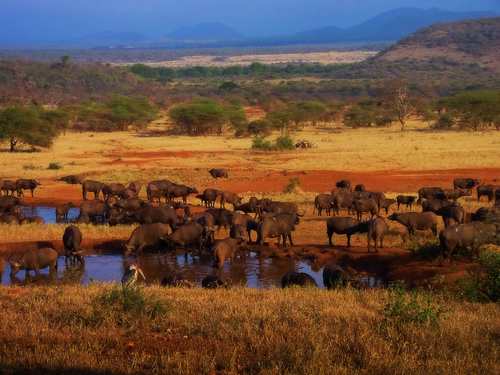
Djibouti country image
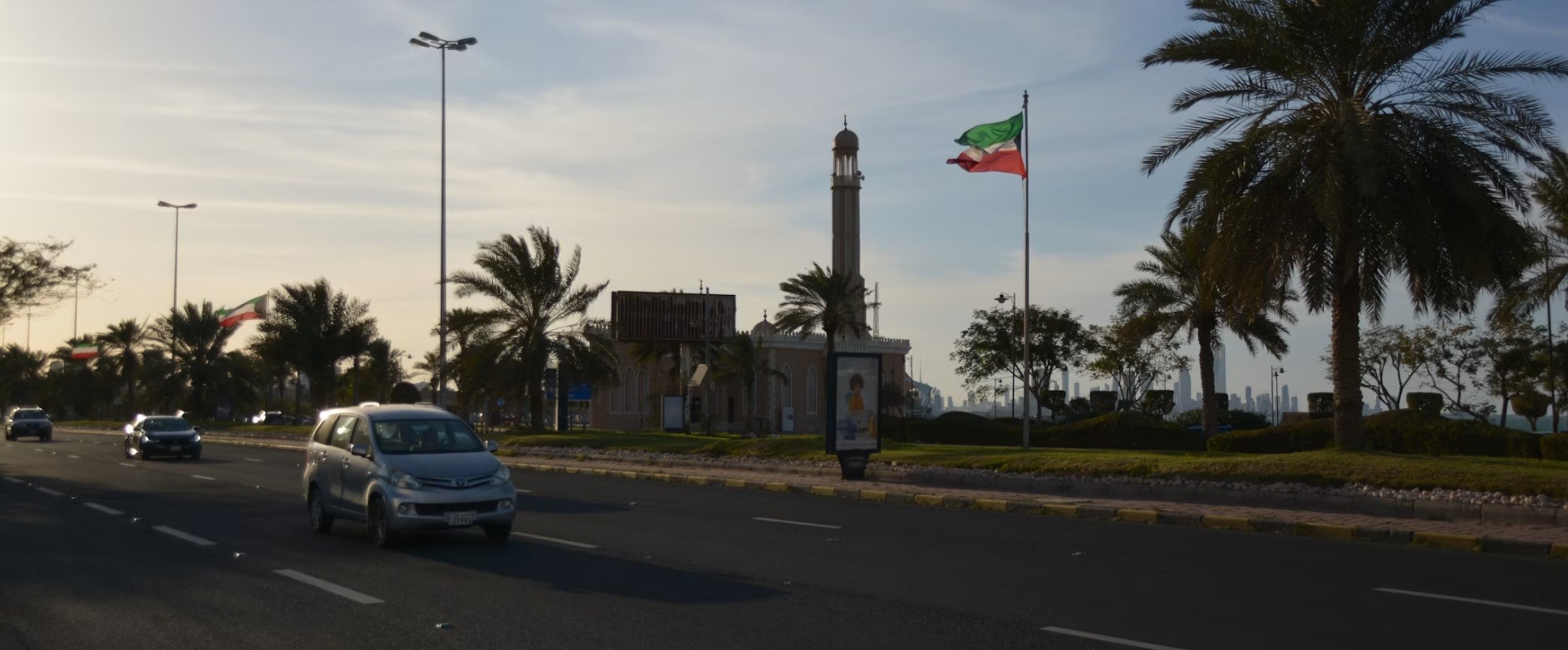
Djibouti overview image

Team Standings

Teams Mp W D L GF GA Pt
Brazil Brazil 0 0 0 0 0 0 0
Burkina F. Burkina F. 0 0 0 0 0 0 0
Cote I. Cote I. 0 0 0 0 0 0 0
Djibouti Djibouti 0 0 0 0 0 0 0
E. Guinea E. Guinea 0 0 0 0 0 0 0
France France 0 0 0 0 0 0 0
Gambia Gambia 0 0 0 0 0 0 0
Germany Germany 0 0 0 0 0 0 0
Togo Togo 0 0 0 0 0 0 0
Trinidad T. Trinidad T. 0 0 0 0 0 0 0

Squad List

Aako Bockarie
Forward
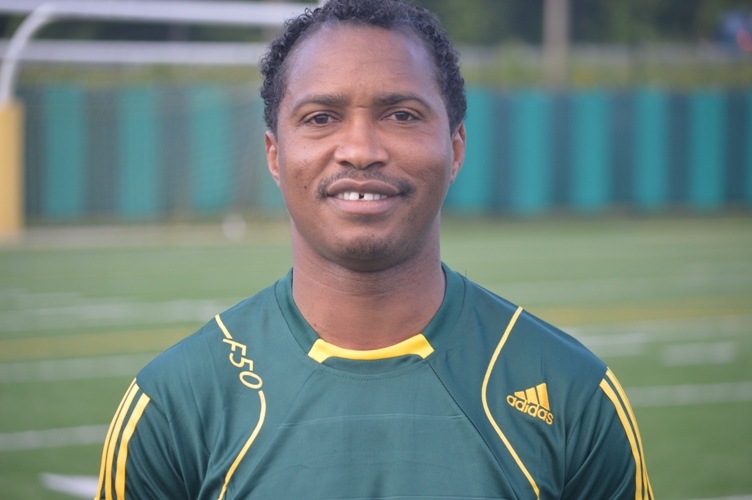
Benjamin John
Goalkeeper

Charles King
Midfielder
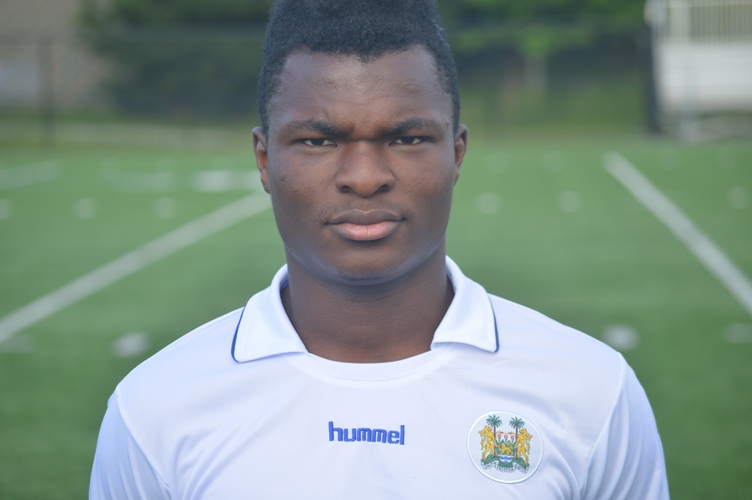
Emmanuel Noah
Defender

Foday Kabia
Forward
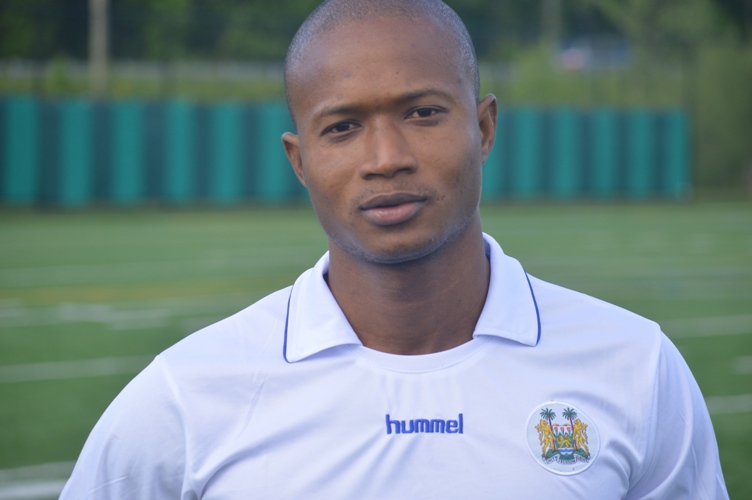
Francis Kamara
Midfielder
Fred Passi
Forward
Gabriel Essono
Defender
Hamed Nazari
Forward
Hanza Mukila
Midfielder
Ibrahim Camara
Midfielder
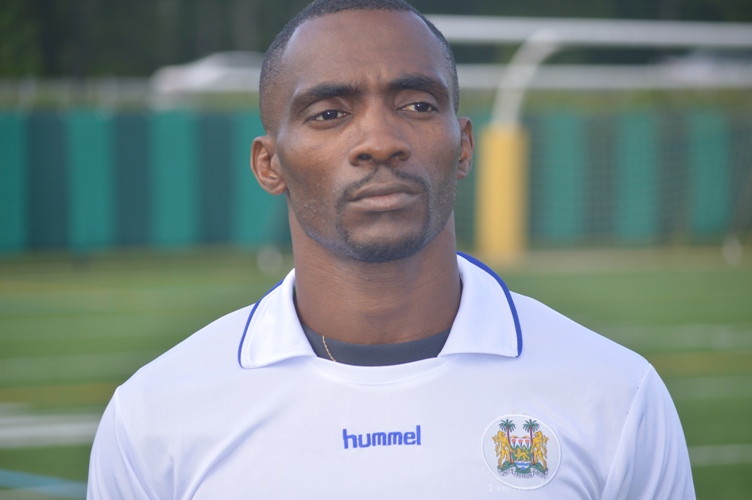
Issa Sesay
Midfielder
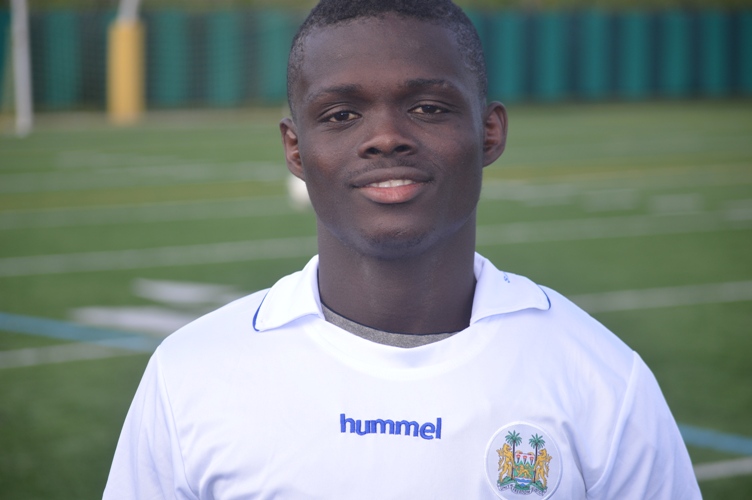
Lucky Mard
Defender
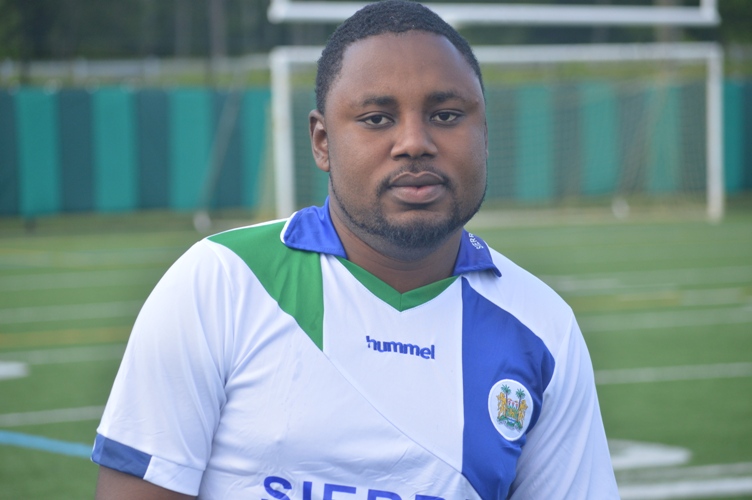
Mo Kamara
Midfielder
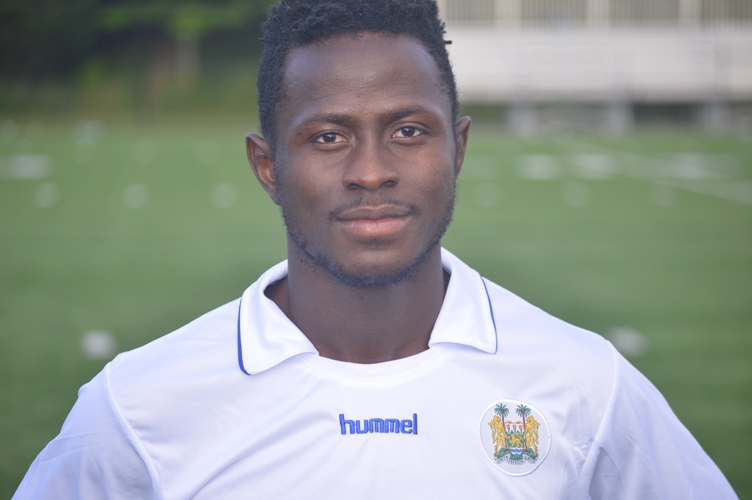
Mohamed Sesay
Forward
Moktar Elbi
Midfielder
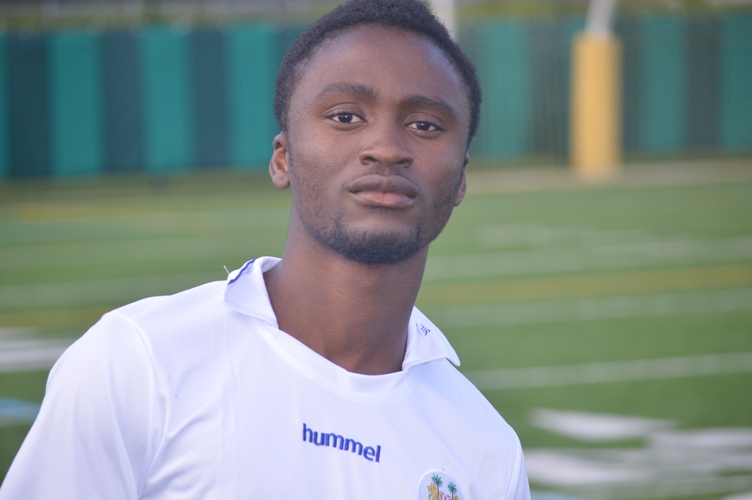
Nabie Yokie
Defender
Paul Mabela
Forward
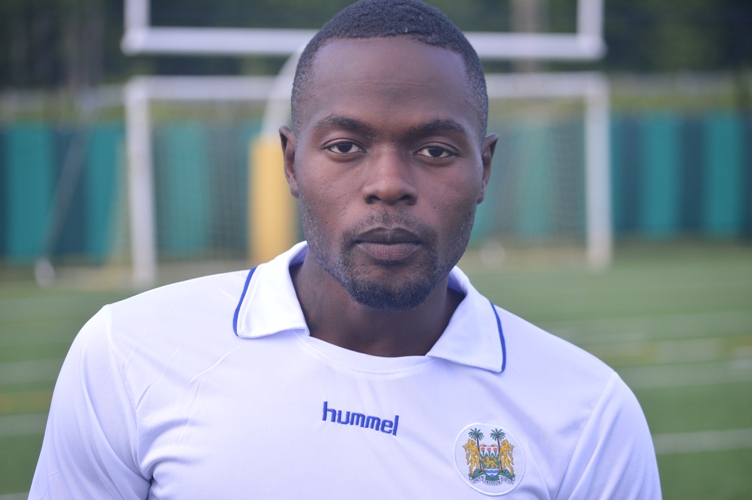
Rashid Deen
Defender
Sadick Hassan
Goalkeeper
Samuel Ahmed
Goalkeeper
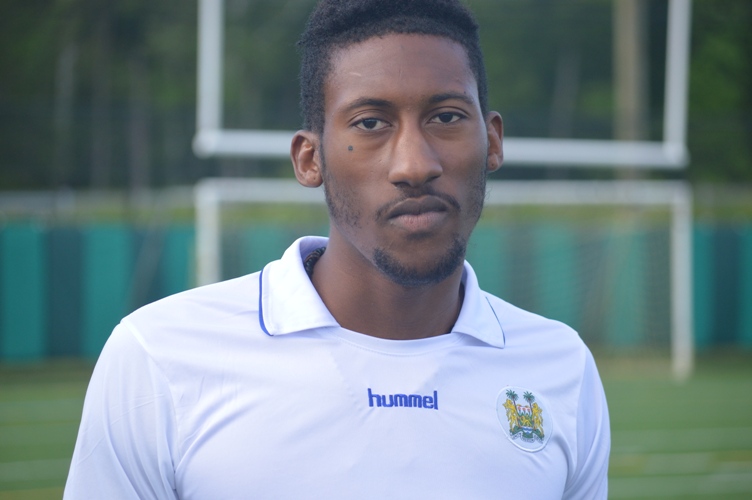
Shakeen Boburn
Forward
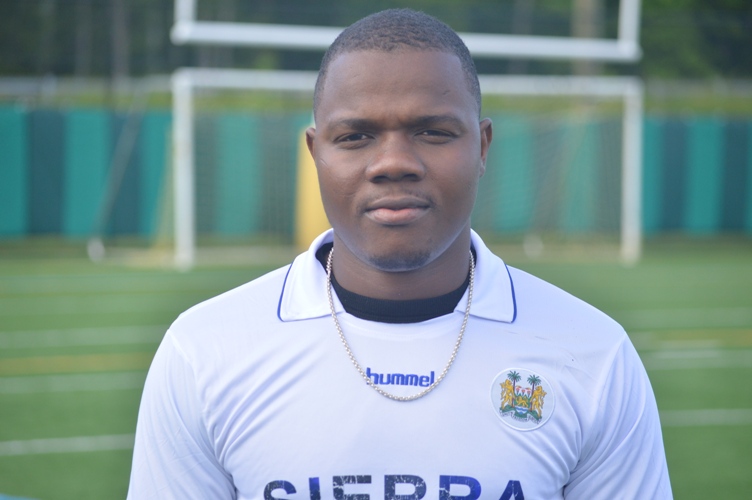
Suleyman Kuita
Defender
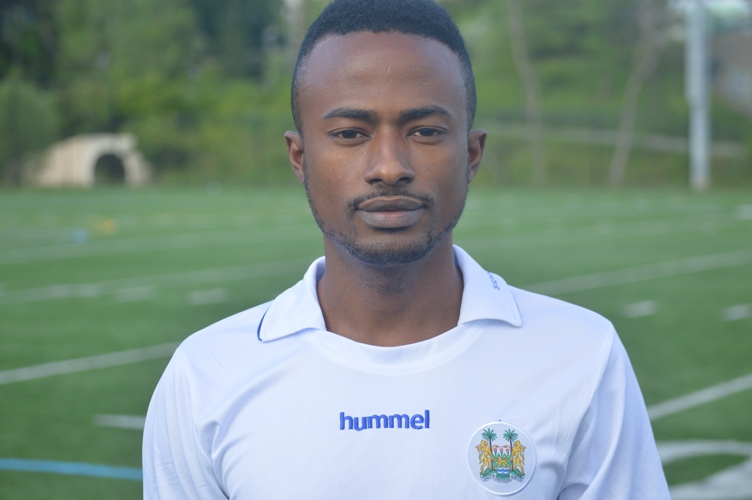
Tony Salomon
Midfielder
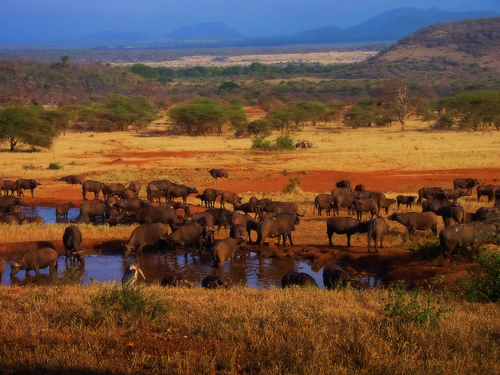
Yonis Yabe
Defender

Coaching Staff

Martin P.
C
Martin P.
Head Coach