 Sign In






 Facebook
 X-Twitter
 Instagram
 Linkedin
 Youtube




Squad List


Aako Bockarie
Forward
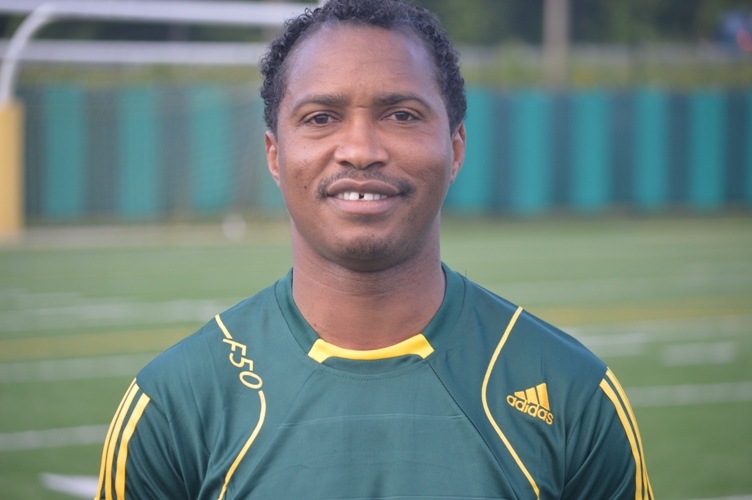
Benjamin John
Goalkeeper
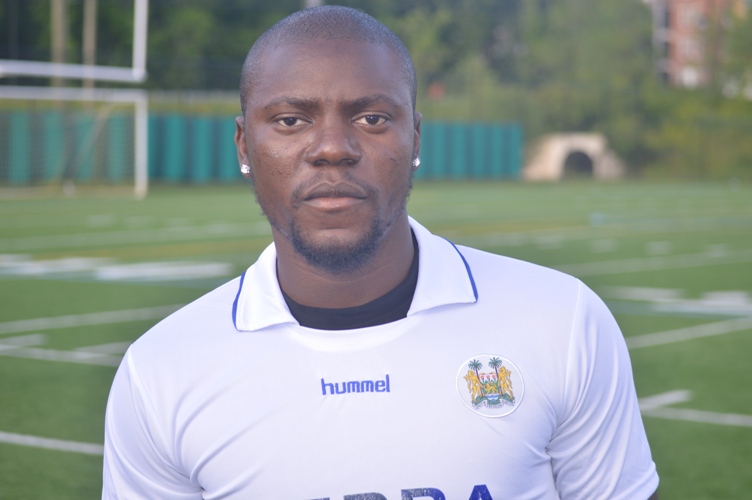
Charles King
Midfielder
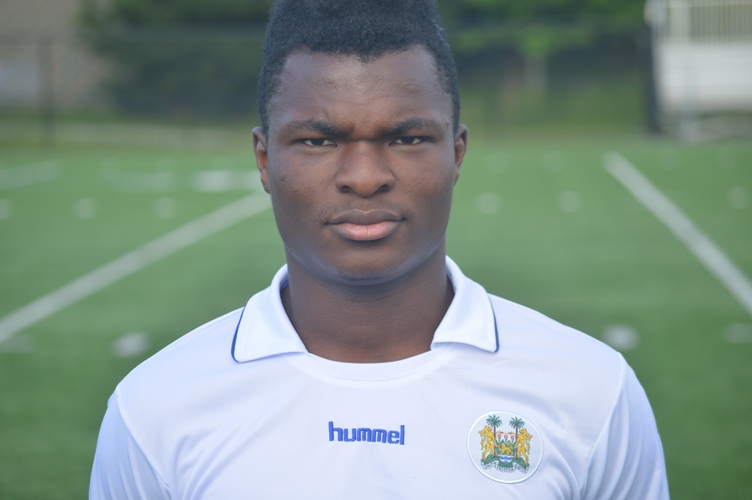
Emmanuel Noah
Defender
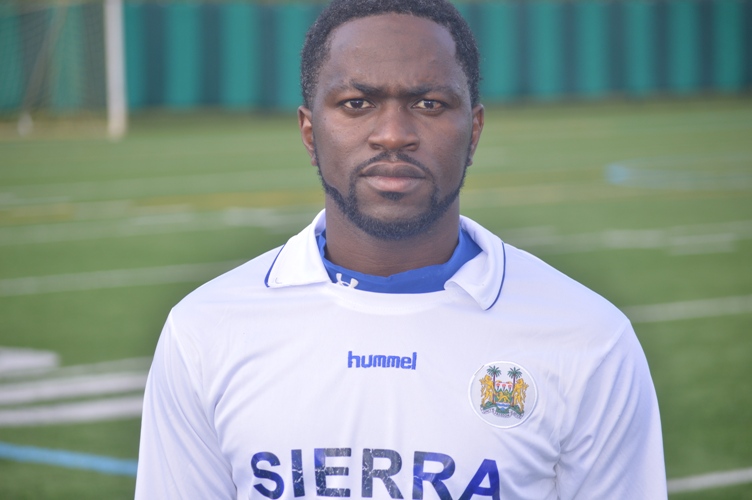
Foday Kabia
Forward
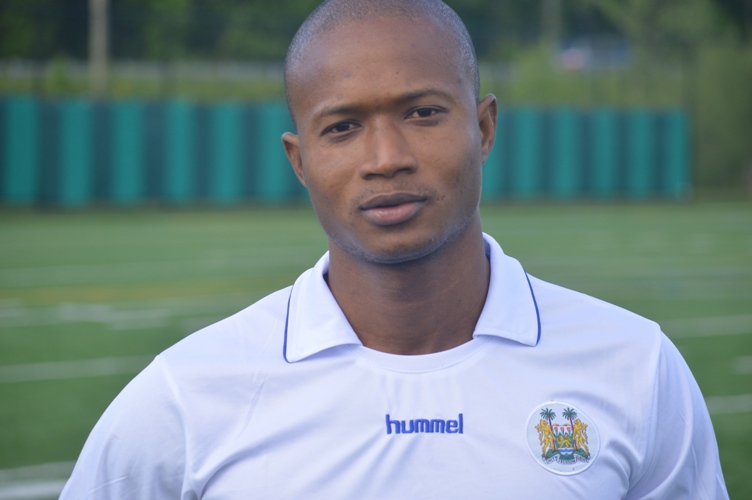
Francis Kamara
Midfielder
Fred Passi
Forward
Gabriel Essono
Defender
Hamed Nazari
Forward
Hanza Mukila
Midfielder
Ibrahim Camara
Midfielder
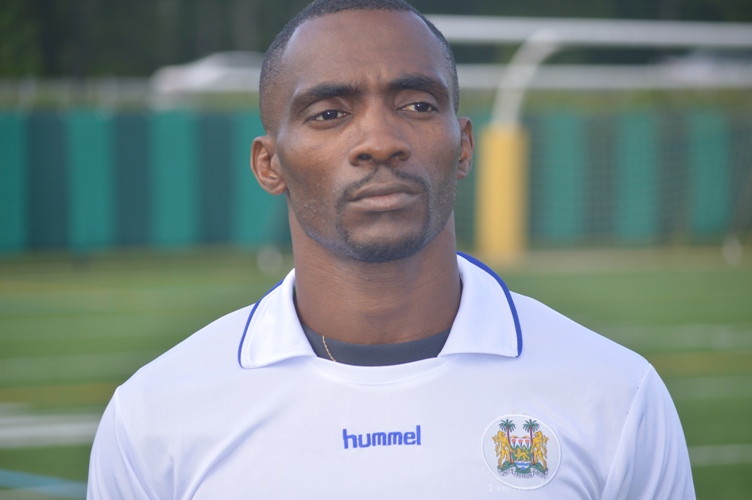
Issa Sesay
Midfielder
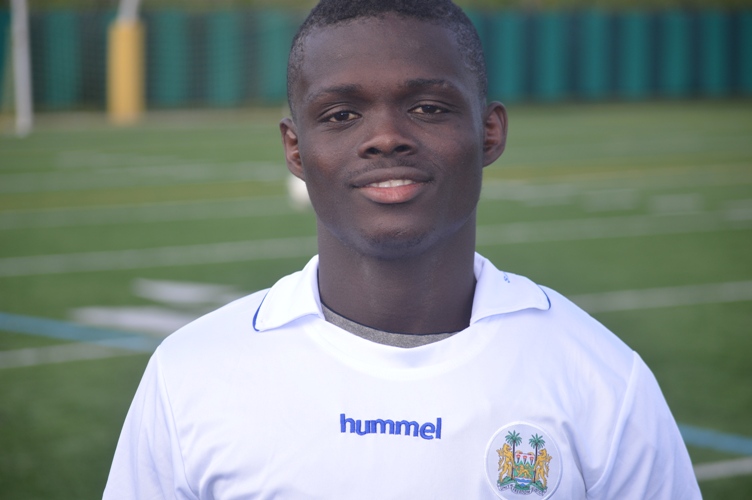
Lucky Mard
Defender
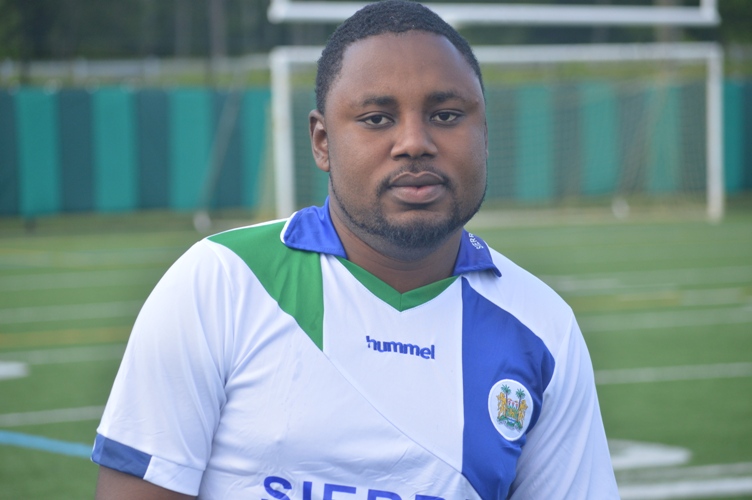
Mo Kamara
Midfielder
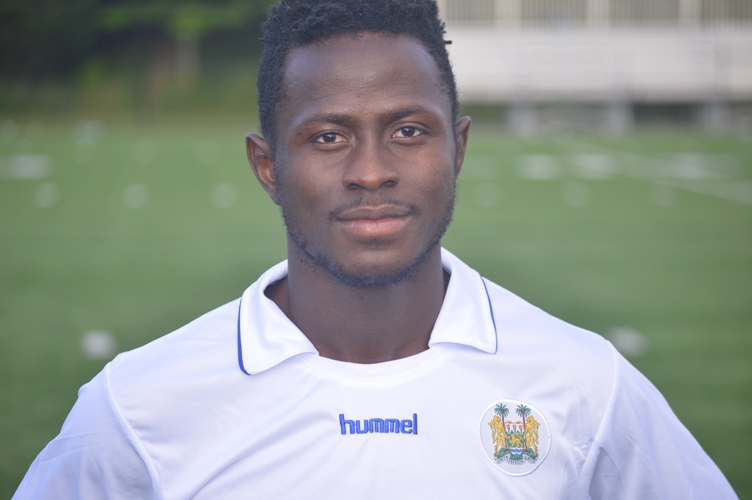
Mohamed Sesay
Forward
Moktar Elbi
Midfielder
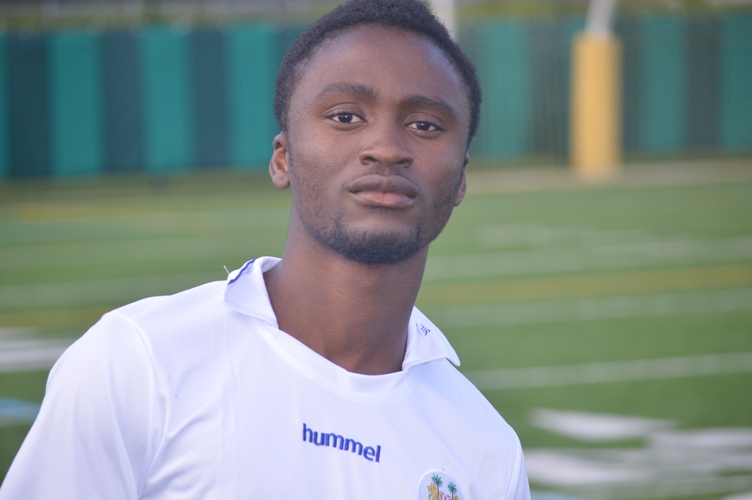
Nabie Yokie
Defender
Paul Mabela
Forward
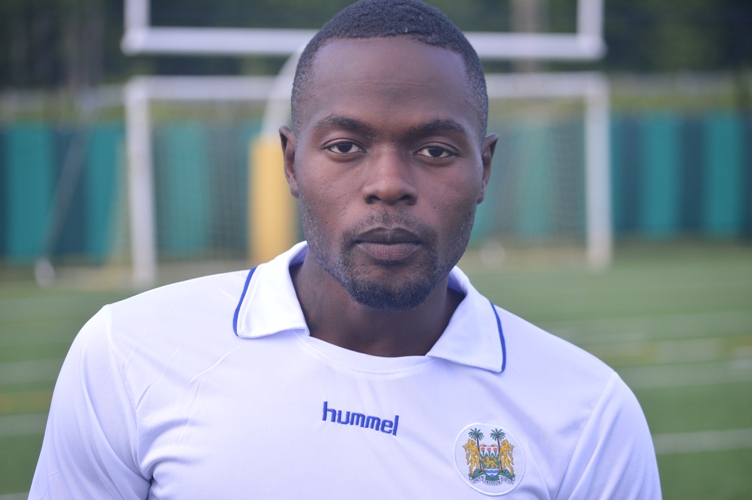
Rashid Deen
Defender
Sadick Hassan
Goalkeeper
Samuel Ahmed
Goalkeeper
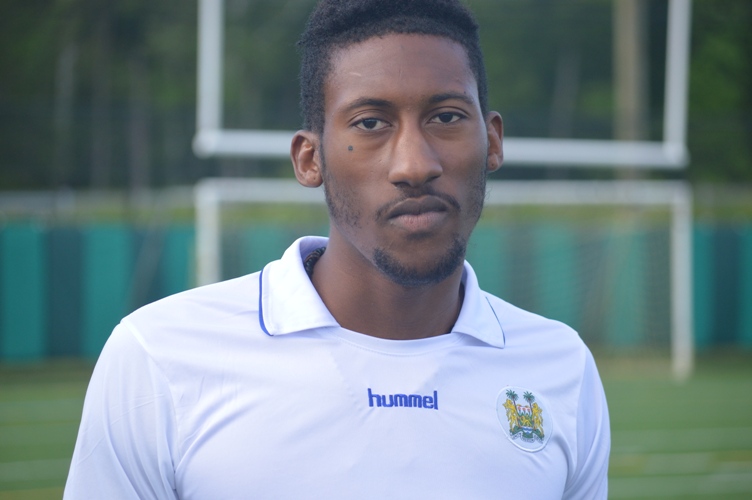
Shakeen Boburn
Forward
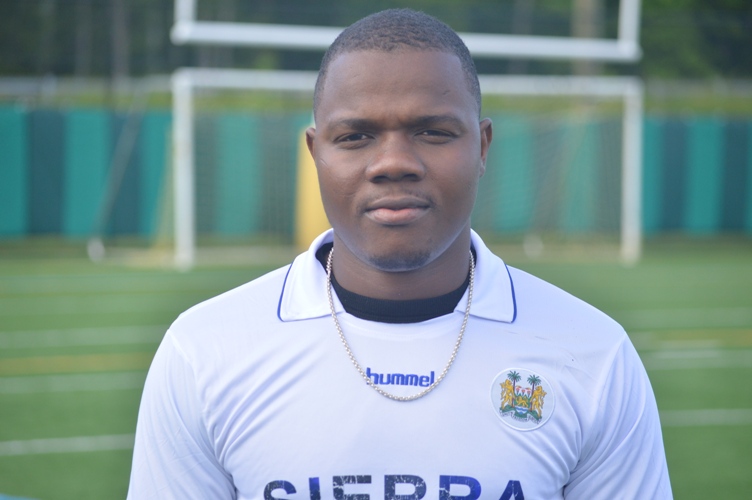
Suleyman Kuita
Defender
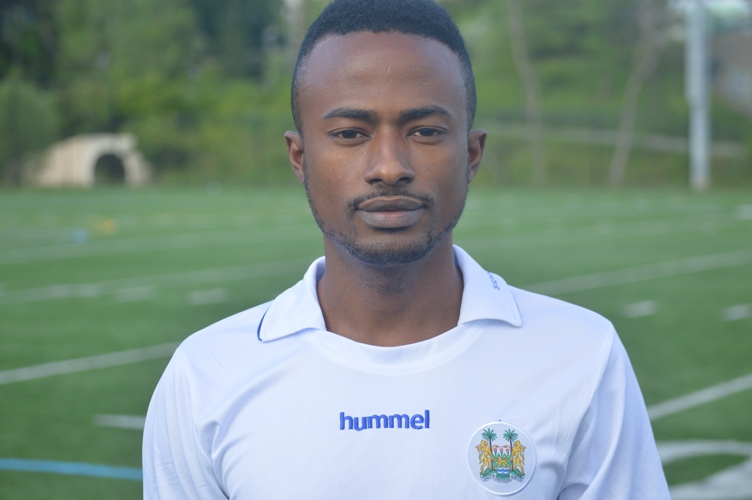
Tony Salomon
Midfielder
Yonis Yabe
Defender
Coaching Staff
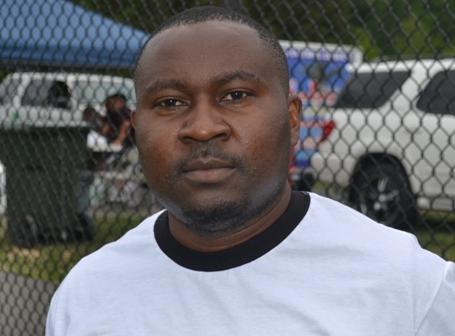
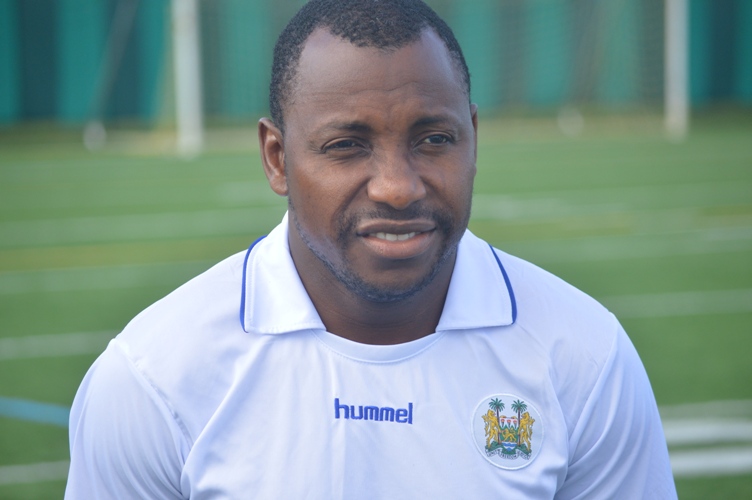
Martin P.
Head Coach

All bets are off
Lorem ipsum dolor sit amet, consectetur adipiscing elit, sed do eiusmod tempor incididunt ut
labore et dolore magna aliqua. Ut enim ad minim veniam, quis nostrud exercitation ullamco
laboris nisi ut aliquip ex ea commodo consequat. Duis aute irure dolor in
reprehenderit in voluptate velit esse cillum dolore eu fugiat nulla pariatur.