


Responsive Header
  • Where We Work
  • Cameroon
  • The Diaspora World Cup operates in some of the major cities and metro areas in United States and Canada. Our network of register players includes 20 cities, 200 countries, 400 teams, and 10,000 players. Join our movement to solve the world's most pressing challenges: Illiteracy
  • Who We are text will be here Who We are text will be here Who We are text will be here Who We are text will be here Who We are text will be here Who We are text will be here Who We are text will be here Who We are text will be here Who We are text will be here
  • What We Do text will be here What We Do text will be here What We Do text will be here What We Do text will be here What We Do text will be here What We Do text will be here What We Do text will be here What We Do text will be here What We Do text will be here What We Do text will be here What We Do text will be here What We Do text will be here
  • Get Involved text will be here Get Involved text will be here Get Involved text will be here Get Involved text will be here Get Involved text will be here Get Involved text will be here Get Involved text will be here Get Involved text will be here Get Involved text will be here Get Involved text will be here
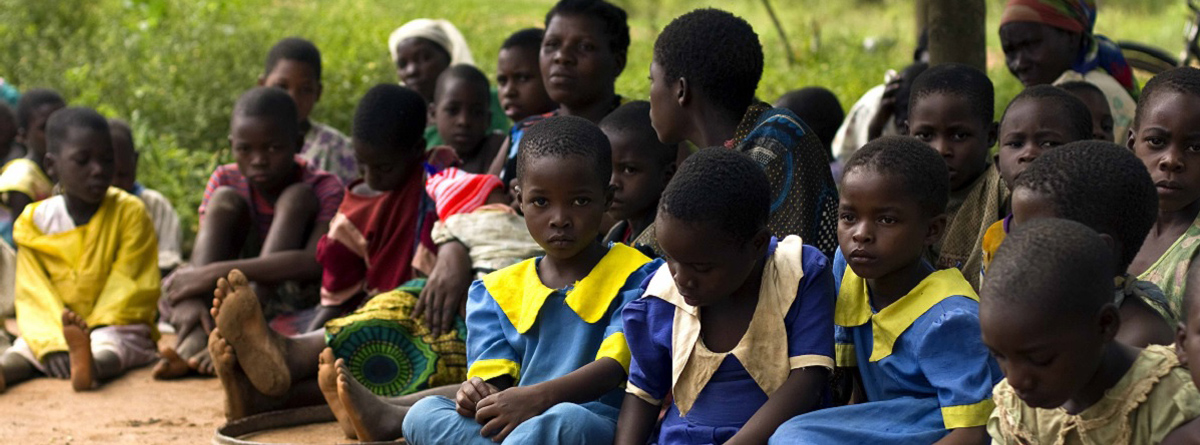
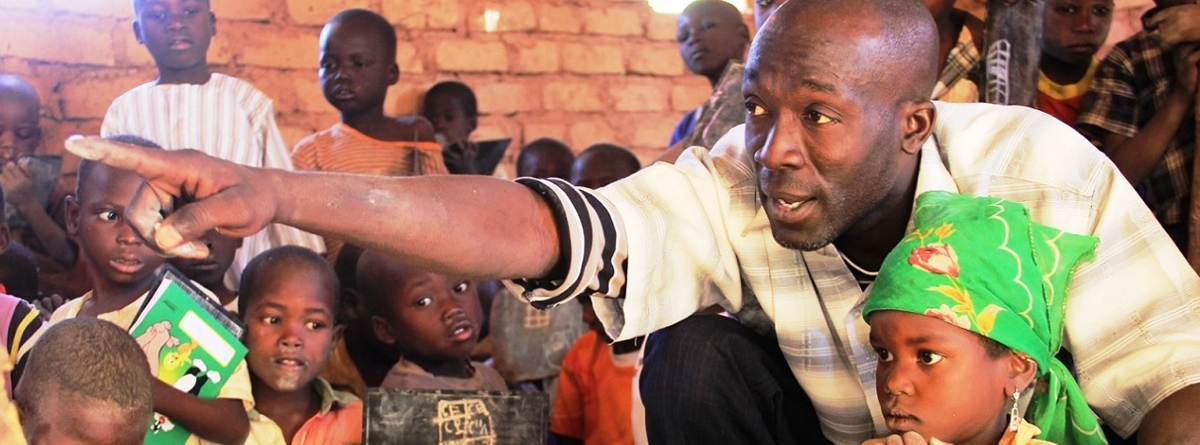
  • Education is a basic Human Right and the Diaspora World Cup global school program focuses its energy in some the poorest countries around the world. We build schools in some of the poorest countries around the worldthat historically had no adequate school structure. Any member of the World Diaspora has the power to end illiteracy around the world through the power of soccer.
  • High-profile sport figures, global leaders, business leaders, political figure, journalists, activists, philanthropists, actors, and entrepreneurs united by their commitment to the Diaspora World Cup mission to eradicate illiteracy around the world through the power of soccer. They serve as role models and spread the Diaspora World Cup vision and commitment of a world mobilized through soccer.
  •  
  •  
Diaspora 2027: complete guide to all players | The Diaspora
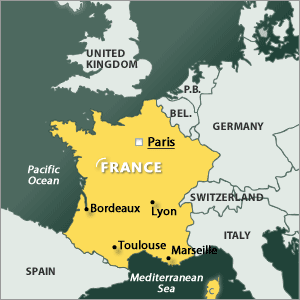
FRANCE
Silver Spring – Takoma P.
Welcome to the 2027 Diaspora World Cup.
Silver Spring – Takoma P.

SIGNIFICANCE

French immigration to the United States has generally reflected colonial exploration, religious persecution, political revolution, war, commercial ties, education, professional employment, family connections, and the search for economic opportunity.

French settlement in North America began during the age of exploration and expanded through colonies established in Canada, the Great Lakes, the Mississippi Valley, and Louisiana. Explorers, missionaries, soldiers, merchants, farmers, artisans, and administrators created communities that influenced the language, religion, law, architecture, food, and culture of several American regions. French Protestants known as Huguenots also settled in British colonies after escaping religious persecution. Later arrivals included refugees from the French Revolution and conflicts in Saint-Domingue, as well as farmers, craftspeople, artists, academics, businesspeople, and professionals. Although France never produced immigration to the United States on the same scale as Ireland, Germany, or Italy, French-speaking communities became especially influential in Louisiana, New York, and the Northeast.

French Migration Before American Independence

Before the United States became independent, French movement to North America was shaped by colonial expansion, trade, missionary activity, military competition, and religious conflict. One of the earliest French settlements was established on Saint Croix Island in 1604, followed by broader colonisation in New France and Louisiana. French traders and missionaries travelled through the Great Lakes and Mississippi Valley, while settlers founded agricultural, military, and commercial communities. Huguenots escaping Catholic persecution settled in places including New York, South Carolina, Massachusetts, and other English colonies during the seventeenth and early eighteenth centuries. Acadians expelled from eastern Canada during the eighteenth century later contributed to the development of Louisiana’s Cajun population. France formally recognised the independence of the United States and entered an alliance with it in 1778.

Nineteenth- and Twentieth-Century Immigration

French immigration continued during the nineteenth century as political revolutions, economic difficulties, changing governments, and employment opportunities encouraged some residents to leave. Arrivals included farmers, textile workers, artisans, merchants, teachers, chefs, artists, religious workers, and skilled professionals. Some settled in New York and Louisiana, while others established communities in Ohio, Missouri, Illinois, California, and New England. Immigration remained comparatively modest because France experienced less population pressure and overseas emigration than many neighbouring European countries. During and after the two World Wars, refugees, displaced persons, war brides, students, academics, scientists, executives, and professionals also entered the United States. French immigrants and their descendants preserved cultural connections through churches, schools, newspapers, restaurants, festivals, artistic institutions, and French-language organisations while contributing to American commerce, education, science, cuisine, literature, fashion, and the arts.

France country image
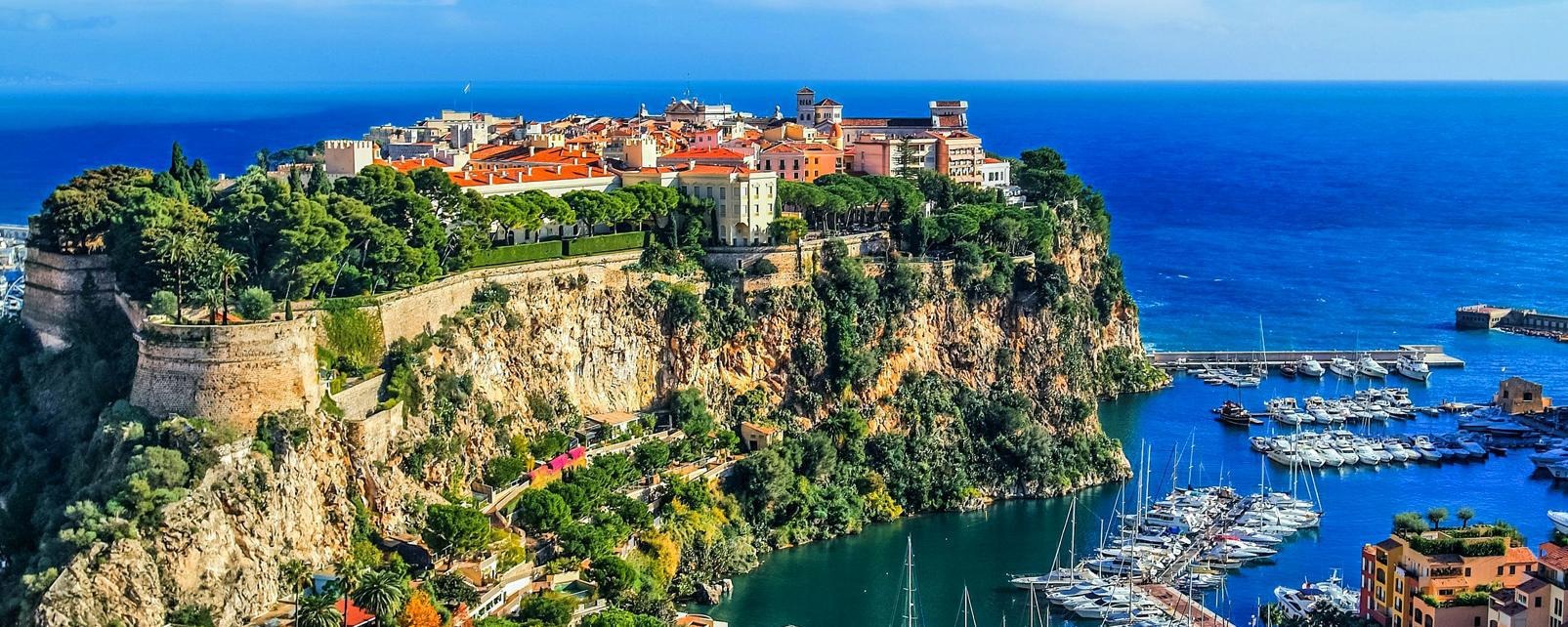
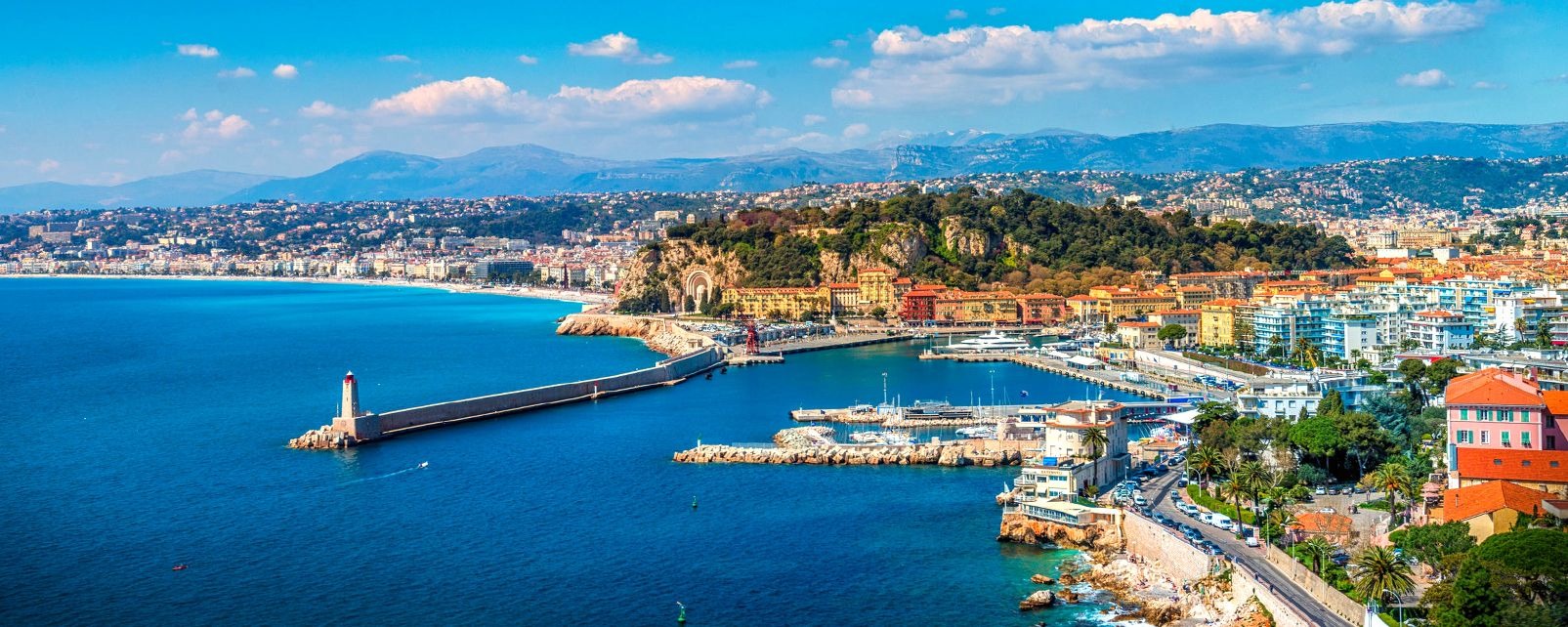
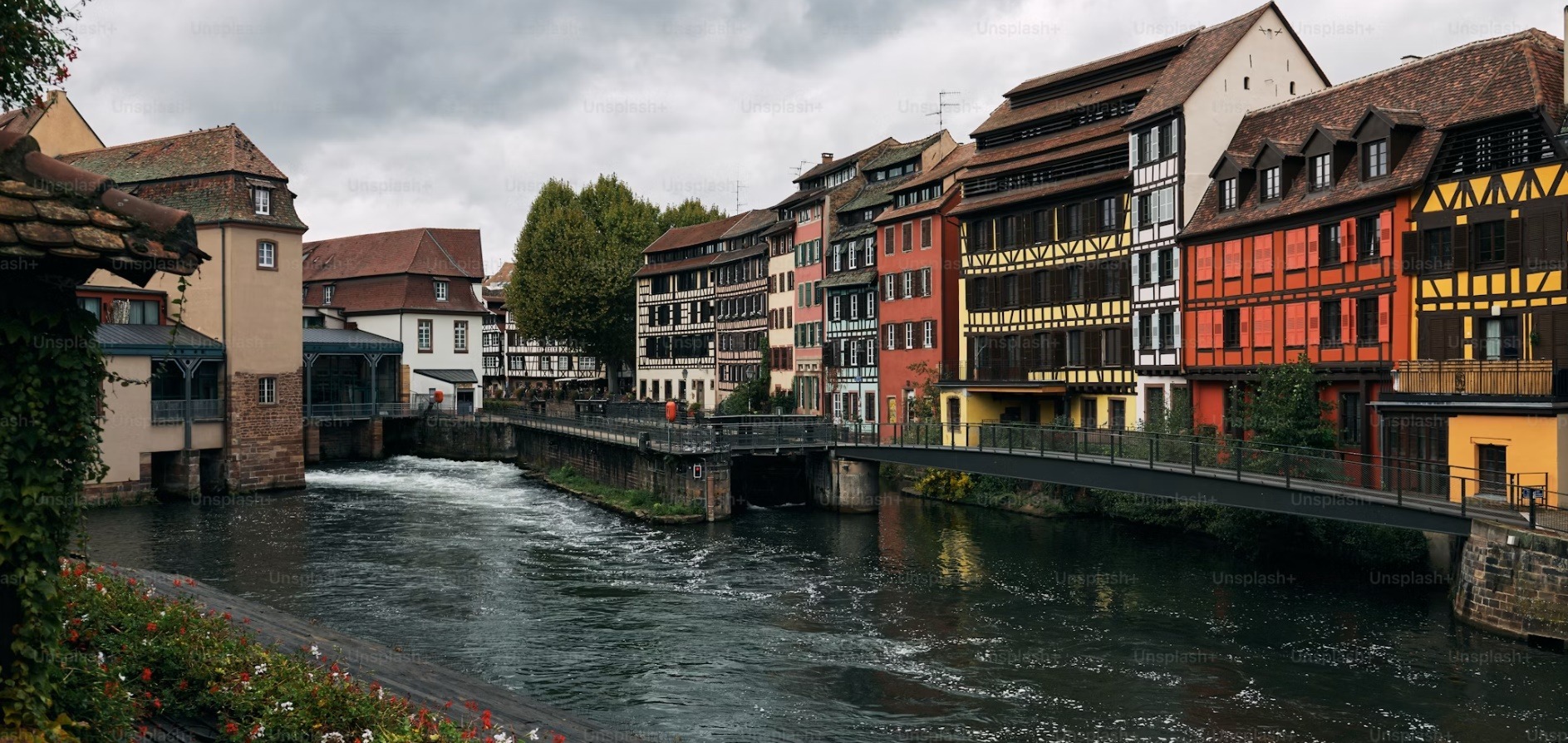
France overview image

Team Standings

Teams Mp W D L GF GA Pt
Brazil Brazil 0 0 0 0 0 0 0
Burkina F. Burkina F. 0 0 0 0 0 0 0
Cote I. Cote I. 0 0 0 0 0 0 0
Djibouti Djibouti 0 0 0 0 0 0 0
E. Guinea E. Guinea 0 0 0 0 0 0 0
France France 0 0 0 0 0 0 0
Gambia Gambia 0 0 0 0 0 0 0
Germany Germany 0 0 0 0 0 0 0
Togo Togo 0 0 0 0 0 0 0
Trinidad T. Trinidad T. 0 0 0 0 0 0 0

Squad List

Aarash Kamali
Defender
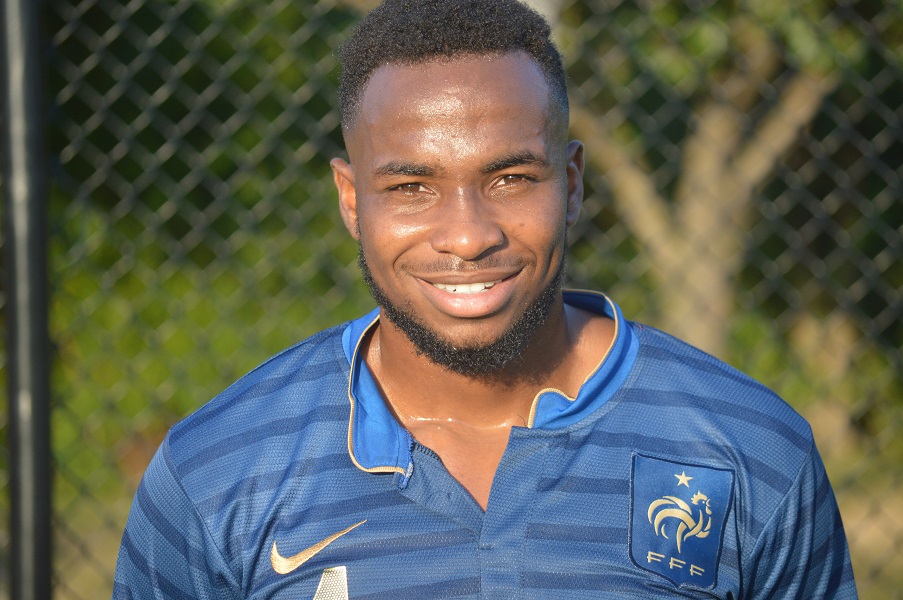
Abdoulaye Telli
Forward
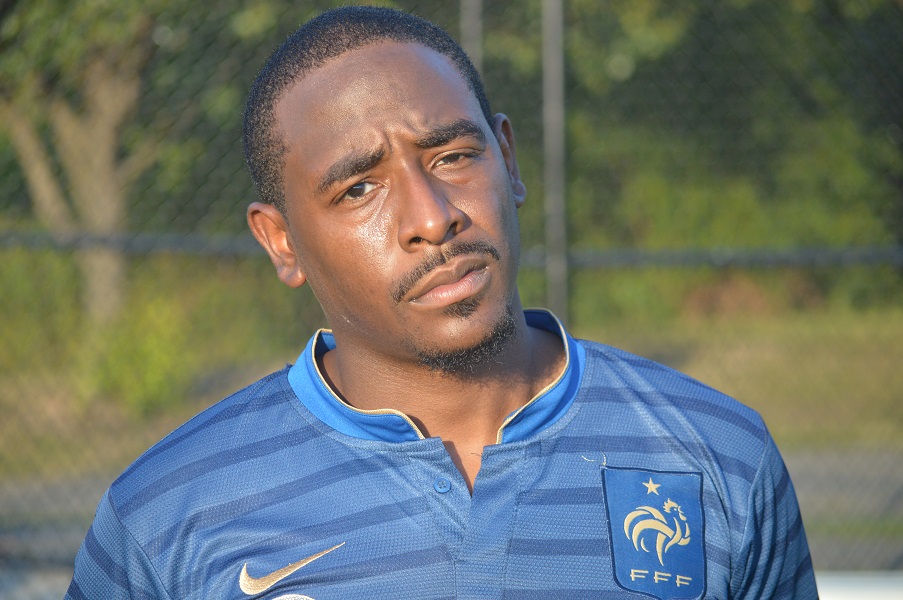
Albert Gamal
Midfielder
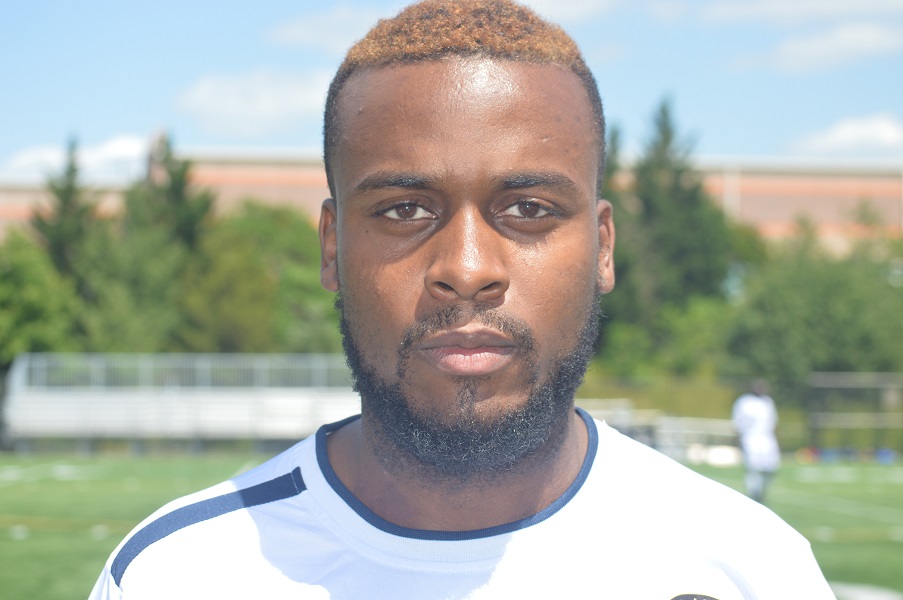
Boli Kemda
Forward
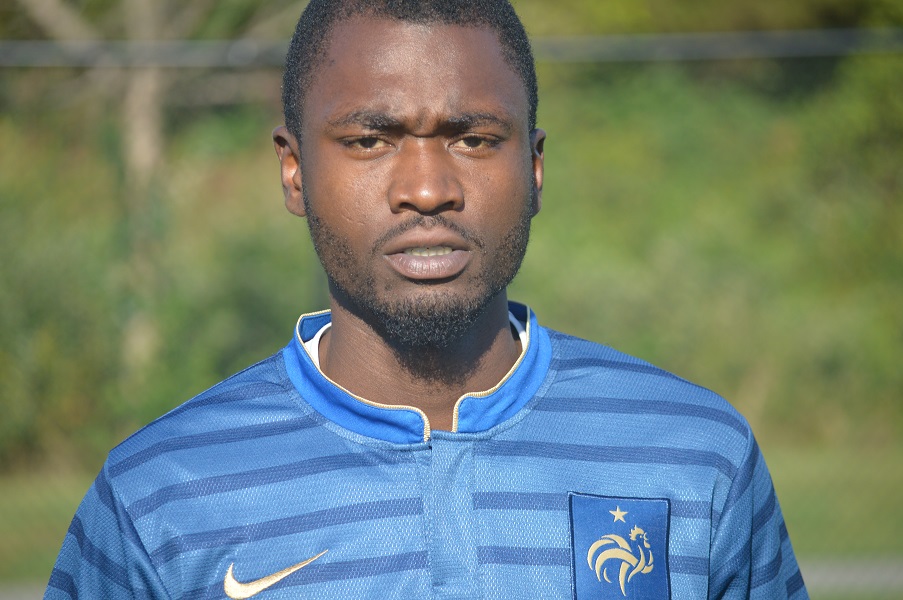
Eric Boka
Midfielder
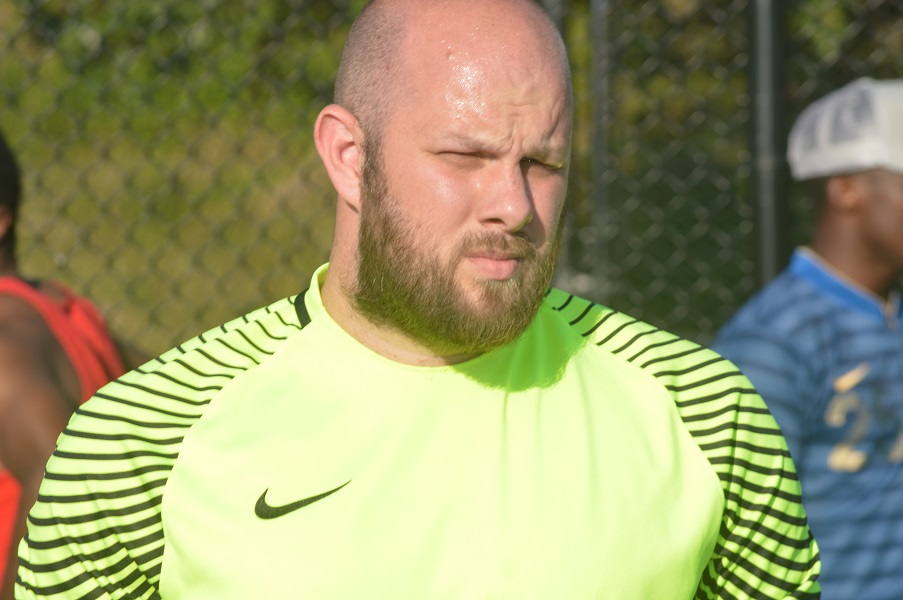
Frank Doumbe
Midfielder
Guillaume Paul
Goalkeeper
Jacob Nambi
Midfielder
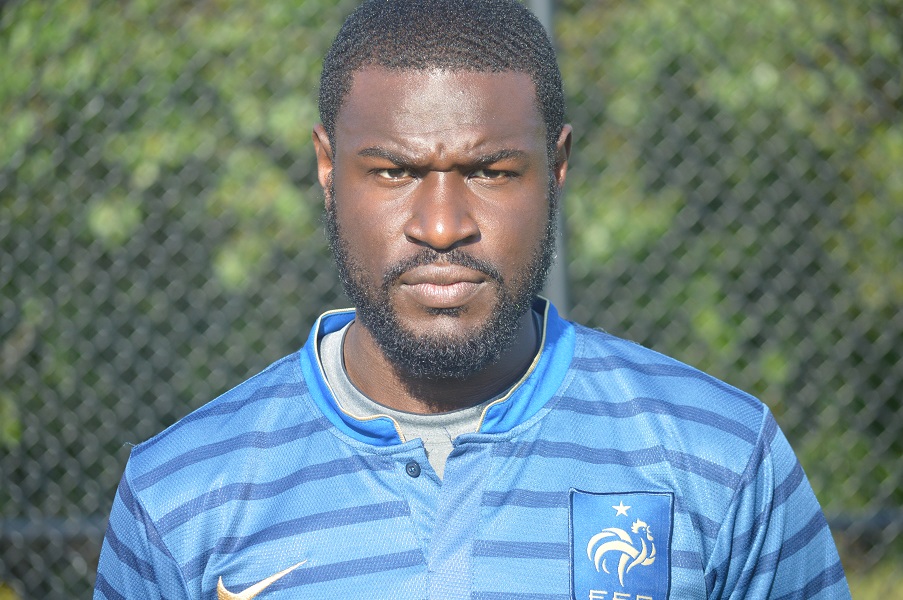
Jason Carson
Defender
Jerome Dufour
Goalkeeper
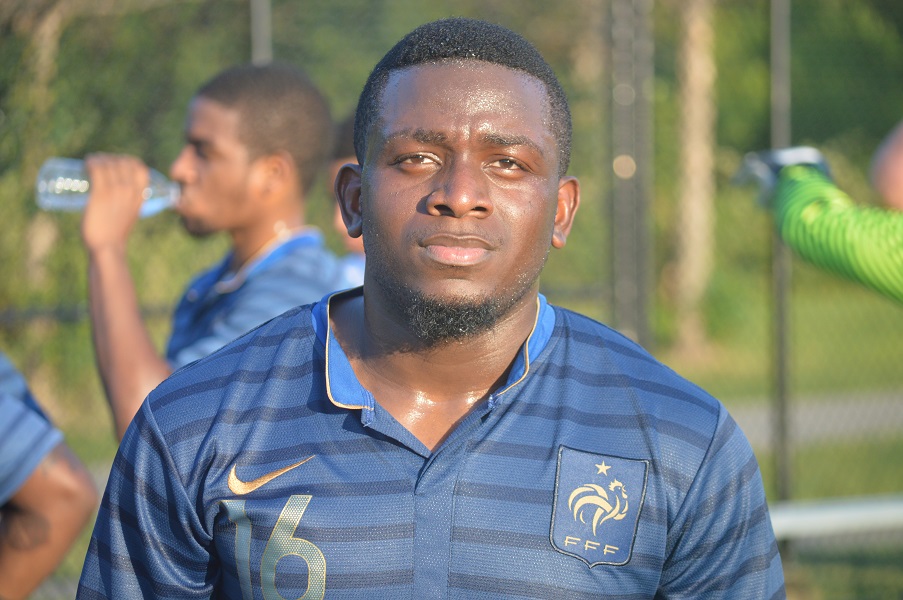
John Prasad
Midfielder
Jose Gongalez
Midfielder
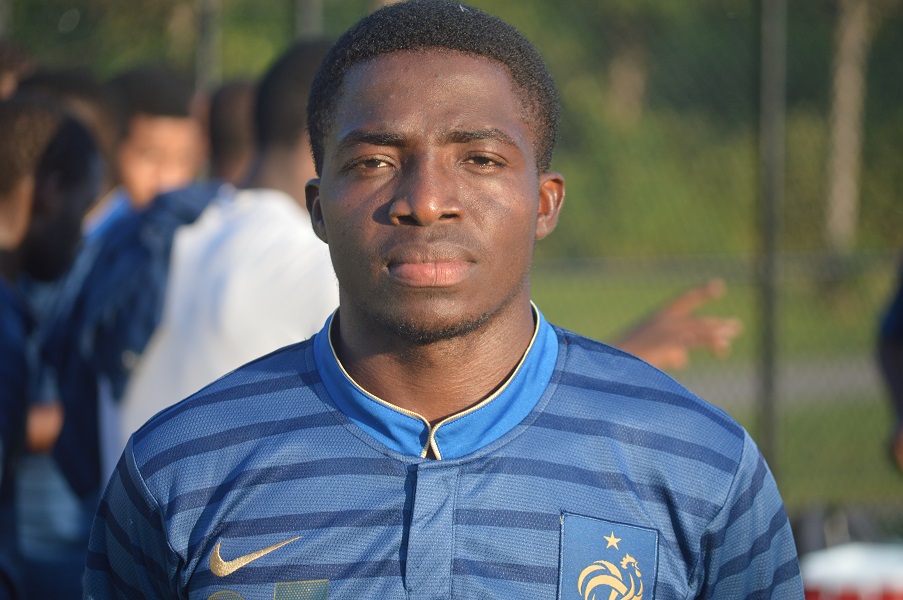
Jules Pekos
Defender
Junior Poko
Defender
Karem Abdul
Goalkeeper
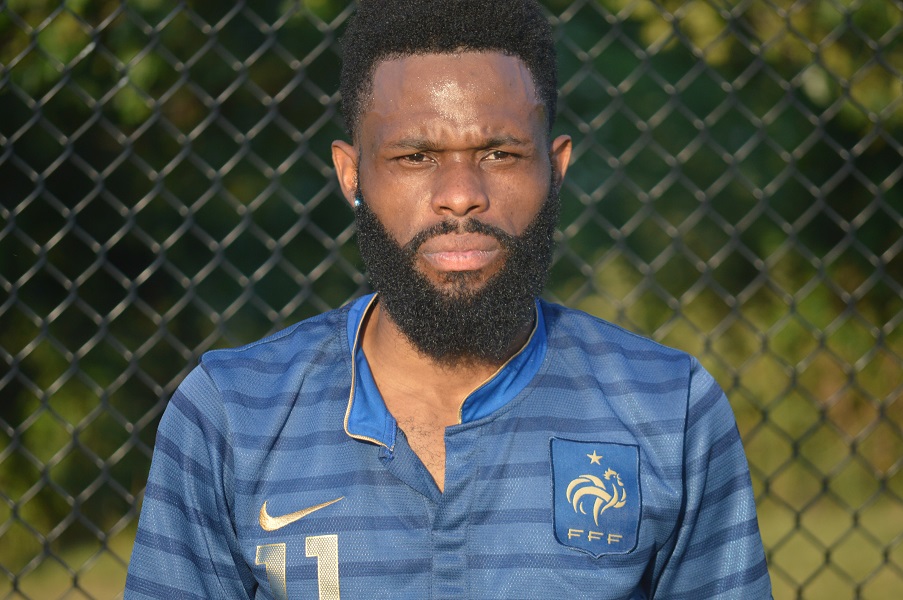
Karim Jean
Forward
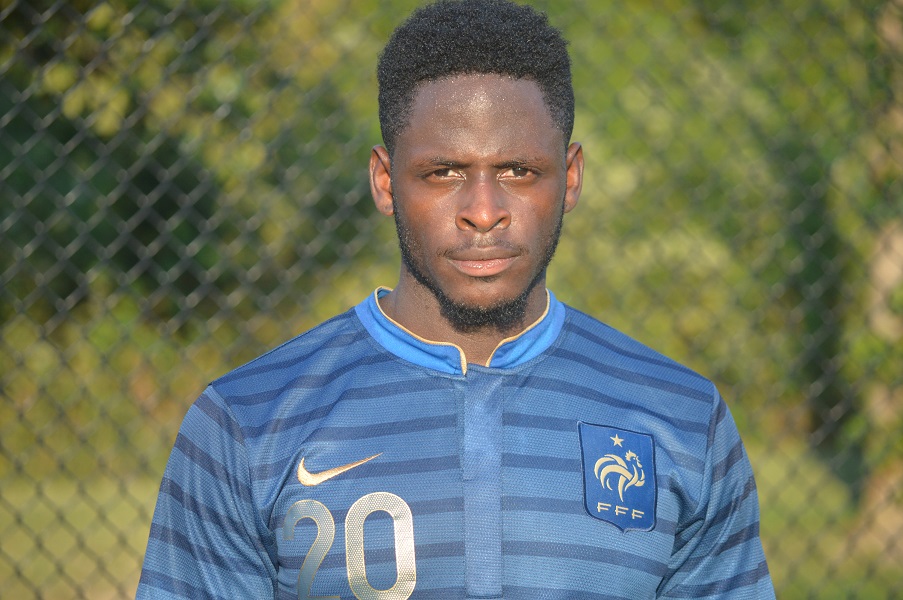
Ketch Akum
Midfielder
Mel Albertson
Forward
Oriole Andrews
Forward
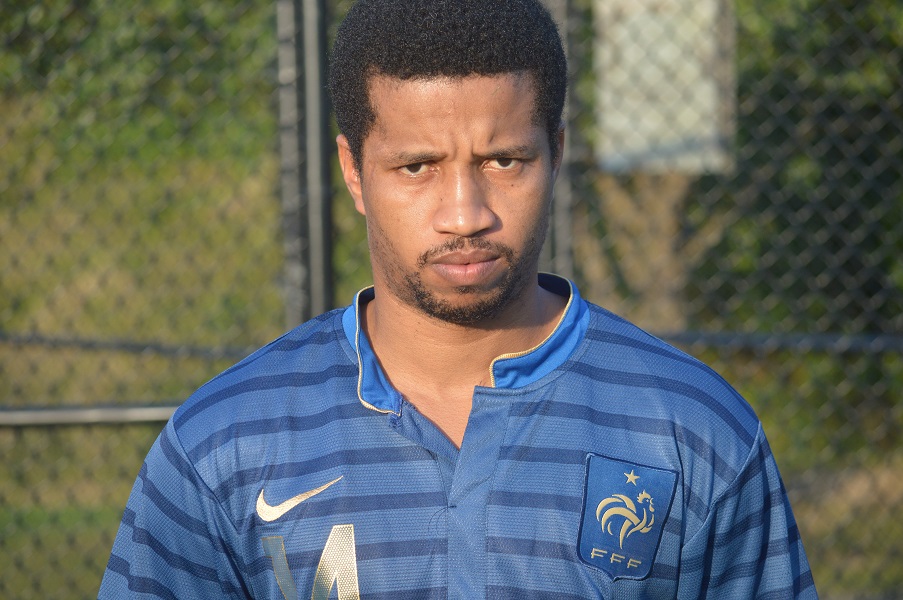
Pierre Laurent
Forward
Robert Carson
Forward
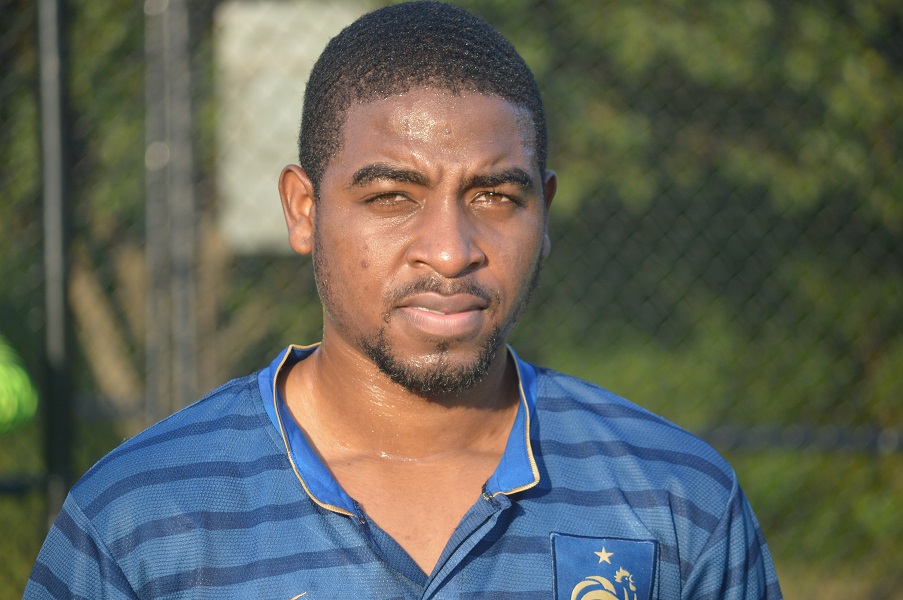
Samuel Nguesso
Defender
Simon Ateba
Defender

Suila Fon
Defender
Sydney Obinga

Coaching Staff
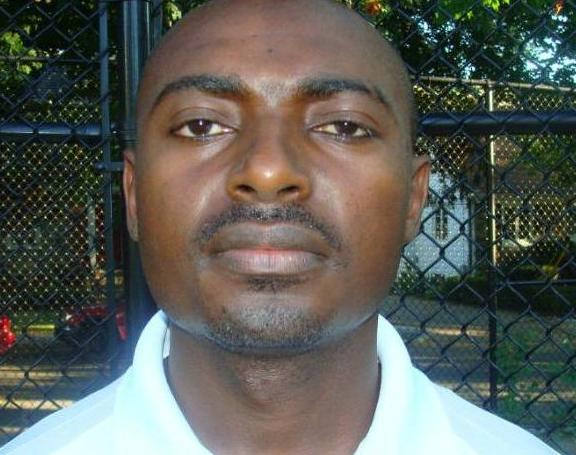
Joel Metang
C
Joel Metang
Head Coach