


Responsive Header
  • Where We Work
  • Cameroon
  • The Diaspora World Cup operates in some of the major cities and metro areas in United States and Canada. Our network of register players includes 20 cities, 200 countries, 400 teams, and 10,000 players. Join our movement to solve the world's most pressing challenges: Illiteracy
  • Who We are text will be here Who We are text will be here Who We are text will be here Who We are text will be here Who We are text will be here Who We are text will be here Who We are text will be here Who We are text will be here Who We are text will be here
  • What We Do text will be here What We Do text will be here What We Do text will be here What We Do text will be here What We Do text will be here What We Do text will be here What We Do text will be here What We Do text will be here What We Do text will be here What We Do text will be here What We Do text will be here What We Do text will be here
  • Get Involved text will be here Get Involved text will be here Get Involved text will be here Get Involved text will be here Get Involved text will be here Get Involved text will be here Get Involved text will be here Get Involved text will be here Get Involved text will be here Get Involved text will be here
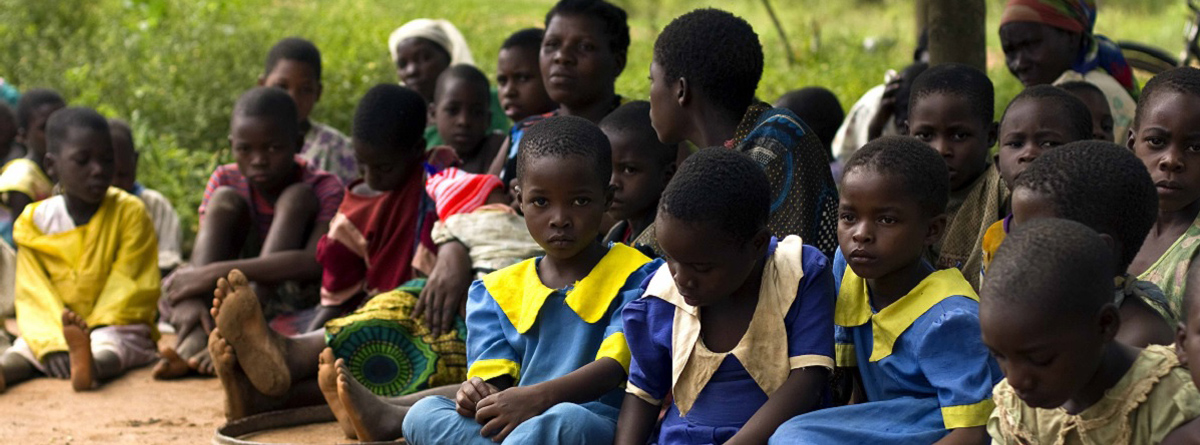
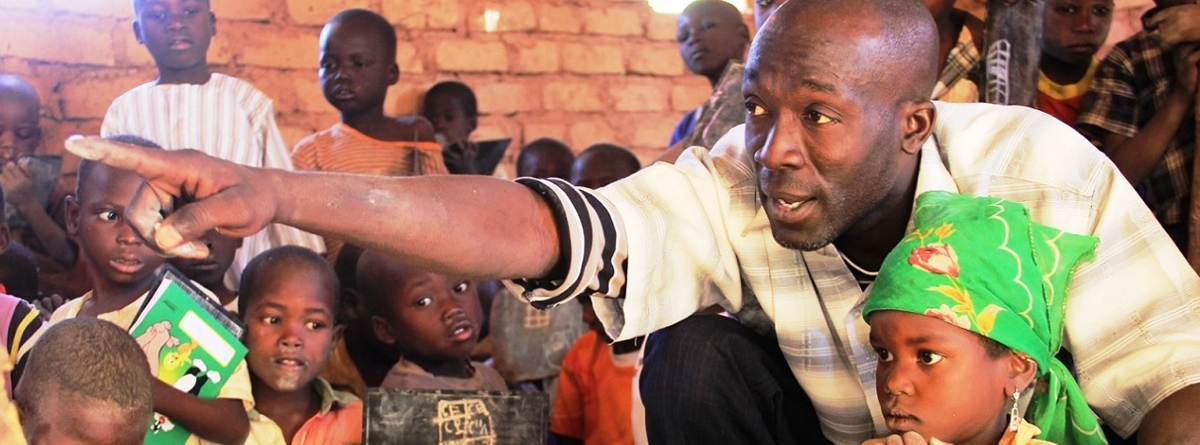
  • Education is a basic Human Right and the Diaspora World Cup global school program focuses its energy in some the poorest countries around the world. We build schools in some of the poorest countries around the worldthat historically had no adequate school structure. Any member of the World Diaspora has the power to end illiteracy around the world through the power of soccer.
  • High-profile sport figures, global leaders, business leaders, political figure, journalists, activists, philanthropists, actors, and entrepreneurs united by their commitment to the Diaspora World Cup mission to eradicate illiteracy around the world through the power of soccer. They serve as role models and spread the Diaspora World Cup vision and commitment of a world mobilized through soccer.
  •  
  •  
Diaspora 2027: complete guide to all players | The Diaspora
COTE I.
Silver Spring – Takoma P.
Welcome to the 2027 Diaspora World Cup.
Silver Spring – Takoma P.

Significance

Ivorian immigration to the United States has generally reflected French colonial connections, economic difficulties, political instability, armed conflict, education, professional opportunities, asylum, family reunification, and the search for improved employment.

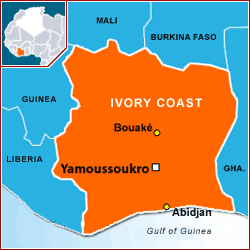
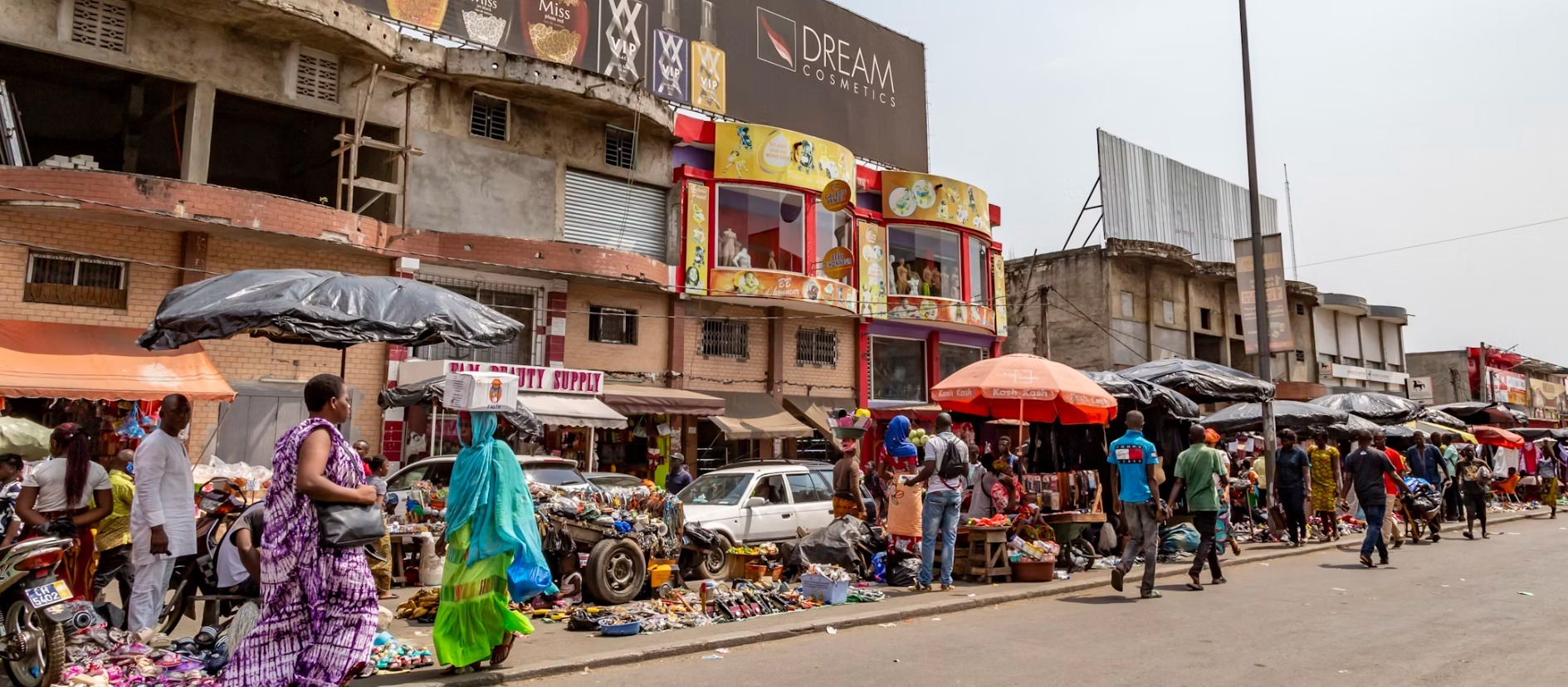
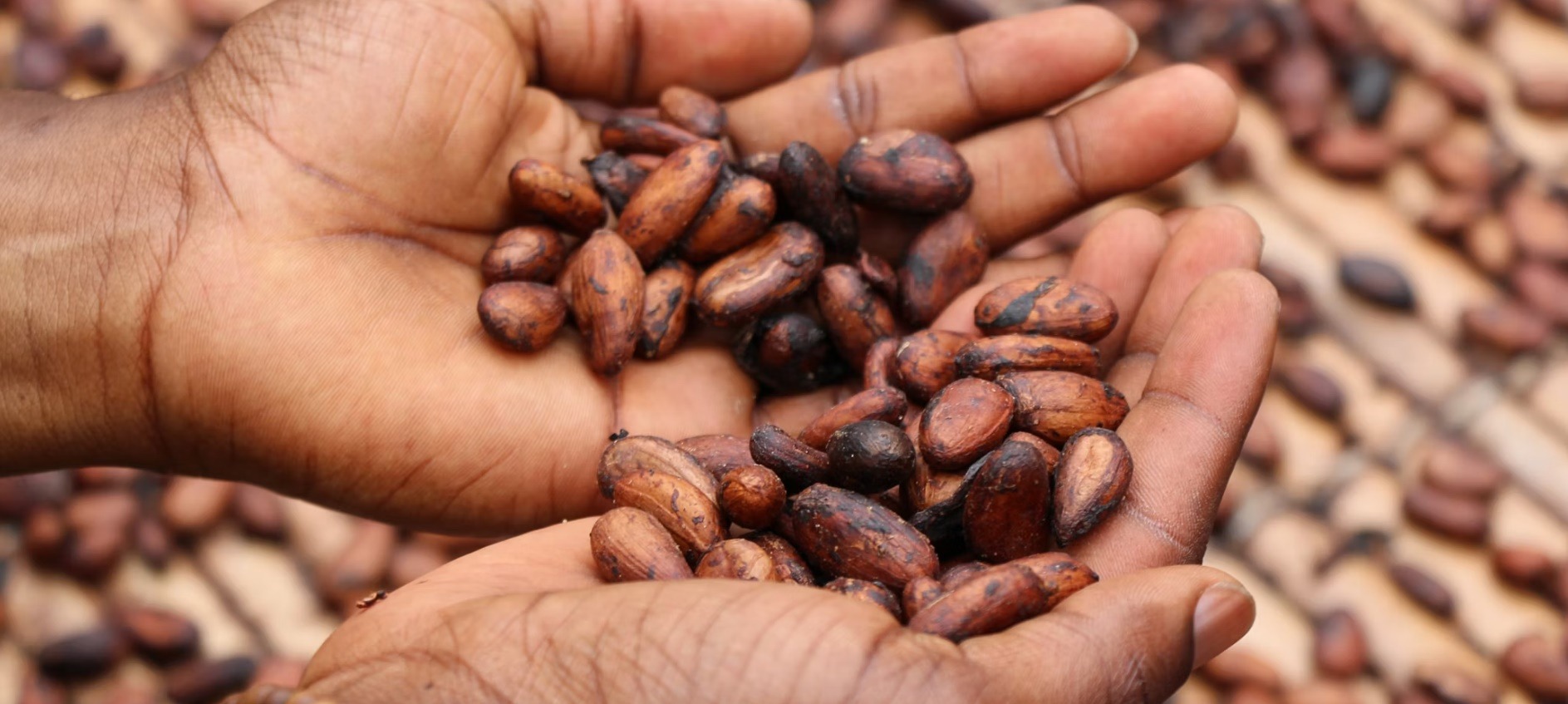
Migration from Côte d’Ivoire—also known as the Ivory Coast—historically occurred mainly within West Africa and toward France rather than the United States. For much of the twentieth century, Côte d’Ivoire was primarily a destination for workers from neighbouring countries because its coffee, cocoa, forestry, and commercial industries offered regional employment. Ivorian emigration remained comparatively limited until economic decline and political crises increased outward movement during the 1980s, 1990s, and early twenty-first century. Students, diplomats, academics, healthcare workers, businesspeople, skilled professionals, asylum seekers, and families gradually settled in France, Italy, Canada, the United States, and other countries. Ivorian communities abroad maintained connections through remittances, cultural associations, religious institutions, and family networks.

Ivorian Migration Before Independence

Before independence, migration was shaped by French colonial administration, plantation agriculture, forced labour, military recruitment, regional trade, and movement throughout French West Africa. Workers from neighbouring territories travelled to Côte d’Ivoire for employment on coffee and cocoa plantations, in forests, ports, construction, and domestic service, making the territory an important regional destination. Ivorians also moved across colonial borders as farmers, traders, soldiers, students, religious workers, and government employees. Direct migration to the United States remained uncommon because most political, educational, and commercial relationships operated through France and nearby African territories. Côte d’Ivoire achieved independence from France on August 7, 1960, and the United States recognised the new republic and established diplomatic relations on the same day.

Late-Twentieth- and Early-Twenty-First-Century Immigration

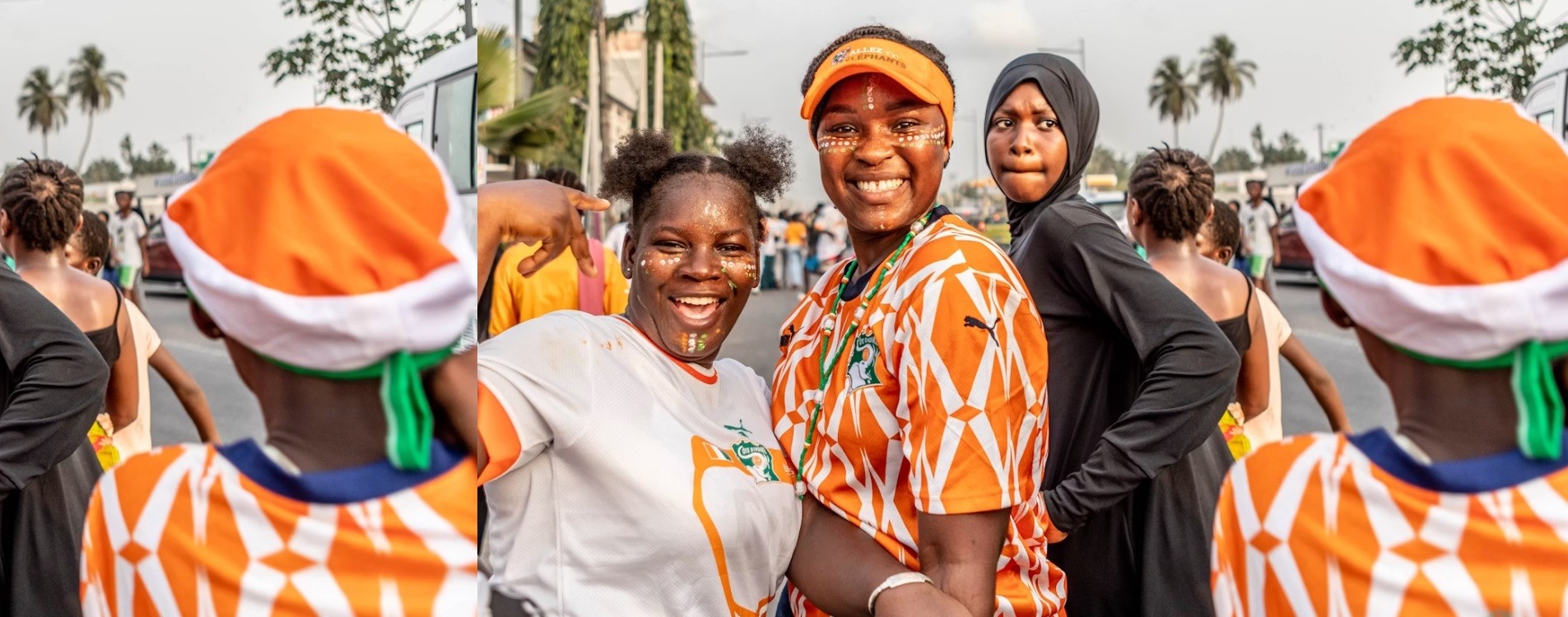
Ivorian emigration increased after a prolonged economic crisis began during the 1980s and was later intensified by the 1999 military coup, the political and military crisis that began in 2002, and the post-election violence of 2010–2011. Migrants travelled mainly to neighbouring West African countries and Europe, particularly France, while the United States and Canada became increasingly important destinations. Arrivals in America included students, doctors, nurses, engineers, academics, entrepreneurs, religious workers, asylum seekers, and relatives joining established families. Migration pathways included university study, professional employment, family sponsorship, humanitarian protection, and the Diversity Visa programme. Ivorian immigrants formed churches, mosques, businesses, professional networks, and cultural organisations while preserving French, Indigenous languages, food, music, dance, religious traditions, and close relationships with relatives in Côte d’Ivoire

Cote I. country image
Cote I. overview image

Team Standings

Teams Mp W D L GF GA Pt
Brazil Brazil 0 0 0 0 0 0 0
Burkina F. Burkina F. 0 0 0 0 0 0 0
Cote I. Cote I. 0 0 0 0 0 0 0
Djibouti Djibouti 0 0 0 0 0 0 0
E. Guinea E. Guinea 0 0 0 0 0 0 0
France France 0 0 0 0 0 0 0
Gambia Gambia 0 0 0 0 0 0 0
Germany Germany 0 0 0 0 0 0 0
Togo Togo 0 0 0 0 0 0 0
Trinidad T. Trinidad T. 0 0 0 0 0 0 0

Squad List

Cedric Dalle
Defender
Diaw Alex
Defender
Emma Polio
Defender
Fabrice Akadje
Defender
Frank Aka
Goalkeeper
Fred Gnonssoua
Goalkeeper
Guillaume Mo
Midfielder
Guizo Mougnin
Defender
Junior Alasco
Forward
Karl Baltm
Forward
Kevin Fallet
Forward
Lazer Ouedraogo
Midfielder
Michel Ouattara
Defender
Mohamed Telli
Forward
Nziklio Arthur
Defender
Okondo Gombo
Midfielder
Olivier Amani
Midfielder
Olivier Lappa
Forward
Piket Asso
Defender
Roger Sampao
Goalkeeper
Romeo Panka
Midfielder
Romeo Vargas
Midfielder
Rommel Paul
Defender
Sidi Bakayoko
Defender
Sidiki Mohamed
Forward
Stephane Behin
Midfielder
Thierry Ahoulou
Defender
Valere Avit
Midfielder
Vivet Ablo
Forward
Yannick Soignon
Forward

Coaching Staff
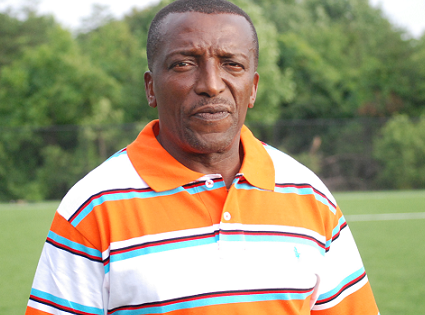
Don. Igwebuike
C
Don. Igwebuike
Head Coach